Summer Church Signs: What Are The Best Sayings And Ideas For The Season?

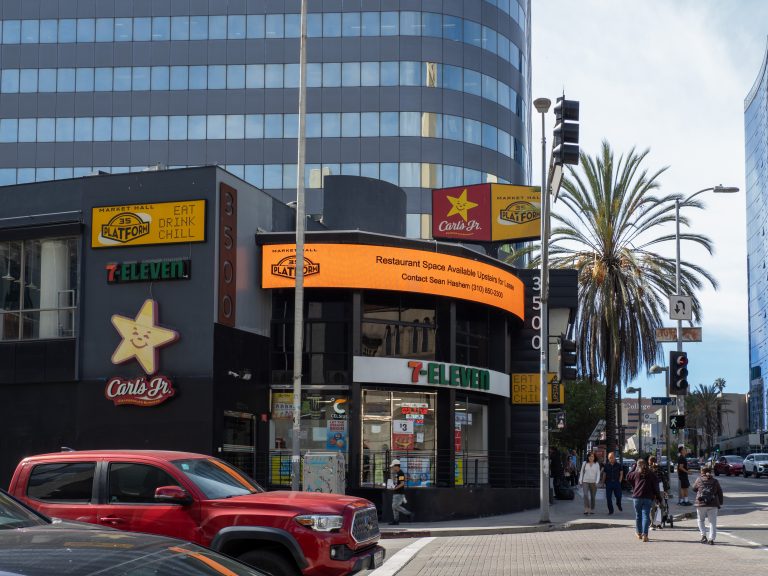
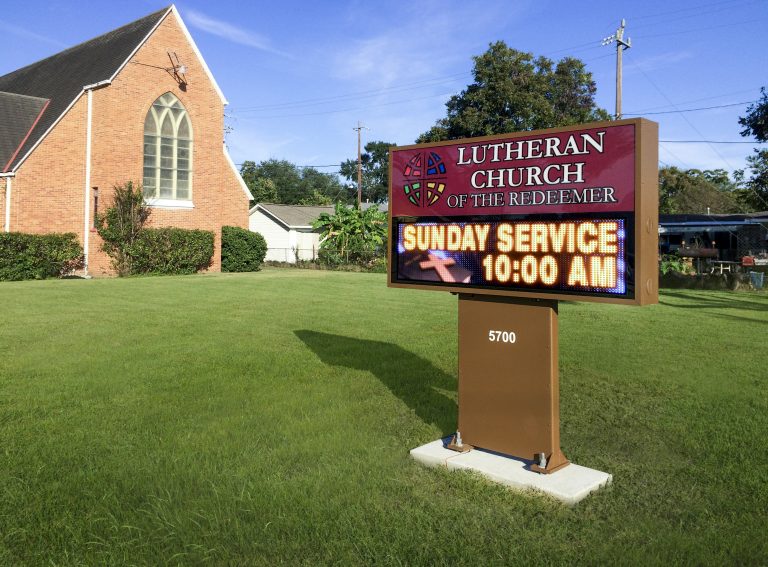
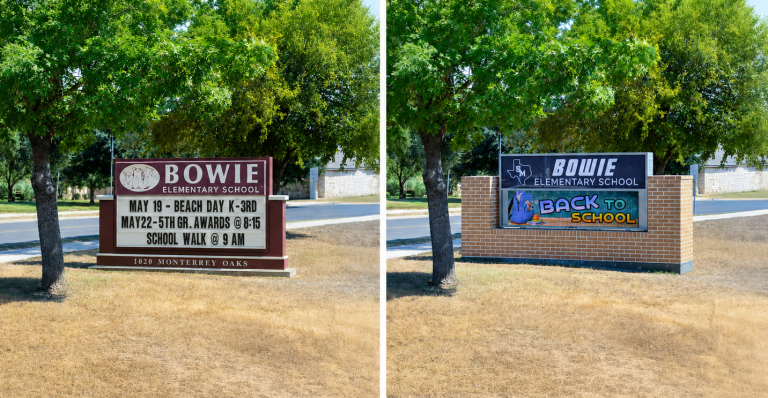
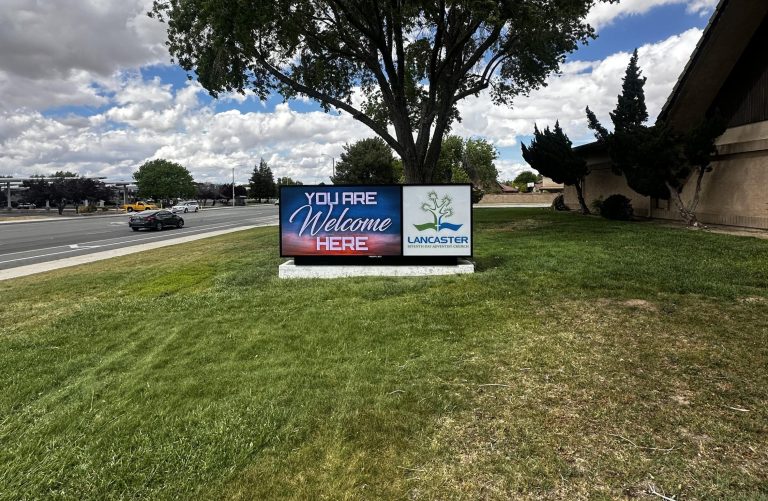
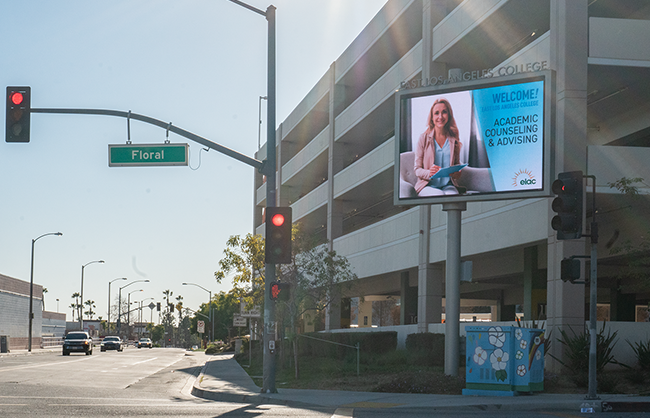
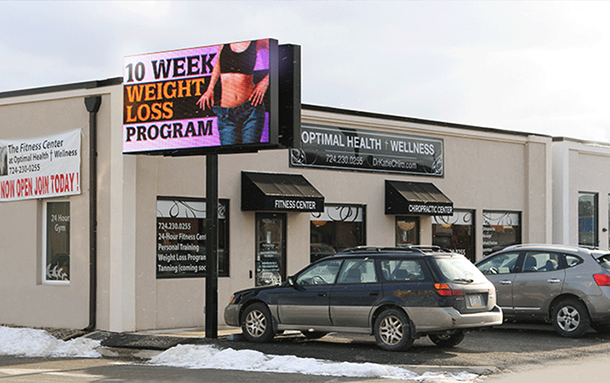
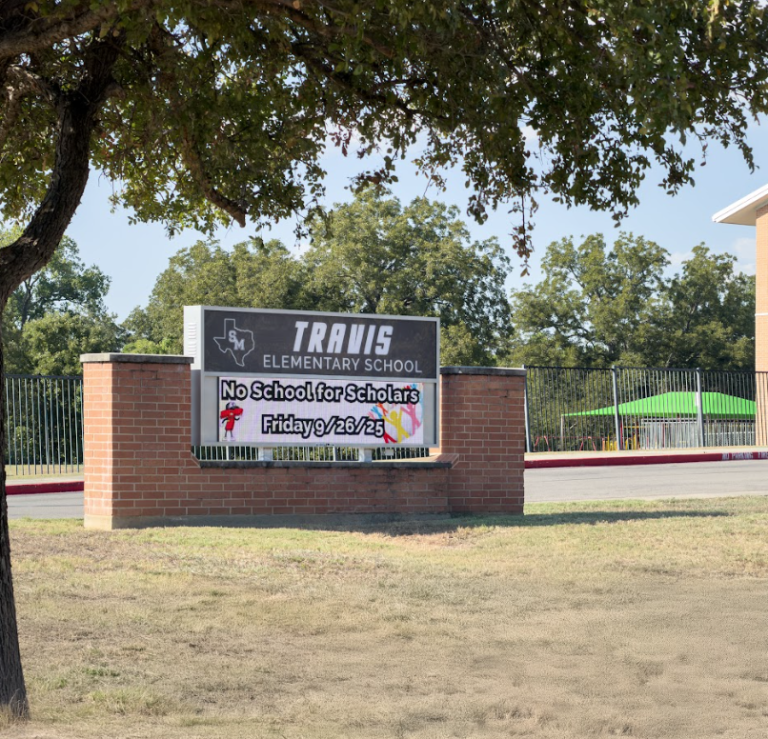
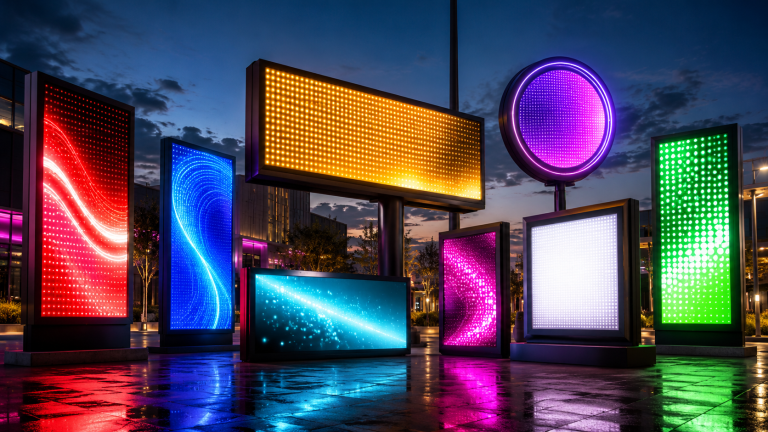
Alpha LED sign boards are great for anything from churches, to schools, to business. They tend to do great in large open spaces, where they are clearly visible.

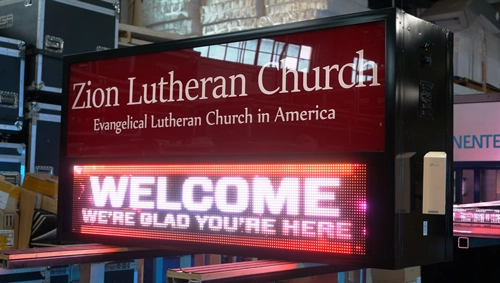
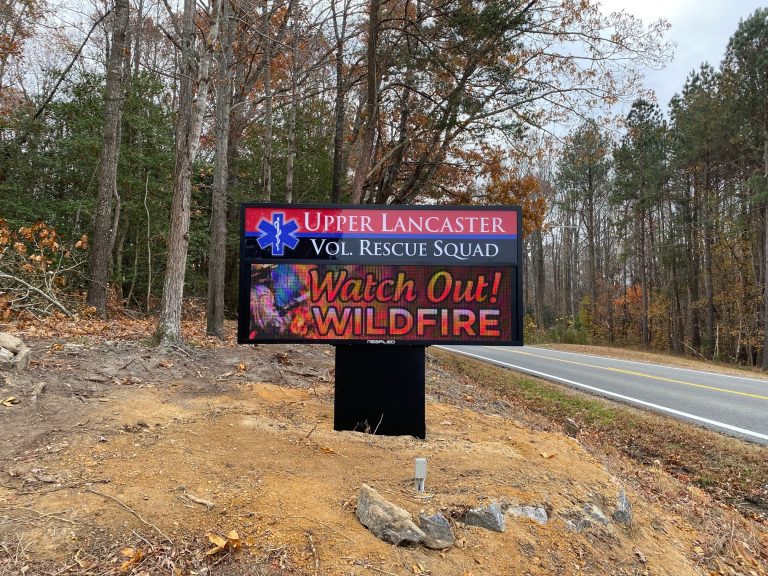
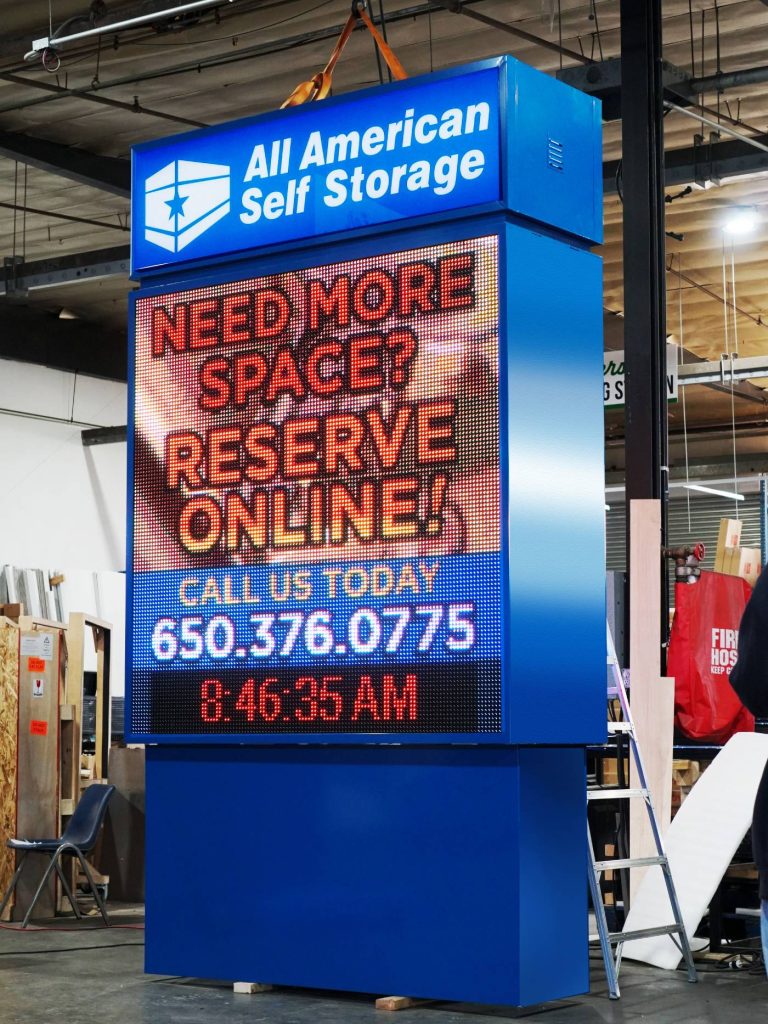
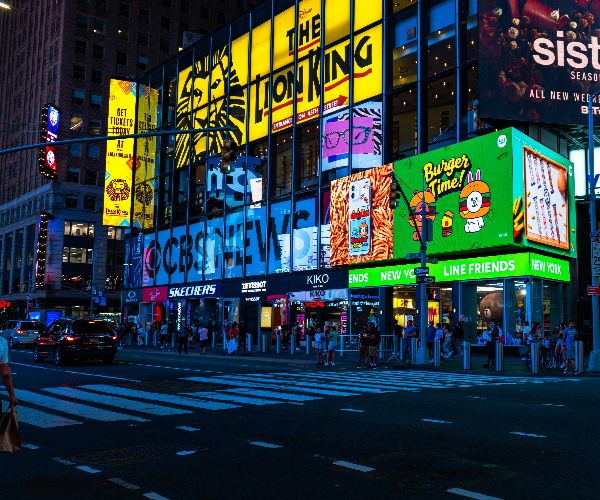
Omega is our newest line of outdoor digital signs. Running the full gambit from cabinet, to LED sign, to logo on top, or any configuration of your choice!

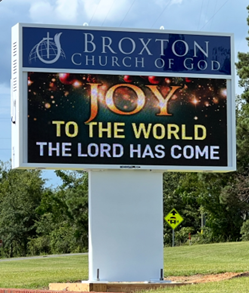
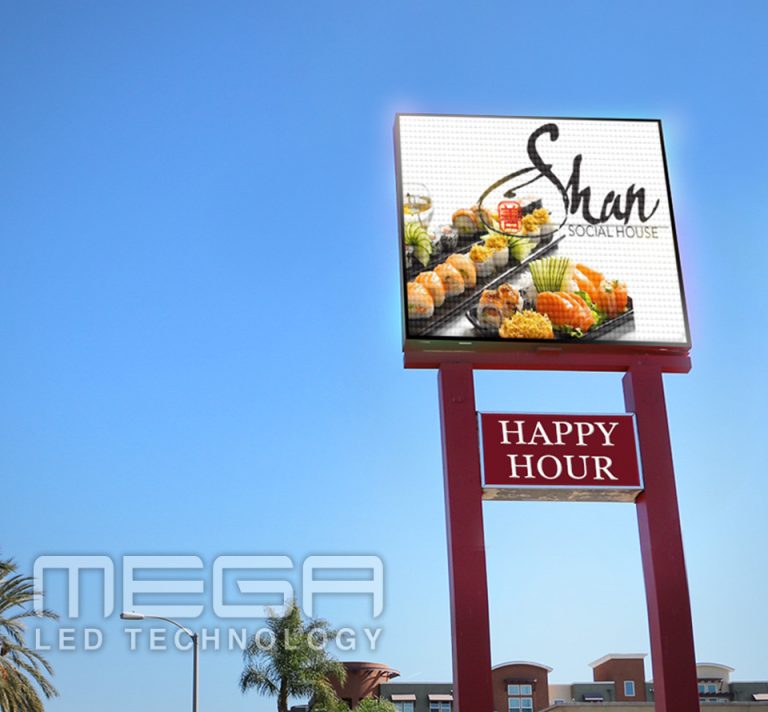
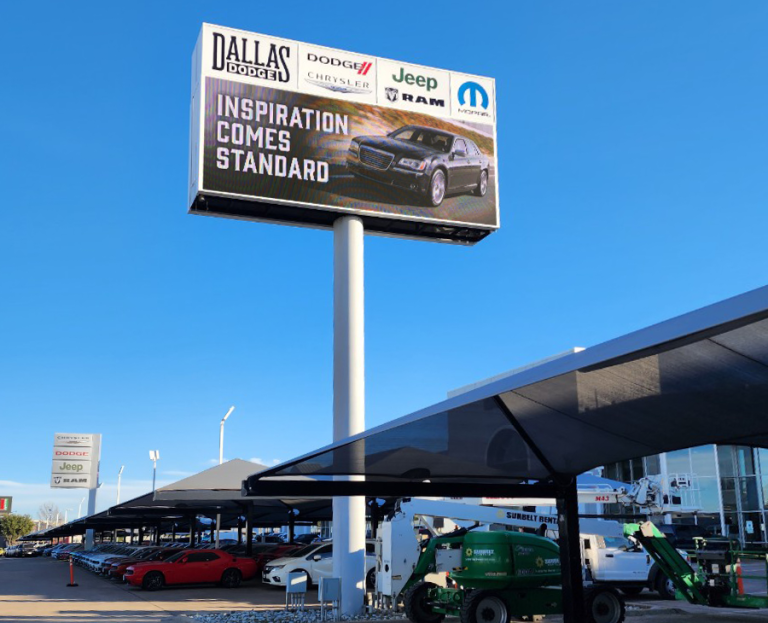
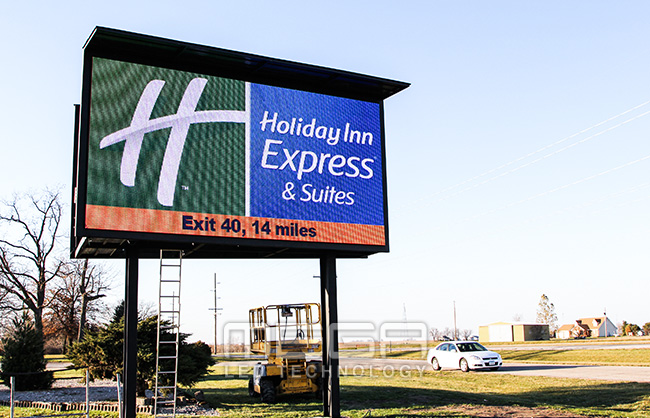
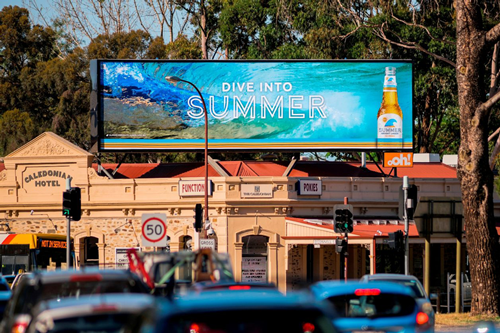
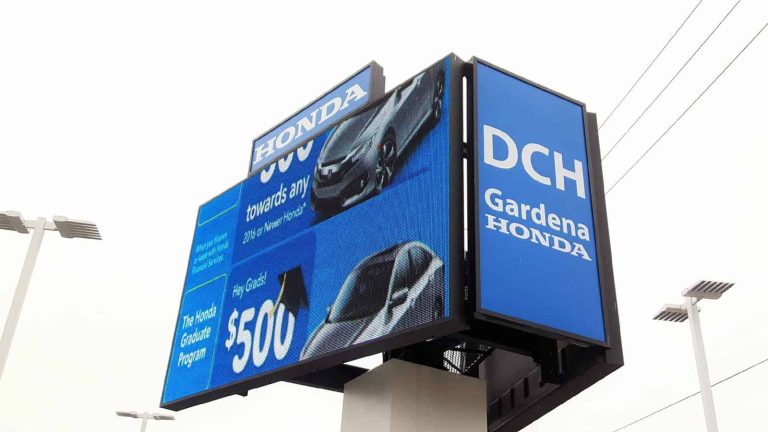
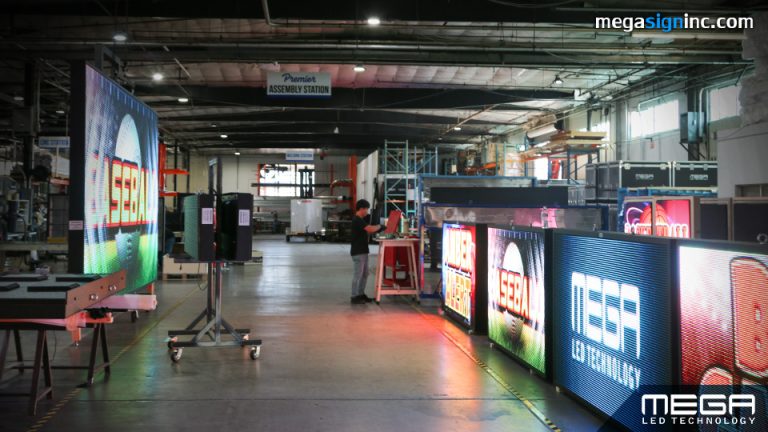
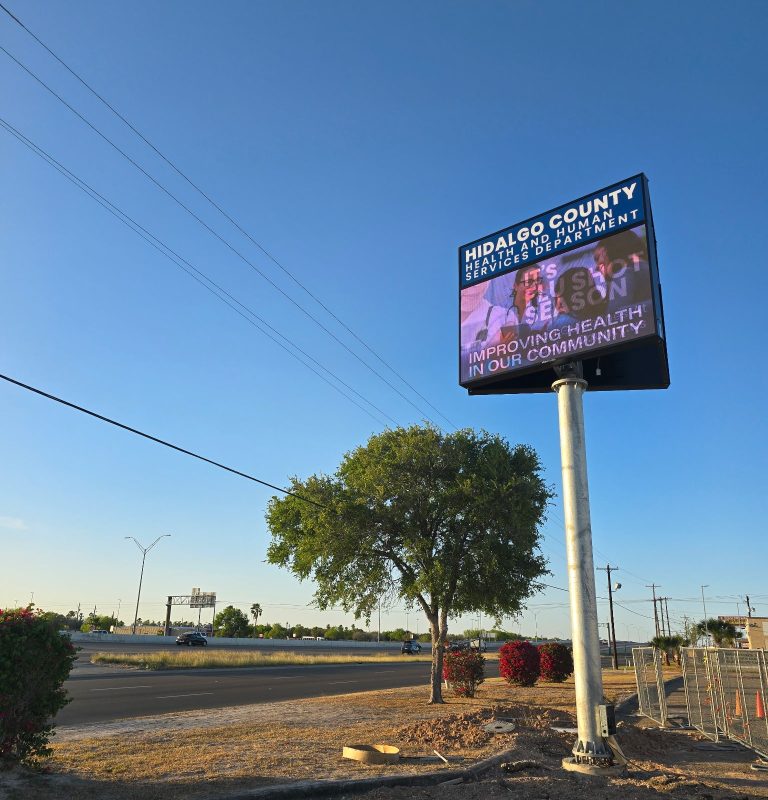
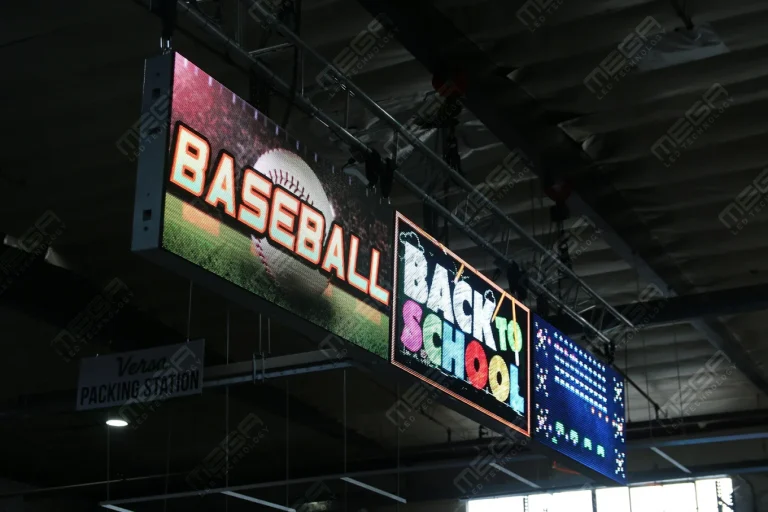
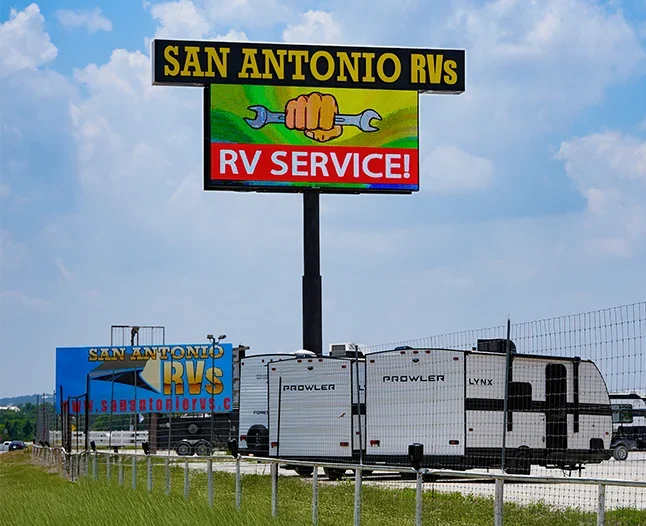
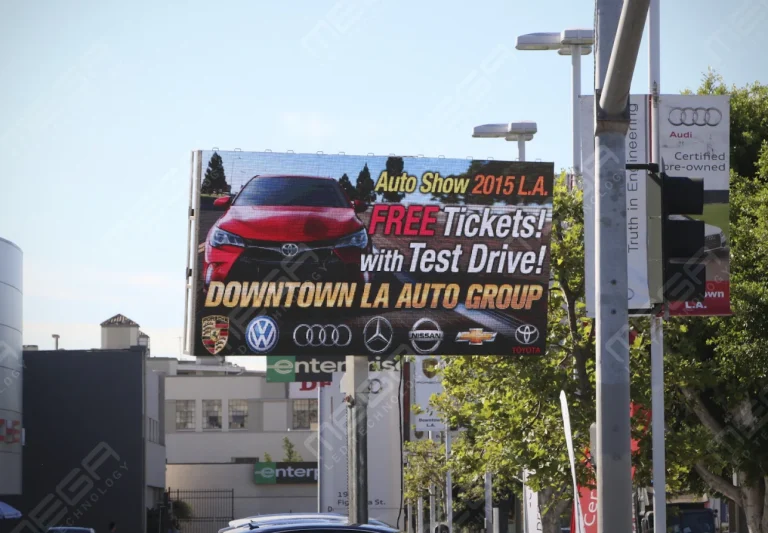
Premier is a customizable Outdoor LED sign, perfect for the Entrepreneur who knows that large custom sized signs cultivated for their specific business is the way to go.

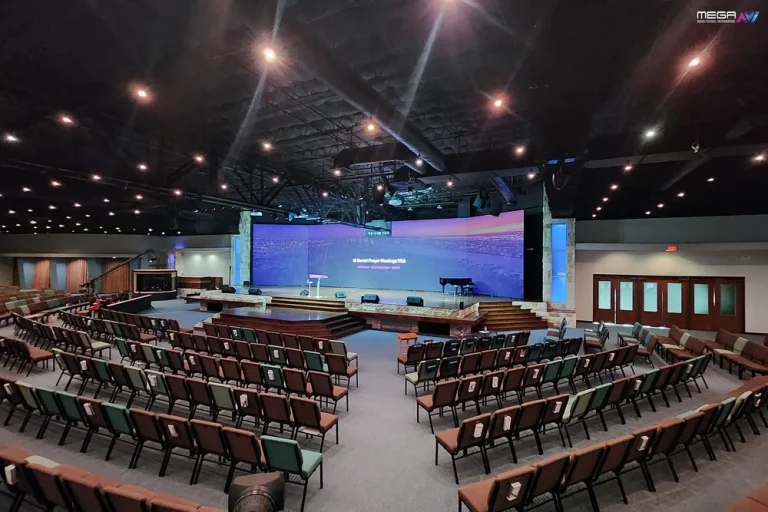
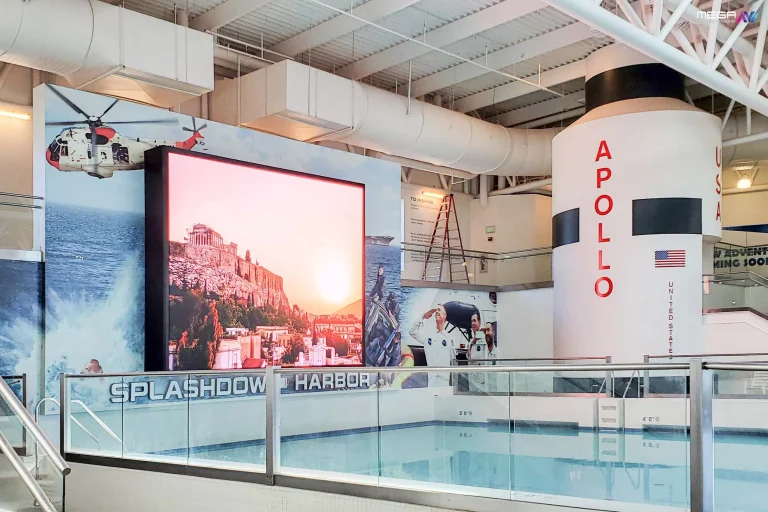
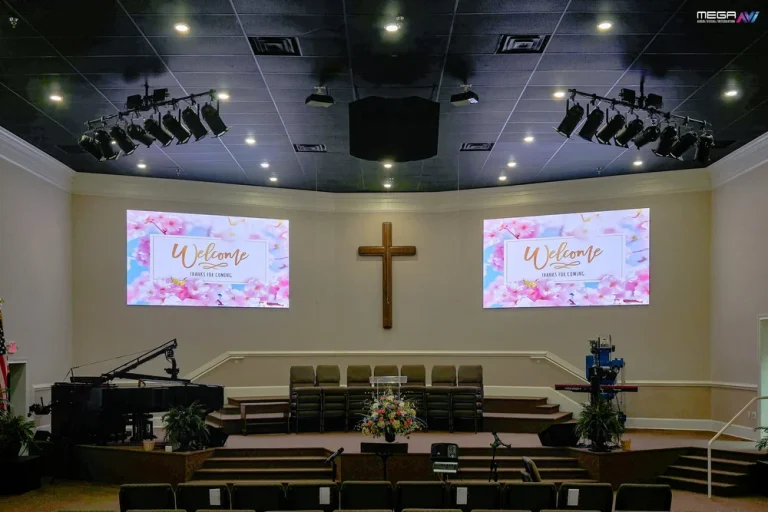
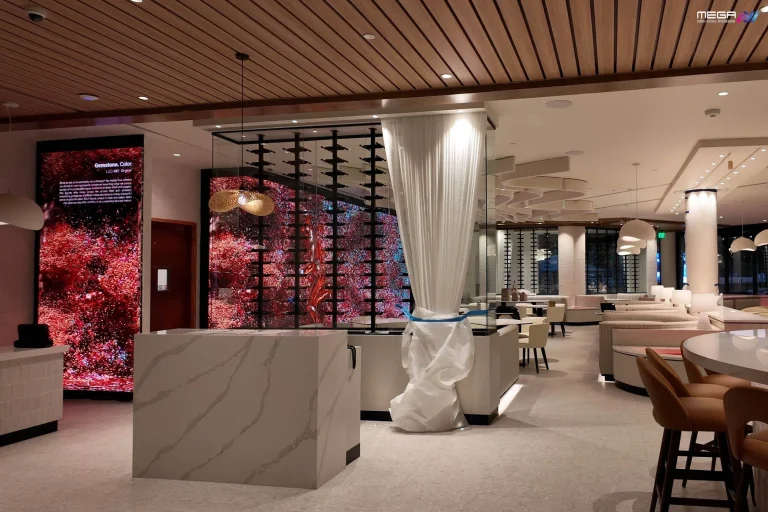
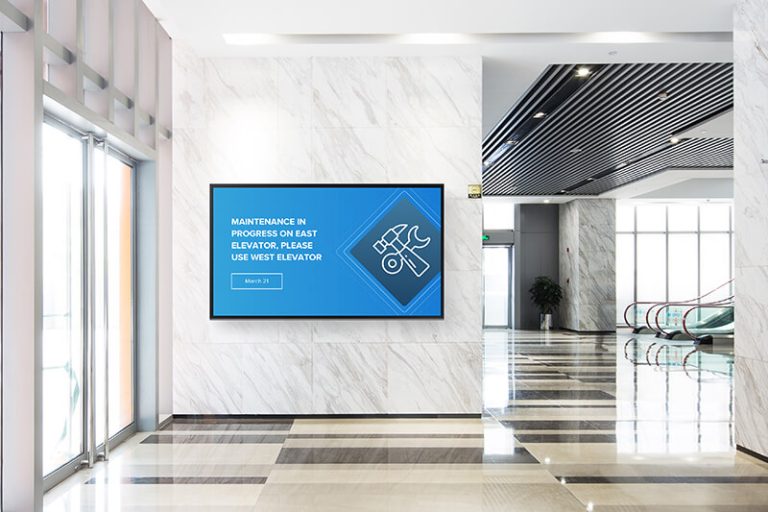
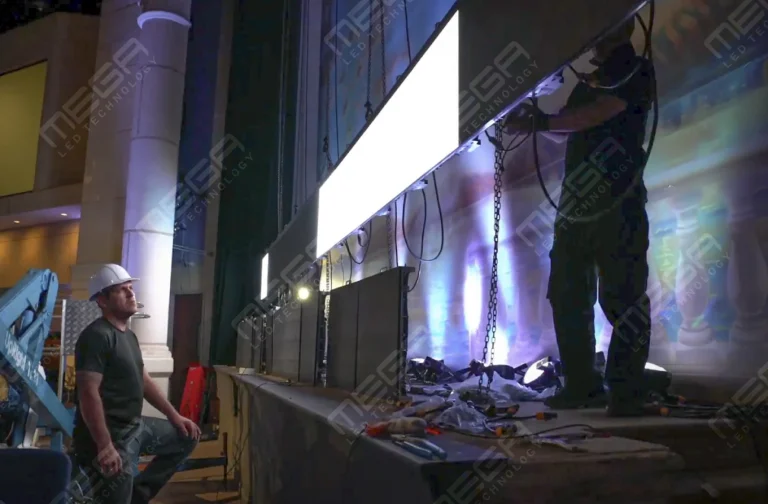
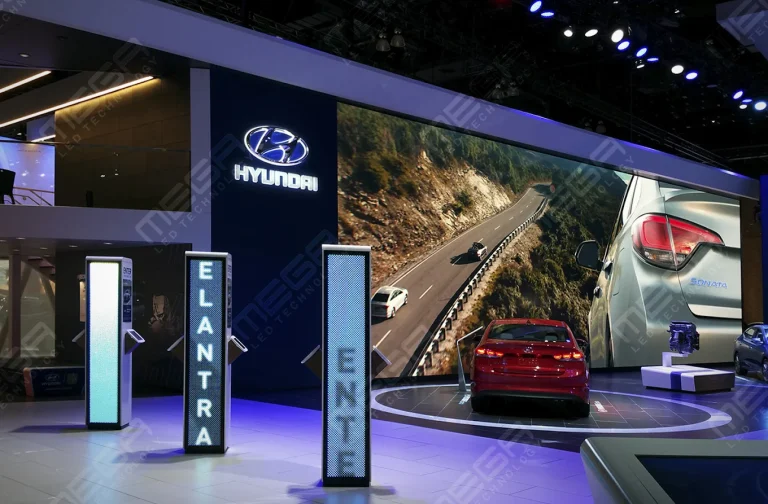
Programmable Stage LED signs, great for indoor assemblies, congregations, and presentations! Blow your competitors out of the water, or keep your congregation and audience glued to your message.

Alpha LED sign boards are great for anything from churches, to schools, to business. They tend to do great in large open spaces, where they are clearly visible.
Omega is our newest line of outdoor digital signs. Running the full gambit from cabinet, to LED sign, to logo on top, or any configuration of your choice!
Premier is a customizable Outdoor LED sign, perfect for the Entrepreneur who knows that large custom sized signs cultivated for their specific business is the way to go.
Programmable Stage LED signs, great for indoor assemblies, congregations, and presentations! Blow your competitors out of the water, or keep your congregation and audience glued to your message.
Glass neon looks wonderful and breaks like a wine glass. When a tube cracks or the transformer quits, the repair bill and the wait for a tube bender both sting. Here is what the neon sign alternatives actually do and which one fits your job.

Six families of products get bought as neon replacements, and they are not interchangeable.
We manufacture programmable LED signs, not neon, neon flex, faux neon, acrylic, or channel letters, so read the table as a straight comparison. Brightness, look, location, budget, and customization decide the pick.
| Alternative | Changeable? | Relative Upfront Cost* | Best Location |
|---|---|---|---|
| Glass neon | No | $$$ | Indoor or protected exterior |
| Cold cathode | No | $$$ | Mainly indoor architectural use |
| LED neon flex | No | $$ | Indoor; exterior if properly rated |
| Acrylic faux neon | No | $$ | Mainly indoor |
| EL wire | No | $ | Indoor decorative use |
| Halo-lit letters | No | $$$ | Indoor or exterior facade |
| Programmable LED sign | Yes | $$$–$$$$ | Indoor or exterior, depending on model |
Want the neon look? LED neon flex is the closest practical substitute. Need the message to change? Only the last row does.
LED signs that look like neon share one trick: they hide the individual light points.
A bare LED is a dot. Put a row of dots behind a frosted silicone or acrylic diffuser, and the eye stops resolving them, so the line looks continuous. Diffuser thickness and LED spacing decide whether that illusion holds up close.
Not everything here imitates neon. Halo-lit letters and illuminated acrylic go the other way, toward a cleaner modern glow that reads quiet and expensive.
Send us a photo of the sign and the space it sits in. We come back with a free quotation for a programmable LED replacement, no pressure attached.
Faux neon copies the neon look using flexible LED tubing mounted to acrylic.
Three parts do the work. The tubing carries the LEDs, its silicone jacket diffuses them into an even line, and the shape-cut acrylic panel holds the artwork rigid.
It sells because it is light, takes any script a plotter can cut, and survives shipping. Bars, gyms, salons, wedding hires, and bedroom walls are where you see it.
Neon-like LED signs use LED neon flex to reproduce the shape, color, and glow of a glass tube without the glass.
A fabricator bends the flex around a routed channel to draw letters or a logo outline. Because the tubing cuts only at marked intervals and bends on one axis, tight radii are harder to hold than in hand-bent glass.
That is different from a light box or an LED display. A light box lights a printed face from behind. An LED display is a pixel grid drawing whatever you send it.
In commercial signage, largely yes. LED has taken over storefronts, roadside signs, channel letters, and window displays.
LEDs run on low-voltage DC instead of a high-voltage transformer, which simplifies service, and a damaged silicone tube is a parts swap, not a hunt for a bender.
We’ve found businesses call us about neon only once it has already stopped working. Replacing a dead neon sign with a programmable LED one is our lane: we build Premier outdoor LED signs ourselves in Grand Prairie, Texas, so you buy at factory pricing, not a reseller’s markup, and every free sign quote includes a design mock-up.
Glass neon still wins in places. Restoration work, landmark facades, and period bar interiors call for the real tube; no LED imitation satisfies a preservation board.

One is a sealed glass tube of excited gas. The other is a semiconductor chip that emits light.
Energy and heat separate them fastest. Neon runs through a transformer that steps line voltage into the thousands, and the tube warms in use. LED sources are sold on efficiency: the U.S. Department of Energy’s purchasing criteria for efficient LED luminaires set floors of 120 to 175 lumens per watt.
Your savings still depend on tube length, transformer size, and daily hours, so ask for wattage on both.
Fragility and repair are the other split. Glass cracks, leaks its gas, and needs a bender; on an LED sign, the driver or module unbolts. Glass gives a soft, uneven line people read as handmade. LED flex gives a flatter line, a wider color range, and dimming.
Yes. For look-alike work, flexible LED neon is the standard answer now.
It is a silicone or PVC extrusion with closely spaced LEDs sealed inside. The jacket doubles as a diffuser, so the run reads as one line rather than a row of dots.
It cuts at marked intervals, bends on one axis, and clips into a channel, so it handles lettering, logo outlines, borders, and cover details.
Low voltage, low surface heat, and a shatter-resistant jacket let it into rooms glass never cleared: nurseries, gyms, and food prep areas. Limits are real. Tight radii fight it, splice joints show, and cheap jacketing yellows in the sun.
For decoration, yes. For a storefront read from the street, no.
Electroluminescent wire is a thin copper core coated in phosphor, wrapped with a corona wire and jacketed in plastic. Feed it AC from a small inverter, and it glows along its length.
It’s cheap, hand-bendable, cuts with scissors, and weighs next to nothing, so it lives in costumes, prop builds, car interiors, and craft projects.
Brightness is the catch. EL wire throws a soft glow that photographs well in a dark room and vanishes in daylight, so it cannot carry a shop name across a parking lot. The inverter hums, and the phosphor dims with age.
Our Premier outdoor LED signs drop into the footprint a dead neon cabinet leaves behind. Engineered and built in the USA, backed by a 5-year limited warranty.
Halo-lit letters answer the same brief as neon, a lit name on a wall, in a completely different style.
Also called reverse-lit channel letters, they are formed letters with solid faces and open backs. LEDs inside wash the wall, and standoffs hold each letter an inch or two off the surface.
At night you read a shape floating in a ring of light. Storefronts, hotel lobbies, and clinic facades favor that restraint.
It doesn’t imitate neon at all. Wall color and texture matter more than people expect: a dark or textured surface swallows the halo.
Cold cathode is still useful, mainly in architectural coves and specialist effects rather than on signs.
It is neon’s bigger sibling. Same principle: a sealed glass tube with cold electrodes and gas at high voltage, but wider tubes and higher current wash a long run evenly.
That made it the go-to for cove lighting and curved ceilings before LED strips matured.
Two things pushed it aside. Installation needs a high-voltage transformer and a qualified installer, and the tubes are consumables. The International Sign Association’s guidance on mercury lamp disposal notes red neon bulbs are true neon gas, while other colors pair argon with phosphor and mercury.
On light quality, the cold cathode still holds up. On everything operational, LED takes it.
A cold-cathode tube gives continuous, flicker-free light with smooth color and no visible dots and dims cleanly. It also sits at thousands of volts and shatters when struck.
Disposal is the line item nobody budgets. The U.S. Environmental Protection Agency’s guidance on mercury bulb recycling treats mercury-bearing lamps as universal waste, kept out of landfills and sent to a permitted recycler.
LED gives you low voltage, no mercury, and a module you can swap yourself. A cold cathode holds on where a designer needs one unbroken curve of light.

Choose by viewing distance, dwell time, and whether the message has to change.
Illuminated acrylic logos and LED neon read well from 10 to 30 feet and say one thing forever. Light boxes and face-lit channel letters carry a name across a parking lot. Digital displays carry offers, hours, and events.
In 2024 the Out of Home Advertising Association of America published a Harris Poll study, The Effectiveness of Digital OOH Advertising. That digital OOH study found 73% of consumers view digital out-of-home ads favorably, against 50% for television.
Local conditions decide the rest. Sun on the facade, ordinance limits on brightness and message change frequency, and your trading hours narrow the field.
VERSA scrolling LED signs mount in a window and run off a standard outlet. Program them from a wireless keyboard remote, with prices starting around $400.
Storefront work splits into a fixed identity piece and a changeable message piece. Strong storefronts run both.
Halo-lit letters give a premium nighttime silhouette but want a light, smooth wall behind them. Face-lit channel letters are the workhorse, bright in sun and legible at distance. Sign cabinets carry more copy per square foot, and LED neon suits a window, not a long read.
The changeable half is ours. [VERSA scrolling signs](https://www.megasigninc.com/versa-scrolling-led-sign/) mount in a window, on a wall, or from the ceiling and run off a standard 110V outlet. They program from a 200-foot wireless keyboard remote, come in single color, tri-color, or full color, carry 38 character functions and 32 effects, and start around $400.
Exterior pieces need weather-rated housings and sealed cable entries. Ask where the ladder goes.
Indoors the brief flips. Ambience and detail matter more than raw output.
Acrylic LED signs, faux neon logos, and edge-lit panels dim well and sit a few feet from a guest without glare. Light boxes suit menus and product panels needing even backlighting. Screens and LED walls take anything that changes.
Restaurants use faux neon as a photo backdrop, which quietly buys social posts. Reception areas lean on edge-lit logos; retail runs light boxes at eye level.
Scale and color temperature are what people get wrong. A sign that fights the room’s lighting reads as an afterthought.
They are safe when the product is certified and installed by someone who reads the label.
Voltage is the honest difference. Glass neon and cold cathode step line voltage into the thousands inside fragile glass. LED options run low-voltage DC from a driver.
The International Sign Association explains that the UL 48 standard covers electric signs, outline lighting, and neon tubing, with UL 879 for sign components and UL 2161 for neon transformers, while the National Electrical Code Article 600 governs installation.
We put our own signs through it. Our Premier signs are MET Lab Certified, with UL 48, UL 8750, and UL 1433 compliant electronics and FCC Part 15 Certified wireless modules. Low heat is no free pass: we’ve seen the early failures trace back to airflow, not brightness, and an undersized supply kills an LED run fast.
An illuminated sign indoors does three jobs: brand the room, light part of it, and steer the eye.
Brightness and scale set the mood. A warm faux-neon script above a banquette makes a corner intimate. Double the size on a white wall, and it becomes a light source that flattens the room.
Bold faux neon reads playfully and photographs well. Minimal acrylic and halo-lit shapes read calm and expensive. Pick against the room you have, not the mood board.
Placement is the part people rush: keep it off a reflective surface, and leave the driver a route to a switch.
A faux neon or LED neon flex piece from a decorative sign shop fits this better than anything we build. If it later grows into a changeable message, start the conversation here: https://www.megasigninc.com/contact/
Halo-lit or face-lit channel letters from a local fabricator suit a fixed exterior logo. Pair them with a changeable message board underneath and we can quote that half: https://www.megasigninc.com/alpha-led-sign-boards/
A programmable outdoor LED sign in 6 mm or 8 mm SMD, sharp up close and along the roadside: https://www.megasigninc.com/premier-outdoor-led-signs/
A VERSA scrolling LED sign, programmed from the wireless keyboard remote and plugged into a standard outlet: https://www.megasigninc.com/versa-scrolling-led-sign/
It depends on whether the sign has to change. For the neon look, LED neon flex is the closest practical substitute: closely spaced LEDs inside a silicone diffuser give the same continuous line at low voltage without glass. For a business that needs a message it can rewrite, a programmable LED display trades the retro glow for hours, offering and alerting you control from a phone. Halo-lit letters and illuminated acrylic suit a quieter, modern identity instead of a neon impression.
Yes, when the product carries the right listing and the install follows the code. LED-based options run on low-voltage DC from a driver rather than a high-voltage transformer, and their tubing is shatter-resistant silicone or plastic instead of glass. Commercial installations are still held to electric sign safety standards and the electrical code, including decorative pieces mounted inside a business. Give every driver room to breathe, use the power supply the manufacturer specifies, and have exterior work done by a licensed sign installer.

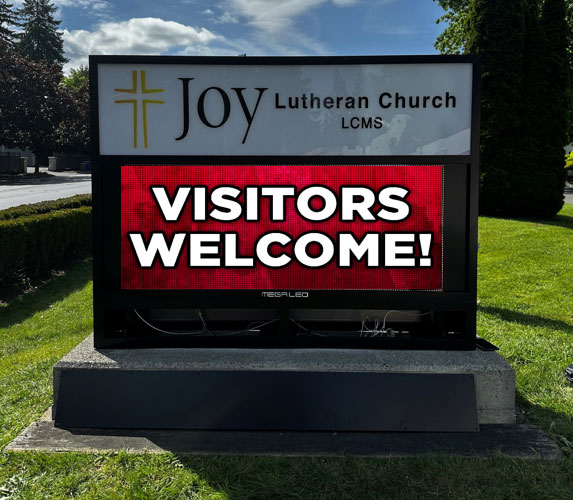



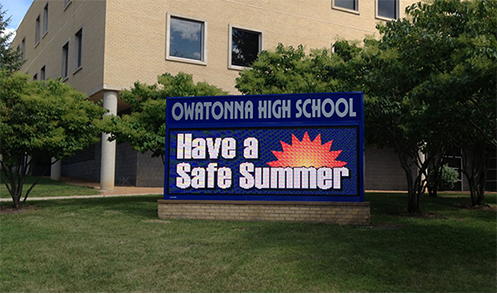




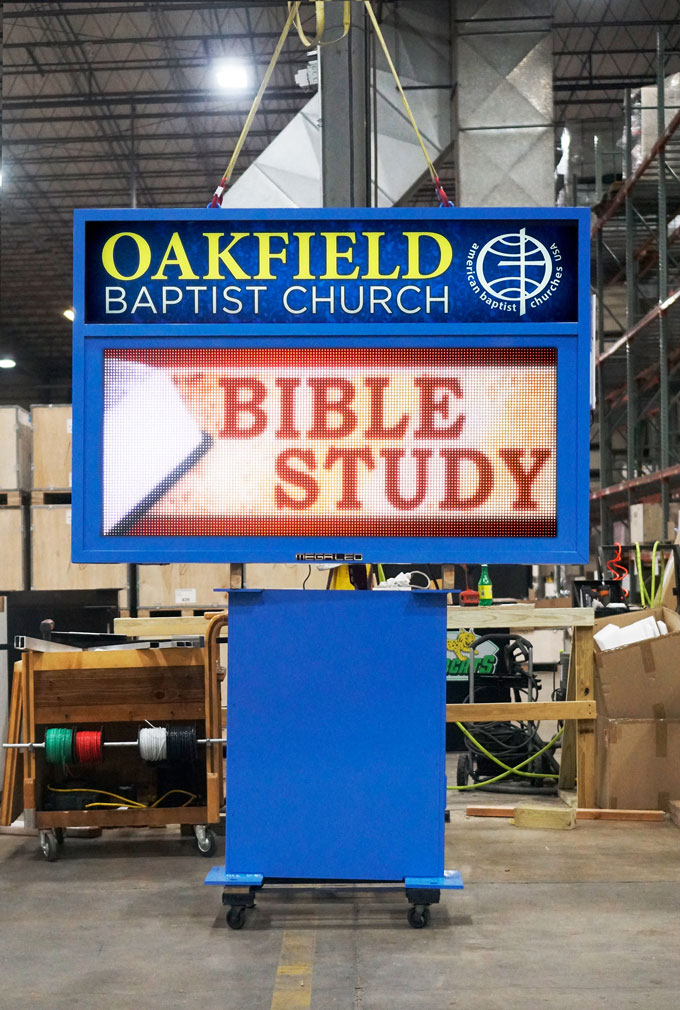



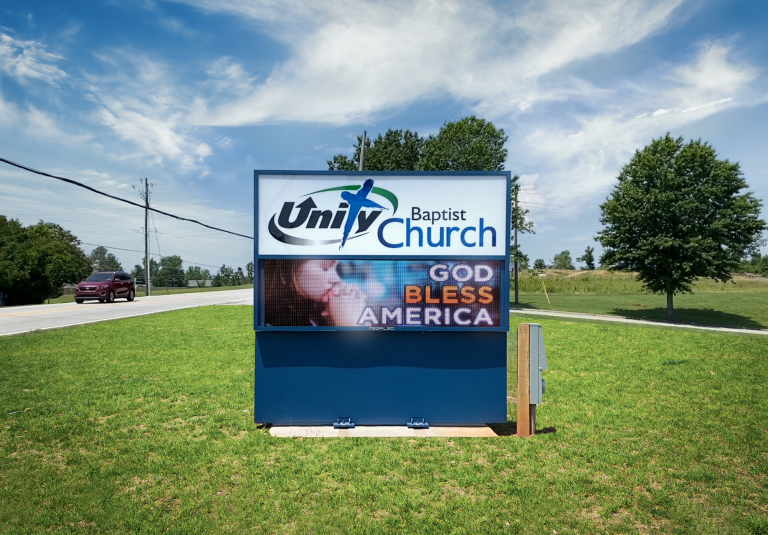



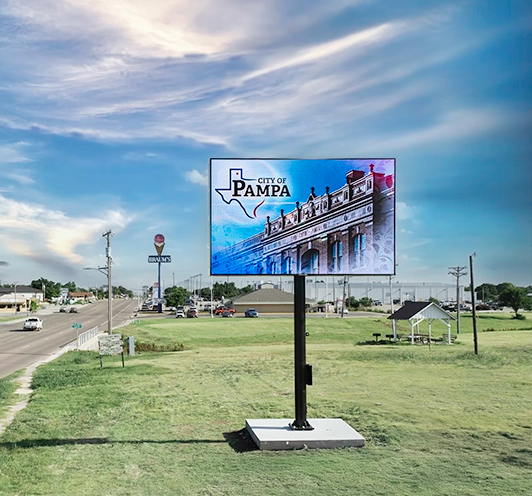






Alpha LED sign boards are great for anything from churches, to schools, to business. They tend to do great in large open spaces, where they are clearly visible.
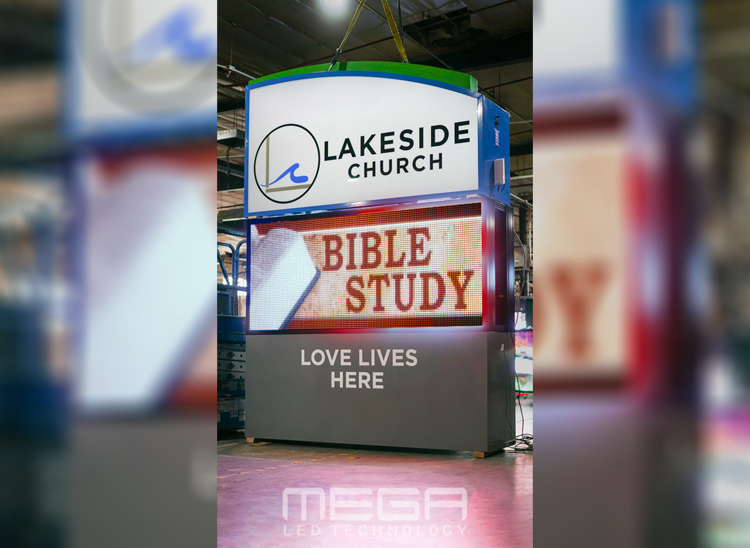
Omega is our newest line of outdoor digital signs. Running the full gambit from cabinet, to LED sign, to logo on top, or any configuration of your choice!
Premier is a customizable Outdoor LED sign, perfect for the Entrepreneur who knows that large custom sized signs cultivated for their specific business is the way to go.
Programmable Stage LED signs, great for indoor assemblies, congregations, and presentations! Blow your competitors out of the water, or keep your congregation and audience glued to your message.