Summer Church Signs: What Are The Best Sayings And Ideas For The Season?

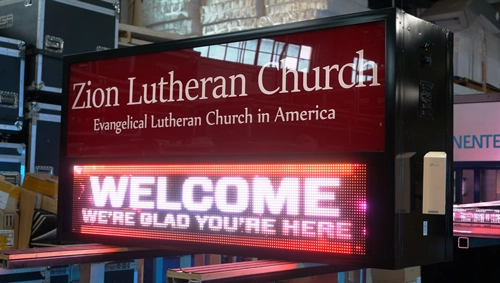
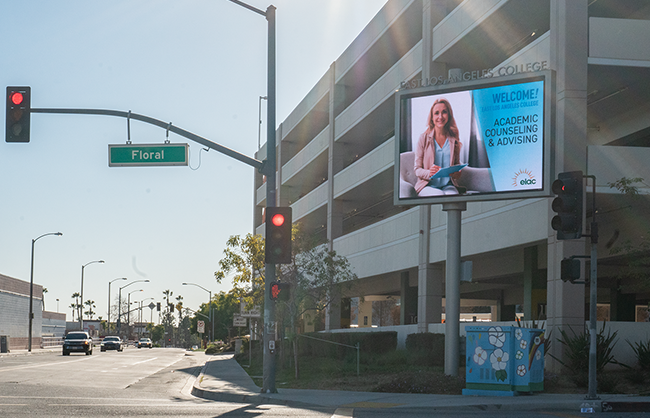
Alpha LED sign boards are great for anything from churches, to schools, to business. They tend to do great in large open spaces, where they are clearly visible.

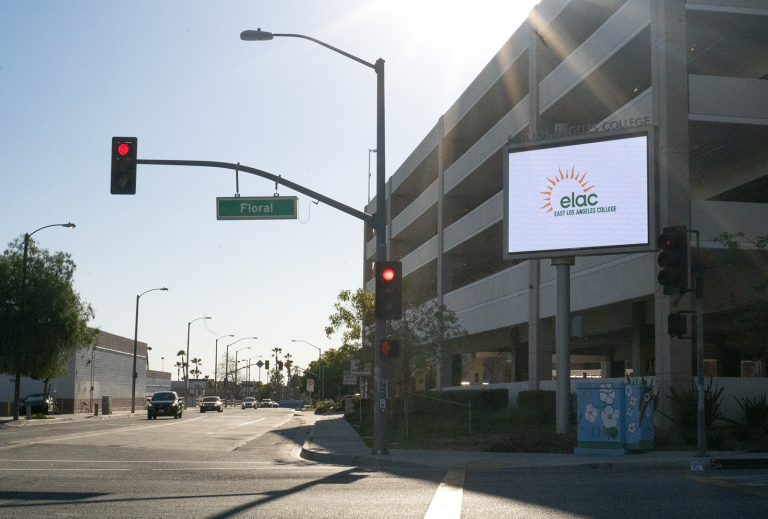
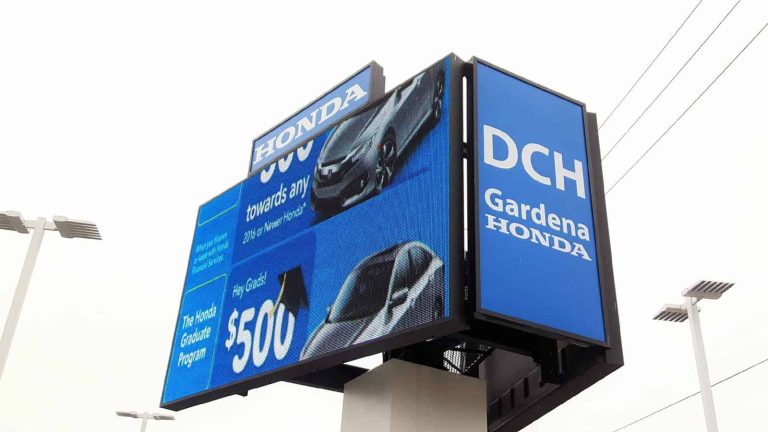
Omega is our newest line of outdoor digital signs. Running the full gambit from cabinet, to LED sign, to logo on top, or any configuration of your choice!

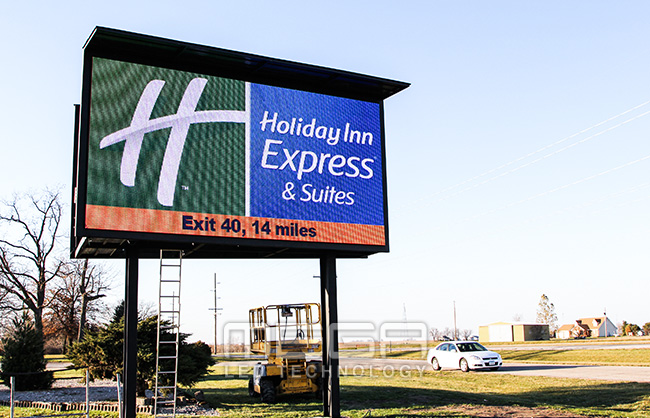
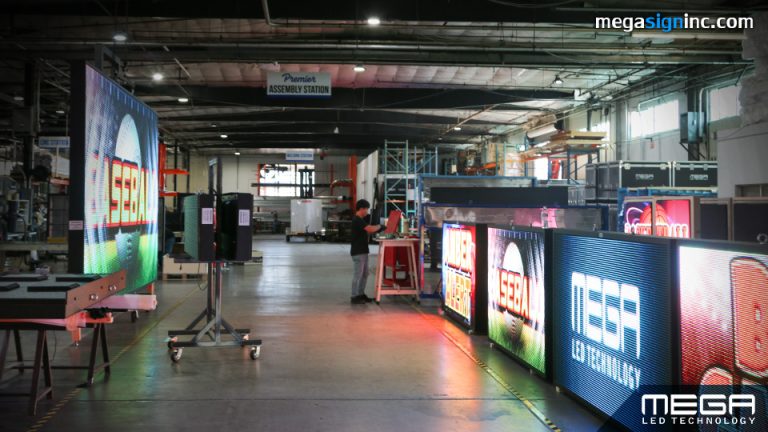
Premier is a customizable Outdoor LED sign, perfect for the Entrepreneur who knows that large custom sized signs cultivated for their specific business is the way to go.

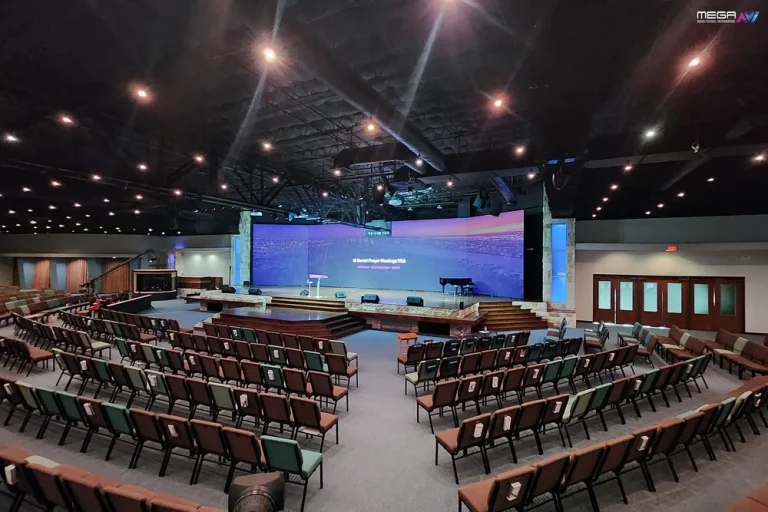
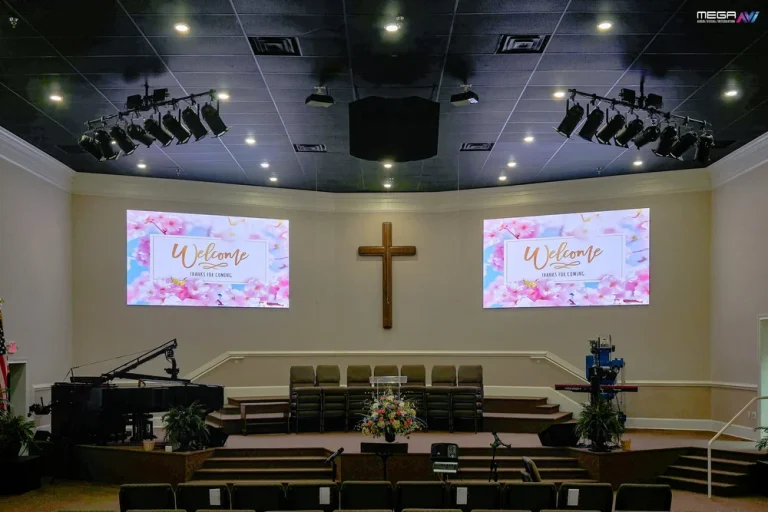
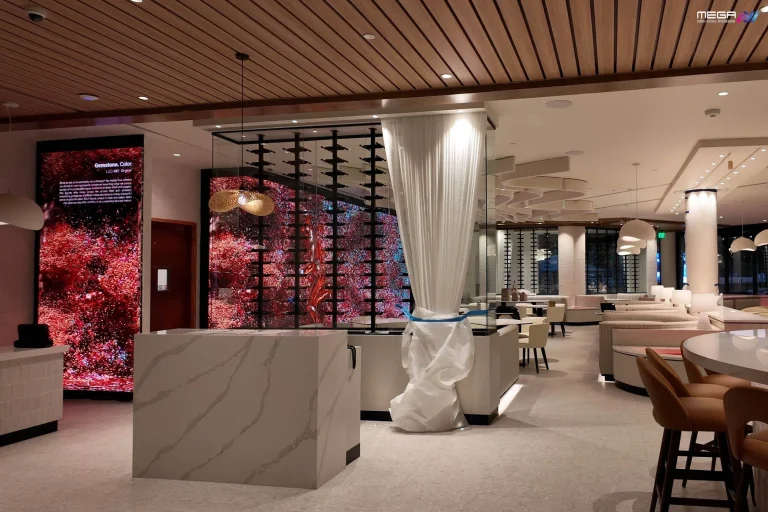
Programmable Stage LED signs, great for indoor assemblies, congregations, and presentations! Blow your competitors out of the water, or keep your congregation and audience glued to your message.

Alpha LED sign boards are great for anything from churches, to schools, to business. They tend to do great in large open spaces, where they are clearly visible.
Omega is our newest line of outdoor digital signs. Running the full gambit from cabinet, to LED sign, to logo on top, or any configuration of your choice!
Premier is a customizable Outdoor LED sign, perfect for the Entrepreneur who knows that large custom sized signs cultivated for their specific business is the way to go.
Programmable Stage LED signs, great for indoor assemblies, congregations, and presentations! Blow your competitors out of the water, or keep your congregation and audience glued to your message.
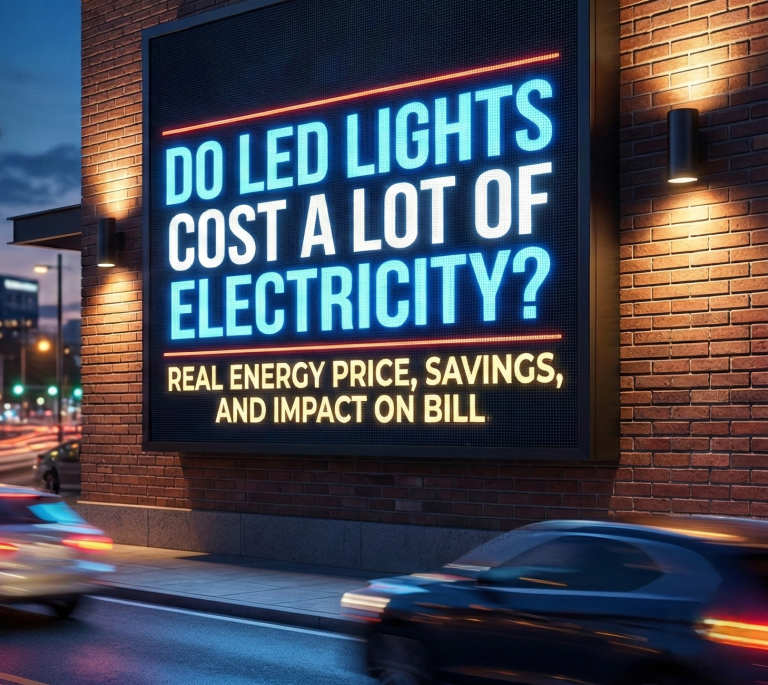
LED lighting was chosen to save electricity costs. It seems your energy costs stay the same. Now you question if LED lamps save money or if the efficiency claims were overblown. This uncertainty leads many people to delay upgrading their remaining fixtures, question their lighting choices, or simply accept higher bills as unavoidable. Without clear numbers, you cannot make informed decisions about lighting investments for your home or business.
Knowing math makes the truth obvious. LED lights use far less electricity than alternatives, and this article explains how much they use, what they add to monthly costs, and how to save the most.

LED lights consume less electricity than other lighting technologies. LEDs use less electricity than incandescent bulbs while producing similar illumination. Ten-watt LEDs produce as much light as 60-watt incandescent bulbs.
Because consumers mistake brightness with energy use, myths remain. Consumers initially thought LEDs were darker due to their lesser wattage. Quite the reverse. LEDs use less watts to produce the same lumens because they convert power more effectively.
Efficiency differs greatly. LEDs utilize 20-25% less energy than incandescent bulbs to produce the same light output. Due to their efficiency, LEDs use the least electricity of all lighting alternatives.
LED lights use significantly less electricity than every traditional bulb type, and are more efficient too. The comparison reveals dramatic differences in energy consumption across lighting technologies.
Some people incorrectly believe LEDs use more power because they see LED fixtures with higher total wattages. This confusion arises from comparing fixtures rather than equivalent light output. A multi-bulb LED fixture might use 40 watts total while replacing a single 100-watt incandescent, still saving 60% on electricity.
Brightness versus efficiency confusion also contributes to misconceptions. Watts measure energy consumption while lumens measure light output. Eartheasy’s comparison charts conclude that LEDs produce 80-100 lumens per watt compared to just 15 lumens per watt for incandescent bulbs.
| Bulb Type | Watts for 800 Lumens | Annual kWh (3 hrs/day) | Annual Cost at $0.16/kWh |
|---|---|---|---|
| LED | 10W | 11 kWh | $1.76 |
| CFL | 14W | 15 kWh | $2.40 |
| Halogen | 43W | 47 kWh | $7.52 |
| Incandescent | 60W | 66 kWh | $10.56 |
LEDs need electricity while they are on. Electroluminescence makes light that can be seen by passing an electric current through a semiconductor material. No light without power.
When LEDs shine, they need electricity. A 10-watt LED uses 10 watts when it’s on. This use is low compared to other options. According to the DOE, LEDs turn most electrical input into light instead of heat.
There is a difference between active and standby power. Some LED lights with smart features or electronic drivers use 0.5 to 2 watts while they are off. When they are off, non-smart LED bulbs don’t require any power. To understand energy bills, you need to know the difference between low power and no power.
Reduce hours with timers/sensors and right-size lumens; LEDs are efficient but total runtime matters.
Audit non-lighting loads (heating, appliances) and check smart/driver standby draw for special fixtures.
Choose high contrast class LEDs around and prioritize efficiency ratings.
Pair LEDs with dimmers and occupancy sensors to cut waste in closets, bathrooms, garages, and offices.
LED lights increase your electric bill, but not as much as traditional lighting. Simple math shows that more fixtures and hours of use equal greater monthly LED expenditures.
LED electricity expenses are not a major concern. A study by Constellation Energy found that lighting costs can drop by 75% or more when moving from incandescent to LED lighting. Only adding significantly more fixtures could raise bills.
LEDs affect monthly bills for several reasons. Since running any light longer increases consumption, usage hours matter most. Total load is determined by fixture count and wattage. Local electricity rates multiply these elements into dollar prices.

LED lights add remarkably little to monthly electricity bills. According to FES Lighting calculations, operating a 7-watt LED bulb for 8 hours daily costs approximately $0.22 per month at average U.S. electricity rates.
Single-bulb expenses are low regardless of consumption. Running a 10-watt LED for 12 hours a day costs $0.58 a month. For comparable brightness, a 60-watt incandescent operating the same hours costs $3.50 monthly.
Usage scales predictably homewide. A family with 25 10-watt LED fixtures used 3 hours a day uses 22.5 kWh monthly. All residential lighting costs $3.60 per month at $0.16 per kWh. An incandescent-lit home would pay $21.60 per month.
Running LED lights for extended periods costs surprisingly little. Studies show that a 10-watt LED running continuously for 24 hours costs approximately $0.036 at $0.15 per kWh.
Overnight and all-night scenarios demonstrate LED affordability. Leaving a bedroom LED on for 8 hours nightly costs roughly $0.12 per week. Security lighting running dusk to dawn, approximately 12 hours, costs about $0.18 per night per fixture.
Continuous operation economics favor LEDs dramatically over alternatives. Running an incandescent bulb 24 hours costs approximately $0.22 per day versus $0.036 for an equivalent LED. Monthly continuous operation costs about $1.08 for LED versus $6.60 for incandescent.
At MEGA LED Technology, we design our LED sign products with energy efficiency as a priority. Our signs operate continuously for businesses while maintaining low electricity consumption, making them practical for 24/7 visibility without significant utility costs.
Turning off LEDs when not in use saves electricity, however little. LEDs are not destroyed by many switching cycles, unlike previous technologies. No loss by turning them off; saves per-minute operating expense.
Short absences offer little savings. Keeping a 10-watt LED on for 15 minutes costs $0.0004. For brief toilet or kitchen trips, turning off saves almost nothing on a bill.
Long absences excuse turning off lights. LED fixtures waste $0.01 each day by leaving them on for 8 hours. Waste from many fixtures and work weeks adds up.
False efficiency myth: LEDs use more power when on. LEDs brighten rapidly without initial spike. Turn them off when possible.
Beyond wattage, LED power consumption depends on various things. Even identically branded LEDs use different amounts of electricity.
Power consumption matches lumen output. Brighter lights use more power. A 1100-lumen LED requires 15 watts, while an 800-lumen one uses 10. Brightness should match needs to avoid overconsumption.
Quality and efficiency ratings vary by manufacturer. Energy Star LEDs are 15-20% more efficient than non-certified ones. In support, findings by a Green America study show that premium LEDs convert more electricity to light with less waste.
Color temperature and dimming slightly affect consumption. Cool white and warm white LEDs may require slightly different power. Dimmable LEDs use less power at lower brightness.
To calculate LED electricity usage, multiply. For Super Bright LEDs, the calculation is: Daily Energy (kWh) = (Wattage ÷ 1000) × Hours Used.
Start with the bulb’s wattage from the package or base. Watts to kilowatts: divide by 1000. To calculate kWh, multiply daily use by hours.
Multiply daily kWh by 30 and your power tariff for monthly expenditures. A 10-watt LED used 5 hours a day uses 0.05 kWh, or 1.5 kWh a month. At $0.16/kWh, monthly cost is $0.24.
Total lighting costs are calculated by scaling all fixtures. Ten identical fixtures multiply single-bulb cost by ten.

These simple strategies can be very helpful:
Matching wattage to room needs reduces overlighting and power waste. Lumens should be considered above watts because brightness is more important than power usage.
Our experts use a simple calculation to get a real monthly dollar amount.
General ambient lighting standards are 10-20 lumens per square foot. Instead of one overloaded light, numerous 800-lumen LEDs can provide 2000-4000 lumens for a 200-square-foot living room.
Smaller locations need stronger task lighting. Focused 450-800 lumens improve desk and reading lamps. Over-lighting rooms consume electricity when only certain regions need it.
LED lights cost much less than most people think to run all day. A 10-watt LED running 24 hours at $0.13 per kWh costs $0.03 per day, according to Infralumin’s calculations.
Compare this to typical illumination for perspective. With 24-hour operation, a bright incandescent light costs $0.19 per day. Per fixture running constantly, LEDs save $0.16 daily or $4.80 monthly.
All-day operation shows LED affordability for commercial use. Retail displays, security, and office lights can run for long hours without wasting electricity. This practicality is why enterprises are choosing LED technology for continuous-operation applications.
LED lights use the least electricity of any practical lighting option. They consume 75-80% less power than incandescent bulbs and approximately 50% less than CFL bulbs for equivalent brightness. A 10-watt LED matches the light output of a 60-watt incandescent, demonstrating the dramatic efficiency difference. This efficiency makes LEDs the most economical choice for any application where electricity costs matter.
A typical household LED light bulb uses between 4-15 watts depending on brightness requirements. Standard 60-watt equivalent LEDs use approximately 8-10 watts. Higher output LEDs replacing 100-watt incandescents use 15-20 watts. At average U.S. electricity rates of $0.16 per kWh, a 10-watt LED costs approximately $0.05 per month when used 3 hours daily, making LED electricity consumption negligible for most households.





















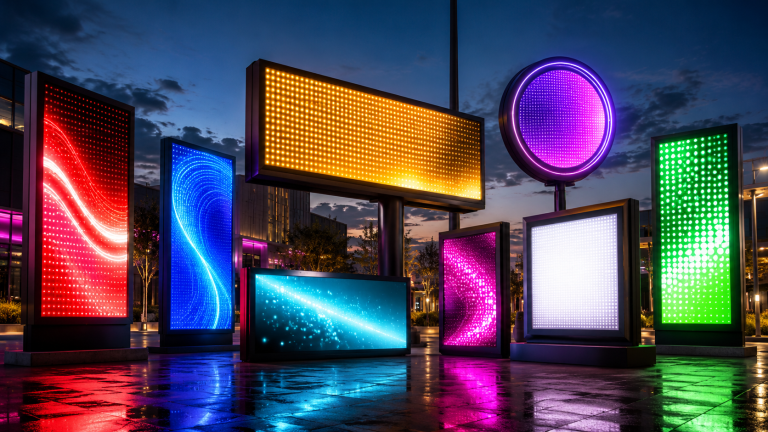




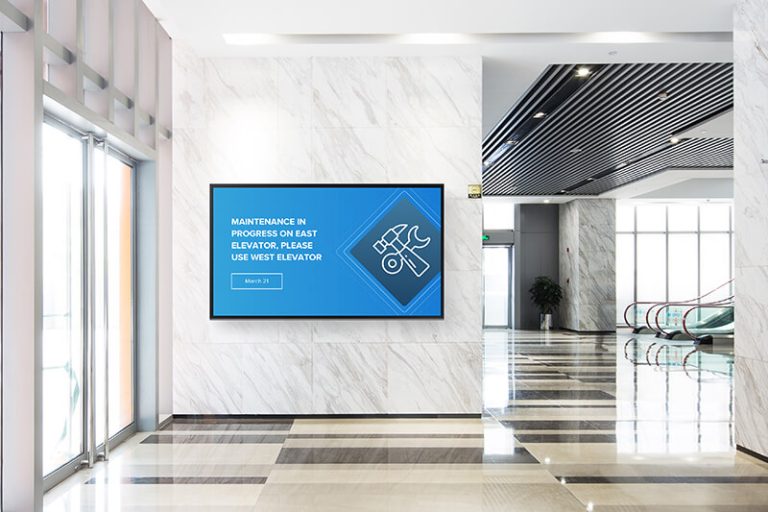






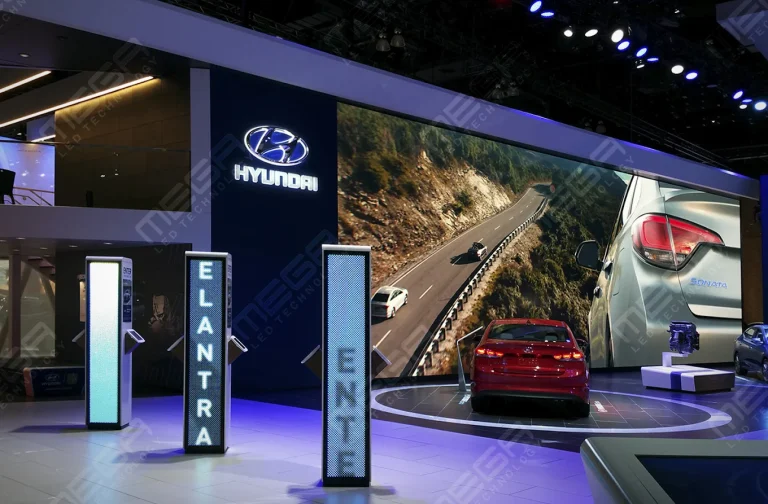





Alpha LED sign boards are great for anything from churches, to schools, to business. They tend to do great in large open spaces, where they are clearly visible.
Omega is our newest line of outdoor digital signs. Running the full gambit from cabinet, to LED sign, to logo on top, or any configuration of your choice!
Premier is a customizable Outdoor LED sign, perfect for the Entrepreneur who knows that large custom sized signs cultivated for their specific business is the way to go.
Programmable Stage LED signs, great for indoor assemblies, congregations, and presentations! Blow your competitors out of the water, or keep your congregation and audience glued to your message.