Summer Church Signs: What Are The Best Sayings And Ideas For The Season?

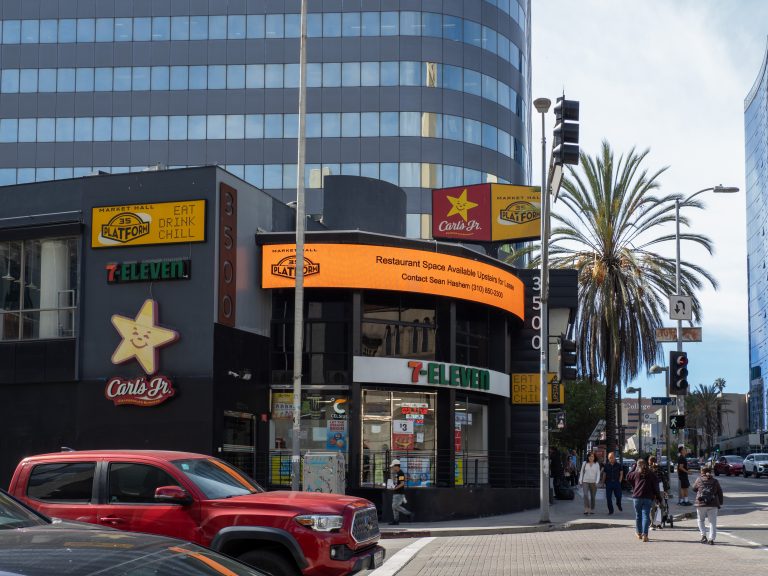
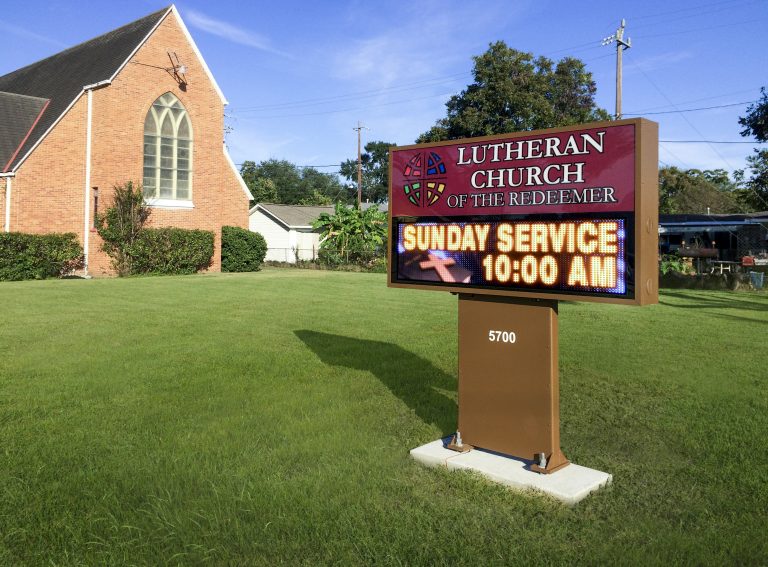
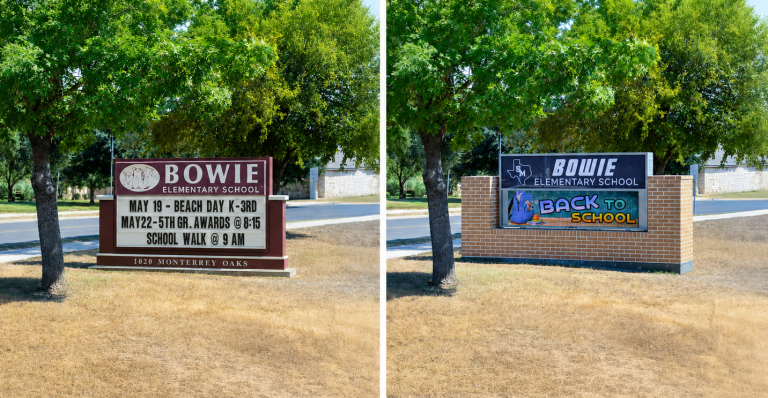
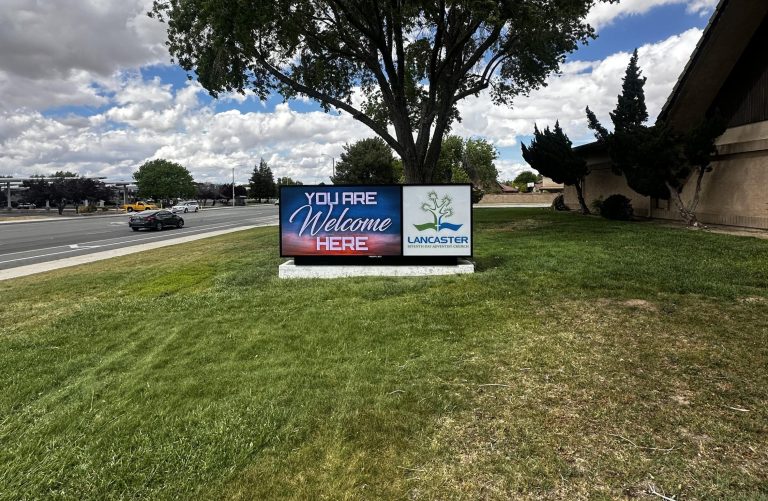
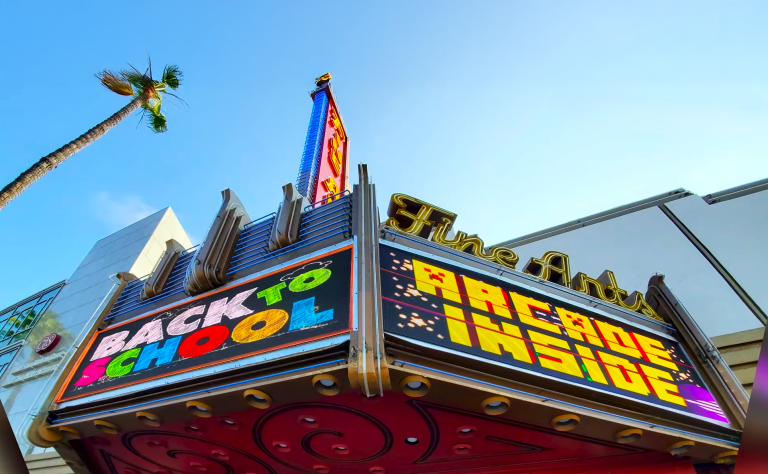
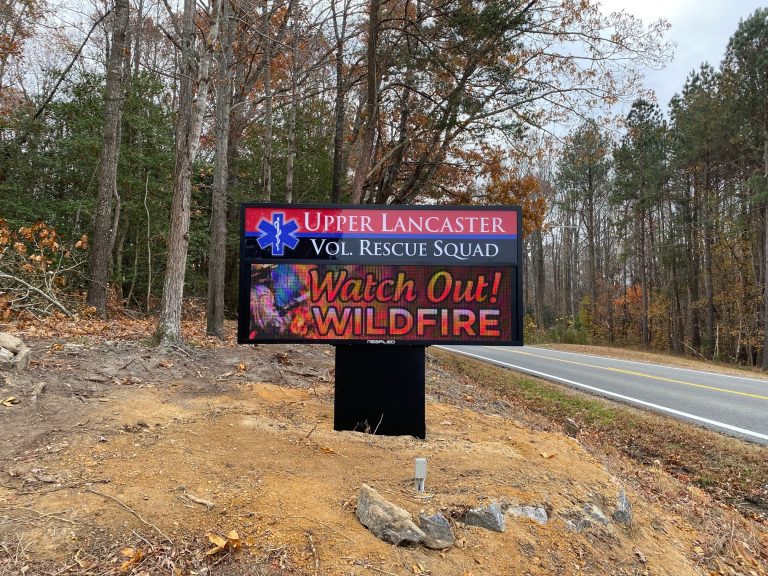
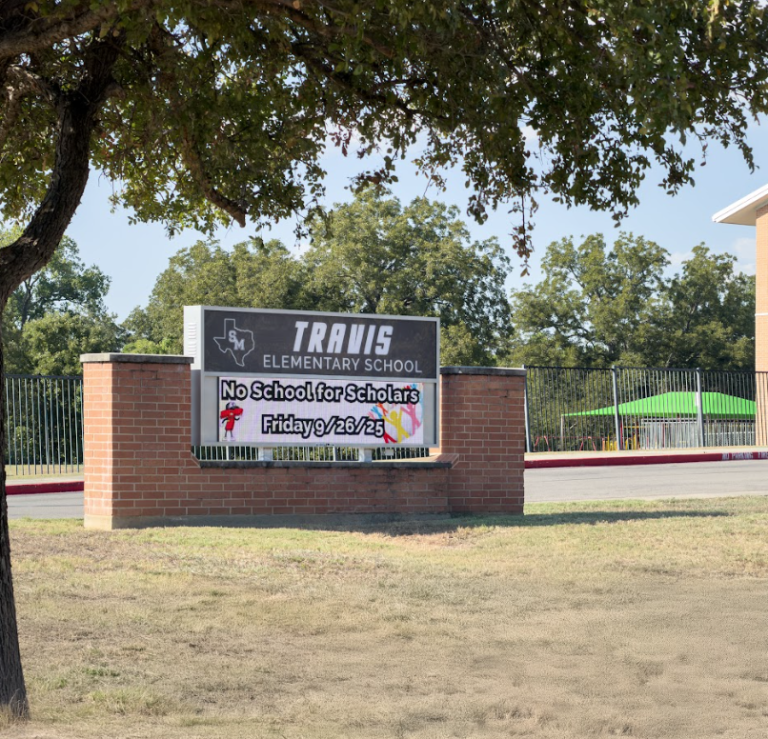
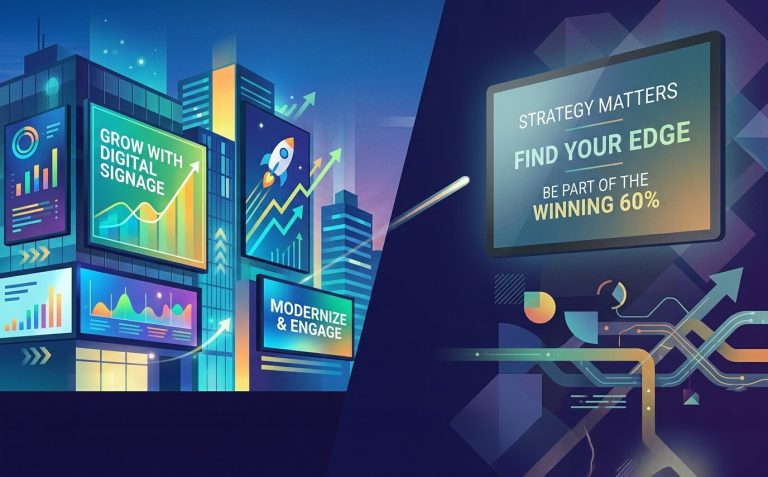
Alpha LED sign boards are great for anything from churches, to schools, to business. They tend to do great in large open spaces, where they are clearly visible.

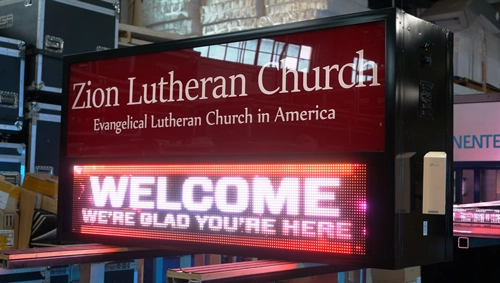
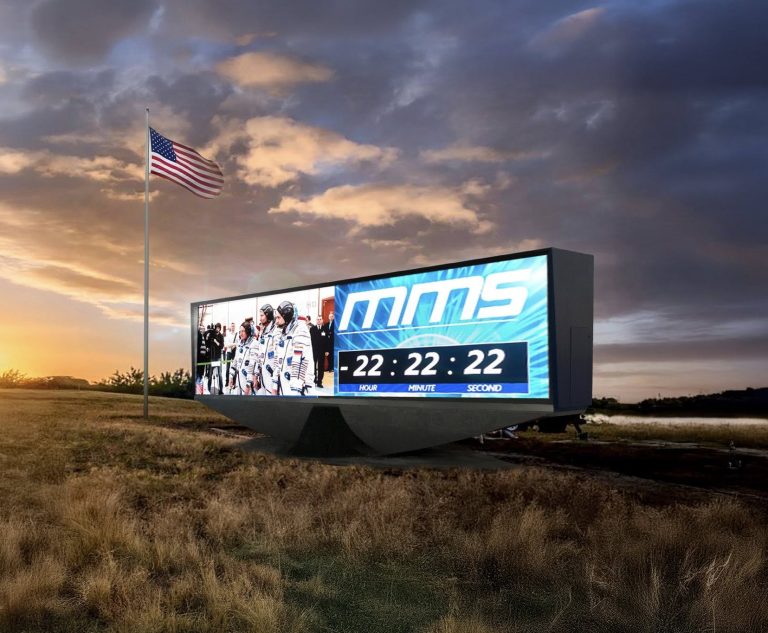
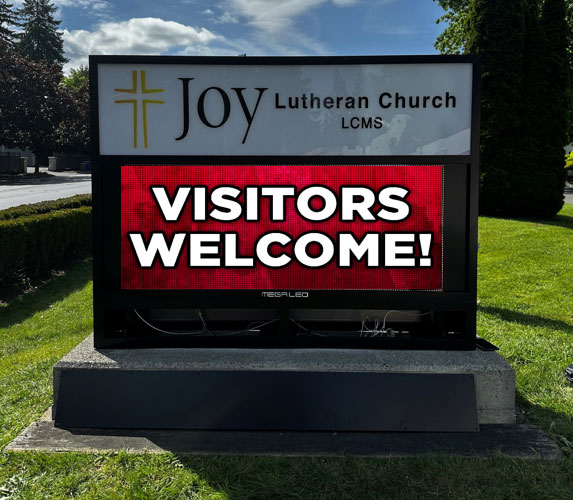
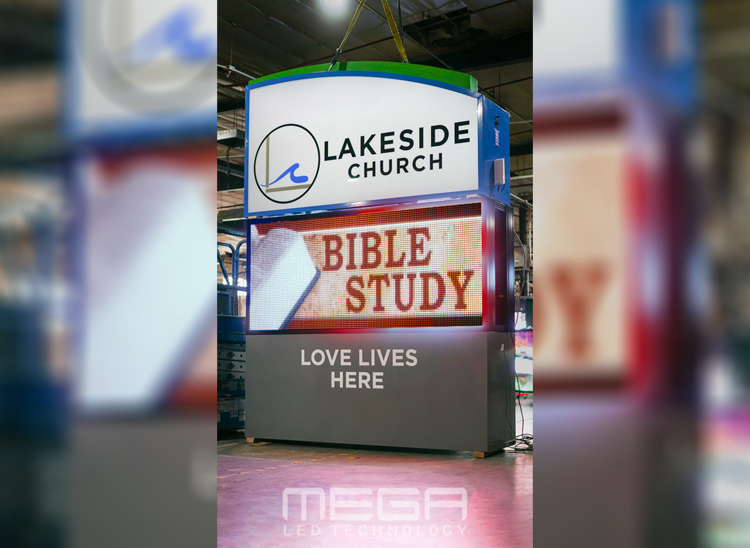
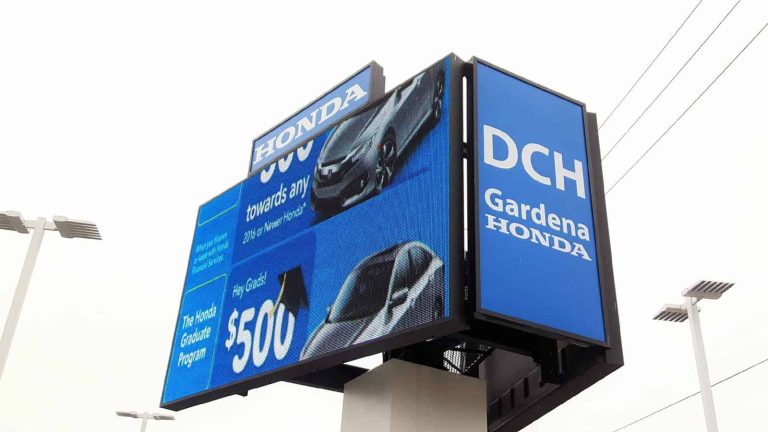
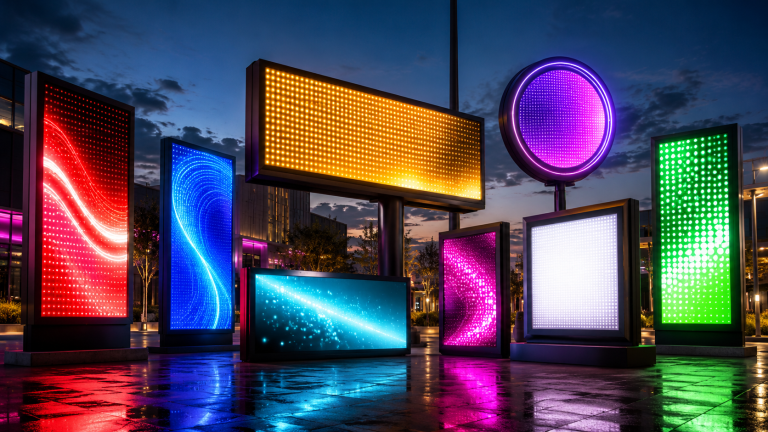
Omega is our newest line of outdoor digital signs. Running the full gambit from cabinet, to LED sign, to logo on top, or any configuration of your choice!

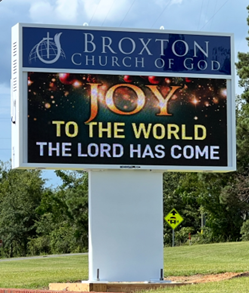
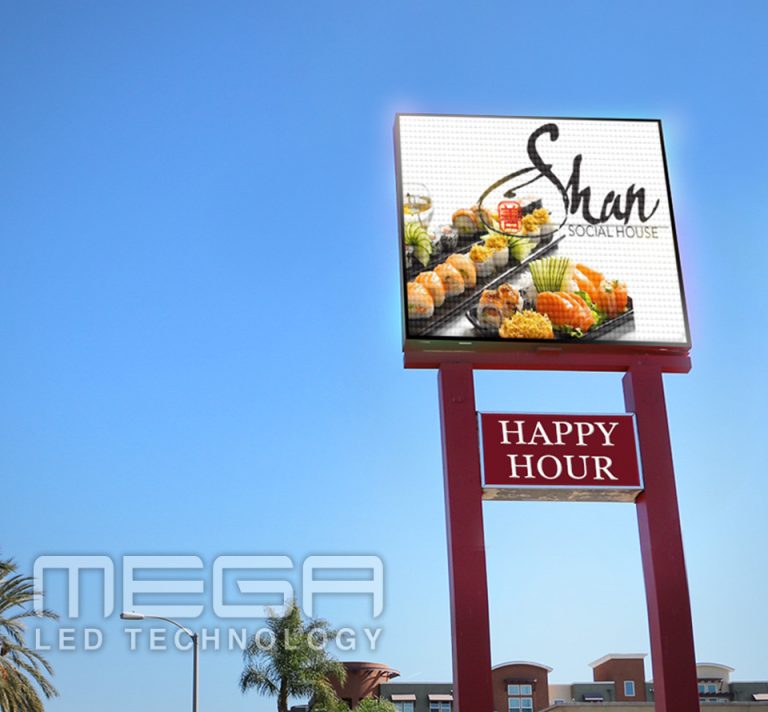
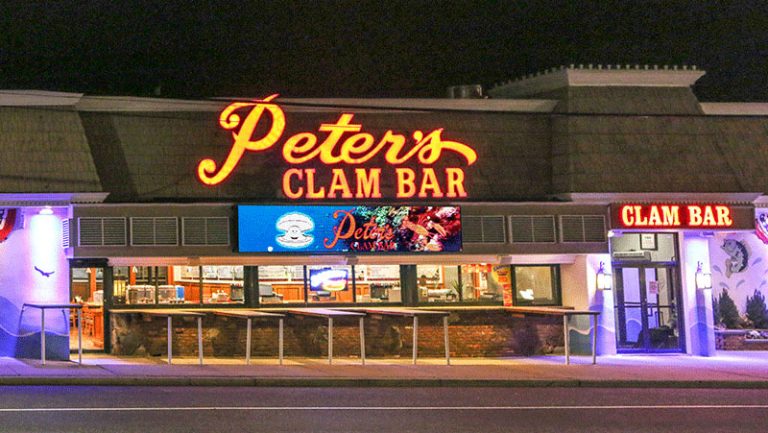
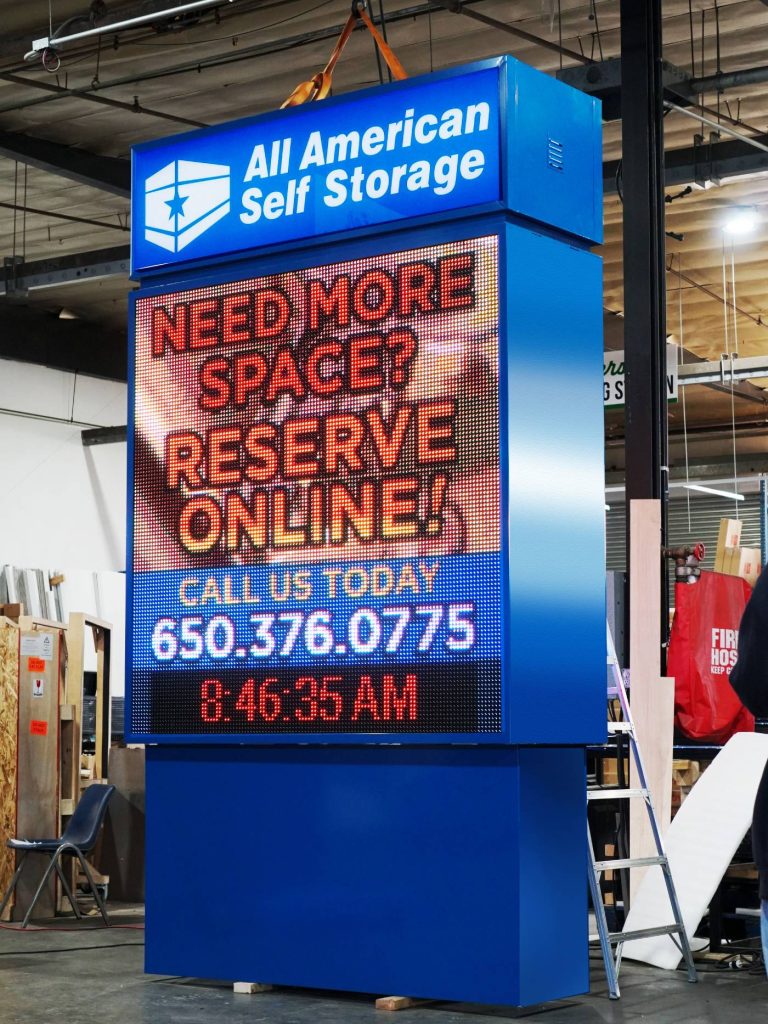
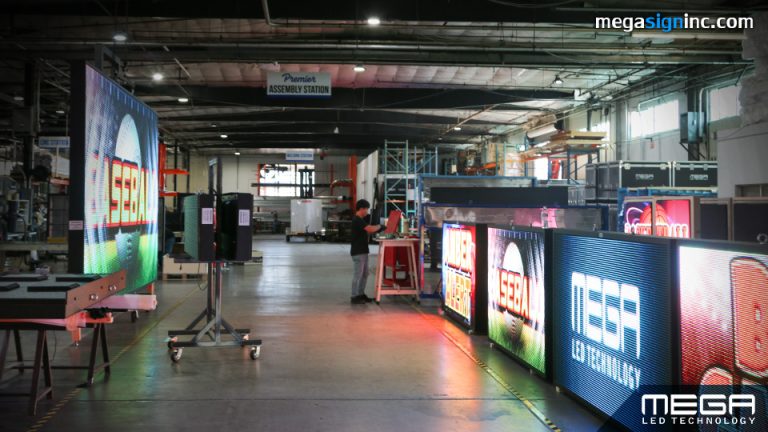
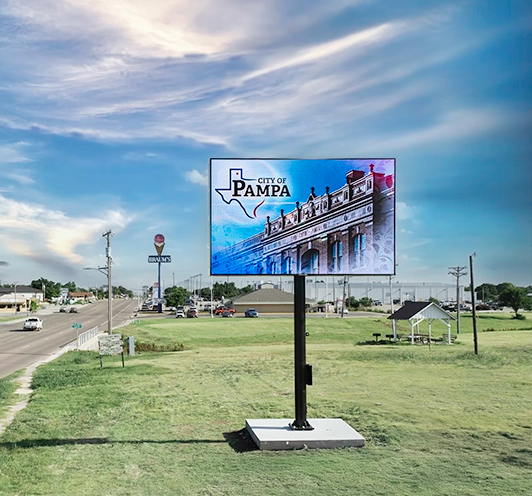
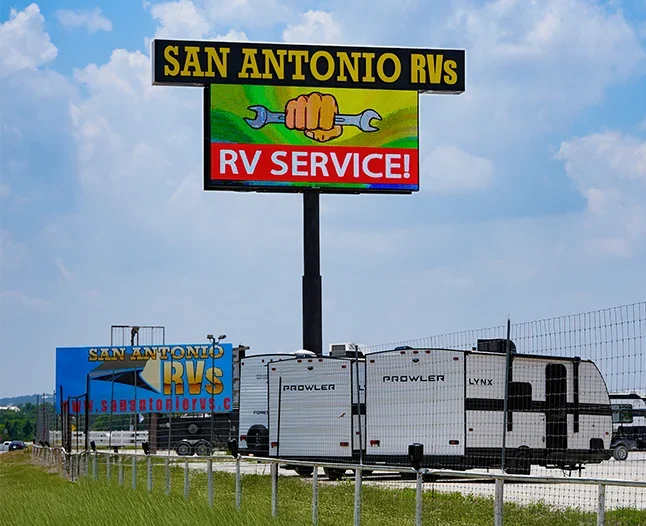
Premier is a customizable Outdoor LED sign, perfect for the Entrepreneur who knows that large custom sized signs cultivated for their specific business is the way to go.

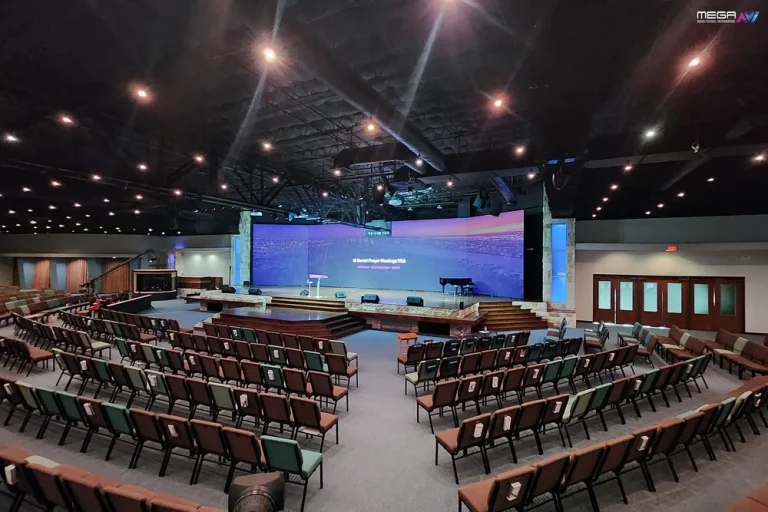
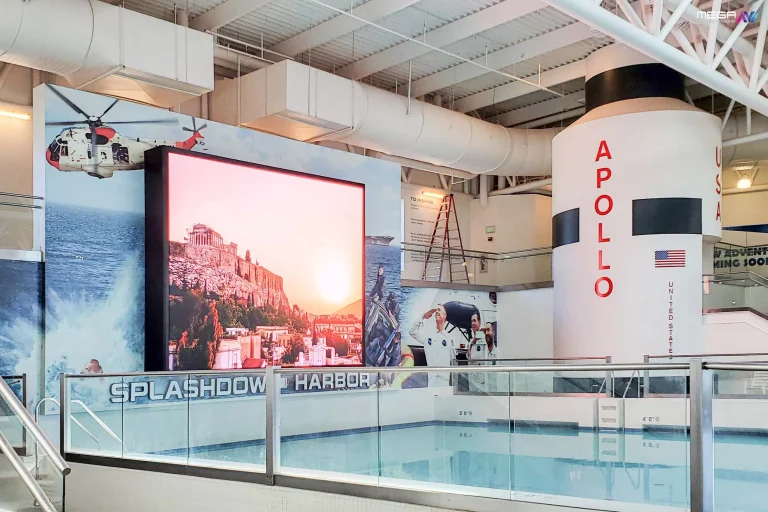
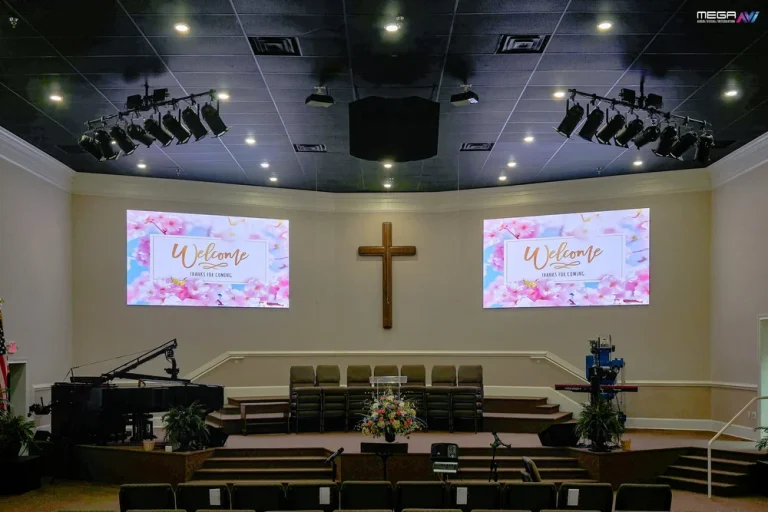
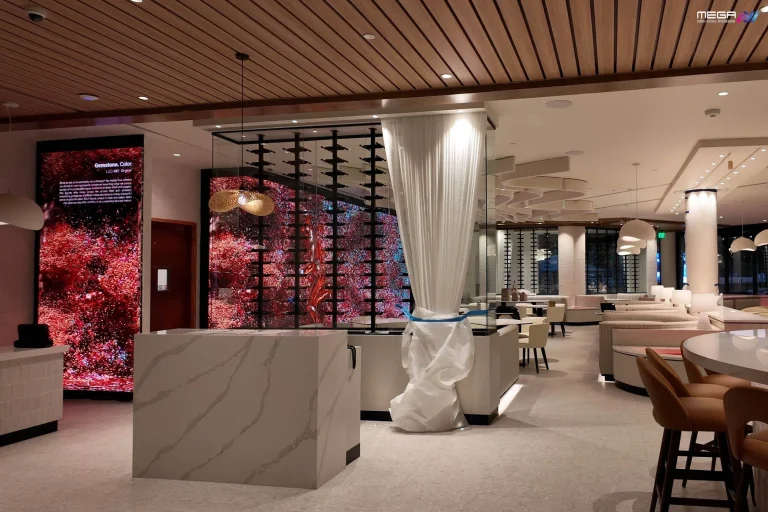
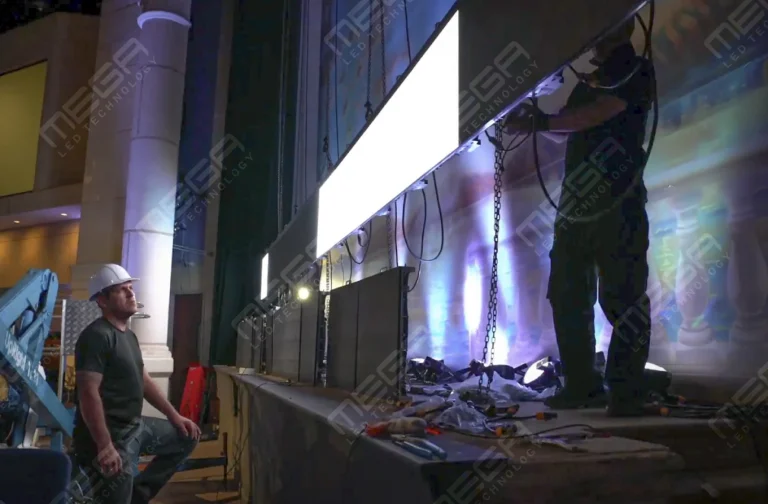
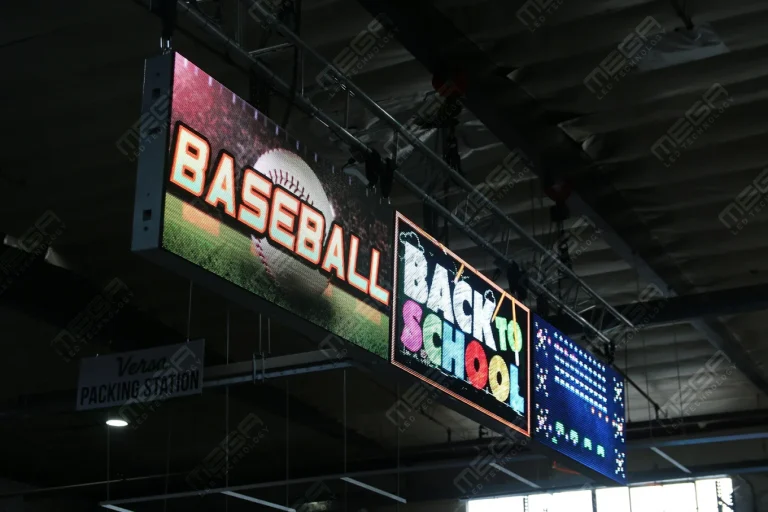
Programmable Stage LED signs, great for indoor assemblies, congregations, and presentations! Blow your competitors out of the water, or keep your congregation and audience glued to your message.

Alpha LED sign boards are great for anything from churches, to schools, to business. They tend to do great in large open spaces, where they are clearly visible.
Omega is our newest line of outdoor digital signs. Running the full gambit from cabinet, to LED sign, to logo on top, or any configuration of your choice!
Premier is a customizable Outdoor LED sign, perfect for the Entrepreneur who knows that large custom sized signs cultivated for their specific business is the way to go.
Programmable Stage LED signs, great for indoor assemblies, congregations, and presentations! Blow your competitors out of the water, or keep your congregation and audience glued to your message.
Static signs fade into the background, and older lightbox or LCD formats often degrade, flicker, or lack outdoor visibility. That invisibility costs businesses impressions and sales, especially in visually crowded environments. LED displays solve these limitations with high brightness, motion-ready content, and instant updates without printing. Because LEDs generate light at the pixel level, they deliver stronger contrast, better outdoor performance, and long service life, often 50,000 to 100,000 hours.

The core advantages of LED digital signage apply across industries. Every organization that communicates through signage benefits from superior brightness visible in any lighting condition, energy-efficient operation that lowers monthly costs, modular construction that scales to any size, and the ability to update content instantly without printing a single sheet.
LED technology is preferred over older formats because it addresses their fundamental limitations. Fluorescent-backlit signs dim and require bulb replacements. Printed banners fade in sunlight and demand physical swaps for every message. LCD panels lack the brightness for outdoor use. LED displays eliminate these pain points by producing light at the pixel level, delivering consistent performance across years of continuous operation.
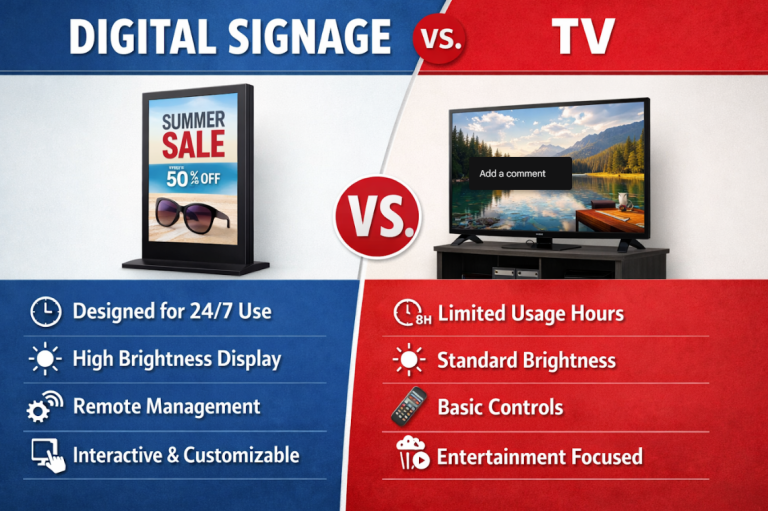
The visual superiority is hard to overstate. Brightness reaching 5,000 to 13,000 nits keeps your message readable in direct sunlight. Contrast ratios are dramatically higher because individual pixels switch off for true black. And color reproduction spans millions of shades, making every image and video look vivid.
Upgrade to LED displays that stay bright, readable, and attention-grabbing in any environment.
LED displays elevate advertising because motion, brightness, and scale combine in ways no print medium can replicate. A moving image on a high-brightness screen commands attention automatically. Research shows digital displays capture 400% more views than static signs, turning passive passersby into engaged viewers.
Studies indicate an 83% recall rate for digital signage compared to roughly 50% for static displays. That gap matters when your goal is brand recognition or driving customers toward a specific offer. People remember what they see on an LED screen because the medium itself commands higher attention.
From an ROI perspective, LED scales efficiently. A single display can rotate dozens of advertisements daily, generating revenue a static sign cannot match. Retailers using digital signage report sales increases of up to 29.5%, and most businesses recoup their investment within 12 to 24 months.
A balanced view of trade-offs improves decision-making. Unmatched brightness, extended life, low energy use, seamless scaling, and quick content updates are its finest qualities. These factors make LED the finest visibility and flexibility option.
Understanding trade-offs is key. Initial cost is higher than LCD or printed signs. Fine-pitch displays cost more due to more chips. Outdoor installations need cleaning and new modules after years of use. Know these facts to plan finances and avoid surprises.
Outdoor LEDs live longer and perform better. LCD has a superior native resolution at lower sizes but is dim outside. OLED boasts high contrast but fades faster and costs more per square meter. Most commercial signage should use LED because it combines performance and TCO.
| Feature | LED Display | LCD Panel | OLED | Static Print |
|---|---|---|---|---|
| Brightness | 5,000–13,000 nits | 500–1,500 nits | 800–1,500 nits | N/A |
| Lifespan | 50,000–100,000 hrs | 30,000–60,000 hrs | 30,000–50,000 hrs | 6–12 months |
| Energy Efficiency | High (dynamic dimming) | Moderate | Variable | None (passive) |
| Outdoor Viability | Excellent | Limited | Poor | Fair (degrades) |
| Content Updates | Instant / remote | Instant / remote | Instant / remote | Manual reprint |
| Scalability | Modular, any size | Fixed panel sizes | Fixed panel sizes | Fixed per print |
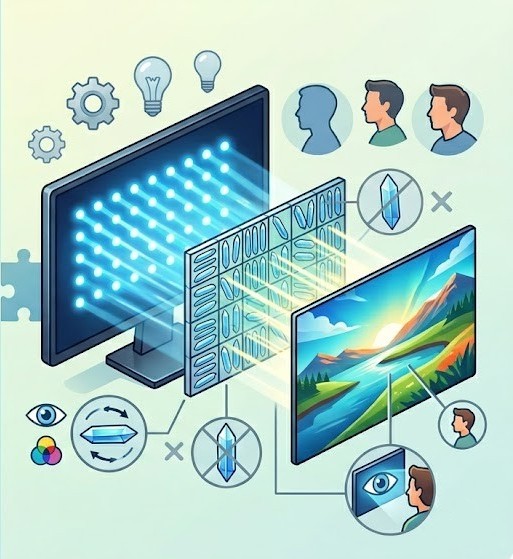
The core distinction is how each technology produces light. An LCD relies on a backlight shining through liquid crystals, staying on constantly even for dark content. A direct-view LED generates light at each pixel independently. The U.S. Department of Energy notes LED technology can reduce energy consumption by 50–70% compared to older formats.
This self-emitting design drives adoption for three reasons. First, brightness: LED displays produce 5,000+ nits while most LCDs top out at 1,500. Second, contrast: LEDs switch off entirely for black, making images sharper. Third, size: LED panels are modular, letting you build any dimension, while LCDs are limited to fixed manufactured sizes.
These advantages explain why LED dominates outdoor signage, large-format video walls, and any installation where brightness and scale are essential.

Commercial LED displays typically last 50,000 to 100,000 hours. At 12 hours daily, that translates to 11 to 22 years before the display reaches half its original brightness. Samsung confirms LED signage routinely delivers this service life, far exceeding LCD or OLED panels.
Several factors affect performance. Running at maximum brightness 24/7 accelerates wear faster than operating at 60–70% with automatic dimming. IP65 or higher weatherproofing resists moisture and dust. Quality thermal management through proper heat sinks extends component life further.
Choose an outdoor LED display with 5,000–13,000 nits and IP-rated weatherproof modules for long uptime.
Choose an outdoor LED display with cloud content control to rotate offers by time-of-day and update instantly.
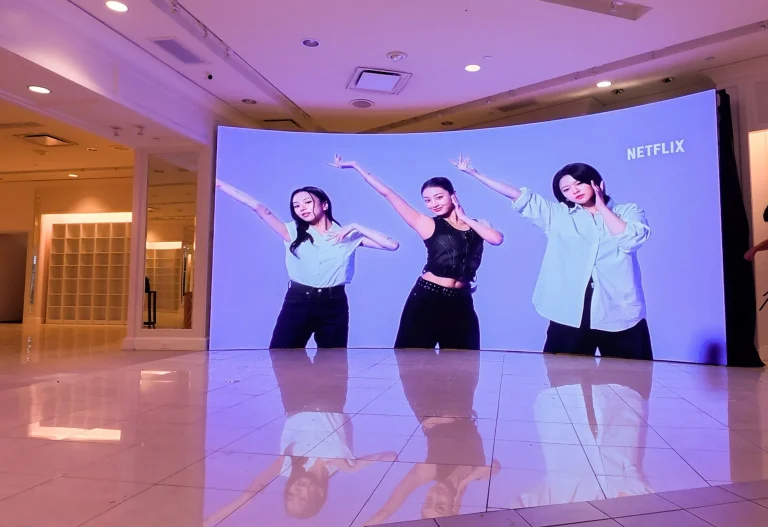
Choose fine-pitch indoor LED panels for crisp visuals, strong contrast, and seamless modular scaling.
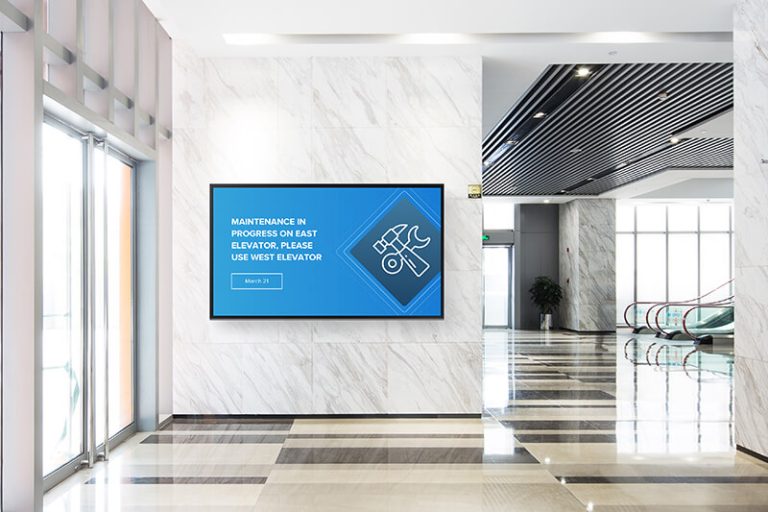
Choose standard indoor LED signage with centralized scheduling to replace printing and update messaging in seconds.
A display lasting 100,000 hours eliminates multiple replacement cycles. When you factor in labor and downtime, a longer-lasting LED screen almost always costs less over a ten-year window than two or three budget alternatives.
Lighting efficiency is the engine behind everything an LED display does well. Each LED converts electrical energy directly into light with minimal heat waste, delivering high brightness without the energy penalty of older technologies. That means clearer imagery during the day and lower electricity bills every month.
Sustainability is becoming a real purchasing factor. LED signage reduces energy consumption, eliminates waste from printed materials, and lasts long enough to avoid frequent replacements. For organizations tracking their footprint, switching to LED is one of the simplest improvements available.
Higher efficiency also means brighter, more uniform illumination across the screen, keeping text sharp from any viewing angle. At MEGA LED Technology, we build displays with high-efficiency modules and energy-saving power supplies for continuous operation. Explore our full range and purchase directly from our online store.
Lower power consumption is the most immediate benefit. A direct-view LED uses less electricity than an equivalent-brightness LCD because it eliminates the always-on backlight. Over thousands of operating hours, that adds up to meaningful utility savings, especially with multiple screens.
Reduced cooling needs add a second layer of savings. LEDs waste less energy as heat, so indoor installations put less strain on HVAC systems and outdoor cabinets require fewer active cooling fans.
These gains align with sustainability goals many organizations now prioritize. Lower consumption means a smaller carbon footprint per display. Combined with eliminating printed materials, LED signage positions a business as environmentally conscious without sacrificing impact.
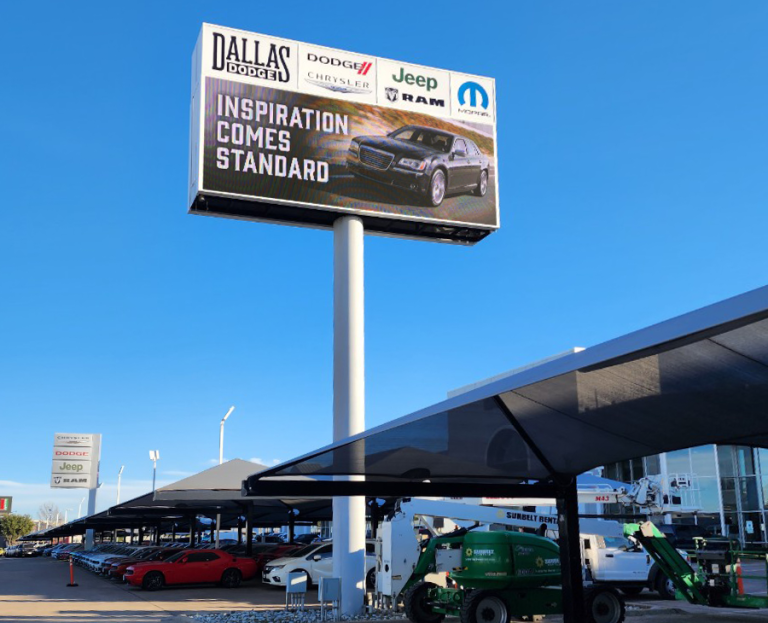
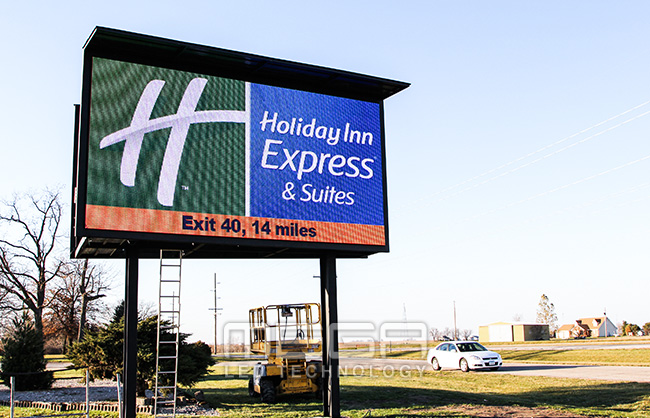
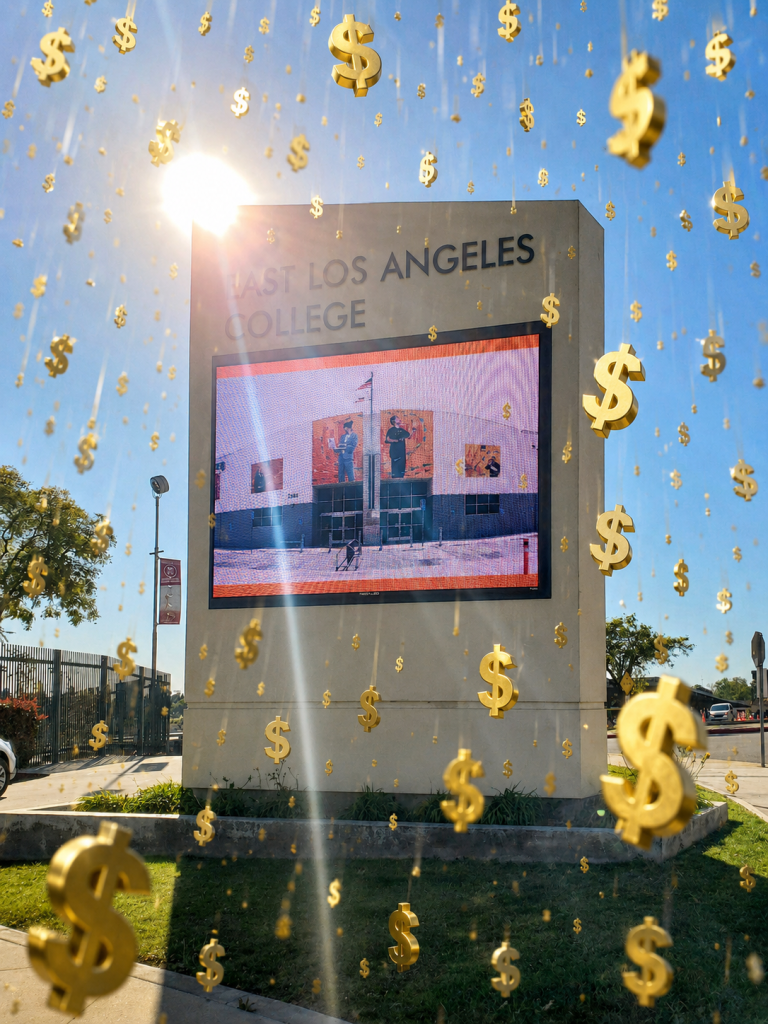
Outdoor environments demand performance most technologies cannot deliver. Sunlight, rain, temperature swings, and dust all work against a screen. LED displays meet these challenges with brightness starting at 5,000 nits and reaching 13,000 nits for high-impact installations. Our Premier outdoor LED signs feature IP67-rated front modules that seal against water and dust, ensuring reliable performance in any climate.
Good outdoor cabinets are made of materials that don’t rust, have UV-stabilized coatings, and can handle the heat of the desert and the cold of the north. Durability means fewer repair calls and keeps image quality high year after year.
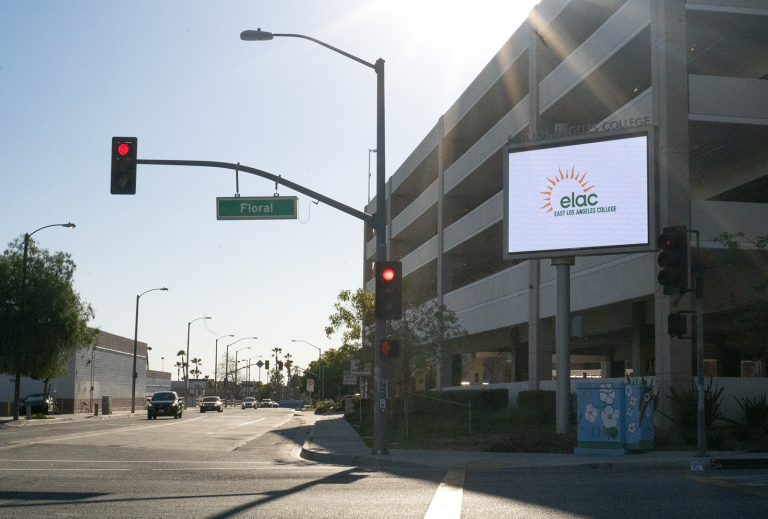
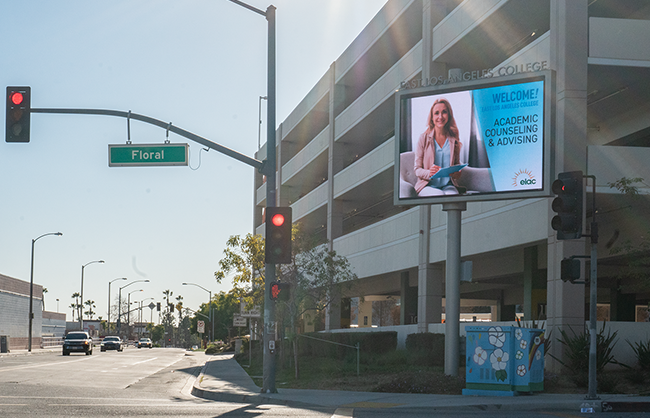
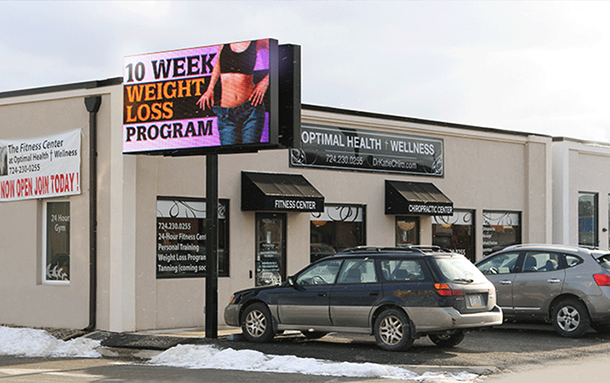
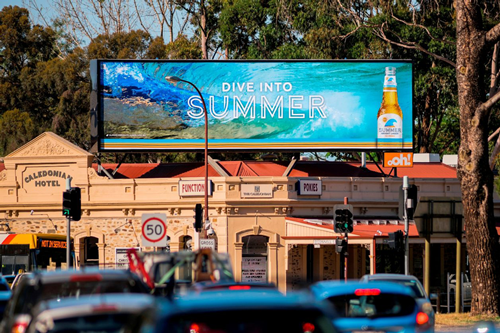
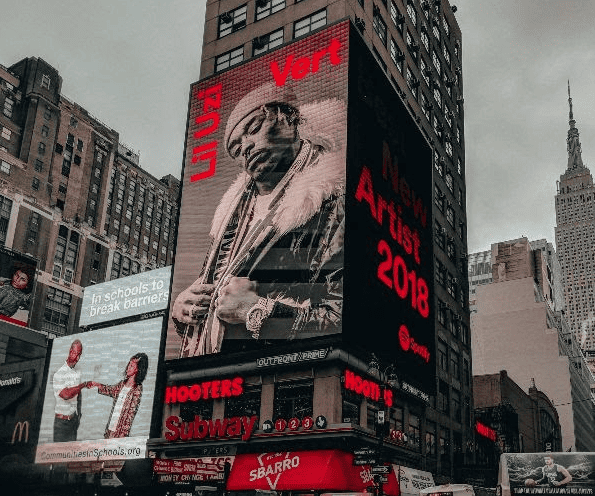
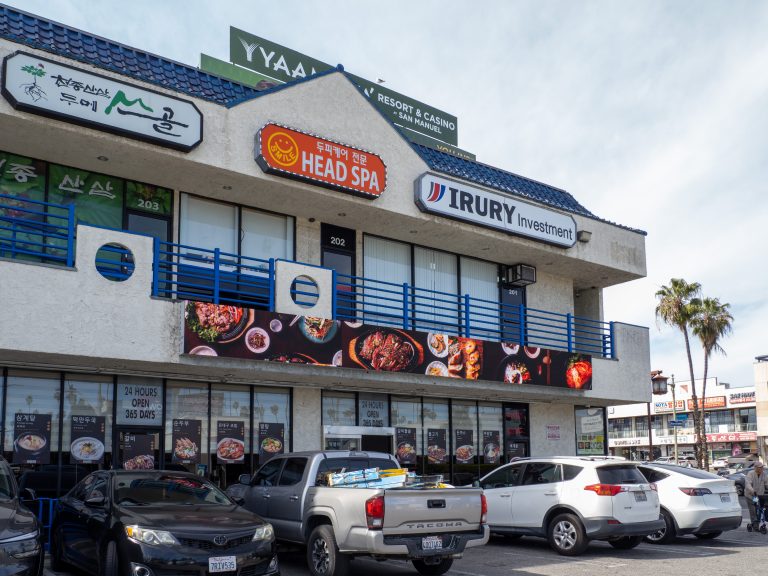
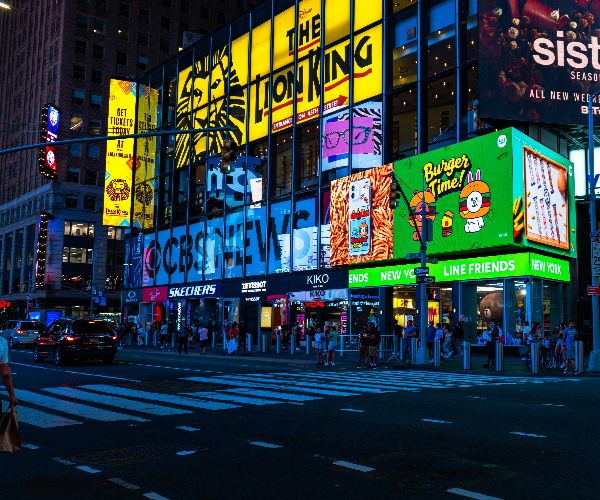
The advertising use cases are among the highest-impact in the industry. Highway billboards, storefront reader boards, stadium displays, and transit-facing screens all leverage size, brightness, and motion to reach audiences at scale.
Marketers choose LED over static media because digital displays allow testing, iteration, and optimization that print cannot. A static billboard delivers one message until physically replaced. An LED display rotates campaigns throughout the day, targets audiences by time slot, and updates creative within minutes.
Modern LED systems integrate with content management platforms that track schedules, exposure times, and rotation. Some connect to foot traffic sensors or point-of-sale data to measure impact directly. Almost 80% of customers report entering a store because a digital sign caught their attention, giving marketers a measurable link between display investment and store visits.
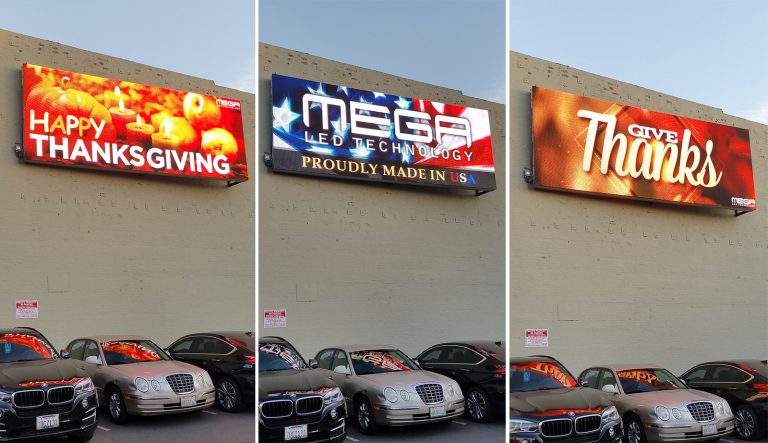
Adaptability completes the case. Seasonal promotions, flash sales, and emergency notices go live within minutes, eliminating the lag and labor that make static signage slow to change.

The shift from static to dynamic messaging is the biggest engagement driver in modern signage. A static image fades into the background after repeated exposure. Motion and video content reset viewer attention with every cycle because our visual system naturally tracks movement.
Audience interaction deepens when content changes throughout the day. A restaurant displays breakfast specials in the morning and dinner promotions in the evening. A retail store highlights trending products during peak hours and brand storytelling during slower periods. Retailers using digital signage see up to 29.5% sales increases partly because dynamic content stays relevant to whoever is passing at that moment.
Content flexibility means one screen serves multiple purposes. The same display runs paid ads during business hours, community announcements evenings, and emergency alerts when needed. That versatility maximizes return on every dollar.
A high-quality LED display signals that a business invests in its presentation. Customers and partners form immediate impressions, and a bright, crisp digital display communicates modernity, confidence, and attention to detail. That perception matters whether you run a retail chain, a house of worship, or a municipal building.
Trust follows from a professional presentation. A well-maintained LED sign tells potential customers the business is established and serious about communication. Compared to a faded banner or flickering fluorescent sign, the difference in perceived quality is immediate.
Consistency accumulates over time. Every location displays identical colors, fonts, and quality. Updates propagate across all screens simultaneously through cloud management, so your brand never looks outdated regardless of how many sites you operate
The primary advantages are superior brightness for any environment, energy efficiency reducing costs by 50–70%, lifespans of 50,000 to 100,000 hours, modular scalability, and instant remote content updates. Together, these deliver strong ROI while keeping audiences engaged.
LED displays produce light at each pixel rather than using a constant backlight. This delivers higher brightness (5,000+ vs. 1,500 nits for LCD), better contrast through true blacks, greater efficiency, and modular scalability to any size. For outdoor and large-format applications, LED is the only practical choice.




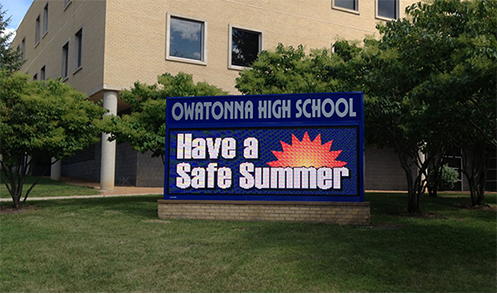



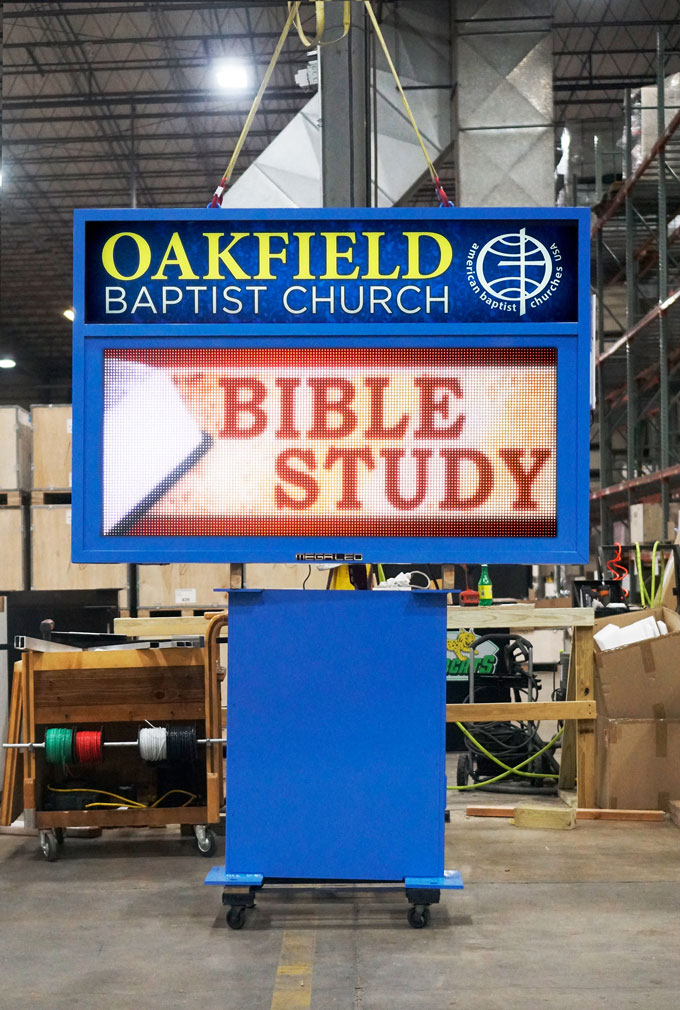



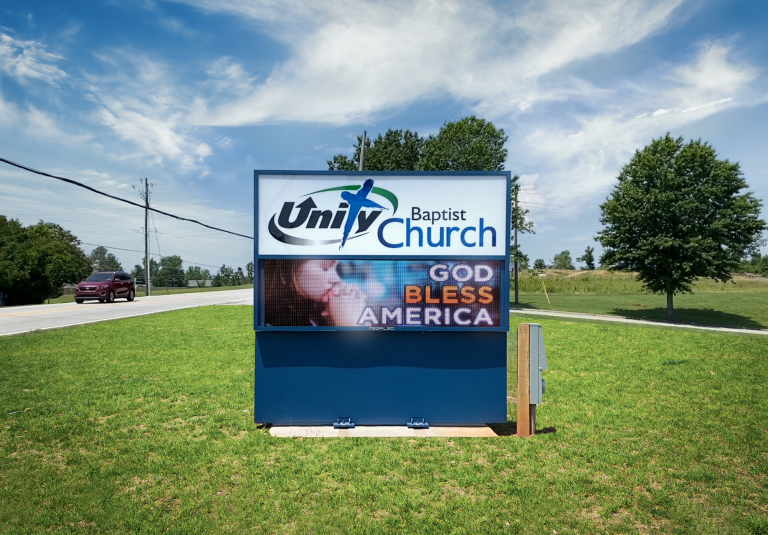



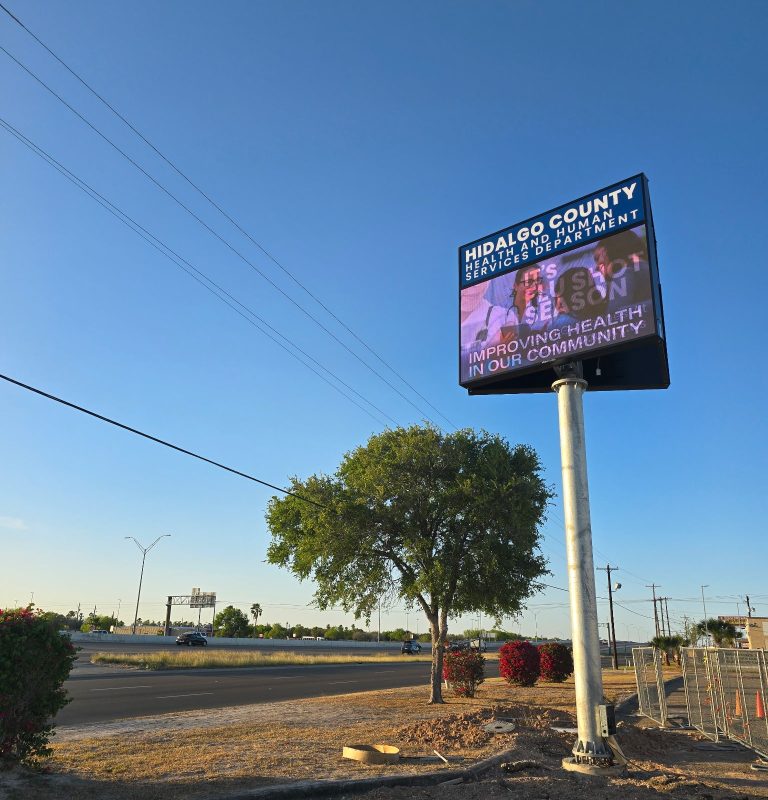
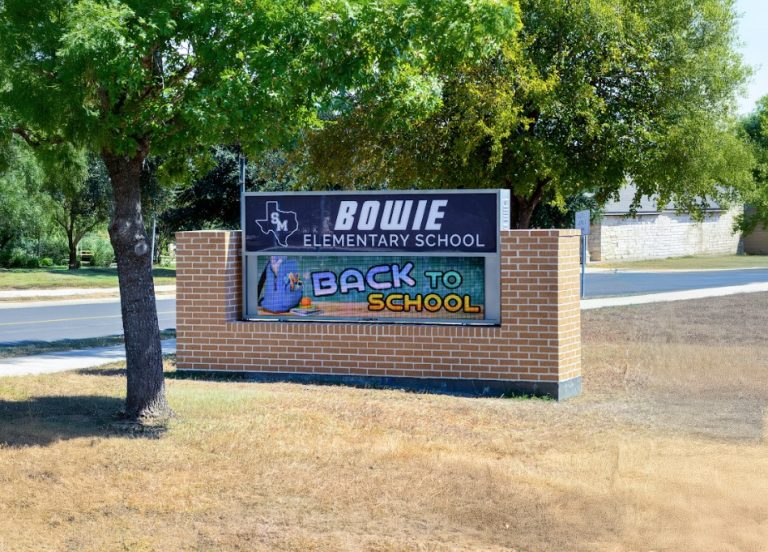
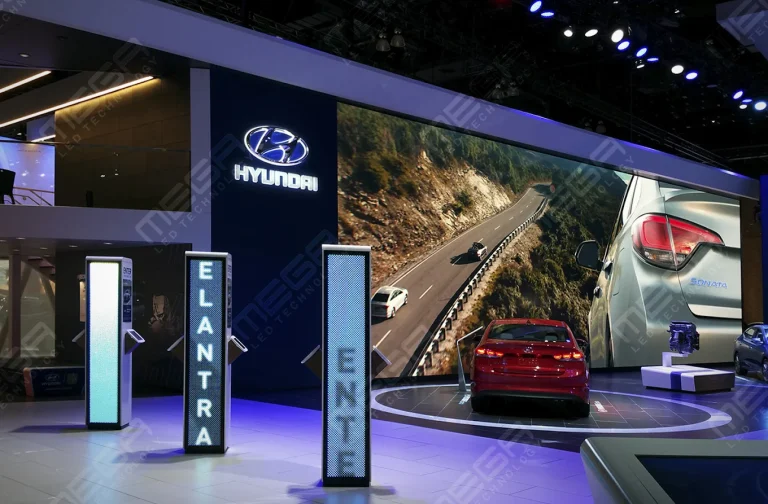

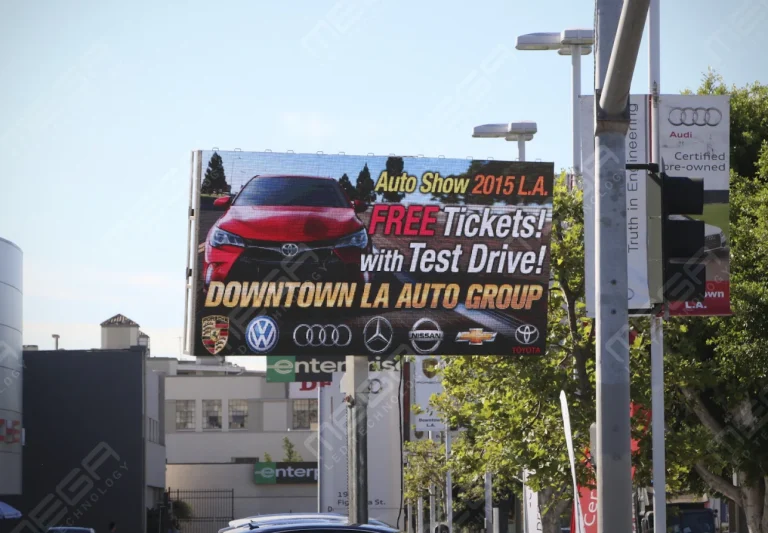


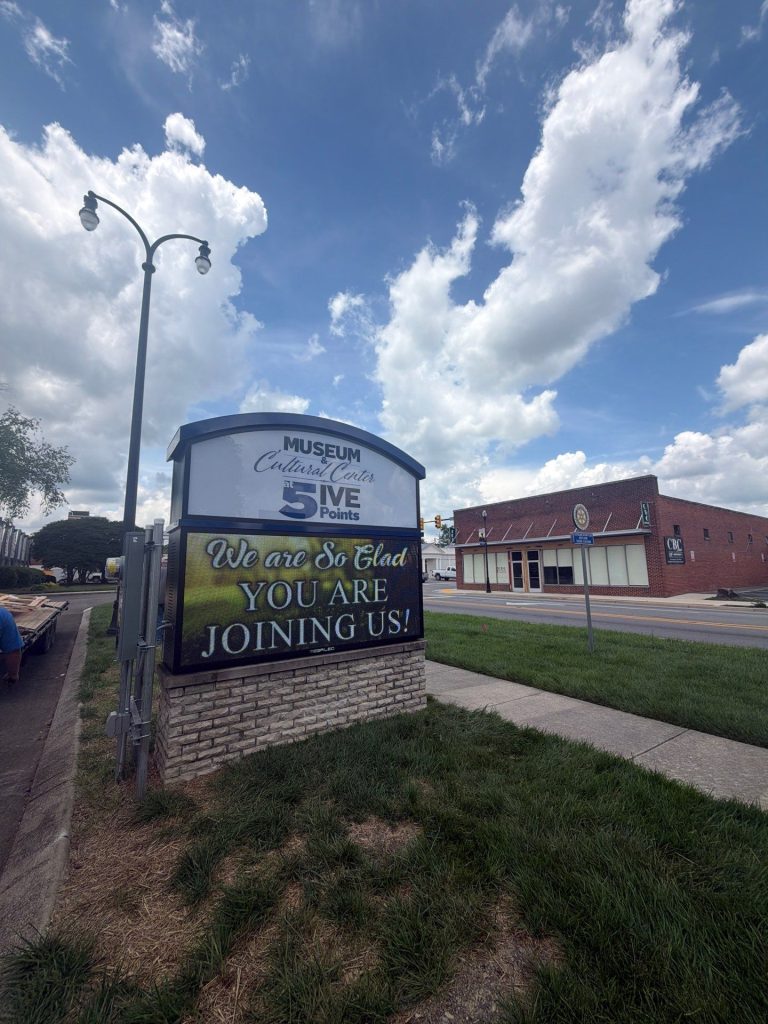
Alpha LED sign boards are great for anything from churches, to schools, to business. They tend to do great in large open spaces, where they are clearly visible.
Omega is our newest line of outdoor digital signs. Running the full gambit from cabinet, to LED sign, to logo on top, or any configuration of your choice!
Premier is a customizable Outdoor LED sign, perfect for the Entrepreneur who knows that large custom sized signs cultivated for their specific business is the way to go.
Programmable Stage LED signs, great for indoor assemblies, congregations, and presentations! Blow your competitors out of the water, or keep your congregation and audience glued to your message.