

What Is Smart Digital Signage? How Intelligent Screens Use Data, Software And Automation

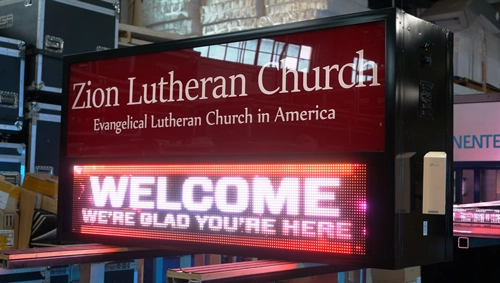
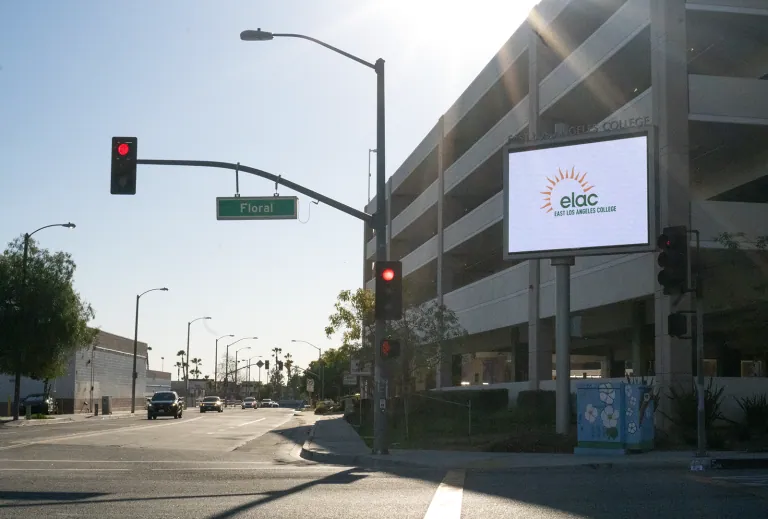
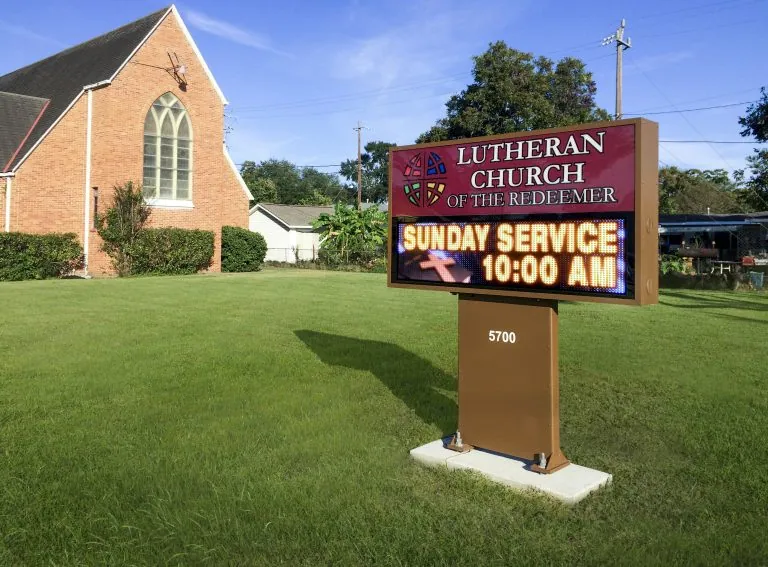
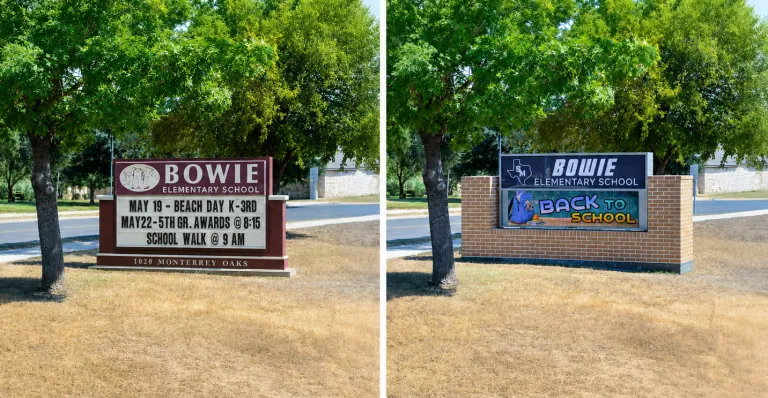
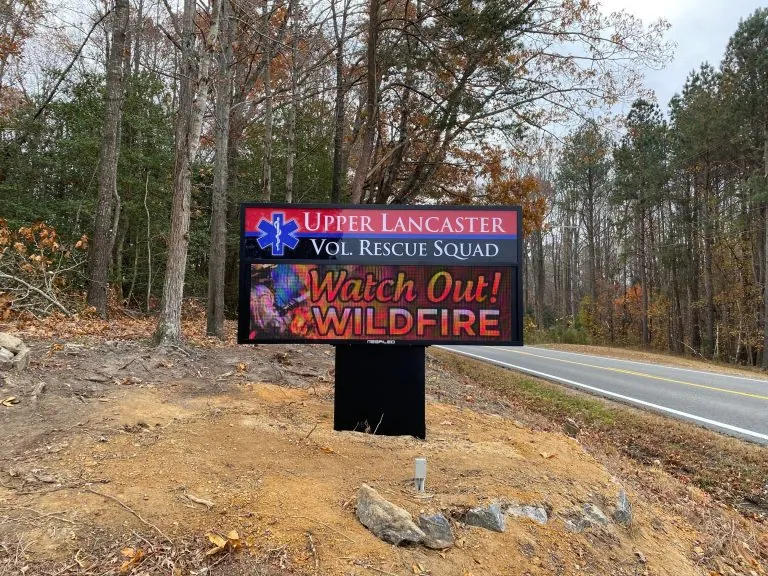
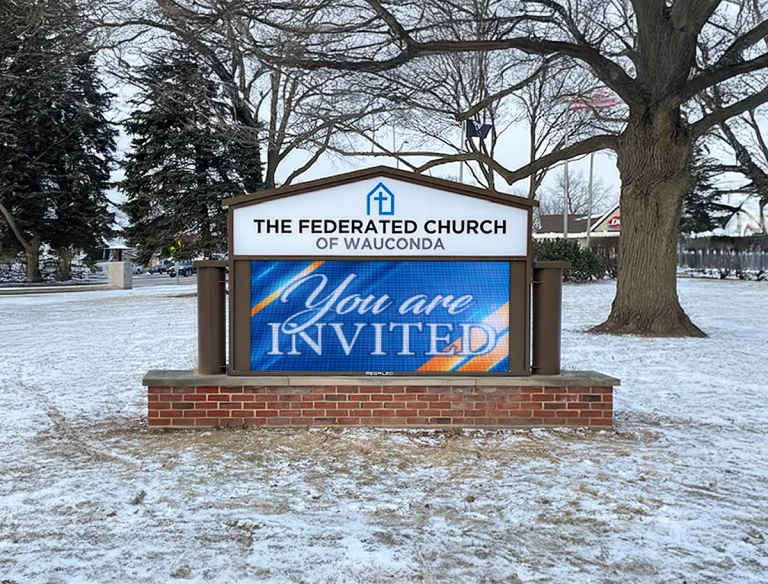
Alpha LED sign boards are great for anything from churches, to schools, to business. They tend to do great in large open spaces, where they are clearly visible.

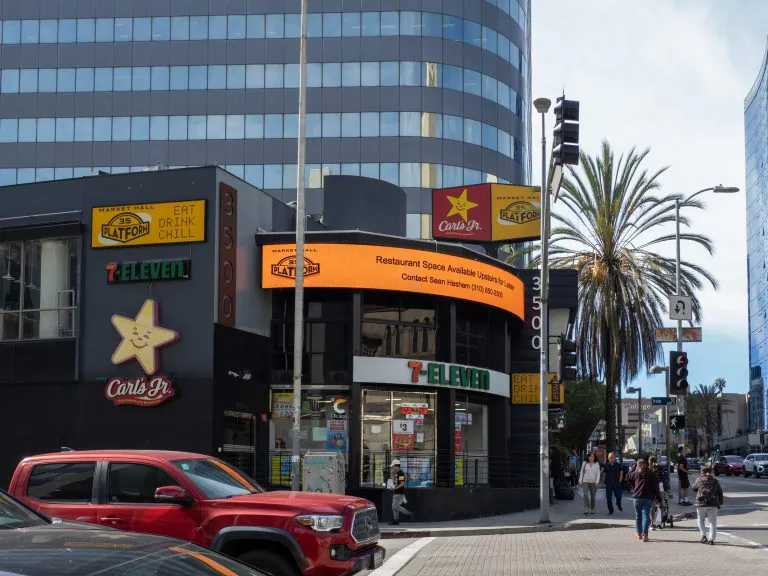
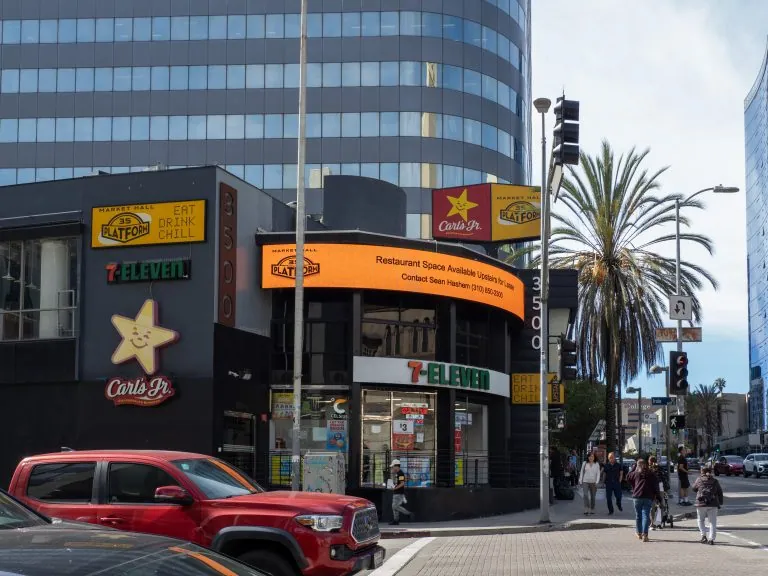
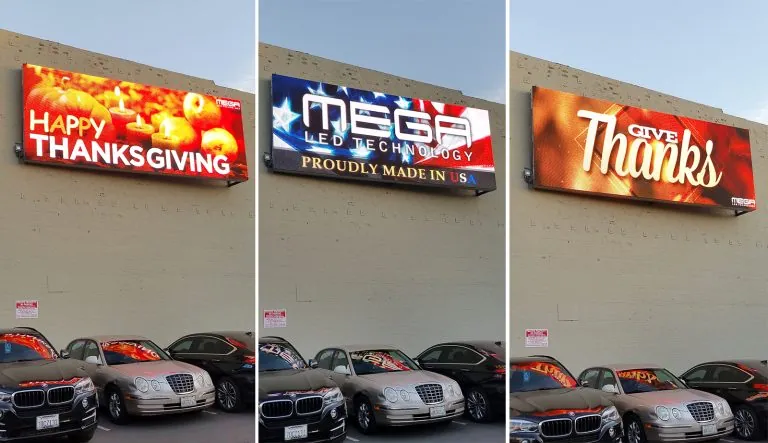
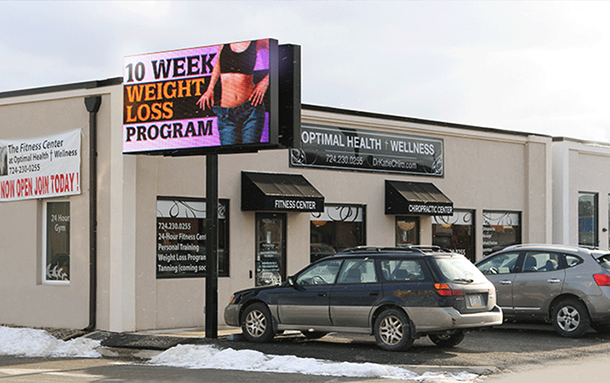
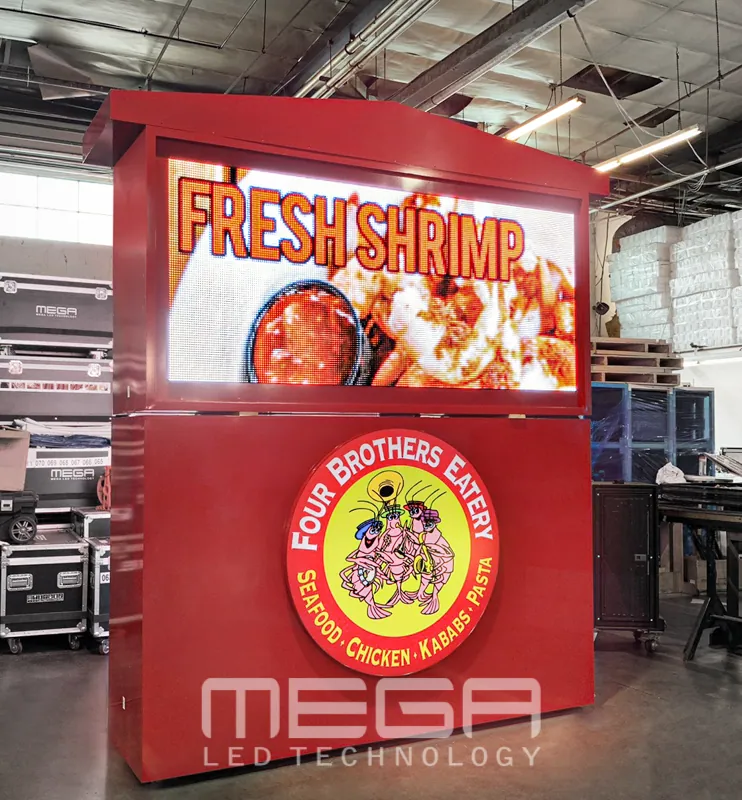
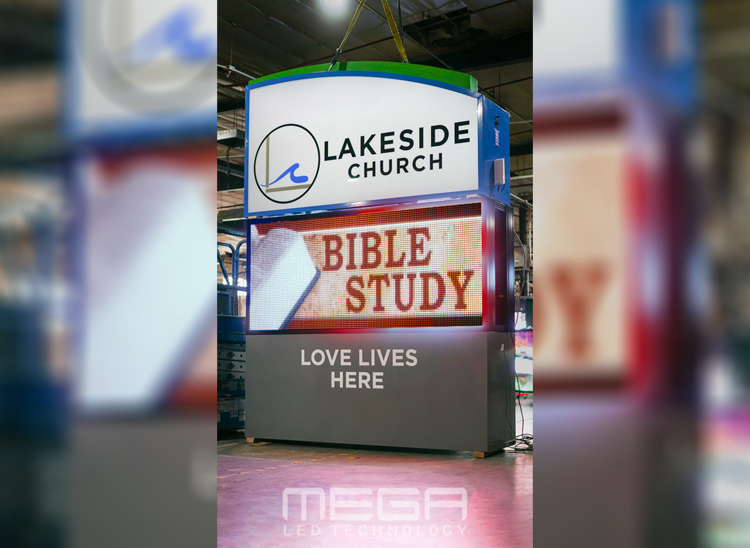
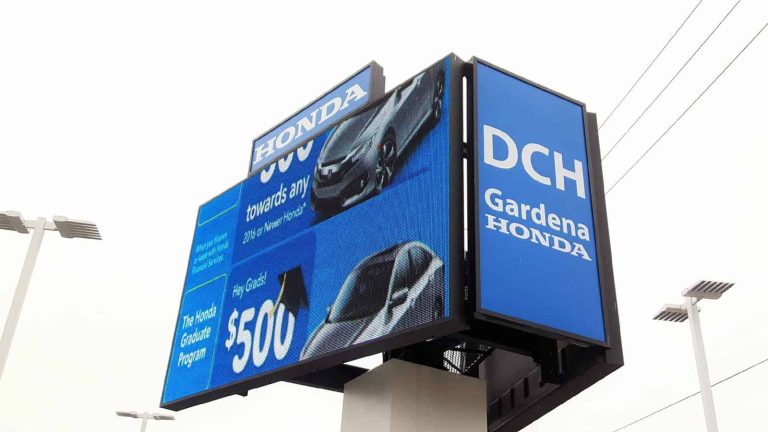
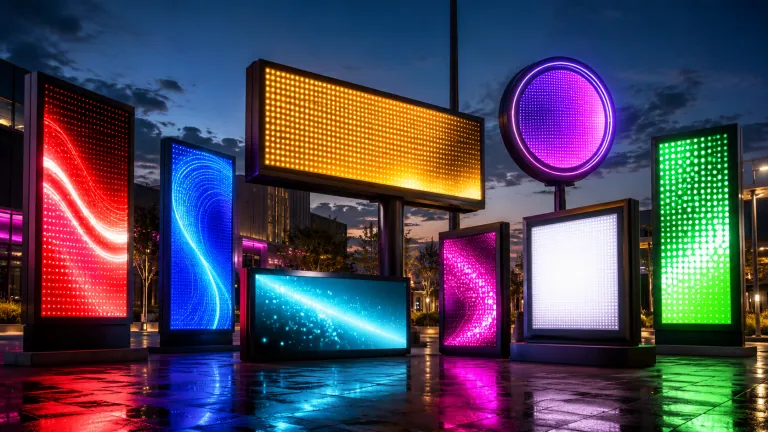
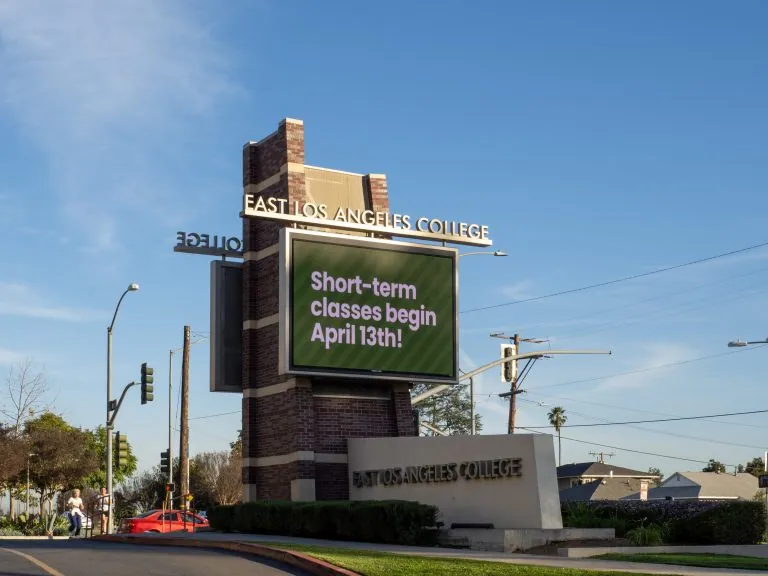
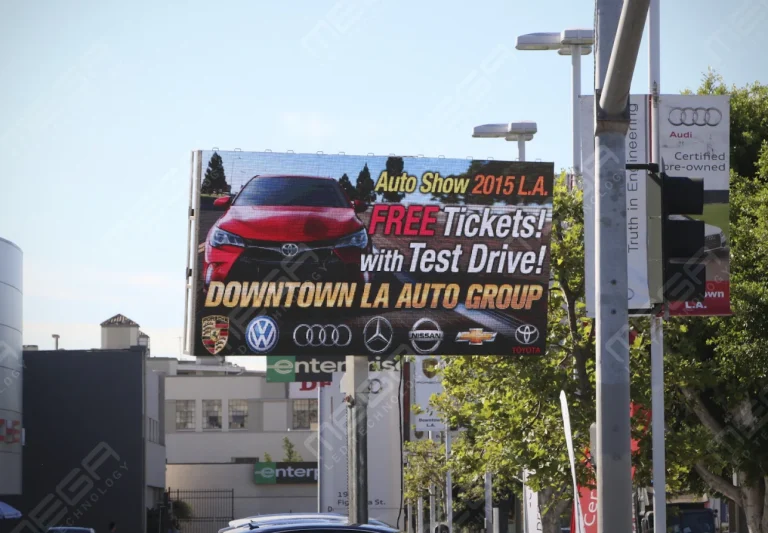
Omega is our newest line of outdoor digital signs. Running the full gambit from cabinet, to LED sign, to logo on top, or any configuration of your choice!

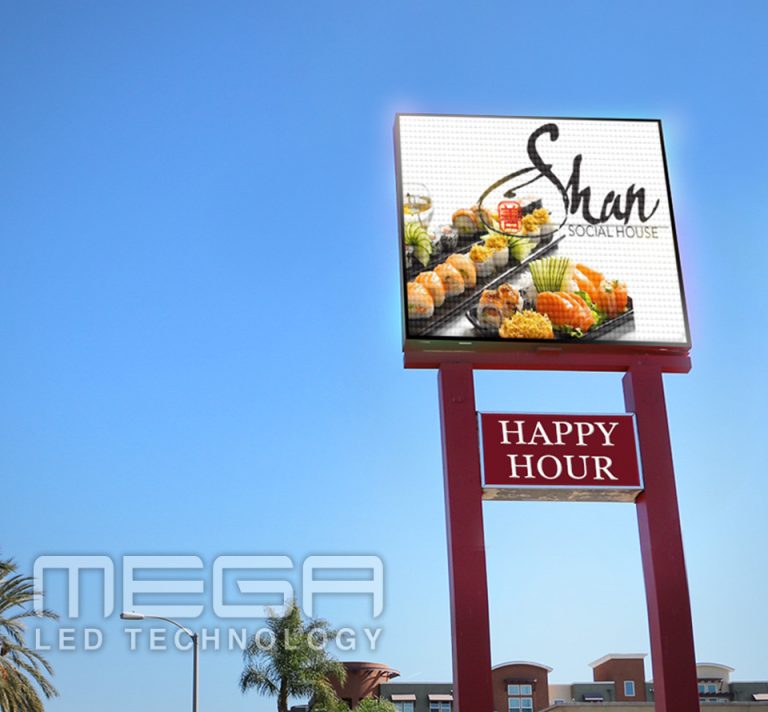
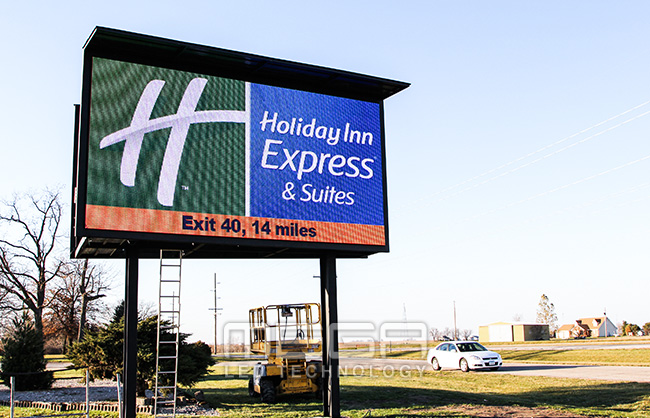
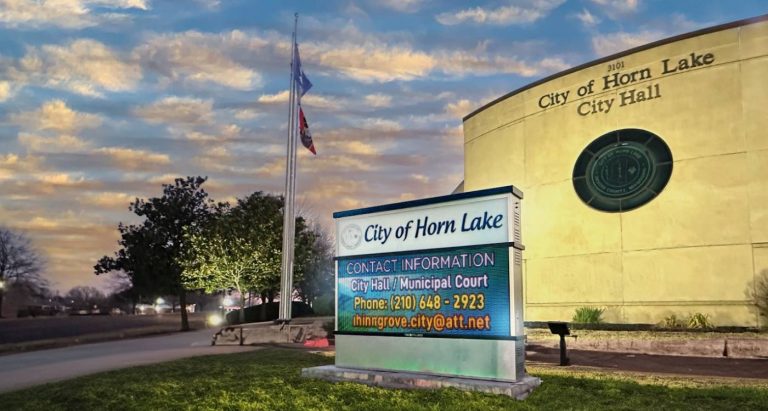
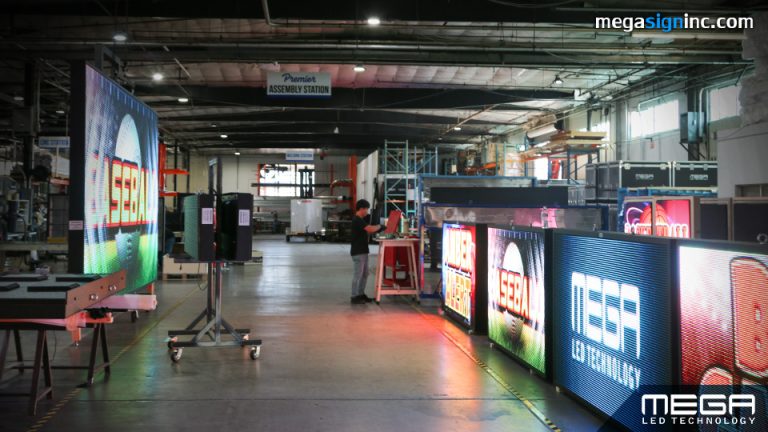
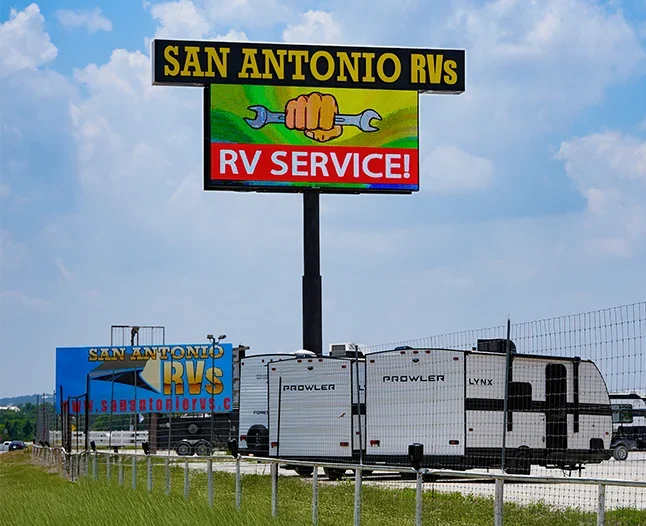
Premier is a customizable Outdoor LED sign, perfect for the Entrepreneur who knows that large custom sized signs cultivated for their specific business is the way to go.

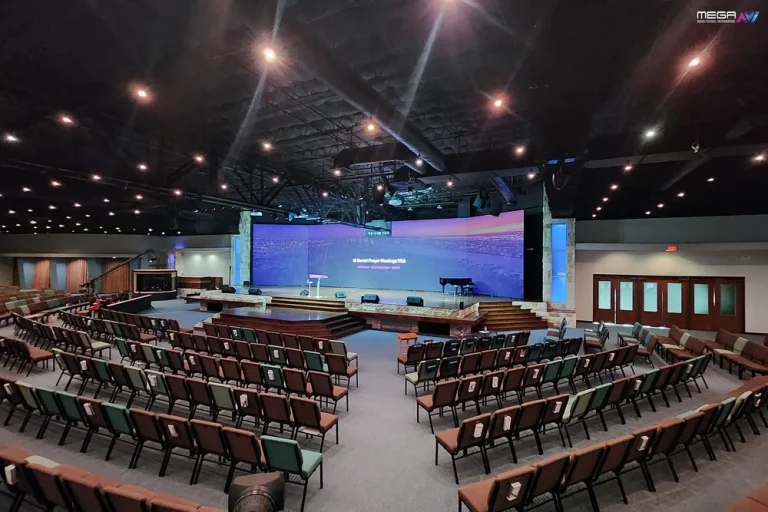
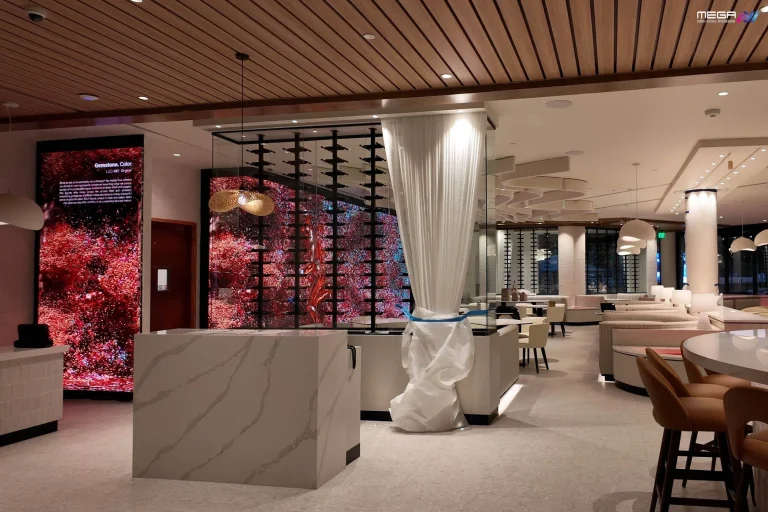
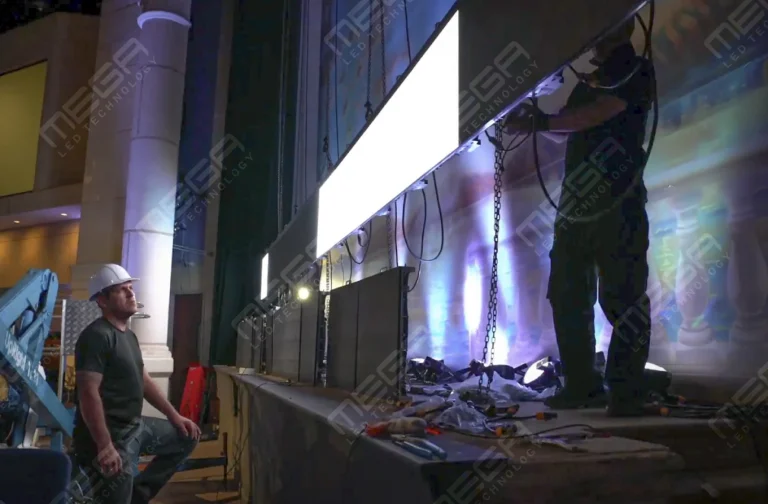
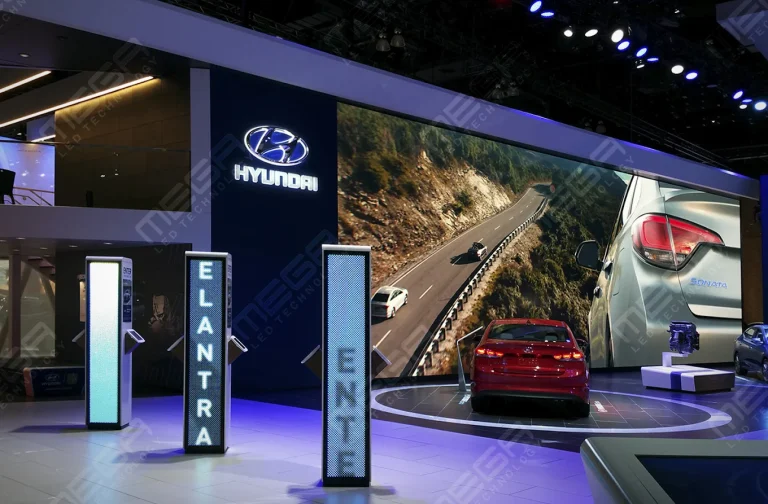
Programmable Stage LED signs, great for indoor assemblies, congregations, and presentations! Blow your competitors out of the water, or keep your congregation and audience glued to your message.

Alpha LED sign boards are great for anything from churches, to schools, to business. They tend to do great in large open spaces, where they are clearly visible.
Omega is our newest line of outdoor digital signs. Running the full gambit from cabinet, to LED sign, to logo on top, or any configuration of your choice!
Premier is a customizable Outdoor LED sign, perfect for the Entrepreneur who knows that large custom sized signs cultivated for their specific business is the way to go.
Programmable Stage LED signs, great for indoor assemblies, congregations, and presentations! Blow your competitors out of the water, or keep your congregation and audience glued to your message.
Making your own outdoor business sign sounds like a weekend project. Then permits, weatherproofing, wind, load and electrical rules enter the picture, and a bargain build becomes an expensive redo. In this guide we cover how to make your own outdoor business sign, and when buying one beats building one.

Making an outdoor business sign is a planning job before it is a building job. The physical construction is one step in a sequence that includes defining the sign’s purpose, checking local rules, choosing materials and planning a safe installation.
Simple projects stay simple. A temporary sandwich board or yard sign is genuinely DIY-friendly, and plenty of owners build one in an afternoon.
Larger commercial signs play by different rules. Illuminated signs, monument signs, pylon signs and LED displays involve permits, structural loads and electrical work that cities generally require licensed professionals to handle.
This guide covers both paths. As a veteran-owned USA manufacturer of custom LED signs and outdoor digital displays, we live on the professional side, and we’ll be honest about where DIY ends.
Decide what the sign must accomplish before you pick a single material. Purpose drives every later choice: size, lighting, design and budget all follow from it.
Common purposes include pulling in road traffic, identifying a building, promoting services, sharing changing messages like hours and offers, and helping customers navigate to a door or parking lot.
Location does the same work. Viewing distance, mounting surface, sun exposure and setback rules change what the sign needs to be. The United States Sign Council Foundation’s on-premise sign standards size letter height by viewing distance and travel speed; a 45 mph road demands far taller copy than a sidewalk.
Before designing anything, photograph the installation area, measure the available space and drive the routes your customers actually use to approach the business.
Assume your sign is regulated until you confirm otherwise. City and county sign ordinances, zoning districts, landlords, shopping centers and property associations can all have a say in what goes up.
Common restrictions cover sign size, height, brightness, placement, setbacks from property lines, electrical work, animation, how often a message can change and who is allowed to perform the installation.
Permits are the clearest line between a business sign and a DIY home project. The International Sign Association maintains a full codes and regulations resource hub because permitting genuinely varies city by city.
Treat compliance as a planning step, not paperwork. We’ve seen projects stall for weeks because a sign was designed before anyone read the local code, and the redesign cost more than the permit ever would.
Tell us about your location and goals and we’ll flag the permit, sizing and visibility issues before you spend a dollar. Free consultation, no obligation.
The right sign type depends on your location, budget, viewing distance, branding, local rules and whether the message needs to change. There is no single correct answer, only a correct match.
Static signs, dimensional letters and hanging panels suit businesses with one message and steady foot traffic. Illuminated cabinets, channel letters, monument signs and pylon signs add night visibility and presence. LED displays add changeable messaging on top of that.
Some businesses only need a basic exterior panel. Others need a large electronic sign to reach passing drivers or promote events that change weekly.
You don’t have to build any of these yourself. Ready-made options exist at every level, from stock panels to our Alpha LED sign boards, built in set configurations from 3ft x 5ft up to 6ft x 12ft: order a proven design instead of engineering one.
| Checklist item | What to confirm | Why it matters |
|---|---|---|
| Letter height | Letters sized to viewing distance and travel speed | Copy that reads at walking pace vanishes at 45 mph |
| Contrast | Light copy on a dark field, or the reverse | Low contrast disappears in daylight glare |
| Code compliance | Size, height, setback and brightness limits | Avoids fines, redesigns or forced removal |
| Weather rating | Outdoor-rated materials and sealed electronics | Rain and UV ruin indoor-grade builds |
| Mounting and wind | Fasteners, posts or foundations sized to local gusts | A sign face becomes a sail in a storm |
| Power access | Circuit, conduit and switching for lit signs | Lighting plans fail without an electrical plan |
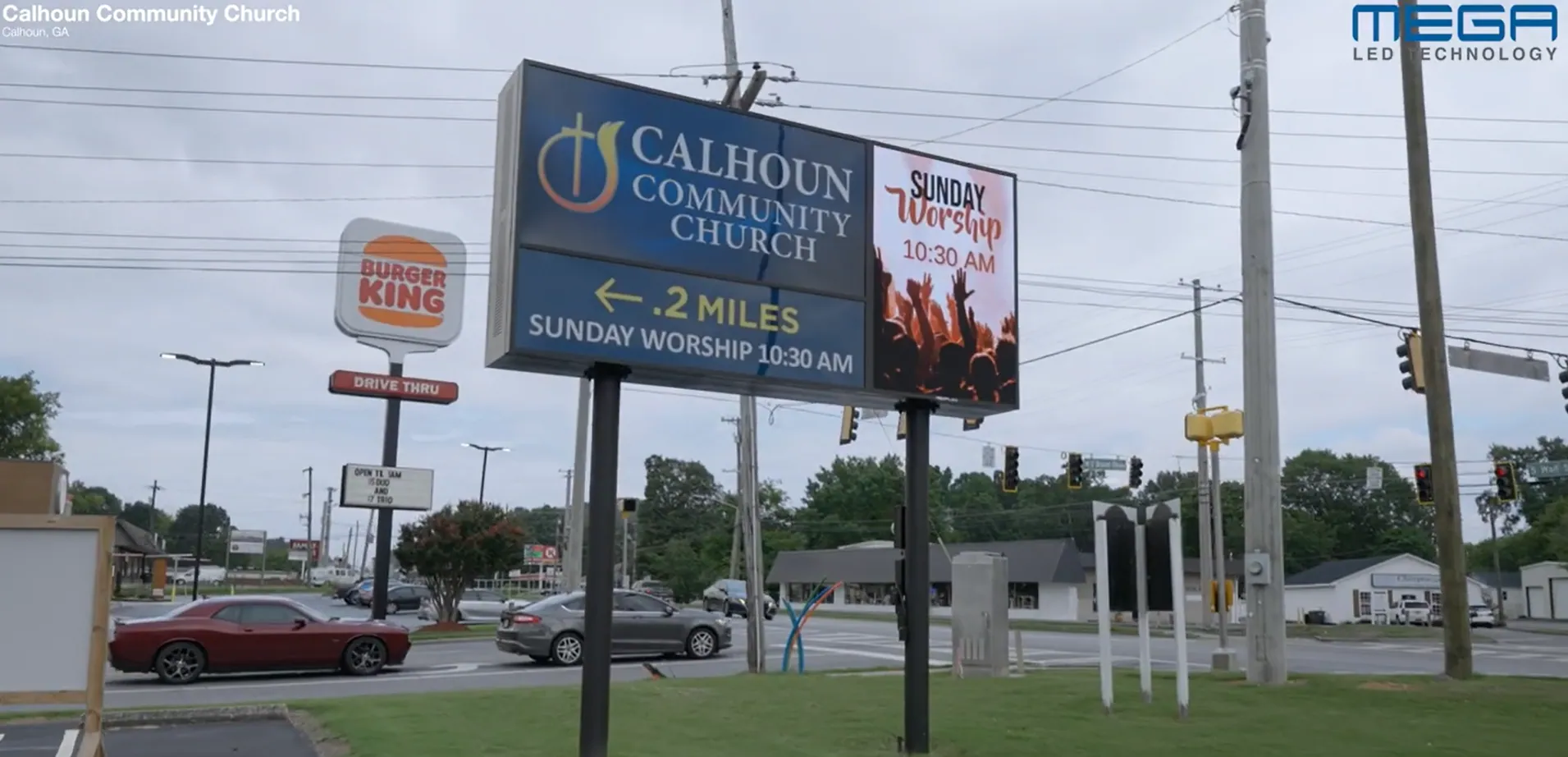
There is no universal answer, only the right material for how permanent the sign is, where it hangs, your local weather, the look you want, your budget and whether it needs lighting.
Weigh six practical factors: durability, maintenance, weight, print quality, weather resistance and what the material demands at installation time.
The common choices each have a lane. Aluminum and ACM (aluminum composite material) resist rust and stay flat for years, and acrylic takes light beautifully in illuminated signs.
PVC and sign-grade plastics keep costs down for short-term use. Wood looks warm but demands sealing. Vinyl works as a surface graphic, not a structure.
Business-grade outdoor signs choose materials for years of exposure, not for the lowest upfront cost.
Weatherproofing protects a sign from rain, UV, humidity, wind, dirt and temperature swings, and it starts with material selection, not with a can of sealer.
The full system includes coatings, sealants, UV-stable printing methods, stainless or coated fasteners and an installation that lets water drain instead of pool.
Premier Series displays are built to order from 1ft x 3ft up to 30ft x 100ft, engineered and manufactured in the USA. See what a custom build looks like.
Waterproof and weather-resistant are not the same claim. A weather-resistant panel sheds rain; a waterproof enclosure keeps moisture away from electronics entirely. On our Premier displays, that difference is engineered in: modules are sealed to IP67 on the front and IP65 on the rear so wind-driven rain stays out of the electronics.
For any sign carrying your business name, professional-grade finishes and outdoor-rated construction beat improvised sealing.
Add lighting if customers pass your business outside bright daylight hours. Lighting extends a sign’s working day into evenings, early mornings and overcast weather.
The options climb a ladder. Non-illuminated signs cost the least, and externally lit signs aim fixtures at a static face.
Channel letters and cabinet signs glow from within. LED digital signs make the message itself the light source.
Lighting changes the project. Expect electrical permits, dedicated wiring, higher installation cost and a maintenance plan for fixtures and power supplies.
Businesses that switch to LED displays often discover the changeable messaging matters as much as the brightness: one sign starts doing the work of a new banner every week.
Outdoor sign costs run from under a hundred dollars to six figures, driven by size, material, design complexity, lighting, installation, permits, structure and electrical work.
A temporary DIY panel or banner sits at the bottom of that range. Permanent commercial signs cost more because engineering and installation ride along, and full LED displays carry the technology cost too: our Premier Series runs $3,800 to $500,000+ depending on size, pixel pitch and configuration.
DIY looks cheaper until it fails. A sign that violates code, fades in a season or reads as homemade at 40 mph costs more in redos and lost customers than it saved in materials.
Think in lifespan and return. The question is not the sticker price; it is the cost per year of visibility.
Alpha Series LED sign boards come in set configurations from 3ft x 5ft up to 6ft x 12ft. Skip the build and order a proven design.
Budget for ten line items: design, materials, printing, fabrication, hardware, mounting, permitting, electrical work, installation labor and maintenance.
The U.S. Small Business Administration’s guide to calculate startup costs recommends splitting expenses into one-time and monthly costs, and notes that permits tend to have clear, published fees you can price early.
LED signs and large electronic signs cost more because the price includes technology, structure, programming and installation together, not a panel alone.
Monument and pylon signs add site work: bases, posts, concrete foundations and sometimes stamped engineering.
Request a professional quote whenever the sign is permanent, illuminated, large, elevated or digital. Pricing those projects from a DIY spreadsheet is guesswork.
Build last. Construction should start only after the purpose, location, materials, design, budget, permits and installation method are confirmed, because changing any of those mid-build is expensive.
For a small temporary sign, DIY construction is reasonable: cut, sand, prime, paint, seal and mount. For business-grade signs, fabrication turns industrial, involving routing, large-format printing, welding, cabinet construction, LED integration, painting, finishing and quality checks.
A badly built sign fails in predictable ways: crooked faces, peeling finishes, water intrusion, short lifespan and code violations an inspector eventually notices. The build step is where planning either pays off or gets exposed.
DIY makes sense for small, low-stakes signage: temporary promotions, event signs, sidewalk boards and simple directional signs that guide people around a property.
It stops making sense when the sign is large, illuminated, elevated, permanently mounted or regulated by local code. Those factors add structural, electrical and legal risk that a weekend build cannot carry.
A simple outdoor wood sign sits in between. A careful builder can manage one, but it still needs exterior-grade lumber, sealed edges, UV-stable finishes and a mounting that will not become a projectile in a storm.
When the sign represents a storefront, roadside location, school, church or commercial property, bring in professionals.
Hand the build to a professional for LED signs, monument signs, pylon signs, illuminated signs, oversized signs and anything requiring a permit. Those categories punish improvisation.
A good fabricator earns the fee before cutting metal: design previews, material selection, visibility planning, structural details and installation coordination all happen up front.
Costly mistakes live in sizing, brightness, mounting and compliance. Businesses we work with tend to underestimate sizing in particular: a display that looks huge in the shop reads small from 300 feet.
That is the work we do daily. Our Premier outdoor LED signs are built to order, MET Lab Certified and backed by a 5-year limited warranty, then professionally installed.
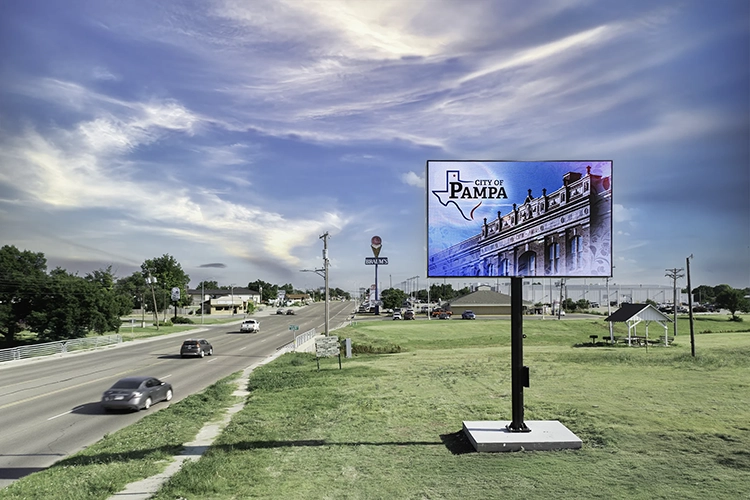
Installation is where DIY signs and commercial sign projects part ways. A sign hung wrong is not a cosmetic problem; it is a falling object over a public space.
The engineering questions are real: mounting strength, wind exposure, height, electrical connections, property rules and pedestrian safety. Engineers size commercial sign structures using wind pressures from the American Society of Civil Engineers’ ASCE 7 standard, the load reference U.S. building codes point to.
Some signs hang from two screws. Others need posts, concrete foundations, boom lifts, licensed electricians or full crews, and the difference is not always obvious from the ground.
Hire professional installers for anything large, illuminated, elevated, roadside or digital.
Five causes explain nearly every sign failure: poor planning, weak materials, unreadable design, skipped permits and improper installation. Each one is avoidable.
On wood signs specifically, the classics are interior plywood used outdoors, paint applied without primer or sealer, unsealed end grain that wicks water, and cheap hardware that rusts streaks down the face within a year.
On business signs broadly, the mistakes shift: letters sized for the sidewalk on a 45 mph road, low-contrast color schemes, cluttered layouts and buying on price alone from sellers who list no certifications.
One pattern we see repeatedly is the permit skipped to save time, followed by the forced removal that erases the savings. If you are unsure where your project sits, a free sign quote costs nothing and settles it.
Alpha Series LED sign boards come in set sizes from 3ft x 5ft up to 6ft x 12ft. https://www.megasigninc.com/alpha-led-sign-boards/
Premier Series outdoor LED signs are built to order from 1ft x 3ft up to 30ft x 100ft. https://www.megasigninc.com/premier-outdoor-led-signs
Omega Series monument signs pair custom bases with HD LED displays. https://www.megasigninc.com/omega-monument-signs/
Talk through your site with our team and get a free quote. https://www.megasigninc.com/contact/
Plan first, build second. Define the sign’s purpose and location, check your city’s sign code and permit rules, then choose outdoor-rated materials and a readable design with tall, high-contrast lettering. Small temporary signs can be built and mounted yourself. Permanent, illuminated, elevated or electronic signs are better ordered from a professional sign company that handles engineering, permits and installation, because those steps carry the legal and safety risk.
Aluminum and aluminum composite material (ACM) are the default choices for permanent outdoor business signs because they resist rust, stay flat and hold printed or painted graphics for years. Acrylic works well for illuminated faces, PVC and sign-grade plastics fit short-term budget signs, and sealed exterior wood suits rustic branding if you maintain it. Match the material to your weather, mounting surface and lifespan expectations rather than to the lowest upfront price.

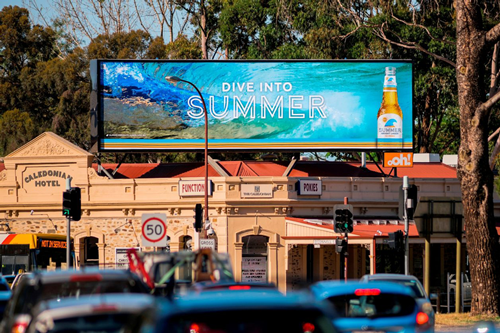


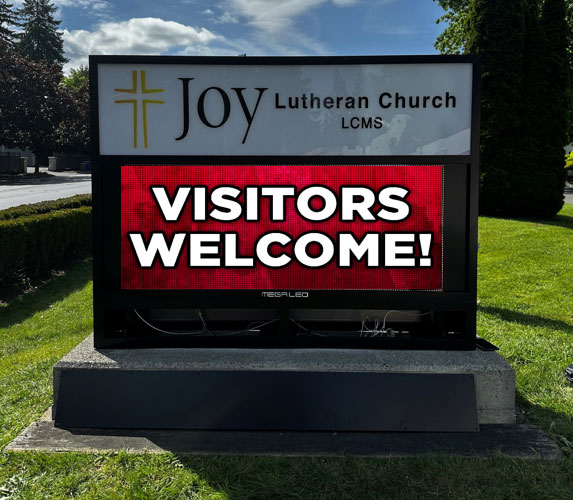




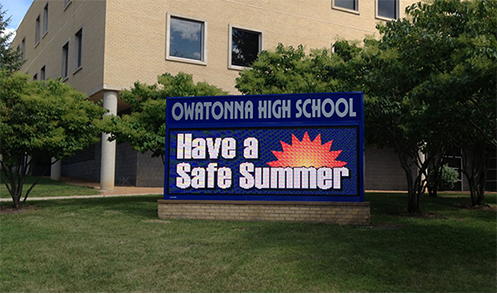


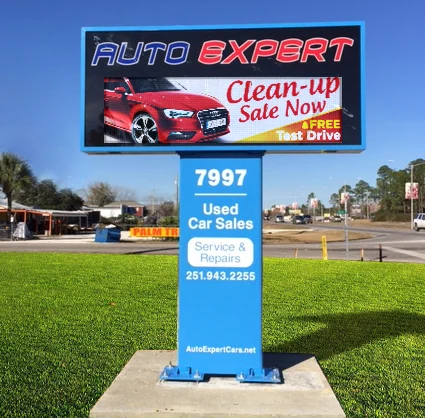



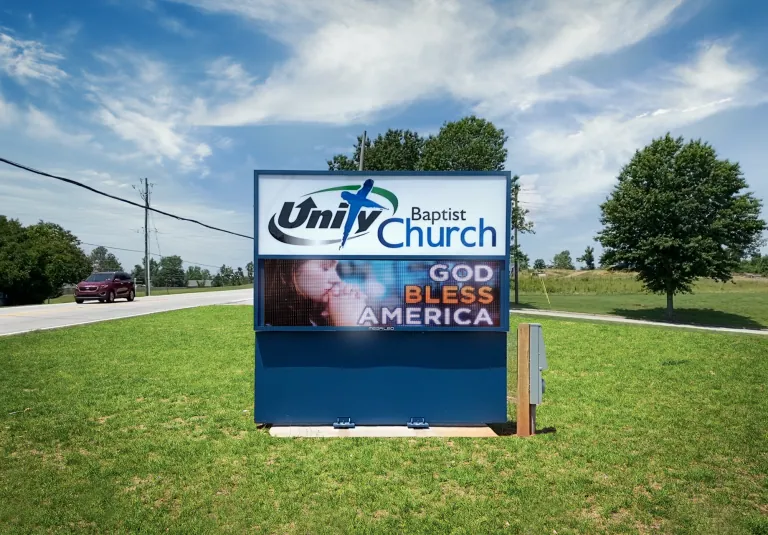


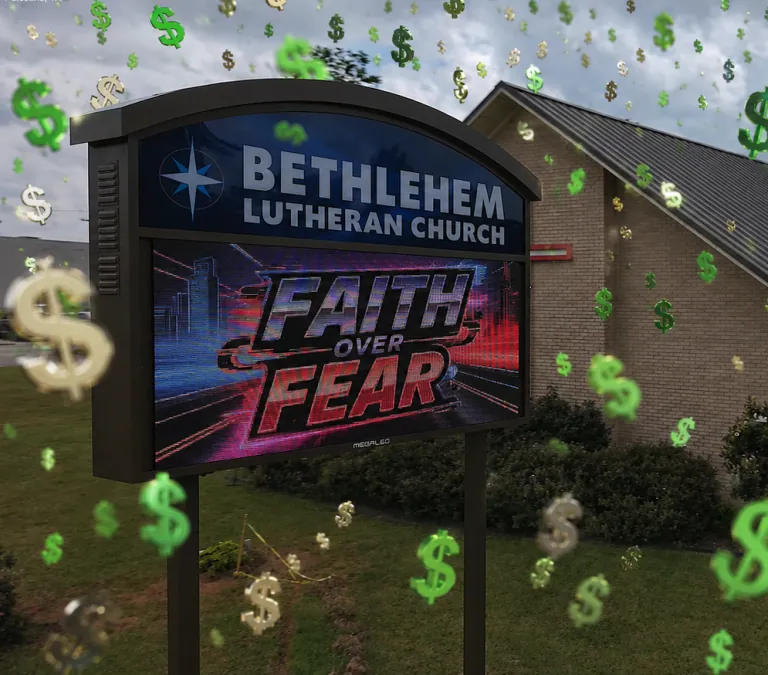

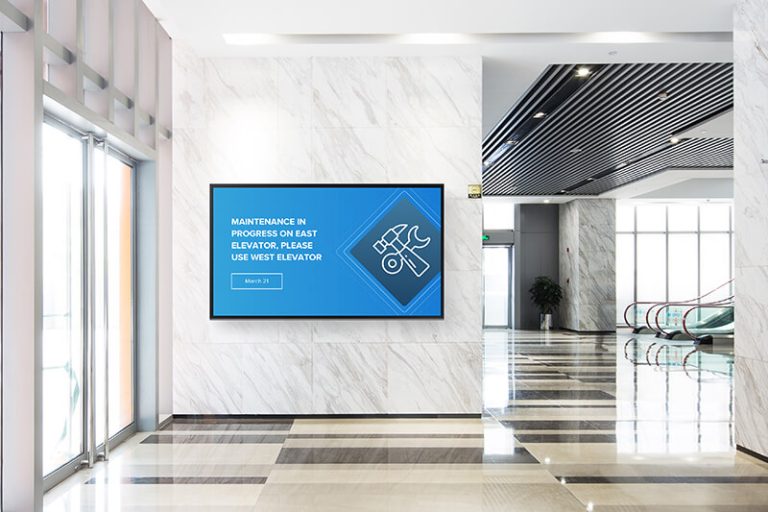


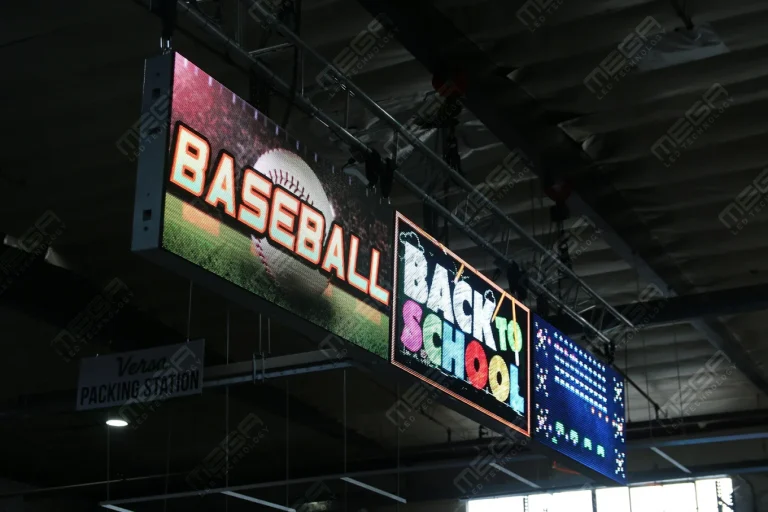



Alpha LED sign boards are great for anything from churches, to schools, to business. They tend to do great in large open spaces, where they are clearly visible.
Omega is our newest line of outdoor digital signs. Running the full gambit from cabinet, to LED sign, to logo on top, or any configuration of your choice!
Premier is a customizable Outdoor LED sign, perfect for the Entrepreneur who knows that large custom sized signs cultivated for their specific business is the way to go.
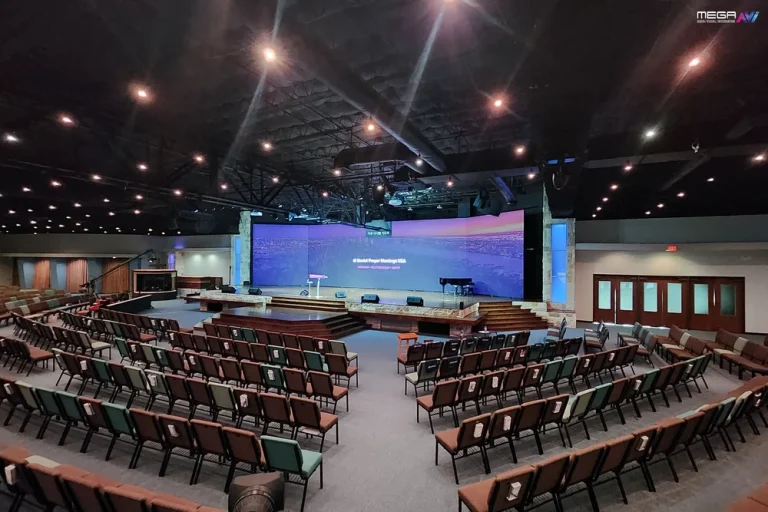
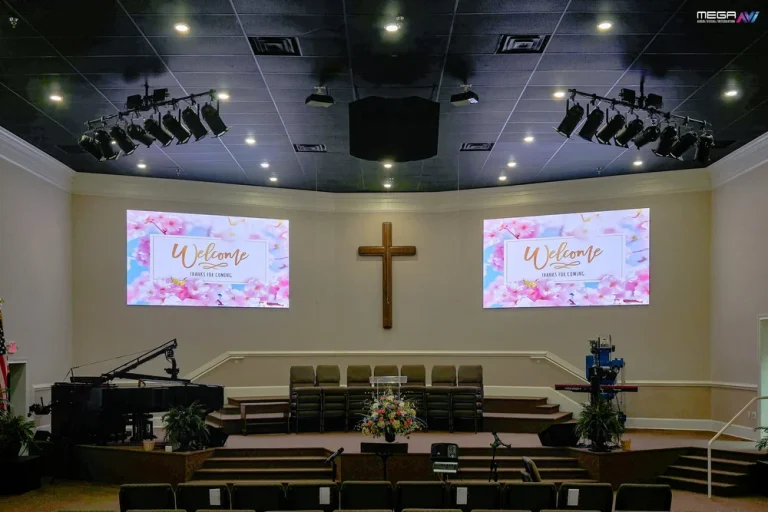
Programmable Stage LED signs, great for indoor assemblies, congregations, and presentations! Blow your competitors out of the water, or keep your congregation and audience glued to your message.