

What Is Smart Digital Signage? How Intelligent Screens Use Data, Software And Automation

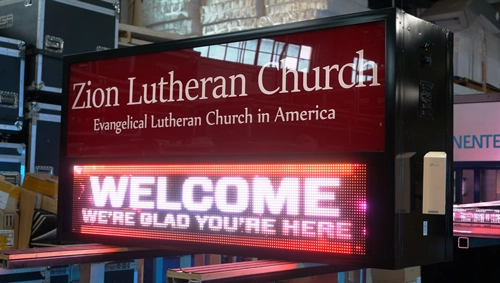
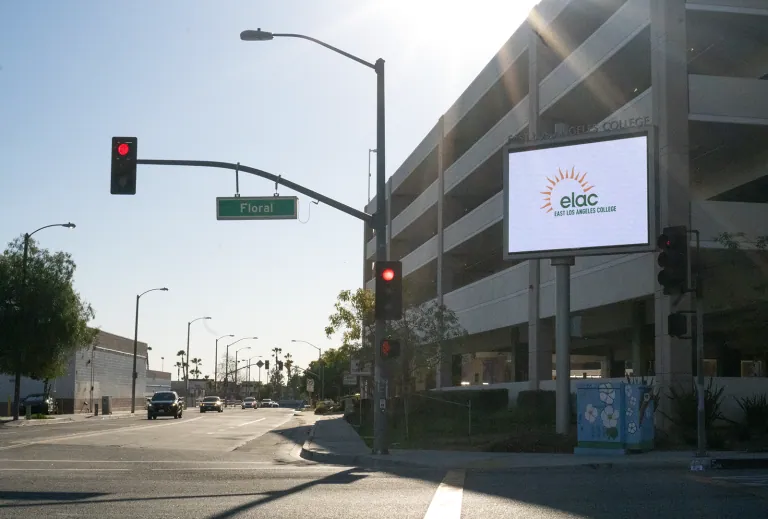
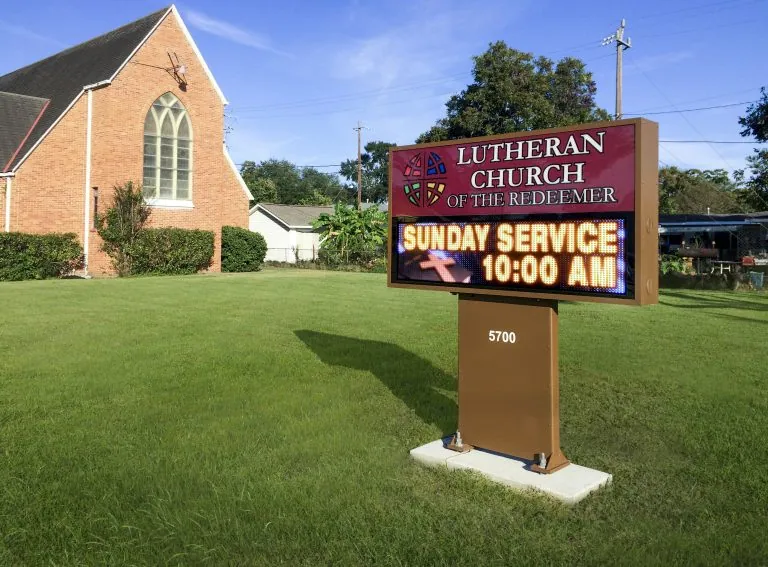
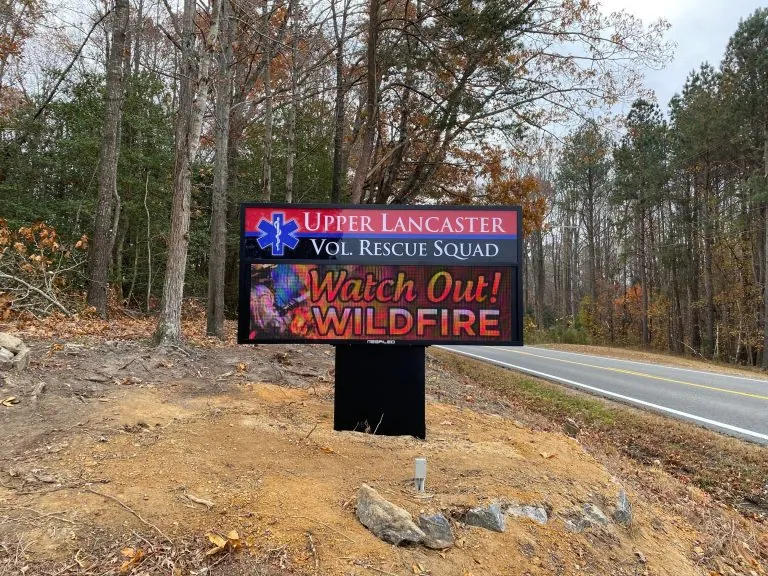
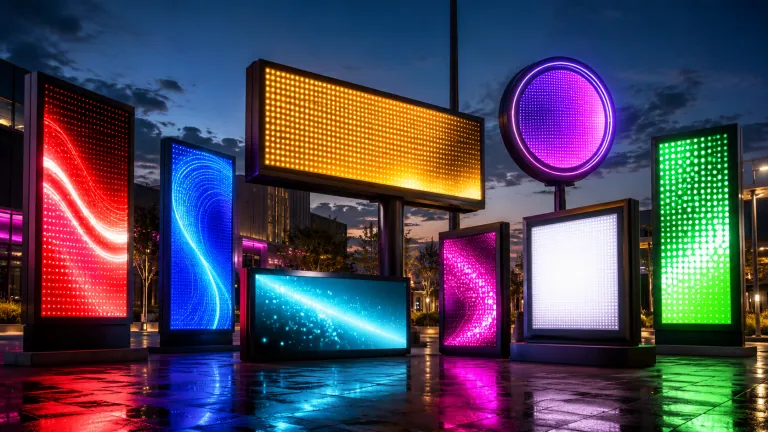
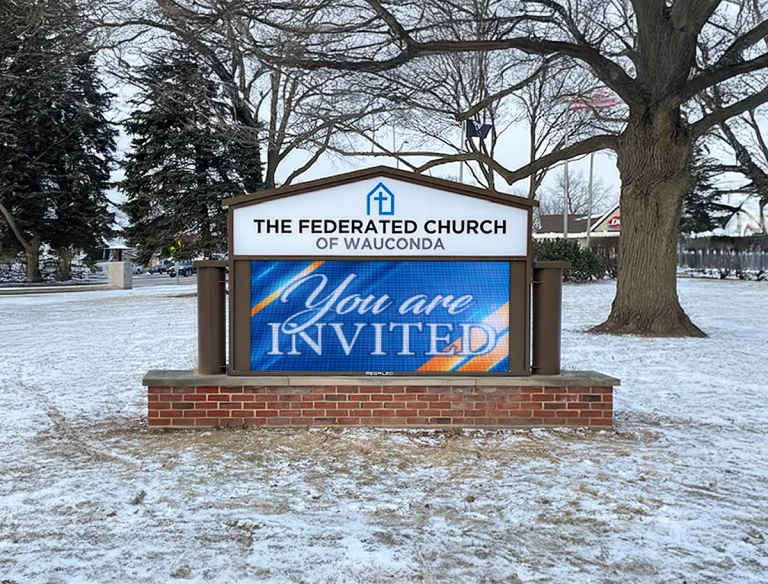
Alpha LED sign boards are great for anything from churches, to schools, to business. They tend to do great in large open spaces, where they are clearly visible.

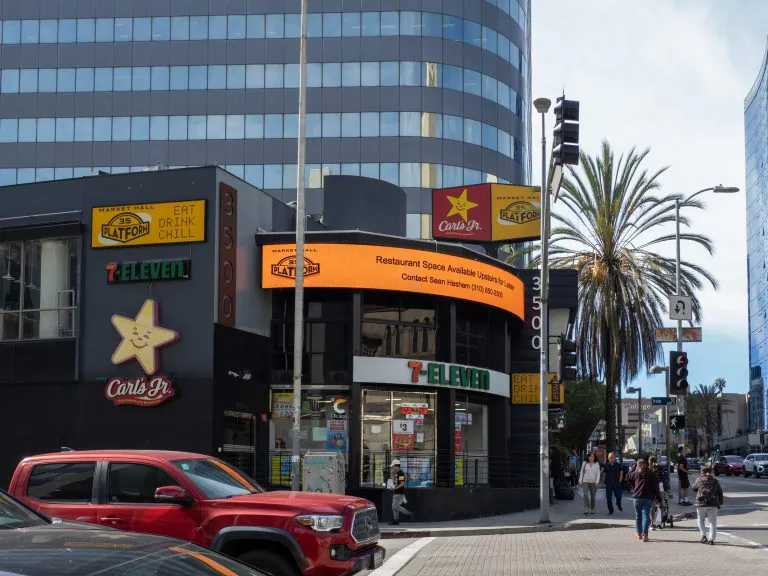
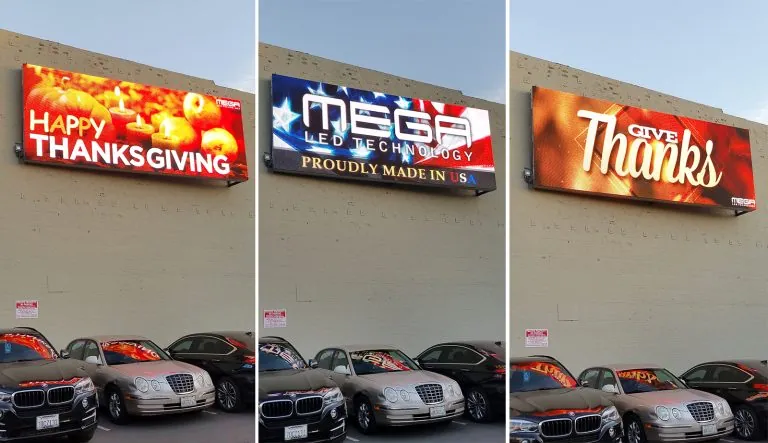
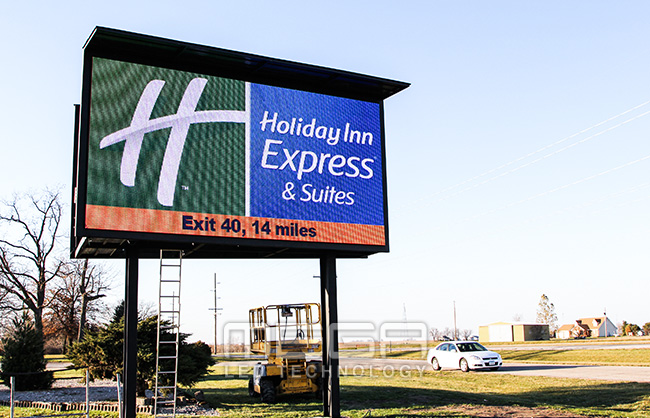
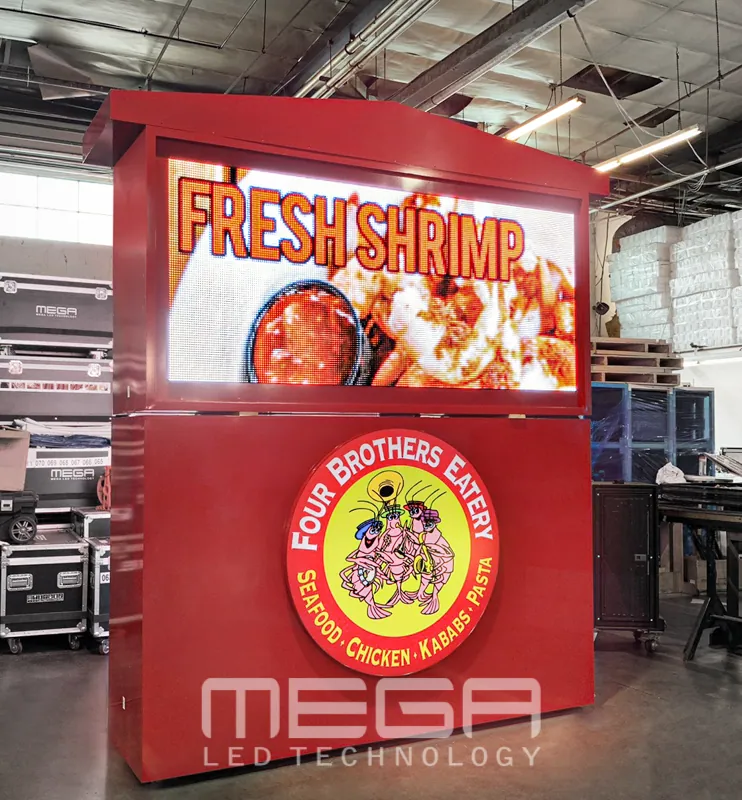
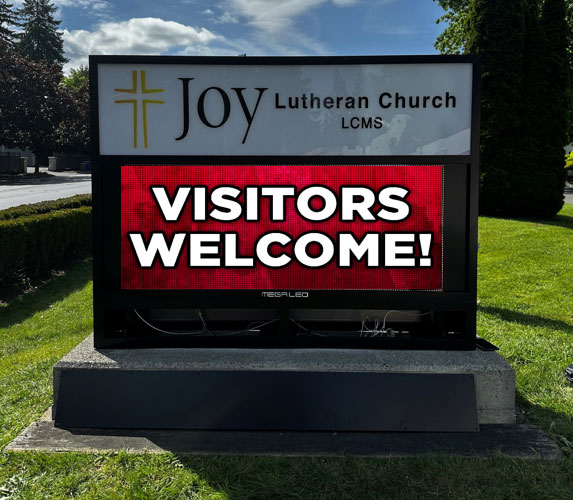
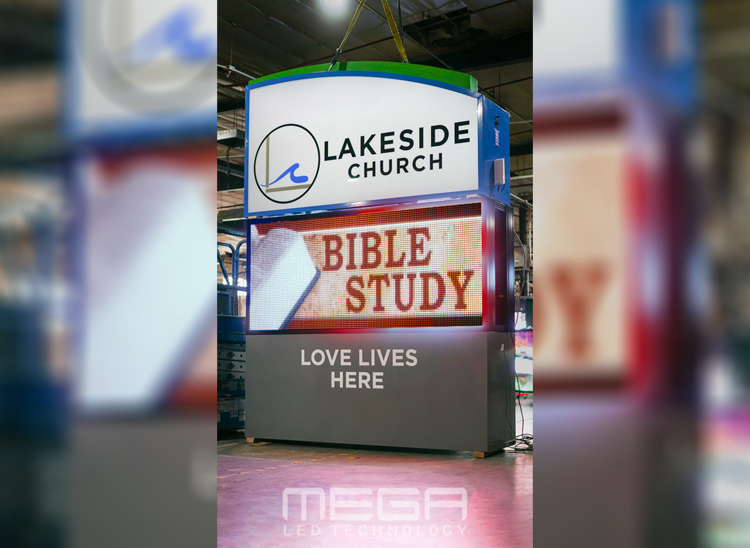
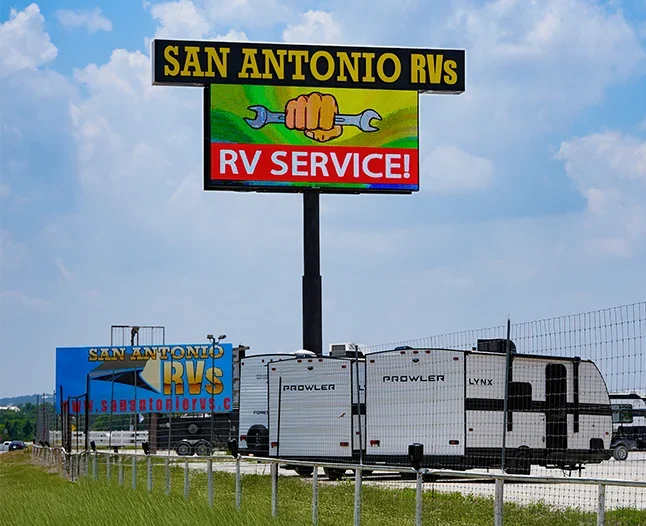
Omega is our newest line of outdoor digital signs. Running the full gambit from cabinet, to LED sign, to logo on top, or any configuration of your choice!

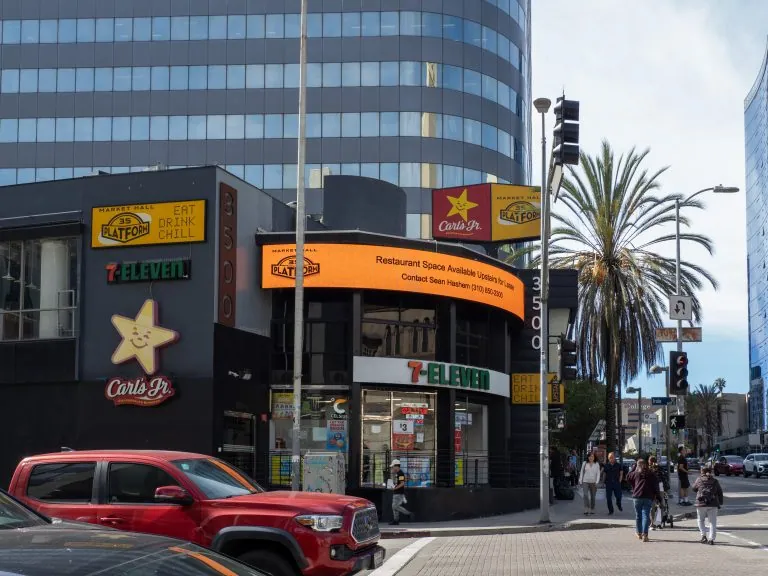
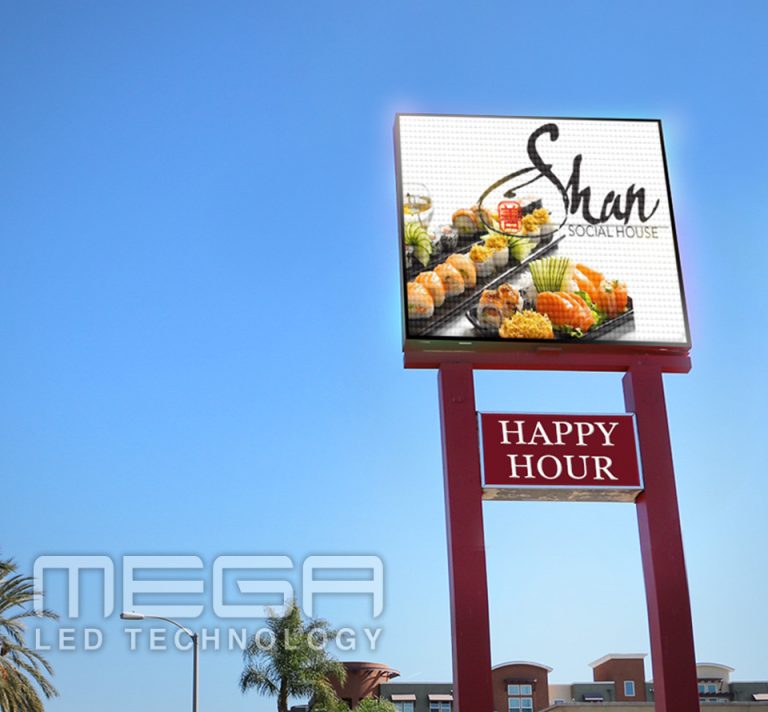
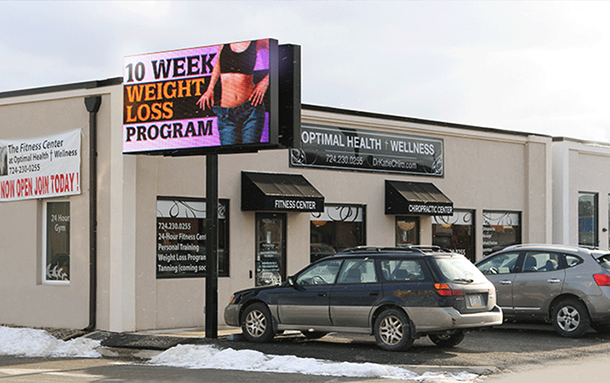
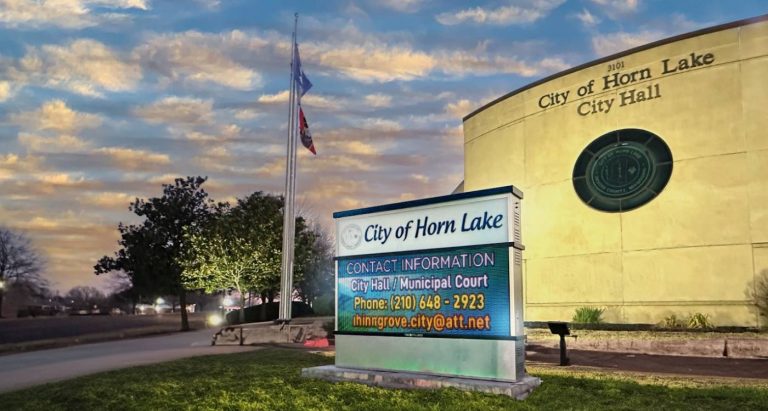
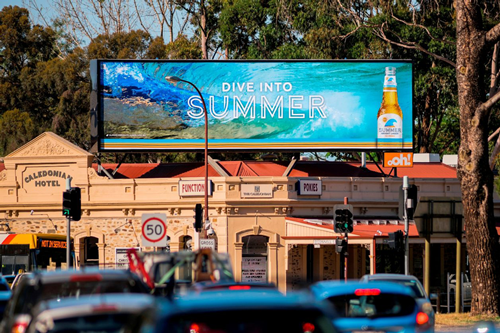
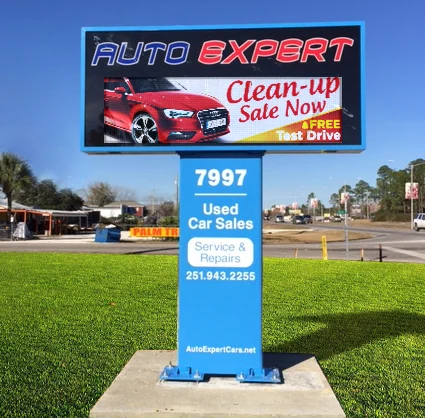
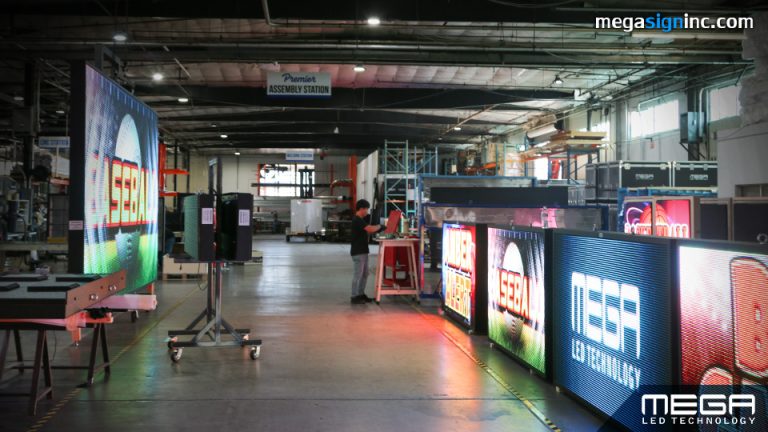
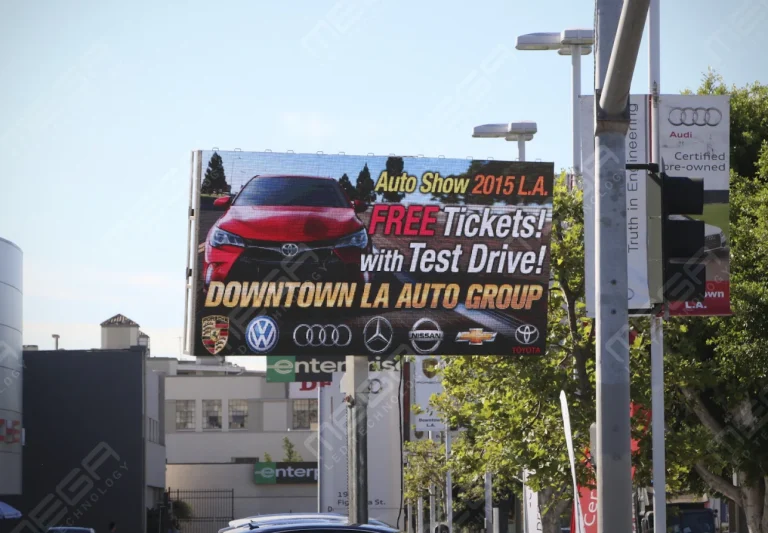
Premier is a customizable Outdoor LED sign, perfect for the Entrepreneur who knows that large custom sized signs cultivated for their specific business is the way to go.

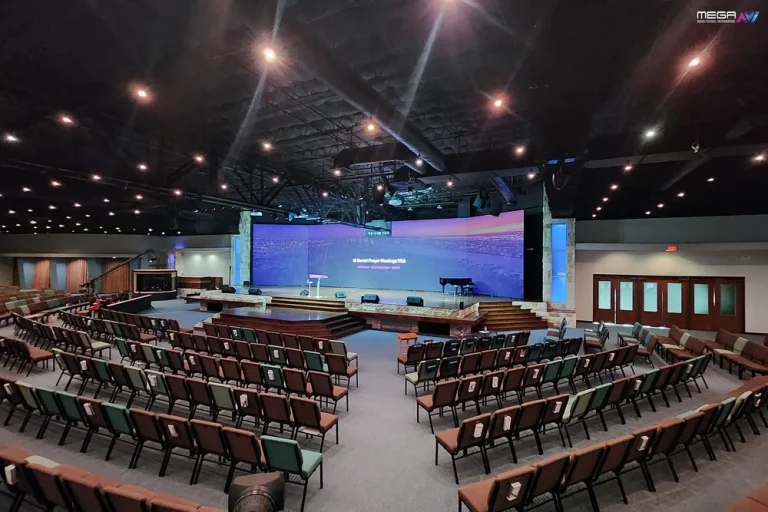
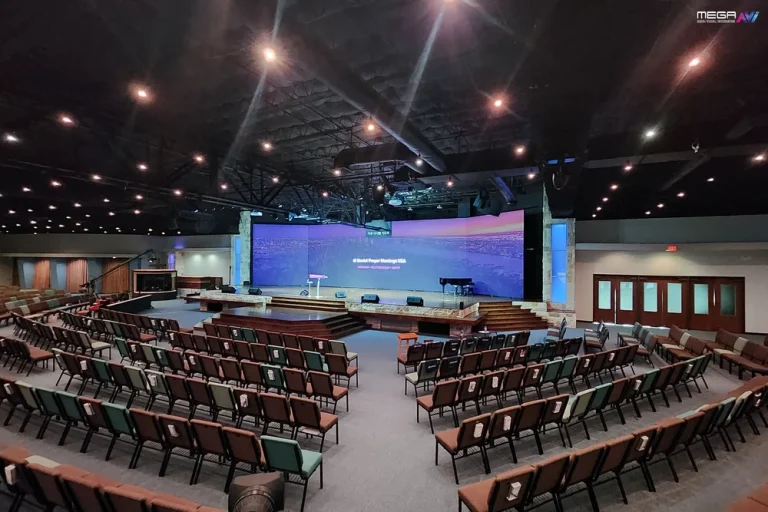
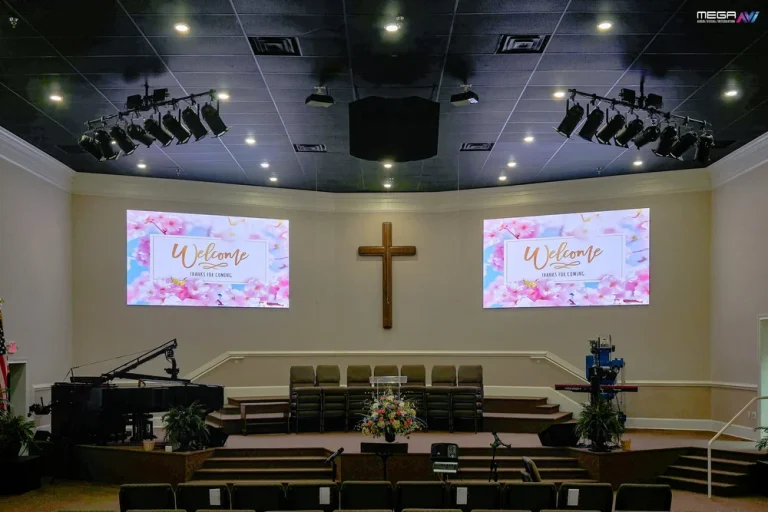
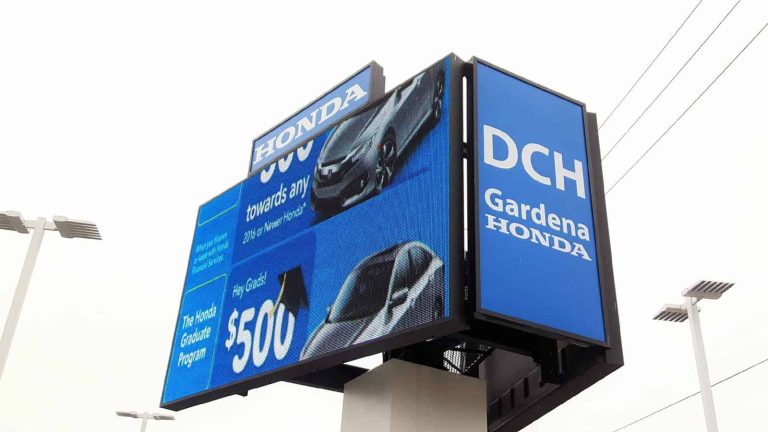
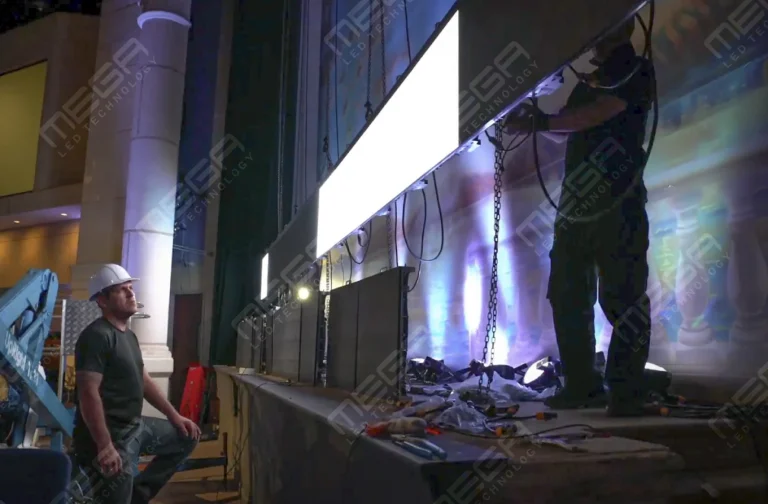
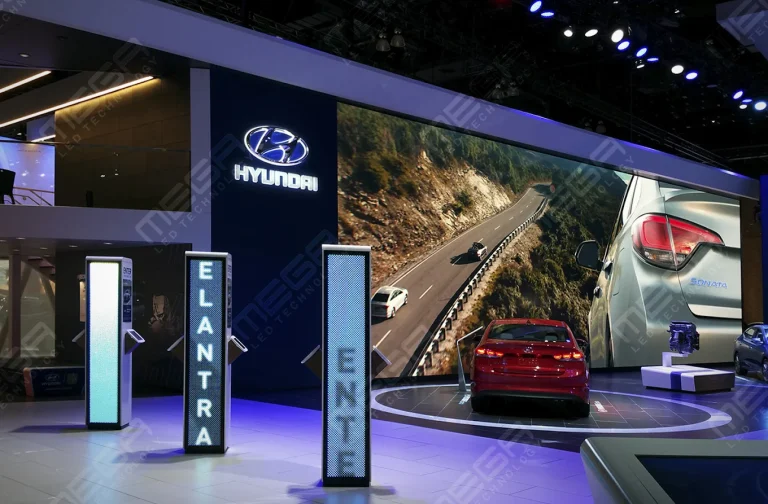
Programmable Stage LED signs, great for indoor assemblies, congregations, and presentations! Blow your competitors out of the water, or keep your congregation and audience glued to your message.

Alpha LED sign boards are great for anything from churches, to schools, to business. They tend to do great in large open spaces, where they are clearly visible.
Omega is our newest line of outdoor digital signs. Running the full gambit from cabinet, to LED sign, to logo on top, or any configuration of your choice!
Premier is a customizable Outdoor LED sign, perfect for the Entrepreneur who knows that large custom sized signs cultivated for their specific business is the way to go.
Programmable Stage LED signs, great for indoor assemblies, congregations, and presentations! Blow your competitors out of the water, or keep your congregation and audience glued to your message.
Monument signs give businesses a permanent ground-level presence that pole signs and banners can’t match. Pick the wrong type, though, and you spend more than you should on a sign that clashes with the property. This guide covers every major category so you choose with confidence.

A monument sign is a freestanding, ground-level sign anchored to a solid base rather than mounted on a pole or suspended from a building. That base is the defining feature. It gives the sign a permanent, low-profile look that pylon signs, channel letter signs, and post-mounted signs don’t share.
The main categories break down by material and lighting: masonry (brick, stone, concrete), illuminated (internal, backlit, halo-lit), digital and LED, post and panel, architectural, foam, and metal or wood. Each type serves different budgets, settings, and branding goals.
Most local sign codes treat monument signs more favorably than taller pylon or pole signs because the low profile creates less visual clutter. That regulatory advantage is worth knowing before you start comparing styles.
Understanding these categories before talking to a sign company saves time and money. A business that knows it needs a backlit monument won’t waste weeks pricing stone-only options.
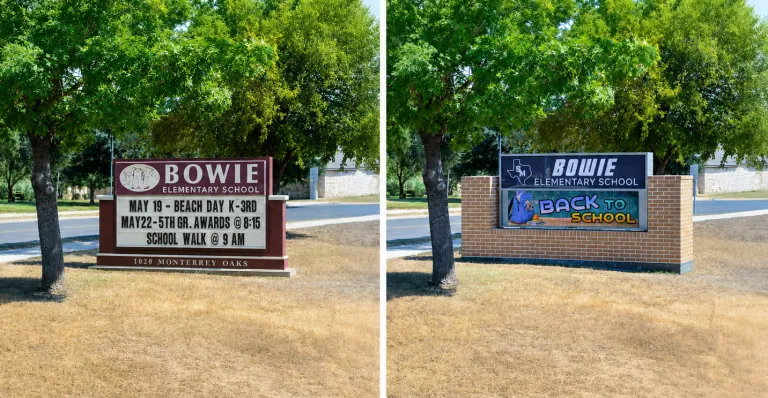
Masonry monument signs are built for permanence. Brick, stone, concrete, and stucco create a visual weight that lighter materials can’t replicate, and that weight communicates stability and investment to anyone approaching the property.
Schools, churches, corporate campuses, and residential developments use masonry monuments because the sign feels as permanent as the buildings behind it. The trade-off is cost and lead time, both of which run higher than lighter alternatives. A masonry base also requires a poured concrete foundation, which adds to site preparation but ensures the sign stays level and secure through freeze-thaw cycles and soil shifting.
Brick delivers a classic, professional look that pairs naturally with traditional architecture. It suits institutional entrances, established business parks, and any property where the goal is to project heritage and reliability.
Brick withstands weather well and requires little maintenance beyond occasional power washing. Color choices range from warm reds and browns to cooler grays and whites, depending on the clay and firing process. Brick also pairs easily with dimensional lettering, backlit channel letters, or an integrated LED display panel for added readability after dark.
Stone creates a natural, upscale presence that reads as landmark-grade. Luxury residential communities, resorts, parks, and prestigious commercial sites use stone because it reinforces the landscape around it rather than competing with it.
Granite, limestone, and fieldstone all age in place rather than degrading. Each stone type carries a different texture and color palette, so the choice should echo the local geology or the property’s design language. For properties where the entrance itself needs to feel like a destination, stone delivers that impression without relying on lighting or digital elements.

After dark, an unlit monument sign disappears. Illuminated monument signs solve this with internal LED systems, backlighting, or halo lighting that keep the sign legible through the night.
The U.S. Department of Energy’s LED lighting efficiency page confirms that LED technology uses up to 75% less energy than older lighting methods. That efficiency makes illuminated monument signs practical for businesses that run evening hours without inflating energy bills.
Illumination also improves safety and wayfinding. A lit entrance sign helps delivery drivers, emergency vehicles, and first-time visitors locate the property after sunset. Hospitals, apartment complexes, and houses of worship all benefit from lit entrance markers. The sign becomes a wayfinding tool, not just a branding element.
Internal illumination places the light source inside the sign cabinet, behind a translucent face panel (typically acrylic or polycarbonate). The entire face glows evenly, making letters and graphics visible from a distance even in low-light conditions.
Brightness depends on the LED array behind the panel. Modern LED modules run cooler and last longer than fluorescent tubes, which reduces both maintenance cycles and replacement costs. Municipal sign codes often regulate maximum brightness levels and hours of illumination, so check local rules before choosing a lumen output. Some jurisdictions require automatic dimming after a set time.
Backlit and halo-lit signs push light behind or around the letters rather than through the sign face. The result is a softer glow that outlines the text without flooding the sign with brightness.
Our Omega series combines custom bases with full-color LED displays for maximum entrance visibility. See what’s possible for your property.
This style suits modern, upscale, or architecturally sensitive properties where a fully illuminated face would feel too aggressive. Halo lighting creates a floating effect that draws the eye at night without competing with the building’s own facade lighting. Both options use less energy than a fully lit cabinet because they illuminate a smaller surface area, and the visual effect tends to age better than full-face illumination as sign faces weather over time.
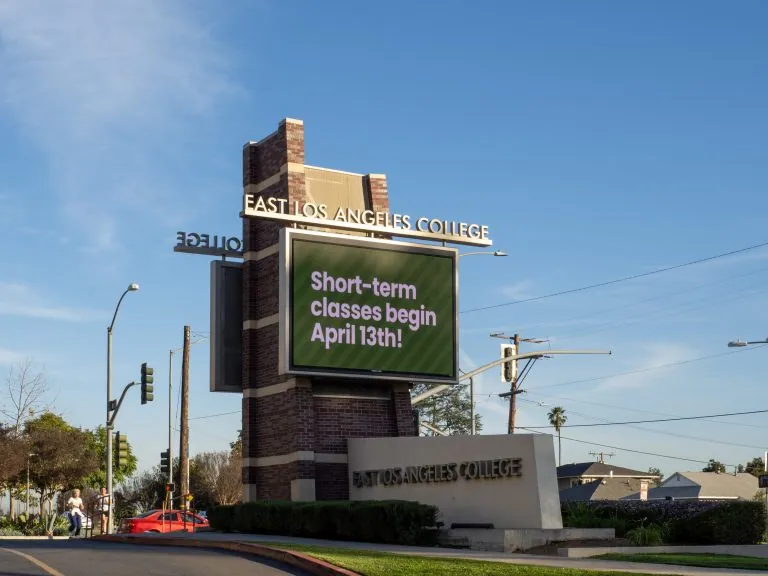
Static monument signs deliver one message permanently. Digital and LED monument signs deliver dozens of messages daily, rotating promotions, announcements, event schedules, time and temperature, and community notices on a single display.
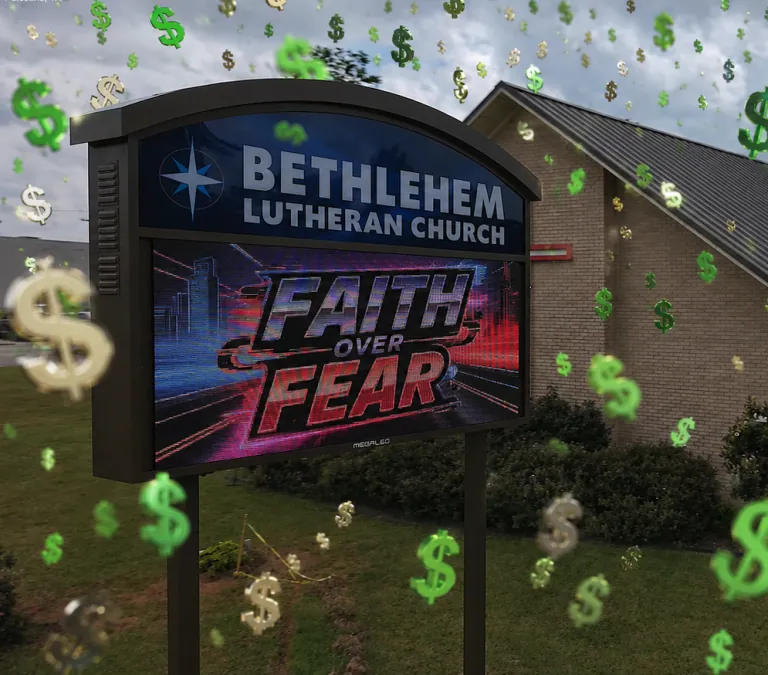
Schools update dismissal alerts in real time. Churches rotate service times and welcome messages. Municipalities post emergency notifications. High-traffic businesses promote rotating specials. The International Sign Association’s sign industry research confirms the U.S. sign and visual communications industry has a $37.5 billion economic impact, and digital displays are a growing share of that figure.
We build Omega monument signs that pair custom bases with full-color LED screens, and our Premier outdoor LED signs handle everything from roadside visibility to campus-wide communication. In our installations, we’ve seen businesses cut weekly message-change labor to minutes because the software handles scheduling from any device.
Electronic Message Centers give businesses full control over their messaging without touching the physical sign. Content updates happen through software, often from a phone or laptop, which eliminates the cost and delay of manual letter changes.
The trade-offs are regulatory and financial. Many municipalities restrict EMC brightness, animation, and dwell time through zoning codes. Some ban scrolling or flashing content entirely. Initial investment is higher than a static monument, and permitting can take longer because EMC applications face additional review. For businesses with frequent messaging needs and steady foot or vehicle traffic, the visibility and flexibility typically justify the cost within the first year of operation.

Post and panel designs use vertical posts supporting a flat sign panel, which strips the monument concept to its simplest form. That simplicity is the point. Materials and installation cost less than masonry or custom fabrication, and the timeline from order to installation is shorter.
These signs work well for business parks, directional entrances, and temporary-to-midterm branding where the sign needs to look professional without the investment of a custom build. With the right proportions, panel thickness, and finish, a post and panel sign can still look polished. Adding a routed or carved panel rather than flat vinyl gives the sign more depth without adding much cost.
Multi-tenant business parks often use post and panel because the panel can be swapped or updated when tenants change without replacing the entire structure. That flexibility keeps long-term costs low.
Architectural monument signs are designed to match the surrounding building style, not just sit in front of it. Arches, columns, color palettes, material finishes, and custom structural forms all tie the sign visually to the property it represents.
This matters when brand identity and site design need to feel unified. A medical campus with curved concrete walls benefits from a monument sign that echoes those curves. A mixed-use development with exposed steel and glass looks disjointed next to a traditional brick sign. The design process for architectural monuments typically involves more back-and-forth between the sign company, the architect, and the property developer than a standard monument order.
Tailored design details make the sign feel like a natural extension of the site rather than an afterthought bolted to the lawn. Matching masonry colors, mirroring roofline angles, and coordinating metal finishes with building hardware all contribute to that effect.
We’ve found that the properties with the strongest curb appeal start the sign conversation early, during the architectural planning phase rather than after construction. Coordinating with architects and developers at that stage avoids costly redesigns and ensures the sign reads as part of the property from day one.
Retrofitting a monument sign after the building is finished almost always costs more and looks less cohesive than planning both together. The foundation, utilities, and sightlines all benefit from early coordination.
High-density urethane (HDU) foam and armored foam can replicate the look of stone, concrete, or stucco at a fraction of the weight. That weight reduction simplifies foundations, lowers shipping costs, and widens the range of installation sites.
Modern foam signs are coated with hard-shell finishes that resist moisture, UV damage, and impact. They hold carved detail well, which makes them popular for dimensional lettering and decorative relief work.
Foam won’t match the tactile feel of real stone up close, but from the viewing distances typical for monument signs (10 feet and beyond), the visual difference is minimal. For properties that want a premium appearance without the structural demands of masonry, foam is a practical middle ground.

Metal and wood create distinct visual identities that masonry and foam can’t replicate. Brushed aluminum, powder-coated steel, and corten (weathering steel) all read as modern, industrial, or contemporary. Wood reads as warm, organic, and rustic.
Metal suits urban storefronts, tech campuses, and modern commercial builds. Wood suits wineries, farm-to-table restaurants, parks, and properties with a natural or heritage aesthetic. Both materials can be combined with other elements (stone base with a steel sign panel, for example) for a hybrid effect.
Corten steel has become especially popular because its natural rust patina develops over months and then stabilizes, giving the sign a textured, weathered appearance without structural compromise.
The practical consideration is maintenance. Metal needs periodic recoating or rust treatment. Wood needs sealing, staining, and inspection for rot. Choose based on the look you want and the upkeep you’re willing to maintain.
A masonry monument sign (brick or stone) with dimensional lettering delivers permanent, high-end visibility. For a digital option on a custom base, explore our Omega monument signs at https://www.megasigninc.com/omega-monument-signs/
A custom architectural monument in metal or composite materials matches contemporary building styles. Our Premier outdoor LED signs add programmable messaging to any custom installation at https://www.megasigninc.com/premier-outdoor-led-signs/
A full-color LED monument sign gives you maximum visibility and message flexibility. Our Omega series combines custom bases with HD LED displays at https://www.megasigninc.com/omega-monument-signs/
An Alpha LED sign board delivers full-color digital messaging in a compact, easy-to-install format. See options at https://www.megasigninc.com/alpha-led-sign-boards/
Beyond style category, four practical decisions shape a monument sign’s long-term performance: materials, lettering systems, foundation, and placement.
The Sign Research Foundation’s on-premise signage value research confirms that on-premise signs directly and measurably impact business revenue. That impact depends on visibility, which starts with placement (setback distance, sightline angles, surrounding landscaping) and continues with legibility (letter height, contrast ratio, lighting).
| Feature | What It Controls | Key Decision |
|---|---|---|
| Foundation type | Structural stability | Poured concrete for masonry; helical piers for lighter materials |
| Lettering system | Readability and brand tone | Dimensional letters for static; LED panel for dynamic |
| Lighting method | Night visibility | Internal, backlit, halo, or none |
| Material finish | Durability and appearance | LINE-X or powder coat for metal; sealant for wood; hard coat for foam |
| Sign height and setback | Code compliance and sightline | Verify local zoning before design |
The main categories are masonry, illuminated, digital and LED, post and panel, architectural, foam, and metal or wood. Masonry signs use brick, stone, concrete, or stucco for a permanent, premium look. Illuminated signs add internal, backlit, or halo lighting for night visibility. Digital and LED signs display programmable content that can be updated remotely. Post and panel signs offer a budget-friendly, clean design with shorter lead times. Architectural signs match surrounding building styles for a unified look. Foam signs mimic heavier materials at lower weight and cost. Metal and wood signs create modern or rustic visual identities depending on the finish.
Foundation, lettering, lighting, and placement are the four decisions that determine long-term performance. A poured concrete foundation supports masonry, while helical piers work for lighter materials. Dimensional letters suit static signs, and LED panels suit dynamic messaging. The lighting method (internal, backlit, halo, or none) controls night visibility. Placement, including setback distance and sightline angles, determines whether the sign reaches drivers and pedestrians at the speeds and distances your location demands.








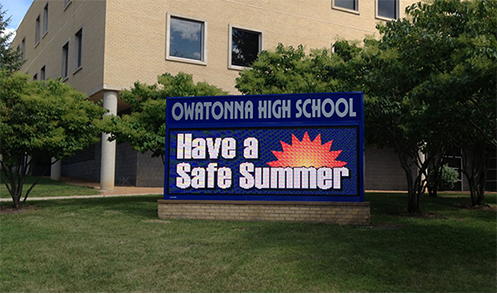






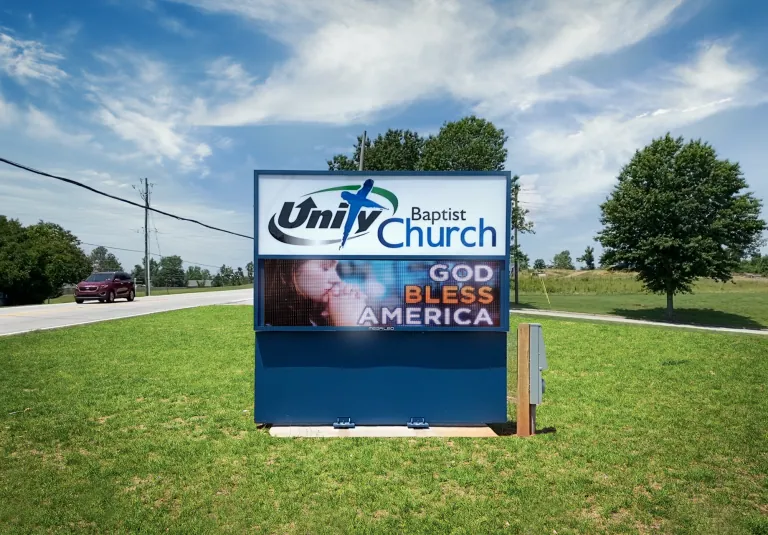


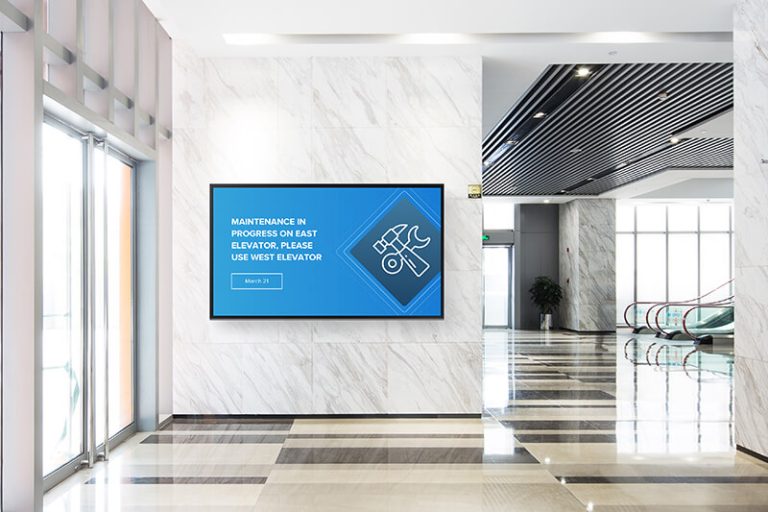


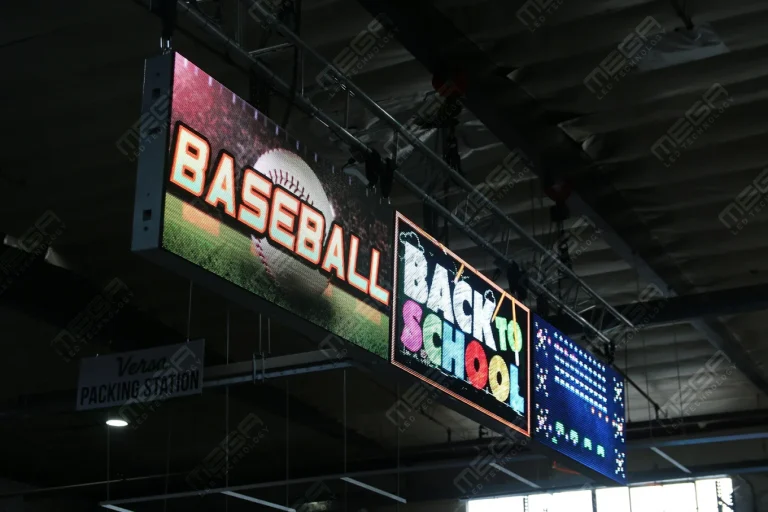



Alpha LED sign boards are great for anything from churches, to schools, to business. They tend to do great in large open spaces, where they are clearly visible.
Omega is our newest line of outdoor digital signs. Running the full gambit from cabinet, to LED sign, to logo on top, or any configuration of your choice!
Premier is a customizable Outdoor LED sign, perfect for the Entrepreneur who knows that large custom sized signs cultivated for their specific business is the way to go.
Programmable Stage LED signs, great for indoor assemblies, congregations, and presentations! Blow your competitors out of the water, or keep your congregation and audience glued to your message.