

What Is Smart Digital Signage? How Intelligent Screens Use Data, Software And Automation
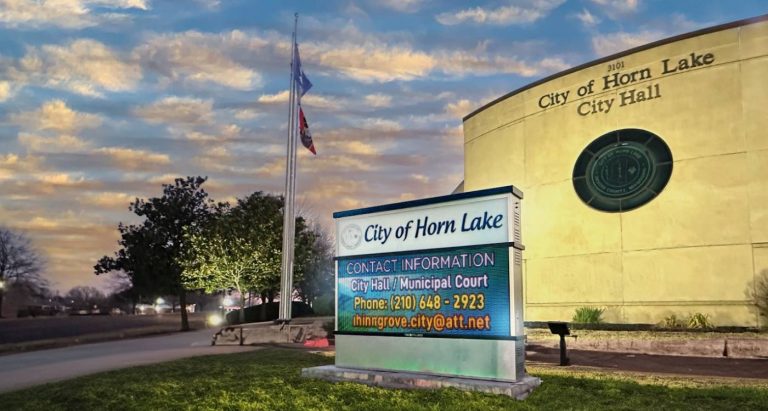

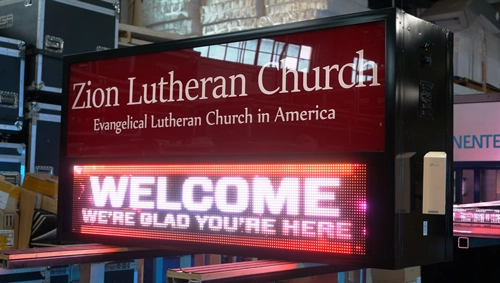
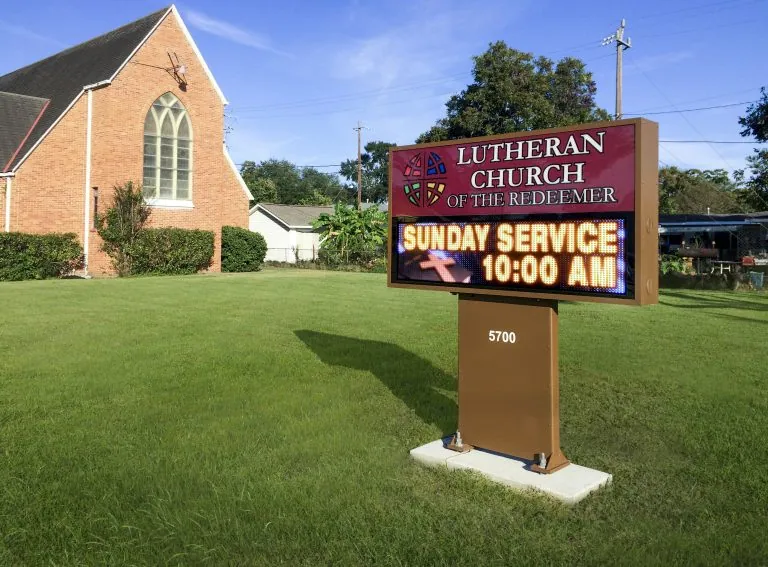
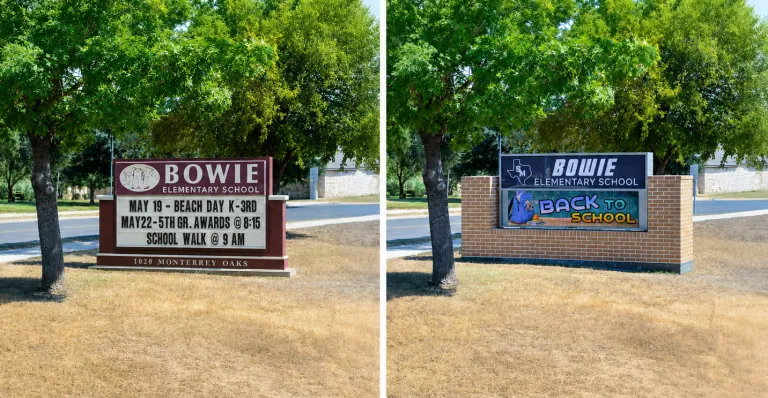
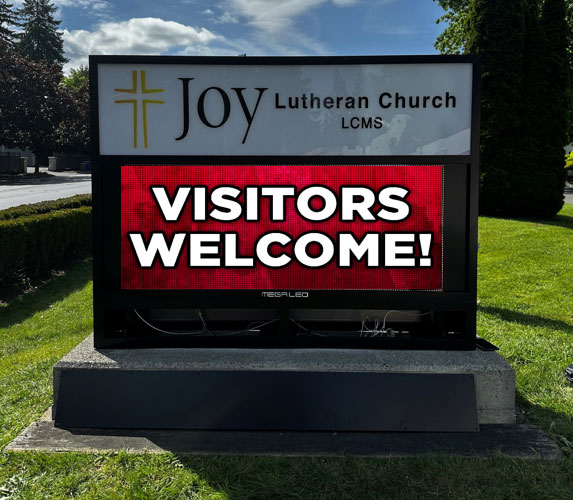
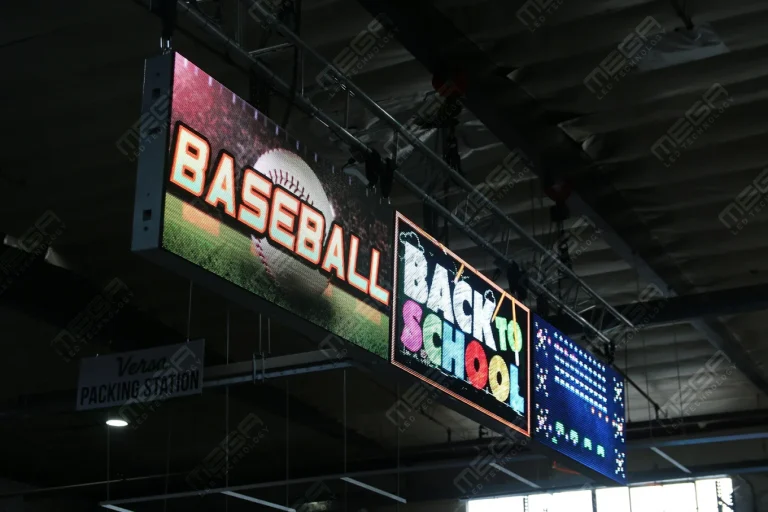
Alpha LED sign boards are great for anything from churches, to schools, to business. They tend to do great in large open spaces, where they are clearly visible.

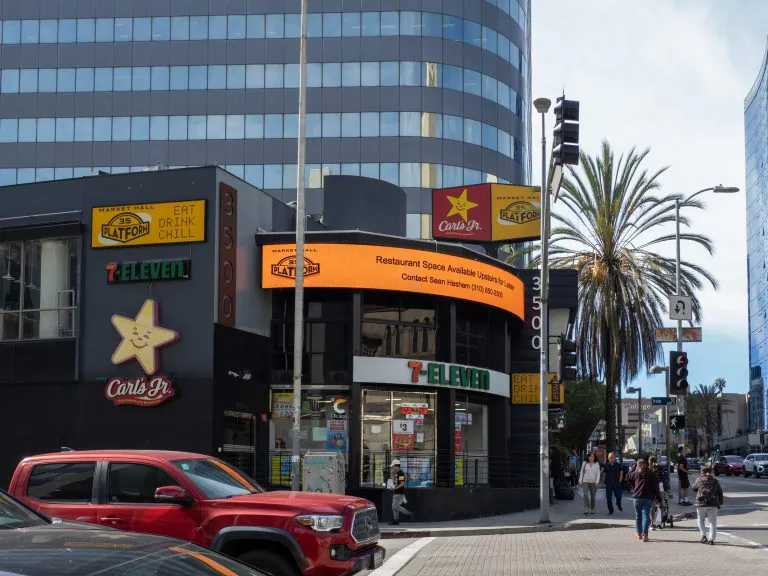
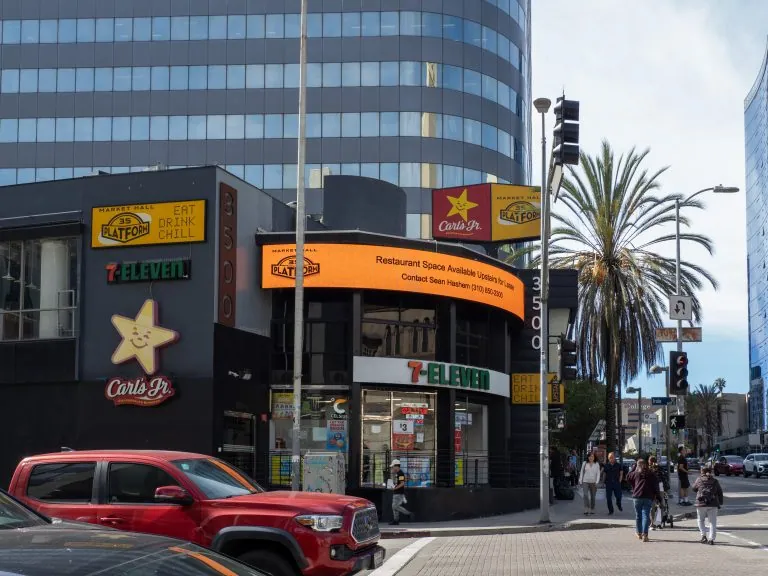
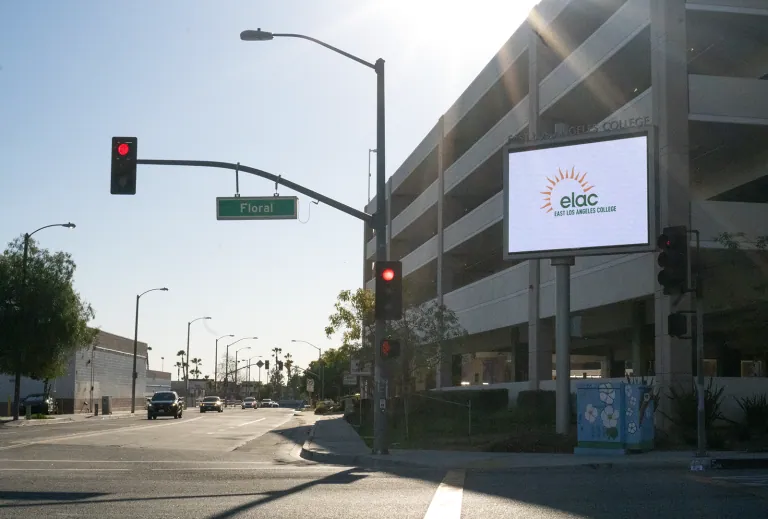
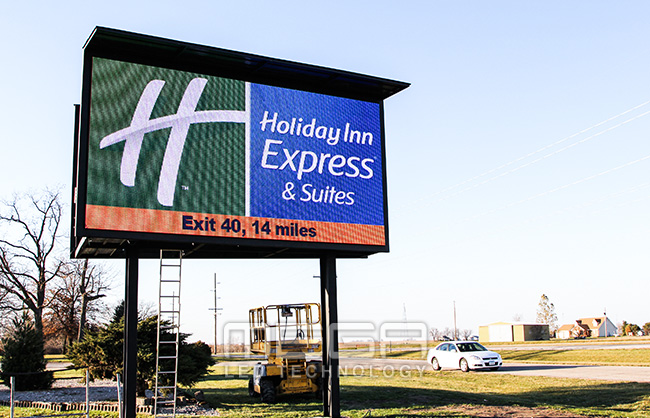
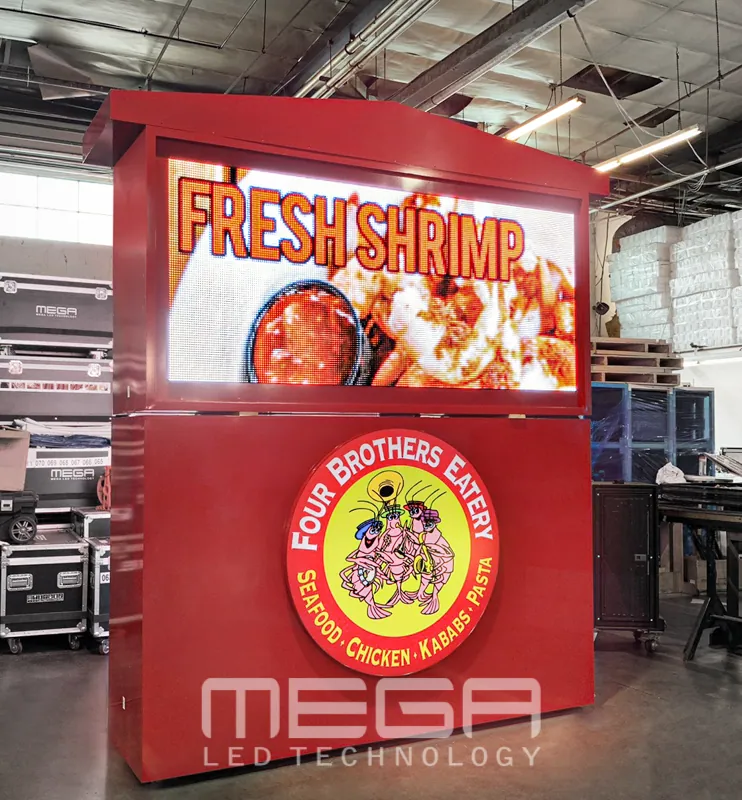
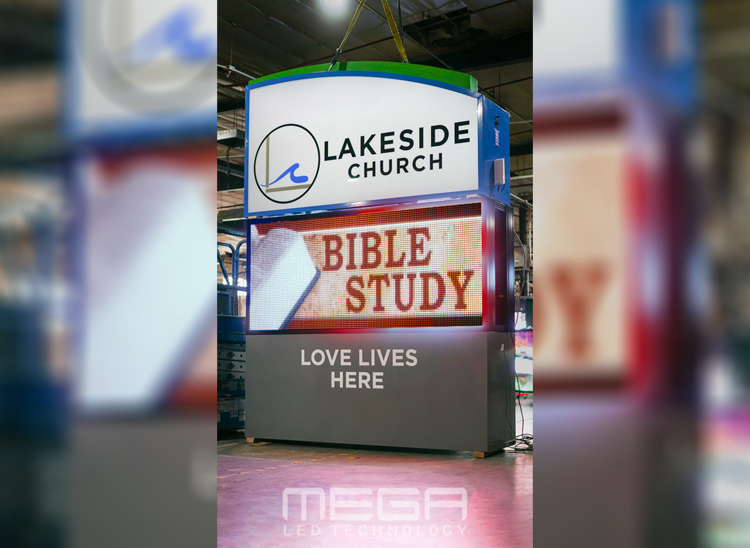
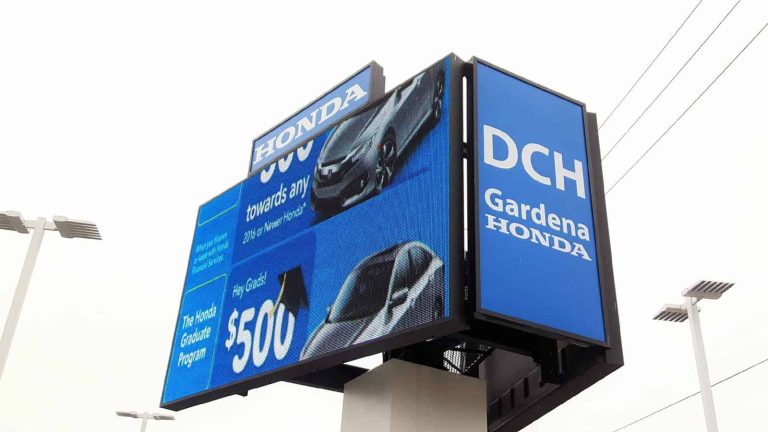
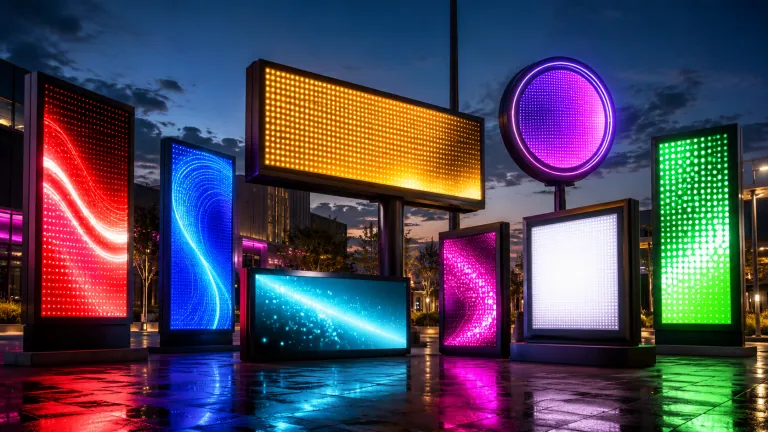
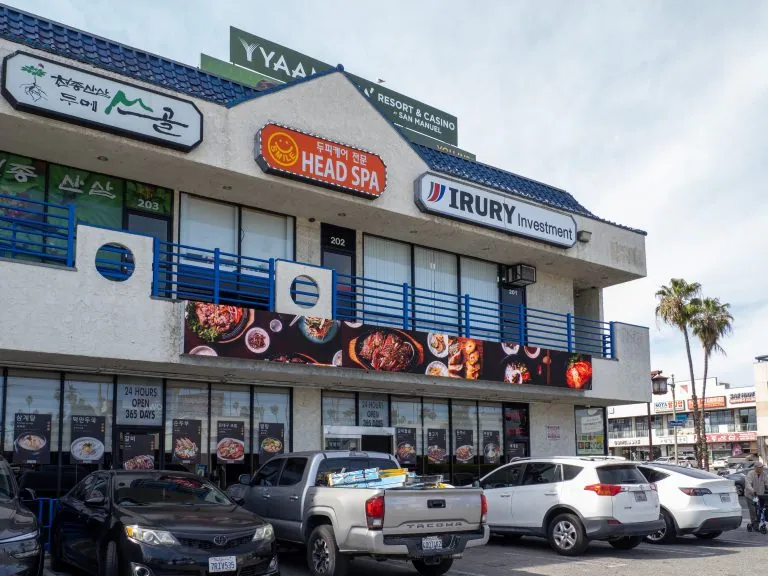
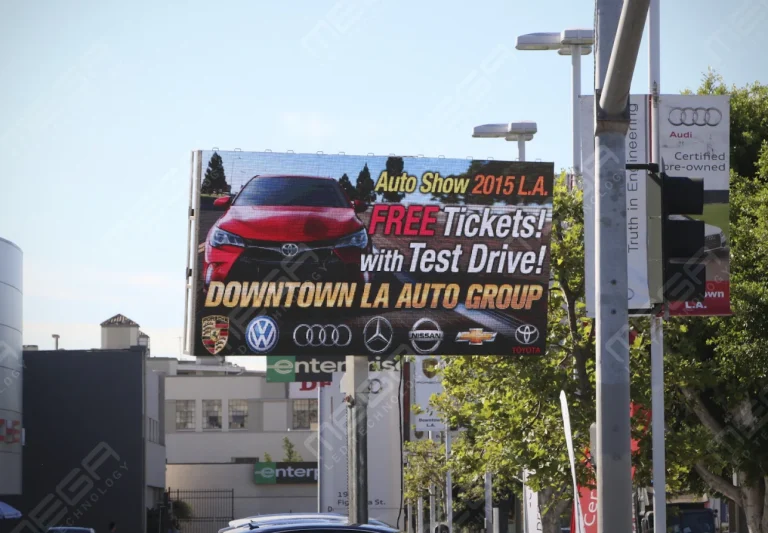
Omega is our newest line of outdoor digital signs. Running the full gambit from cabinet, to LED sign, to logo on top, or any configuration of your choice!

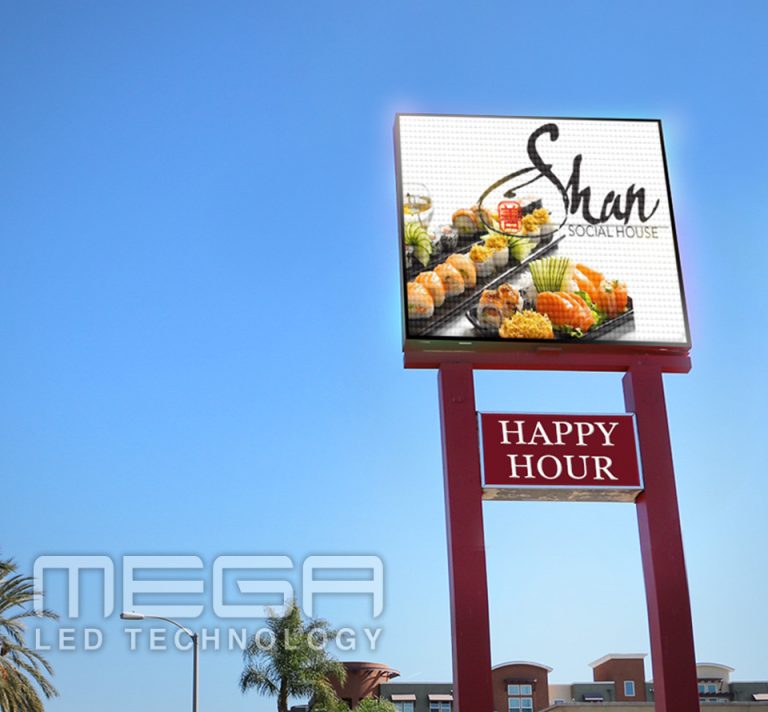
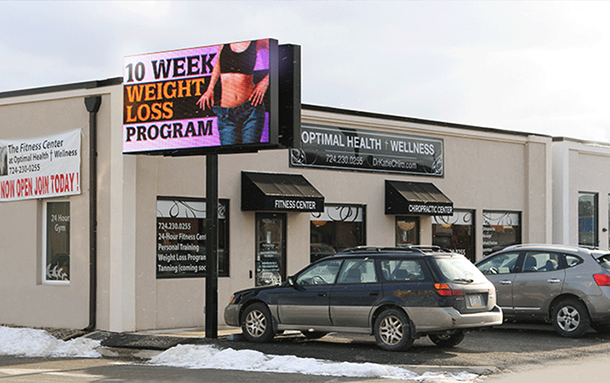
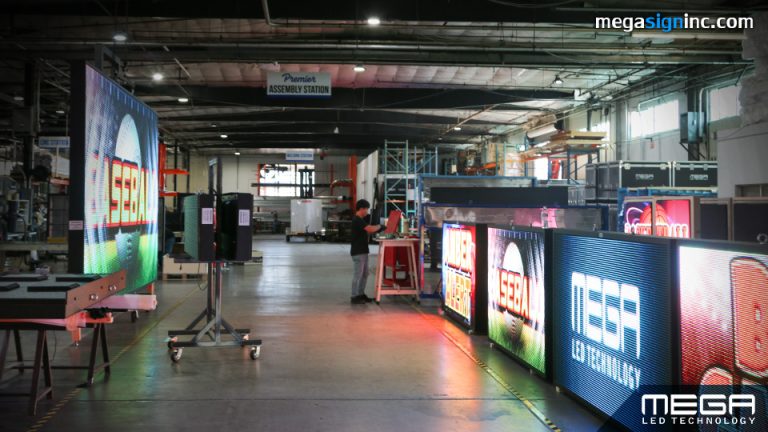
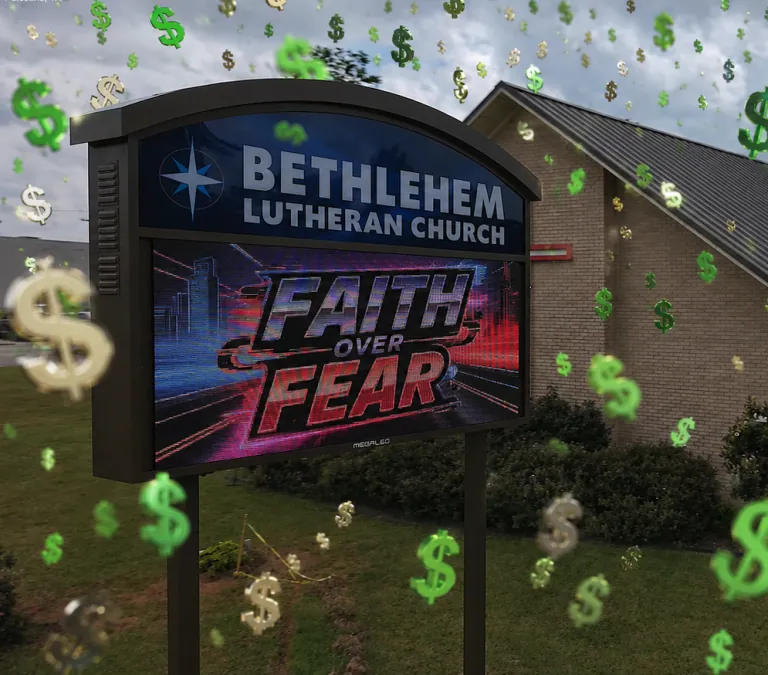
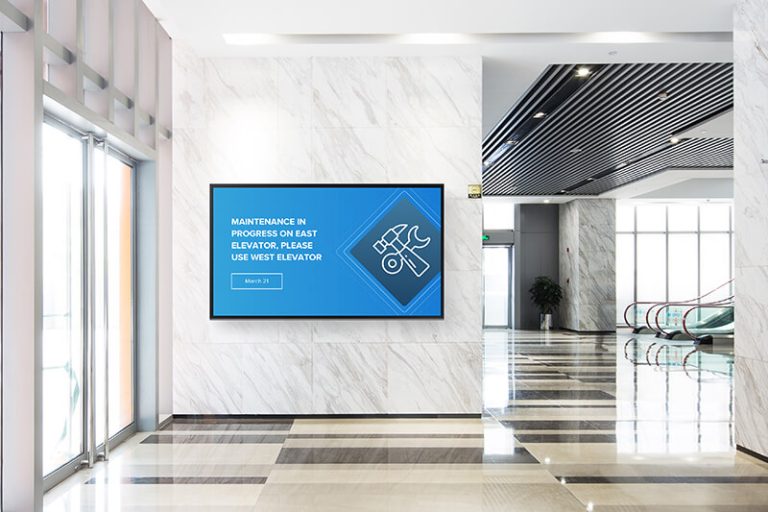
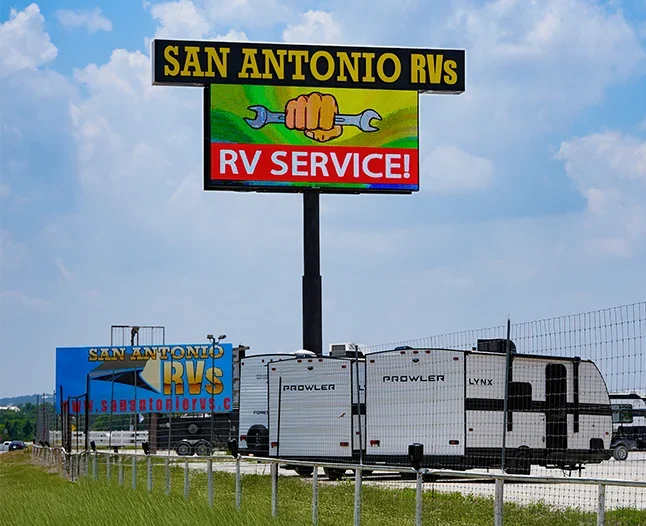
Premier is a customizable Outdoor LED sign, perfect for the Entrepreneur who knows that large custom sized signs cultivated for their specific business is the way to go.

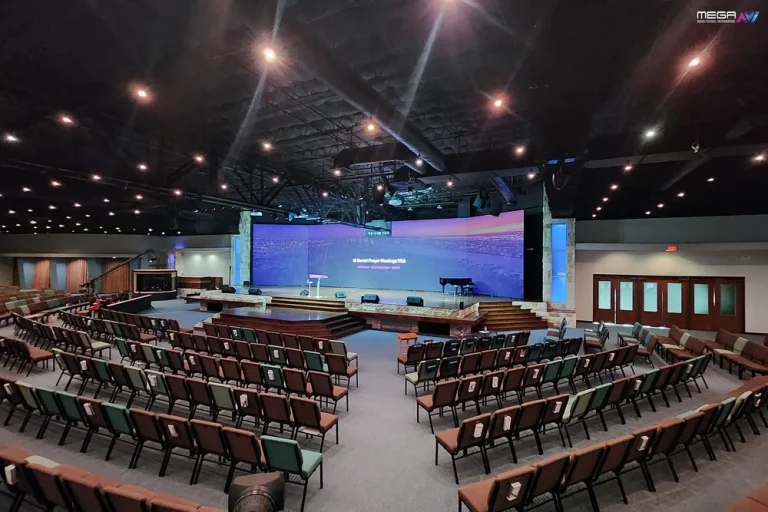
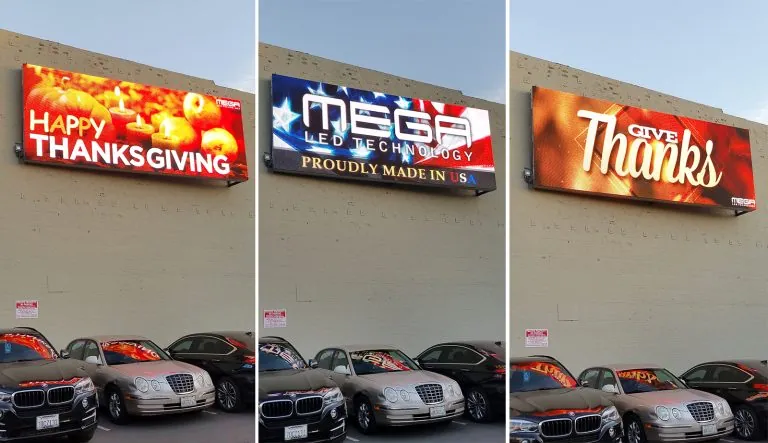
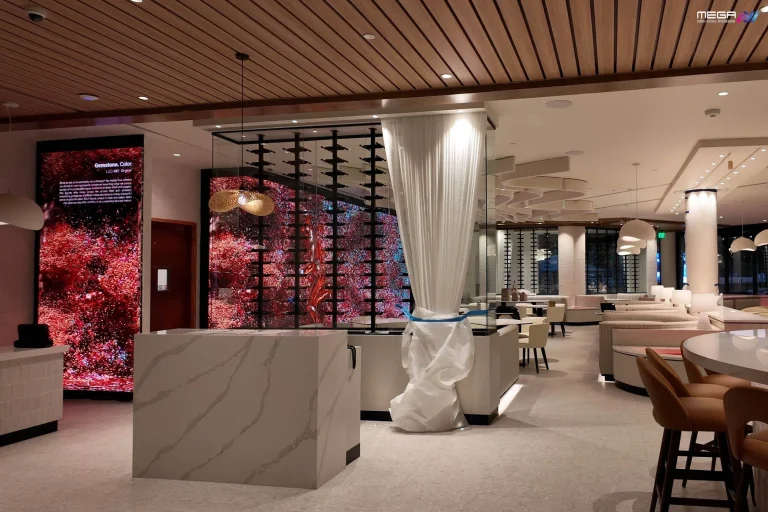
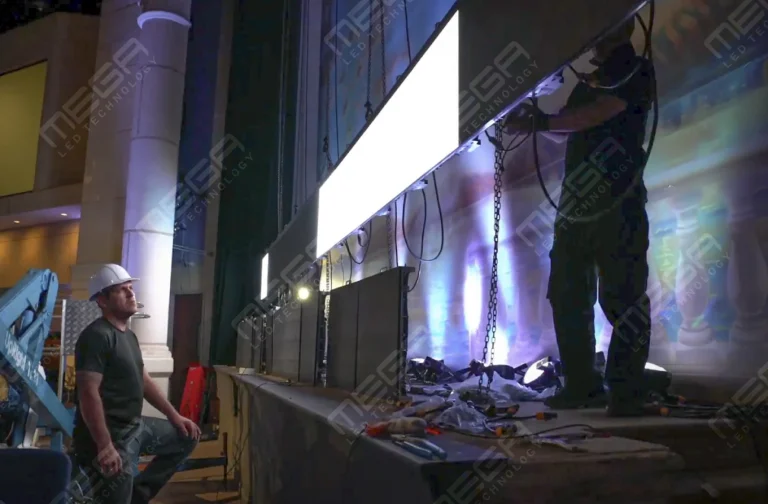
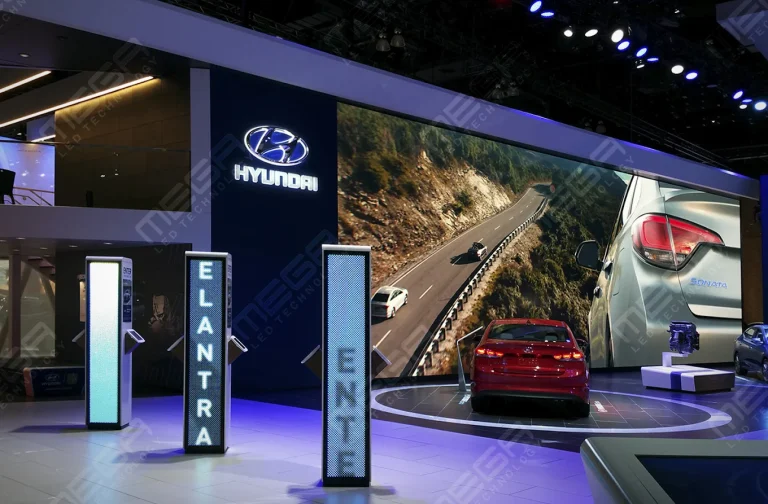
Programmable Stage LED signs, great for indoor assemblies, congregations, and presentations! Blow your competitors out of the water, or keep your congregation and audience glued to your message.

Alpha LED sign boards are great for anything from churches, to schools, to business. They tend to do great in large open spaces, where they are clearly visible.
Omega is our newest line of outdoor digital signs. Running the full gambit from cabinet, to LED sign, to logo on top, or any configuration of your choice!
Premier is a customizable Outdoor LED sign, perfect for the Entrepreneur who knows that large custom sized signs cultivated for their specific business is the way to go.
Programmable Stage LED signs, great for indoor assemblies, congregations, and presentations! Blow your competitors out of the water, or keep your congregation and audience glued to your message.
You have a location, a budget, and a campaign, but choosing between a static and digital billboard multiplies the questions fast. Neither format is universally better; each solves a different problem. This guide walks through every meaningful difference so you decide based on your actual goals, not a vendor preference.

A static billboard displays a single printed advertisement for the full duration of a campaign, typically weeks to months. The vinyl print is produced, installed, and stays in place until it is physically replaced.
What a buyer gets is complete exclusivity: no other advertiser shares that face during the contracted period. 
A digital billboard uses an LED screen to rotate content from multiple advertisers in timed intervals, usually 8 to 10 seconds per rotation within a 60-second loop. Both formats are widely available, serve different campaign goals, and can be highly effective when the format is matched correctly to the objective.
A static billboard is the traditional outdoor advertising format: a physical printed vinyl sheet stretched across a frame, mounted on a freestanding structure or a building wall.
What an advertiser purchases is a location, period and exclusivity for that face. No other brand appears on that board while the campaign runs. Static boards are most commonly found along highways and major arterial roads, where their consistent, uninterrupted presence reaches the same commuter audience repeatedly over weeks or months.
That repetition is their core strength. Sustained exposure builds brand familiarity in a way that short rotation windows cannot replicate. For campaigns built around a fixed message, such as a phone number, an address, a seasonal promotion, or a long-running brand statement, static is frequently the most cost-efficient path.
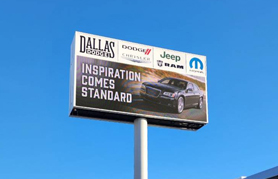
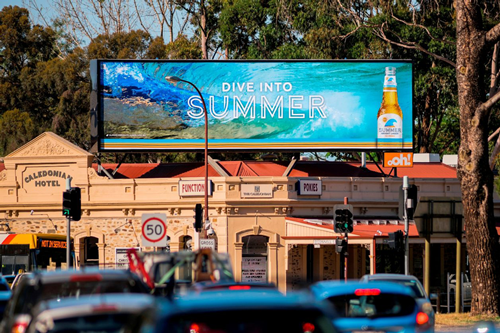
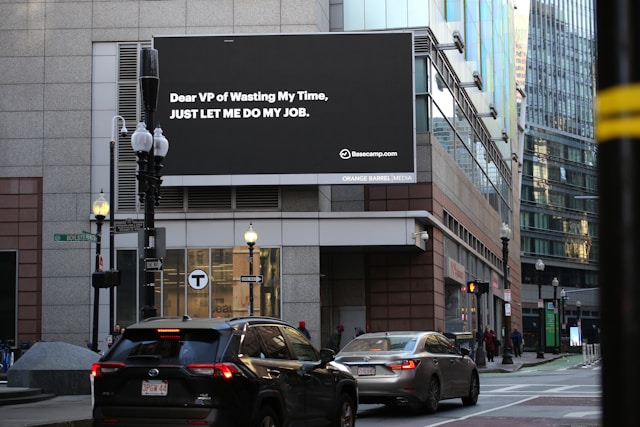
A digital billboard is a large-format LED display connected to a content management system that rotates advertisements from multiple advertisers.
When you buy space on a digital board, you are buying a share of voice within a rotation, not exclusive ownership of the face. A standard rotation might include four to six advertisers, each receiving an 8 to 10 second window within a repeating loop.
The core benefit is speed and flexibility. Creative can be updated in hours rather than days, dayparting allows different messages at different times of day, and campaigns can launch or change direction without print production delays. For time-sensitive promotions, event-based campaigns, or businesses that need to adjust messaging quickly, digital delivers capabilities that static fundamentally cannot.
Ownership is another model worth understanding. Most businesses rent space on a third-party digital board. But businesses with high-traffic locations can also own their own digital billboard and sell rotation slots to other advertisers, turning the sign from a marketing expense into a revenue stream.
At MEGA LED Technology, we help businesses evaluate both paths and scope the right hardware for whichever model fits their goals.
The most important difference between the two formats is not price or technology. It is the relationship between exclusivity and flexibility. Static gives you complete ownership of the message but zero ability to change it without reproductions costs and installation lead time. Digital gives you the ability to update instantly but shares the face with competitors and delivers only a fraction of total impressions at any moment. Understanding that trade-off is the foundation of any sound format decision. The comparison table below maps the key decision factors side by side.
| Factor | Static Billboard | Digital Billboard |
|---|---|---|
| Content Flexibility | Fixed for campaign duration | Instant updates, real-time changes |
| Exclusivity | 100% share of voice | Rotates with other advertisers |
| Message Recall | Approx. 65% (Nielsen) | Approx. 83% (Nielsen) |
| Typical Monthly Cost | $1,000 to $5,000 (varies by market) | $770 to $14,000+ (varies by market) |
| Creative Lead Time | Days to weeks (print production) | Minutes to hours (digital upload) |
| Best Campaign Type | Long-term brand awareness | Promotions, time-sensitive offers |
| ROI (Industry Average) | Approx. 40% | Approx. 38% |
Static campaigns are built around a single evergreen message that performs well through repetition: a brand name, a benefit statement, a location cue, and one clear call to action. The message does not change, so it must be strong enough to work on the hundredth exposure and the first.
Digital campaigns are built around rotation-friendly content with short copy, urgent offers, or time-specific messages. Dayparting allows a breakfast offer to show in the morning and a dinner special in the evening without any human intervention once the schedule is set.
The operational workflow is different too. Static requires print production and physical installation before the campaign launches, while digital updates require only a file upload and scheduling approval.
Both formats demand the same fundamental creative discipline for outdoor advertising: brevity, high contrast, and legibility at speed.
A viewer has three to five seconds at most, regardless of format. Static design requires committing to one core idea, one strong visual, and one clear call to action that can carry the full campaign weight independently. Digital design requires that same simplicity, but for motion: animated transitions must not add cognitive load. A static board that performs well is memorable through economy.
A digital board that performs well uses motion purposefully to direct attention to the single most important element, not to show off what the screen can do.
Effectiveness depends entirely on what you are measuring and what the campaign objective is. According to Nielsen, digital billboards achieve an 83% message recall rate compared to approximately 65% for static displays, a difference driven by the attentional advantage of motion and novelty.
However, static billboards benefit from uninterrupted repetition: the same commuter sees the same message every day, which builds brand familiarity through accumulated exposure rather than a single high-impact event. Digital is stronger for recall on any individual exposure.
Static is stronger for total impressions per dollar over a sustained campaign period where the audience is consistent and predictable.
Explore our Premier outdoor LED signs and see what a permanent, fully managed installation looks like from cost to specs. No rotation slots, no shared space, just your message on your terms
Motion naturally commands more attention than a static image, and digital billboards leverage this biological advantage. Studies indicate digital formats capture approximately 30% more attention than equivalent static placements in the same environment.
However, there is a ceiling: overly complex digital creative with multiple text elements, fast animations, or unclear hierarchy actually reduces comprehension at speed. The highest-performing digital creative uses motion as a focusing tool, not a showcase.
For static boards, the engagement advantage comes from consistency. A well-designed board that the audience recognizes daily becomes a trusted mental landmark rather than competing advertising.
True interactivity for any roadside billboard is limited by the physical reality of a moving audience.
The realistic engagement hooks for outdoor are QR codes that capture mobile behavior at pedestrian or low-speed locations, location-based prompts that extend the campaign online, and timed offers that create urgency without requiring in-moment action.
Both static and digital boards can carry a QR code, though digital allows the code to appear at specific times of day when pedestrian dwell time is higher.
The most effective engagement strategies keep the billboard interaction itself extremely simple and move any complexity to the post-scan mobile experience.
Geofencing is an emerging tactic that pairs well with both formats. A static board with a memorable brand name triggers a mobile ad to anyone who passes within a defined radius, reinforcing the message on a second screen moments later. Digital boards can synchronize the on-screen creative with the geofenced mobile ad in real time, creating a coordinated two-touchpoint experience.
Neither approach requires any physical interaction from the viewer, which makes it far more practical for highway-speed audiences than a QR code ever will be. 
Measurement for outdoor advertising works differently than digital channels. Neither static nor digital billboards offer click-through data.
Results are measured through traffic estimates and impressions data from the operator, brand lift surveys comparing recall among exposed vs. unexposed audiences, and downstream proxies such as store visit lift and promotional code redemptions.
Digital billboards offer one measurement advantage that static cannot match: changing creative across days or dayparts functions as a natural A/B test, allowing advertisers to compare message performance with real audience data.
That said, creative quality and placement location remain far more influential than format choice in determining campaign outcomes.
Industry research consistently shows static billboards average approximately 40% ROI and digital approximately 38%, making them nearly equivalent as investments when averaged across campaigns and markets.
The difference between a high-performing and low-performing billboard campaign has far less to do with format and far more to do with placement quality, creative effectiveness, and alignment between the format choice and the campaign objective.
A simple framework: estimate the margin per sale, the realistic conversion rate from OOH exposure, and the total monthly impressions for the placement. Set one primary KPI per campaign, whether that is brand recall, foot traffic lift, or direct offer redemption, and measure against that single benchmark rather than trying to prove ROI across multiple objectives simultaneously.
Static billboard costs in the U.S. range from approximately $1,000 to $5,000 per month in small to mid-size markets, with major metro markets exceeding those figures significantly.
Digital billboard costs vary widely: lower-tier placements can start under $1,000 per month, while premium high-traffic digital boards in major cities can exceed $14,000 monthly, according to industry cost data from the Out-of-Home Advertising Association of America. The key variable for digital is that the monthly cost reflects only your share of the rotation, not exclusive face ownership.
Short-burst digital campaigns of two to four weeks are common and can be cost-effective for specific promotional windows. Multi-location static buys offer negotiated rates and consistent presence across a market.
At MEGA LED Technology, we help businesses compare static and digital from a build and ownership standpoint, translating your location goals into the right sign type, specs, and a clear installed cost so your budget decisions are based on real numbers rather than ad rate estimates.
Static billboards offer uninterrupted awareness at lower cost, with no rotation competition and no risk of your message appearing alongside a competing brand.
The trade-off is inflexibility: once the print is installed, changing the message requires new production and installation costs and a lead time measured in days or weeks. Digital billboards offer scheduling flexibility, faster turnaround, and the ability to test and rotate messages, but the shared rotation means your message may be absent from the face for 80% of any given minute. 
The highest risk for static is investing in a poor creative execution that runs unchanged for months. The highest risk for digital is under-allocating rotation time or running complex creative that fails at speed.
The pros and cons of each format map directly to campaign type. Static billboards are strongest when the message is simple, the audience is predictable, and the campaign runs long enough for repetition to build familiarity. The main limitations are production lead time and the inability to react to market changes once the vinyl is installed.
Digital billboards are strongest when campaigns require frequent updates, dayparting, or multi-message rotation. The main limitations are shared face time with other advertisers and higher monthly costs for premium placements. A business running a single evergreen message gains little from digital’s flexibility. A business launching weekly promotions gains little from static’s exclusivity.
The deciding question is not which format is more advanced, but which limitation you can afford. If you can live without real-time updates, static saves money and delivers consistent presence. If you cannot afford to wait days for a message change, digital is worth the premium.
The decision checklist has four inputs:
If your message will not change for three months or more, static delivers better value per impression. If your message needs to change weekly, daily, or by time of day, digital is the only option.
If exclusivity matters because you operate in a category with close competitors, static eliminates any risk of adjacency. If budget is the primary constraint and you are willing to share the face for a lower monthly rate, digital opens locations that might otherwise be unaffordable.
For most local businesses, the simplest path is to choose the format that matches the primary campaign goal, not the most feature-rich format available.
Test before you commit to a long contract. Many digital billboard operators offer two-week trial flights at reduced rates. Use that window to measure baseline response, test creative variants, and confirm the placement delivers the audience density the operator promised. If the trial validates the location, extend into a longer buy with confidence. If it does not, you have spent a fraction of what a six-month static contract would have cost.
Explore our outdoor LED billboard options or contact our team for a recommendation matched to your location and campaign goals.
Static may be your format. A fixed message running 24/7 with zero rotation competition builds brand familiarity through repetition, and the cost per impression over a sustained campaign period is hard to beat. For businesses building owned signage rather than renting space, explore our Alpha LED sign boards as a permanent, updatable alternative that combines static visibility with digital flexibility.
Digital is your format. When you know your offers, events, or service mix will shift by week, month, or time-of-day, digital signage lets you preschedule those changes instead of reprinting every time. Update content remotely in minutes, align messages with store hours or peak traffic, and keep your board fresh without added production costs.Learn more about our digital signs.
Digital is your format. You need to move fast, change direction, or align your message with specific windows of the day. A rotation buy on a digital board gets your campaign live within hours and lets you update without reprinting anything. If you are ready to own a display rather than rent time on someone else’s, contact MEGA LED Technology for a site-specific quote
Digital is your format, and you have a built-in advantage: multiple creatives in rotation function as a live A/B test. Run two messages in alternating slots, track downstream signals (QR scans, offer redemptions, traffic to your site), and shift budget toward what works. Explore our Premier outdoor LED signs if owning the display and controlling 100% of the rotation is a better fit for your volume.
Neither is universally better. Static is better for sustained awareness campaigns with a fixed message and a consistent commuter audience. Digital is better for promotions, time-sensitive offers, and campaigns that need to adapt messaging quickly. Both formats deliver competitive ROI when properly matched to the campaign objective and placed in a location with strong audience alignment.
Static boards in the U.S. typically cost $1,000 to $5,000 per month in small to mid-size markets, with higher rates in major metros. Digital boards vary from under $1,000 per month for lower-traffic placements to over $14,000 monthly for premium high-traffic urban locations. The key distinction is that digital pricing reflects a shared rotation, while static pricing reflects exclusive face ownership









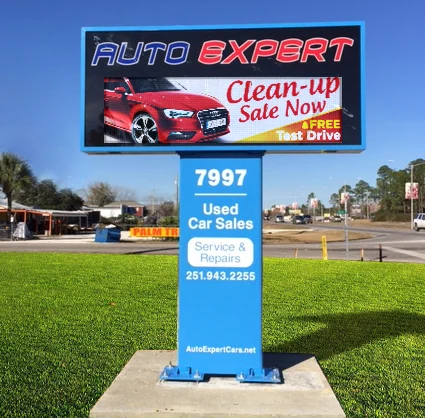




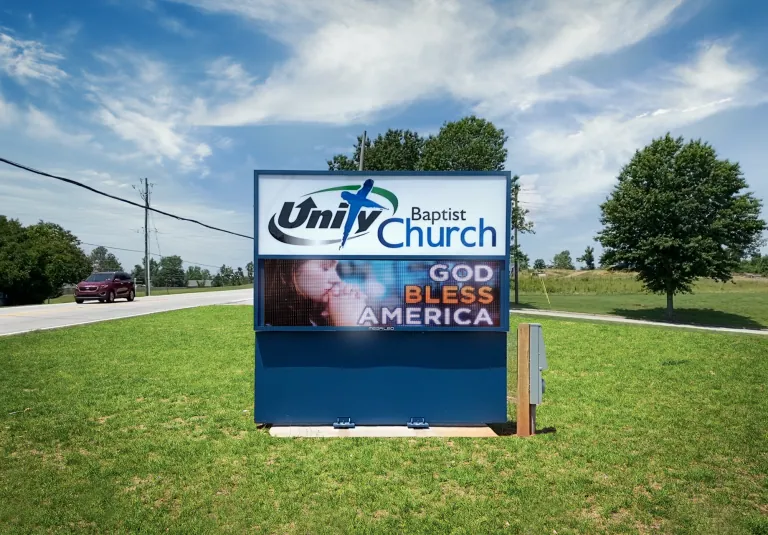
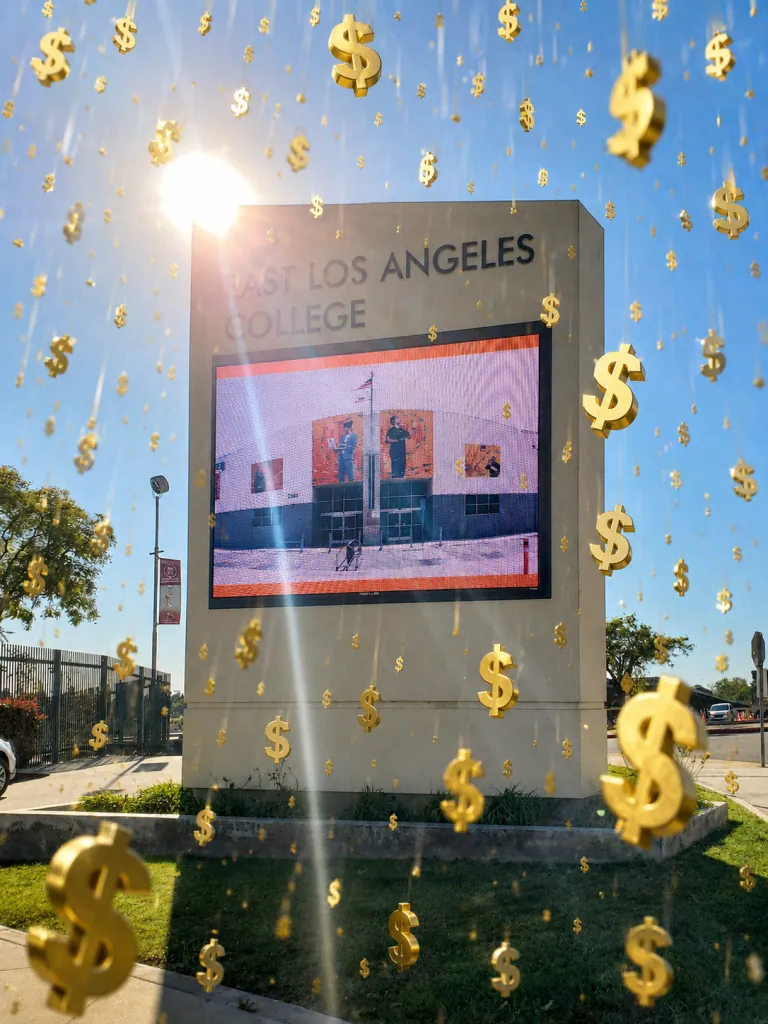

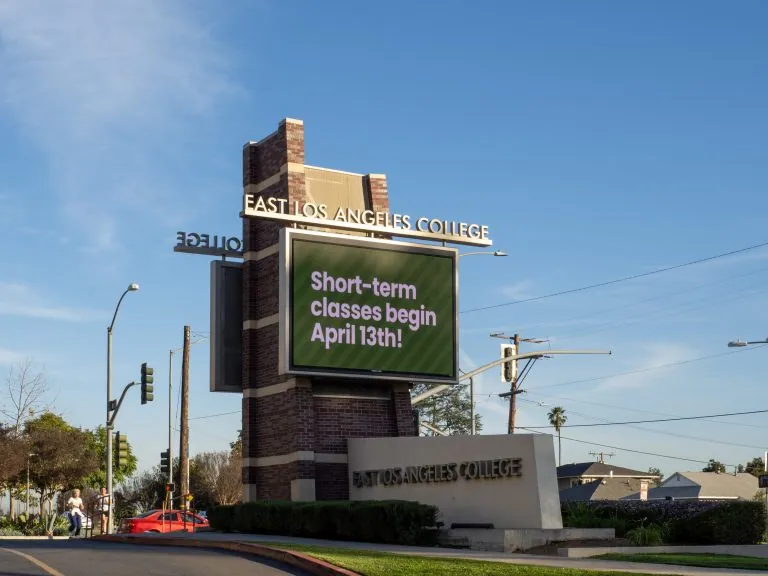






Alpha LED sign boards are great for anything from churches, to schools, to business. They tend to do great in large open spaces, where they are clearly visible.
Omega is our newest line of outdoor digital signs. Running the full gambit from cabinet, to LED sign, to logo on top, or any configuration of your choice!
Premier is a customizable Outdoor LED sign, perfect for the Entrepreneur who knows that large custom sized signs cultivated for their specific business is the way to go.
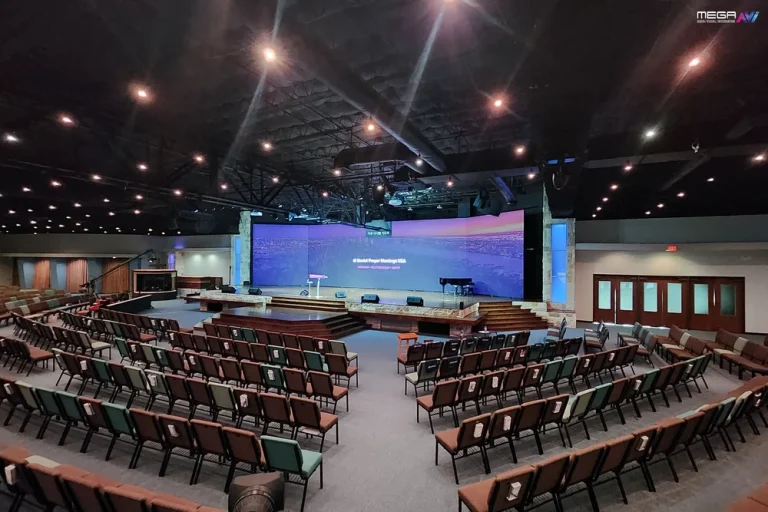
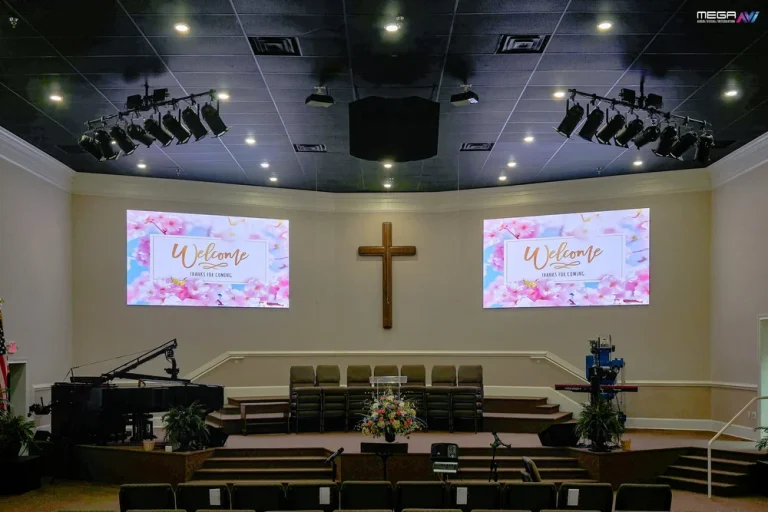
Programmable Stage LED signs, great for indoor assemblies, congregations, and presentations! Blow your competitors out of the water, or keep your congregation and audience glued to your message.