Summer Church Signs: What Are The Best Sayings And Ideas For The Season?

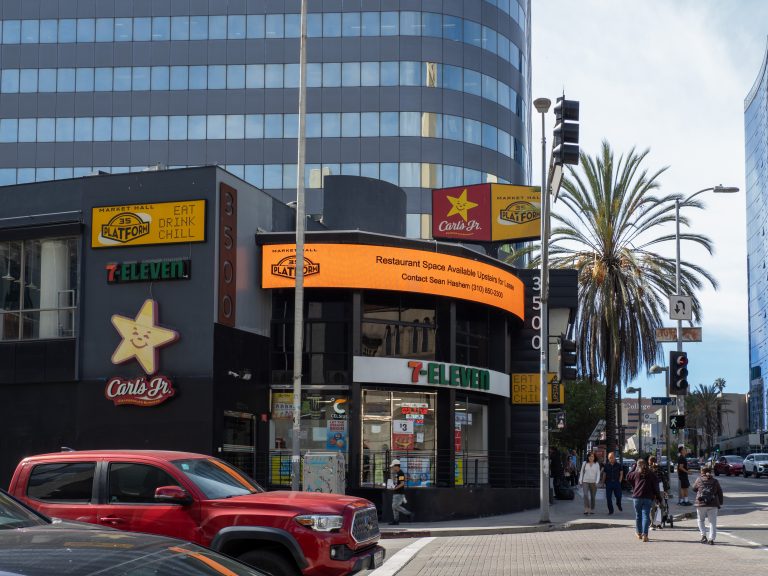
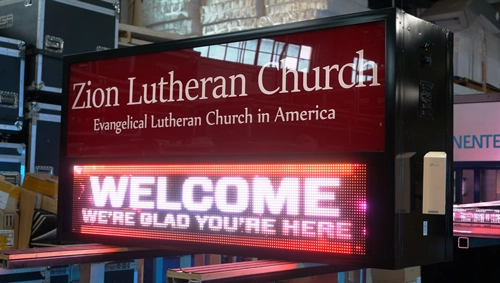
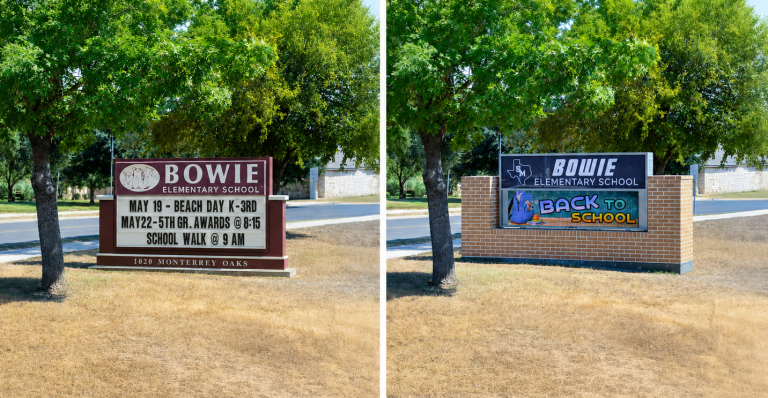
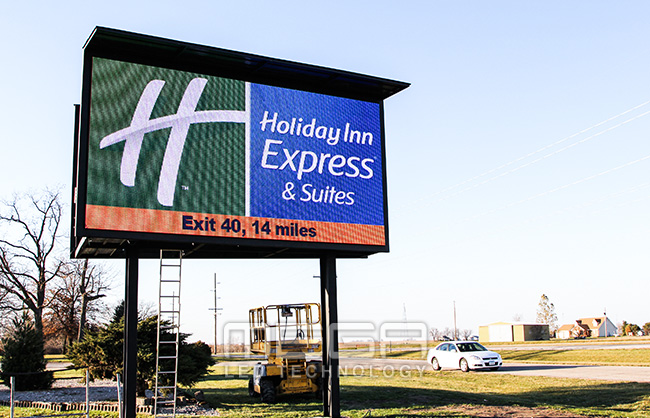
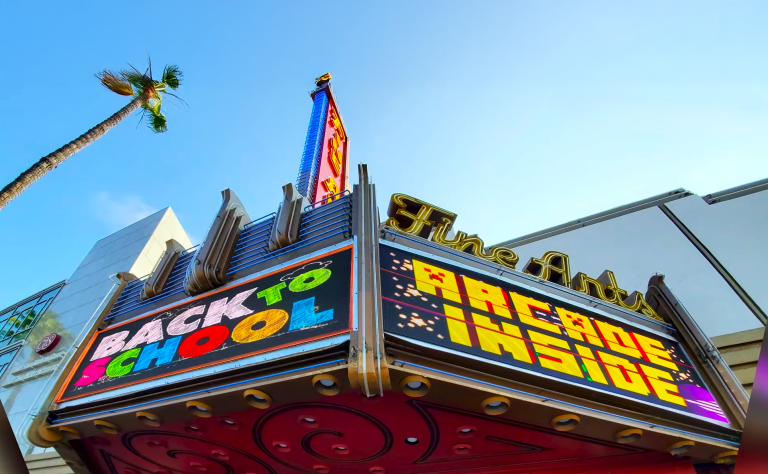
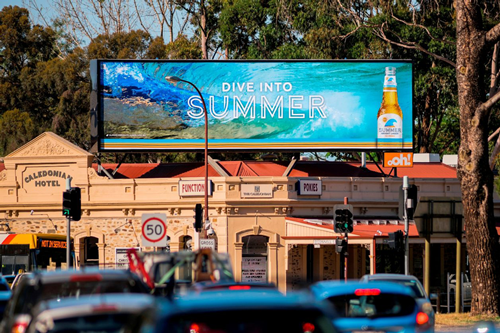
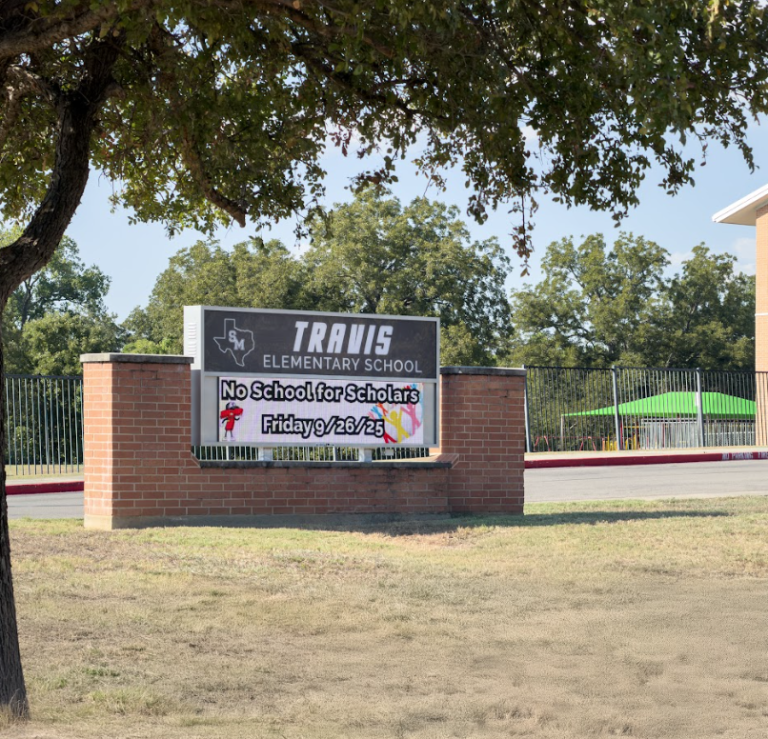
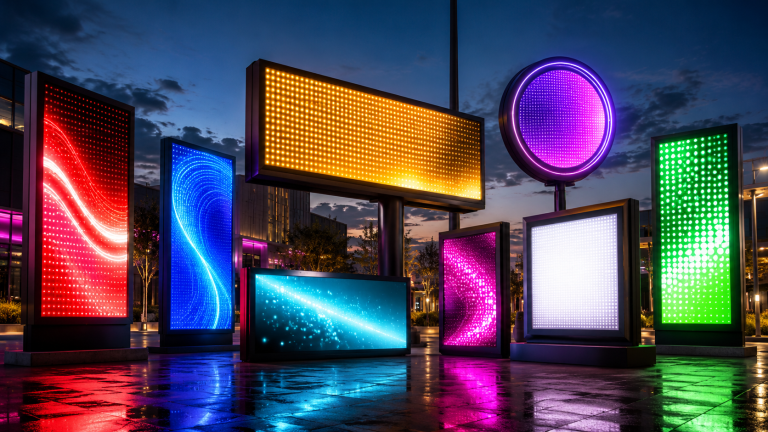
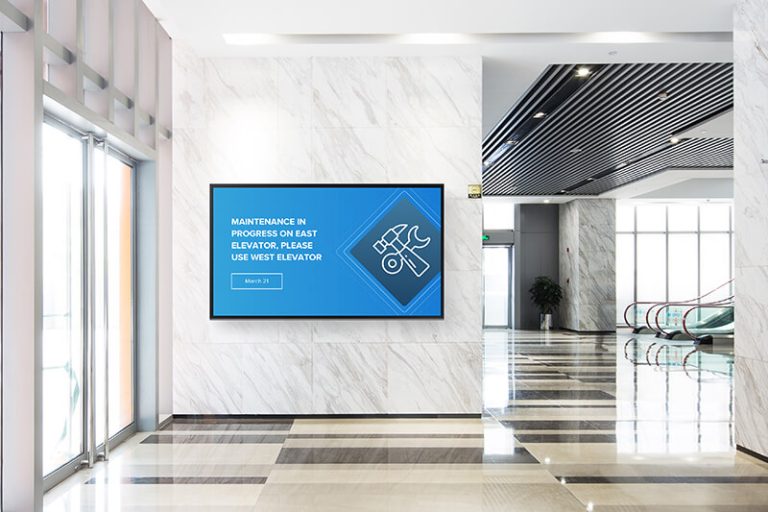
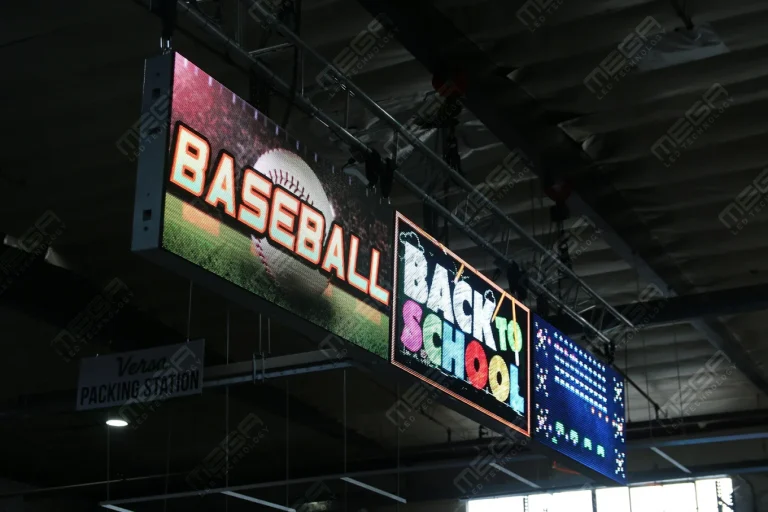
Alpha LED sign boards are great for anything from churches, to schools, to business. They tend to do great in large open spaces, where they are clearly visible.

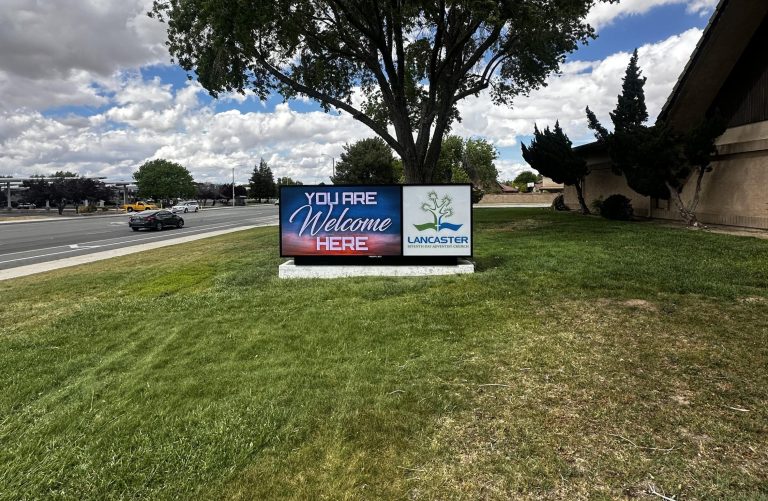
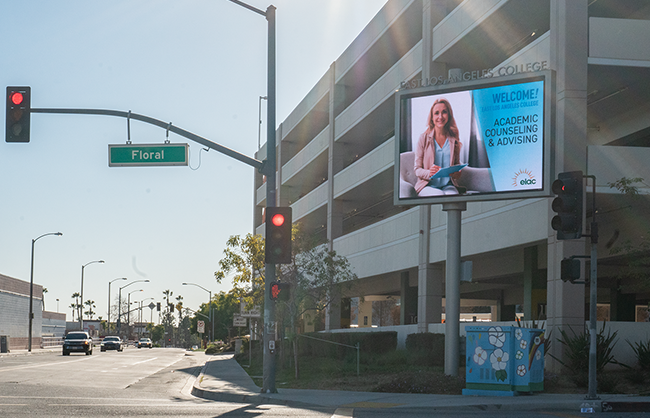
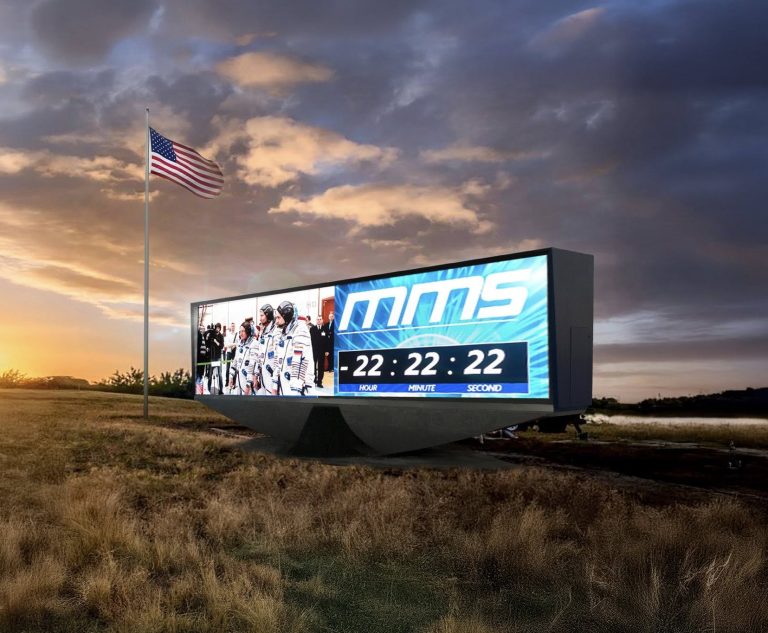
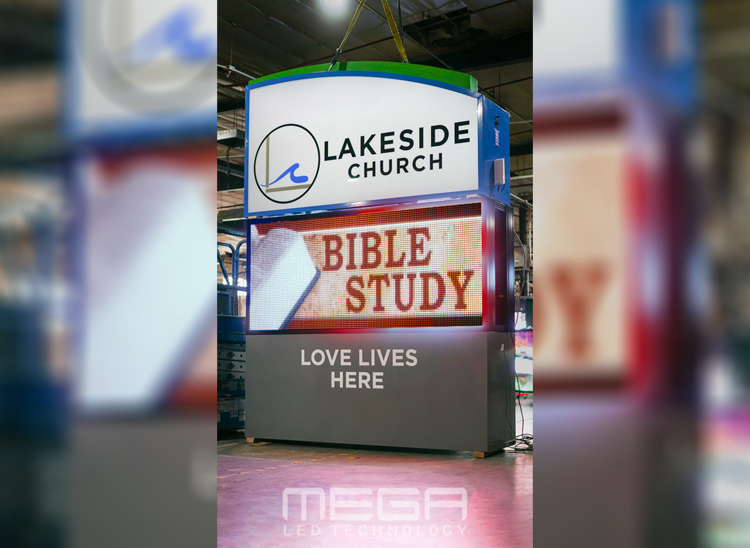
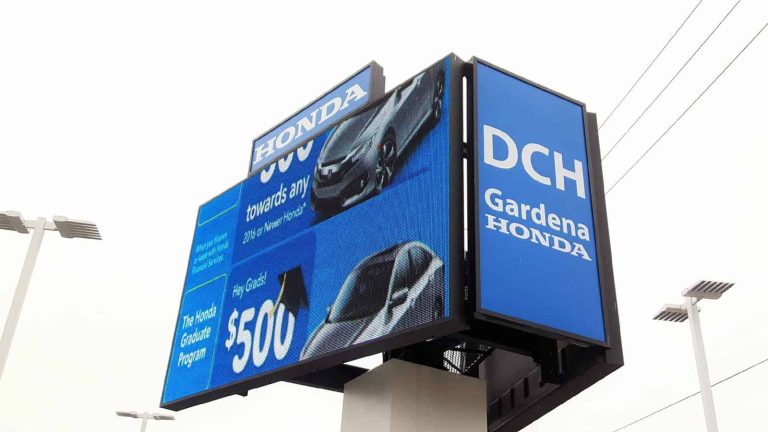
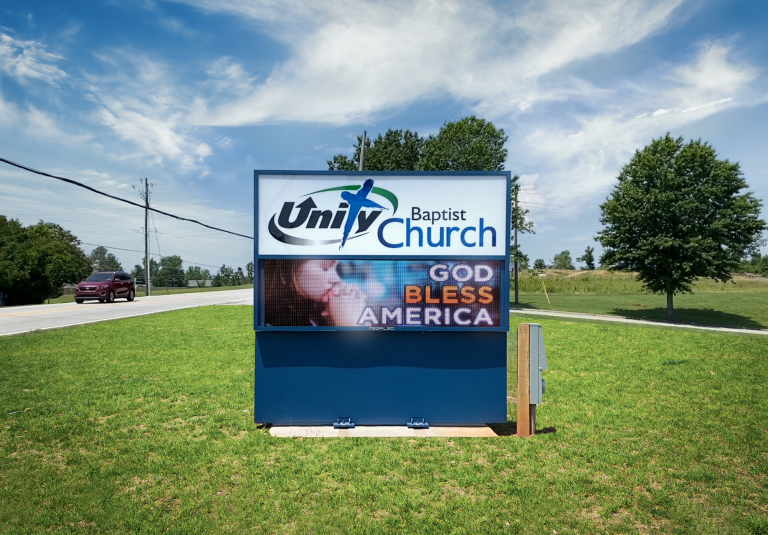
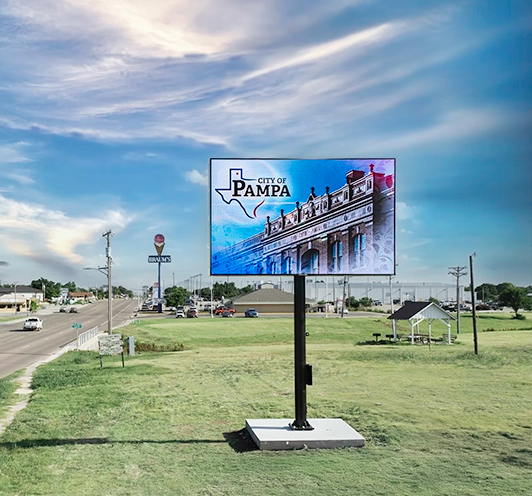
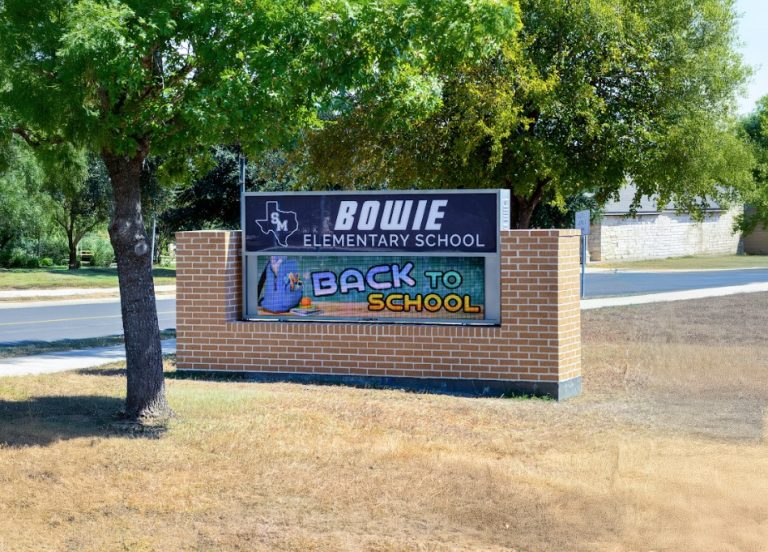
Omega is our newest line of outdoor digital signs. Running the full gambit from cabinet, to LED sign, to logo on top, or any configuration of your choice!

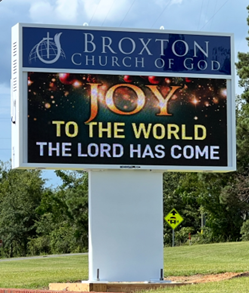
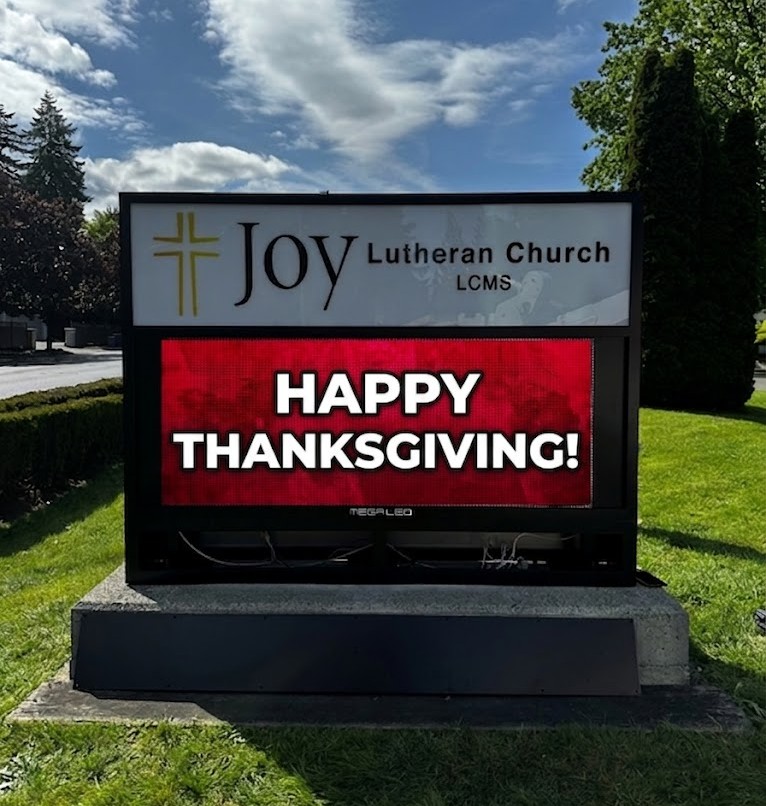
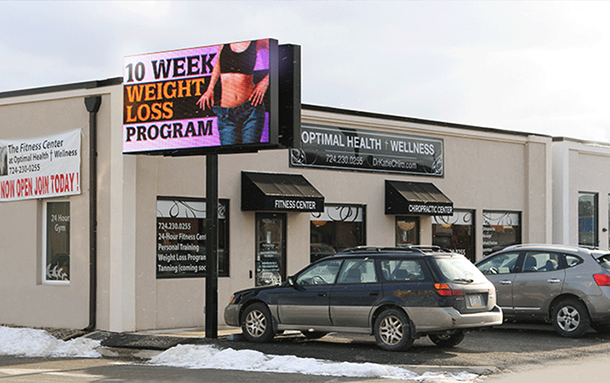
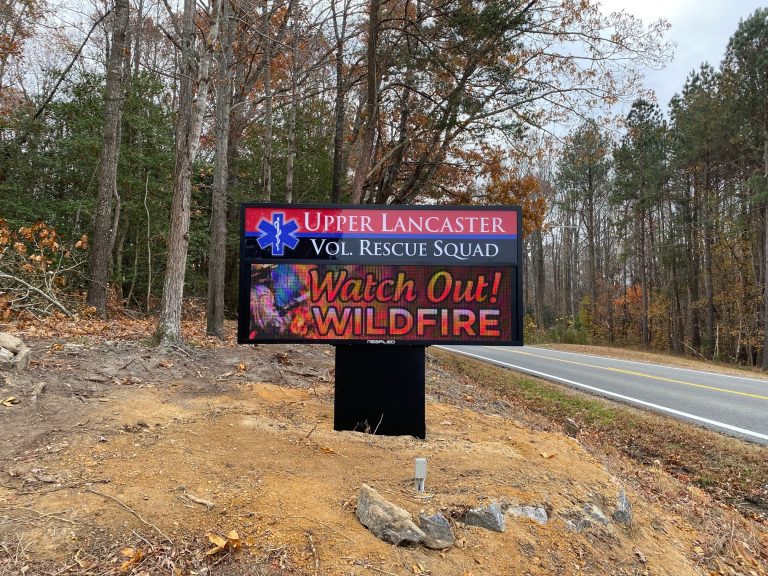
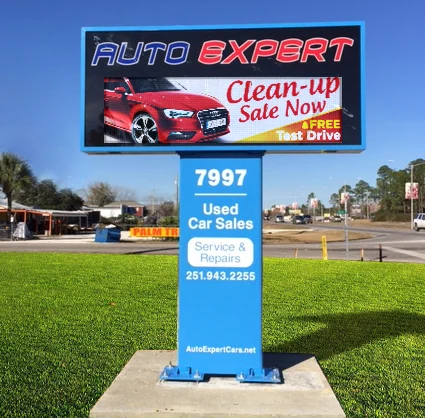
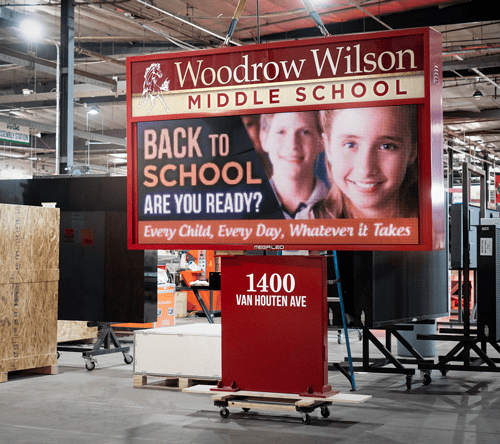
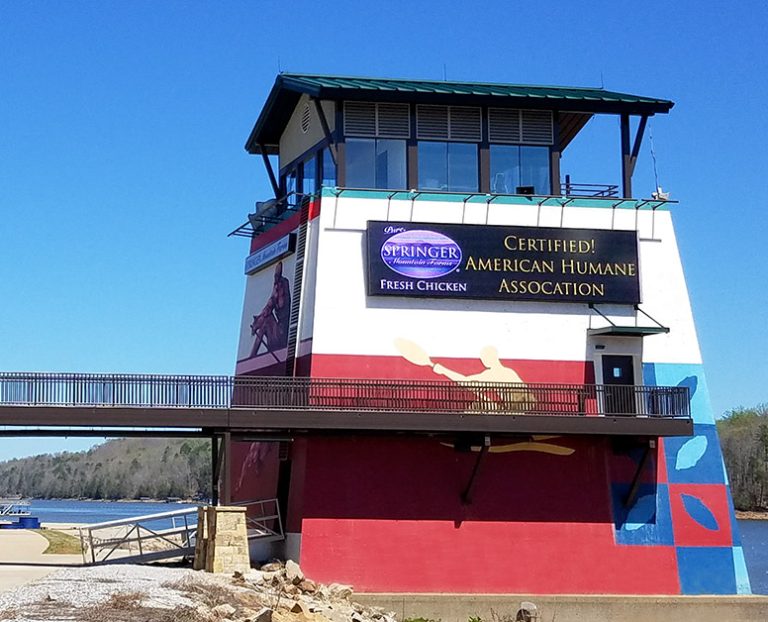
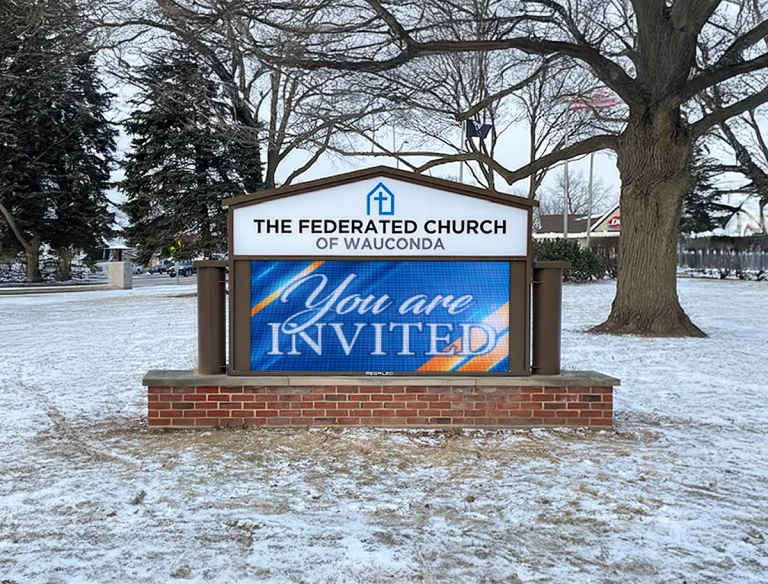
Premier is a customizable Outdoor LED sign, perfect for the Entrepreneur who knows that large custom sized signs cultivated for their specific business is the way to go.

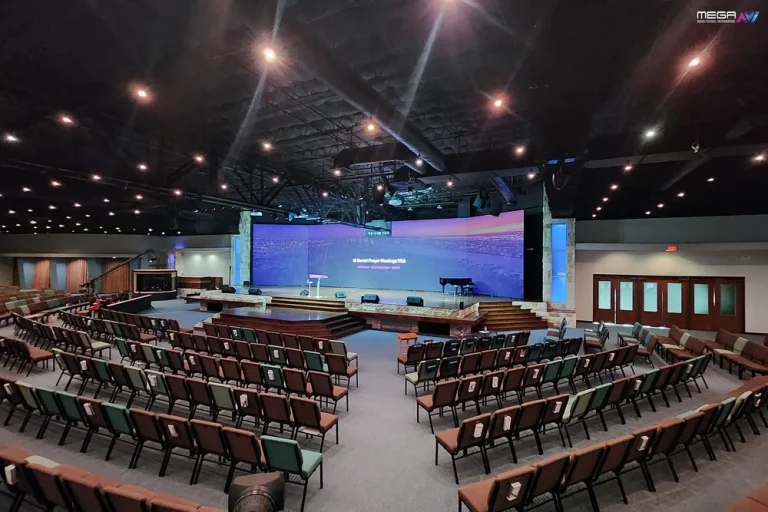
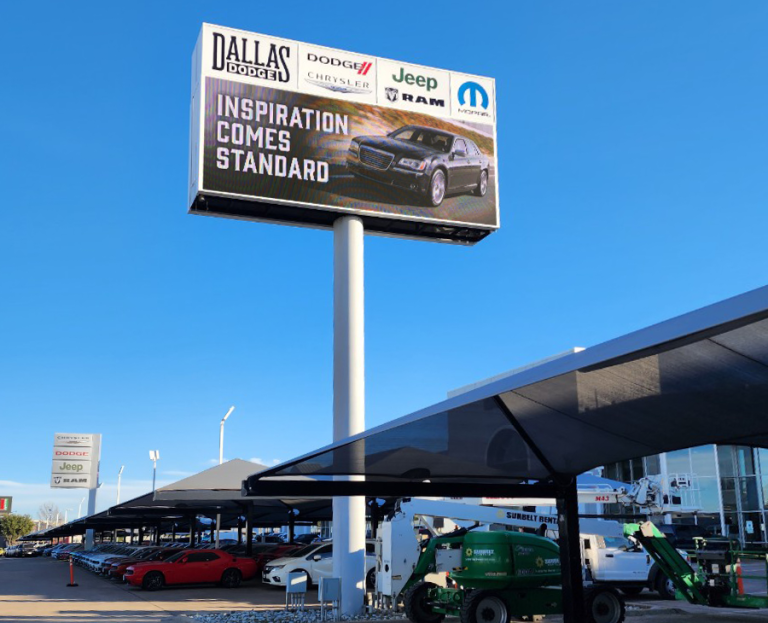
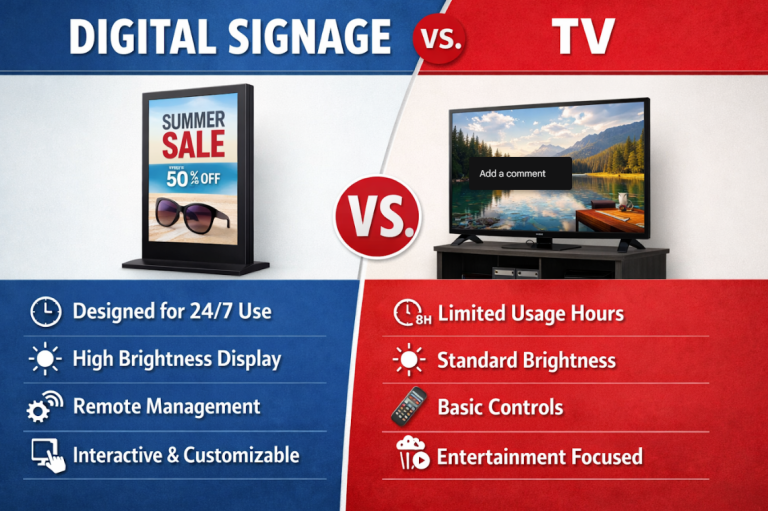
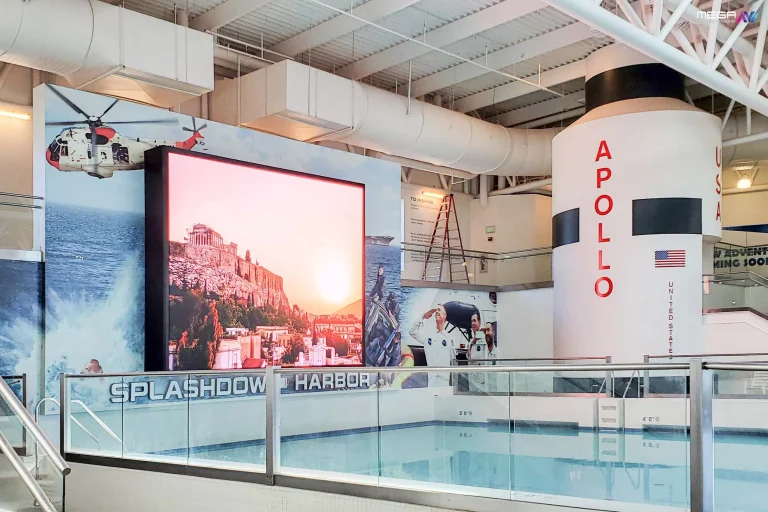
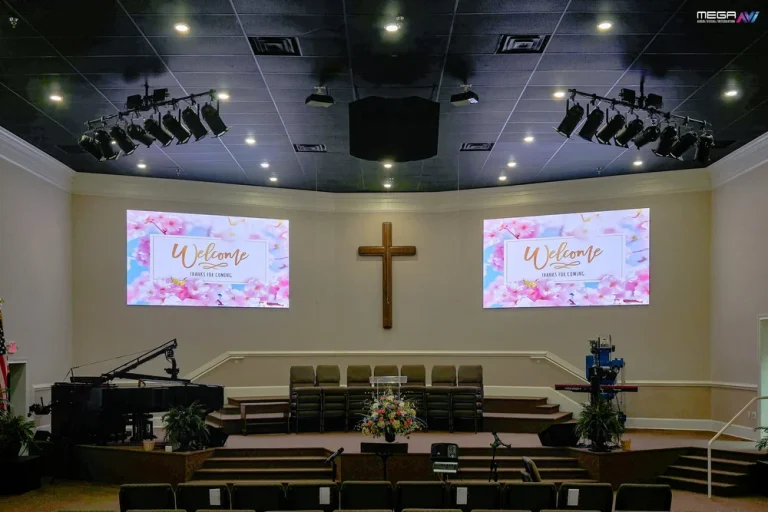
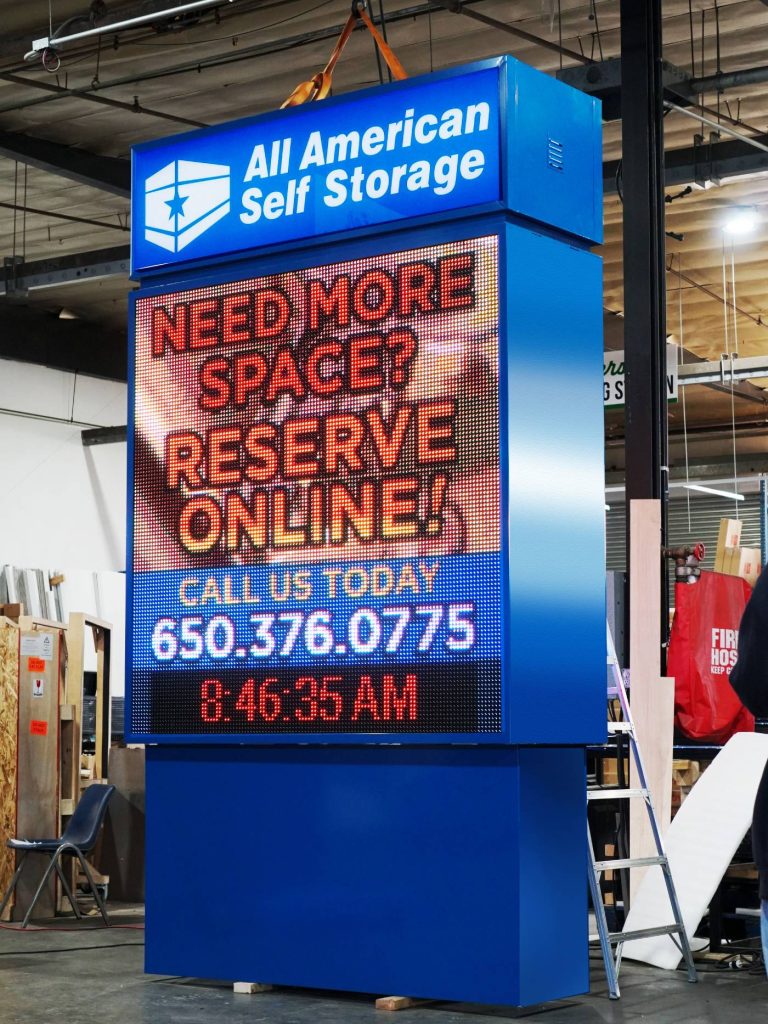
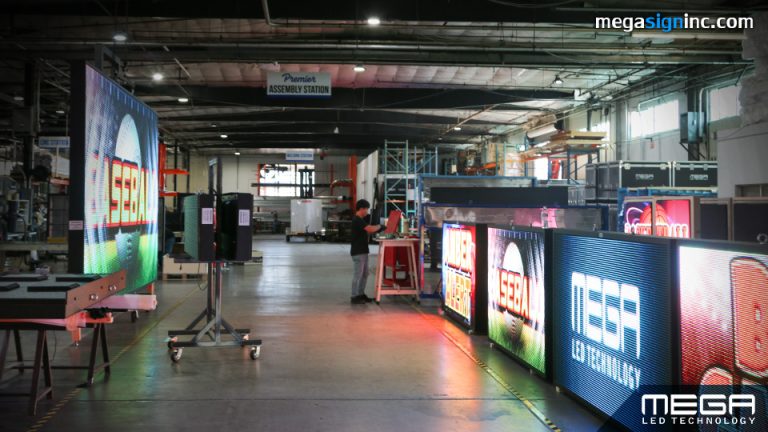
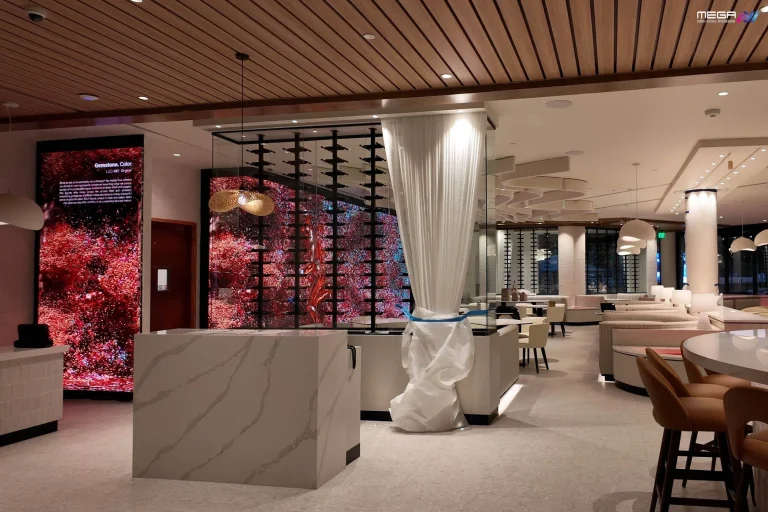
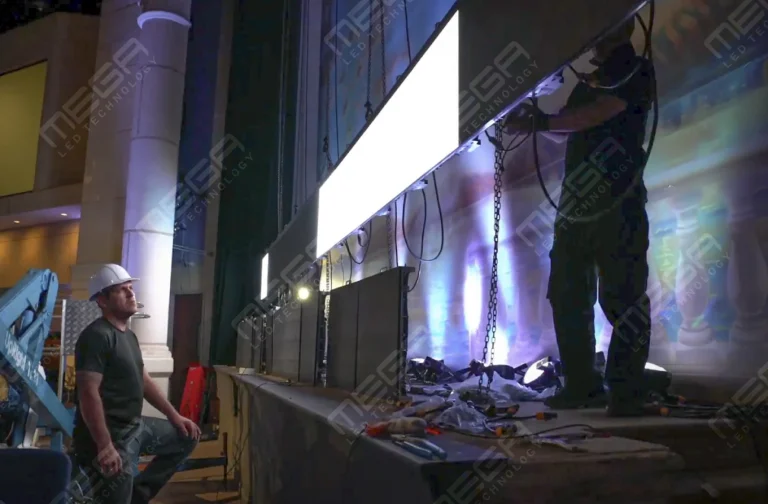
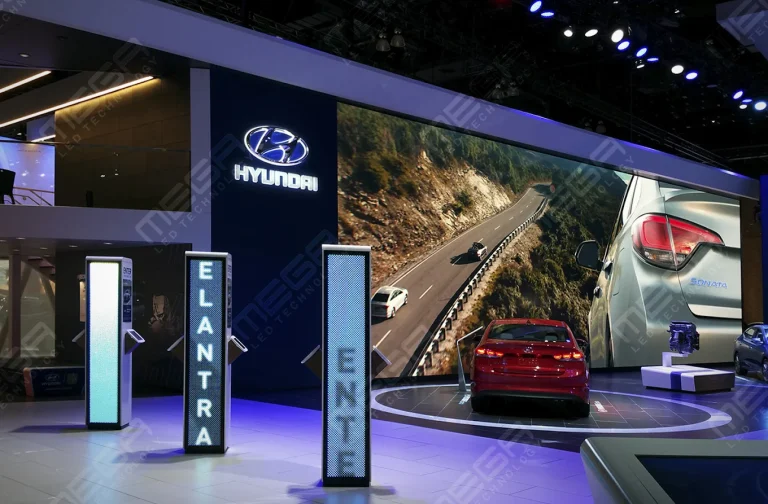
Programmable Stage LED signs, great for indoor assemblies, congregations, and presentations! Blow your competitors out of the water, or keep your congregation and audience glued to your message.

Alpha LED sign boards are great for anything from churches, to schools, to business. They tend to do great in large open spaces, where they are clearly visible.
Omega is our newest line of outdoor digital signs. Running the full gambit from cabinet, to LED sign, to logo on top, or any configuration of your choice!
Premier is a customizable Outdoor LED sign, perfect for the Entrepreneur who knows that large custom sized signs cultivated for their specific business is the way to go.
Programmable Stage LED signs, great for indoor assemblies, congregations, and presentations! Blow your competitors out of the water, or keep your congregation and audience glued to your message.
A first-time visitor parks, gets out, then stops. Three doors, no arrows, a service starting in four minutes. Church directional signage turns that pause into a confident walk, and plenty of churches never spot the gap until a guest mentions it.
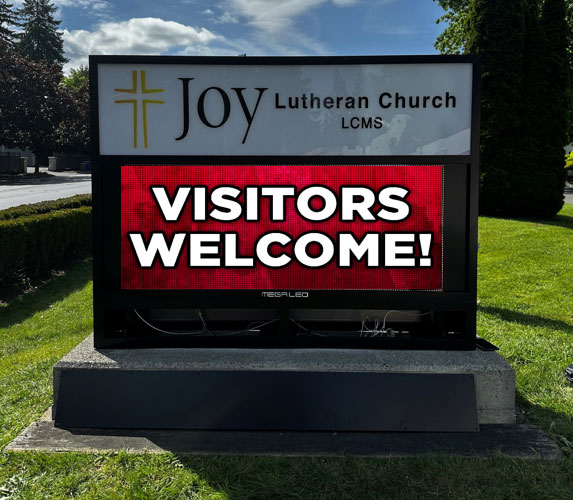
Directional signs are the ones that point. They carry an arrow and a destination, nothing else, so nobody on your property has to guess.
Churches need them for four people at once:
You will see directional signs, direction signs, and church directional signs used interchangeably. They describe the same object: a sign whose only job is to move someone toward a destination.
Good wayfinding removes the small decisions between the parking space and the sanctuary. Fewer decisions mean less hesitation and a guest who arrives ready to worship.
Every directional sign has three parts: an arrow, a short label, and often a symbol. Strip one out and the sign asks the reader to interpret rather than follow.
They work indoors and out. Inside, they belong at hallway junctions and stairwells. Outside, they go at the kerb cut, the parking entrance, the drop-off lane, and the walkway where cars and people separate.
Six destinations come up over and over: sanctuary, restrooms, nursery, church office, classrooms, and fellowship hall. Those six answer the questions a guest actually has.
Ministry names and donor plaques belong to other categories. Mixing them into the directional set is how a clean arrow becomes a wall of text.
Signs greet the people your greeter cannot reach. On a full Sunday, the person at the door is mid-conversation, and the guest behind them is already deciding whether this place feels organized.
Walking into an unfamiliar building carries a low, steady discomfort. Where do I put my kid? Who do I ask?
Every unanswered question adds friction to a decision the visitor is already nervous about. A route that holds together answers those questions before they get asked.
Churches we work with tend to find that the guests who never had to stop and ask are the ones who come back. That puts wayfinding in the hospitality plan, not the facilities plan. Signs are the only greeters working every hour your doors are open.
We design, build, and install outdoor LED church signs in the USA, and we file the permits before anyone breaks ground. Send us your address and we will put a free quote together.
Contrast does more work than size. The U.S. Access Board’s Chapter 7 Access Board guidance on ADA signs calls for dark characters on light, or light on dark, with a non-glare finish.
Letter height is arithmetic. The International Sign Association’s sign placement guidance, from its Design and Placement of Signs page, recommends about one inch of letter height per 25 feet of viewing distance, so run that math before anyone picks a font.
Use the words your guests use. “Restrooms” beats “Comfort Station,” and “Kids Check-In” beats an in-house ministry brand.
| Sign in the route | Where the reader is | Letter height to plan | The detail people miss |
|---|---|---|---|
| Room ID (restroom, nursery) | At the door | 5/8-inch raised characters | 48 to 60 inches to the baseline, latch side, clear of the door swing |
| Corridor direction sign | 15 to 25 feet | 1 inch and up | Hang it at the decision point, not on the room it names |
| Parking lot direction sign | 50 to 75 feet | 2 to 3 inches | Double-sided, so it works going in and going out |
| Driveway entrance sign | 100 to 150 feet | 4 to 6 inches | Set back so a turning driver has time to signal |
| Road-level anchor sign | 200 feet and beyond | 8 inches and up | Needs illumination and a municipal sign permit |
Placement beats quantity. One sign at every junction, mounted at a steady height with a clear sightline, outworks a dozen scattered by good intentions.

Interior signs let a stranger move like a regular. The test: can someone reach the nursery, hand off a child, find a restroom, and get to a seat without speaking to anybody?
Older buildings fail that test more often, and it is rarely anyone’s fault. A 1950s sanctuary with a 1980s education wing and a 2010s lobby ends up with three numbering systems, two floor levels, and hallways that dead-end where a door used to be.
Signs are the cheapest way to fix a floor plan you cannot rebuild. They carry safety weight too: exit routes, stairwell labels, and the accessible path into the sanctuary.
Do not wait for complaints. Guests who get lost usually say nothing and never come back. Walk your own building on a Tuesday and mark every spot where a stranger would hesitate.
Start with the destinations people ask about: sanctuary, restrooms, nursery, classrooms, church office, fellowship hall, stairs, and exits. That set covers the bulk of what greeters field.
Room identification signs and directional signs do different jobs. A room ID sign sits at the door and names what is behind it; a directional sign sits at a junction and says which way to turn. Churches that have one and not the other leave guests circling.
Accessibility deserves its own pass. Religious entities are excluded from ADA Title III under the Department of Justice’s federal ADA regulation at 28 CFR Part 36, so a church is usually not legally bound by it. That exemption does not mean a church can ignore every accessibility requirement. The U.S. Access Board notes that facilities exempt from the federal ADA Standards may still be covered by state or local accessibility codes. Requirements, therefore, depend partly on the codes adopted where the church is located.
Keep these questions in mind:
| Question | What to check |
|---|---|
| Does federal ADA Title III apply? | Religious organizations and entities they control are generally exempt. |
| Do state or local accessibility/building rules apply? | Check the requirements adopted by your state, city or county. |
| Are exit and life-safety signs required? | Check the locally adopted building and fire codes separately. |
Even where Title III does not legally bind the church, using accessible contrast, readable characters, consistent placement and clear destination names still makes the building easier to navigate for older adults and visitors with disabilities.
Our church sign page walks through sizes, configurations, pricing, and the installs we have finished for congregations around the country. Free renderings come standard before you commit to anything.
Plan outdoor signs in the order a visitor meets them, because every one of them gets read by somebody in motion.
That last step is one we handle on every install, so the site survey, engineering drawings, and municipal forms come with any quote for outdoor church signs. In the installs we do, we’ve found the permit question stalls more projects than the sign itself.
Property signs cover everything that happens before someone reaches a door. The working set is short: entrance, exit, visitor parking, drop-off, church office, sanctuary entrance, deliveries, reserved spaces, and pedestrian crossings.
Their quieter job is keeping cars and people apart. A marked walkway with a matching sign at both ends keeps families out of the drive lane when your lot fills up.
Another slice marks what is off limits: staff-only lots, maintenance yards, mechanical areas, and fire lanes that have to stay clear for emergency access.
We’ve seen churches add one “Visitor Parking” sign near the main entrance and hear about it from guests for months. Small sign, loud signal.

Wayfinding is one layer of a larger system. Welcome signs set the tone, monument signs anchor the property, and room ID signs label the destination. Donor displays and ministry signs handle recognition; changeable message signs carry the news.
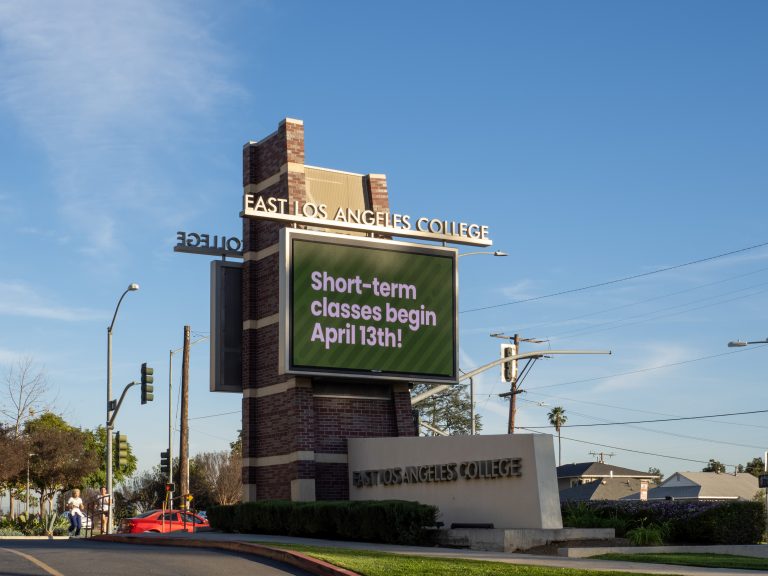
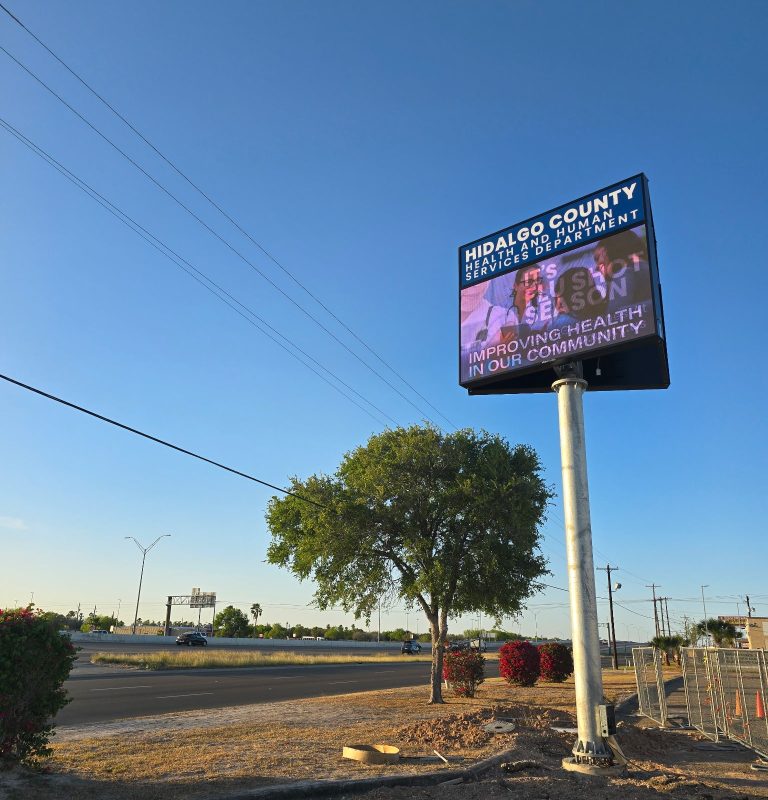
Changeable message signs do double duty. A programmable LED display at your entrance gives parking directions on Sunday, service times midweek, and event details for the rest of the year. Our Omega monument signs pair a customizable base with that display, so landmarks and messages share one structure.
Terminology has to match across all of it. If the monument sign says Worship Center, every arrow inside says Worship Center too.
One vocabulary, one arrow style. A guest reads a system, not a sign.
A monument sign gives your property a permanent identity and a programmable message in one structure. It is the piece that anchors every arrow behind it.
Static directional signs come down to three materials. Aluminum composite panel is the outdoor default: no rust, stays flat, holds a UV-stable print through years of sun. Acrylic looks sharper indoors and under cover, though it is brittle and can craze or crack outdoors.
Vinyl graphics over either one carry the color, and the print method decides whether that color lasts five years or fades in two. Finish and hardware settle the rest. Powder coating buys the face more time, stainless fasteners avoid rust streaks, and posts set below the frost line stay plumb.
We do not make plaques or vinyl signs. We build the illuminated sign that anchors the route, and our signs are durable and weather-resistant because of what sits inside. Premier modules seal to IP67 front and IP65 rear, cabinets are aluminum with LINE-X protective coating, boards are 4-layer copper, and thermostat-controlled fans engage above 104°F.
As a veteran-owned manufacturer building in Grand Prairie, Texas, we back Premier outdoor LED signs with a 5-year limited warranty. Outdoor LED church signs start near $3,800, monument builds near $15,000, and we offer in-house financing for churches so a giving cycle does not set the timeline.
Add a second language when a real share of your congregation thinks in one. Pew Research Center’s religious congregations study, part of its 2025 Religious Landscape Study, found that 21% of U.S. religious service attenders worship where no single racial or ethnic group forms a majority.
The need shows up three ways: international visitors, immigrant families nearby, and language-specific services your church already runs. A Spanish-language afternoon service and an English morning service share one building and one set of hallways.
Keep the sign readable. Two languages maximum on any single panel, primary on top, second slightly lighter beneath, one arrow serving both. When a third language comes up, switch to a symbol.
Translate the six things a stranger has to find: the entrance, restrooms, the sanctuary, children’s check-in, exits, and the information desk. Those cover the whole visitor arc, arrival through departure.
Pick languages from data you already hold. Your check-in records and the languages your ministries already run in will answer this faster than a guess will.
Safety and accessibility messages go first regardless of headcount. Exit routes, fire lane markings, and the accessible entrance have to land with someone under stress who may not read English comfortably. A symbol carries that weight better than a translation does, which is why the accessibility and exit symbols earn their space.
A monument sign at the curb line gives you a permanent landmark and a programmable message in one structure. Start here: https://www.megasigninc.com/omega-monument-signs/
You need a larger cabinet and a taller mount so the message reads at speed. Look at https://www.megasigninc.com/premier-outdoor-led-signs/
A compact roadside board can carry parking and entrance directions before anyone reaches a door. See https://www.megasigninc.com/alpha-led-sign-boards/
Map the interior route first, then anchor it at the street. Walk it through with us at https://www.megasigninc.com/contact/
They answer a visitor’s questions before anyone has to ask them. A guest walking into an unfamiliar church is already managing some nerves, and every unanswered question adds to it. Where do I park, where does my child go, where is the restroom, which door do I use.
A route of clear signs settles all four without a conversation. That is why signage belongs in the hospitality plan rather than the maintenance budget. Greeters go home at noon; the signs keep working every hour your doors are open.
Plan them in the order a visitor meets them, starting at the road. Confirm the sign at the street can be read at the speed traffic actually travels, then mark the turn-in, then split drop-off from general parking, then aim guests at the entrance you want to use.
Check lighting and weather next, since winter evening services happen after dark. Finish with your municipal sign code, because setbacks, height caps, corner sight lines and buried utilities decide where a post can legally stand.




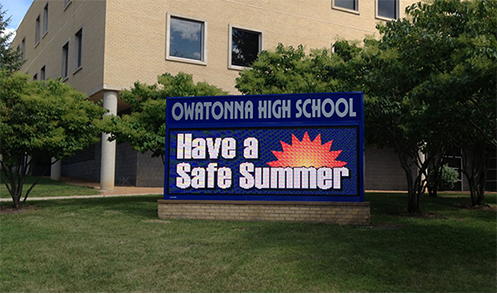

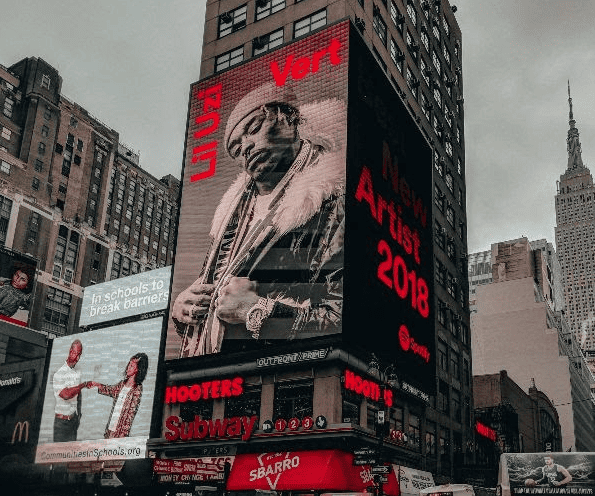
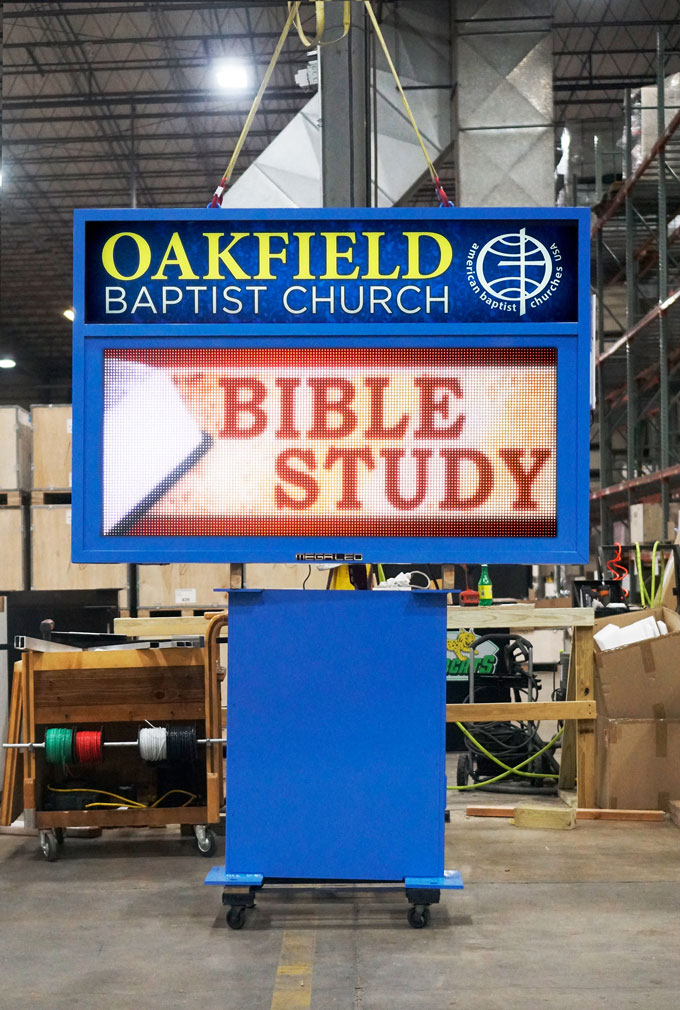

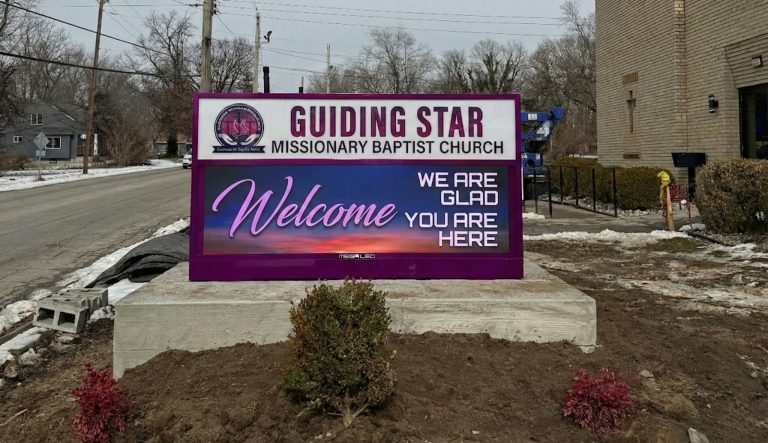




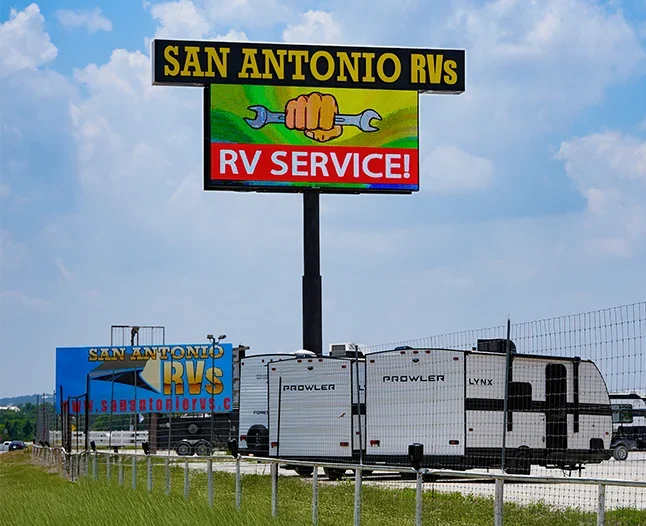
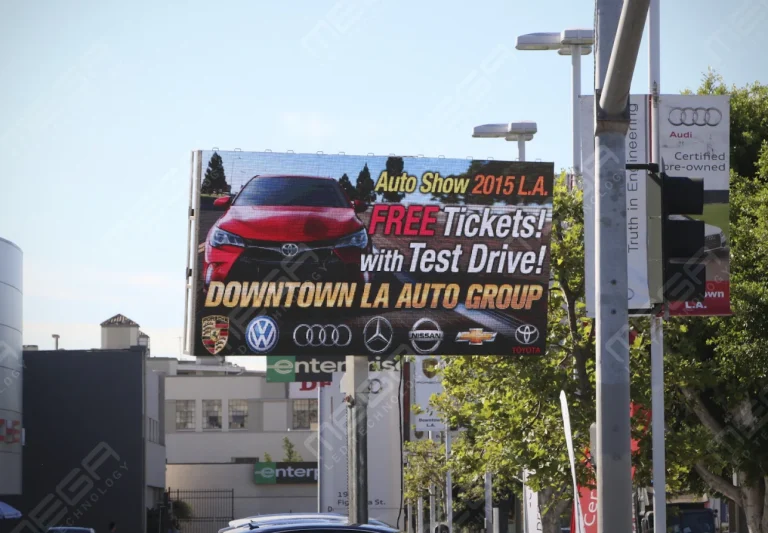


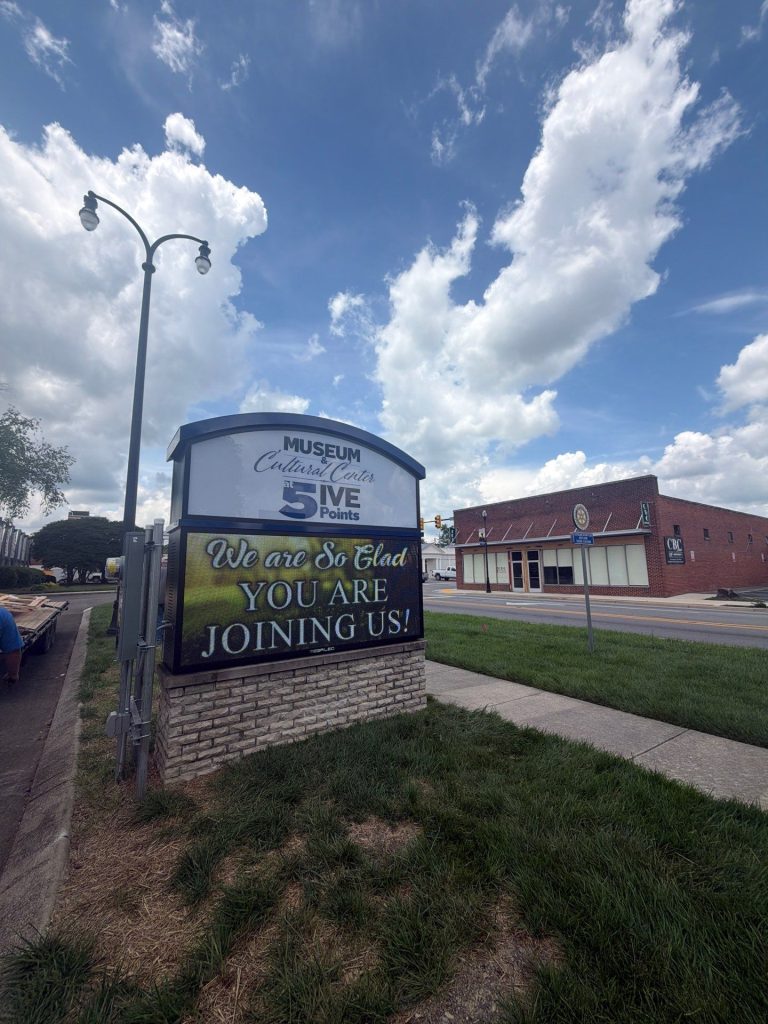
Alpha LED sign boards are great for anything from churches, to schools, to business. They tend to do great in large open spaces, where they are clearly visible.
Omega is our newest line of outdoor digital signs. Running the full gambit from cabinet, to LED sign, to logo on top, or any configuration of your choice!
Premier is a customizable Outdoor LED sign, perfect for the Entrepreneur who knows that large custom sized signs cultivated for their specific business is the way to go.
Programmable Stage LED signs, great for indoor assemblies, congregations, and presentations! Blow your competitors out of the water, or keep your congregation and audience glued to your message.