

What Is Smart Digital Signage? How Intelligent Screens Use Data, Software And Automation


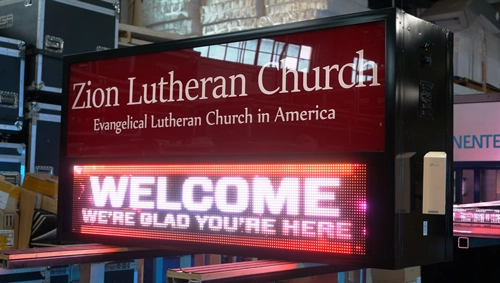
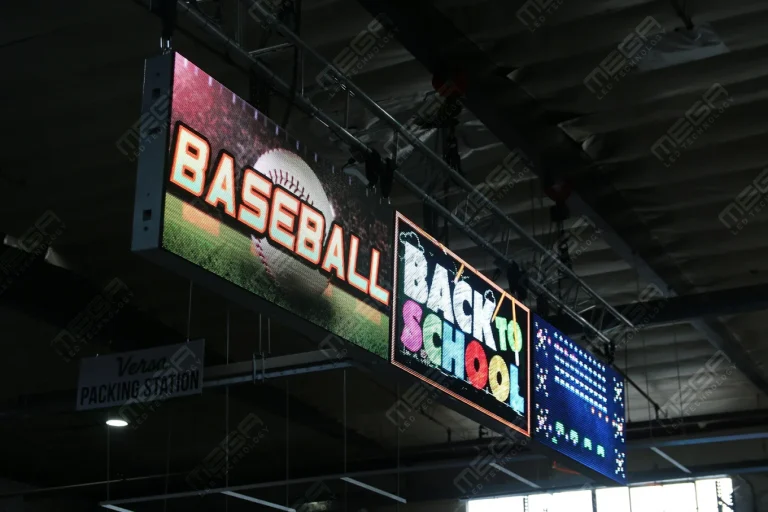
Alpha LED sign boards are great for anything from churches, to schools, to business. They tend to do great in large open spaces, where they are clearly visible.

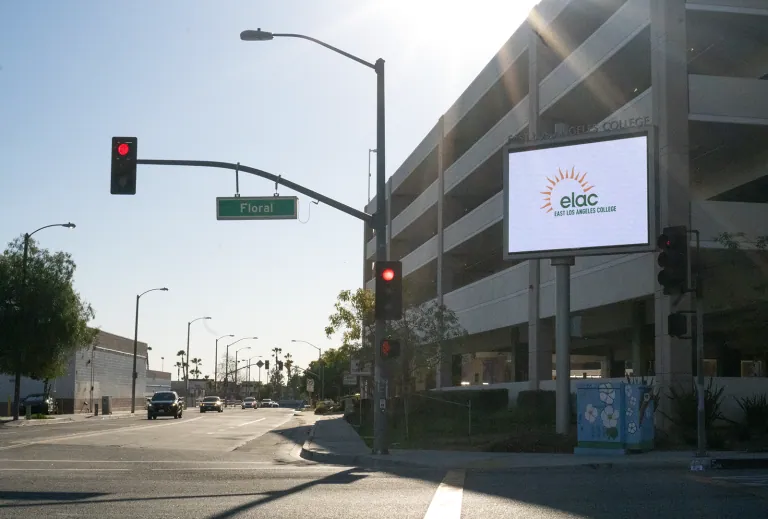
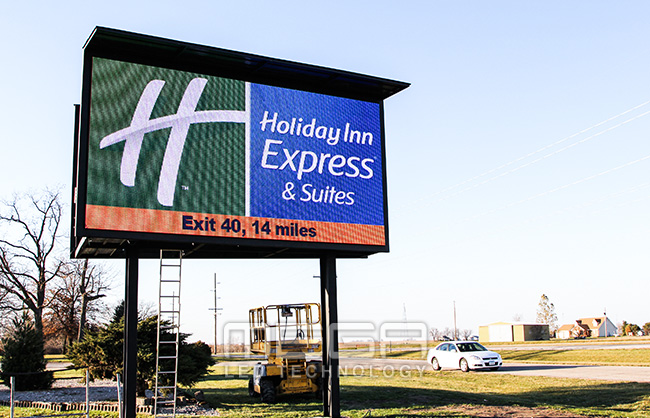
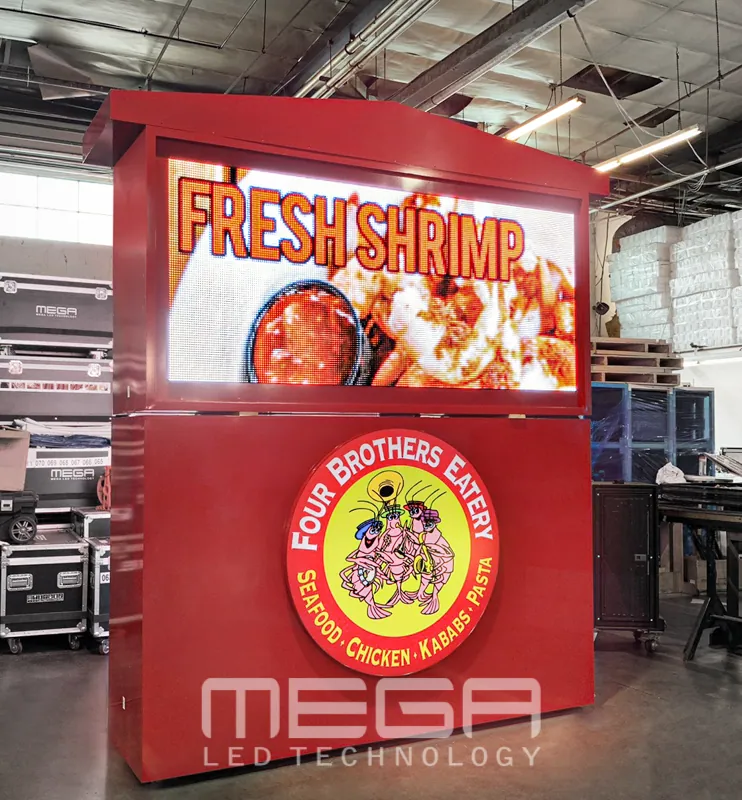
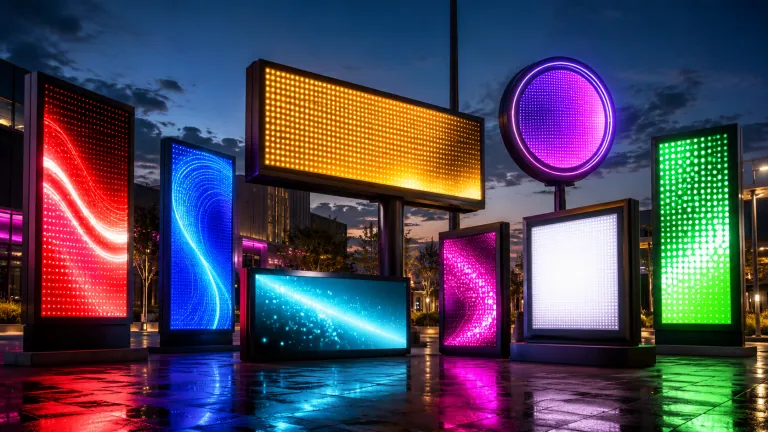
Omega is our newest line of outdoor digital signs. Running the full gambit from cabinet, to LED sign, to logo on top, or any configuration of your choice!

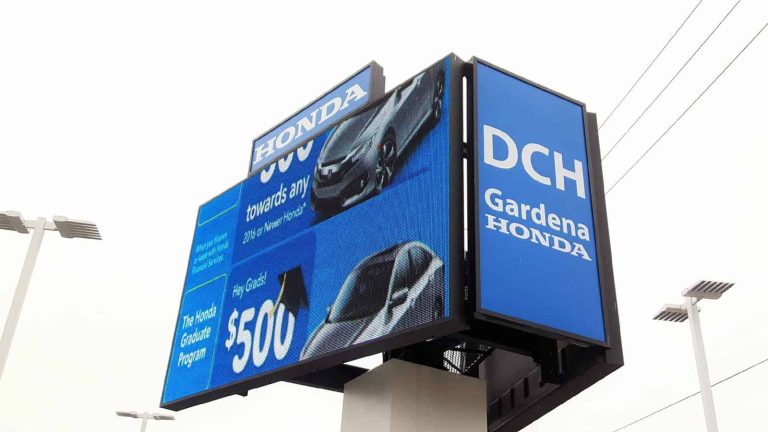
Premier is a customizable Outdoor LED sign, perfect for the Entrepreneur who knows that large custom sized signs cultivated for their specific business is the way to go.

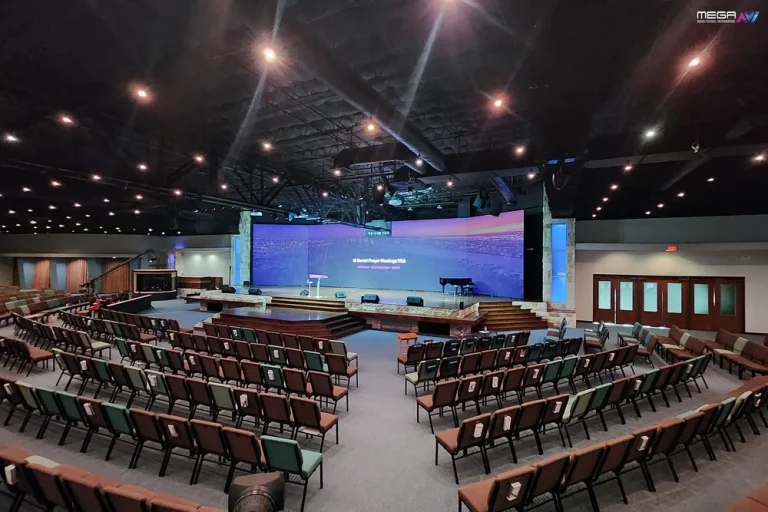
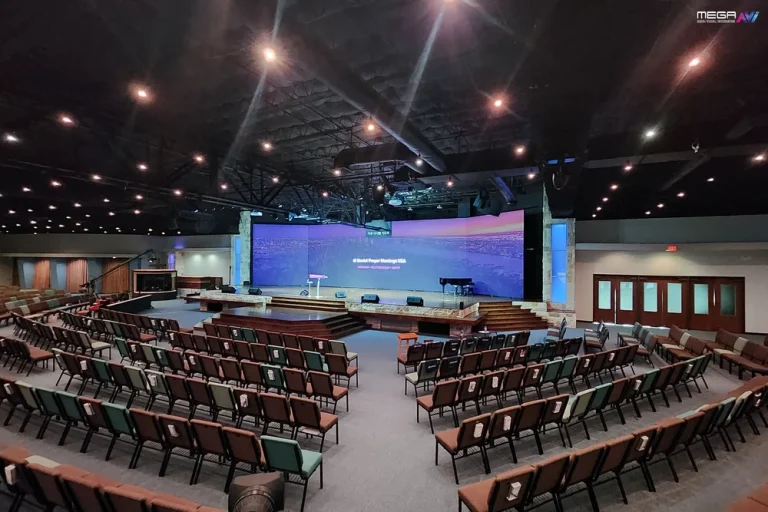
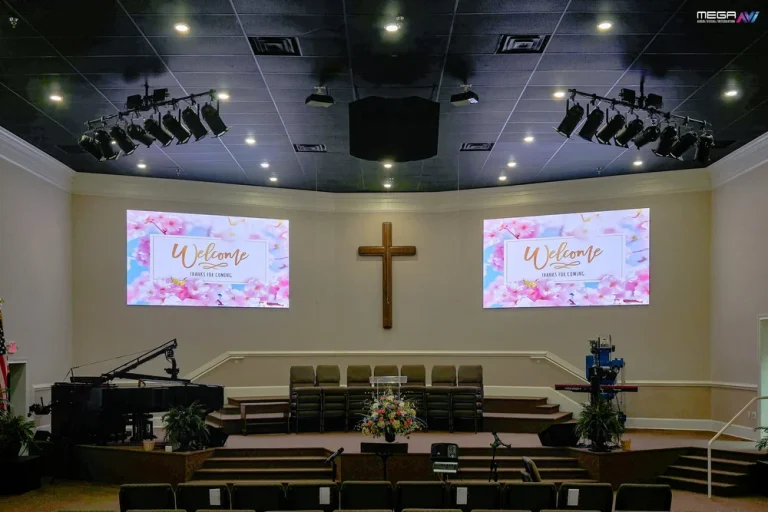
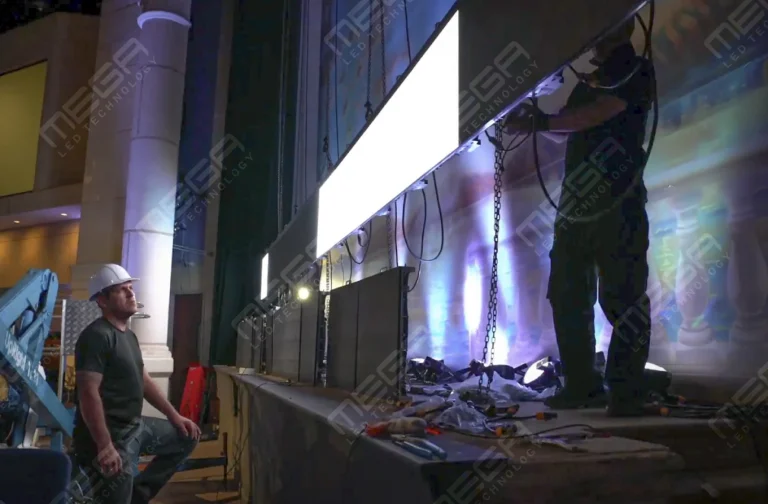
Programmable Stage LED signs, great for indoor assemblies, congregations, and presentations! Blow your competitors out of the water, or keep your congregation and audience glued to your message.

Alpha LED sign boards are great for anything from churches, to schools, to business. They tend to do great in large open spaces, where they are clearly visible.
Omega is our newest line of outdoor digital signs. Running the full gambit from cabinet, to LED sign, to logo on top, or any configuration of your choice!
Premier is a customizable Outdoor LED sign, perfect for the Entrepreneur who knows that large custom sized signs cultivated for their specific business is the way to go.
Programmable Stage LED signs, great for indoor assemblies, congregations, and presentations! Blow your competitors out of the water, or keep your congregation and audience glued to your message.
Print stacks pile up, signage reprints every promotion, and ESG goals stall when nobody can see progress. Buyers, employees, and investors all expect more. The right digital signage strategy fixes all three at once.
Digital signage supports business sustainability by cutting waste at the source, lowering energy use over time, and turning every screen into a channel for environmental progress. We design LED displays for businesses that want to retire stacks of printed posters, banners, and menu boards, and the savings show up in three places: trash output drops, electricity use stabilizes, and stakeholders see the sustainability work happening.
Sustainability matters because customers, employees, and investors are watching closely. Visible action wins where vague claims used to be enough. Sustainable digital signage supports both environmental goals and business performance because the same screen that reduces paper waste also makes content updates faster, lowers reprint costs, and lets one team manage messaging across many locations.
The main ways digital signage helps fall into a tight set: paper and material reduction, energy efficiency, remote content updates that cut transport and labor, ESG communication that builds trust, and long operational lifespans that lower replacement cost and waste.
Replacing printed materials with digital screens lowers paper use, ink use, and disposal waste. A retail location that updates window posters monthly, menu boards weekly, and promotional inserts daily produces thousands of printed pieces per year. Swap that pipeline for one or two LED screens, and printed-material waste drops to near zero.
Fewer reprints and less frequent physical replacements compound over time. Print signage gets damaged, faded, dated, or wrong, which forces another print run, another delivery, and another disposal cycle. Digital signage absorbs all of those changes in software, with no physical replacement needed for years.
This supports broader carbon-reduction goals. The transport, ink production, and paper manufacturing that print signage depends on all carry their own carbon footprint.
Sustainable digital signage is a mix of efficient hardware, responsible content management, and long-term operational planning. The hardware piece covers display efficiency, component durability, and material recyclability. The content management piece covers scheduling, brightness control, and idle-mode behavior. The operational planning piece covers placement, repair workflows, and end-of-life recycling.
Businesses can use signage for marketing and for sustainability communication. A breakroom screen that rotates ESG metrics, supplier diversity progress, and waste-reduction milestones builds shared awareness across teams at scale that no internal email achieves.
Connecting signage to long-term corporate sustainability strategy turns a marketing tool into infrastructure that runs sustainability content across shift changes, all-hands meetings, and visitor tours.

Sustainability is no longer a secondary benefit in signage decisions. We’ve seen procurement teams add environmental questions to RFPs that didn’t exist three years ago, including questions about component sourcing, repairability, and end-of-life material recovery. Vendors who can’t answer those questions get filtered out before price talks start.
Eco-friendly practices in digital signage align with changing market expectations. Customers, employees, and investors all push in the same direction. A business that buys signage built on disposable assumptions creates a contradiction with the rest of its sustainability narrative.
According to the Department of Energy lighting research program, LED technology uses up to 75% less energy and lasts up to 25 times longer than incandescent alternatives, which translates directly into lower lifecycle impact for digital signage.
The biggest sustainability gains come from smart power management, auto-brightness, modern LED technology, e-paper, and recyclable component design. Smart power management throttles consumption based on time of day, ambient light, and content activity. Auto-brightness keeps the display visible without burning energy on a sunny day when 30 percent brightness would do.
Innovation makes digital signage more practical for sustainability-focused businesses. The newer LED displays run cooler, dim smarter, and last longer than systems sold five years ago. We push for energy-efficient signage by spec-ing efficient DELTA power supplies and thermostat-activated cooling on our outdoor cabinets, which keeps idle power draw low and reduces premature component failure from heat stress.
We design and build digital signage systems that replace endless reprints with one programmable canvas. Tell us your store, office, or campus footprint for a sustainable quote.
Innovation also connects to long-term cost savings. The displays that cost less to run and last longer also cost less to maintain.
Modern displays can be much more energy-efficient than older signage systems. The energy story compares LED signage against fluorescent backlit signs, neon, and incandescent illuminated signs, all of which lose to modern LED on power draw.
Display technology, power settings, and usage schedules drive electricity consumption together. A high-efficiency LED display set to full brightness 24/7 still uses more power than a less efficient display set to dim during off-hours and shut down overnight. Sustainability is a settings discipline as much as a hardware decision.
We’ve worked with operators who cut their signage power bill by more than half just by enabling auto-brightness, scheduling overnight shutdowns, and replacing legacy fluorescent backlit signs with LED.
| Sustainability factor | Print signage | Modern LED digital signage |
|---|---|---|
| Reprint frequency for content changes | Every change requires reprint | Software updates, no reprint |
| Material waste per year (retail location) | Hundreds to thousands of pieces | Near zero |
| Transport for content updates | Required for every update | None for software updates |
| Typical operational lifespan | Weeks to months per piece | 7 to 10+ years per display |
| Energy use during operation | None (passive) | Reduced by auto-dimming |
| End-of-life disposal | Recurring, often landfill | Single event, recyclable parts |
| ESG reporting visibility | Limited and static | Live, dynamic, and shareable |
The comparison comes down to waste, update speed, transport needs, and long-term resource use. Traditional signage looks simpler at first because the upfront purchase is small, but every update creates new waste, new shipping, and new disposal.
Repeated printing and replacement create a footprint that traditional operators rarely calculate. Add up the printed posters, vinyl banners, foam boards, and disposable promotional signs across a single retail chain over five years, and the waste figure dwarfs the embodied footprint of one digital display.
Eco-friendly digital signage becomes the more sustainable option over time. For any business that updates signage weekly or more often, digital usually pays back within the first year.

Sustainability is not only about daily energy use. Hardware lifespan, repairability, and end-of-life material recovery often matter more over a 10-year horizon than the kilowatt-hour figure on the spec sheet. A display that runs efficiently but fails after three years and lands in a landfill is less sustainable than one that draws slightly more power but lasts a decade.
Durable equipment reduces the manufacturing, shipping, and disposal cycles that come with frequent replacement. We engineer our outdoor LED signs with 4-layer copper PCBs, IPC-600 and IPC-610 soldering standards, and silver-containing solder that resists fatigue, because longer service life is the single biggest lever on long-term sustainability.
Recycling, repairability, and material selection are real considerations. Modular design lets a single failed module be swapped without replacing the whole sign.
Material choices matter when evaluating signage hardware. Aluminum cabinets, copper PCBs, and gold-plated connectors all carry recyclable value at end-of-life. Cabinet coatings, plastic housings, and adhesives vary in recyclability, and procurement teams should ask vendors specifically about each.
We use Molex and WAGO connectors, aluminum cabinets, and 4-layer copper PCBs partly because the recyclability profile is stronger than the cheaper alternatives. Procurement teams that audit material choices catch these tradeoffs early.
A supplier questionnaire that asks about cabinet material, PCB design, connector type, and end-of-life recycling protocol filters out short-lifespan products before the order goes in.
Digital signage can do more than reduce impact. It can communicate sustainability progress clearly to the people who care most. A live screen showing waste-diversion metrics, renewable energy use, supplier diversity progress, and community-impact figures gives ESG reporting a visible home in the building rather than a buried section in an annual PDF.
Our Premier outdoor LED signs use efficient SMD LEDs, thermostatically controlled cooling, and energy-saving auto-dimming. Long lifespans mean fewer replacements and less manufacturing waste.
Businesses use screens to display ESG, CSR, and environmental progress in real time. The lobby screen updates every shift change. The breakroom screen tracks the company’s recycling rate. The boardroom screen runs the supplier-diversity dashboard.
Visible reporting builds trust with employees, visitors, investors, and customers. We’ve seen clients use indoor LED video walls during investor visits to showcase ESG dashboards alongside operational metrics.
Sustainability is built through hardware choices and through the content the screens carry. The same display can run a printed-replacement promo by day and a behavior-change campaign at lunch. Content strategy determines whether the screen does sustainability work or just runs ads.
Digital signage can encourage greener behavior, raise awareness, and reinforce environmental initiatives. A screen by the elevator that says “this floor saved 12,000 sheets of paper this quarter” turns a passive metric into a social signal.
Repetitive sustainability content gets tuned out fast, so the strongest programs rotate concrete metrics, employee stories, and progress milestones. The screens get watched because the content actually changes.
Our large indoor LED video walls turn a lobby, breakroom, or board room into a real-time ESG dashboard. Show progress, build trust, skip printed reports.
Sustainability benefits often overlap with financial and brand advantages. Lower print costs, lower replacement frequency, faster content deployment, and stronger ESG positioning all show up on the balance sheet, the marketing report, and the talent-attraction conversation at the same time.
Digital signage can reduce operational costs while strengthening reputation. The same business that cuts print spend by switching to digital signage usually finds customers respond better to fresher, more relevant content, which lifts campaign performance on top of the cost savings.
The International Sign Association industry research shows that on-premise signage performance is increasingly evaluated alongside sustainability metrics, which makes signage that demonstrates the work a strategic asset rather than a simple marketing tool. We help customers build that asset through our Premier outdoor LED signs and indoor video walls.
Sustainability-focused communication can support governance, compliance, and ethical positioning. A digital screen that publishes the latest supplier code of conduct, lists ethics-hotline contact information, and runs current compliance training reminders puts governance in plain view rather than buried in policy PDFs.
Digital signage can reinforce policies, standards, and responsible sourcing messages. The same network that runs marketing during open hours can rotate compliance reminders during shift changes and training prompts during break times.
Ethical communication connects to broader ESG and CSR frameworks. The G in ESG covers governance, and visible governance content moves the needle on stakeholder trust the same way visible environmental data does.
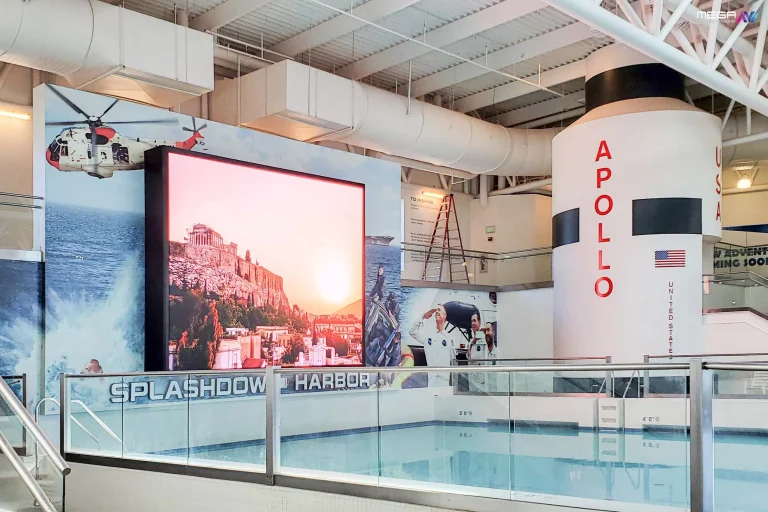
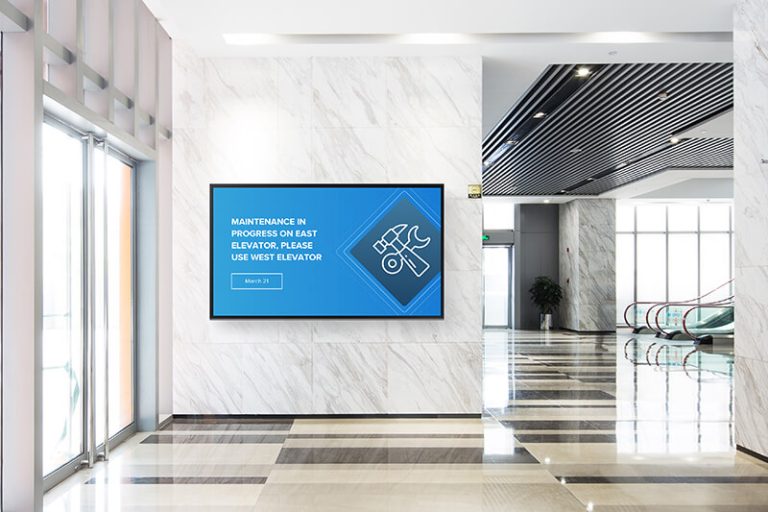
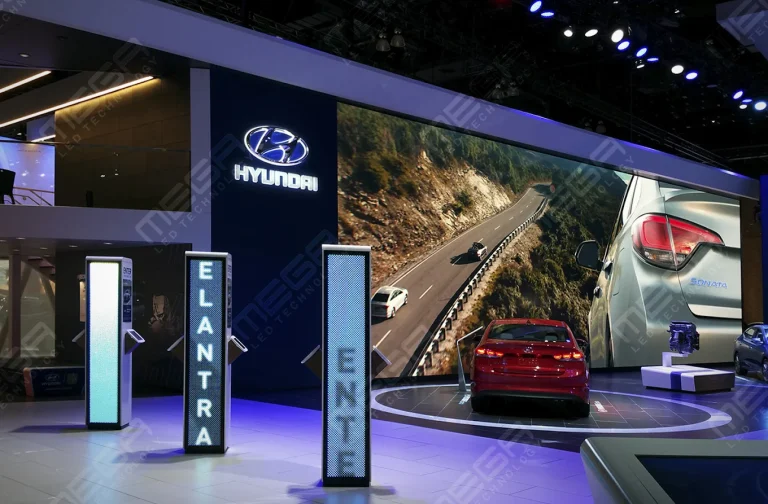
An indoor LED video wall replaces stacks of printed posters and lets you update content from a laptop. Our large indoor LED video walls ship ready to install. https://www.megasigninc.com/large-indoor-led-video-wall/
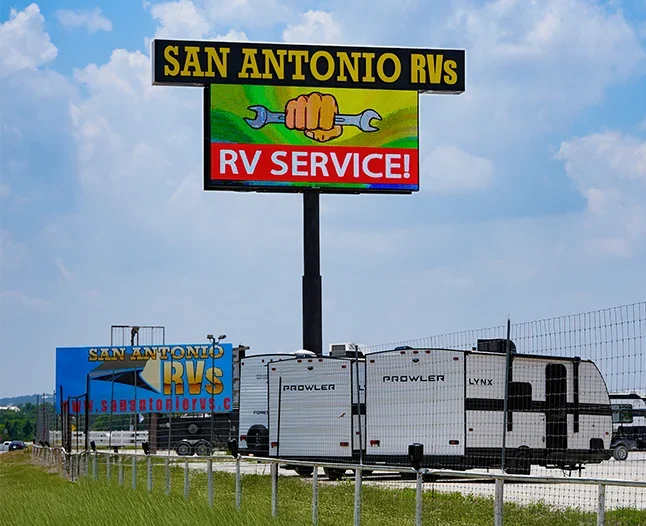
A programmable outdoor LED sign replaces every reprinted window banner and roadside poster. Our Premier outdoor LED signs come with energy-efficient SMD LEDs and auto-dimming. https://www.megasigninc.com/premier-outdoor-led-signs/
An indoor video wall in a lobby, breakroom, or all-hands space turns ESG metrics into a daily presence. Our large indoor LED video walls handle dashboards, video, and live data feeds. https://www.megasigninc.com/large-indoor-led-video-wall/
A combination of indoor LED video walls for lobby and tour spaces plus outdoor digital billboards for street-facing ESG messaging covers both audiences. Reach out for a tailored package. https://www.megasigninc.com/contact/
Practical implementation moves faster with a checklist. The most useful checkpoints cover hardware efficiency, content scheduling, lifespan design, and measurement, in that order.
The checklist should suggest choosing efficient hardware, reducing screen waste through proper disposal protocols, scheduling power use to match operating hours, planning content updates to maximize relevance, and measuring results so improvement is visible. The EPA waste data program confirms that paper and paperboard remain the largest category of municipal solid waste in the United States, which makes print-replacement signage a meaningful waste-reduction lever.
A checklist makes implementation more approachable for businesses at different stages. A single-location retailer adopting their first digital sign uses the same framework as a 200-location chain rolling out a network refresh.
Digital signage supports business sustainability by replacing repeat-printed materials with one reprogrammable display, lowering energy use through efficient LEDs and smart power management, extending operational lifespans so replacement cycles drop, and creating a visible channel for ESG communication. The combined effect cuts waste, cuts emissions, and strengthens sustainability reporting at the same time.
Sustainability has shifted from a secondary benefit to a primary procurement criterion. Customers, employees, and investors weigh environmental track record into how they choose brands, employers, and partners. A business that buys signage built on disposable assumptions creates a contradiction with the rest of its sustainability work, while a business that specs durable, energy-efficient, recyclable signage strengthens its narrative.












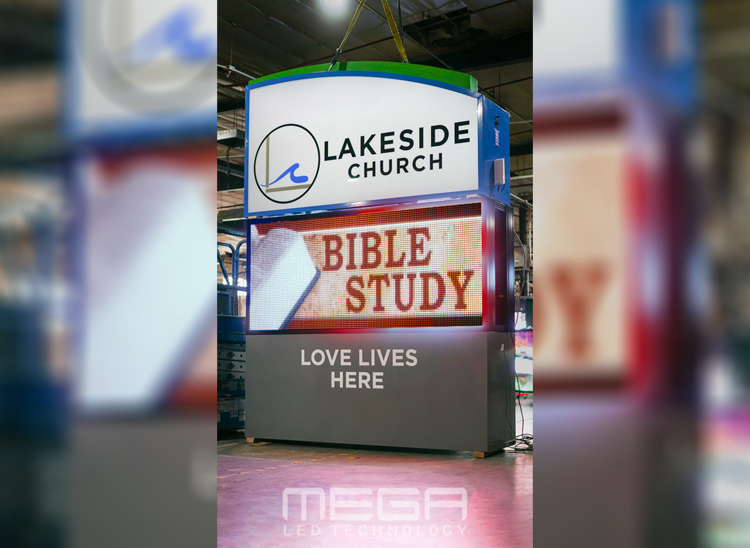




















Alpha LED sign boards are great for anything from churches, to schools, to business. They tend to do great in large open spaces, where they are clearly visible.
Omega is our newest line of outdoor digital signs. Running the full gambit from cabinet, to LED sign, to logo on top, or any configuration of your choice!
Premier is a customizable Outdoor LED sign, perfect for the Entrepreneur who knows that large custom sized signs cultivated for their specific business is the way to go.
Programmable Stage LED signs, great for indoor assemblies, congregations, and presentations! Blow your competitors out of the water, or keep your congregation and audience glued to your message.