Summer Church Signs: What Are The Best Sayings And Ideas For The Season?

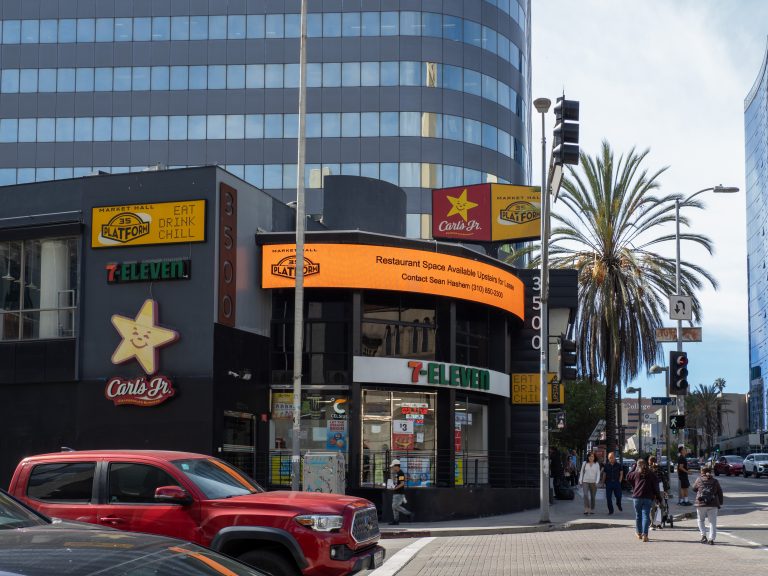
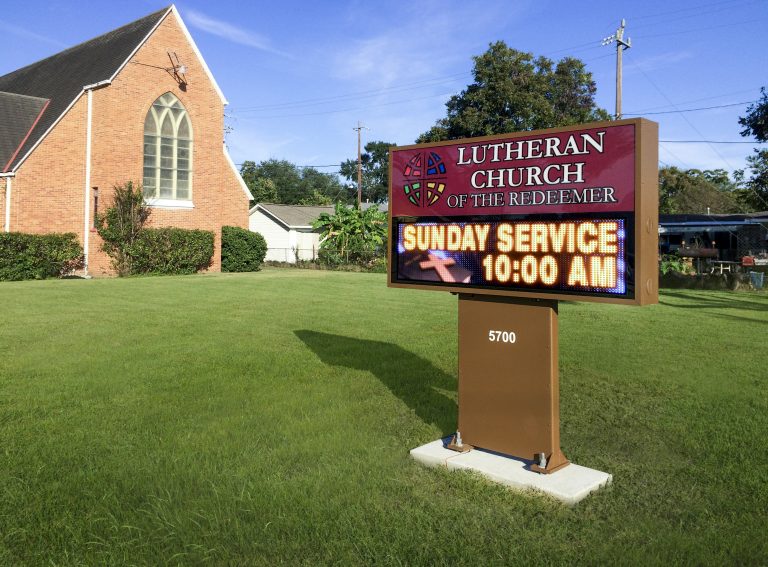
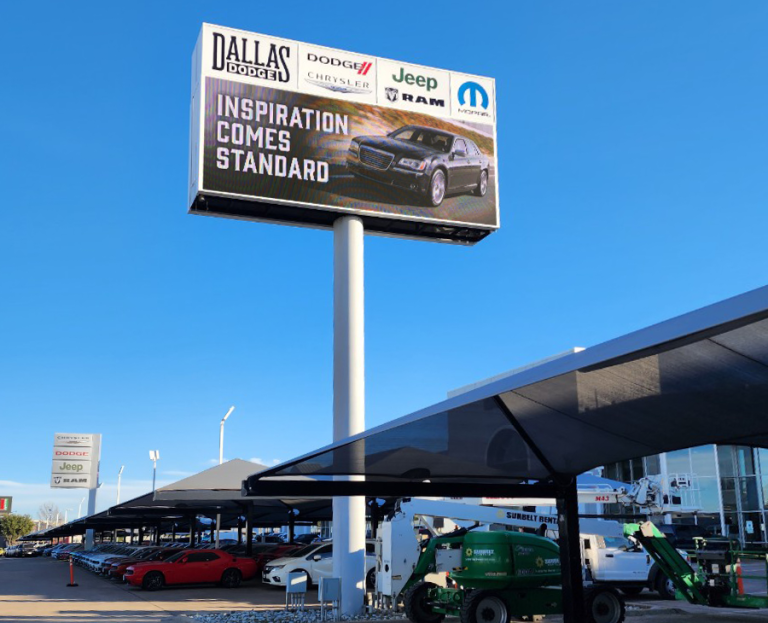
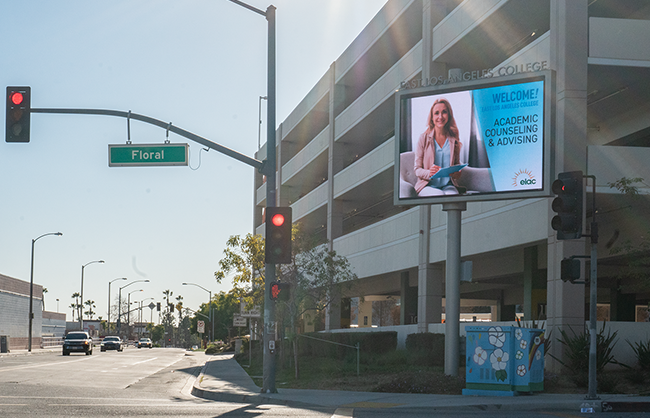
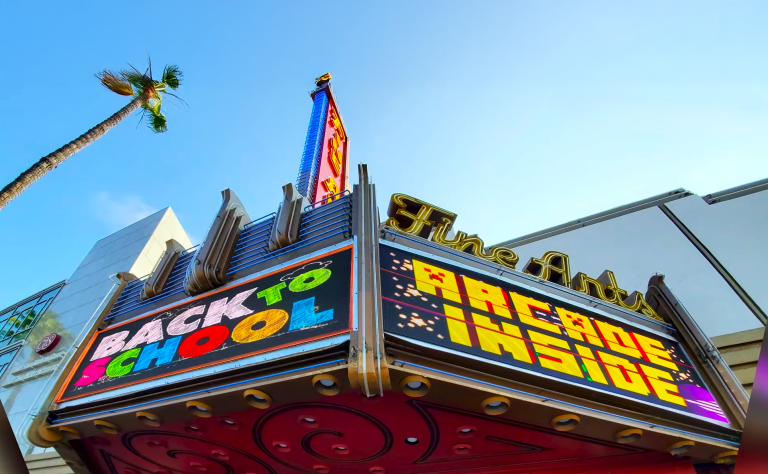
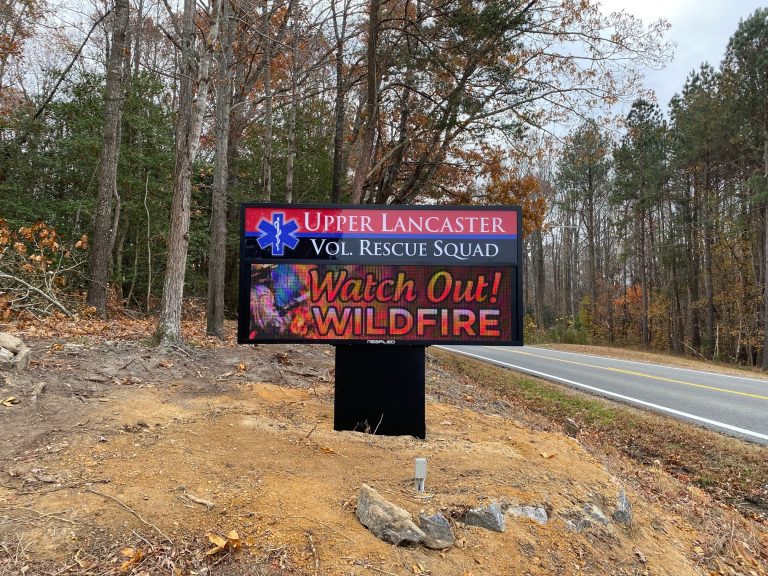
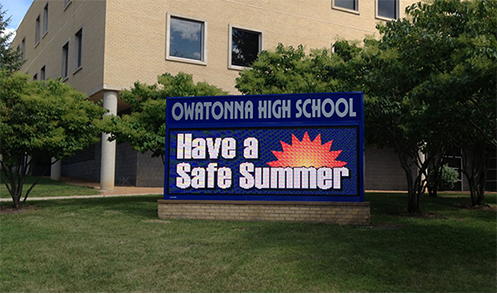
Alpha LED sign boards are great for anything from churches, to schools, to business. They tend to do great in large open spaces, where they are clearly visible.

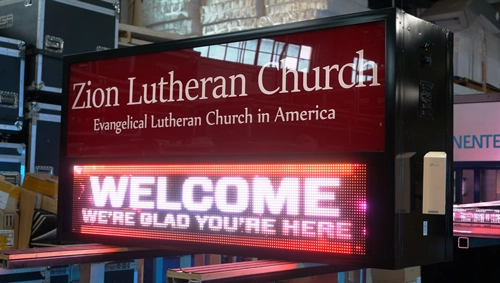
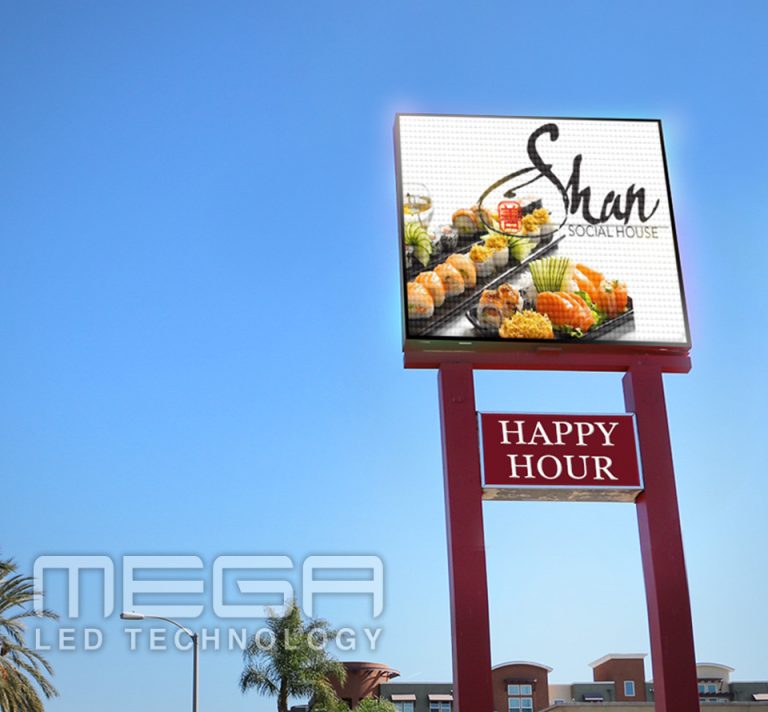
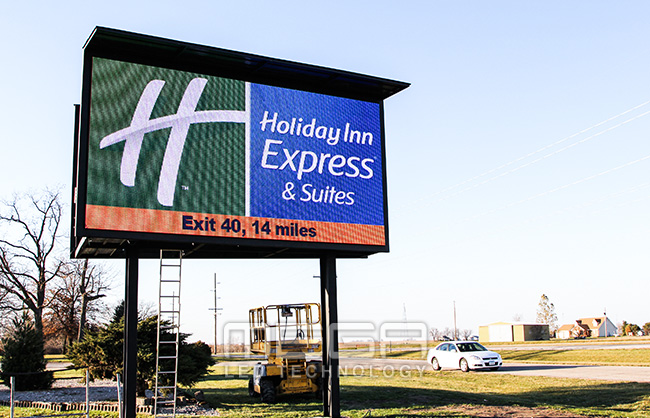
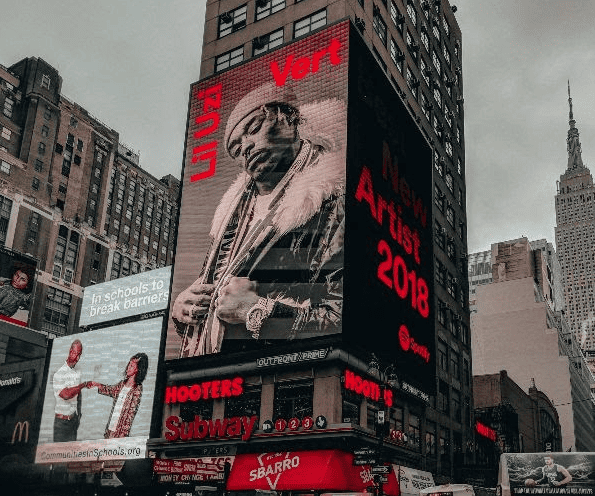
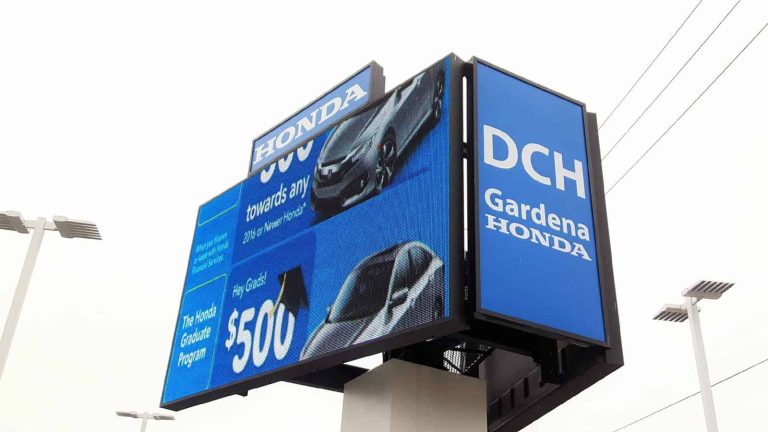
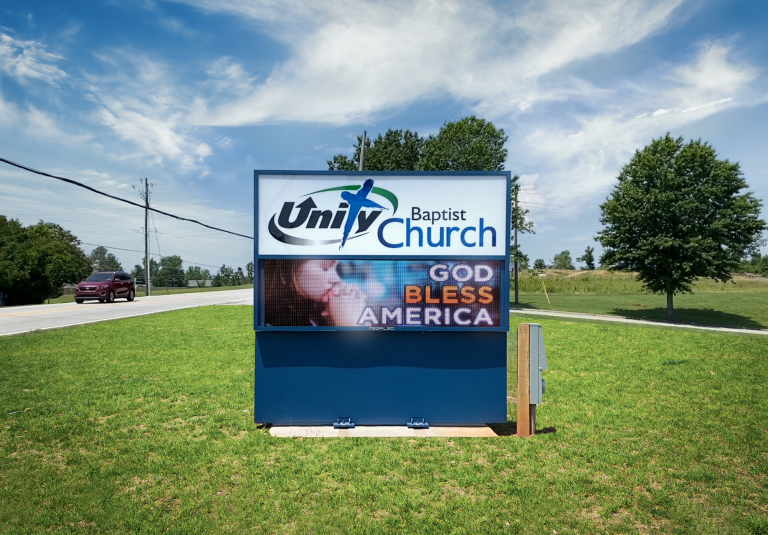
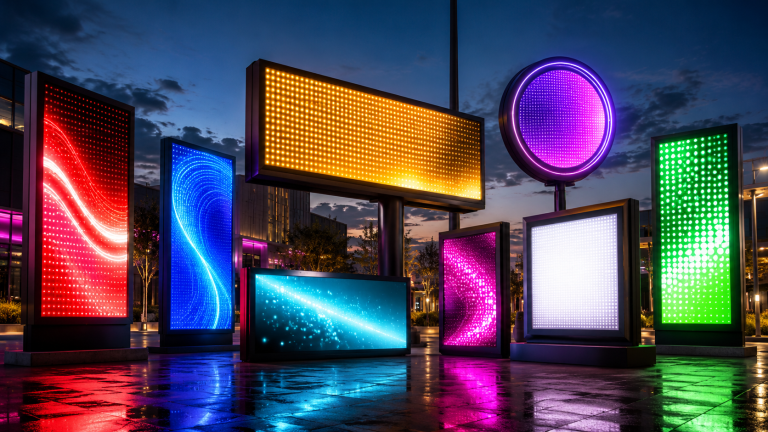
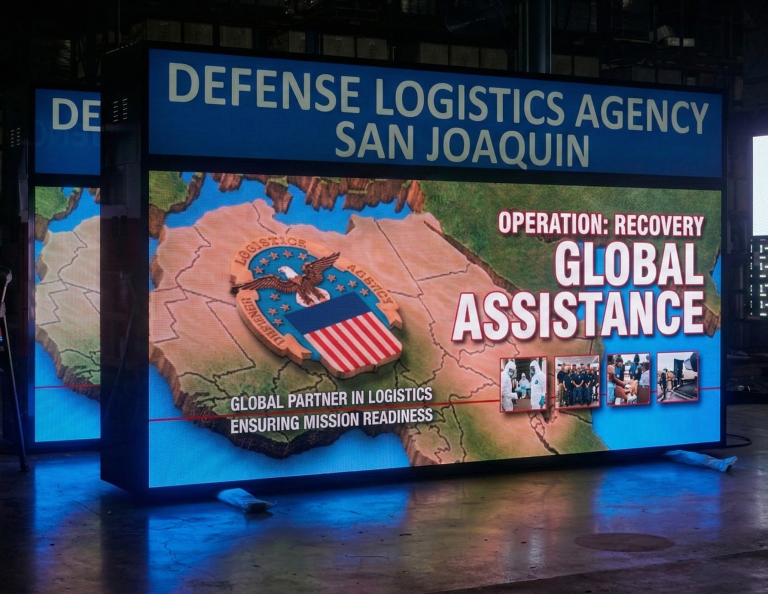
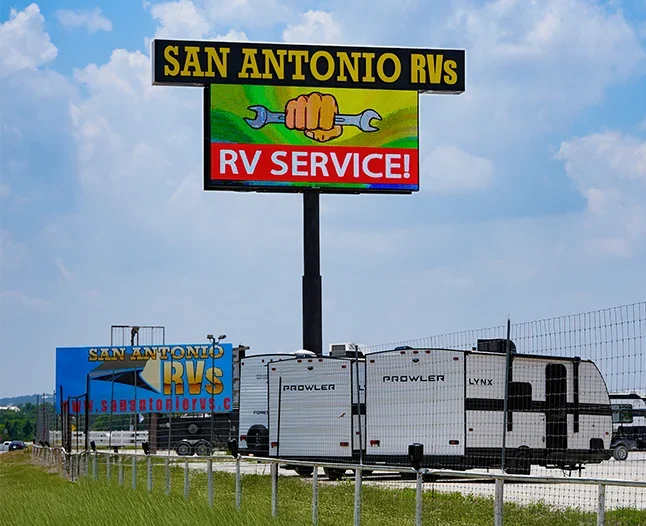
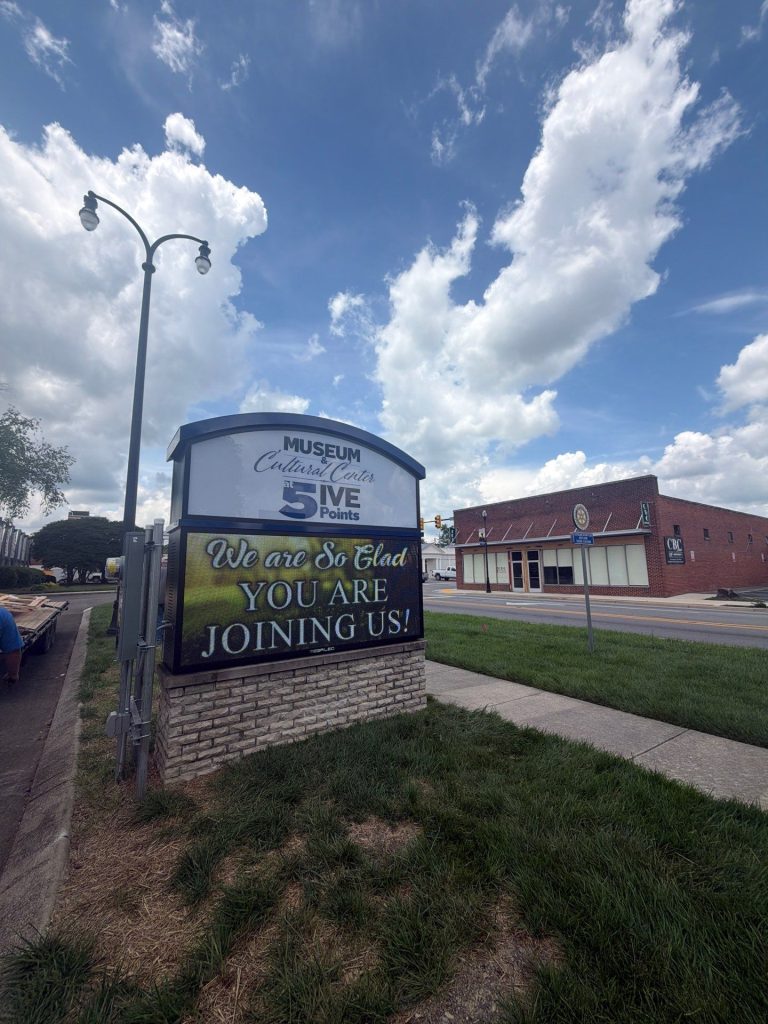
Omega is our newest line of outdoor digital signs. Running the full gambit from cabinet, to LED sign, to logo on top, or any configuration of your choice!

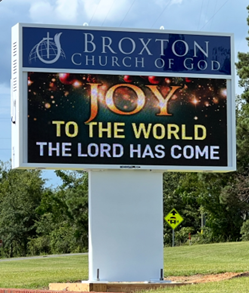
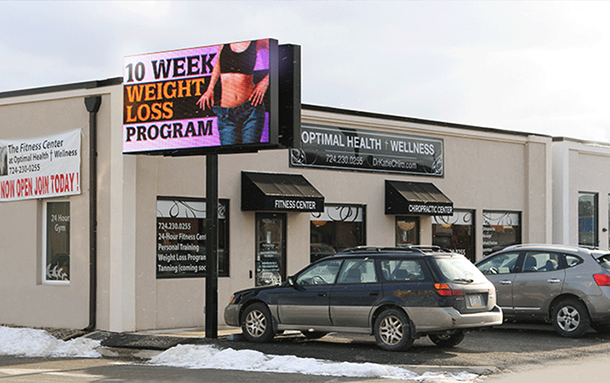
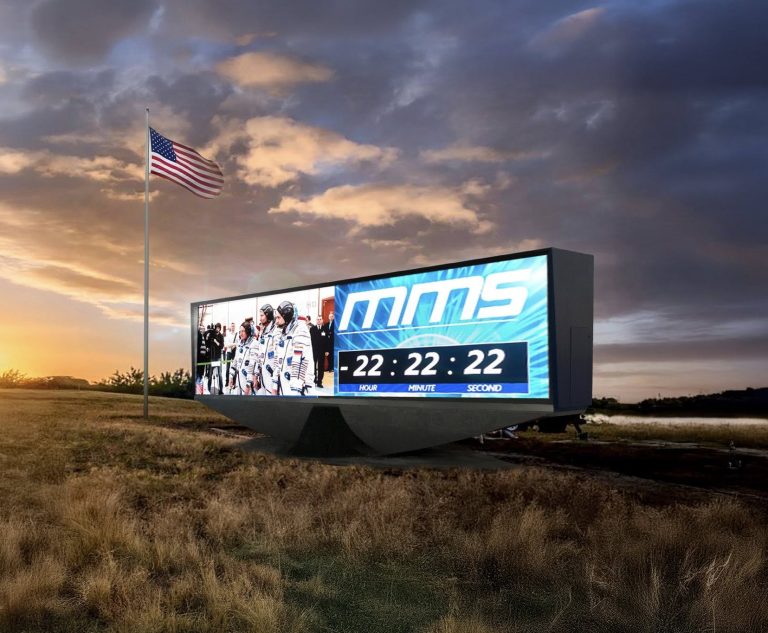
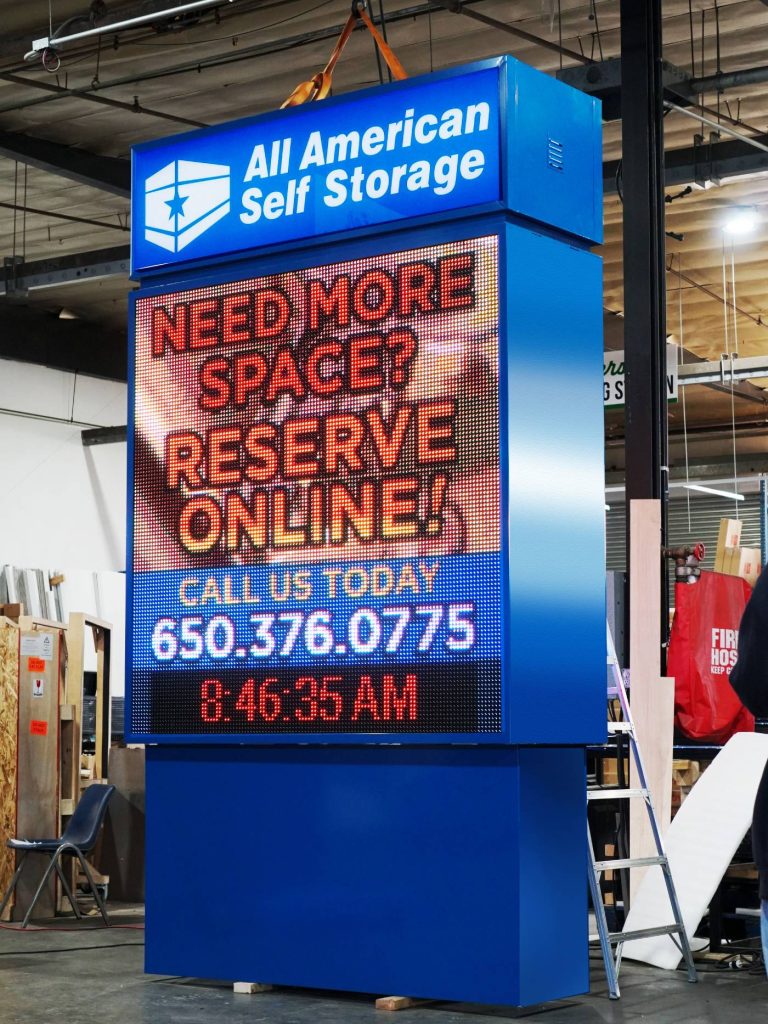
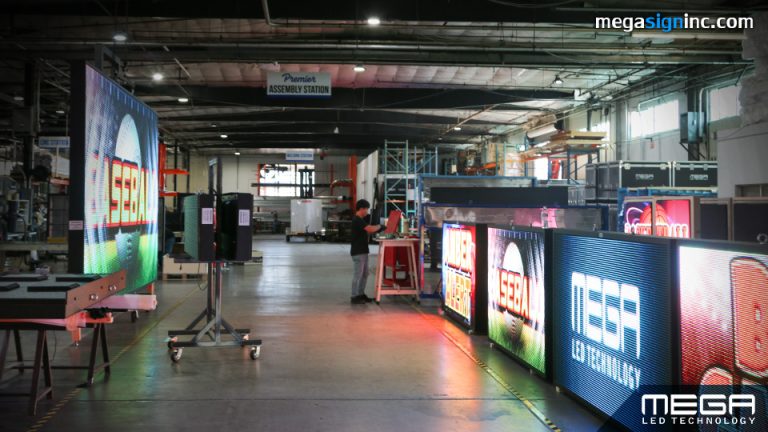
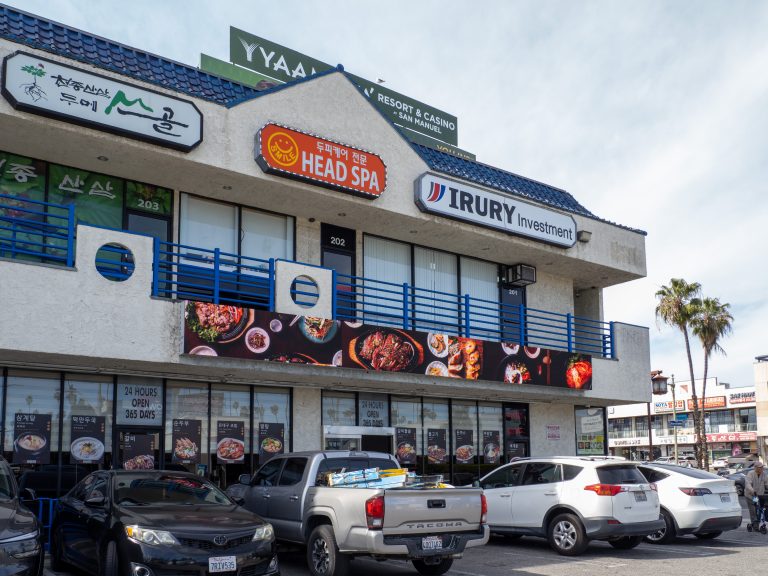
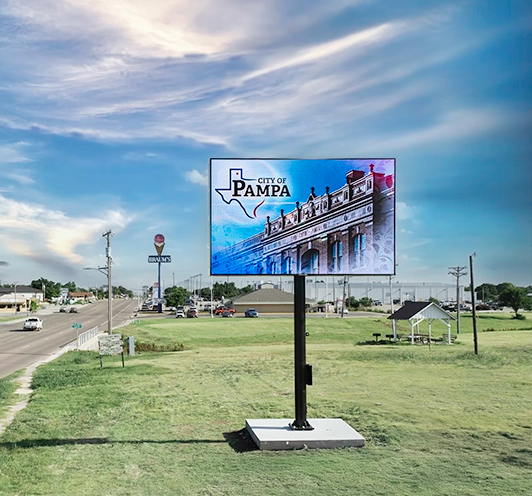
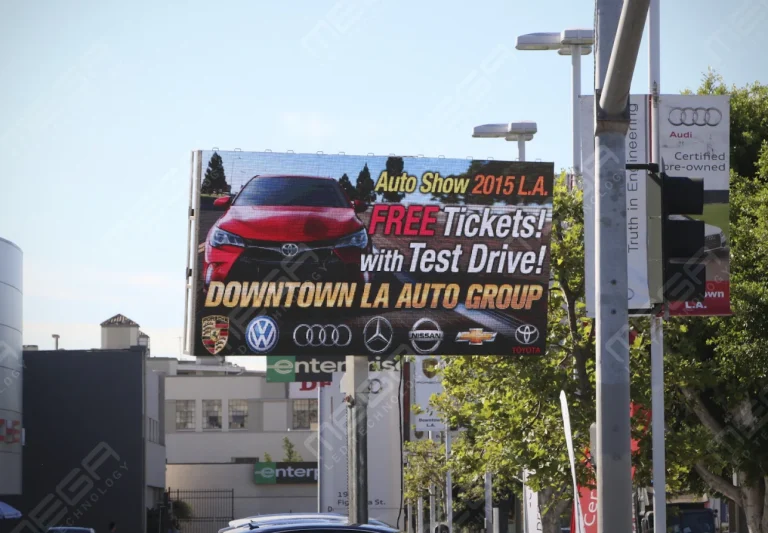
Premier is a customizable Outdoor LED sign, perfect for the Entrepreneur who knows that large custom sized signs cultivated for their specific business is the way to go.

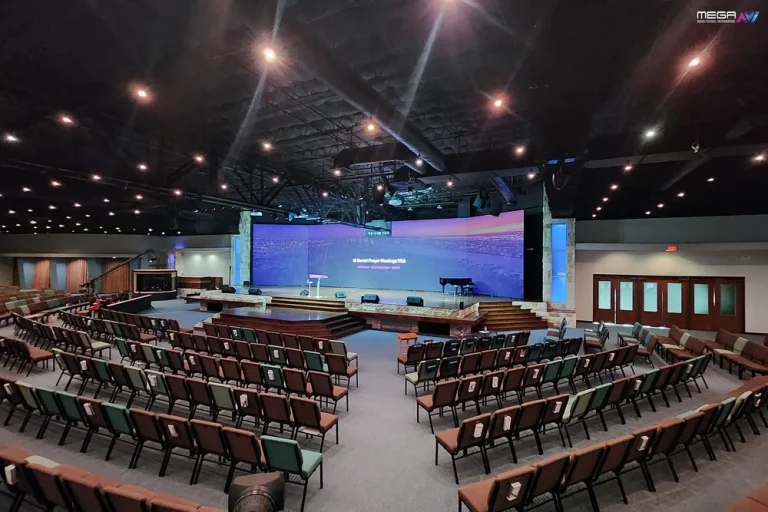
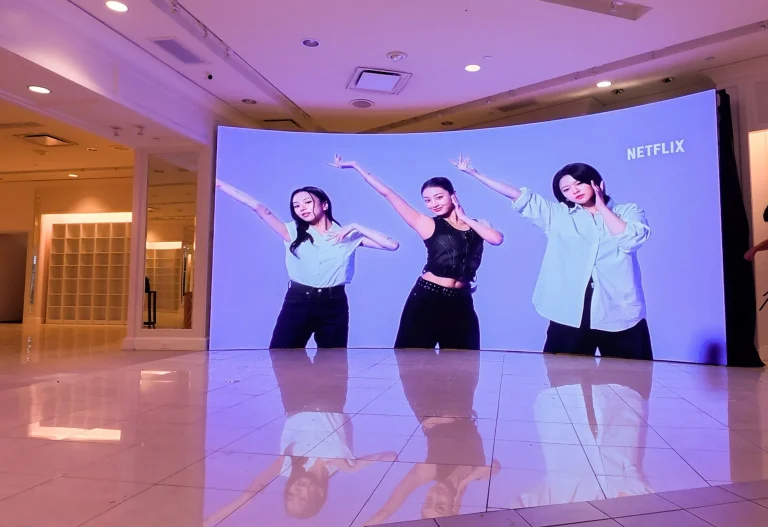
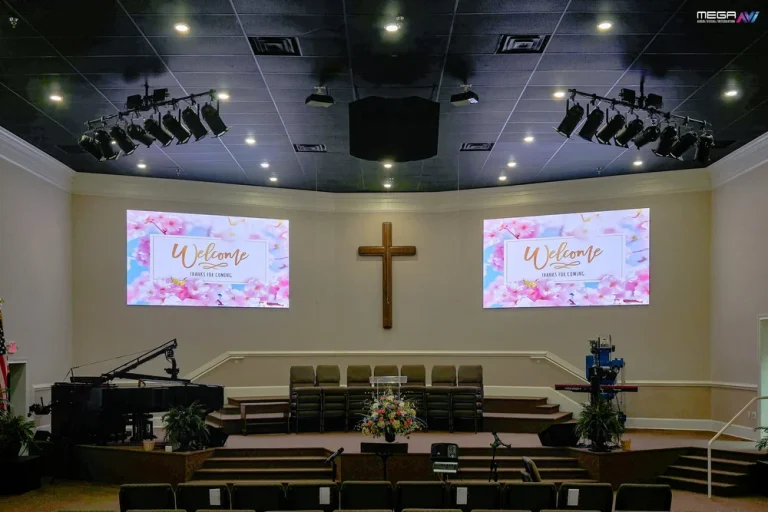
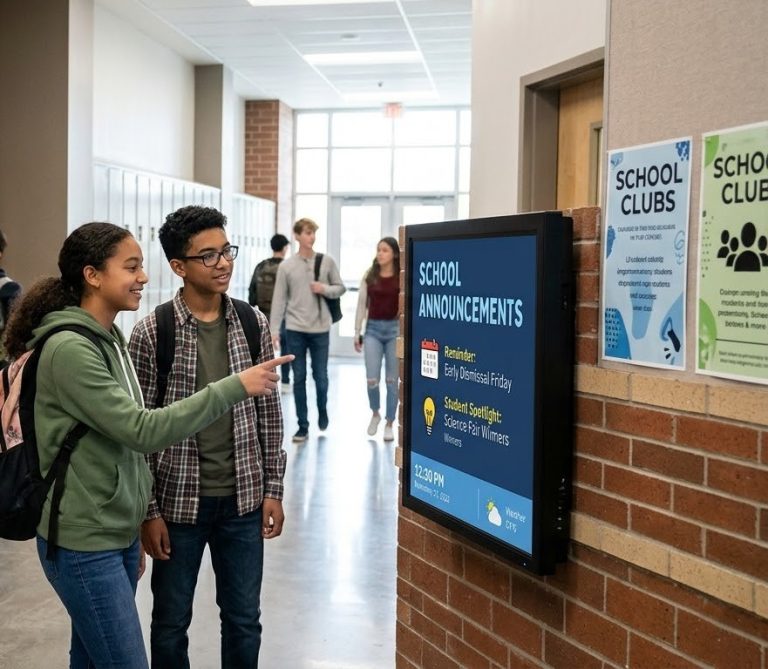
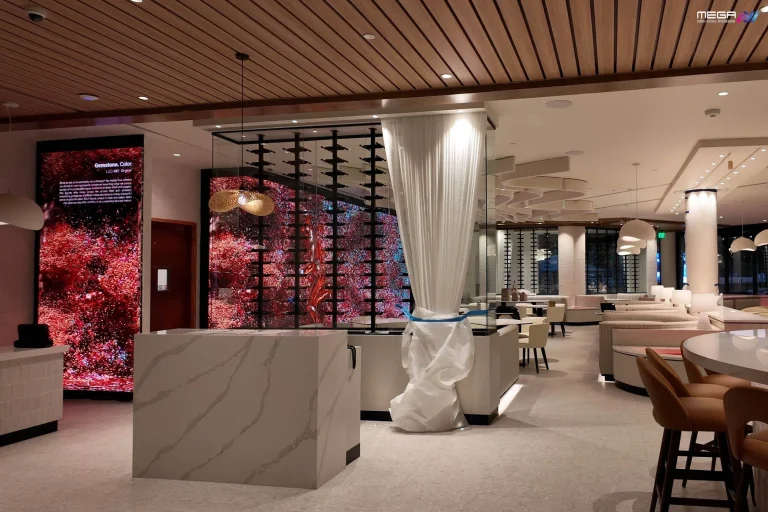
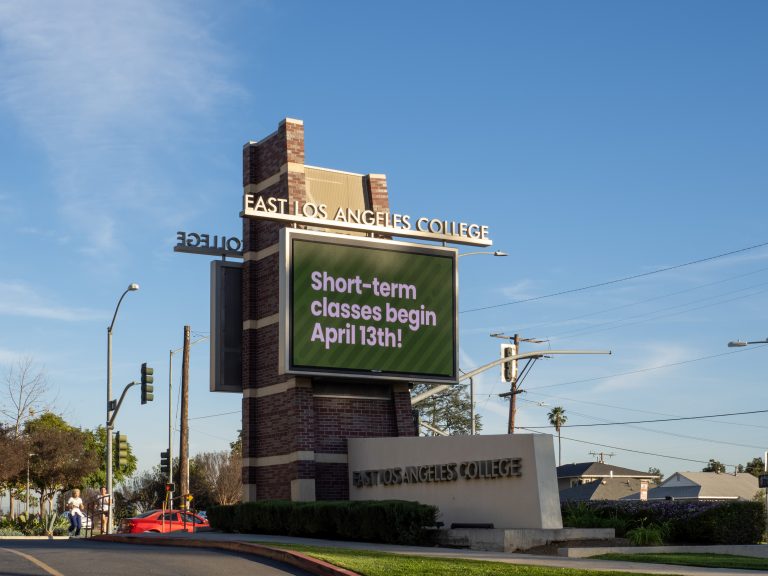
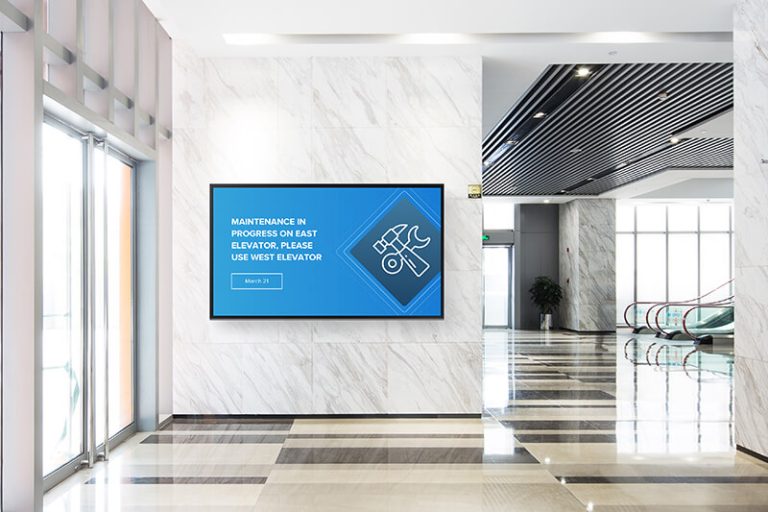
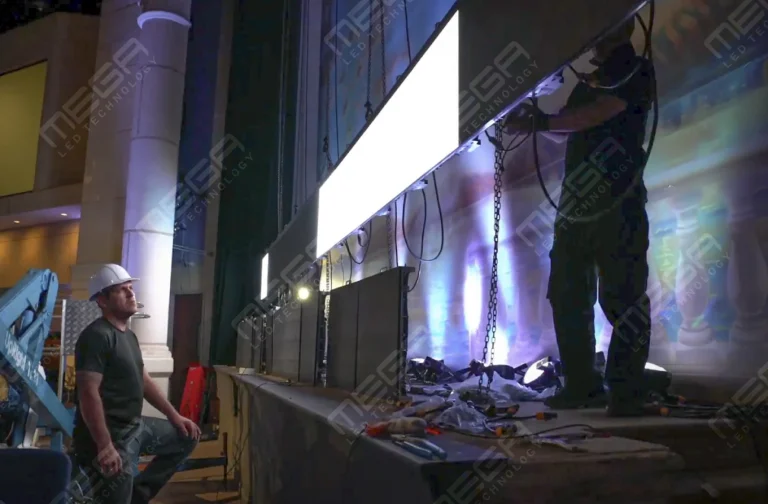
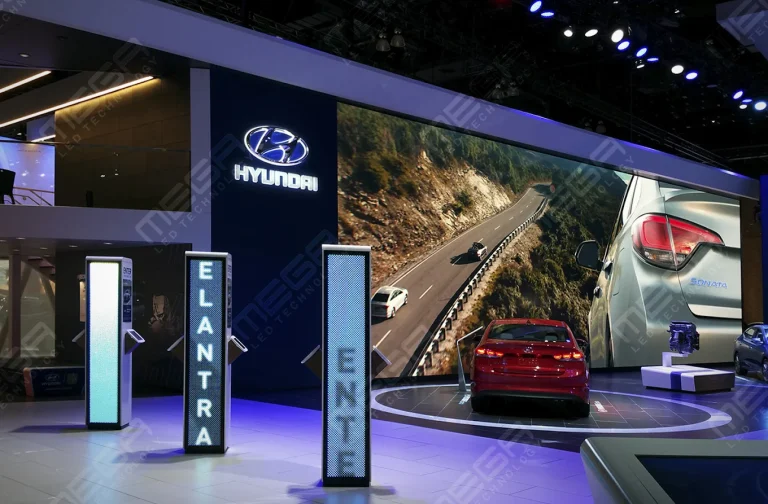
Programmable Stage LED signs, great for indoor assemblies, congregations, and presentations! Blow your competitors out of the water, or keep your congregation and audience glued to your message.

Alpha LED sign boards are great for anything from churches, to schools, to business. They tend to do great in large open spaces, where they are clearly visible.
Omega is our newest line of outdoor digital signs. Running the full gambit from cabinet, to LED sign, to logo on top, or any configuration of your choice!
Premier is a customizable Outdoor LED sign, perfect for the Entrepreneur who knows that large custom sized signs cultivated for their specific business is the way to go.
Programmable Stage LED signs, great for indoor assemblies, congregations, and presentations! Blow your competitors out of the water, or keep your congregation and audience glued to your message.
Without understanding what drives digital menu board pricing, you either overpay for features you never use or under-budget for hardware your kitchen actually needs. This guide breaks down every cost component so you can scope the right solution before speaking to a single vendor.

Digital menu boards cost in bundles. Screen, media player, CMS subscription, mounting hardware, installation labor, and initial content creation make up a comprehensive solution. Suppliers often quote hardware alone, so prices vary across offers with the same scope.
The pricing difference between DIY, mid-range turnkey, and full enterprise systems is largest. Using a consumer TV and affordable CMS, a tiny cafe may deploy a single-screen system for under $1,000. A 20-location QSR franchise with remote administration and centralized content control will spend more per screen but gain capabilities that change daily operations.
| Setup Type | Upfront Cost | Monthly Software | Best For |
|---|---|---|---|
| DIY / Budget | $500 — $1,000 | $8 — $15 | Single screen, limited updates |
| Mid-Range Turnkey | $1,500 — $4,000 | $20 — $50 | 1 — 3 screens, fast-casual |
| Enterprise / Multi-Site | $5,000+ | $50 — $100+ | Chains, QSR, multi-location |
Your pre-vendor choices affect the quote more than the vendor. Screen type, size, and brightness drive hardware costs. 55-inch commercial-grade panels for 16/7 restaurants cost more than consumer TVs. Screens increase hardware, players, mounts, cabling, install time, and software licensing.
Software feature requirements impact expenses. POS integration, dayparting automation, and multi-location management cost more than scheduling and template updates.
 Before any pricing call, work through this checklist:
With these answers ready, every vendor is quoting against the same scope, making proposals genuinely comparable. See our restaurant signage page for more
The simplest viable launch is three components: a commercial-grade display, a media player, and a basic CMS subscription. That combination lets you design a menu, schedule it to play, and update it from a laptop or phone. Everything else is an add-on you can layer in once the core system is working.
The core components are:
Common add-ons include cable management, a dedicated network drop, branded content templates, and extended warranties. For a small cafe planning one above-counter display, a realistic all-in first-year budget is $800 to $1,500.
MEGA LED Technology will break down every line item based on your specific setup, location, and goals so you can plan with real numbers.
Hardware, player, mount, cabling, and installation time increase with each screen. Expect 2.5 to 2.8 times the cost of one screen for three.
Spreading one menu across two monitors needs resolution matching and proper bezel alignment, which requires professional planning to avoid apparent seams.
Early multi-screen adoption saves money. At two, three, and five screens, software providers lower per-screen pricing, and installation personnel work faster on a multi-screen operation than on several return visits. If expansion is planned, a three-screen install upfront is usually cheaper than three jobs.
Content layout planning also becomes more important with multiple screens. Decide in advance whether each display will show a separate menu category or whether screens will work together as a single wide canvas. That decision affects media player specifications, CMS licensing tier, and how your designer builds the templates.
Getting this wrong after installation means redesigning content and potentially reconfiguring hardware, both of which cost more than planning it correctly upfront.
Size, resolution, and brightness drive hardware prices. Most single-screen menus at 5–15 feet work with a 1080p commercial panel. For panels over 65 inches or where customers view small text from afar, a 4K panel delivers noticeably sharper results.
Most interior setups do not require ultra-high-brightness panels. Standard indoor counter displays perform effectively at 400–700 nits, even in bright settings, but displays facing windows must be at least 2,500 nits to read in direct sunshine and heavy outside glare
Screen choice influences visibility, lifetime, and warranty beyond price. Consumer TVs in restaurants last three to five years; commercial panels have continuous-use guarantees.
A truly complete restaurant menu board price covers hardware, software, installation, and initial content, not just the screen.
Location conditions change the install line item significantly. A short cable run on drywall costs far less than conduit through masonry or a ceiling drop.
When requesting quotes, specify wall type, distance to the nearest outlet, whether network cabling needs to be run, mounting height, and screen count. Vague scope descriptions produce vague quotes that inflate once the installer arrives.
A common mistake is treating the screen as the budget and everything else as minor. In practice, installation and content design together often equal or exceed the cost of the display itself. A $1,200 commercial panel can easily become a $3,000 project once you add professional mounting on masonry, a dedicated electrical circuit, CMS setup, and branded menu templates. Scoping the full project from the start prevents the sticker shock that hits when the installer walks the site and discovers conditions the original quote never accounted for.
Quick-service restaurants need more sophisticated software than a café updating its menu weekly: scheduling automation, POS sync, and centralized management drive CMS expenses to $50–100 per screen per month.
More screens and visibility boost revenue in high-volume operations. A QSR serving 200 lunchtime covers loses income when a screen is dull or obsolete. Register upsell panels are capacity investments, not merely signs.
Before adding premium services, smaller fast-casual chains should focus on straightforward scheduling, editable templates, and a tidy approval process. For weekly menu adjustments, a $20/month platform works nicely.
Standardize screen brightness, software tier, and install scope when comparing vendor bids. No-installation consumer TV quotes are not comparable to properly installed commercial systems.
Not purchase price against purchase price. Total cost of ownership over the system’s lifetime. Reprinting when a pricing or promotion changes, labor to create and install those reprints, and revenue lost from running obsolete content between print cycles are three compounding expenses of traditional boards.
By cutting printing and updating labor, QSRs can save $30,000 per location per year, according to Forrester Research. Digital boards update in minutes for free.
Beyond savings, digital boards provide operations that static boards cannot. Dayparting automatically switches breakfast to lunch. As supply runs out, upsell panels can promote and retire limited-time items. Digital systems are required for promotional agility, such as same-day offers for quiet afternoons.
“Creating a digital menu” can mean anything from dropping images into a free template to commissioning a full custom design system with animated daypart variants and brand-compliant layouts. The cost gap between these approaches is significant.
 Divide design expenditures from updating workflow. Layout, category templates, daypart variants, and brand setup are one-time expenses. You must rebrand to repeat that work. Well-structured templates make future updates text swaps, not design jobs.
DIY saves money upfront but sacrifices time, brand consistency, and conversion. A professionally designed template enforces font sizes, color hierarchy, and image frame on every change, regardless of author. Consistency makes a $300–$800 professional setup worthwhile.
There are three options:
Retainers make sense for multi-location operators or restaurants running regular promotions where every update needs to be on-brand without involving a freelancer brief each time.
The main cost drivers are menu categories, daypart variations, animations, and brand standards complexity.
Control ongoing costs with a clear revision process:
indoor installations benefit from lower hardware requirements. Standard surroundings don’t need brightness ratings, thus screens are cheaper. Wires are shorter, mounting is easier, and weatherproofing is unneeded.
A single indoor screen and a three-screen arrangement are different projects in the same structure. 1 display = mount, cable, player. Menu zones must be split or stretched and brightness calibrated over several screens, requiring layout cooperation. Budget for this upgrade path from the start.
A restaurant screen that runs 10+ hours a day needs commercial-grade construction. Brightness and weatherproofing affect outdoor and indoor prices, including commercial gear.
Plan the physical layout before purchasing any hardware. Counter-mounted screens viewed from five feet away need different sizing than overhead boards read from across a dining room. A 43-inch panel works well at close range, while a 55-inch or larger display is necessary for legibility at 15 feet or more. Choosing the wrong size forces either a costly swap or a menu design crammed with text too small for customers to read comfortably during a busy lunch rush.
Installation is the most commonly under-budgeted line item. Core costs: mounting ($50 to $300 per mount), cable management, power and network runs, and CMS configuration. Expect $100 to $200 in labor per screen for straightforward wall installs.
What makes costs balloon: masonry walls, ceiling drops, conduit runs, heights above 8 feet, and missing electrical infrastructure. A missing dedicated circuit can add $1,200 to $3,000 before the first screen goes up.
The most reliable way to get an accurate quote is to give detailed information upfront:
Installers with this information quote accurately; those without it build in contingency or add costs.
At MEGA LED Technology, we quote the complete installed solution. See our Commercial Signs resource hub or request a free quote at megasigninc.com.
Software subscriptions dominate post-installation expenditures. Replace media players every three to five years ($100 to $300) and refresh content for seasonal menu changes.
 Multi-screen setups face peak-hour uptime issues. Find CMS solutions with remote monitoring to catch errors before they affect customers. A spare media player on location can restore service in minutes.
Instead of reacting, create a simple maintenance plan. Check if your screen maker offers advance exchange warranties (replacement shipped before you return the faulty device) instead of return-and-repair, which can leave a screen black for days. Annual calibration checks maintain bigger deployments’ panels bright and within specs.
This scenario assumes a single location, wall-mounted displays above the counter, standard drywall, and a mid-tier CMS.
| Cost Component | Low Estimate | High Estimate |
|---|---|---|
| 3x Commercial Screens (43--55") | $1,500 | $4,500 |
| 3x Media Players | $150 | $1,110 |
| Mounts, Cables, Hardware | $300 | $600 |
| Professional Installation | $600 | $1,500 |
| Initial Content Design | $300 | $800 |
| Year 1 Software (3 screens) | $288 | $1,800 |
| Total Year 1 | $3,138 | $10,310 |
Owners most often under-budget mounting and wiring (often mistaken for screen cost), early content design, and Year 1 software.
Your specific requirements shape the final number significantly. Installing 2,500-nit high-brightness panels on counters facing windows costs $600 to $1,200 but is necessary. Premium CMS with POS connectivity costs $50–$80 per screen each month, or $1,800–$2,880 for three screens in year one. Consider and defend these conclusions operationally.
The right question is: “what level of investment matches the operational outcomes we need?” Menu change speed, upsell ability, and consistency are operational results. The system’s cost is justified by those outcomes, not by a TV’s price.
Upsell panels increase order value, outdated printed menus prevent errors, and promotional agility increases ROI for restaurants. Content on digital boards can dramatically affect customer orders. Over 80% of brands adopting digital signage report sales growth.
Prioritize reliability and visibility over cheap upfront cost, especially during peak hours. Losing an upsell opportunity due to a dark or dim screen during lunch costs more than the budget-midrange hardware price disparity.
A single-screen DIY setup with a basic CMS ($8–$15/month) and free or low-cost templates fits your needs. Budget $800–$1,500 all-in for year one. MEGA LED Technology can help you spec the right commercial panel for your counter setup
A single commercial-grade screen paired with a mobile-friendly mid-tier CMS ($20–$50/month) gives you the flexibility to push daily pricing changes without friction. Ask MEGA LED about single-screen turnkey solutions.
A mid-range turnkey multi-screen system with a $20–$50/month CMS handles scheduling and template updates without overpaying for enterprise features. Bundling screens upfront saves on installation versus adding them later.
A commercial multi-screen setup with POS-integrated CMS ($50–$100+/month) and professional installation is your match. Built for high-volume operations where real-time updates and peak-hour uptime directly affect revenue. Request a full quote from MEGA LED Technology at megasigninc.com.
A complete single-screen system costs $500–$2,000 initially and $8–$50 per month for software. Screen quality, installation complexity, and software tier determine year one multi-screen restaurant install costs, which range from $3,900 to $9,000. Enterprise and LED wall installs cost $10,000+.
A commercial-grade display, media player, CMS subscription, wall mount and wiring, professional installation, and initial content creation are needed. All other expenses are one-time investments save hardware replacement. Software subscriptions are monthly.

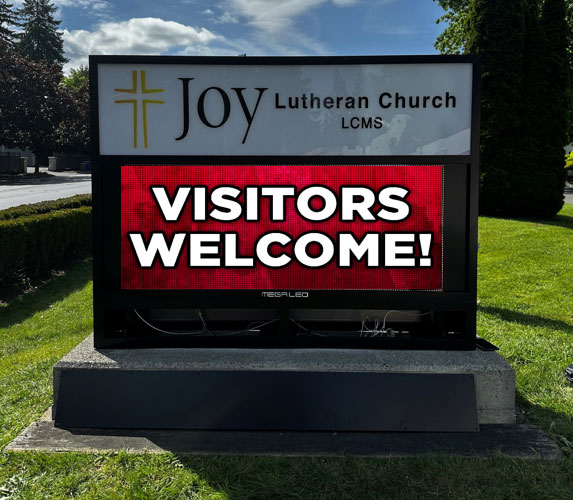



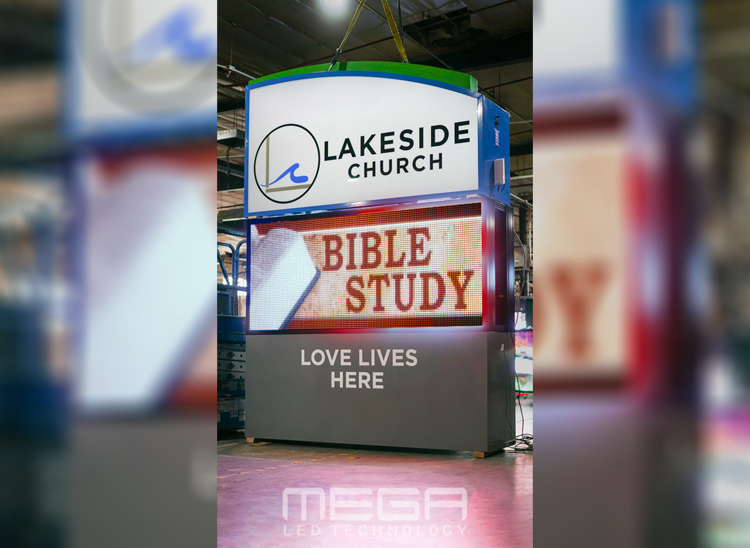

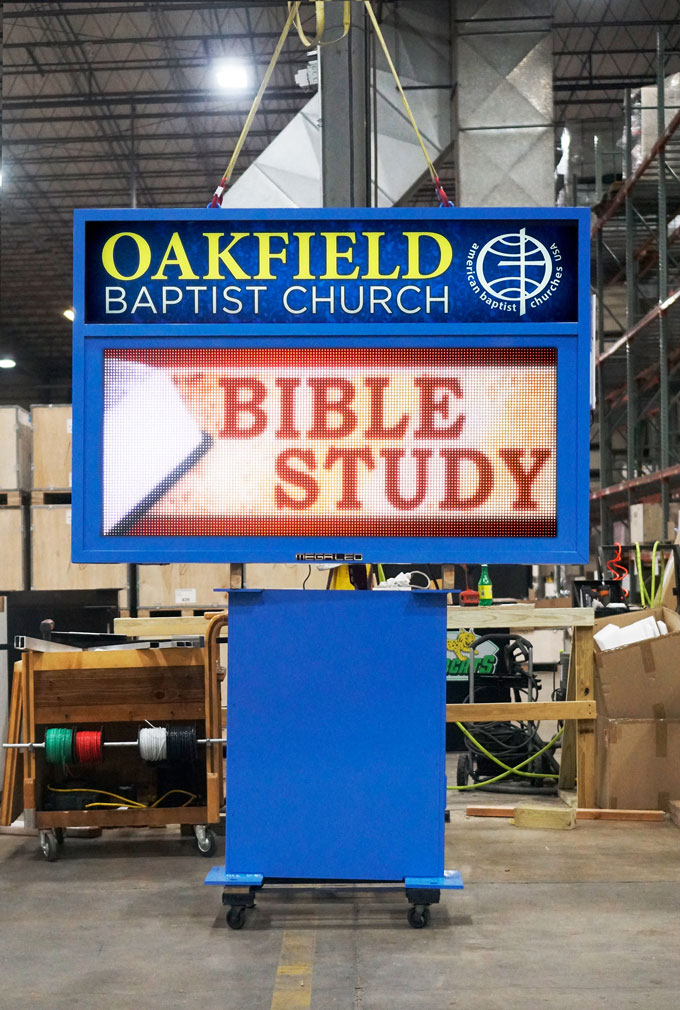

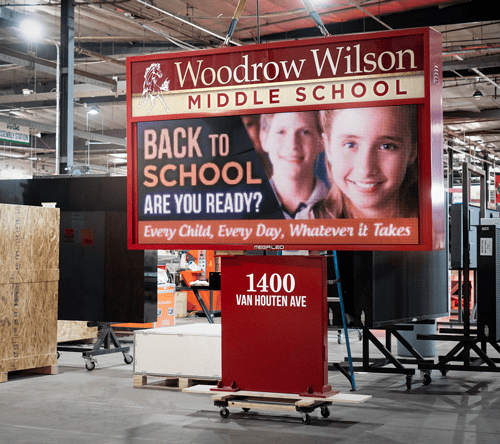
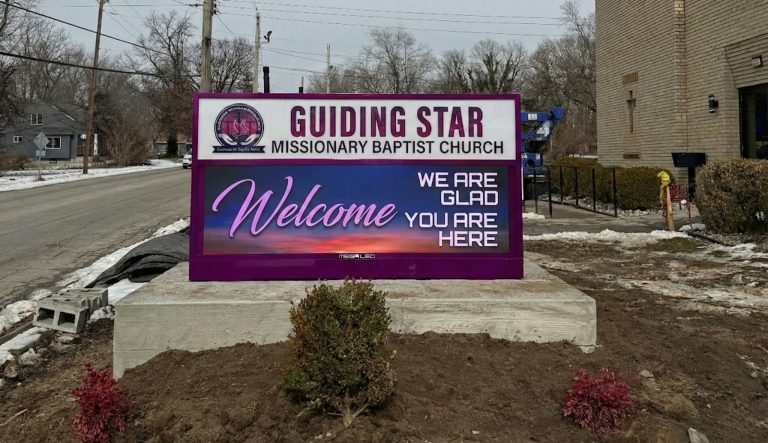
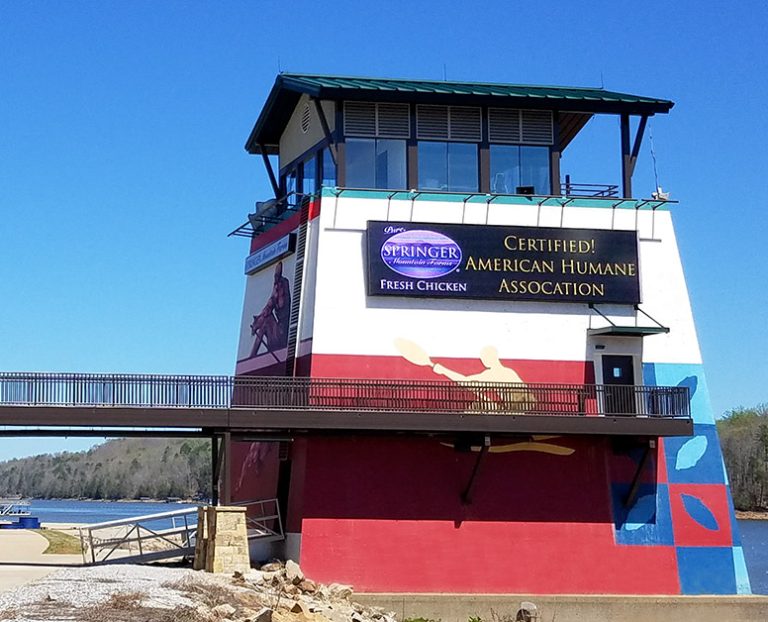

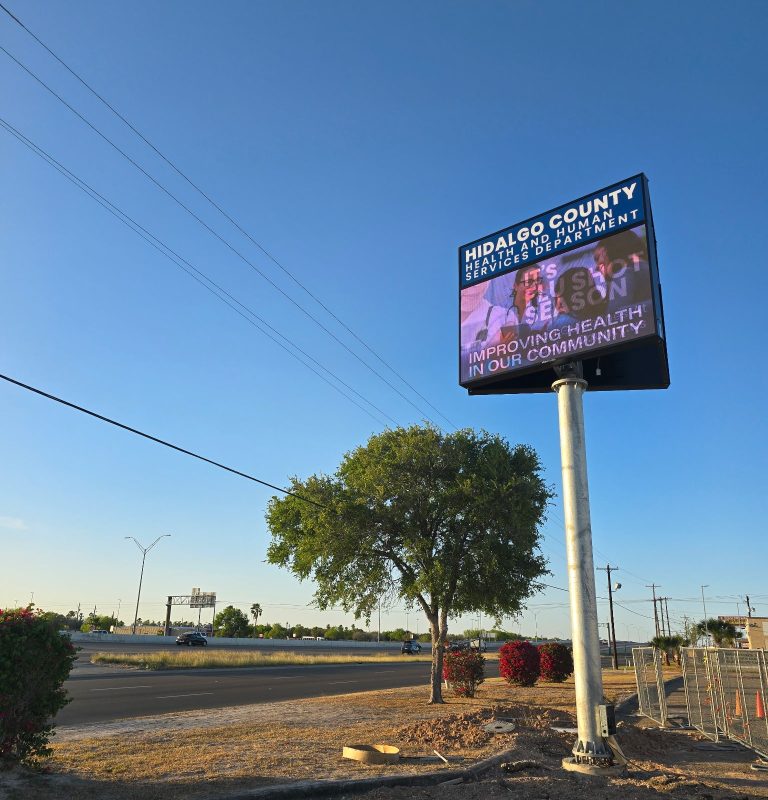
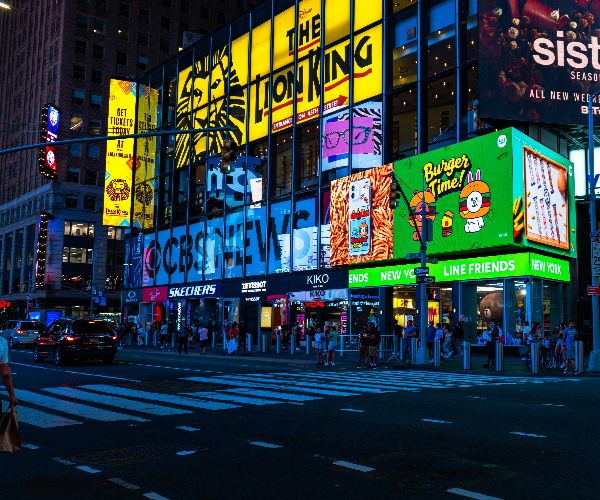
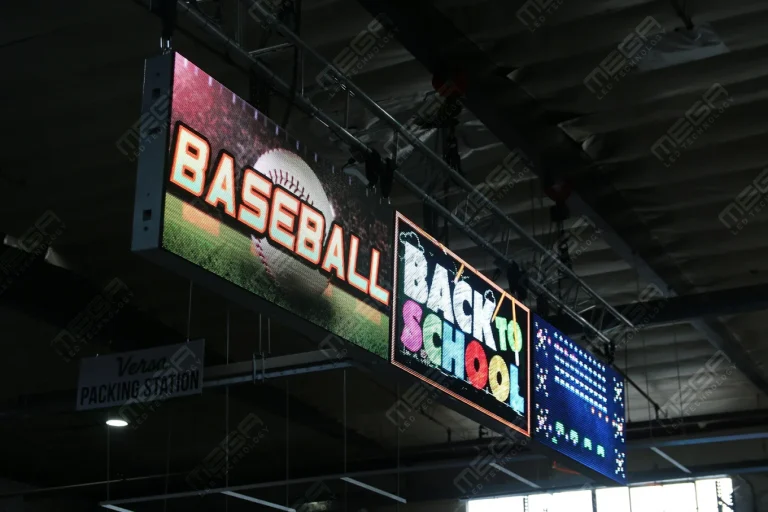
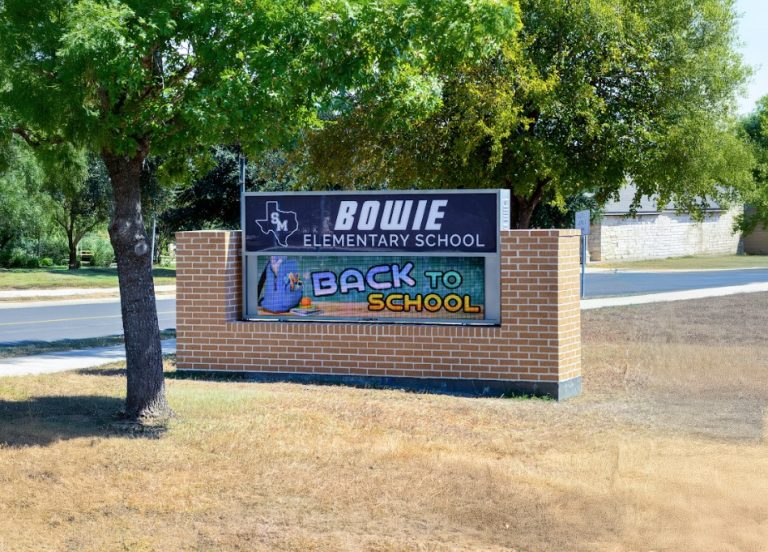



Alpha LED sign boards are great for anything from churches, to schools, to business. They tend to do great in large open spaces, where they are clearly visible.
Omega is our newest line of outdoor digital signs. Running the full gambit from cabinet, to LED sign, to logo on top, or any configuration of your choice!
Premier is a customizable Outdoor LED sign, perfect for the Entrepreneur who knows that large custom sized signs cultivated for their specific business is the way to go.
Programmable Stage LED signs, great for indoor assemblies, congregations, and presentations! Blow your competitors out of the water, or keep your congregation and audience glued to your message.