Which Digital Signage Displays Are Best For Business, Retail And Commercial Spaces?


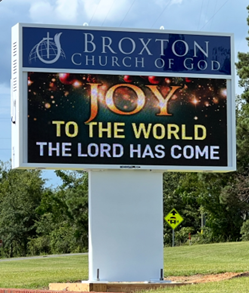
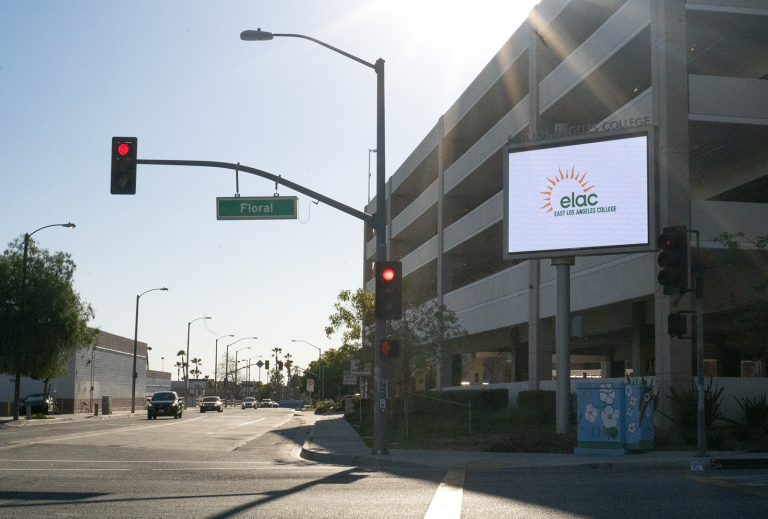
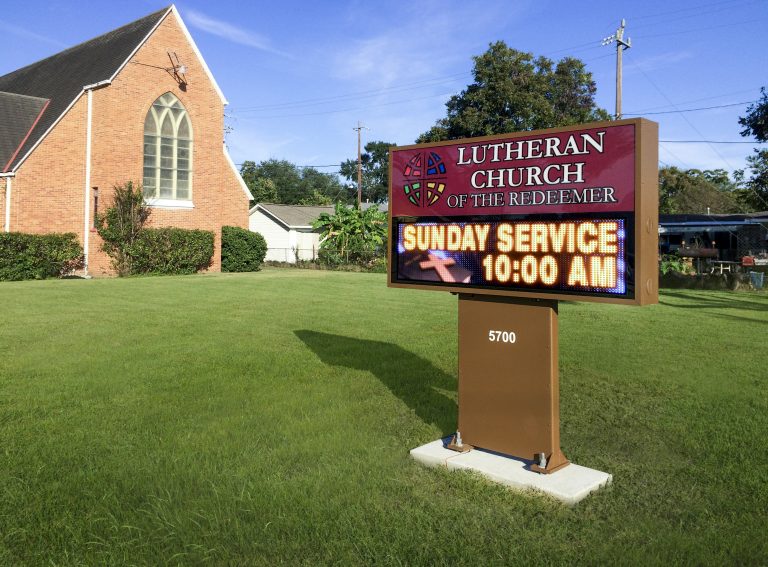
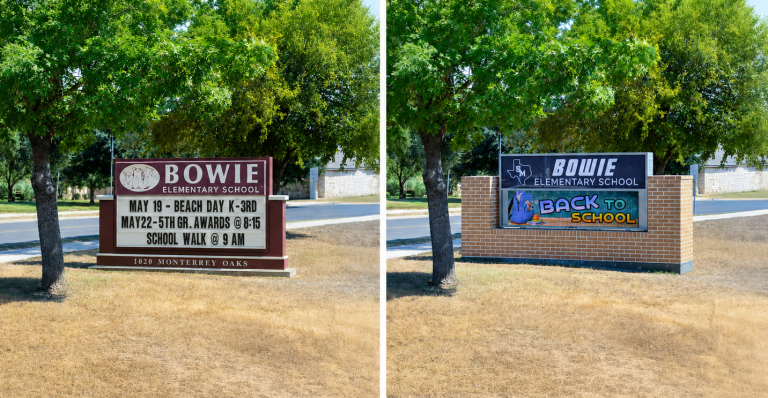
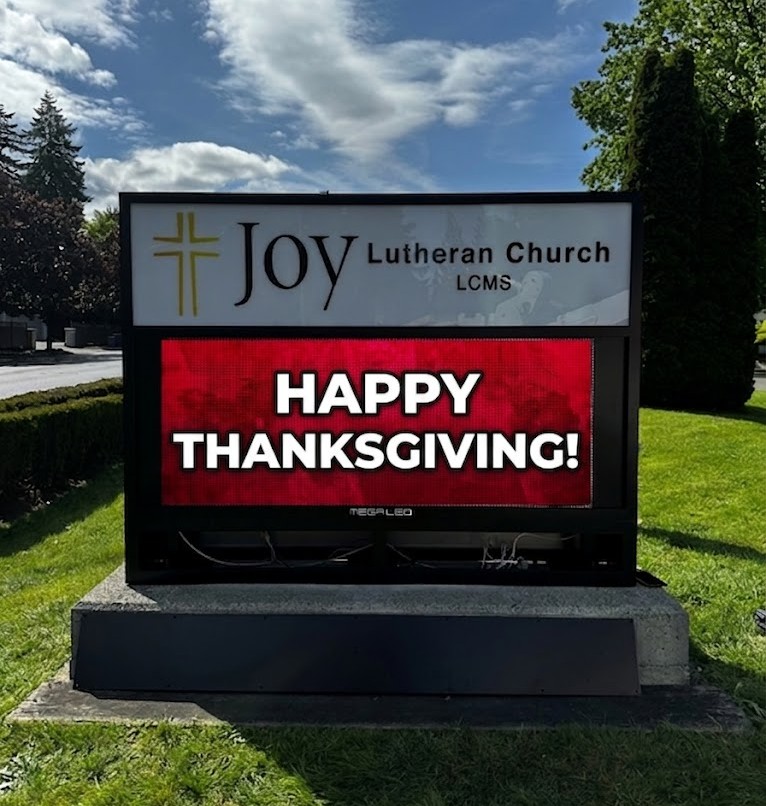
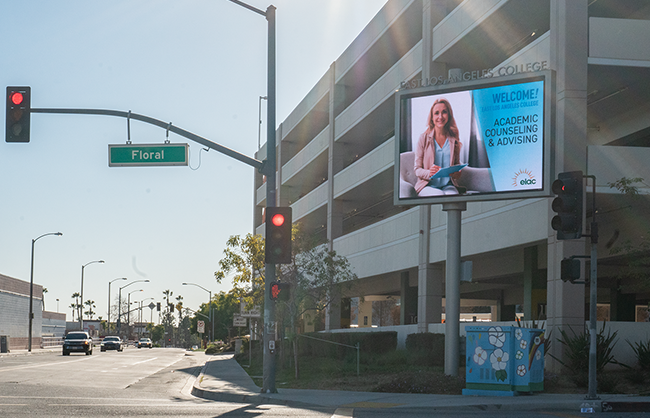
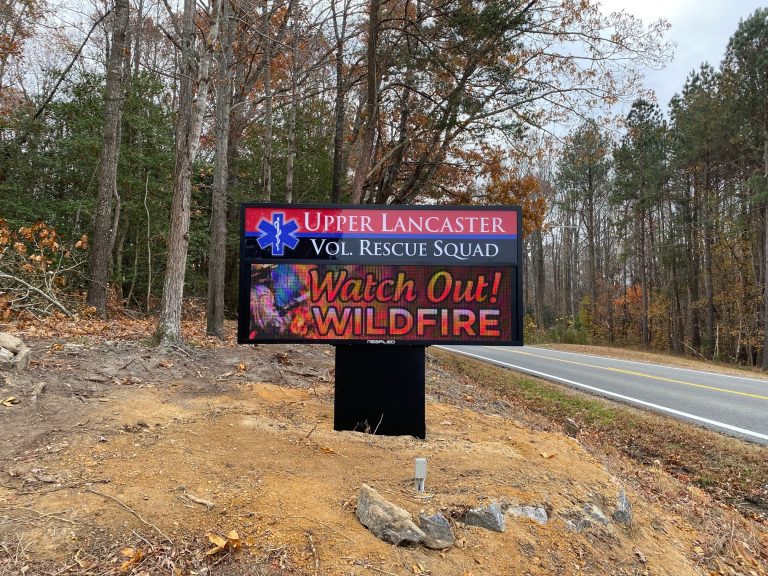
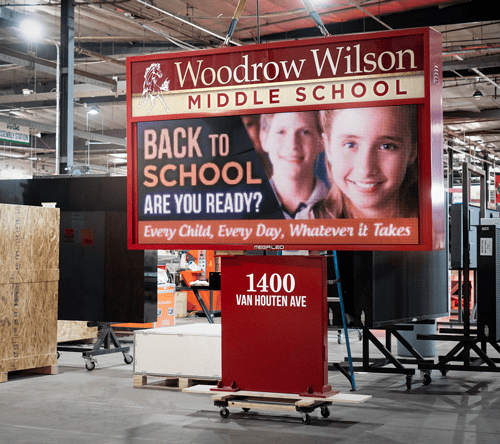
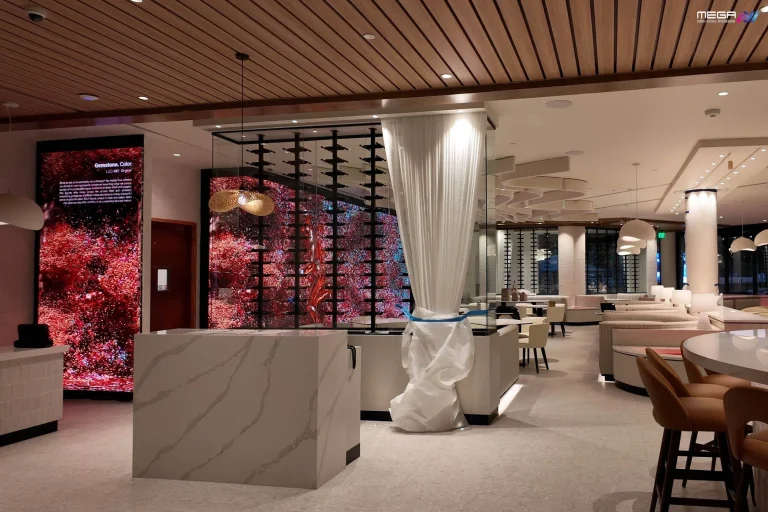
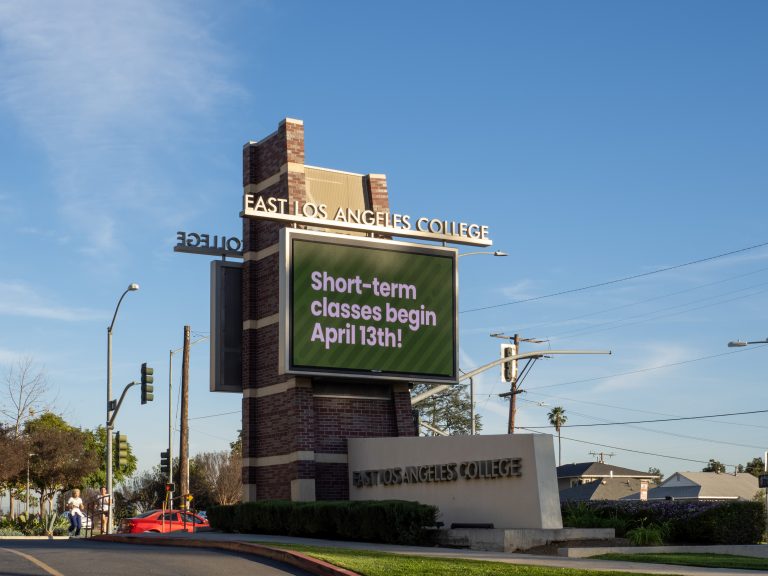
Alpha LED sign boards are great for anything from churches, to schools, to business. They tend to do great in large open spaces, where they are clearly visible.

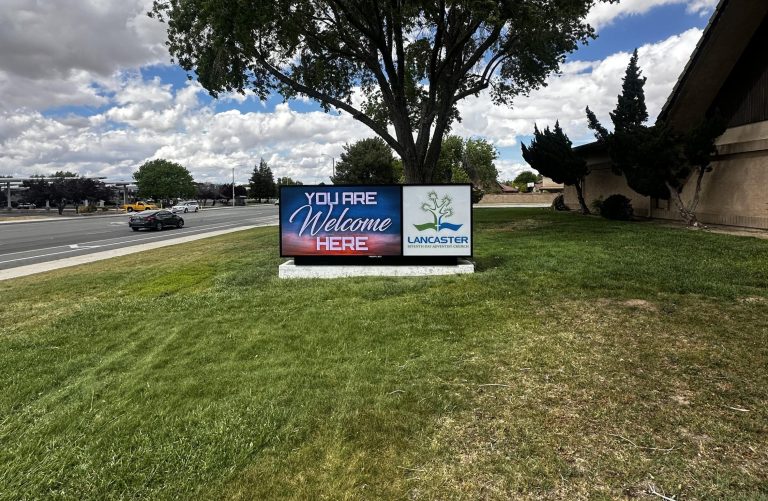
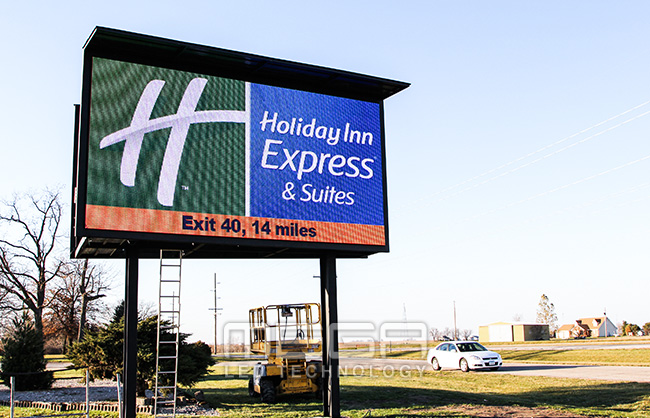
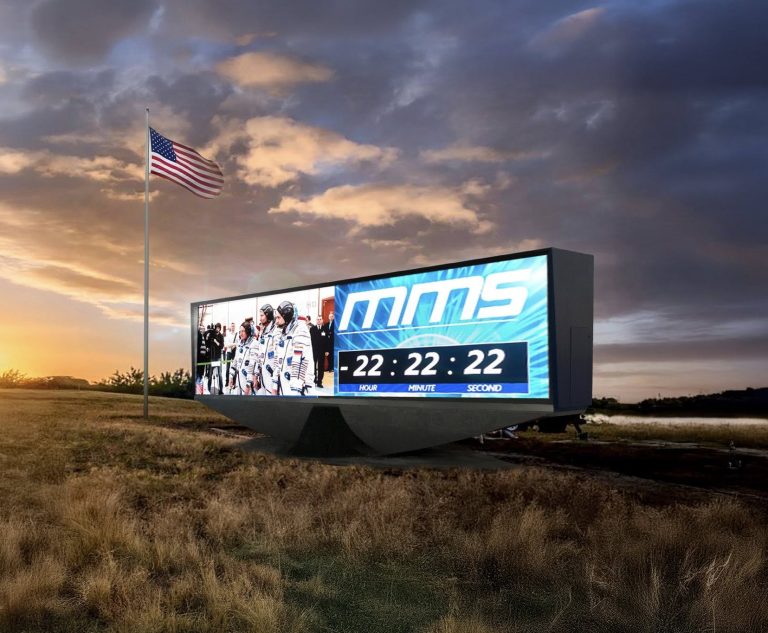
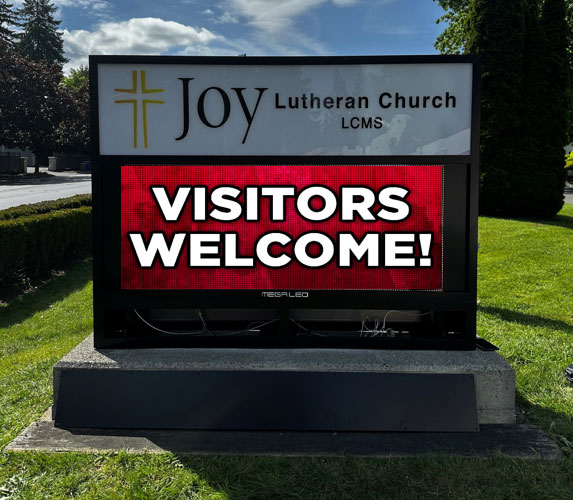
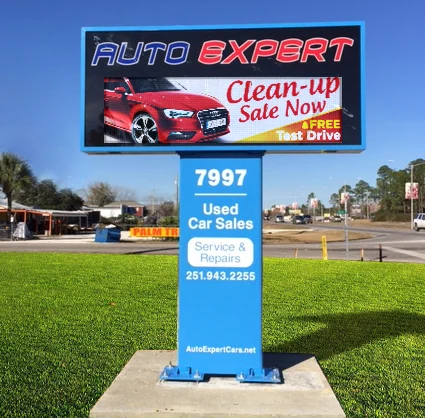
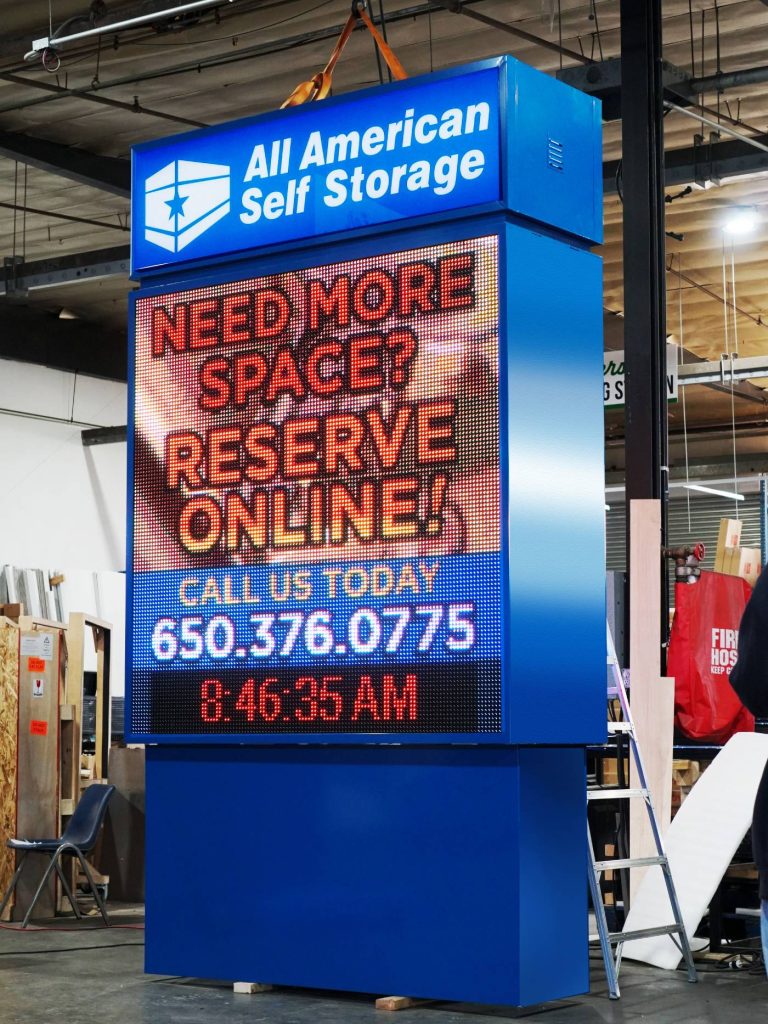
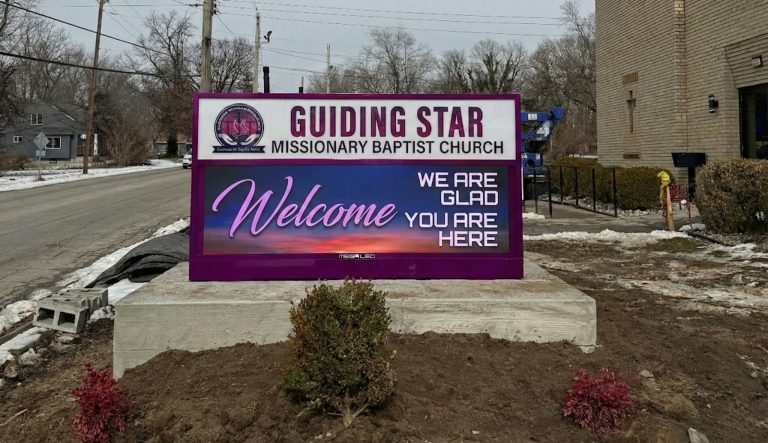
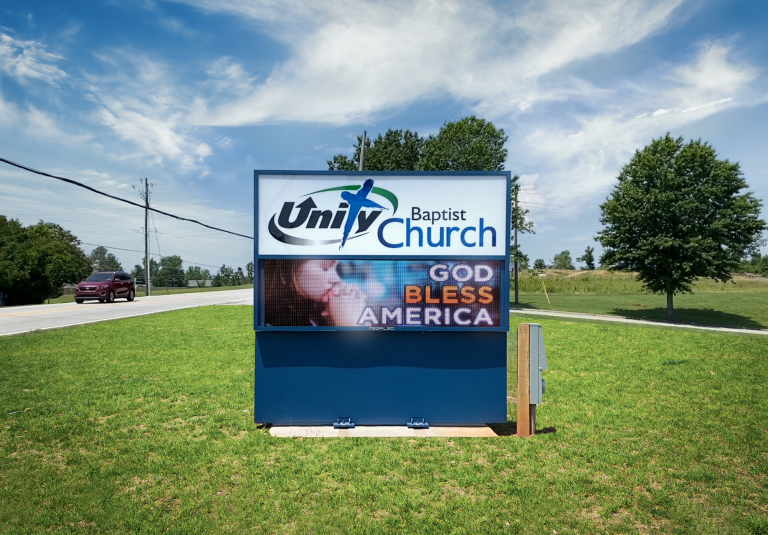
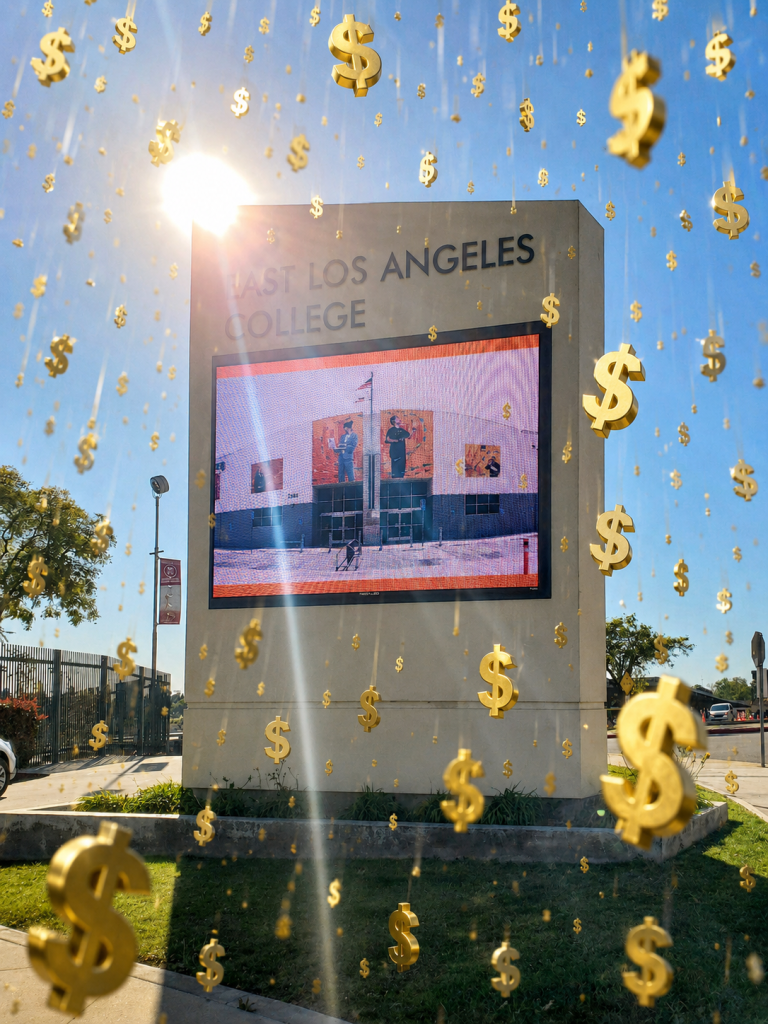
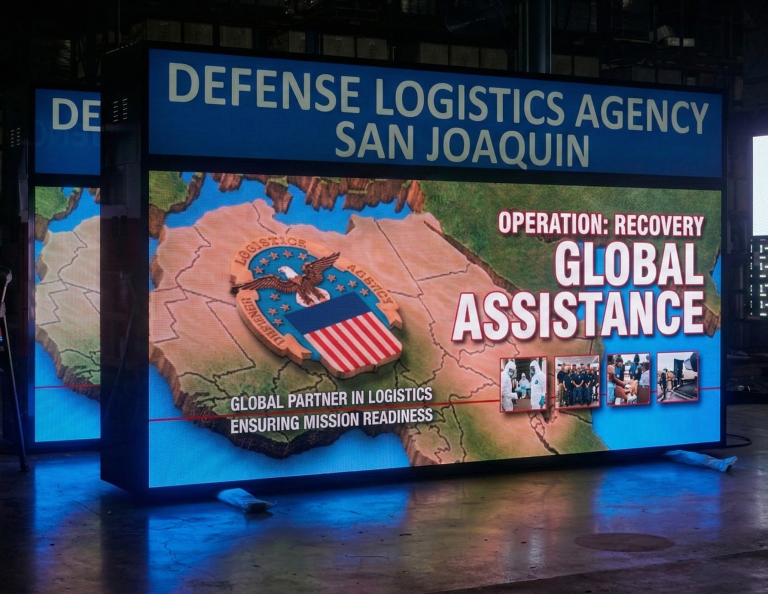
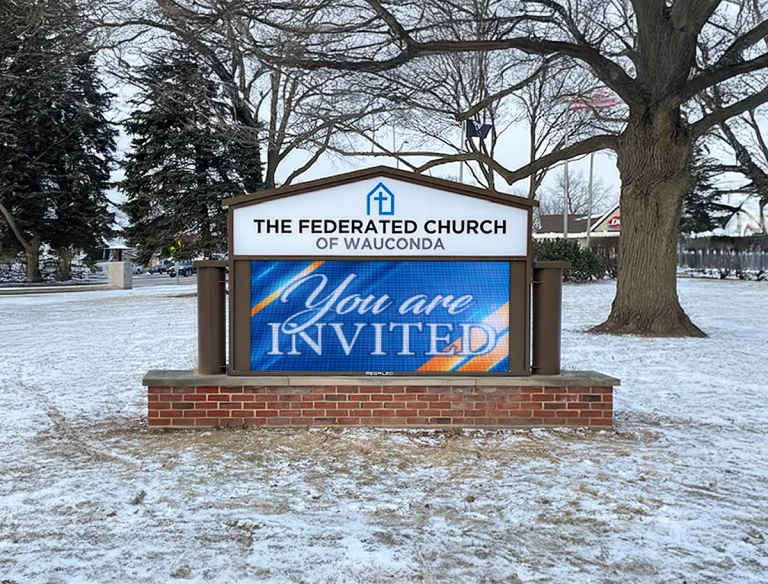
Omega is our newest line of outdoor digital signs. Running the full gambit from cabinet, to LED sign, to logo on top, or any configuration of your choice!

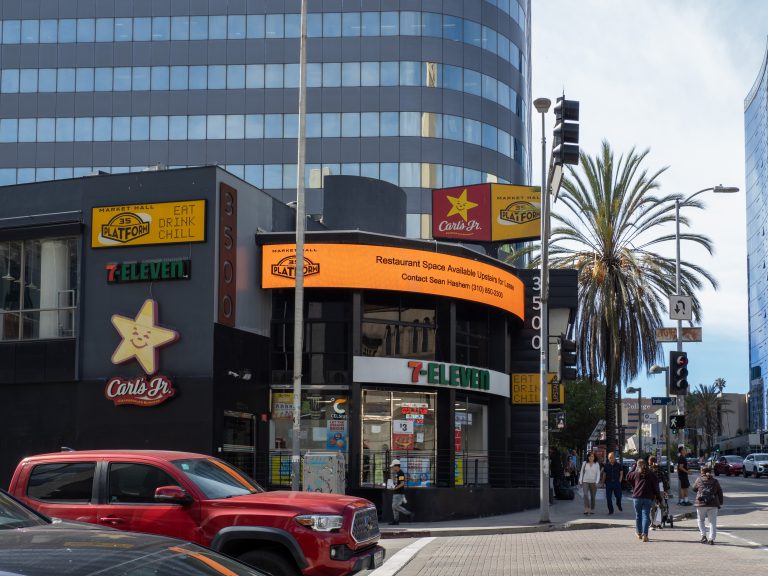
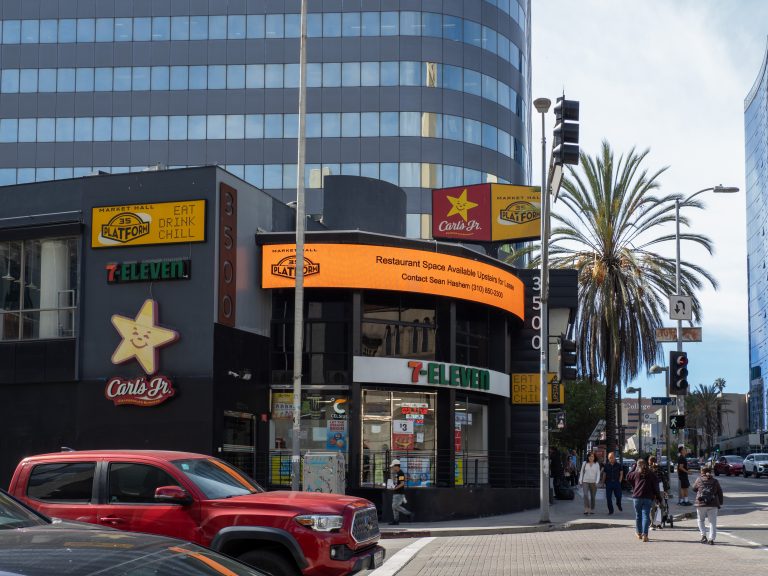
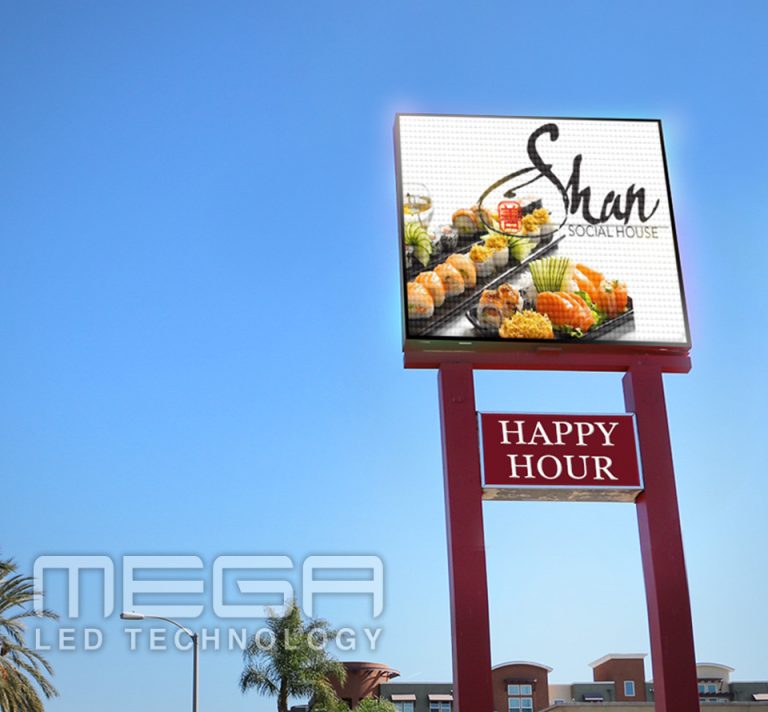
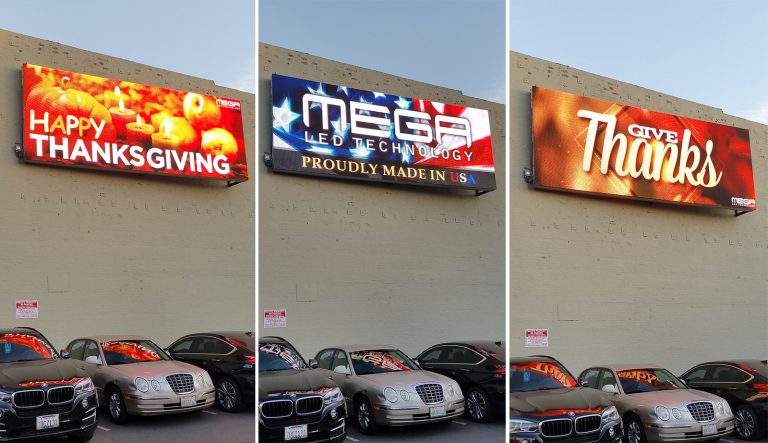
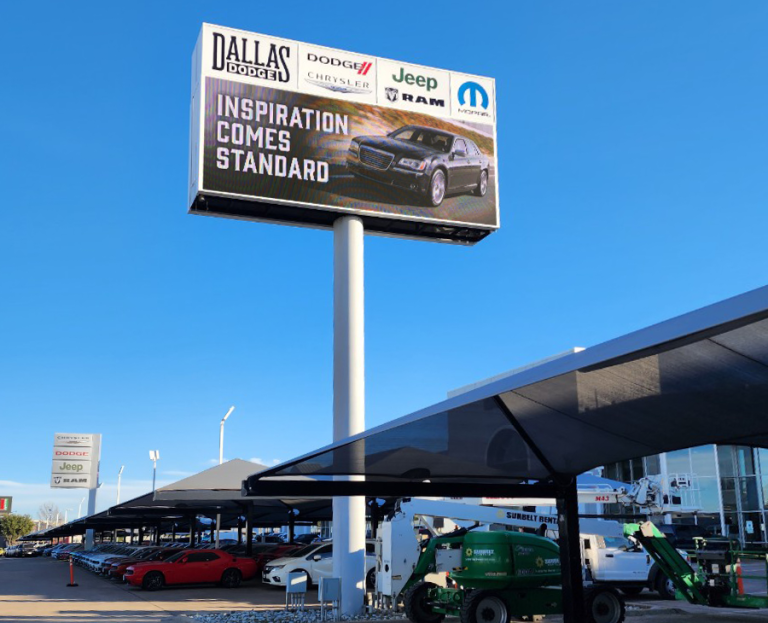
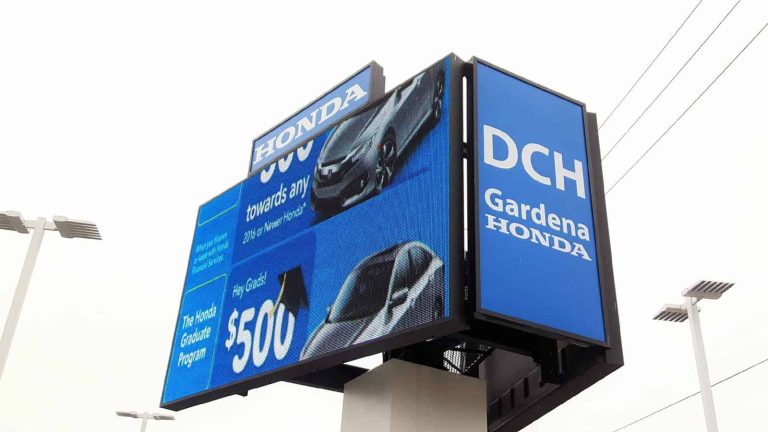
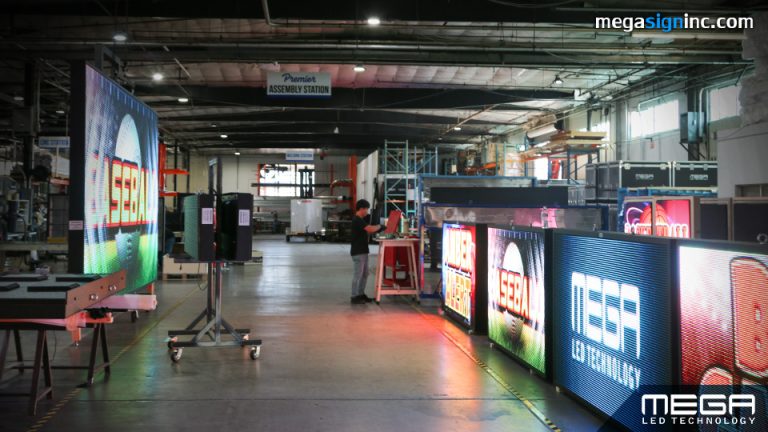
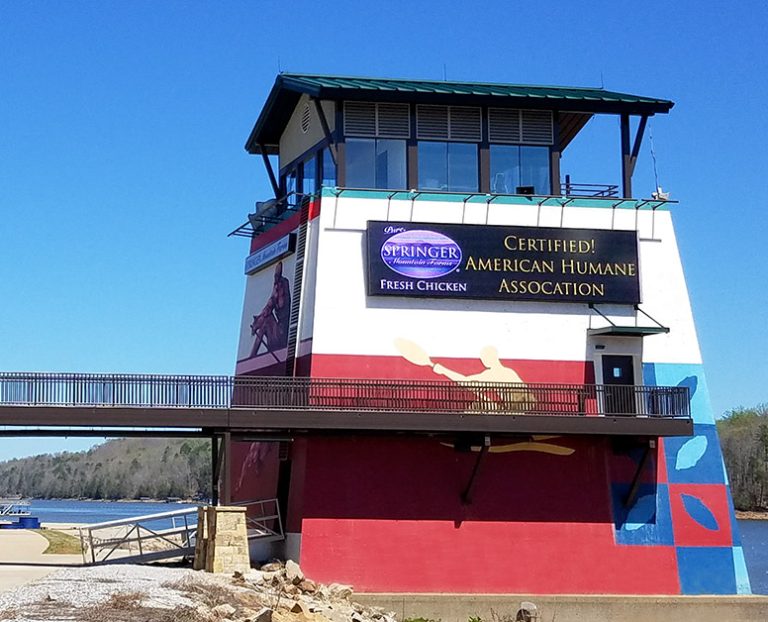
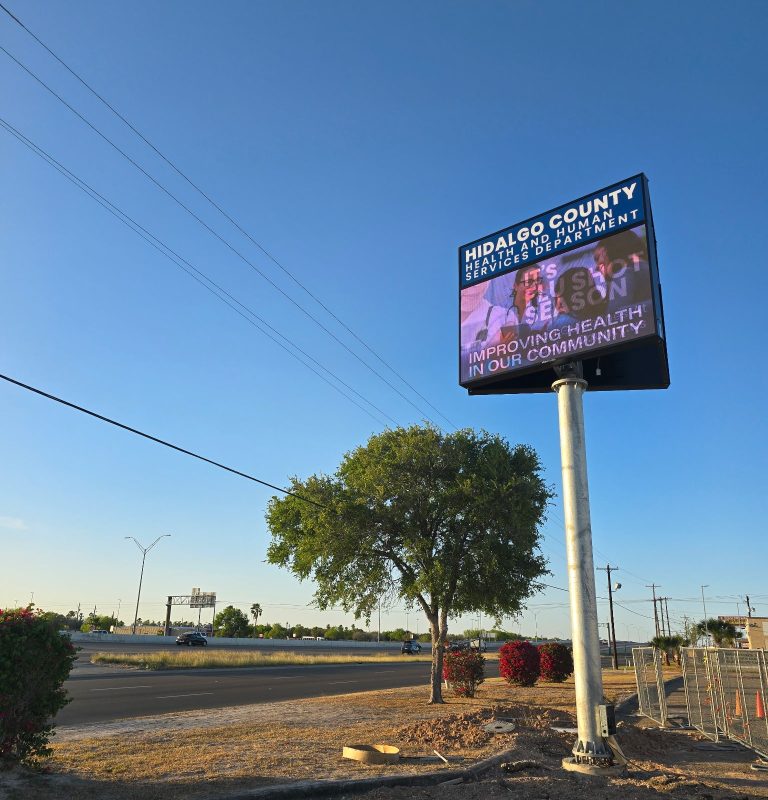
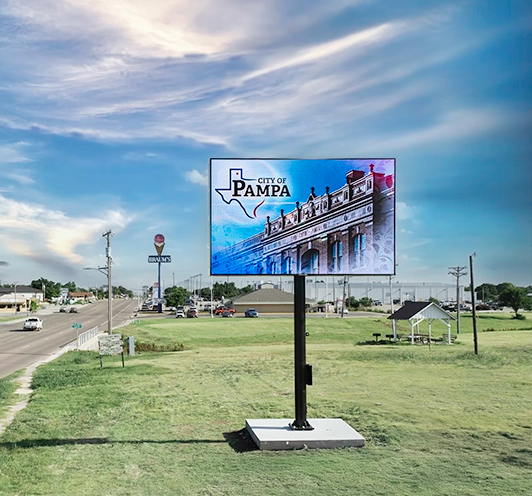
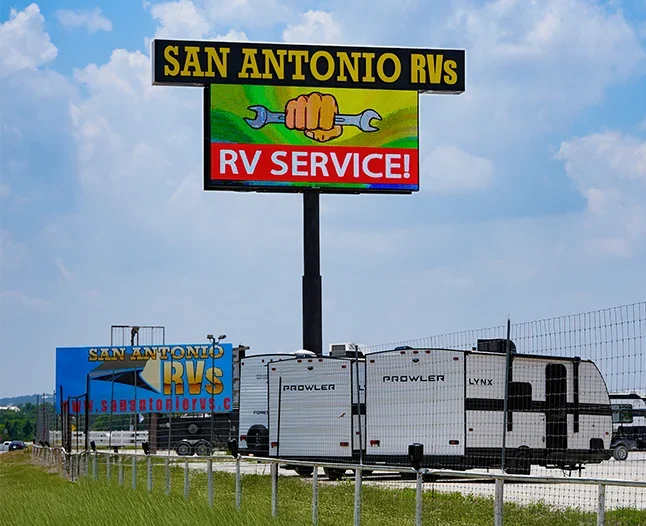
Premier is a customizable Outdoor LED sign, perfect for the Entrepreneur who knows that large custom sized signs cultivated for their specific business is the way to go.

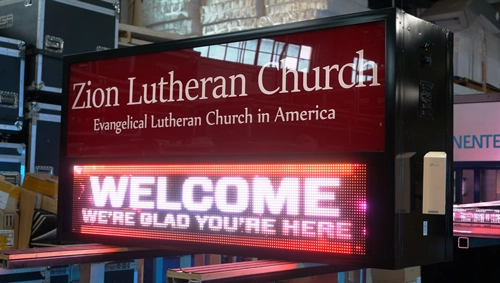
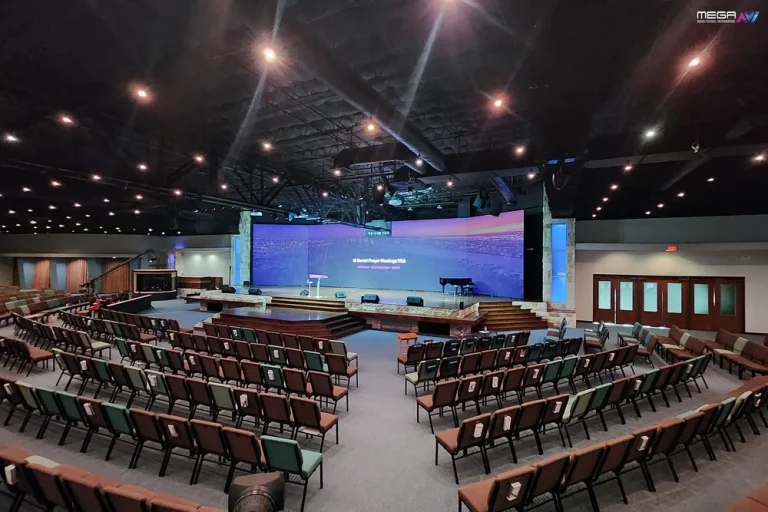
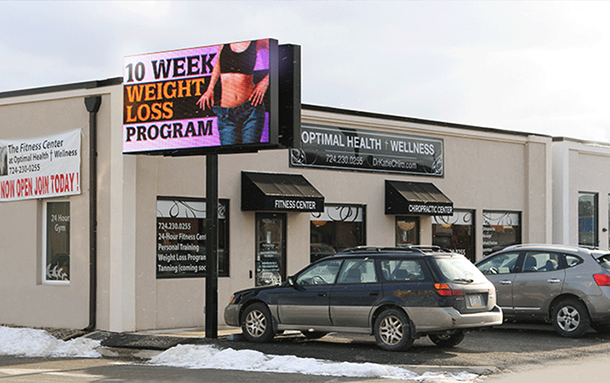
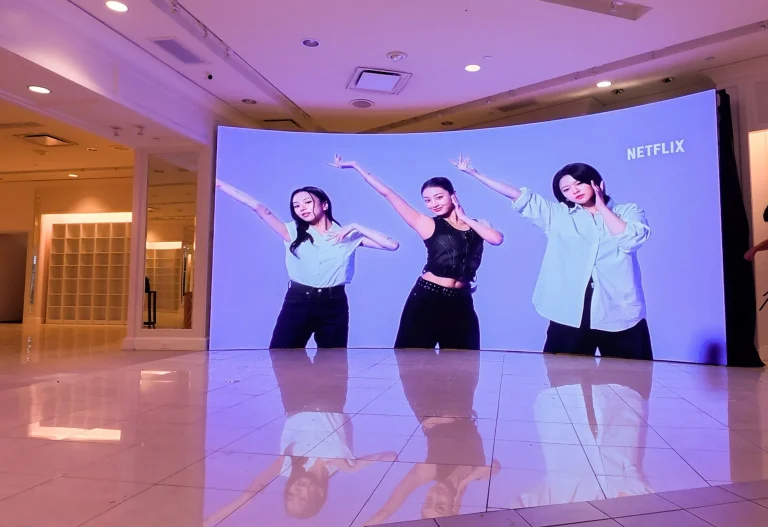
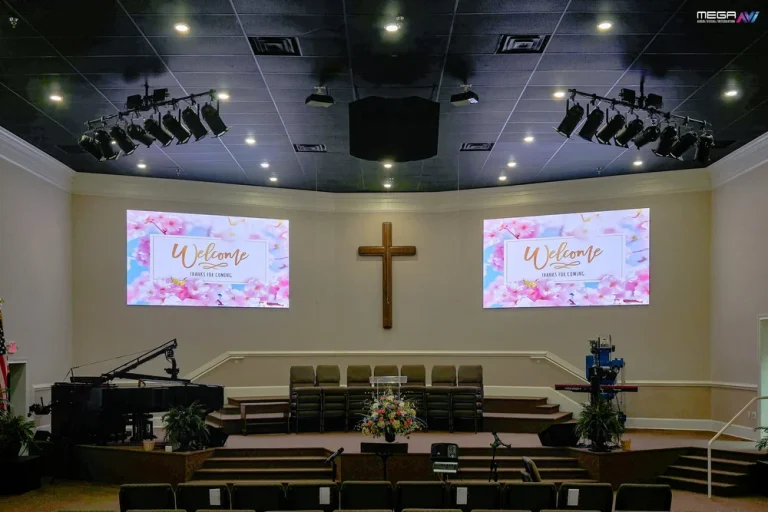
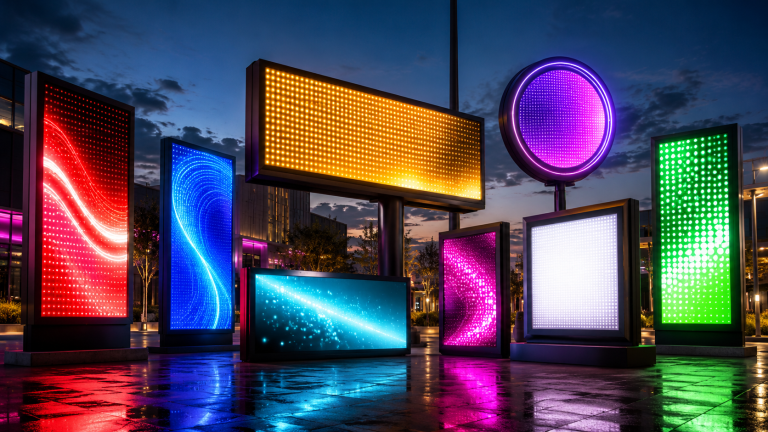
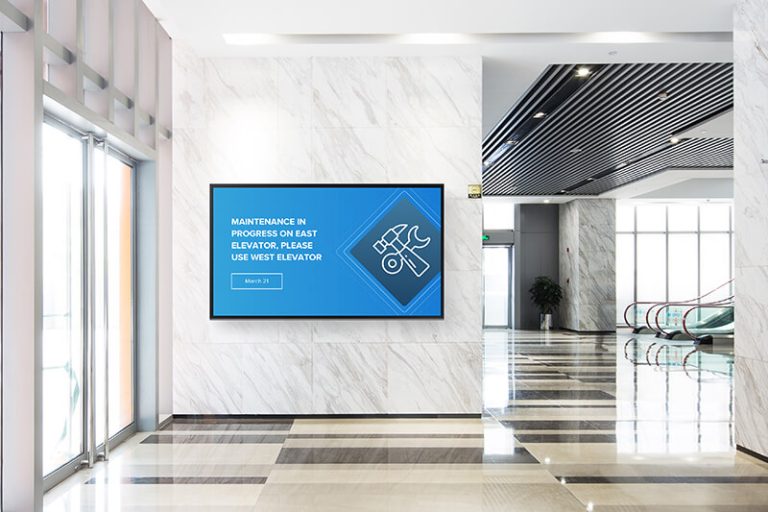
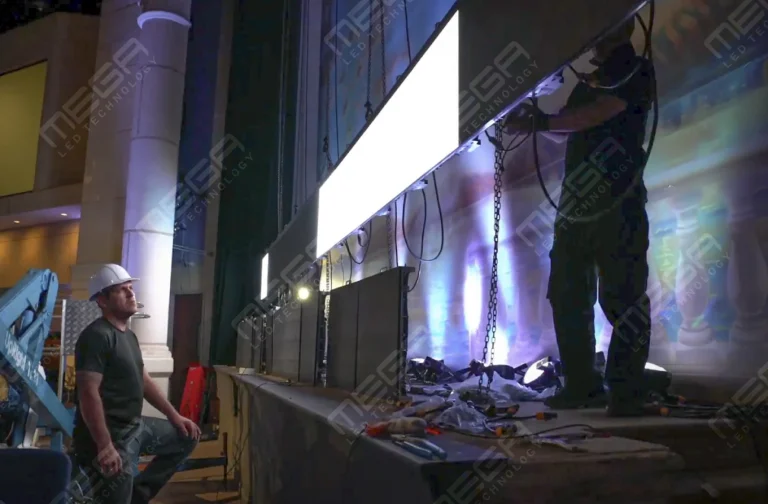
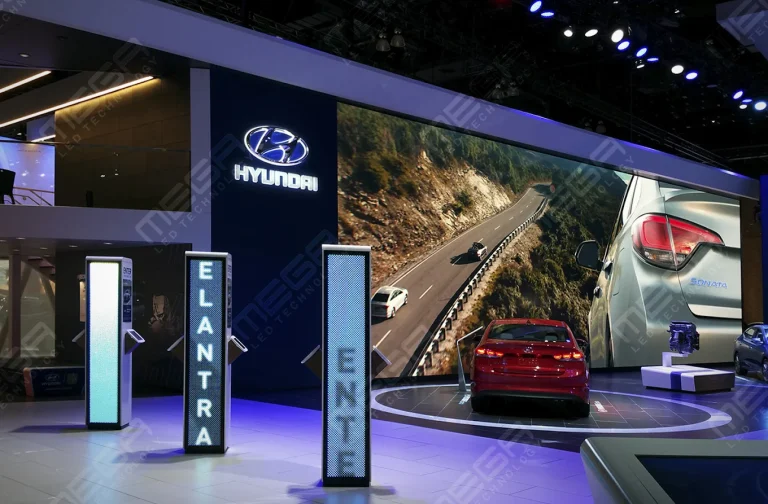
Programmable Stage LED signs, great for indoor assemblies, congregations, and presentations! Blow your competitors out of the water, or keep your congregation and audience glued to your message.

Alpha LED sign boards are great for anything from churches, to schools, to business. They tend to do great in large open spaces, where they are clearly visible.
Omega is our newest line of outdoor digital signs. Running the full gambit from cabinet, to LED sign, to logo on top, or any configuration of your choice!
Premier is a customizable Outdoor LED sign, perfect for the Entrepreneur who knows that large custom sized signs cultivated for their specific business is the way to go.
Programmable Stage LED signs, great for indoor assemblies, congregations, and presentations! Blow your competitors out of the water, or keep your congregation and audience glued to your message.
The advantages and disadvantages of outdoor advertising rarely show up on the same pitch. One side sells reach, the other sends a bill every month for space you will never own. This guide is a full format-by-format ledger to help you decide where it earns its place.

Outdoor advertising, also called out-of-home advertising or OOH, is any paid advertising people see outside their homes: billboards, transit, street furniture and digital screens. It builds awareness and jogs memory. It rarely closes the sale.
You gain presence you cannot buy online, and you give up precise targeting and clean attribution. Whether it pays depends on your objective, geography and format.
Traditional OOH is printed, posted by a crew and left until the next posting. Digital out of home (DOOH) is a screen, so messages change remotely and the face is shared.
One disclosure: we sell no advertising space. We build the permanent LED signs businesses own at their own address, the one OOH format where the rent-forever disadvantage goes away.
| Format | Who it reaches | Cost model | Measurement | Rules to check | Use it when |
|---|---|---|---|---|---|
| Static billboard | Drivers, one route | Rent per four-week cycle | Impression estimates | Federal and state controls | Corridor awareness |
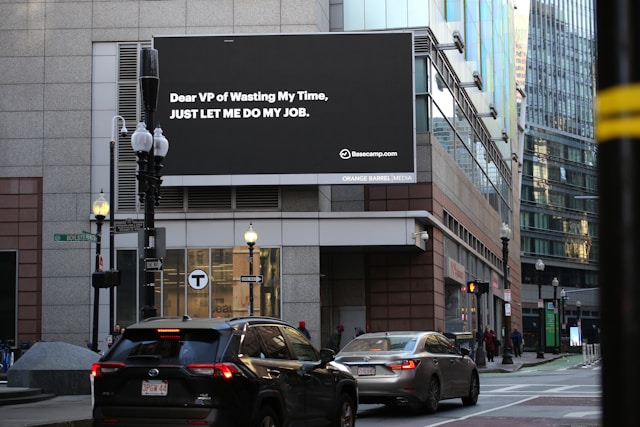
| Digital billboard | Shared face, same route | Rent plus loop share | Playout logs, impressions | Hold time, brightness | Weekly changes |
| Transit, rail | Riders, street traffic | Rent per campaign | Ridership counts | Transit authority rules | Dense urban reach |
| Street furniture | Pedestrians, eye level | Rent per face | Footfall estimates | Municipal franchise terms | Neighborhood presence |
| Owned on-premise LED | Traffic passing your site | Bought once, plus power | Walk-ins, codes, calls | Sign code, permit, hold | Your own frontage |
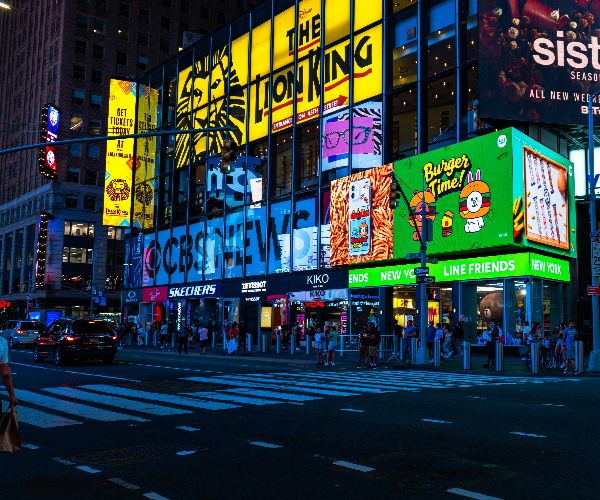
Outdoor advertising earns budget by reaching people in public, at scale, without asking permission. Online ads need a click. A roadside sign needs a windshield.
Organizations wanting that visibility permanently at their own address should buy a Premier outdoor LED display from us rather than rent a face.
Reach is the plain answer. One face on a busy road meets every motorist and pedestrian on it, whether or not they choose to look, unlike an email waiting to be opened.
The Outdoor Advertising Association of America (OAAA) published OOH research data showing 88% of adults noticed an out-of-home ad and 78% of those acted. Those are self-reported survey answers, collected with Morning Consult in late 2022, so treat them as claimed behavior. Repetition does the rest: the same board on the same commute builds recognition.
There is no skip button on a street. You can’t ad-block a billboard, close it or unsubscribe from it, which is why OOH still lands with people who avoid ads everywhere else.
Unskippable is not unmissable. Being in view only guarantees the chance to be seen. Whether anyone reads it depends on where the face sits and how fast the message reads.
We build, permit, install and service LED signs businesses own at their own address. Tell us your road, setback and budget, and we will size a sign that fits all three.
You buy a location, not an audience segment. Put a message on the road people take to your store, campus, or clinic, and every impression happens near the destination you want.
Geographic relevance is coarser than digital targeting. Search and sort by interest, demographic or past behavior. A board sorts by who drives past.
For a dentist or a car lot, that is usually enough.
It earns its keep as the reminder after a first touch somewhere else. A message someone already saw in search, social or TV lands faster on a billboard, because recognition does half the reading.
Give the creative one job and one route onward. A short URL, a QR code, a branded search term or a campaign image moves a viewer somewhere you can measure.
A placement earns impressions every hour it is up. Rent bills for every one of those hours, so cost per exposure stays roughly flat. An owned sign’s one-time price spreads thinner every month.
Billboard space is usually sold in 13 four-week cycles a year, and a rented digital face is widely quoted at $1,200 to $15,000 a month.
The OAAA revenue report put 2025 US out-of-home revenue at $9.46 billion, with digital formats at 36.3% of it.
Rented space never stops billing. The owners we work with rarely stop renting billboards because the boards stopped working. They stop because the invoice never does.
Owning it changes that. Our Omega monument signs start near $15,000 once, plus power, permitting and service. The limit is plain: an owned sign only reaches traffic passing your site.
We are MEGA LED (MEGA Sign Inc.), a veteran-owned USA manufacturer in Grand Prairie, Texas, building and servicing LED signs since 2006.
Scale is the creative advantage. A twelve-foot face turns one image and a few words into something people remember from a moving car.
Constraint is what makes it work. One idea, read in seconds, so outdoor creative that lands is usually one image and a short line.
Place can carry part of it. A message naming the neighborhood, the weather or the exit ahead earns attention; a generic one misses.
Premier outdoor LED displays let you update content from a phone, tablet or desktop. We size them to your road speed and viewing distance.
Reach comes with a loss of control. You cannot choose who sees the message and cannot easily prove what it did.
Limited targeting: a face is visible to anyone who passes, not to a chosen audience.
Weigh each against your objective. None proves OOH fails.
They also land differently on static and digital faces. A printed billboard carries production and posting costs; a screen does not, while a screen faces brightness, hold time and animation rules, a print never sees.
A board cannot tell who is driving past it. Anyone on that road sees the message, which means a share of every impression lands on people who will never buy from you.
Digital platforms sort by interest, demographic, search history or app behavior. OOH sorts by geography and time of day.
You can sharpen relevance by choosing streets near the customer you want. Broad exposure is sometimes the goal anyway: for a mass-market product, reaching everyone is the plan.
You get three to six seconds, and less at highway speed. Anything needing a second read is gone before it lands.
It is a design problem before a copy problem. We’ve found that a seven-word message at the right character height does more work than a clever one at the wrong height.
Federal roadway sign guidance and field measurement put that height near 1 inch for every 20 to 30 feet of viewing distance. A transit rider or someone who stopped at a light gets longer than a driver at 55 mph.
Omega monument signs pair your name with a full-color LED display at your front door. It is bought once and working every hour it is lit.
An impression on a street leaves no click. You can count who passed the face, not who walked in afterward, so attribution runs on proxies.
Proxies you’ll see quoted: estimated impressions from traffic counts, footfall studies, brand-lift surveys, QR scans, vanity URLs, promo codes and shifts in branded search. Each one is directional. It gets harder when OOH runs beside search, social and TV, since the same lift has several plausible parents.
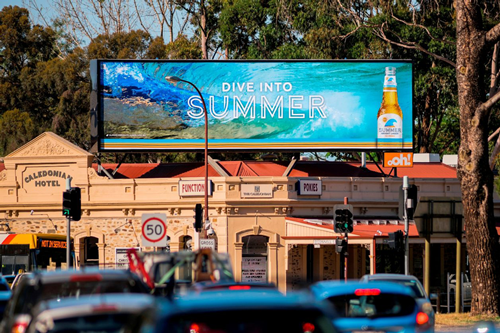
Digital is catching up. A screen keeps playout logs printed, never had, and Grand View Research’s DOOH market report values the global DOOH market at $20.7 billion in 2024.
Billboards are not getting less effective so much as harder to justify beside channels that report a number.
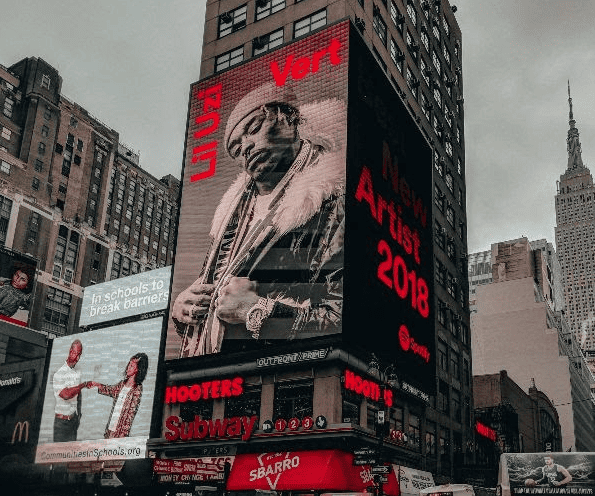
You pay for the location first, everything else after. Premium faces on high-traffic corridors are priced accordingly, and production, installation, maintenance and removal sit on top of the media cost.
A printed campaign has a physical chain: artwork, printing, shipping, approvals, a posting crew, then a crew to take it down. DOOH removes nearly all of that, since new creative uploads remotely. Rates swing by market, format, traffic count and campaign length, so a quote in one city tells you little about the next.
The space is public, so other people write the rules. Zoning, sign codes, landlord policies and the street itself decide where a message goes and what it looks like.
Federal control applies along Interstate and primary highways under the Highway Beautification Act. The Federal Highway Administration keeps each state’s agreement on its federal highway standards page.
Four states allow no new billboards: Vermont, Maine, Hawaii and Alaska. What you’re allowed to put on a board is a local and landlord question.
On-premise signs meet a separate set. In the outdoor installs we do, many municipalities require a static message to hold about 8 seconds and ban animation, and the cheapest compliance feature is a photocell dimmer. Weather, tree growth or a rerouted road can also take a good location away.
Outdoor cannot explain. It can name, remind or direct, but a product that needs a paragraph to sell is a poor fit for a format read in seconds.
Treat the limit as discipline. One idea, big type, high contrast, a mark people recognize without reading it.
Then hand the viewer somewhere with room: a landing page, a search term, and a store two exits ahead. Anything needing a spec sheet belongs in the channel after the sign, not on it.
It depends on the format, and neither side is clean. Printed OOH creates physical waste. Digital OOH creates none but draws power all day and night.
A printed campaign consumes vinyl, ink, freight and a crew visit at each end, then goes to landfill or recycling. A screen reverses that: no print run, no truck to change creative, but power drawn whenever it is on.
Panel efficiency, dimming schedules and hardware lifespan move the footprint more than any marketing language. Dimming is the practical lever and a code requirement as often as an environmental one.
The International Sign Association’s EMC brightness recommendations call for no more than 0.3 footcandles above ambient light at night, which a photocell sensor holds automatically. The longer a display runs, the fewer replacements get manufactured, shipped and installed.
Price a Premier outdoor LED display sized to your road speed and setback. https://www.megasigninc.com/premier-outdoor-led-signs/
Look at an Omega monument sign sized for your entrance. https://www.megasigninc.com/omega-monument-signs/
Rent a face from a billboard operator. If you own land on that corridor, see our digital billboard options. https://www.megasigninc.com/digital-billboards/
Talk through owned placements, permits and realistic budget with us first. https://www.megasigninc.com/contact/
Visibility, reach, geographic relevance, campaign reinforcement, longevity and creative impact: an outdoor ad is seen by everyone who passes, cannot be skipped, and keeps working every hour it is up rather than charging per impression. You choose the street, so exposure lands near where you want people to visit, and it reinforces what audiences met in search, social or TV. Scale does the rest, because one image and a short line land from a moving car as a phone screen cannot.
Limited targeting, short viewing time, difficult attribution, cost and logistics, external restrictions and message limits: a face is visible to anyone who passes, not to a chosen audience, and a viewer gets only a few seconds to read it. Tying an impression to a sale takes proxies such as footfall studies, QR scans or promo codes, while premium locations, production and installation add up quickly. Sign codes limit where a message runs, and nothing complicated fits on the face.



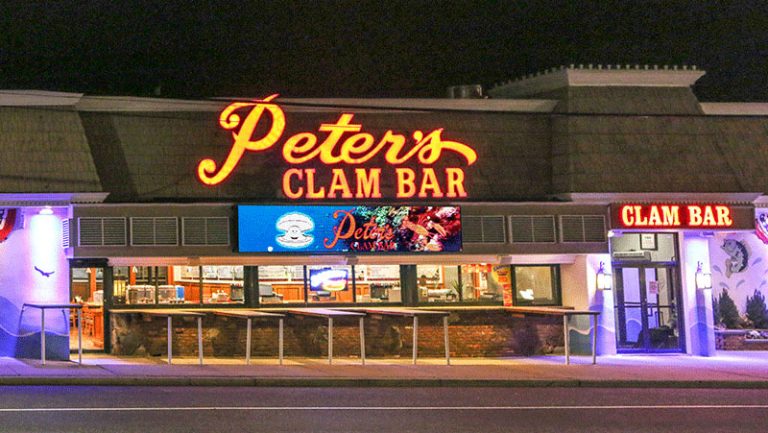


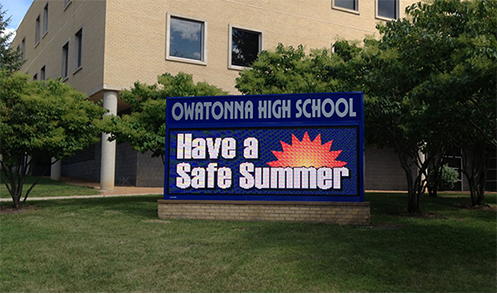


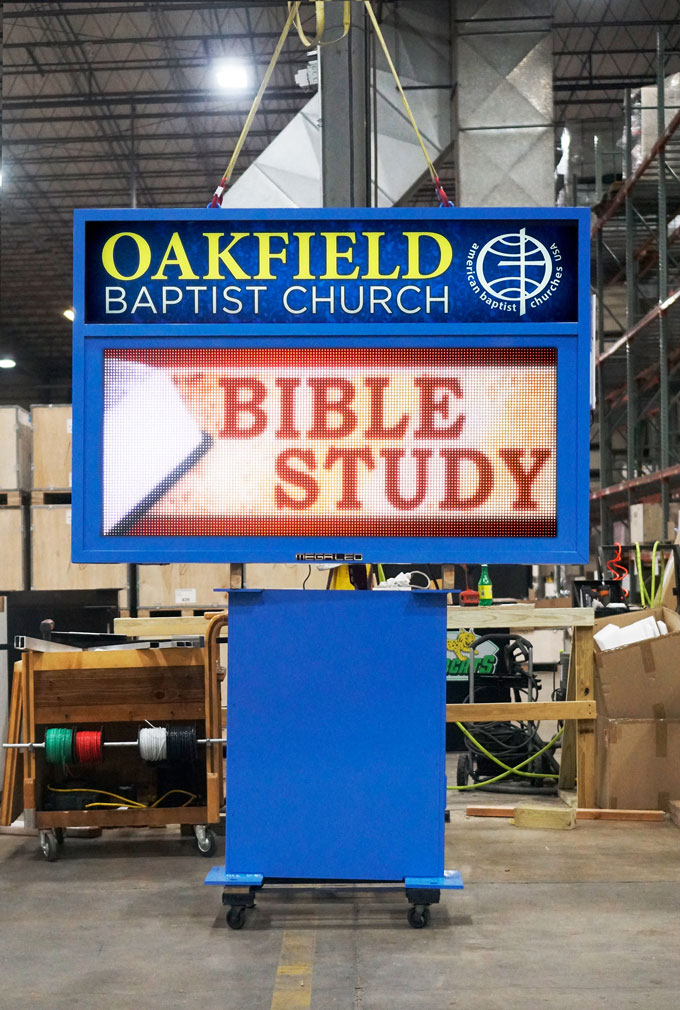


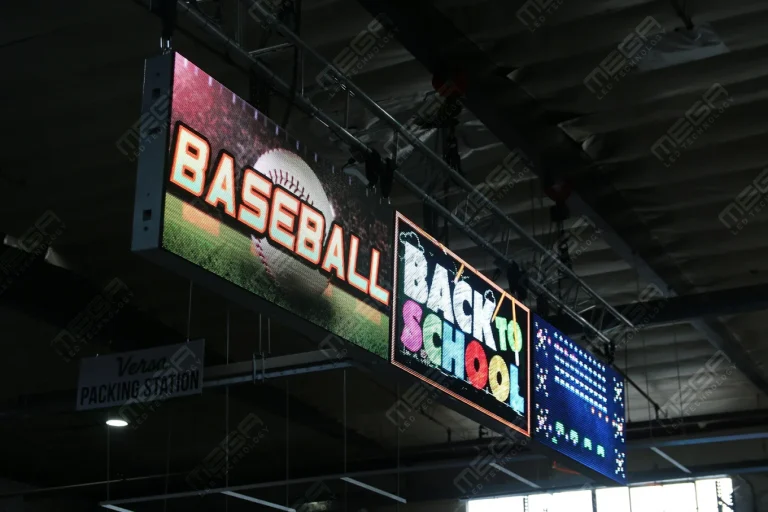
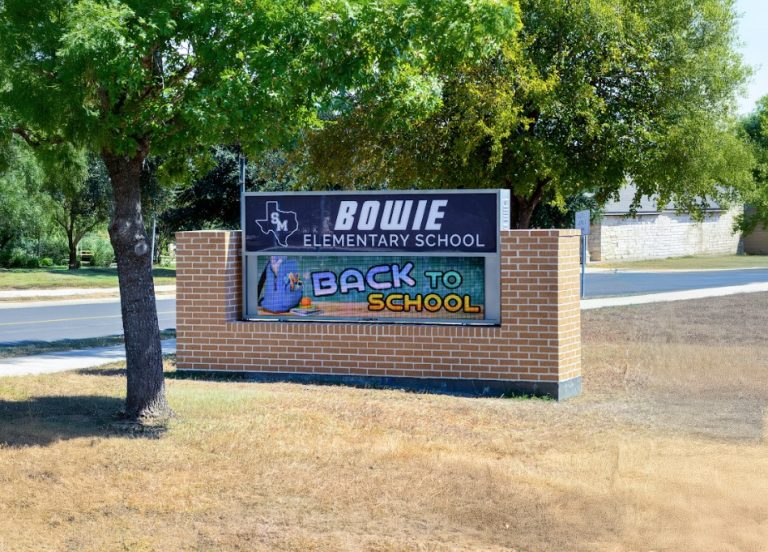
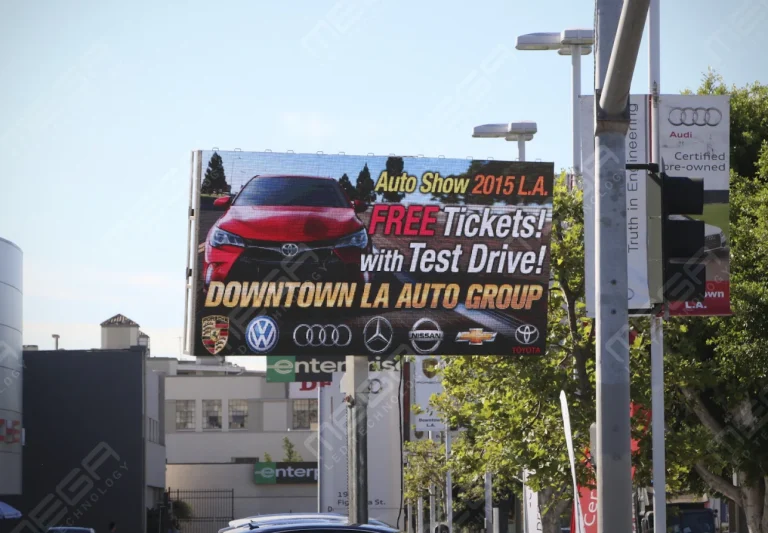


Alpha LED sign boards are great for anything from churches, to schools, to business. They tend to do great in large open spaces, where they are clearly visible.
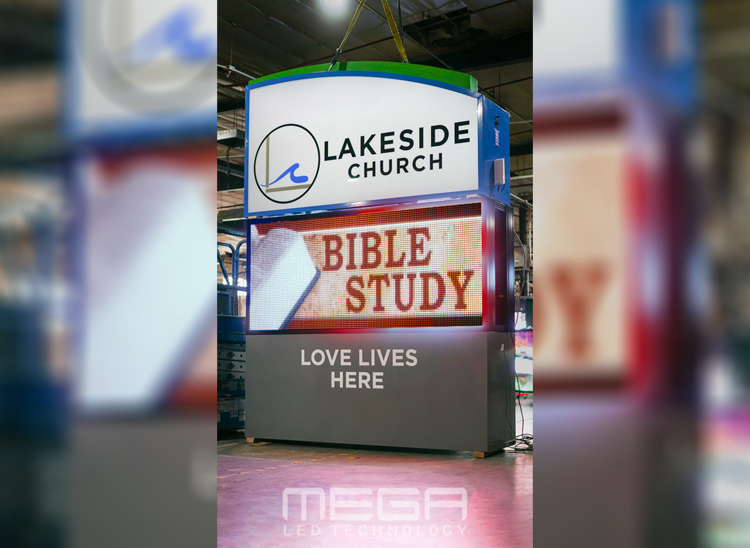
Omega is our newest line of outdoor digital signs. Running the full gambit from cabinet, to LED sign, to logo on top, or any configuration of your choice!
Premier is a customizable Outdoor LED sign, perfect for the Entrepreneur who knows that large custom sized signs cultivated for their specific business is the way to go.
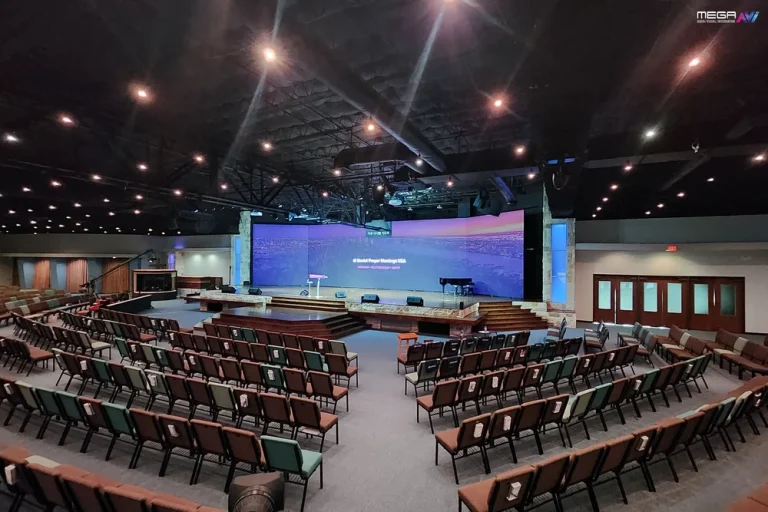
Programmable Stage LED signs, great for indoor assemblies, congregations, and presentations! Blow your competitors out of the water, or keep your congregation and audience glued to your message.