

What Is Smart Digital Signage? How Intelligent Screens Use Data, Software And Automation

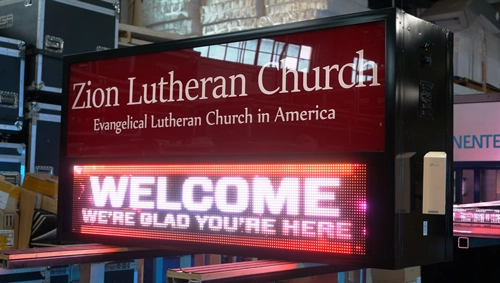
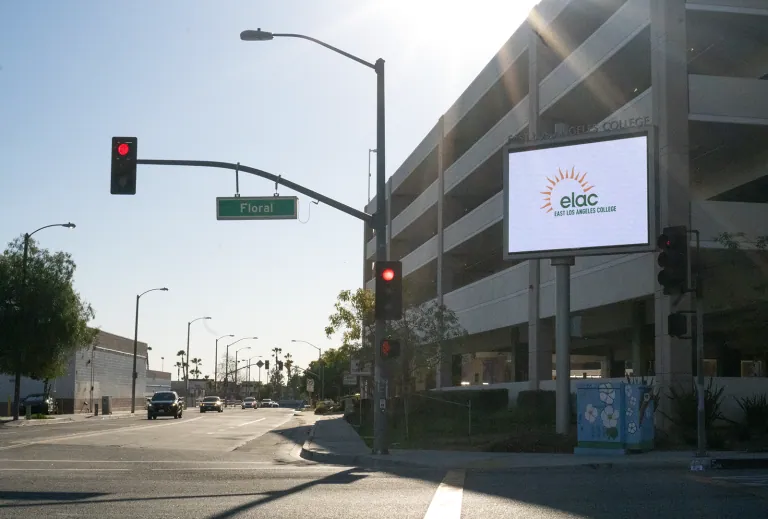
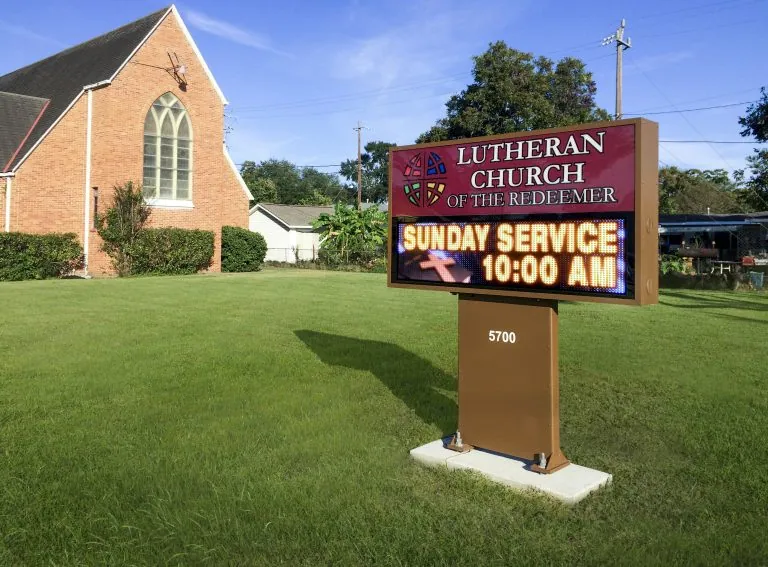
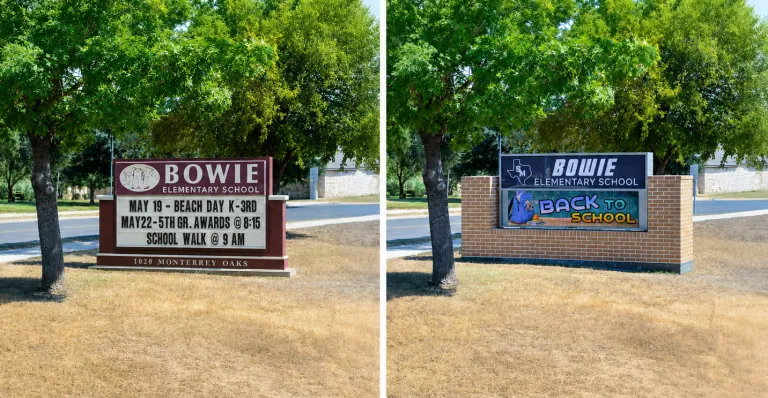
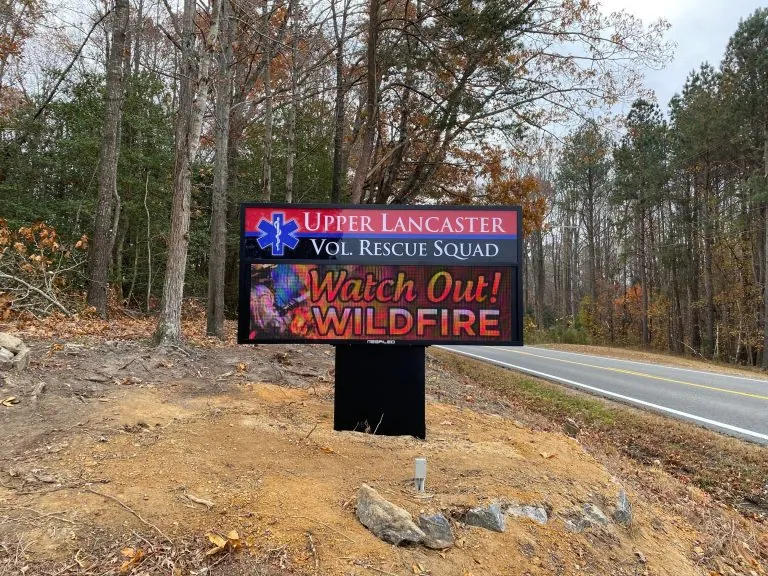
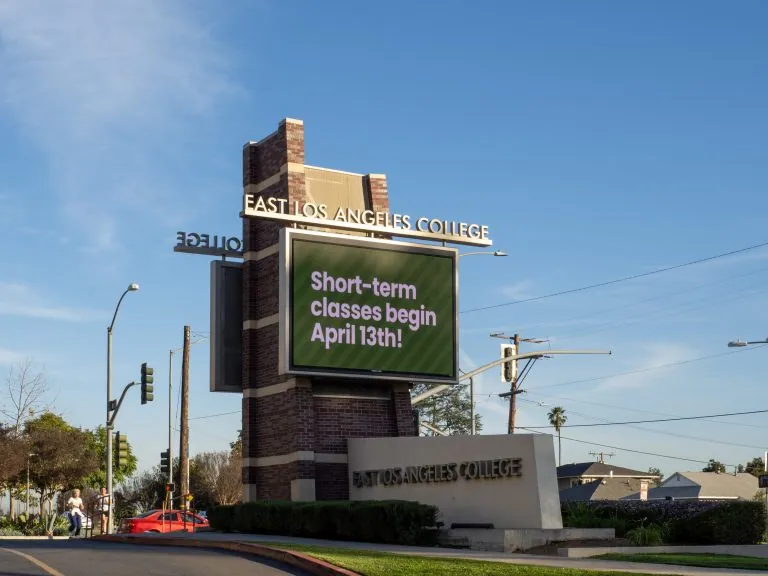
Alpha LED sign boards are great for anything from churches, to schools, to business. They tend to do great in large open spaces, where they are clearly visible.

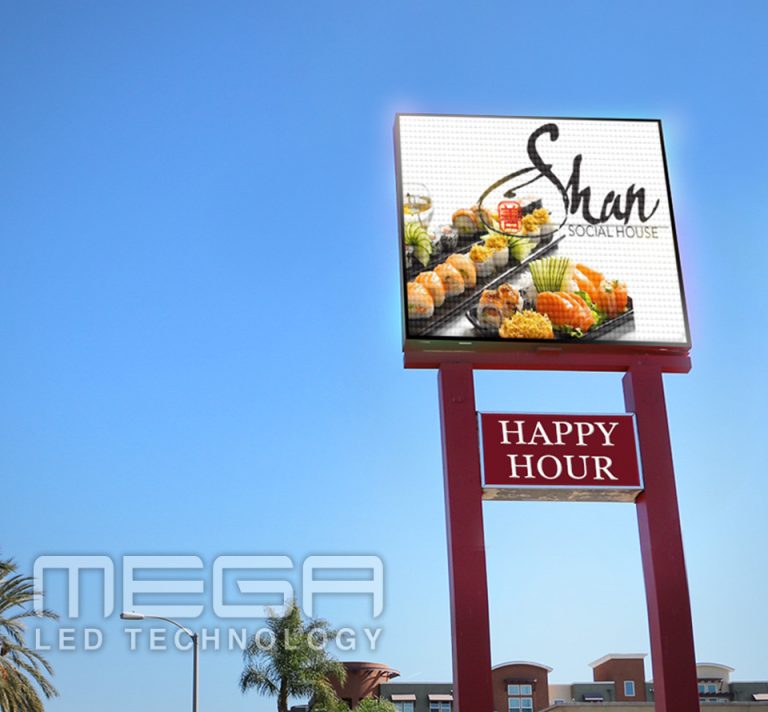
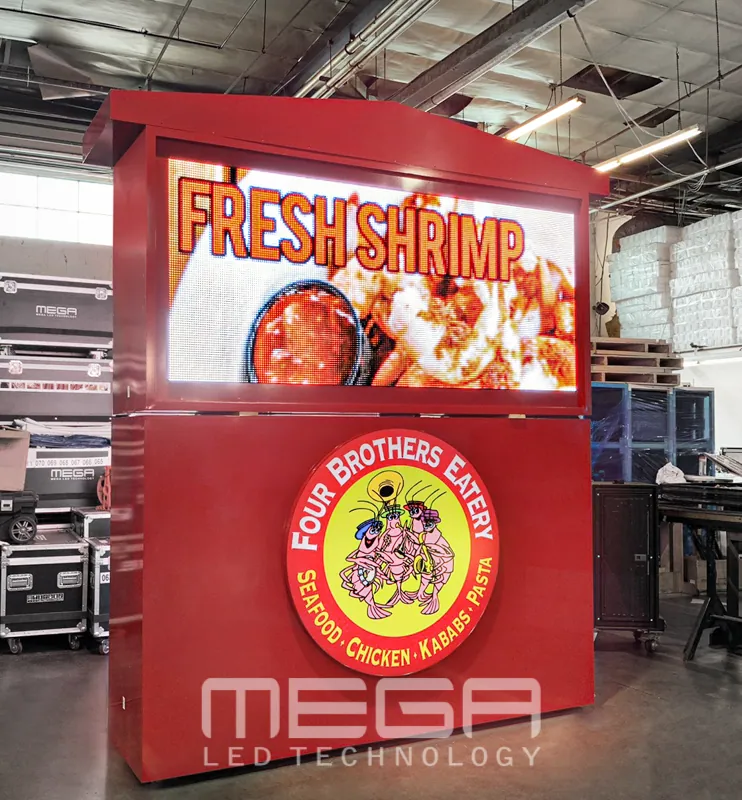
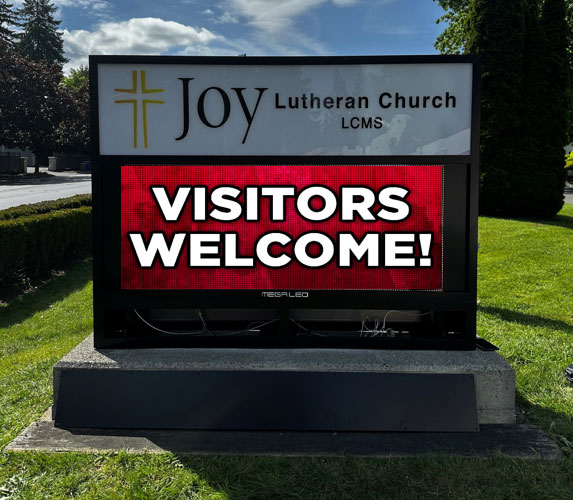
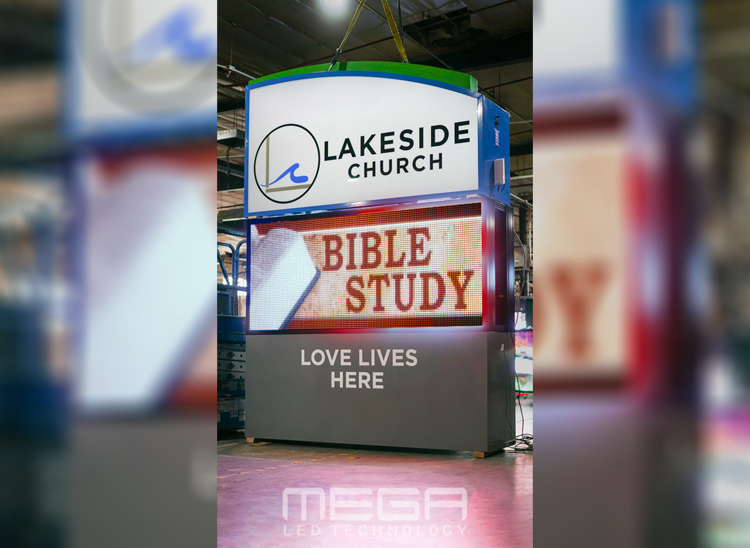
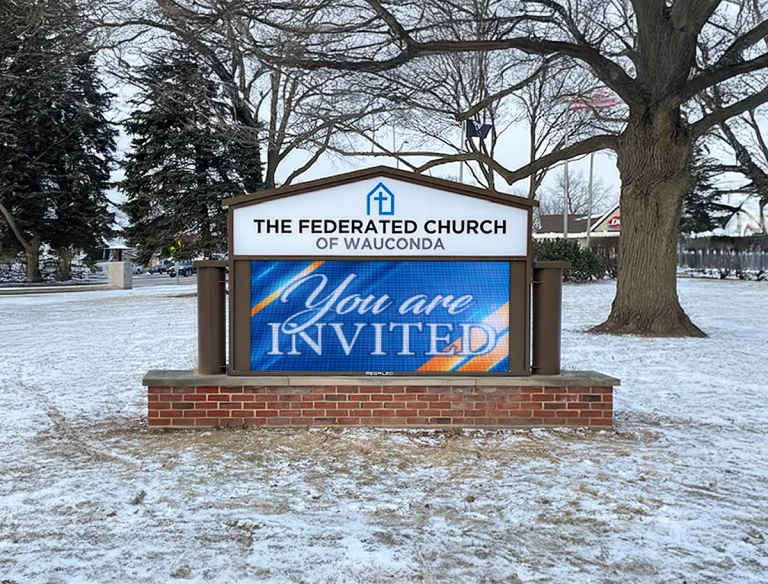
Omega is our newest line of outdoor digital signs. Running the full gambit from cabinet, to LED sign, to logo on top, or any configuration of your choice!

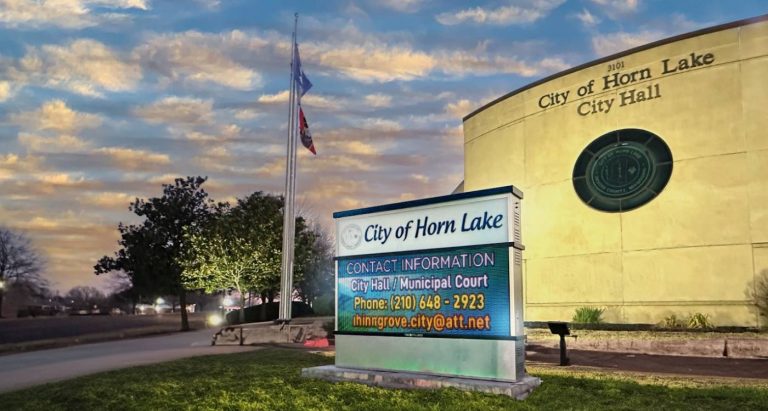
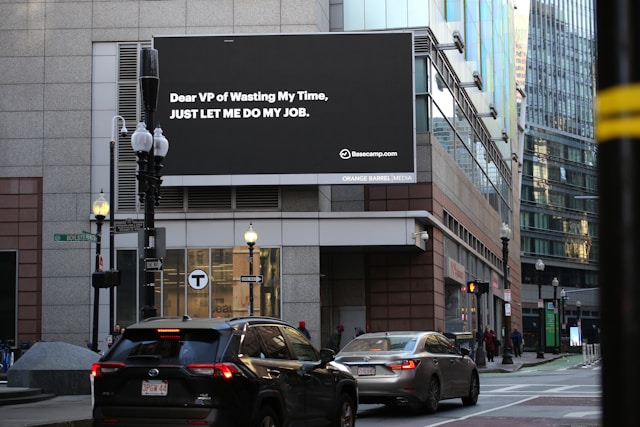
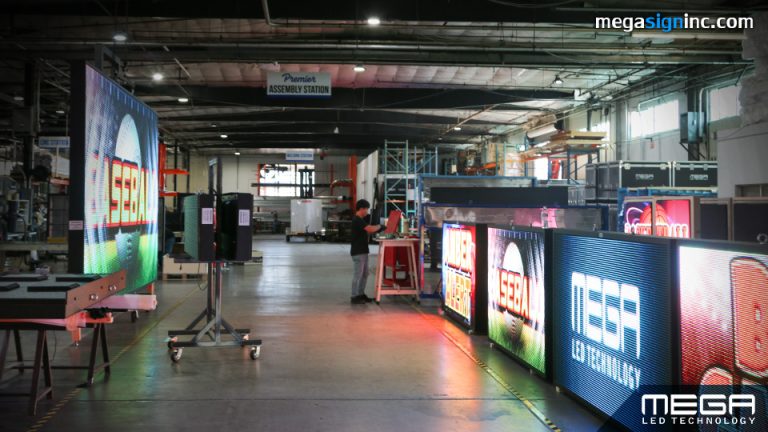
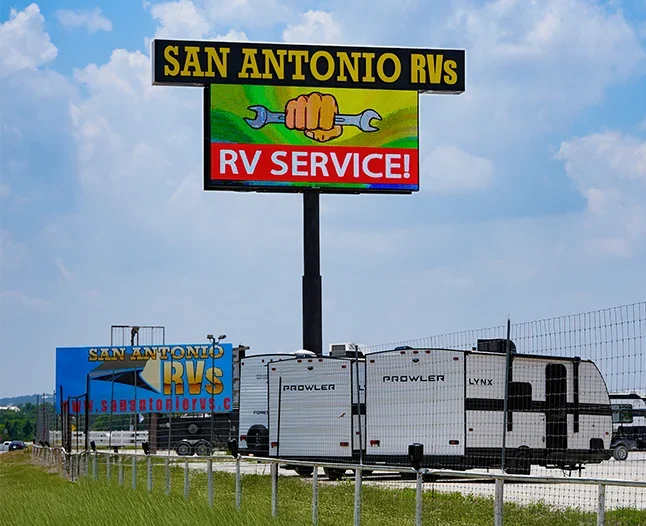
Premier is a customizable Outdoor LED sign, perfect for the Entrepreneur who knows that large custom sized signs cultivated for their specific business is the way to go.

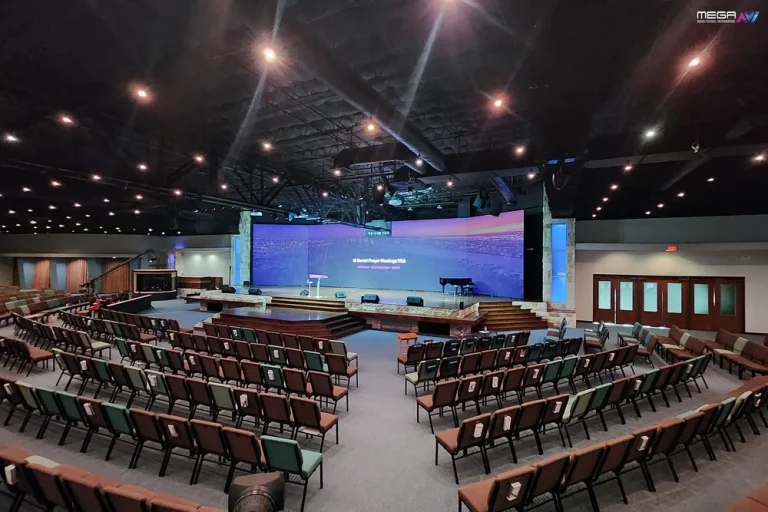
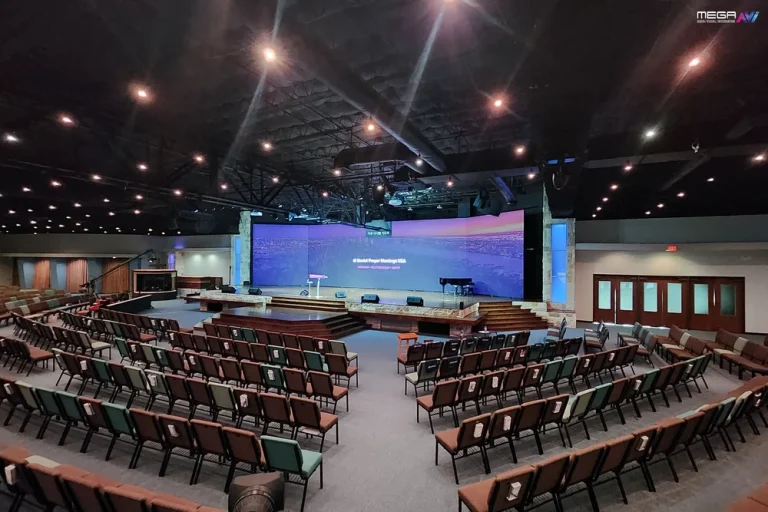
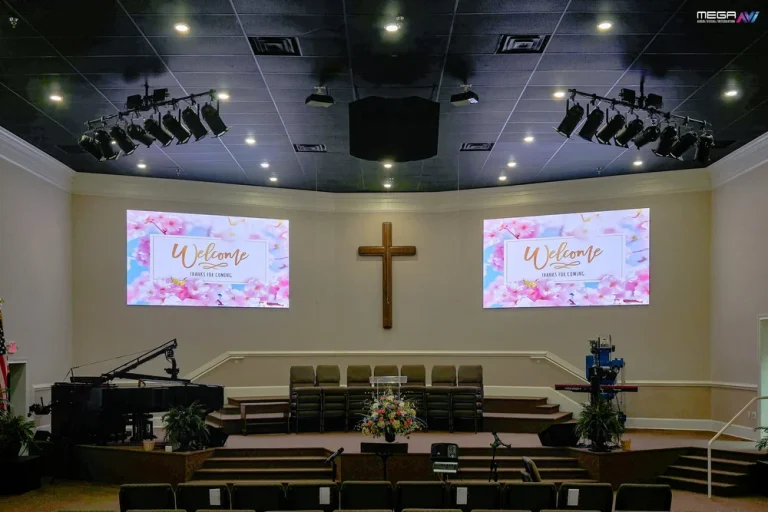
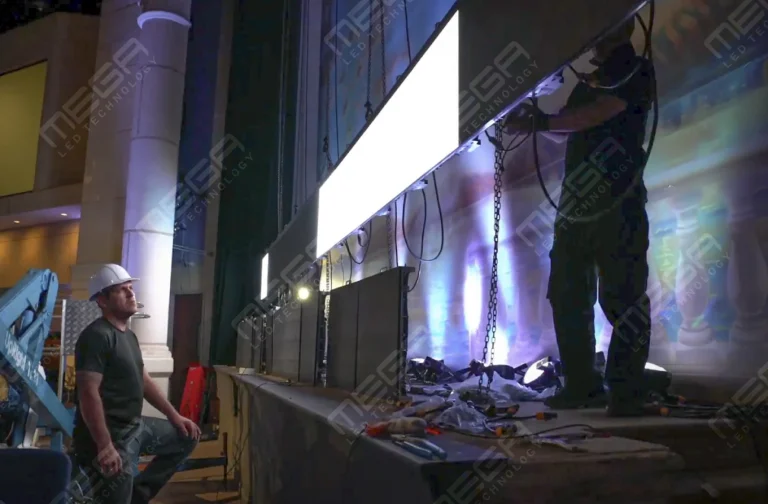
Programmable Stage LED signs, great for indoor assemblies, congregations, and presentations! Blow your competitors out of the water, or keep your congregation and audience glued to your message.

Alpha LED sign boards are great for anything from churches, to schools, to business. They tend to do great in large open spaces, where they are clearly visible.
Omega is our newest line of outdoor digital signs. Running the full gambit from cabinet, to LED sign, to logo on top, or any configuration of your choice!
Premier is a customizable Outdoor LED sign, perfect for the Entrepreneur who knows that large custom sized signs cultivated for their specific business is the way to go.
Programmable Stage LED signs, great for indoor assemblies, congregations, and presentations! Blow your competitors out of the water, or keep your congregation and audience glued to your message.
A biblical saying on a church sign has seconds to land before traffic/passer-by moves on. We’ve watched churches reach for the verses that read beautifully on a page and disappear on the road. The fix is choosing Scripture that does the work in five to ten words.

Biblical sayings on church signs work when they are short, clear, and warm. Brevity is the most-violated rule we see. Churches reach for a beloved verse, find it’s nineteen words long, and try to fit it on a marquee anyway. The driver gives up after the first five.
The other miss is treating the sign like a sermon. A sign isn’t a homily. It’s a handshake. A passerby decides in two or three seconds whether a church feels welcoming, distant, or preachy.
Direct verses and faith-based sayings each have a place. Direct verses carry scriptural authority. Original sayings that capture a biblical theme give the church flexibility to write at sign-friendly length. The strongest rotations use both.
A catchy biblical quote is one the reader carries past the property. It lands fast and stays. That usually means familiar phrasing, emotional resonance, and brevity. Catchy doesn’t mean shallow. It means memorable.
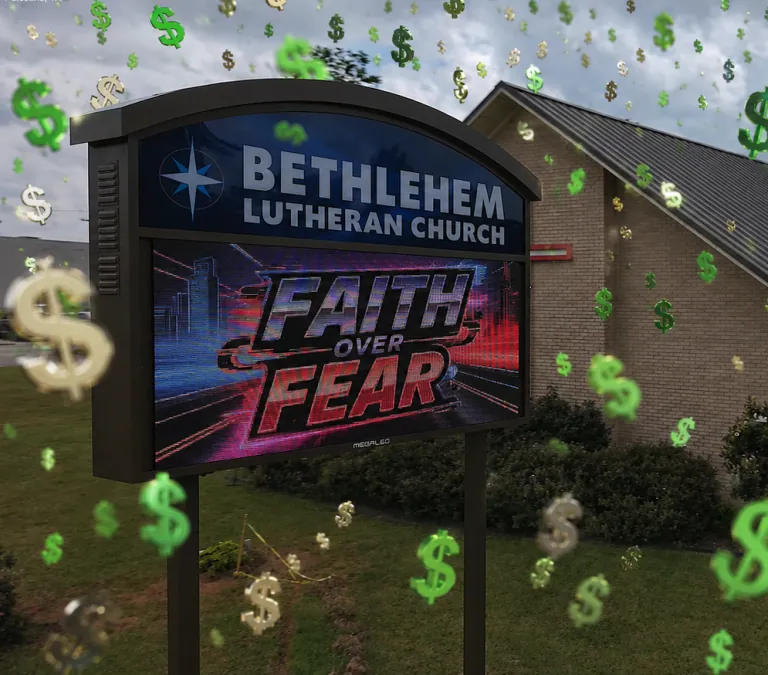
Examples that hold up: “Be still and know.” (Psalm 46:10 KJV, fragment). “Faith over fear.” (original, biblical theme). “Grace upon grace.” (echoing John 1:16). Each is short enough for a marquee and rich enough to mean something.
Catchiness also benefits from rhythm. Short, repeated sounds register faster than complicated phrases. “Come weary, leave loved.” “Seek and you’ll find.” Sentences with two beats and a clear contrast tend to outlast one-off cleverness.
The easiest verses to read at a glance are four to ten words long, drawn from passages with strong rhythm and clear meaning. Public-domain KJV verses that work well at sign length include:
These are short enough to rotate weekly without feeling repetitive. A church that rotates Scripture publicly does double duty: encouraging members and signaling to the surrounding community what the church values.
Short godly quotes use a warm, gentle tone built around themes like peace, mercy, kindness, joy, and trust in God. Tone matters as much as content. The sign that reads “Repent or Perish” speaks to a different audience than the one that reads “Grace Walks With Us.” Both are biblical. Only one is welcoming at first sight.
Themes that work in this register: rest, refuge, mercy, gentleness, light, hope, comfort. Phrasing examples: “His mercies are new.” “You are loved.” “Come as you are.” “Rest in Him.”
This style works especially well for churches positioned as a community resource, not a doctrinal stronghold. The wording leaves theological detail for the inside of the building and uses the sign as the front door.

Beautiful verses combine poetic rhythm with comforting imagery. They invite the reader to pause rather than scan. A church that chooses a beautiful verse signals that the inside of the building is also chosen with care.
KJV passages that read beautifully at sign length:
Beauty and brevity compound rather than compete.
Welcoming language reduces intimidation. The reader passing your sign may not have been to church in years, may have left a previous congregation badly, or may simply be curious. Welcoming wording lowers the cost of walking through the door.
Phrases that work: “All are welcome here.” “Come hungry, leave full.” “There’s room at the table.” “You’re already in our prayers.” Each names the reader’s possible hesitation and answers it with a quiet invitation.
Direct Scripture also serves this function. “Come unto me, all ye that labour” (Matthew 11:28 KJV) is one of the most welcoming phrases in the Bible because the verse itself does the inviting. A welcoming sign reaches a wider audience than a doctrinal one would.
Reflective wording asks the reader to pause without sounding harsh. The line we walk is between pastoral and preachy. “What would Jesus say to you today?” lands as reflective. “Are you living in sin?” lands as confrontational.
Patterns that read as reflective:
We design programmable LED church signs in the USA that rotate verses, service times, and seasonal messages from a laptop. Get a free quote tailored to your campus.
Avoid rhetorical traps and anything that scolds. The driver isn’t your member yet. Start with curiosity, not conviction.
A strong sign rotation balances comfort, invitation, motivation, and reflection across the year. Running the same tone every week wears thin. Variety keeps the sign feeling alive.
A four-week rotation we’ve recommended to churches:
This kind of rotation aligns with the rhythm of most preaching calendars and gives the sign a different character each week. A programmable display makes this rotation easy to schedule from a laptop without going outside.
Future-focused Scripture works best at the start of a new year, school term, or ministry season. The themes that resonate are God’s guidance, hope, trust, and new beginnings.
KJV verses that work in this register:
Seasonal relevance makes a church sign feel timely. A verse about new beginnings posted in early January reads as intentional. The same verse posted in mid-July reads as random. Timing carries part of the message’s weight.

Church signs are a public-facing ministry touchpoint. They reach people who don’t attend, won’t attend yet, and may attend years from now. A single line of text can encourage a struggling person, invite a curious neighbor, or anchor the church’s identity.
Lifeway Research’s grateful church guidance frames public Scripture display as part of how a congregation cultivates spiritual rhythm. The sign carries that rhythm into the wider neighborhood.
Warm wording signals a different church than aggressive or cluttered wording. We’ve watched the same congregation get different visitor patterns just by switching the tone of their rotation. Our outdoor church signs are configured for weekly rotation with five-year warranties on Premier-class displays.
Choosing Scripture for a sign is a decision about audience, sign size, tone, theology, and timing. The shortcut: start with the audience your church is already trying to reach, then pick verses that meet that audience where they are.
A church reaching weary people uses different verses than one reaching theologically curious ones. A church on a residential street uses different verses than one on a commercial highway.
Each verse gets a quick three-question check before posting: Is it readable at distance? Does it feel like our church? Does it leave the reader wanting to know more? If a verse fails any one, it goes back into the rotation file rather than onto the sign.

Display choices shape how Scripture is received. A well-displayed verse signals a church that takes its public communication seriously.
Different formats serve different parts of the ministry. Outdoor LED signs carry weekly verse rotations. Bulletin boards in the foyer carry longer Scripture for members. Banners mark special services. Themed arrangements for Advent, Lent, and Easter let the building tell a year-round story.
Pew Research Center’s Pew religious research on prayer practices shows even Americans without strong religious affiliation often pray and reflect on faith, which is why a varied display strategy reaches a wider audience than a single channel would. Barna’s prayer research study similarly found that 79% of American adults have prayed at least once in the last three months, which is the audience your sign actually reaches.
Creative displays add freshness without distracting from Scripture. The principle is simplicity, consistency, and visual clarity over novelty for its own sake.
Approaches that work: seasonal color palettes that change with the church calendar; consistent typography across signs and bulletins so the church’s voice reads the same everywhere; rotating imagery tied to themes like harvest in autumn or light in Advent.
Approaches that don’t: novelty fonts that sacrifice readability; cluttered layouts that compete with the verse for attention; messages crammed onto signs designed for shorter copy. The verse should always be the easiest thing to read on the sign, with everything else supporting it.
The table below is the verse-length-by-format guide we walk through with churches before they sign off on a Scripture rotation. For freestanding installations, our Omega monument signs combine programmable LED faces with custom masonry surrounds.
| Sign type | Typical word tolerance | Best verse style | Example |
|---|---|---|---|
| Roadside marquee | 4-7 words | Verse fragment, original saying | Be still and know |
| Programmable LED, single-line | 6-10 words | Short verse, brief invitation | The Lord is my shepherd |
| Programmable LED, multi-line | 10-20 words | Two-line verse, paired theme | Enter His gates / with thanksgiving |
| Entrance sign | 8-12 words | Welcoming verse, invitation | Come unto me, all ye that labour |
| Foyer bulletin board | 15-40 words | Full verse, seasonal Scripture | Psalm 23 in full |
| Banner, special service | 6-15 words | Themed Scripture, holiday | Unto us a child is born |
The best Bible verses for church signs are short, memorable, and chosen from public-domain Scripture like the King James Version. Verses such as Psalm 23:1, Psalm 46:10, 1 Thessalonians 5:18, John 3:16, and Matthew 11:28 work in four to ten words and translate cleanly to roadside marquees and programmable LED signs. The choice depends on your audience and tone. A welcoming verse like “Come unto me” reaches different readers than a reflective fragment like “Be still and know,” and a strong rotation uses both.
Church signs are a public-facing ministry touchpoint that reaches thousands of people who may never attend a service. A well-chosen verse can encourage a struggling neighbor, invite a curious visitor, or anchor the church’s identity in the surrounding community. The sign also shapes first impressions before a visitor walks through the door, so warm and scriptural wording signals a different congregation than aggressive or cluttered wording. The reach is broader than most churches realize, and the impressions accumulate over months and years of seasonal rotation.
Our outdoor LED church signs run weekly verse rotations scheduled from a laptop. https://www.megasigninc.com/church-signs/
Our Alpha LED boards run programmable Scripture in compact 3×5 to 6×12 footprints. https://www.megasigninc.com/alpha-led-sign-boards/
Our Omega monument signs combine programmable LED with custom masonry surrounds. https://www.megasigninc.com/omega-monument-signs/
Talk to a MEGA LED specialist for a free consultation on the right configuration. https://www.megasigninc.com/free-quote/
The best Bible verses for church signs are short, memorable, and chosen from public-domain Scripture like the King James Version. Verses such as Psalm 23:1, Psalm 46:10, 1 Thessalonians 5:18, John 3:16, and Matthew 11:28 work in four to ten words and translate cleanly to roadside marquees and programmable LED signs. The choice depends on your audience and tone. A welcoming verse like “Come unto me” reaches different readers than a reflective fragment like “Be still and know,” and a strong rotation uses both.
Church signs are a public-facing ministry touchpoint that reaches thousands of people who may never attend a service. A well-chosen verse can encourage a struggling neighbor, invite a curious visitor, or anchor the church’s identity in the surrounding community. The sign also shapes first impressions before a visitor walks through the door, so warm and scriptural wording signals a different congregation than aggressive or cluttered wording. The reach is broader than most churches realize, and the impressions accumulate over months and years of seasonal rotation.








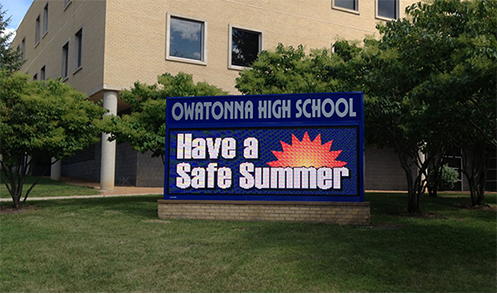








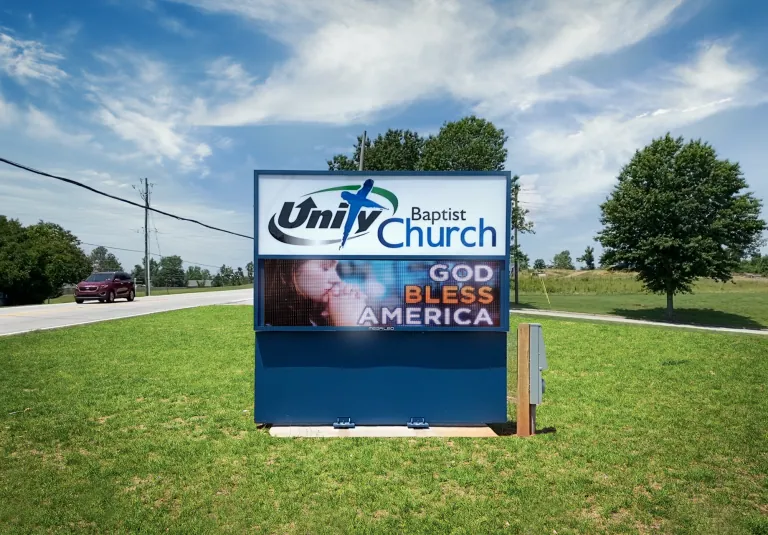










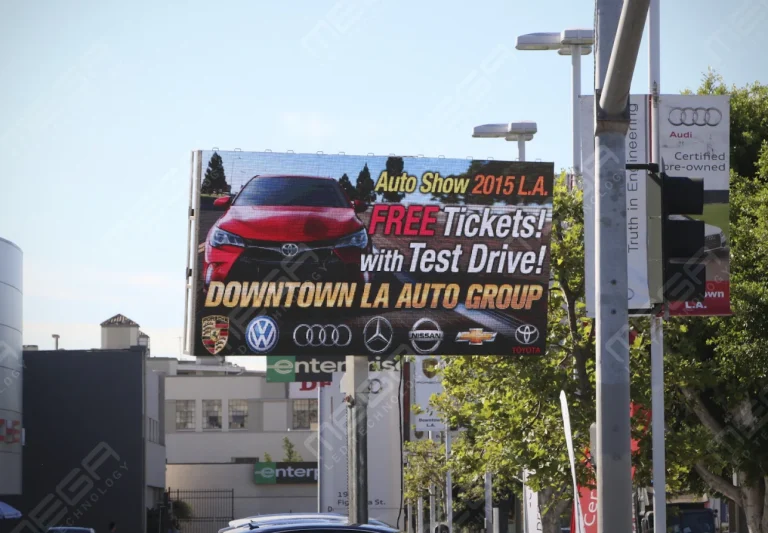


Alpha LED sign boards are great for anything from churches, to schools, to business. They tend to do great in large open spaces, where they are clearly visible.
Omega is our newest line of outdoor digital signs. Running the full gambit from cabinet, to LED sign, to logo on top, or any configuration of your choice!
Premier is a customizable Outdoor LED sign, perfect for the Entrepreneur who knows that large custom sized signs cultivated for their specific business is the way to go.
Programmable Stage LED signs, great for indoor assemblies, congregations, and presentations! Blow your competitors out of the water, or keep your congregation and audience glued to your message.