Summer Church Signs: What Are The Best Sayings And Ideas For The Season?

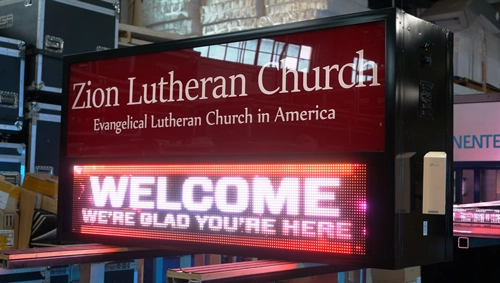
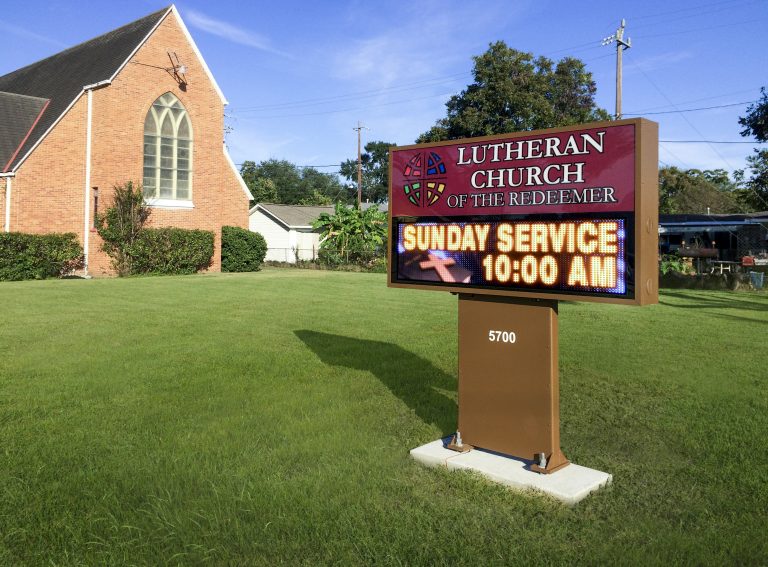
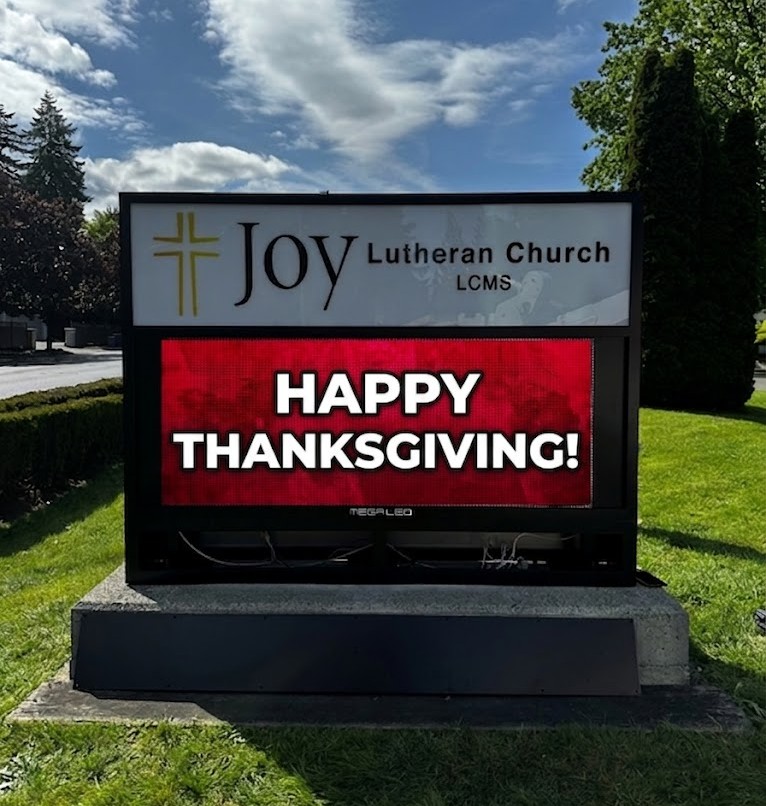
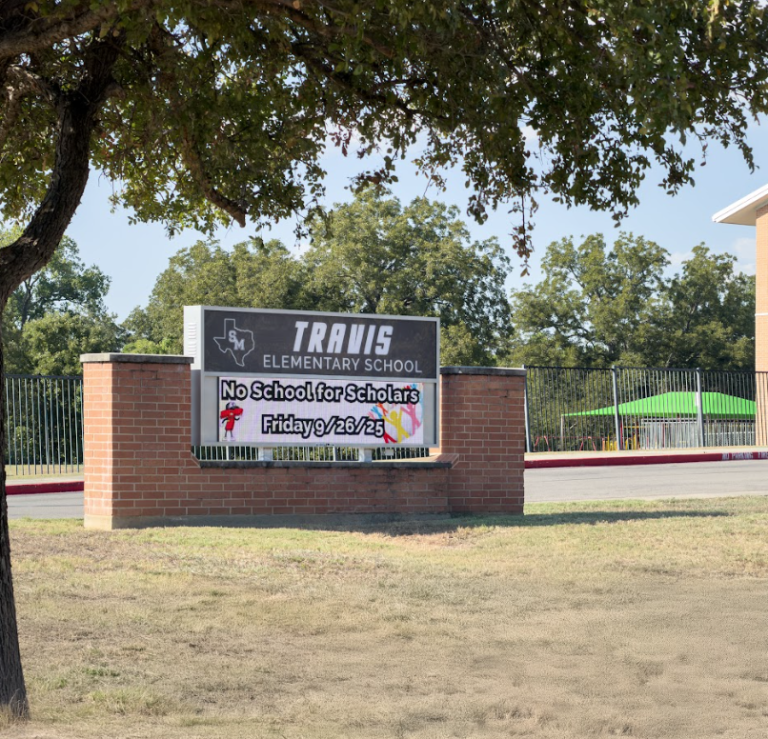
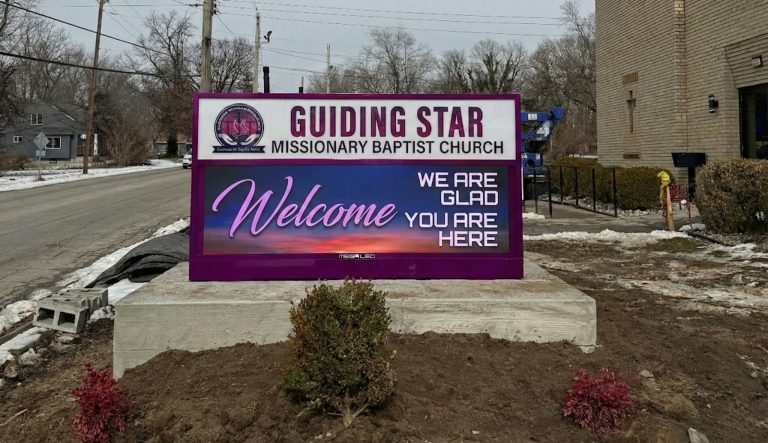
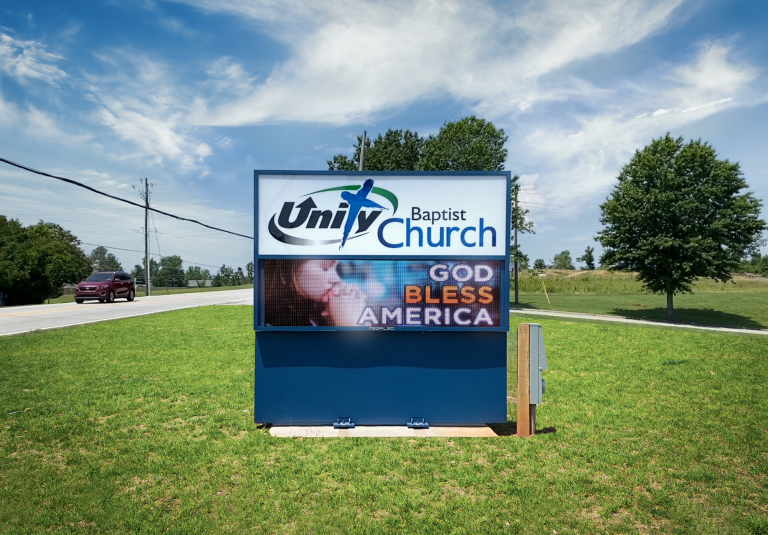
Alpha LED sign boards are great for anything from churches, to schools, to business. They tend to do great in large open spaces, where they are clearly visible.

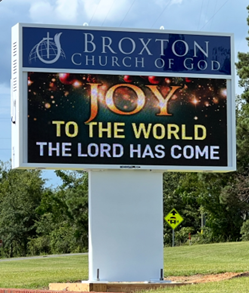
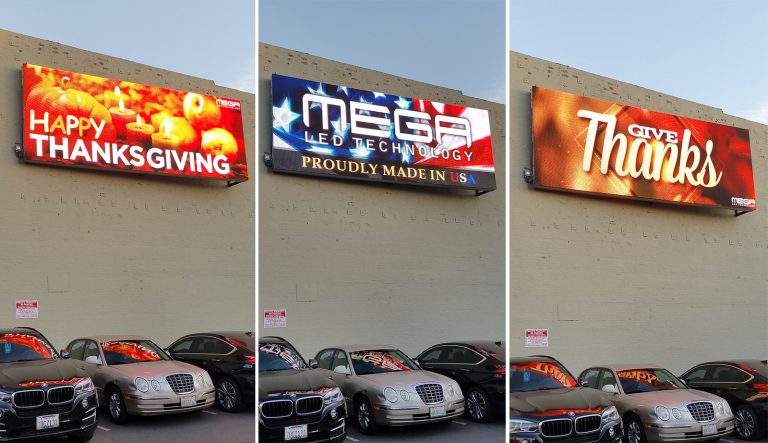
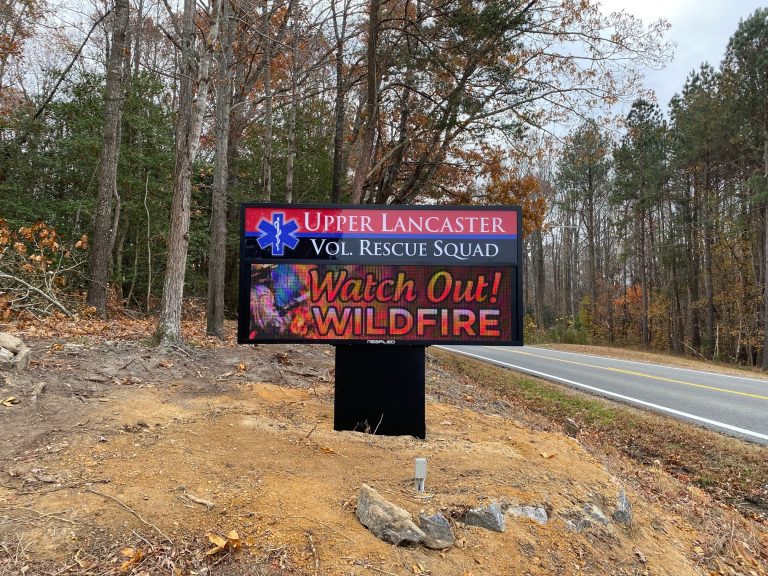
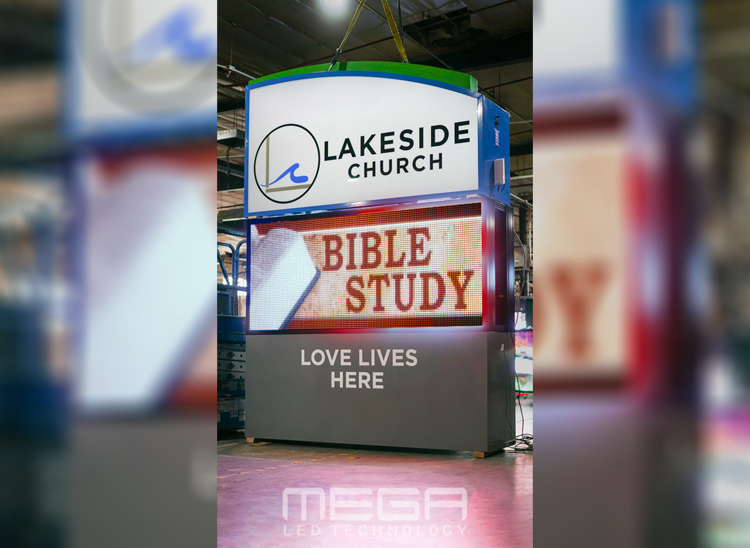
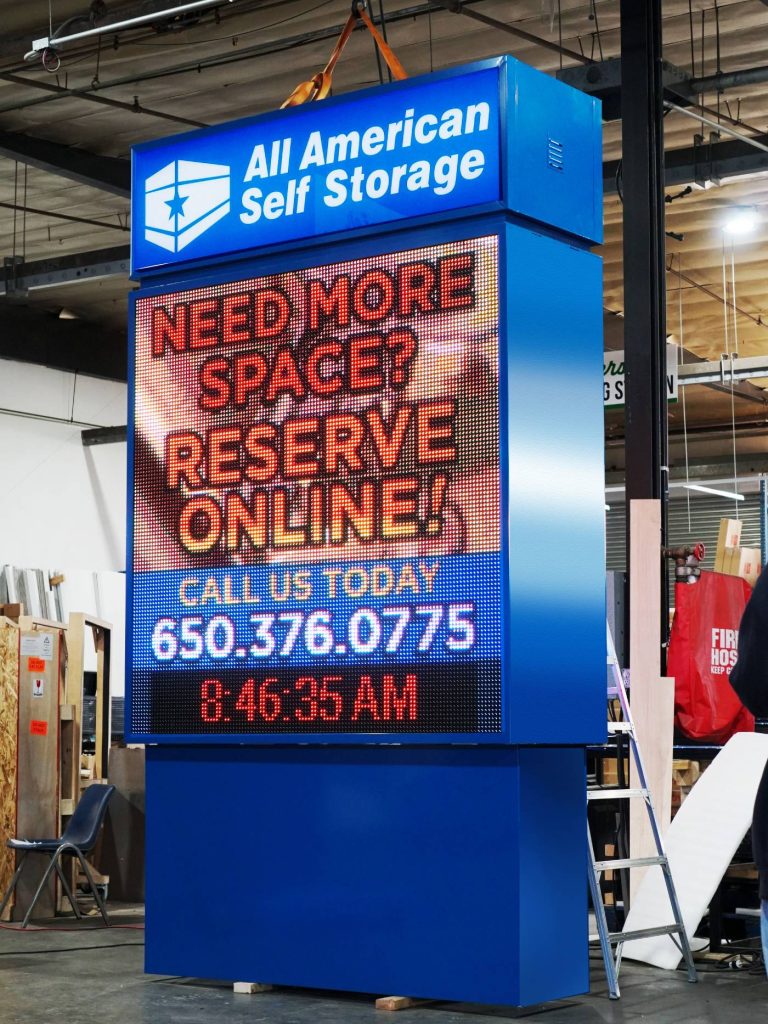
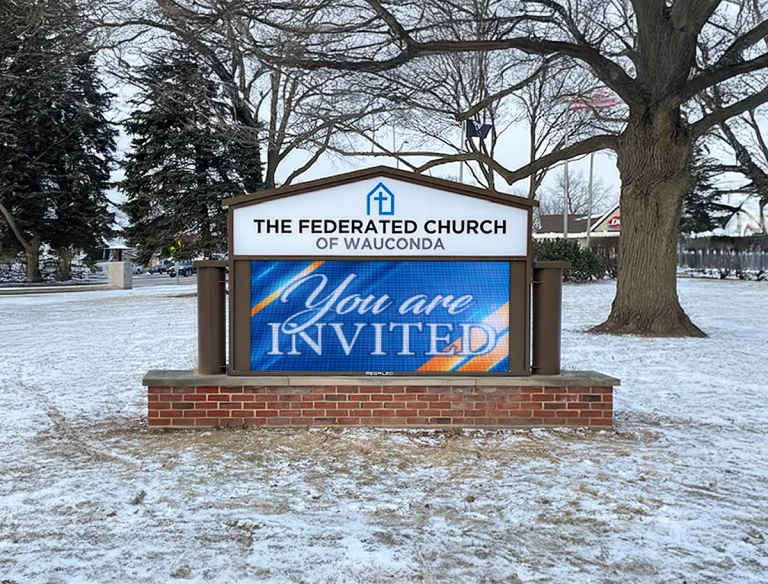
Omega is our newest line of outdoor digital signs. Running the full gambit from cabinet, to LED sign, to logo on top, or any configuration of your choice!

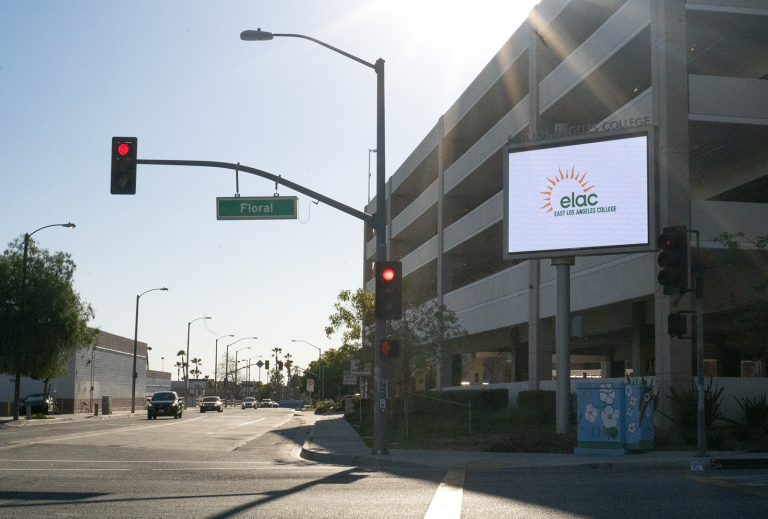
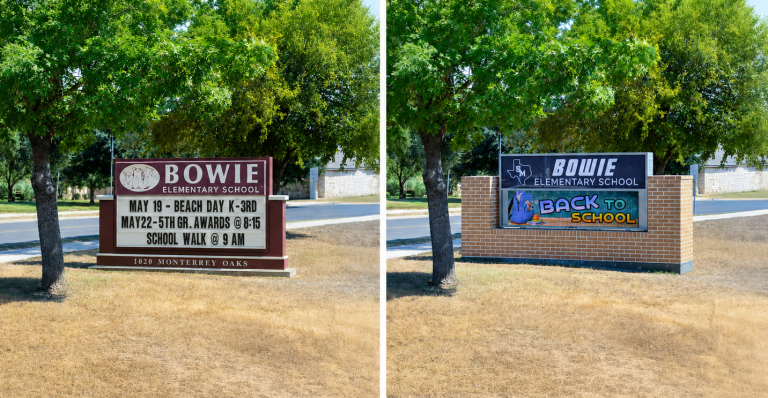
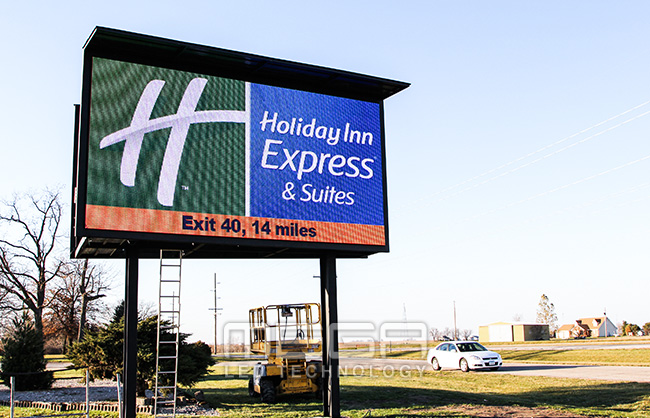
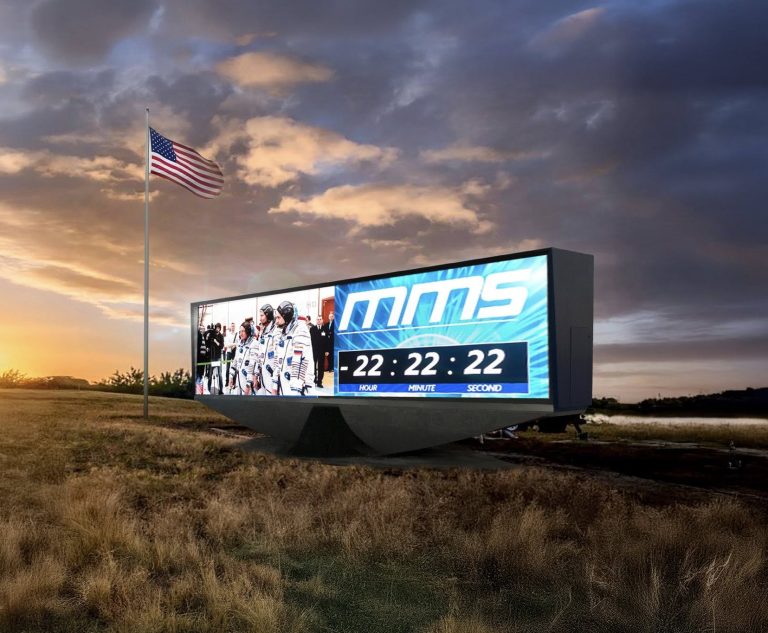
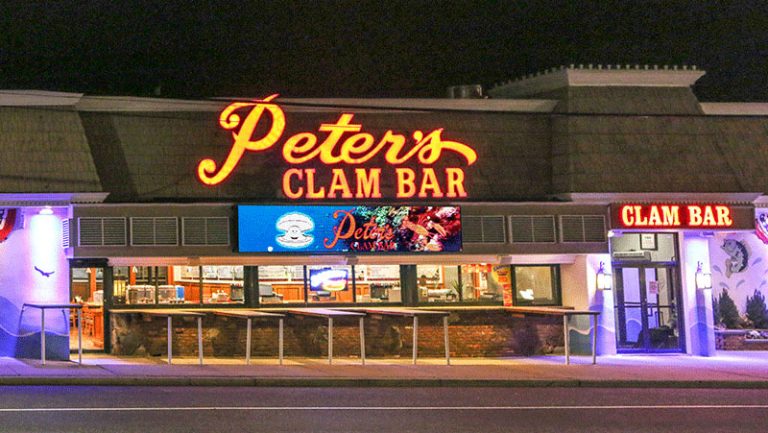
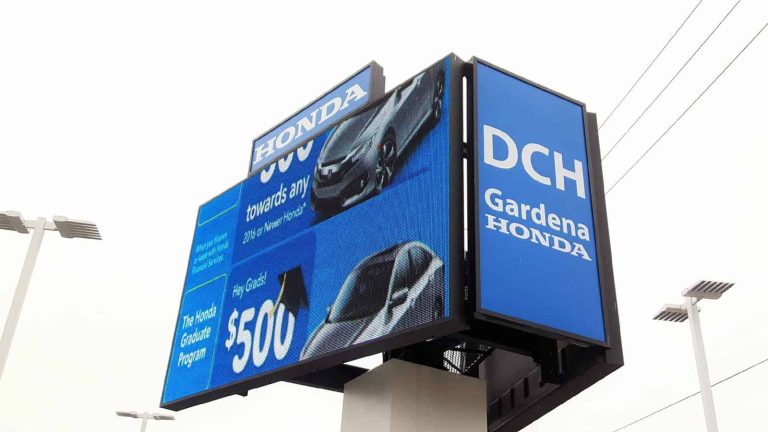
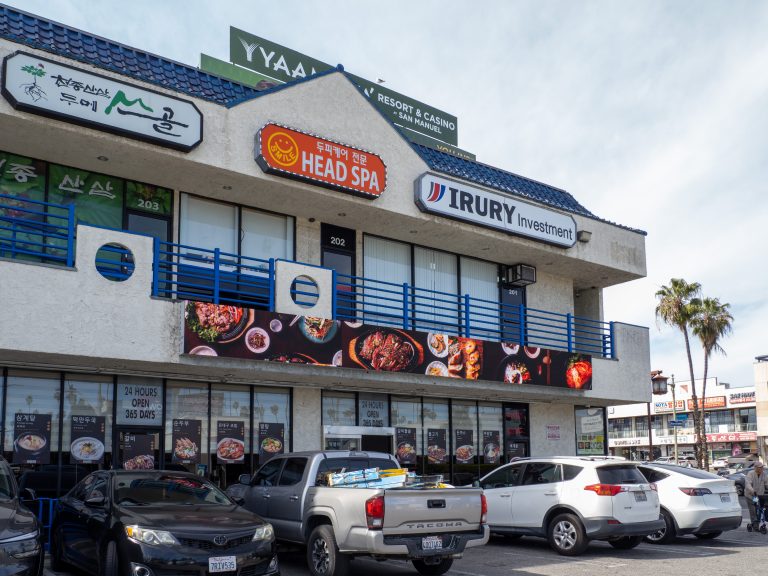
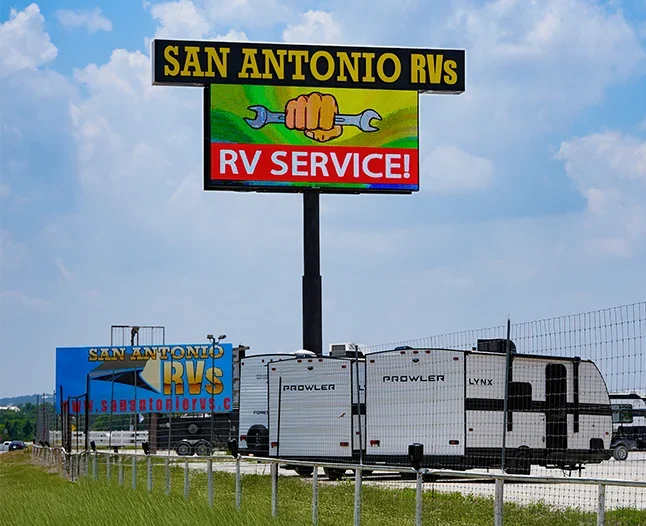
Premier is a customizable Outdoor LED sign, perfect for the Entrepreneur who knows that large custom sized signs cultivated for their specific business is the way to go.

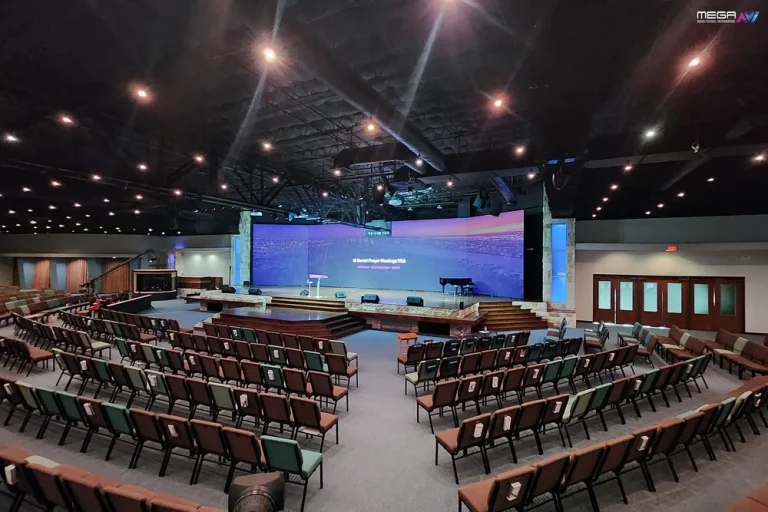
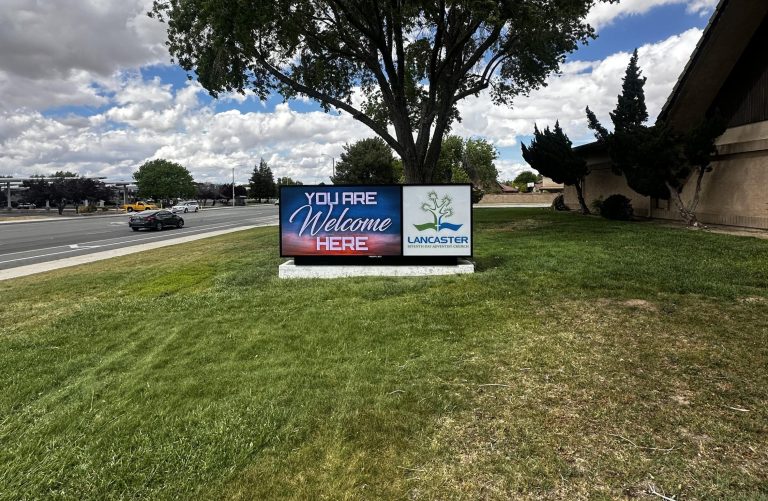
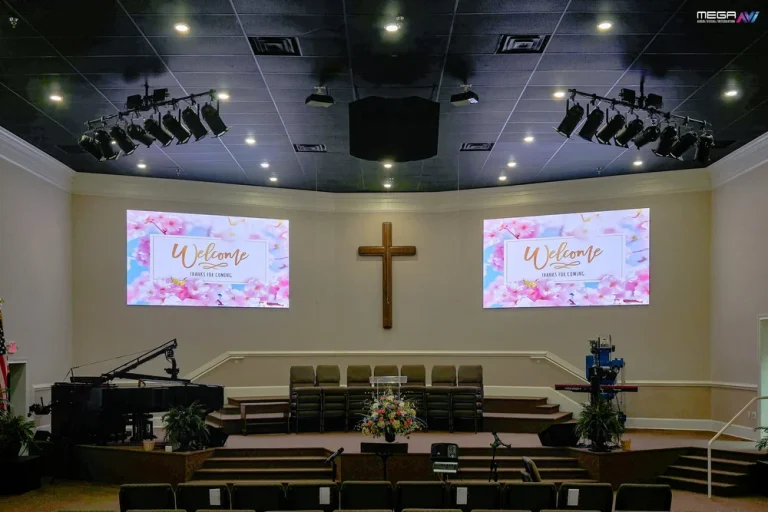
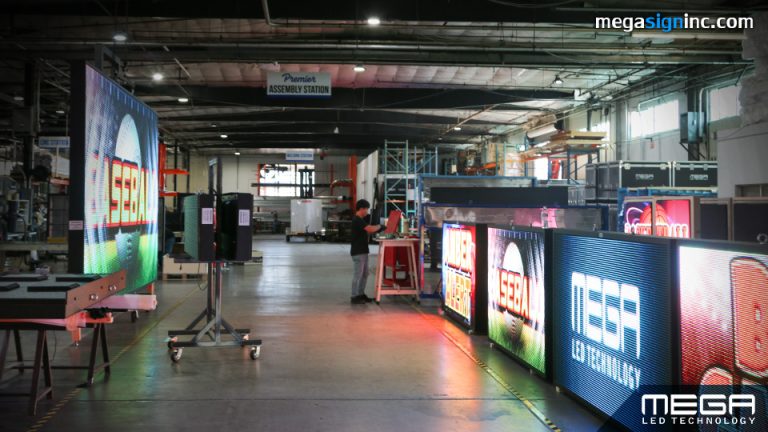
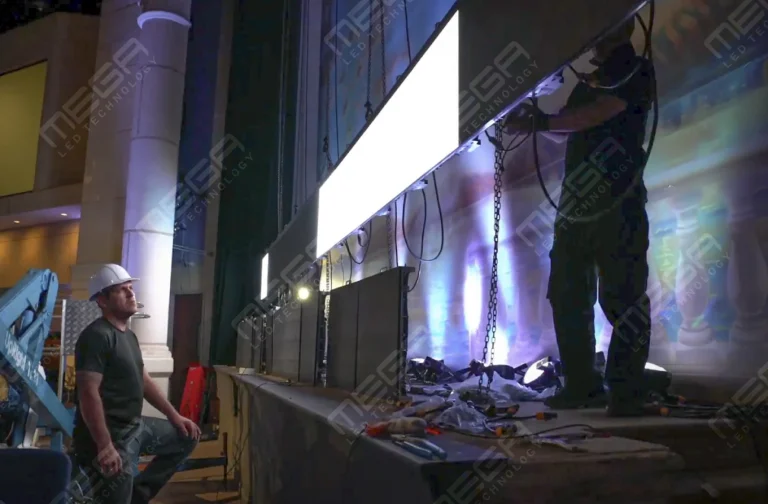
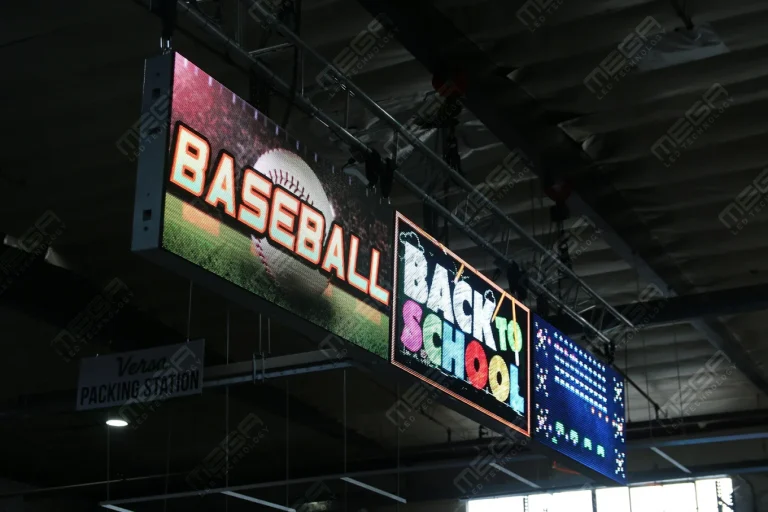
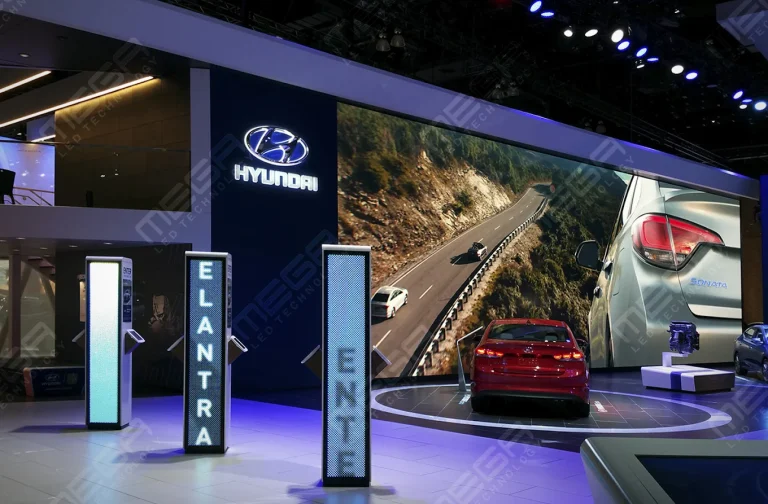
Programmable Stage LED signs, great for indoor assemblies, congregations, and presentations! Blow your competitors out of the water, or keep your congregation and audience glued to your message.

Alpha LED sign boards are great for anything from churches, to schools, to business. They tend to do great in large open spaces, where they are clearly visible.
Omega is our newest line of outdoor digital signs. Running the full gambit from cabinet, to LED sign, to logo on top, or any configuration of your choice!
Premier is a customizable Outdoor LED sign, perfect for the Entrepreneur who knows that large custom sized signs cultivated for their specific business is the way to go.
Programmable Stage LED signs, great for indoor assemblies, congregations, and presentations! Blow your competitors out of the water, or keep your congregation and audience glued to your message.
Your new sign can be designed, built, and paid for, then sit in a warehouse because city hall said no. Missing sign permits stall installations and trigger fines. This guide explains when permits apply, how applications work, and where a sign can legally go.

A sign permit is official approval from your local government that allows a property owner or business to install, alter, relocate, or in some cases operate a sign. Cities issue permits through their zoning and building departments, and each approval is tied to a specific sign at a specific address.
Signage permits exist to keep signs compliant with zoning laws, building codes, public safety rules, and local design standards. The same sign that sails through review in one city can be rejected two miles away, because rules shift by city, county, zoning district, property type, and sign type.
This guide covers the full picture: when permits are required, how a sign permit application works, where signs can legally be placed, and the special rules that follow yard signs, political signs, no parking signs, and other common categories.
Sign rules are written for safety and land use first, paperwork second. Because a sign is a physical structure standing near people and traffic, cities regulate its wind resistance, electrical connections, placement, and visibility the same way they regulate any construction.
Permits let local governments stop hazardous installations, visual clutter, traffic distractions, and zoning conflicts before they happen. The review also protects things residents care about: property values, pedestrian access, emergency visibility, and neighborhood character.
There is a benefit for the applicant too. An approved permit is a documented record that your sign was legal on the day it went up, which matters if codes change or a dispute surfaces years later.
Whether you need a permit depends on the sign itself: its type, purpose, size, location, structure, lighting, and permanence. The International Sign Association’s ISA permitting resources page notes that in the majority of communities, installing a new sign requires a permit, and some communities require one even for temporary signs and banners.
As a working rule, permanent exterior signs, illuminated signs, large freestanding signs, roof signs, and projecting signs usually trigger review. Small temporary signs, interior signs, address numbers, directional signs, and some noncommercial signs may be exempt.
So, do you need a permit for a business sign? For anything permanent or lit, plan on yes. And an exemption is not a free pass: exempt signs still have to follow placement and safety rules, which we cover below.
The permit-triggering list is long: wall signs, monument signs, pole signs, pylon signs, projecting signs, roof signs, illuminated signs, and large banners. Signs attached to a building facade get reviewed for structural anchoring and design fit, and signs near roads draw stricter review because they sit in a driver’s line of sight.
Special sign types often need more than one permit. Here is the checklist we use when scoping a project:
| Sign type | Permits usually triggered | What reviewers check |
|---|---|---|
| Wall or facade sign | Standard sign permit | Size vs. facade area, mounting, design standards |
| Monument or pylon sign | Standard + structural | Height, setback, footing, wind load |
| Illuminated LED sign | Standard + electrical | Wiring, grounding, listed components, brightness |
| Roof or projecting sign | Standard + structural, sometimes electrical | Attachment points, clearance over walkways |
| Large temporary banner | Temporary sign permit in some cities | Duration limits, anchoring, placement |
Sign regulations are half the buying decision, which is why we review your local code before we quote a Premier outdoor LED display. Businesses and churches we work with tend to discover brightness curfews and size caps only after falling in love with a design, so we check the code first.

A standard sign permit covers the physical sign itself: its dimensions, location, height, message area, and installation details. Think of it as the city signing off on what the sign is and where it stands.
The reviewer checks those numbers against zoning limits, property setbacks, and design standards for your district. For many permanent business signs, this is the basic permit you need, and sometimes the only one; a modest unlit wall sign often stops here.
Approval can still hinge on people outside city hall. If you lease your space, expect the city to ask for landlord or property owner authorization before it issues anything.
Any sign connected to power usually needs electrical approval: internally lit cabinets, LED displays, neon, and channel letters all qualify. In many cities the electrical permit is a separate application from the standard sign permit, reviewed by a different examiner.
Inspections verify wiring safety, code compliance, grounding, and installation quality, and many jurisdictions require a licensed electrician or licensed sign contractor to pull the permit and connect the sign.
Documentation makes this step painless. Premier signs are MET Lab Certified with UL 48, UL 8750, and UL 1433 compliant electronics, which is exactly the listing paperwork an electrical reviewer asks to see.
We research your local sign code and file the permit paperwork for every sign we build. Get a straight answer before you spend a dollar on design.
Structural review applies when a sign is big enough to hurt someone if it fails. Large freestanding signs, pylons, monument signs, roof signs, and facade alterations commonly need a building or structural permit on top of the sign permit.
The point is physics: the structure has to withstand wind, weather, its own weight, and mounting stresses for decades. Tall, heavy, or complex installations usually require stamped engineering drawings; we prepare certified drawings as part of every Omega monument signs project.
Structural approval protects two parties at once: the property owner who pays for the sign, and the public walking under it.
Common exemptions include small temporary signs, interior signs not visible from outside, official notices, address numbers, directional signs, and certain residential signs like yard signs. Political signs are often exempt too, though many cities cap their size and how long they can stay up.
Exempt never means unregulated. These signs still carry size, placement, safety, and duration rules, and an HOA, landlord, or property manager can say no to a sign the city allows.
Our advice after years of filing permits: never assume an exemption. Five minutes with the local planning counter beats taking a sign down under an enforcement notice.
A business sign permit application runs from research to approval in a predictable order. Here is the process as we run it for buyers:
Approval must come before installation. Installing first invites stop-work orders and double fees.
The U.S. Small Business Administration’s SBA business resources guide on licenses and permits makes the broader point: requirements and fees vary by activity and location, and some permits expire and need renewal tracking.
Premier outdoor LED signs are MET Lab Certified with UL compliant electronics, the documentation permit reviewers ask for. Explore sizes from storefront to highway scale.
Expect to submit design drawings, sign dimensions, mounting details, a site plan, sometimes a property survey, and contractor information. Scale drawings should show the sign on the actual building or site, not a generic elevation.
Two sign categories add layers. Large or freestanding signs add stamped structural engineering plans, and illuminated signs add wiring diagrams, electrical specifications, and the separate electrical permit discussed above.
Incomplete files are the delay we see stall applications the longest. Site plans missing setback dimensions, or drawings without mounting details, send the whole package back into the review queue and can lead to outright rejection.
We compiled a pre-permit checklist with the most common requirements we find across local governments:
| Item | Why It Matters |
|---|---|
| Property address and business name | The permit is tied to a specific sign at a specific location. |
| Parcel number or property ID | Some cities use this to confirm zoning, ownership, and property boundaries. |
| Zoning district | Your zone determines allowed sign types, size limits, height, lighting, and setbacks. |
| Landlord or property owner approval | Many cities will not approve a sign for a leased space without written authorization. |
| Sign type | Wall, monument, pylon, LED, projecting, roof, banner, and window signs may trigger different reviews. |
| Sign dimensions | Include height, width, total sign area, cabinet size, and message area. |
| Installation location | Show where the sign will sit on the building, site, storefront, or property line. |
| Site plan or property survey | Reviewers use this to check setbacks, rights-of-way, sight triangles, driveways, and nearby roads. |
| Building elevation or facade drawing | This shows how the sign fits the storefront or wall area. |
| Mounting and attachment details | Needed to confirm the sign will be safely anchored |
| Electrical specifications | Required for illuminated signs, LED displays, channel letters, neon, or any powered sign. |
| Contractor or installer information | Some cities require a licensed sign contractor or electrician to pull the permit. |
| Engineering drawings | Usually required for freestanding, tall, heavy, roof-mounted, or structurally complex signs. |
| Product specification sheets | Helps reviewers confirm materials, brightness, electrical listings, and installation requirements. |
| Fee estimate and timeline | Permit fees and review times vary, so confirm both before finalizing your installation schedule. |
Sign approvals usually run through a planning, zoning, permitting, building, or development services department, and the name changes city by city. The City and County of Honolulu, for example, routes applications through its Department of Planning and Permitting, whose Honolulu sign permits page requires a permit before any permanent exterior sign is installed, constructed, altered, or relocated.
Expect to coordinate with more than one desk: zoning for placement, building for structure, electrical for power, and inspections at the end. Fees vary widely by location and sign type, which is why we research the specific municipality before quoting any project.

Sign fees stack in layers: application review, construction valuation charges, inspection fees, electrical permit fees, and in some cities renewal charges. Some cities also issue a sign operating permit that must stay current for as long as the sign is up.
Larger, illuminated, freestanding, or structurally complex signs cost more to permit because they touch more review desks. Across the projects we handle, permitting typically adds roughly $500 to $5,000 or more, driven by the municipality and the sign’s size and construction.
Treat every number as provisional. Fees change, so verify directly with your local permitting department; many publish online fee schedules or calculators. Our free sign quote includes the permitting cost for your city, so the budget you approve is the real one.
Omega monument signs come with the certified engineering drawings structural reviewers require. We handle design, permitting, and installation as one project.
Legal placement comes down to property ownership, zoning rules, public right-of-way restrictions, safety setbacks, and sign type. On property you own or lease, placement is relatively flexible inside your district’s limits. On public property, the default answer is no.
Streets, medians, sidewalks, utility poles, traffic signposts, and public rights-of-way are restricted in nearly every jurisdiction. Signs there can block sightlines or be mistaken for official devices; the Federal Highway Administration’s MUTCD sign standards, the national manual for traffic control devices, are part of why private signs are kept out of the right-of-way and away from anything resembling a traffic sign.
The same logic covers no parking signs. On your own lot they are generally fine without a permit, but posted on a public street they carry no legal force unless the city installed them.
Even on your own land, visibility and boundaries matter. Corner lots carry sight-triangle setbacks so drivers can see cross traffic, and a sign that drifts over a property line invites a dispute. We’ve seen a well-placed sign clear review in days, and the same sign, moved ten feet, need a variance.
A Premier outdoor LED sign sized to your facade, with code research and permitting handled for you: https://www.megasigninc.com/premier-outdoor-led-signs/
A large indoor LED video wall, which typically avoids exterior sign permits entirely: https://www.megasigninc.com/large-indoor-led-video-wall/
An Omega monument sign with certified engineering drawings included for structural review: https://www.megasigninc.com/omega-monument-signs/
Talk to us for a free code review and quote for your exact address: https://www.megasigninc.com/contact/
A signage permit is official local government approval to install, construct, alter, relocate, or sometimes operate a sign at a specific address. It confirms the sign meets zoning limits, building codes, safety rules, and design standards for its district, and it may bundle standard, electrical, and structural reviews into one file.
Permits are commonly waived for small, temporary, interior, or incidental signs: address numbers, directional signs, official notices, window displays not visible as exterior signage, and many residential yard or political signs. Exemptions still come with size, placement, duration, and safety rules, and a landlord or HOA can restrict signs the city allows. Because exemption lists differ from one sign code to the next, confirm with your local planning or permitting department before installing anything, even a sign you believe is exempt.

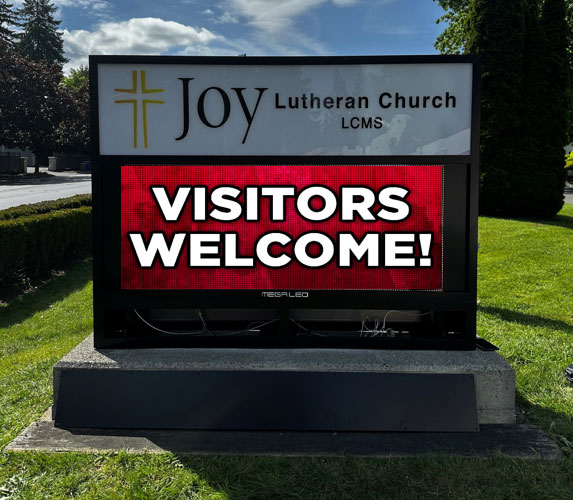









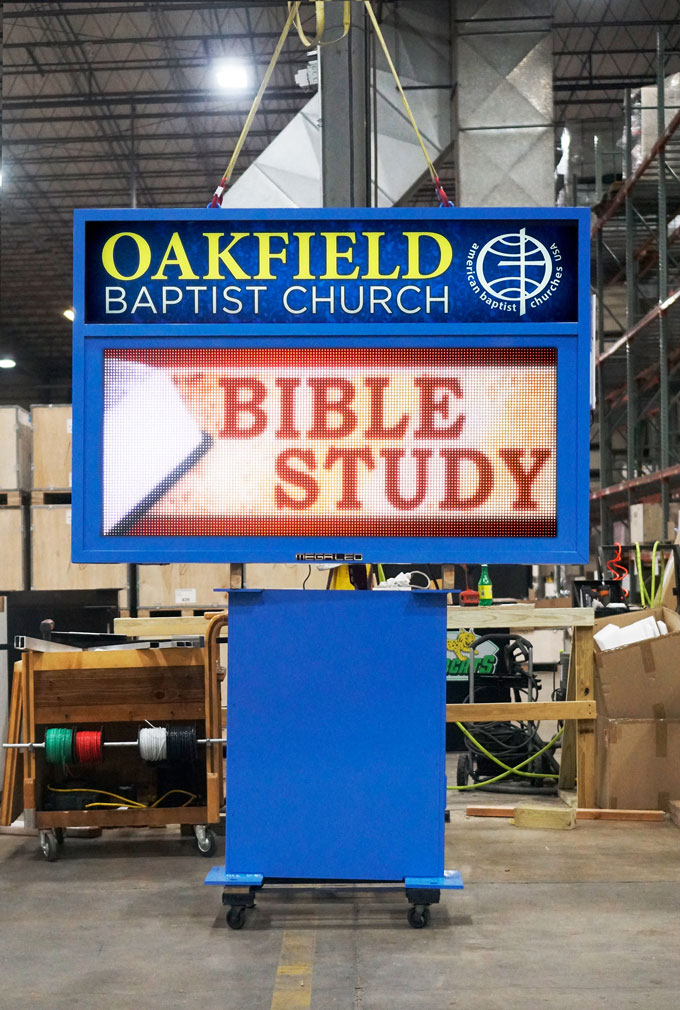


















Alpha LED sign boards are great for anything from churches, to schools, to business. They tend to do great in large open spaces, where they are clearly visible.
Omega is our newest line of outdoor digital signs. Running the full gambit from cabinet, to LED sign, to logo on top, or any configuration of your choice!
Premier is a customizable Outdoor LED sign, perfect for the Entrepreneur who knows that large custom sized signs cultivated for their specific business is the way to go.
Programmable Stage LED signs, great for indoor assemblies, congregations, and presentations! Blow your competitors out of the water, or keep your congregation and audience glued to your message.