Summer Church Signs: What Are The Best Sayings And Ideas For The Season?

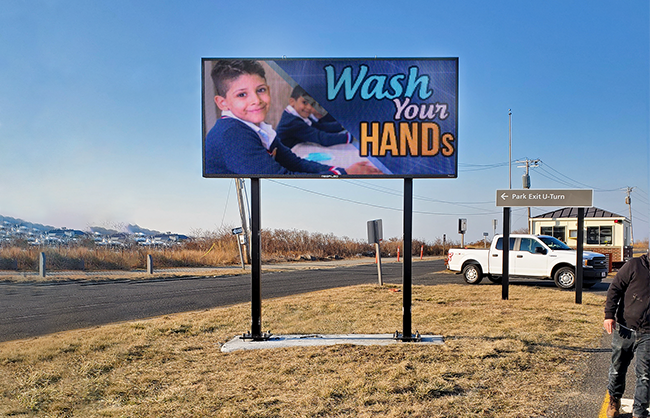
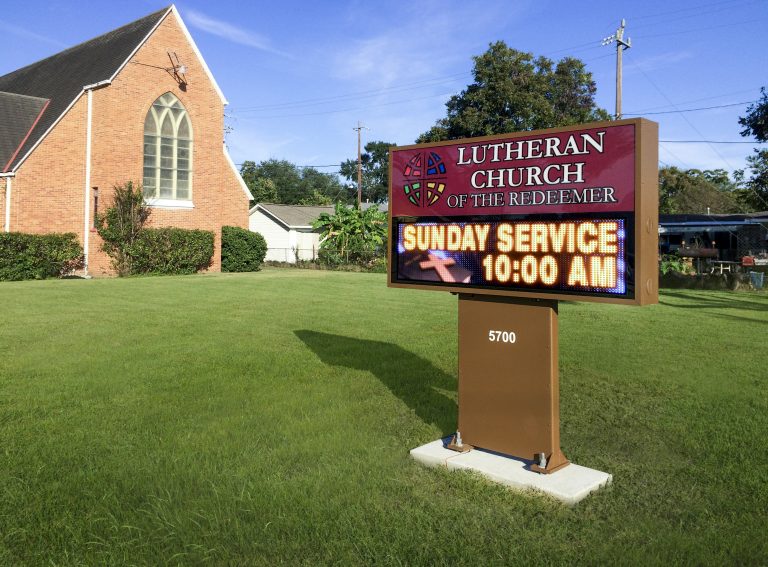
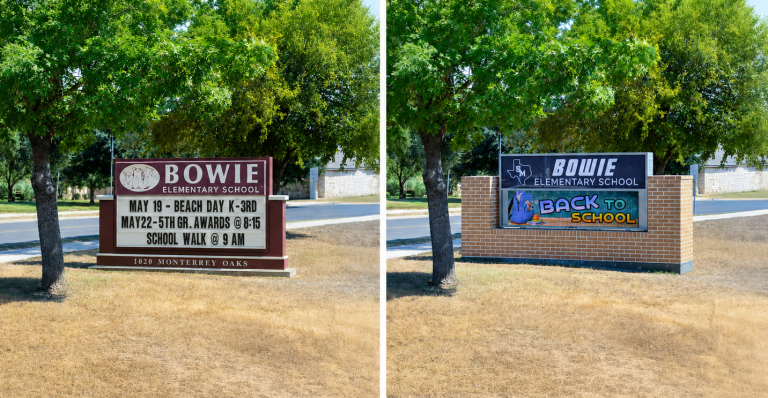
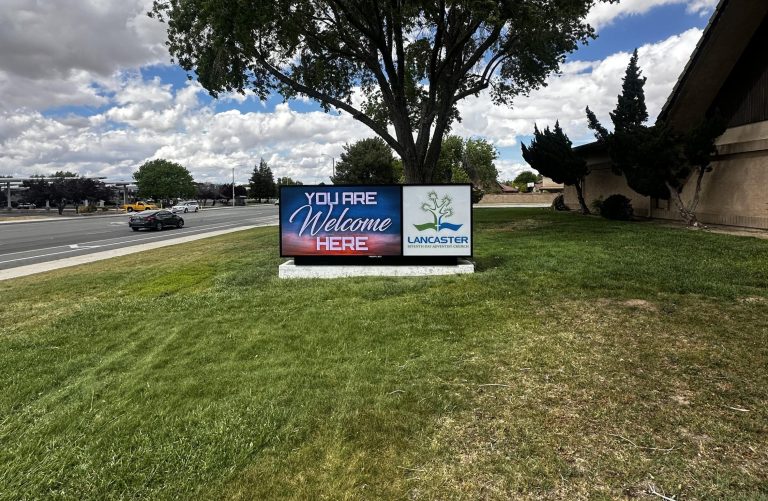
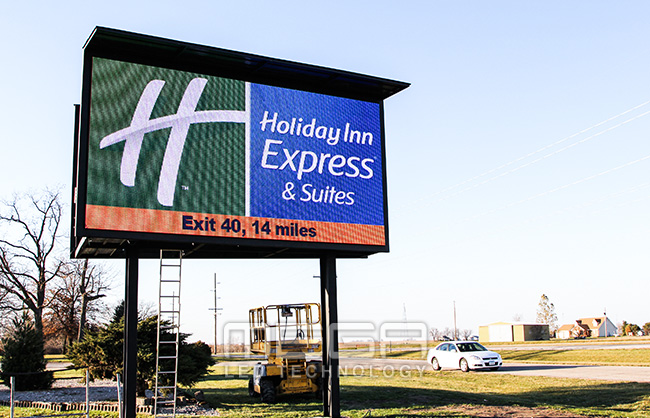
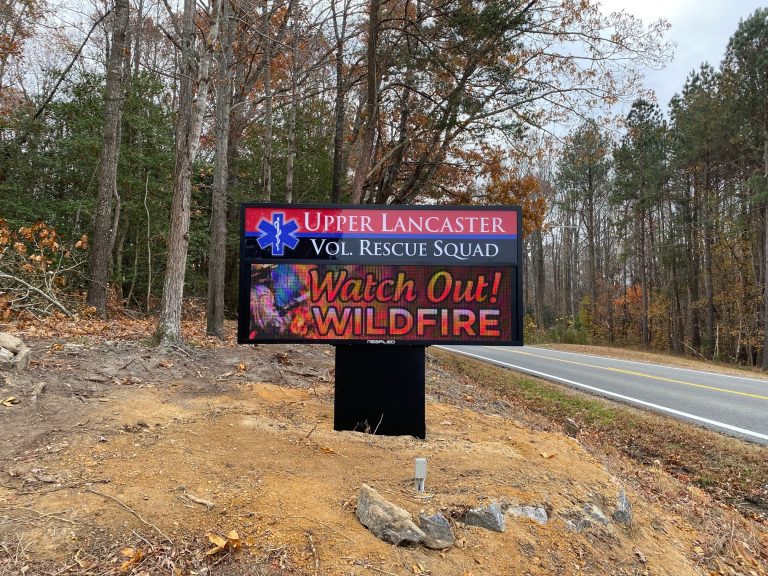
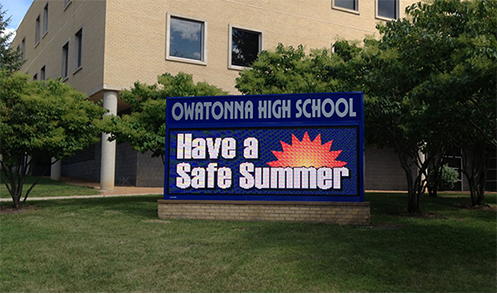
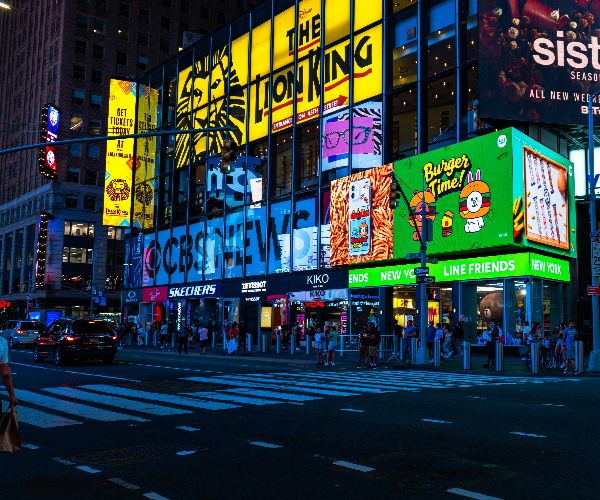
Alpha LED sign boards are great for anything from churches, to schools, to business. They tend to do great in large open spaces, where they are clearly visible.

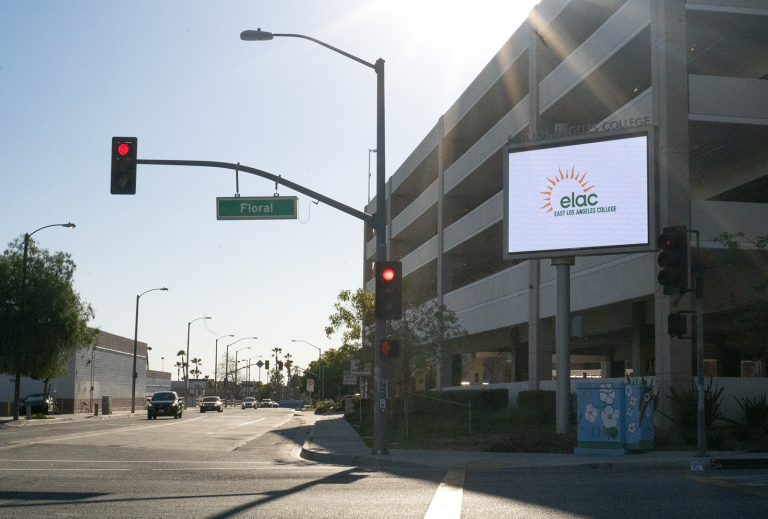
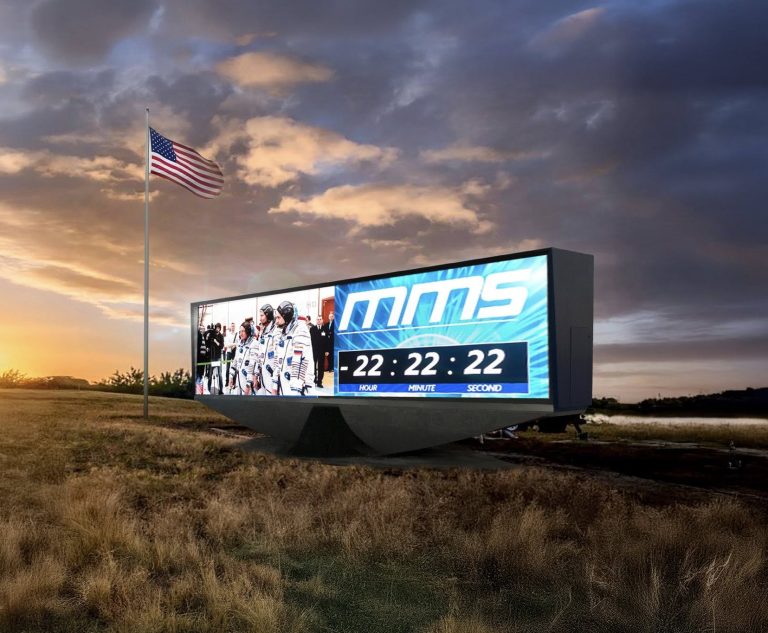
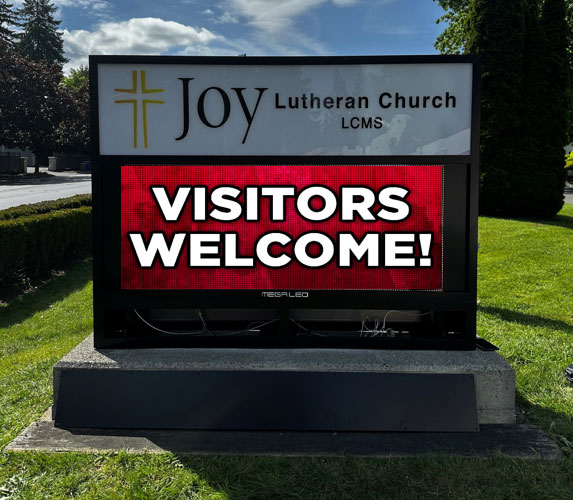
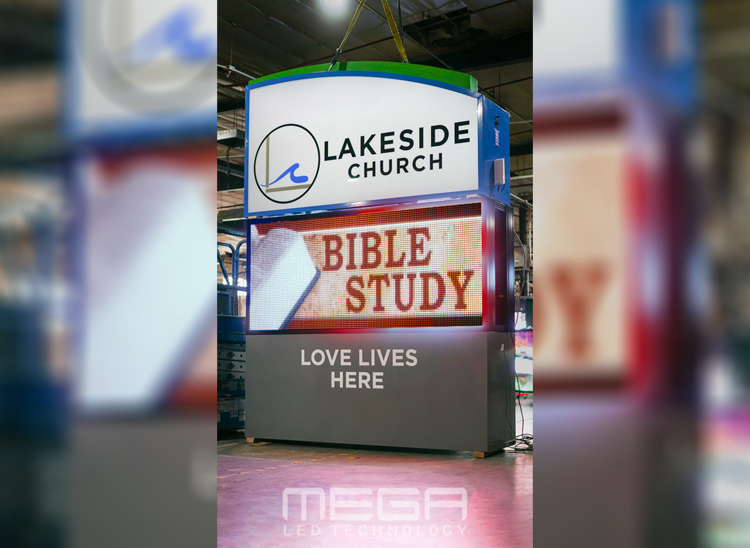
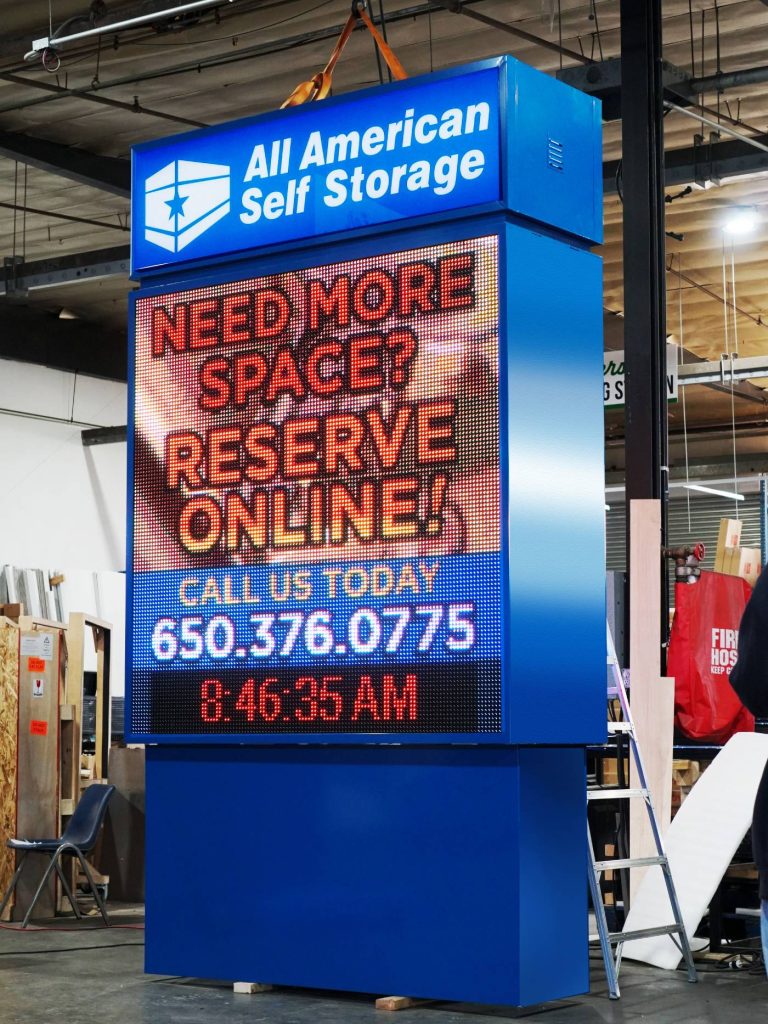
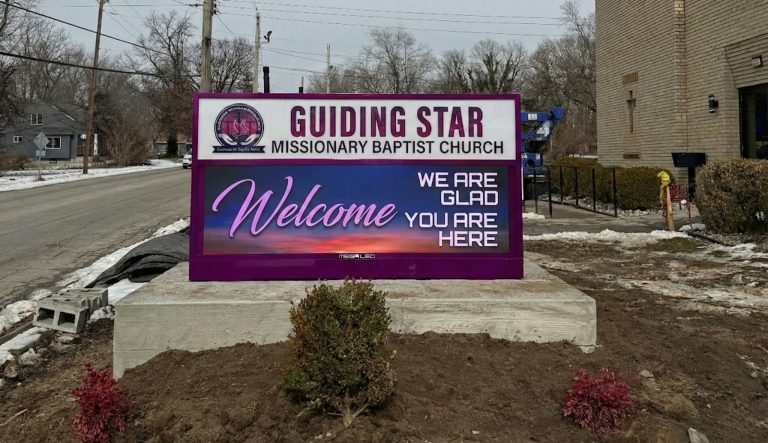
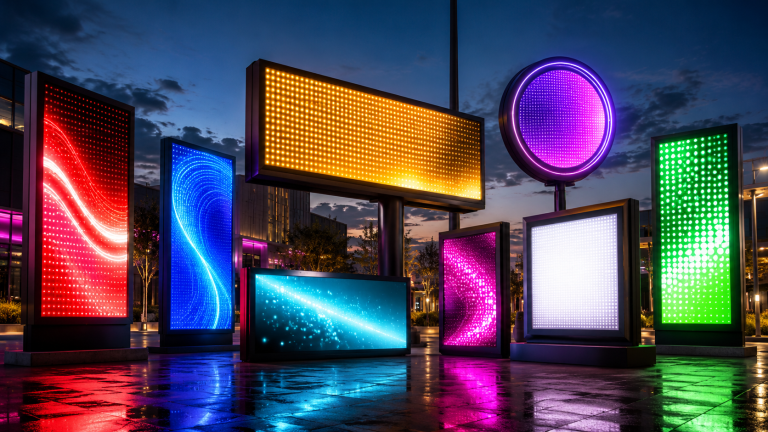
Omega is our newest line of outdoor digital signs. Running the full gambit from cabinet, to LED sign, to logo on top, or any configuration of your choice!

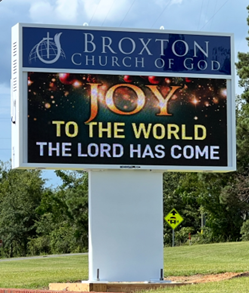
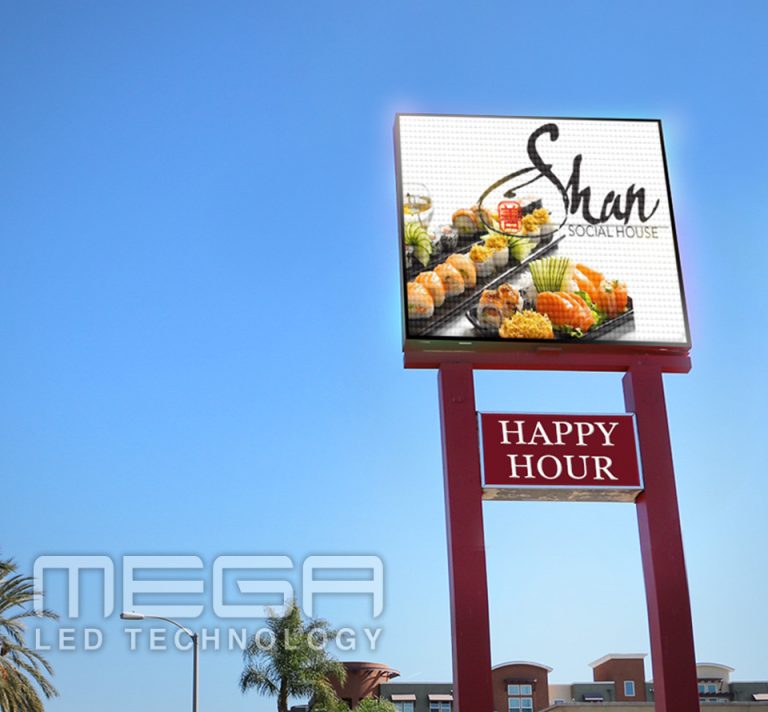
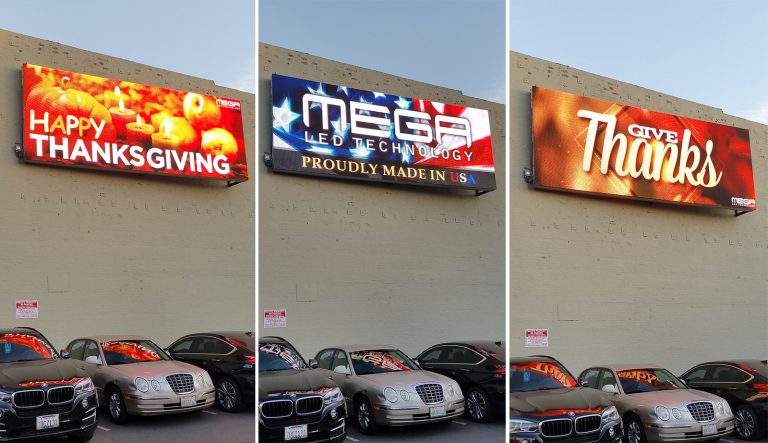
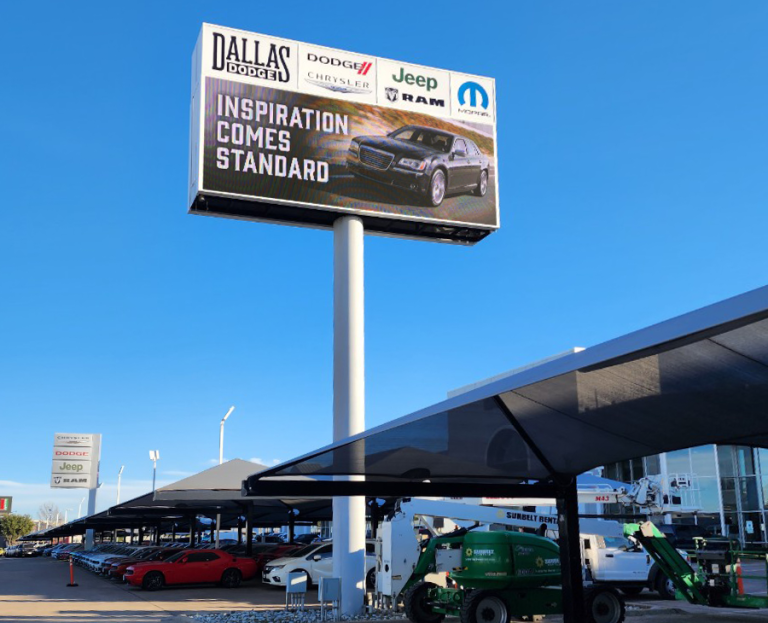
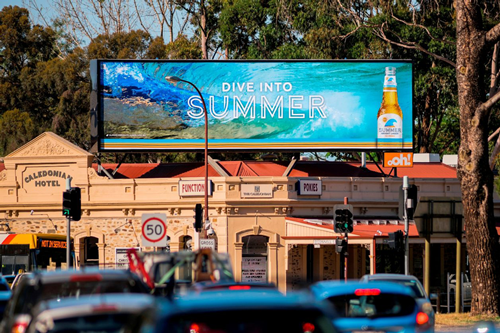
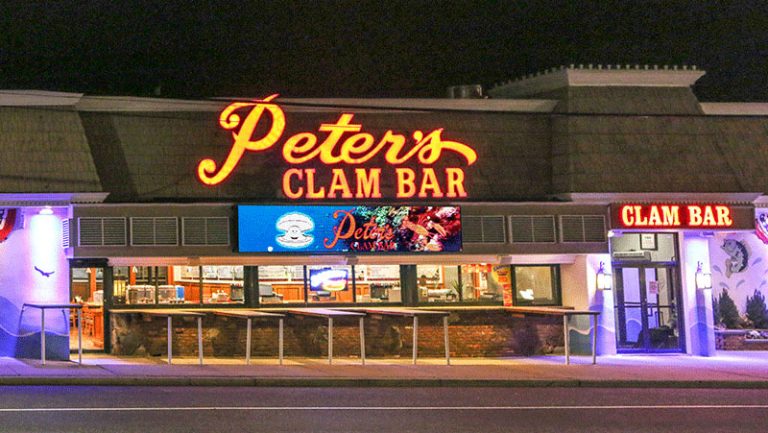
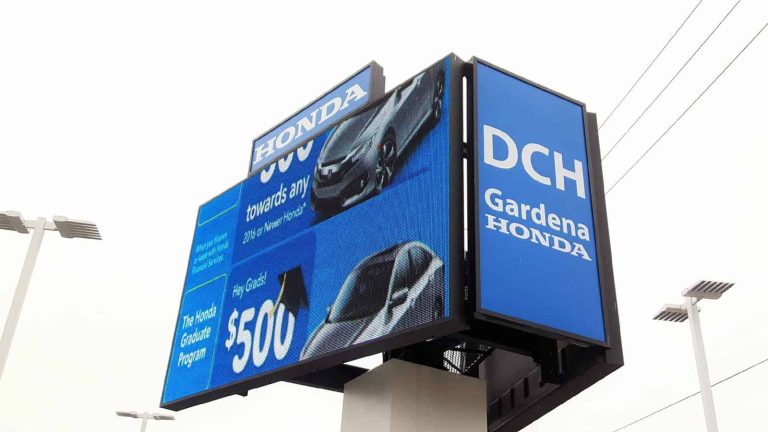
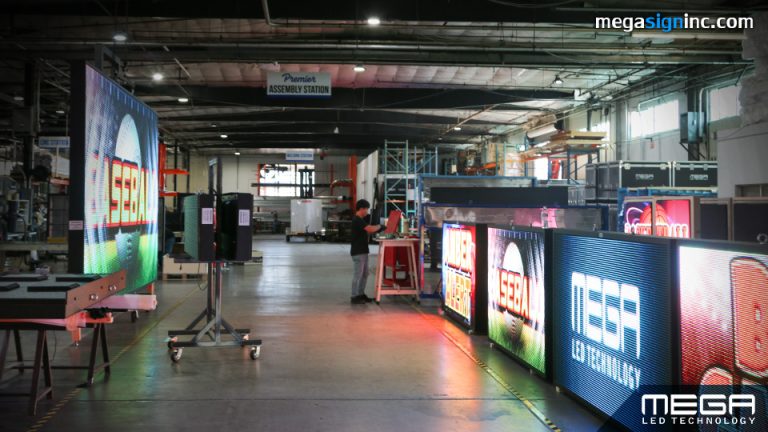
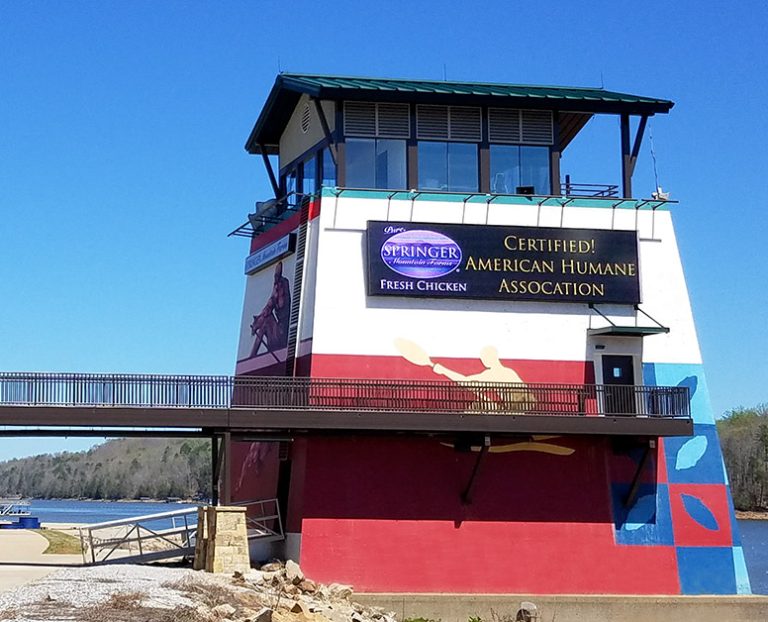
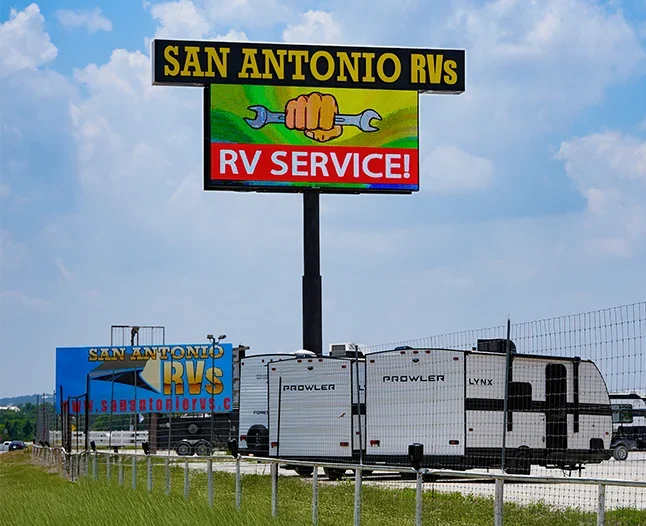
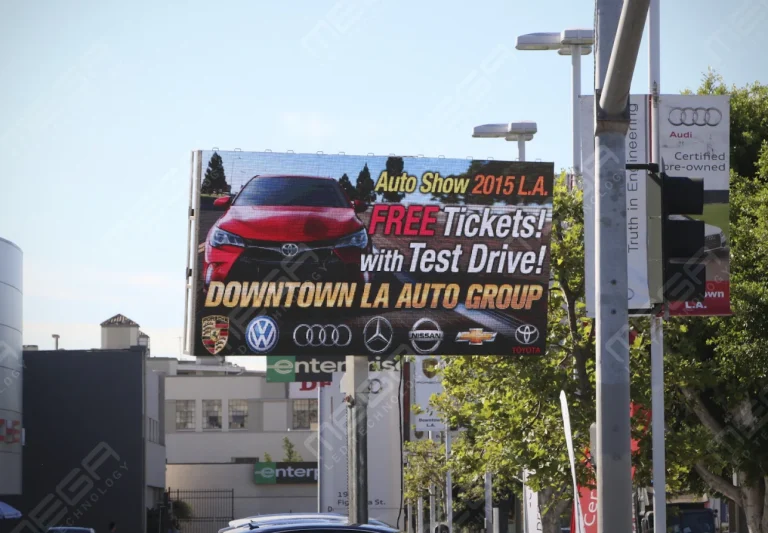
Premier is a customizable Outdoor LED sign, perfect for the Entrepreneur who knows that large custom sized signs cultivated for their specific business is the way to go.

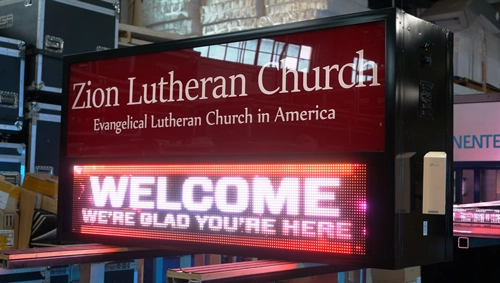
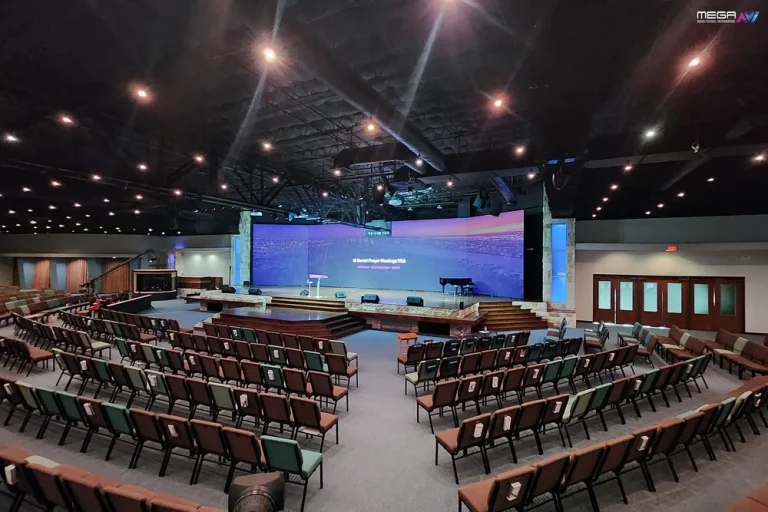
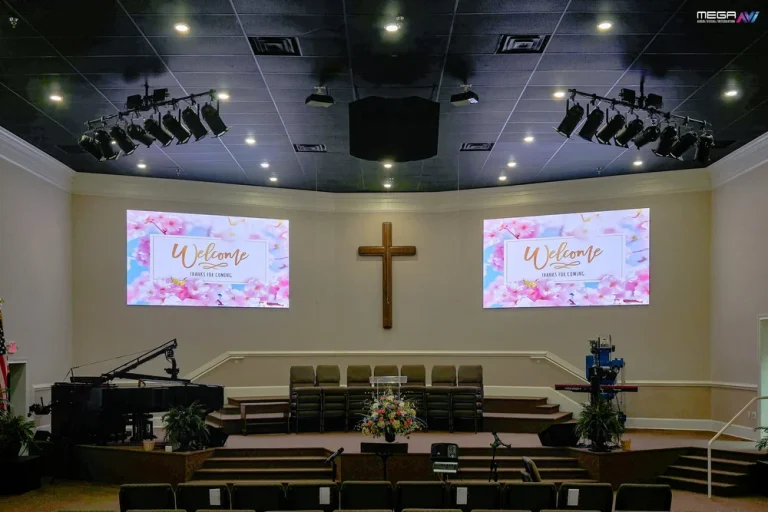
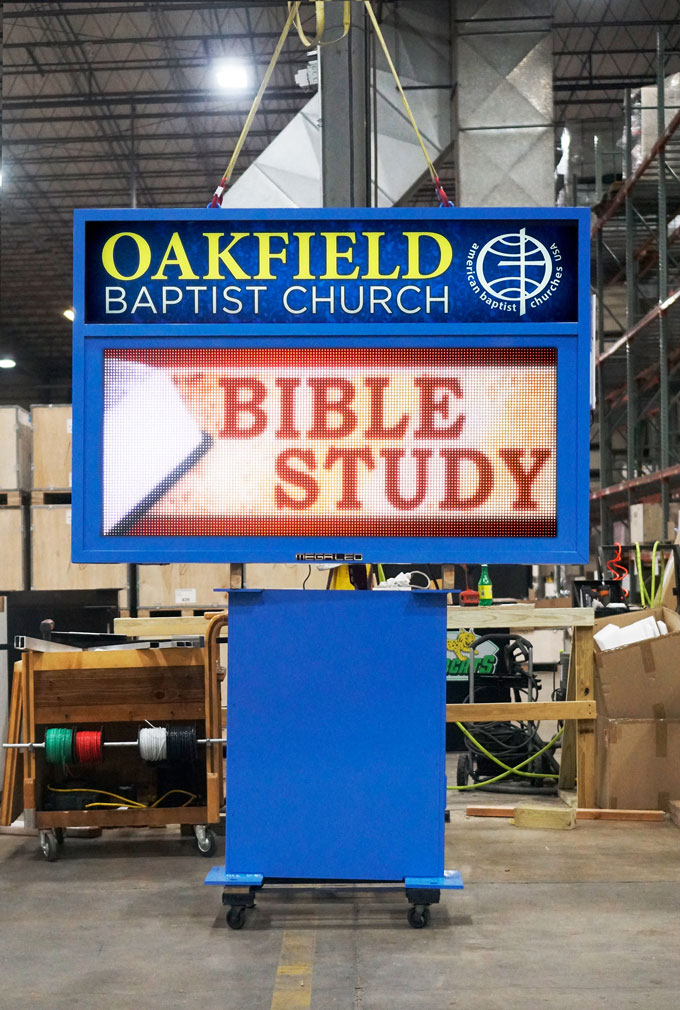
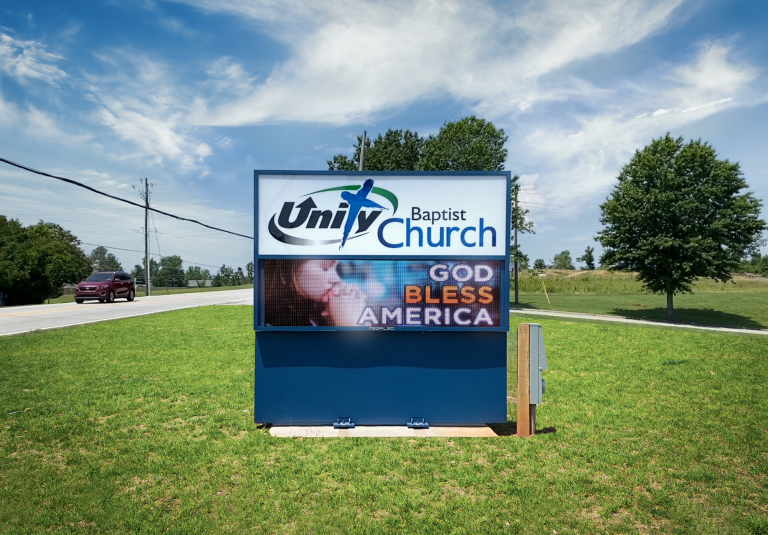
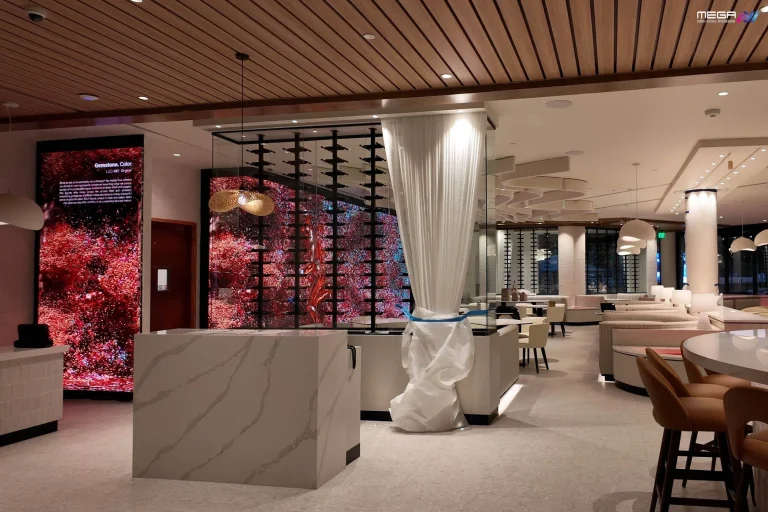
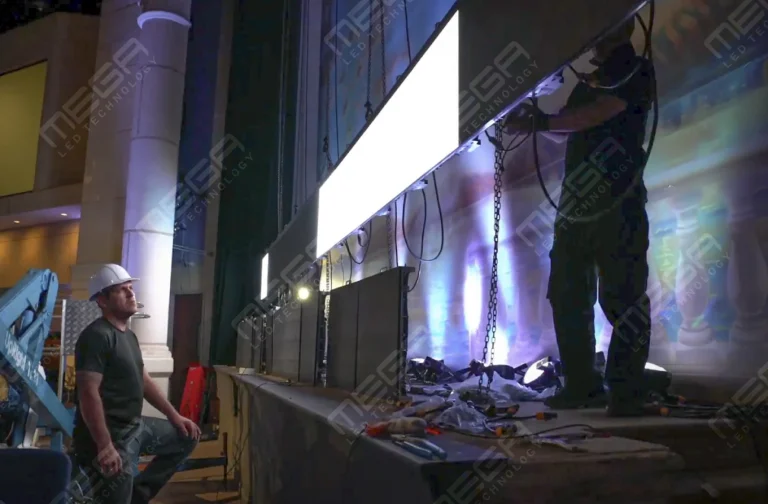
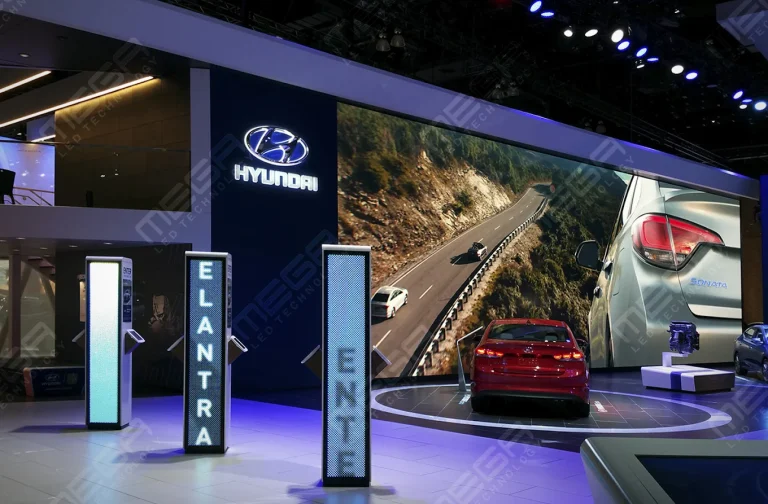
Programmable Stage LED signs, great for indoor assemblies, congregations, and presentations! Blow your competitors out of the water, or keep your congregation and audience glued to your message.

Alpha LED sign boards are great for anything from churches, to schools, to business. They tend to do great in large open spaces, where they are clearly visible.
Omega is our newest line of outdoor digital signs. Running the full gambit from cabinet, to LED sign, to logo on top, or any configuration of your choice!
Premier is a customizable Outdoor LED sign, perfect for the Entrepreneur who knows that large custom sized signs cultivated for their specific business is the way to go.
Programmable Stage LED signs, great for indoor assemblies, congregations, and presentations! Blow your competitors out of the water, or keep your congregation and audience glued to your message.
A student who cannot find the right classroom, restroom, or exit is not safe or independent on your campus. Miss one required sign and a routine inspection turns into a liability. This guide walks through what signage schools need for ADA compliance, from the parking lot to the gym.

Schools typically need seven families of signs to meet ADA obligations: room identification signs, restroom signs, accessible entrance signs, elevator signs, wayfinding signs, accessible parking signs, and emergency signage. Together they let students, staff, parents, and visitors navigate a campus safely and independently, including people who read by touch.
The strictest rules apply to permanent rooms and spaces. A classroom number stays the same all year, so its sign generally must carry tactile characters and Braille a blind student can read with a fingertip.
Requirements shift with the sign’s job. A sign that identifies a permanent room follows one set of rules, while a directional or informational sign follows a lighter, visual-only set.
The core rule splits school signs into two groups: identification signs and everything else. Signs that identify permanent rooms and spaces generally need raised characters duplicated in Braille, while directional and informational signs must meet visual standards only.
The U.S. Access Board’s guide to Chapter 7 signs lays out the visual criteria: a non-glare finish, strong light-on-dark or dark-on-light contrast, and readable sans serif fonts.
This checklist summarizes the specifications we walk school clients through during planning.
| Requirement | What the standard calls for | Where it applies |
|---|---|---|
| Tactile characters | Raised at least 1/32 inch, uppercase, sans serif, no italics or script | Permanent room signs |
| Braille | Contracted Grade 2, directly below the raised text | Every tactile identification sign |
| Character height | 5/8 inch to 2 inches for raised characters serving visual readers | Tactile room signs |
| Mounting height | Tactile characters between 48 and 60 inches above the floor | Wall-mounted room signs, latch side of the door |
| Finish and contrast | Non-glare surface, high text-to-background contrast | All identification and directional signs |
Prioritize the signs inspectors and families look for first: classroom identification, restrooms, accessible entrances, elevators, exit doors, accessible parking, and areas of rescue assistance. Each one answers a basic navigation or safety question for someone with a disability.
The exact set varies by building. A single-story elementary school needs no elevator signage, while a three-story high school needs refuge-area signs on every level. Layout drives the checklist, so start with a floor-by-floor walk.
The education sector is one of our specialties, and the schools we work with usually ask us where to start. We know which signs a school needs and offer free quotations, so a campus can scope the whole project, including our LED school signs, before committing a budget.
Every permanent room or space on campus needs a clear identification sign. That covers classrooms, administrative offices, the gymnasium, the cafeteria, the library, science labs, music rooms, and any other space whose function does not change.
Because these rooms are permanent, their signs generally require raised tactile characters and Grade 2 Braille. A room used flexibly, like a divisible multipurpose space, may fall outside the tactile rule, but fixed-use rooms rarely do.
Schools can identify rooms by name, number, or both, depending on the sign system. Room numbers work well for tactile signs because they stay valid even when a teacher or department moves, and the room name can appear as changeable visual-only text above.
Restrooms and locker rooms sit near the top of any school’s ADA signage list because every student and visitor uses them. Each restroom door needs a tactile identification sign with raised text and Braille, and accessible restrooms should carry the appropriate accessibility symbols as well.
Count all of them: student restrooms, staff restrooms, visitor restrooms near the front office, family or single-user restrooms, and locker rooms serving gyms and pools. When a pictogram identifies the room, the text descriptor in raised characters and Braille belongs directly below it.
Clear restroom signage protects privacy and safety, too. A student with low vision should never have to guess which door is which.
Signs should do two jobs on an accessible route: identify the accessible way in and redirect people away from routes that do not work for them. When some entrances are not accessible, those doors need directional signs pointing to the nearest accessible entrance, which itself carries the International Symbol of Accessibility.
Apply the same logic across exits, elevators, ramps, classrooms, common areas, and playgrounds. Elevators need tactile floor designations at the hoistway jambs, and ramps should be signed where the accessible route is not obvious. Where an auditorium provides assistive listening systems, post the hearing access symbol so families know the service exists.
We’ve seen schools improve daily flow simply by signing routes at a child’s pace: simple words and mounting heights younger students can actually see.
Our team works with schools every week and knows which signs a campus needs to stay accessible and compliant. Request a free quotation and talk through your project with a specialist.
Emergency signage serves ADA compliance and emergency preparedness at the same time. Schools need clearly marked exit doors, emergency route maps, areas of rescue assistance, health room identification, and posted emergency information that works for every occupant.
Plan for the full population: students of all ages, staff, visitors, and people with disabilities who may need a refuge area or an alternate route during an evacuation. Exit doors along egress paths generally need tactile EXIT signs, and rescue-assistance areas need identification plus instructions.
Clear egress signage pays off in seconds. During a real evacuation, occupants follow signs at decision points like corridor intersections and stairwells, and a missing sign at one junction can stall an entire hallway.
Cover the complete safety set: exits, fire evacuation routes, emergency instructions, first aid stations, the nurse’s or health room, and warning signs around labs, kitchens, and mechanical spaces. Each belongs where a person actually makes a movement decision, not just where wall space is convenient.
ADA signage does not stand alone here. Fire codes, state building codes, and local ordinances all touch egress marking, so coordinate the ADA layer with broader safety codes and your fire marshal’s requirements rather than treating them as separate projects.
Make sign review part of routine safety drills. When staff walk evacuation routes each semester, have them flag blocked, faded, or missing signs on the same checklist.
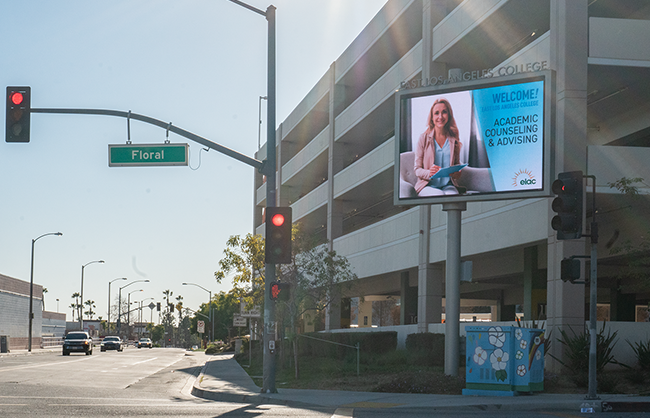
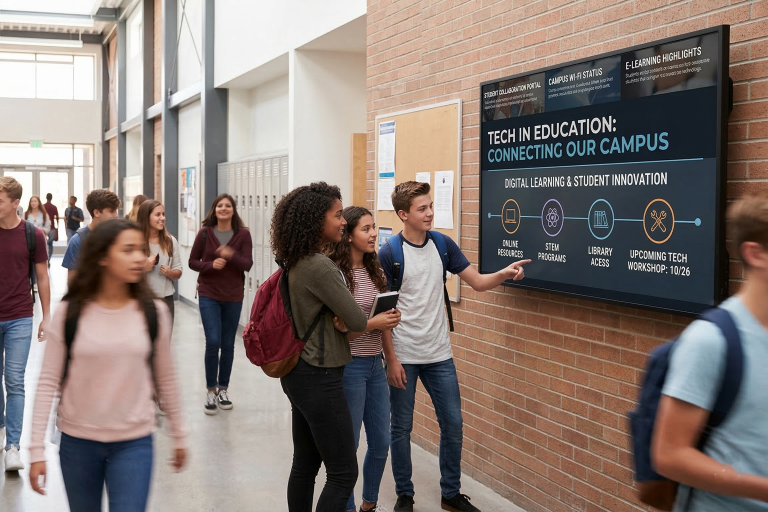
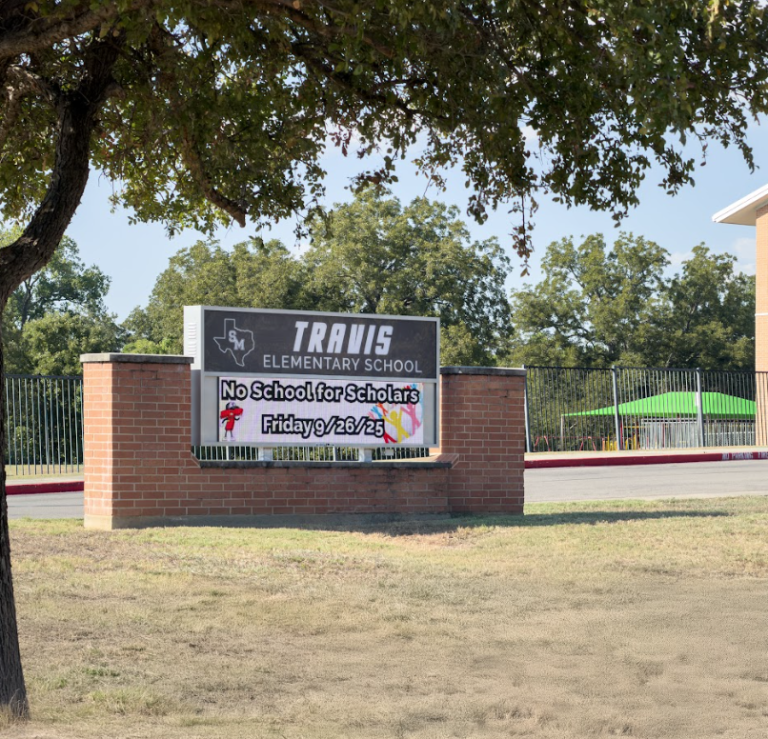
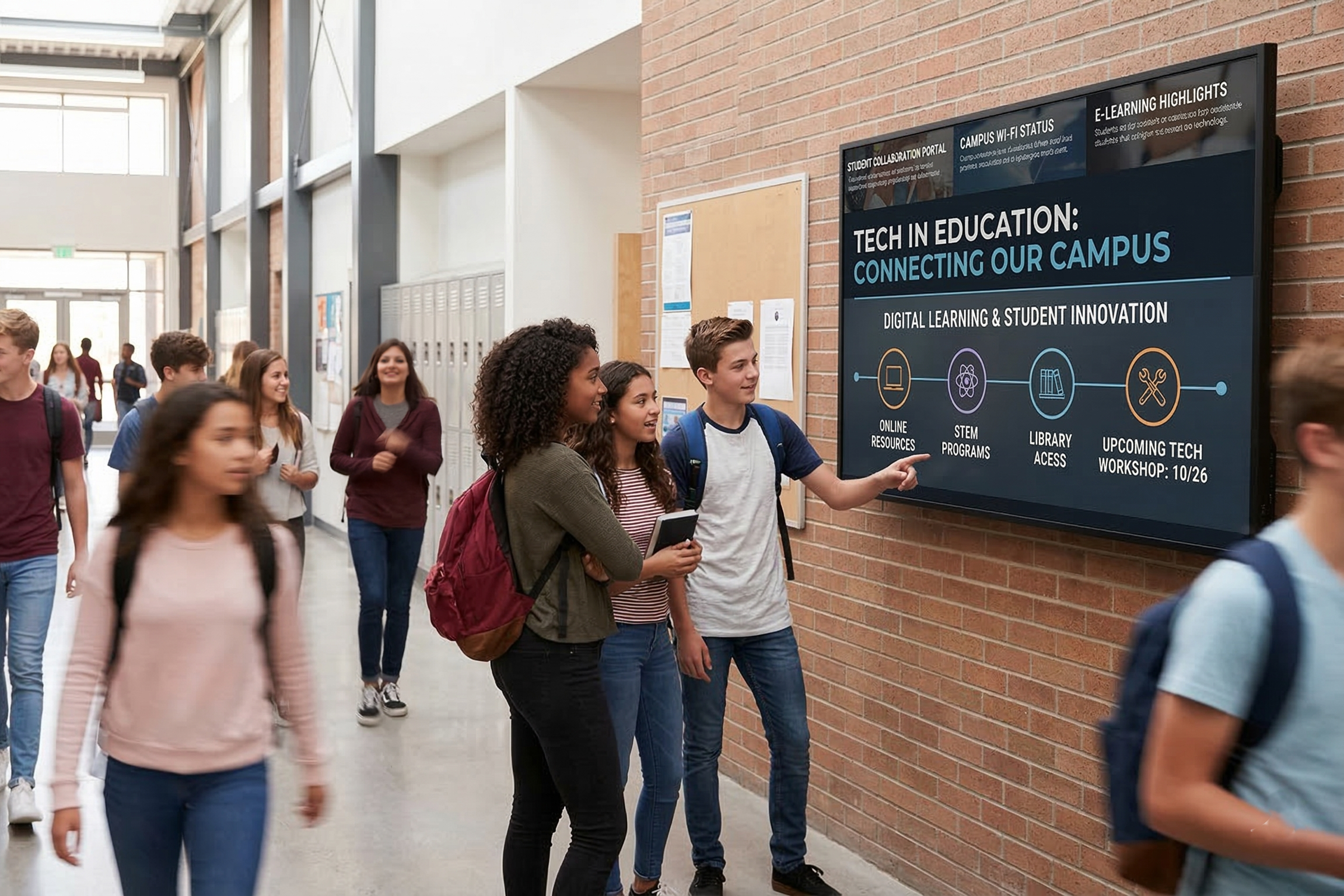
From elementary marquees to district-wide displays, our LED school signs share announcements, schedules, and safety alerts in high-contrast, readable text. Explore configurations built for campuses of every size.
Accessibility starts in the parking lot, because the parking sign is the first sign a family sees. Schools need signs identifying each accessible parking space, a van accessible designation where required, and clear marking for drop-off zones, bus areas, and other arrival points.
Vertical signs matter because a painted symbol disappears under snow or a parked car. Accessible space signs are generally mounted at least 60 inches to the bottom of the sign so they stay visible over parked vehicles, and public-street signage follows the Federal Highway Administration’s MUTCD sign standards for regulatory signs.
Parking signage should hand off to entrance signage. From the accessible space, a visitor should see the route sign that leads to the accessible entrance without backtracking.
School transportation areas need signs that identify accessible boarding zones and the accessible routes serving them. That includes school bus loading zones, campus shuttles, parent drop-off lanes, and any transit stop on or adjacent to campus property.
Larger campuses carry heavier signage loads. Colleges and multi-building districts often run shuttle loops, parking structures, and event traffic patterns, each needing its own accessible boarding and route markers.
Good transportation signage serves more than students. Staff, visiting teams, and event attendees arriving at night all depend on clear, readable arrival signs, especially people navigating an unfamiliar campus for the first time.

Gyms, fields, pools, auditoriums, cafeterias, and libraries are easy to overlook, yet many are permanent rooms that need the same tactile identification signs as classrooms. Public-facing recreational areas face extra scrutiny because visitors outnumber people who already know the building.
Think about spectators, parents, and community visitors, along with students. A grandparent using a walker at a Friday game needs accessible seating signs, restroom signs, and a marked route between them.
Athletic signage should coordinate with the rest of the system: the same symbols, the same contrast standards, and wayfinding that connects parking to the field. A bright Premier outdoor LED display can layer game-day directions on top of that fixed signage.
Walk each facility and list its accessible features: locker rooms, accessible seating sections, fields, pools, courts, gyms, and recreation buildings. Then confirm every feature has a sign identifying it and a route sign leading to it.
Signs should mark accessible entrances, restrooms, and viewing areas for each venue, since the accessible gate at a stadium often differs from the main gate. Pool areas add locker room and shower identification to the list.
Plan around unfamiliar visitors. Event crowds have never seen your campus, so review athletic signage before each sports season and before large public events, when a confusing route costs the most goodwill.
Premier Series outdoor LED signs deliver bright, high-contrast messaging that supports readable communication for students, parents, and visitors. Built in the USA and backed by a 5-year limited warranty.
Braille and tactile characters are the center of ADA school signage. The Department of Justice’s 2010 ADA Standards generally require them on signs identifying permanent rooms and spaces, with tactile characters mounted between 48 and 60 inches above the floor.
Tactile text has a strict format: uppercase, sans serif, non-italicized characters raised at least 1/32 inch, sized between 5/8 inch and 2 inches. Decorative and script fonts are prohibited because they are hard to read by touch.
The Braille must be contracted Grade 2 and must match the raised text above it, placed directly below the full tactile message with rounded, domed dots. Mismatched Braille is a common fabrication error worth checking on delivery.
Symbols let people identify accessible features at a glance, faster than text. The International Symbol of Accessibility marks accessible parking, entrances, restrooms, and routes, while companion symbols cover assistive listening, TTY phones, and other services.
Use each symbol accurately and consistently. Marking a non-compliant restroom as accessible is worse than no sign at all, because it strands the person who relied on it.
Symbols supplement tactile text; they do not replace it. Where a sign identifies a permanent space, the raised characters and Braille are still required, with the symbol carried in its own field on the sign face.
ADA signage is really about inclusion, safety, independence, and trust. The National Center for Education Statistics reports in its students with disabilities indicator that 7.5 million students, about 15 percent of public school enrollment, received special education services under IDEA in 2022-23. Those students navigate campus every day.
Accessible signs serve everyone else, too: teachers, substitutes, parents, visitors, and emergency responders who need to find a room fast. Administrators tell us the same signage that satisfies an inspection also cuts down late arrivals and front-office questions.
As a veteran-owned USA manufacturer, we treat signage as part of a school’s promise to its community. A campus that signs every route clearly is making inclusive education visible at the front door.
An Alpha Series LED sign board sized for school frontages is the right fit. https://www.megasigninc.com/alpha-led-sign-boards/
A Premier Series outdoor LED sign scales up to the largest campuses. https://www.megasigninc.com/premier-outdoor-led-signs/
Explore our LED school signs to plan the communication layer of your system. https://www.megasigninc.com/school-signs/
Request a free quotation and our education team will walk your project with you. https://www.megasigninc.com/contact/
Schools must sign permanent rooms with tactile characters and Braille, and meet visual standards everywhere else. Signs identifying classrooms, offices, restrooms, and other fixed-use spaces generally need raised uppercase sans serif text with Grade 2 Braille below it, mounted 48 to 60 inches above the floor. Beyond that, schools need directional signs with non-glare finishes and strong contrast, plus accessible parking signs, entrance markings, elevator signage, and emergency egress signs, with the exact list depending on each building’s layout and local code.
Start with classroom identification, restrooms, accessible entrances, elevators, exits, accessible parking, and areas of rescue assistance. These signs answer the navigation and safety questions inspectors check first and families rely on daily: every permanent room needs a tactile identification sign, every accessible parking space needs a vertical sign with the accessibility symbol, and every egress path needs marked exits with refuge areas identified. Buildings differ, so a floor-by-floor walkthrough is the reliable way to build a campus-specific list before ordering signs.





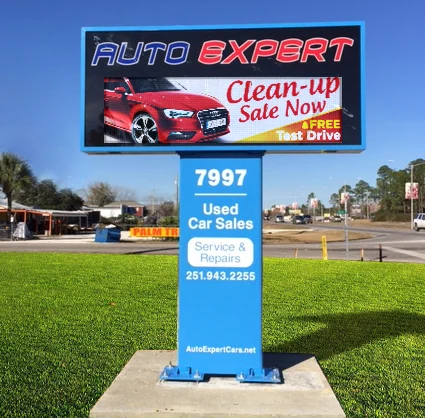

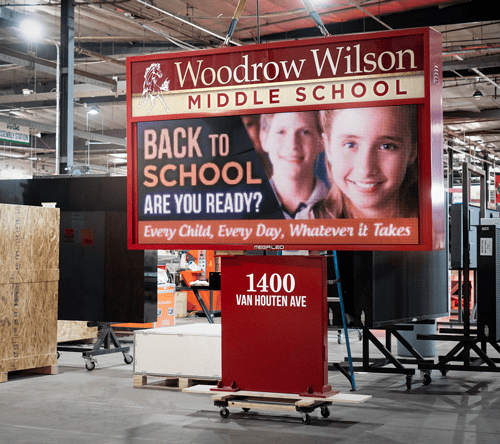


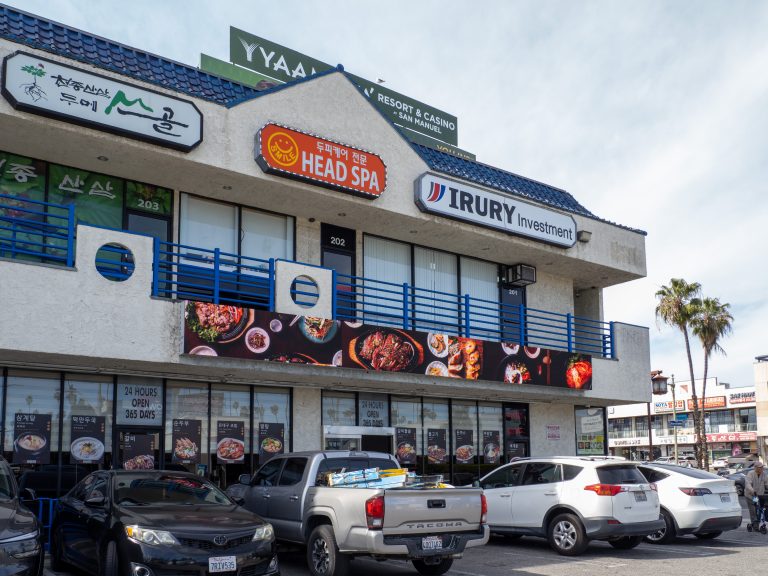
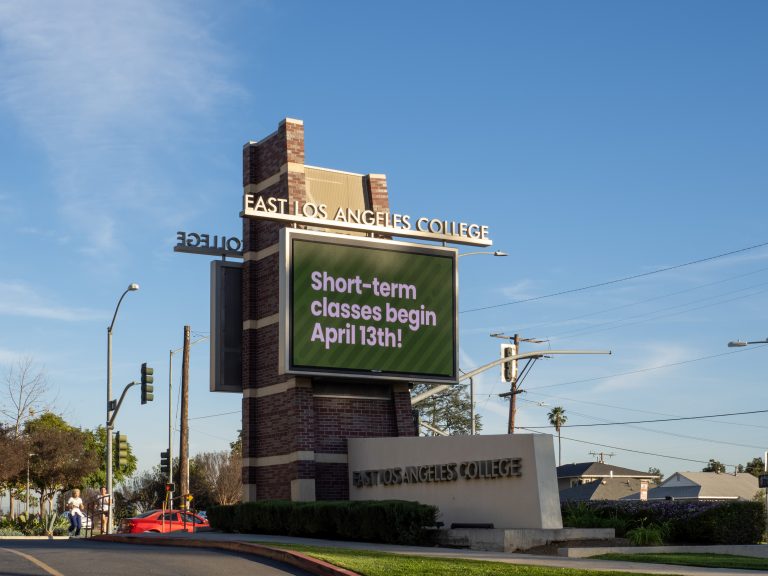

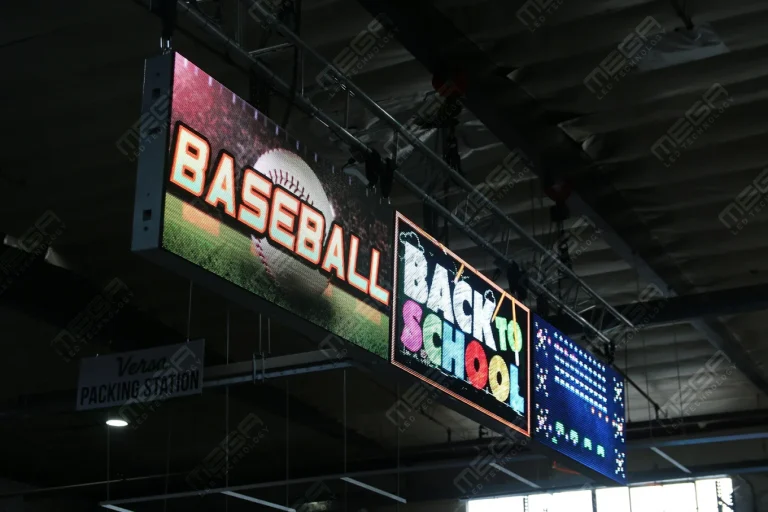
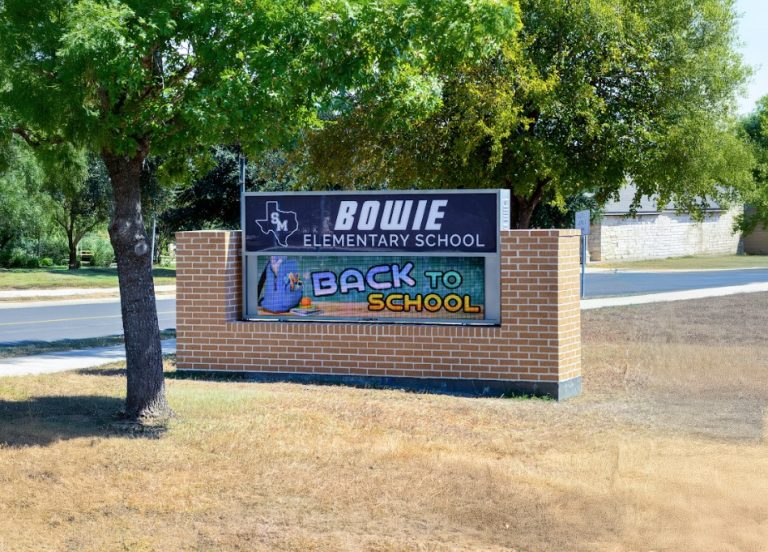
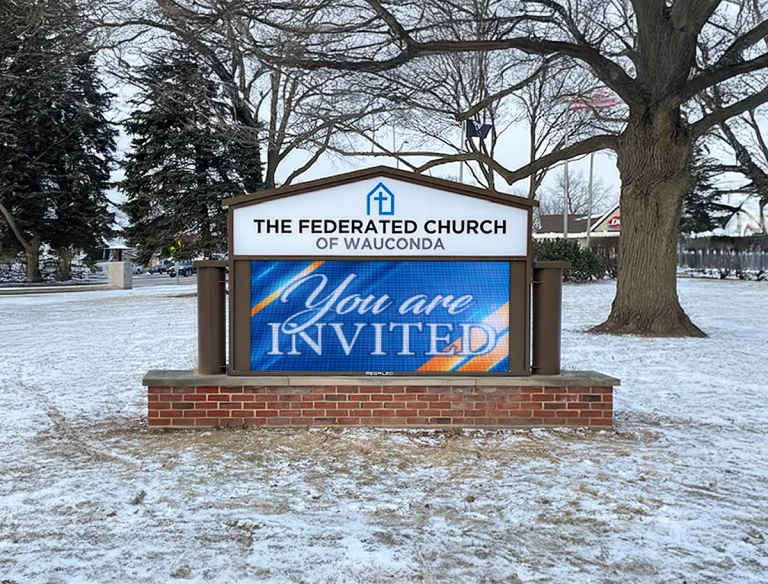


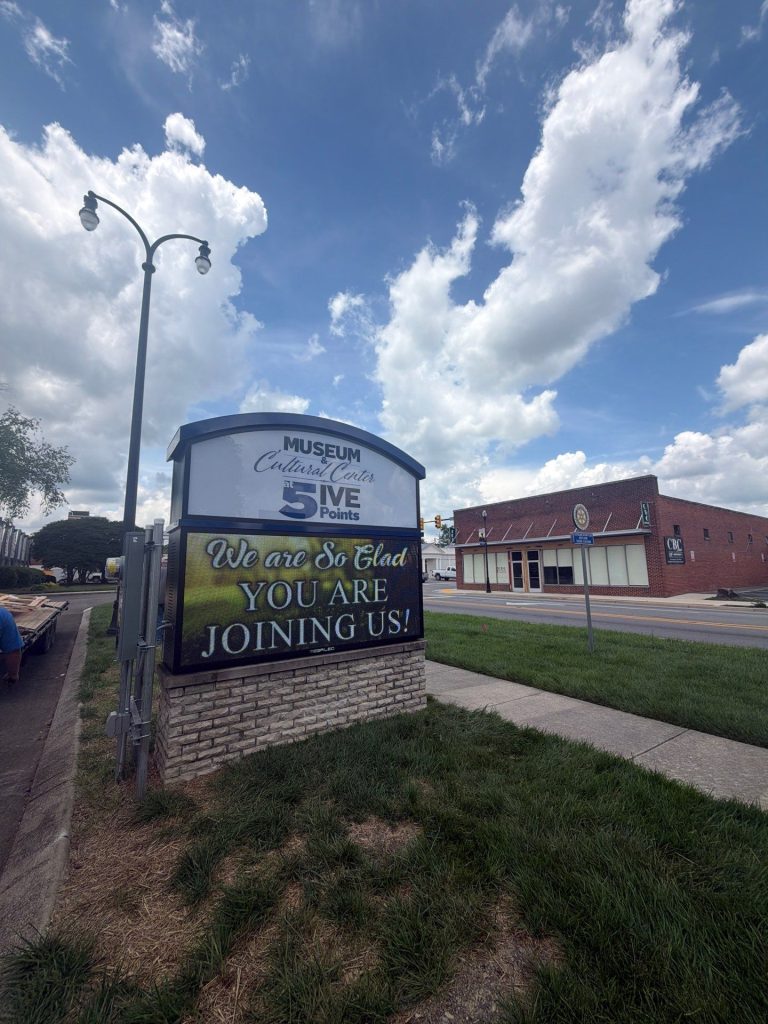
Alpha LED sign boards are great for anything from churches, to schools, to business. They tend to do great in large open spaces, where they are clearly visible.
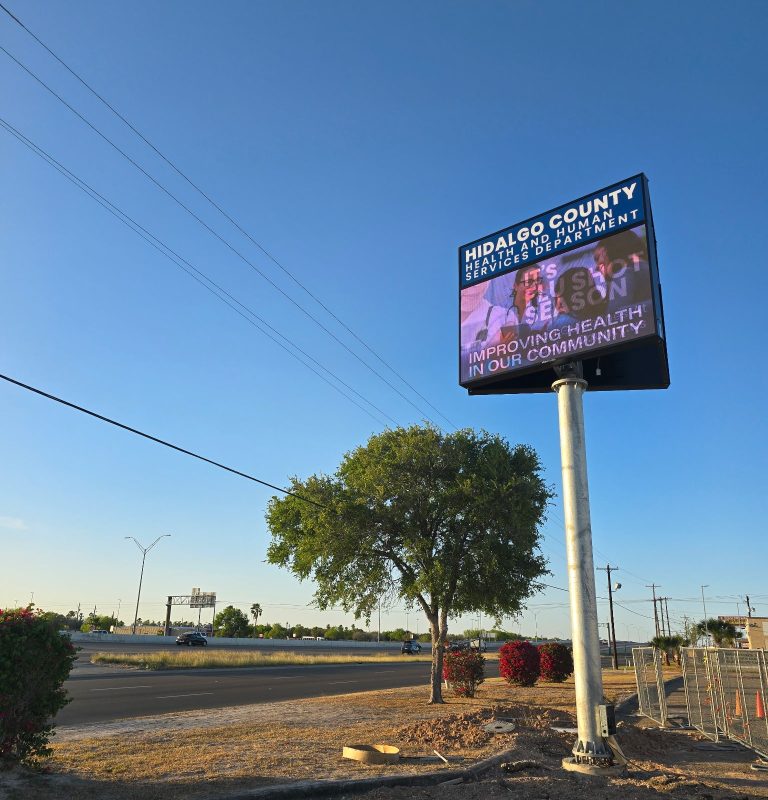
Omega is our newest line of outdoor digital signs. Running the full gambit from cabinet, to LED sign, to logo on top, or any configuration of your choice!
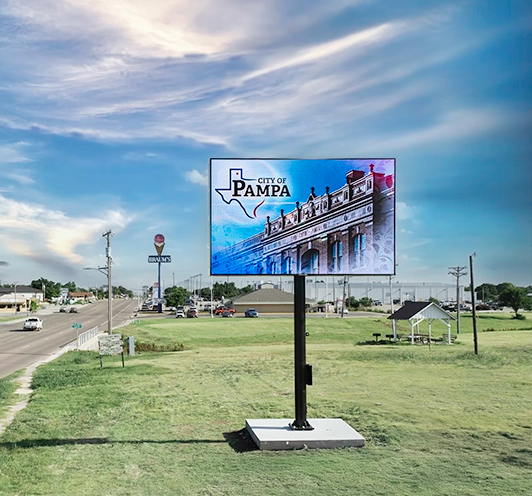
Premier is a customizable Outdoor LED sign, perfect for the Entrepreneur who knows that large custom sized signs cultivated for their specific business is the way to go.
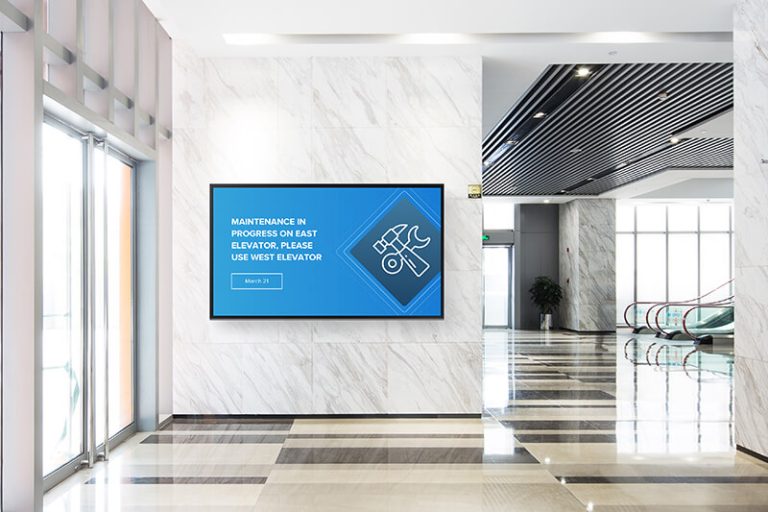
Programmable Stage LED signs, great for indoor assemblies, congregations, and presentations! Blow your competitors out of the water, or keep your congregation and audience glued to your message.