

What Is Smart Digital Signage? How Intelligent Screens Use Data, Software And Automation


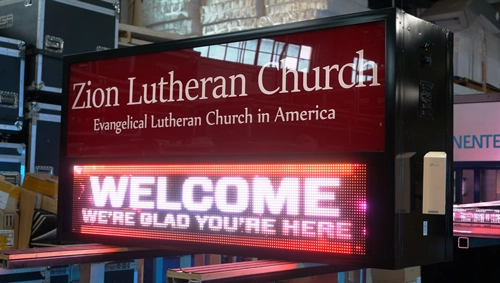
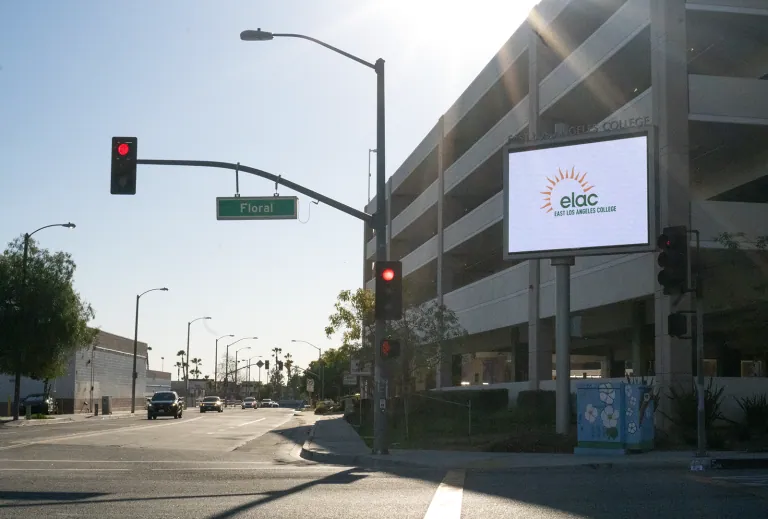
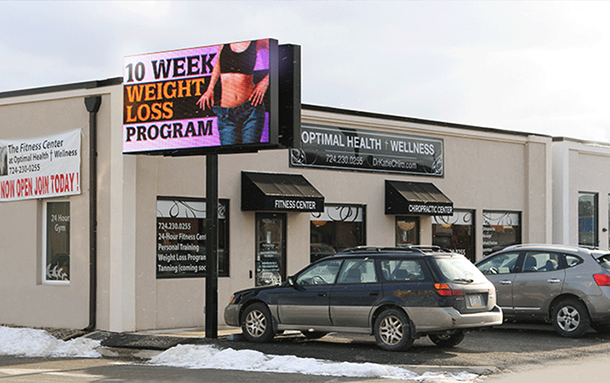
Alpha LED sign boards are great for anything from churches, to schools, to business. They tend to do great in large open spaces, where they are clearly visible.

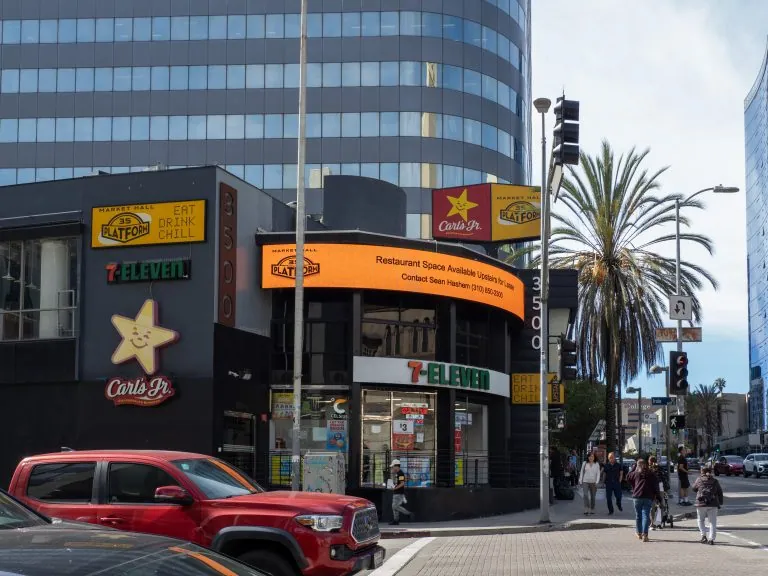
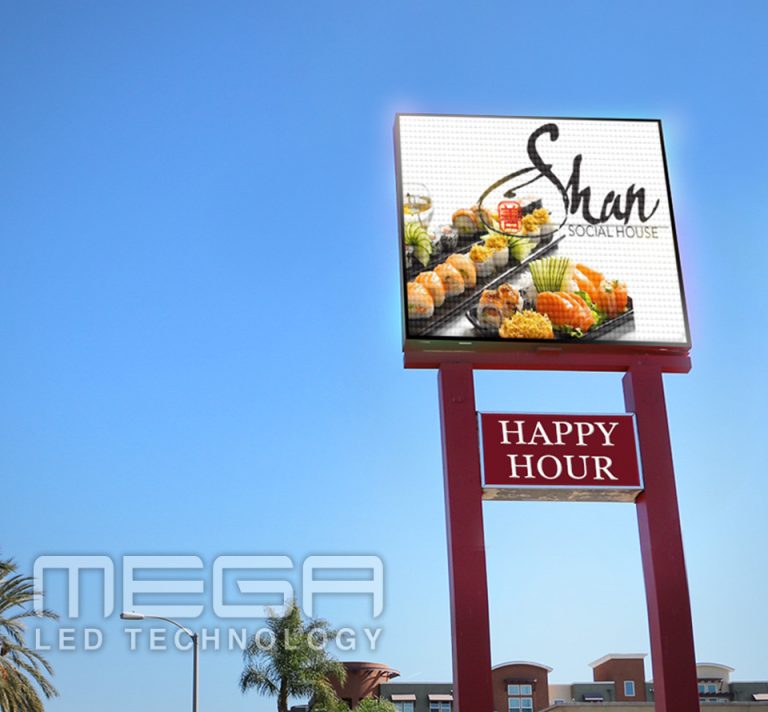
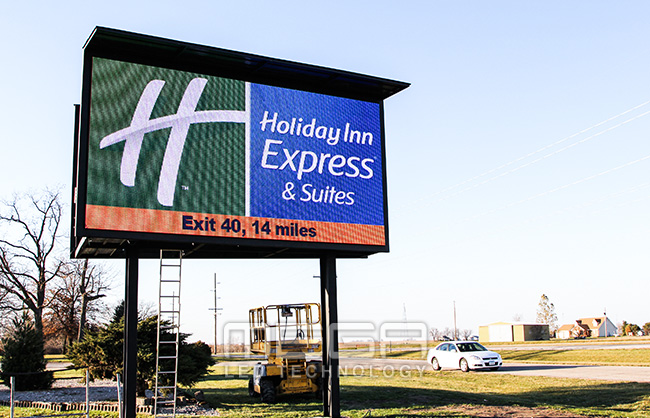
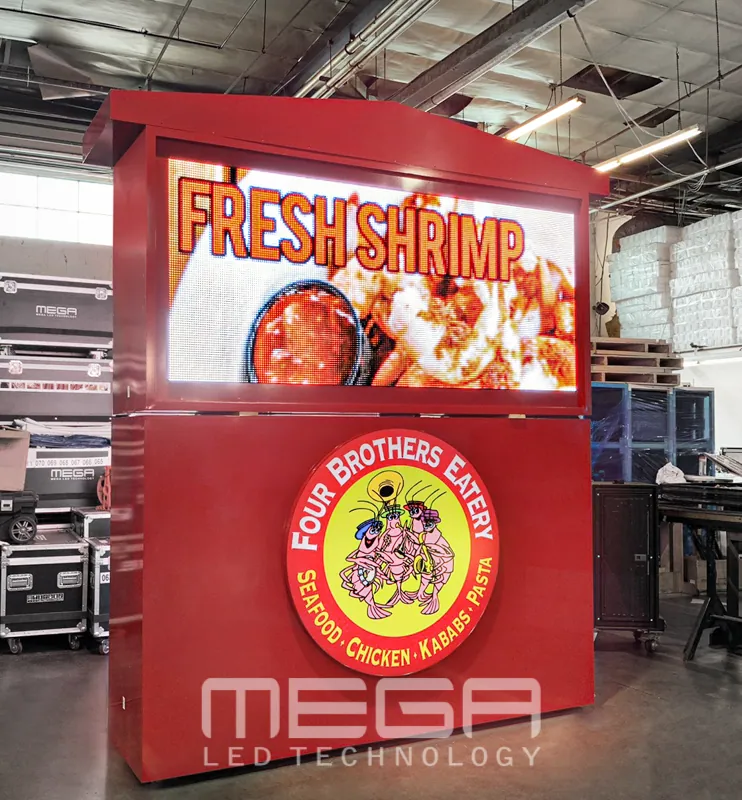
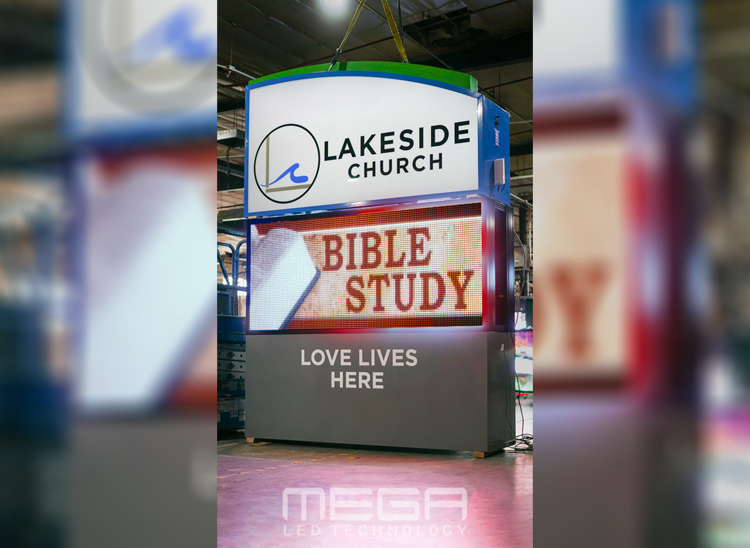
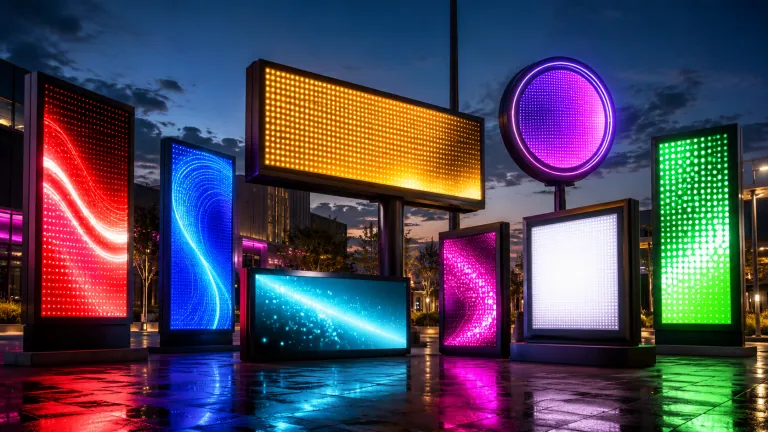
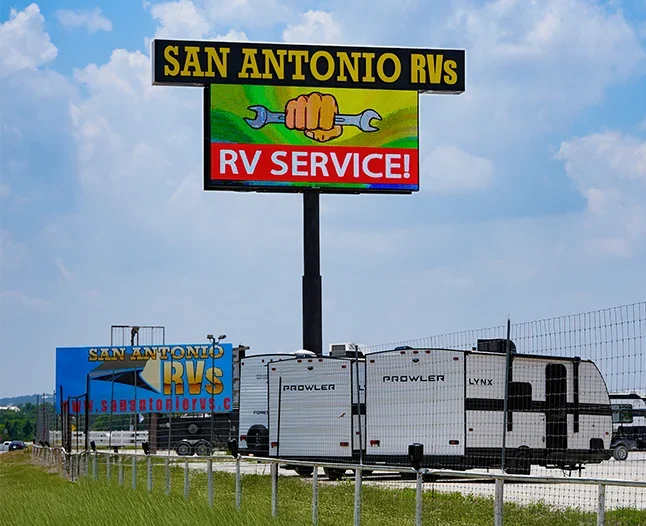
Omega is our newest line of outdoor digital signs. Running the full gambit from cabinet, to LED sign, to logo on top, or any configuration of your choice!

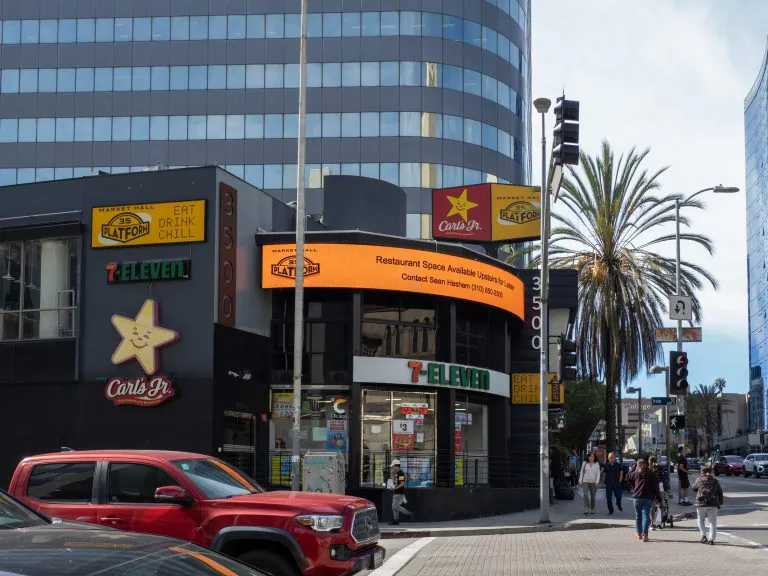
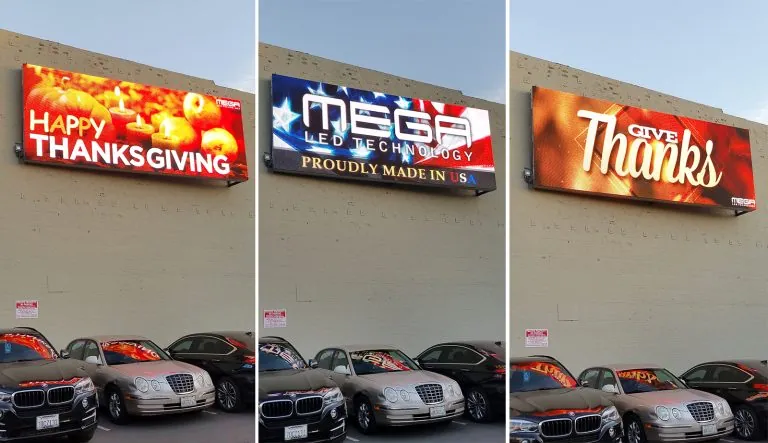
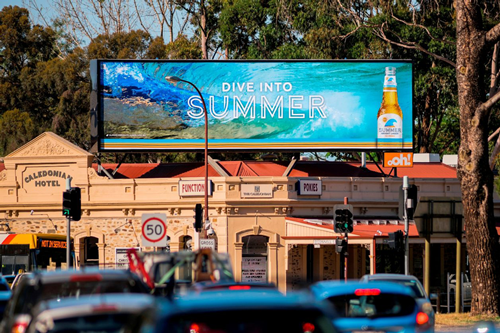
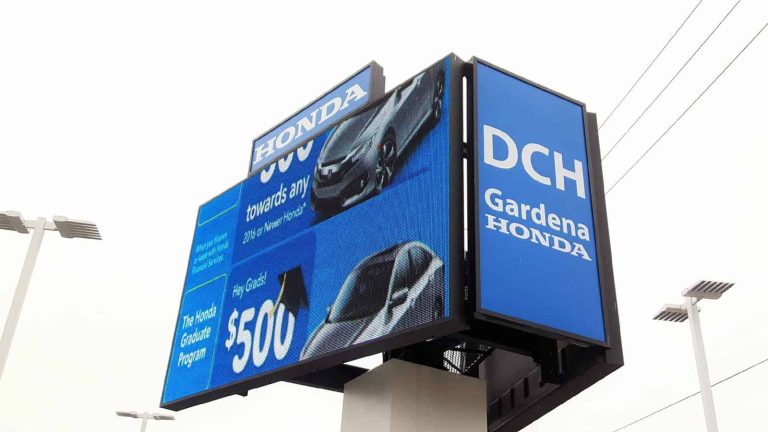
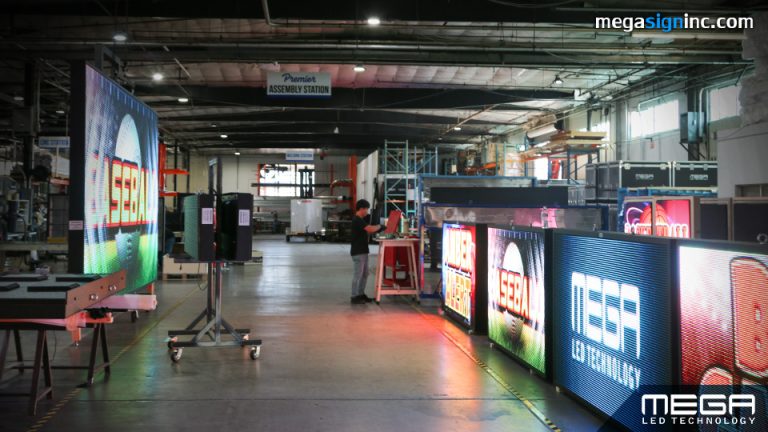
Premier is a customizable Outdoor LED sign, perfect for the Entrepreneur who knows that large custom sized signs cultivated for their specific business is the way to go.

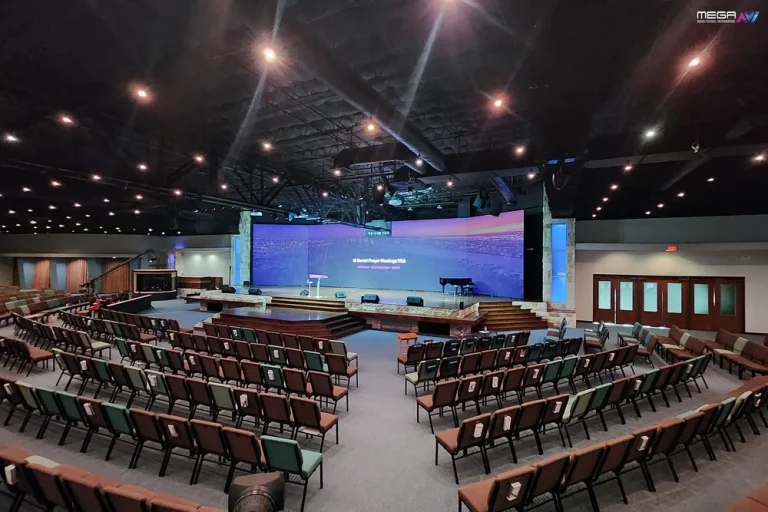
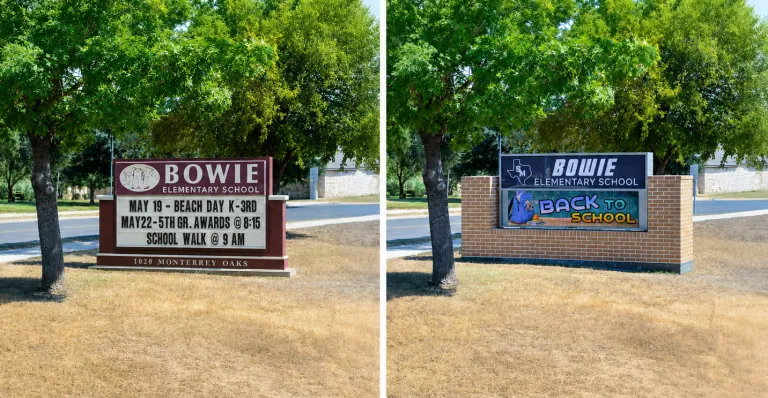
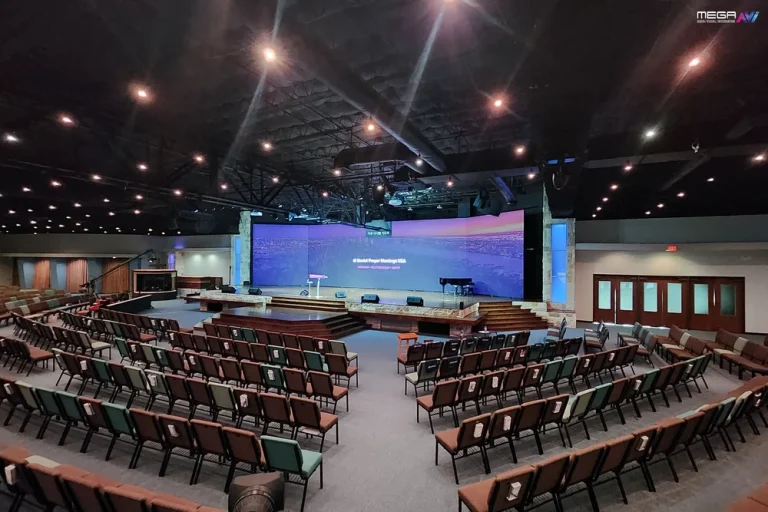
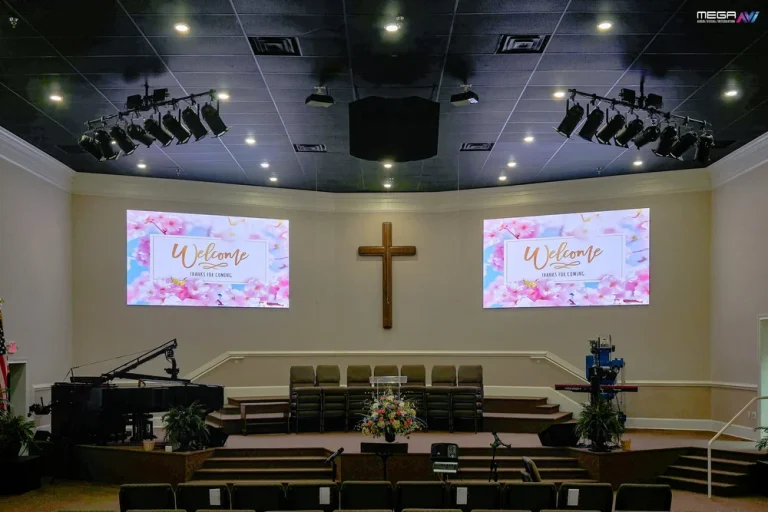
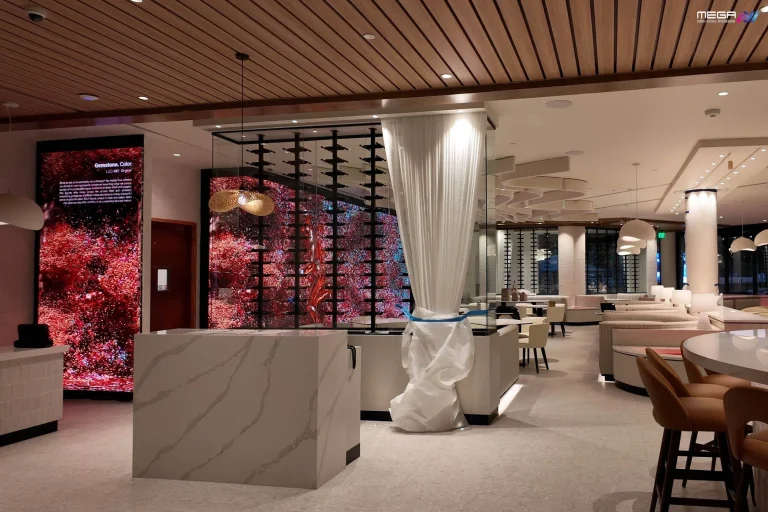
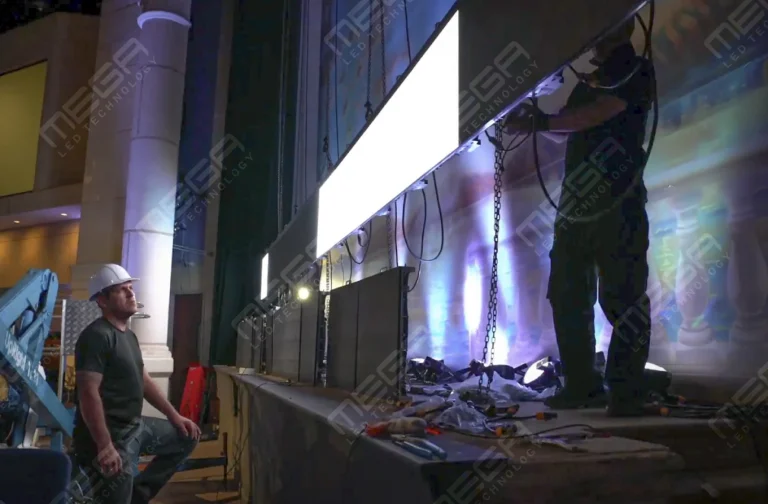
Programmable Stage LED signs, great for indoor assemblies, congregations, and presentations! Blow your competitors out of the water, or keep your congregation and audience glued to your message.

Alpha LED sign boards are great for anything from churches, to schools, to business. They tend to do great in large open spaces, where they are clearly visible.
Omega is our newest line of outdoor digital signs. Running the full gambit from cabinet, to LED sign, to logo on top, or any configuration of your choice!
Premier is a customizable Outdoor LED sign, perfect for the Entrepreneur who knows that large custom sized signs cultivated for their specific business is the way to go.
Programmable Stage LED signs, great for indoor assemblies, congregations, and presentations! Blow your competitors out of the water, or keep your congregation and audience glued to your message.
You invest in a digital display, mount it prominently, and wait for results that never come. Most deployments fail not because the technology fails, but because the approach does. This guide breaks down how digital signage drives measurable growth and what separates businesses that see returns from those that do not.

Digital signage enhances business growth by connecting brand visibility, customer engagement, and sales conversion into a single always-on channel. Unlike print campaigns that require production cycles, digital displays deliver real-time messaging that responds to inventory changes, promotions, and competitive moves within minutes. 
Retailers report an average 32% increase in sales after proper implementation, and digital displays generate a 29.5% increase in average purchase amounts compared to environments with static signage. These gains compound when signage covers the full customer journey, from the storefront that drives foot traffic to the checkout display that closes the sale.
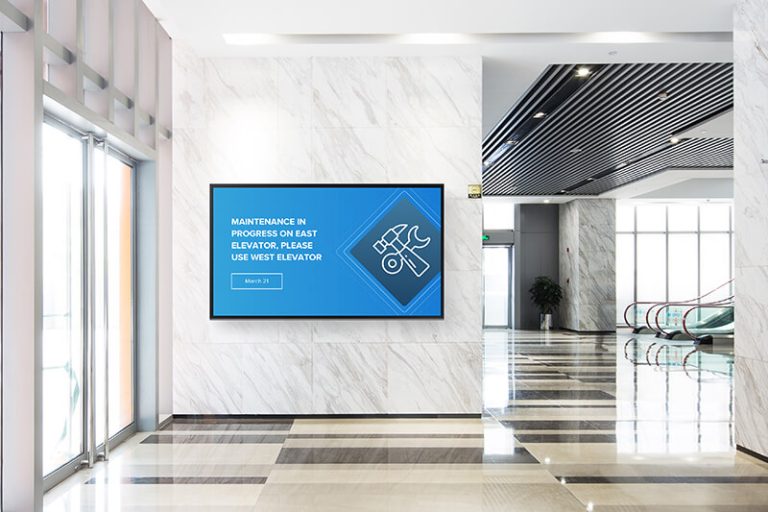
Digital signage streamlines operations by replacing slow, manual information processes with automated, real-time distribution.
Internal teams receive safety updates, training content, and performance data on screens throughout the facility without email overload.
Research shows internal digital communication boosts employee productivity by up to 25%, and cloud-based platforms push synchronized content updates across every location simultaneously, eliminating the inconsistency that plagues print-based communication.
Operational value extends beyond information delivery. Digital signage reduces the volume of repetitive questions that front-line staff handle daily. A screen displaying wait times, service steps, or frequently asked questions in a lobby or service area frees employees to focus on higher-value interactions rather than answering the same inquiry dozens of times per shift.
For businesses with high customer volume, that labor efficiency gain alone can justify the cost of an additional screen within months.
Agility is one of digital signage’s most underappreciated business advantages. When a competitor drops prices, a product sells out, or a flash promotion needs to run for the next four hours, digital signage responds in seconds.
Cloud-based content management systems let businesses test different messages without production delays. A national brand can push a master campaign from headquarters while individual locations customize time-sensitive offers for their specific audience.
At MEGA LED Technology, we help businesses scope the right digital signs setup before committing to a budget, so your ROI estimate reflects real hardware, real installation, and real results.
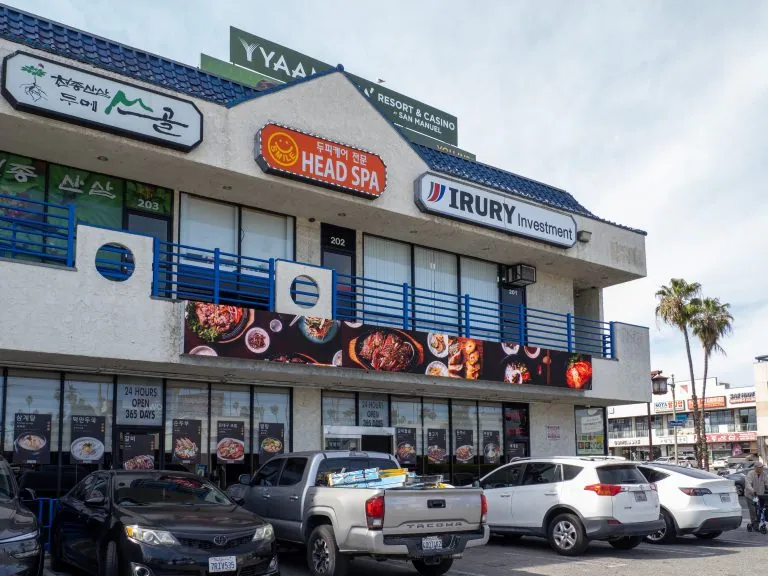
Storefront digital displays are proven foot traffic drivers. Implementing digital signage can increase retail foot traffic by up to 24%, and 76% of American consumers report entering a store they had never visited because a display caught their attention, according to FedEx Office consumer research.
Inside the store, customers spend 30% more time browsing in environments with digital displays, and more than 60% of purchase decisions happen at the point of sale.
Yes. Digital signage directly triggers impulse buying through psychological cues including scarcity, social proof, and urgency.
Arbitron research finds that 19% of consumers make an unplanned purchase specifically because a digital display caught their eye.
Screens near checkout counters and high-traffic aisle intersections consistently deliver the strongest results, especially with limited-time countdowns and product demonstration content.
Point-of-sale digital displays capture attention at the highest-intent moment of the customer journey. More than 60% of all buying decisions happen in-store, making POS screens one of the highest-ROI placements in any deployment.
Cross-selling and upselling through targeted product recommendations at checkout consistently increase average transaction values without requiring additional staffing or floor space.
The content format at the point of sale must match the pace of the transaction. A customer at checkout has 15 to 30 seconds of attention, not a minute. Short, high-contrast product pairings with a single price point consistently outperform longer promotional videos in this position.
Keep the message to one action and one offer per rotation cycle. Test different pairings monthly to identify which combinations move the most incremental revenue.
Digital signage has a 47.7% effectiveness rate on brand awareness and delivers an 83% ad recall rate (Arbitron), significantly outperforming print and static formats.
Consistent, professional displays reinforce brand identity at every touchpoint, and 84% of retailers report that digital signage builds stronger awareness than traditional channels.
The dynamic nature of the medium, motion, video, and animation, creates memorable brand impressions that static alternatives cannot replicate.
Brand loyalty grows when customers feel recognized, informed, and consistently well-served.
Loyalty program integrations on in-store screens remind members of their status and rewards, driving return visits. Personalized promotions based on time of day or location show customers the brand understands their needs.
Companies delivering personalized experiences see up to about 40% higher revenue than those that do not, and digital signage is one of the most scalable personalization tools at the physical point of sale.
Digital signage improves engagement by transforming passive environments into active brand experiences. Interactive displays increase shopper engagement by up to 33%, and customers who interact with displays report higher satisfaction and longer dwell times.
Digital signage enhances every stage of the customer journey: outdoor displays build awareness, in-store screens guide purchase decisions, and post-purchase touchpoints reinforce loyalty.

Occupied time feels shorter than unoccupied time, and digital signage uses this directly.
Research shows that properly implemented waiting area displays reduce perceived wait times by up to 35%, improving satisfaction scores without changing actual service speed.
Effective content for waiting areas combines entertainment, brand storytelling, and relevant product or service information, turning idle time into productive brand exposure.
The evidence is clear: well-implemented digital signage reliably increases sales. Retailers report an average 32% sales increase, and 80% of brands see up to 33% uplift after adoption.
According to market data from Grand View Research, the global digital signage market was valued at $28.83 billion in 2024 and is projected to grow at 8.1% annually through 2030, confirming measurable ROI across retail, hospitality, and corporate sectors.
Digital signage is profitable for businesses that plan before buying. Typical ROI timelines range from 6 to 18 months depending on deployment scale and content strategy.
Revenue comes from multiple streams: direct sales lift, advertising from third-party brands sharing screen time, and cost savings from eliminating print cycles.
Retailers consistently report 30 to 35% lower advertising costs after switching from print to digital.
Measurement starts before deployment, not after. Establishing baseline metrics for foot traffic, dwell time, and sales before screens go live gives you a real benchmark for proving ROI.
Once running, modern platforms offer real-time analytics tracking viewer attention, engagement duration, and content interactions.
A/B testing different messages and promotions allows continuous refinement so every content cycle outperforms the last. That discipline turns raw data into actionable decisions and prevents the common trap of collecting analytics without ever acting on them.
Digital signage serves multiple business functions simultaneously, which separates it from nearly every other marketing tool. Customer-facing benefits include reduced perceived wait times, stronger brand recall, and improved satisfaction scores.
Internal benefits include up to 25% higher employee productivity from improved communications and a 27% increase in employee engagement where workplace signage runs recognition, performance, and culture content, according to industry data from iVideo and Crown TV. The same platform that promotes products to customers also trains staff, reinforces safety protocols, and surfaces real-time KPIs for management.
Most digital signage failures are planning failures, not hardware failures. The costliest mistake is treating signage as a hardware purchase rather than a communication strategy.
Businesses that buy screens first and figure out content later end up with expensive wallpaper. Key errors include: deploying content too text-heavy for the viewing distance, failing to refresh creative regularly (screens need fresh content or audiences tune out), ignoring natural foot traffic patterns when placing screens, and skipping measurement entirely.
According to Grand View Research market size research, the digital signage market grows at 8.1% annually through 2030. Every shortcut in hardware or content strategy compounds into lost ROI over that window.
Another frequent mistake is buying hardware without confirming installation requirements. A screen that looks affordable on a spec sheet can double in total cost once you factor in structural mounting, dedicated electrical circuits, conduit runs, and permit fees. Always request a full installed price before committing, and make sure the quote covers site survey, labor, wiring, and CMS configuration.
Businesses that skip this step end up with a screen sitting in a box for weeks while they scramble to fund the installation they did not plan for.
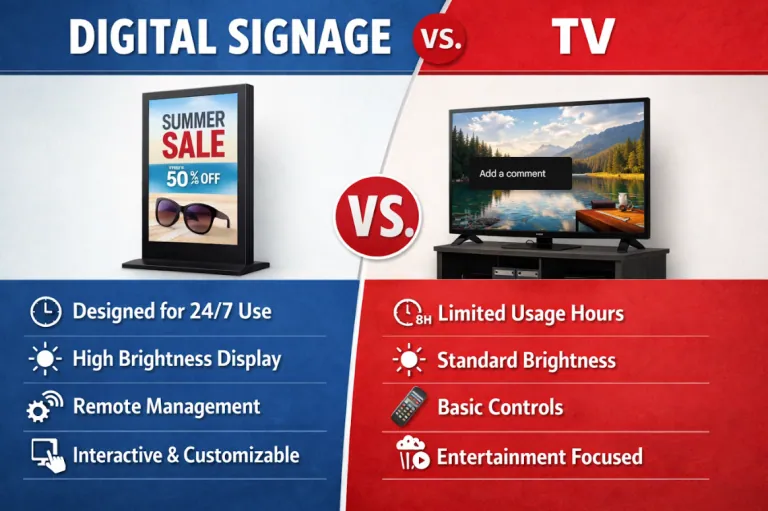
Over a 3 to 5 year window, digital signage delivers a lower total cost of ownership than traditional print signage. Print requires reprinting on every message change. The OOH revenue data from the OAAA confirms digital out-of-home continues taking market share from static formats. The table summarizes the key comparison points:
| Factor | Digital Signage | Traditional Signage |
|---|---|---|
| Content updates | Instant, remote, free | Reprint cost + lead time |
| Long-term cost | Lower (no print cycle) | Higher (recurring print) |
| Message flexibility | Unlimited variations | Fixed at production |
| Audience reach | Dynamic, time-targeted | Static, untargeted |
| Brand consistency | Automated, centralized | Manual, location-dependent |
| ROI tracking | Analytics-enabled | Limited measurement |
The comparison is not just about cost. Responsiveness is where digital signage creates the widest gap. A traditional print campaign locked into a four-week production cycle cannot react to a competitor’s price drop, a sudden weather shift, or inventory surplus. Digital signage can respond to all three within minutes.
For businesses operating in fast-moving retail or food service environments, that speed difference translates directly into captured revenue that would otherwise be lost while waiting for new print materials to arrive and be installed.
 Technology selection should follow strategy, not lead it. Start with your business objective and evaluate hardware and software against that outcome.
Key decision factors include screen brightness for the environment, resolution relative to minimum viewing distance, content management system scalability, and total cost of ownership including installation and support.
Choosing a system based solely on screen price typically results in a deployment that underperforms and needs costly retrofitting within 18 months.
Brightness is the most frequently misjudged specification. A screen rated at 350 nits looks fine in a showroom but washes out completely in a sunlit storefront or window-facing installation. Match the brightness rating to the actual lighting conditions of each placement zone, not to the dimmest corner of your store. For outdoor or semi-outdoor applications, 2,500 nits or higher is the baseline.
At MEGA LED Technology, we help businesses match commercial-grade brightness, pixel pitch, and weatherproofing to each specific location so the hardware performs the way the strategy requires. Explore our outdoor LED signs or request a free quote to see which configuration fits your deployment.
Digital signage is evolving from a display medium into an intelligent, data-driven platform. AI-driven content personalization already adjusts on-screen messaging based on real-time audience demographics.
IoT integration connects displays with inventory systems and foot traffic sensors to serve contextually relevant content automatically.
As physical and digital experiences converge, digital signage will serve as the primary bridge between them, making physical environments as responsive and measurable as any digital channel.
Businesses that invest in scalable, standards-based hardware now will be best positioned to adopt these capabilities as they mature. Choosing proprietary systems with limited integration options risks locking your deployment out of the tools that will define the next generation of in-store experience.
Prioritize open CMS platforms, commercial-grade displays with standard connectivity, and vendors who support firmware updates over the life of the product rather than forcing a full hardware swap every upgrade cycle.
Digital signage enhances business growth by increasing brand awareness by 47.7%, driving an average 32% retail sales lift, and improving operational efficiency at the same time.
Yes, digital signage is profitable for businesses that deploy it with clear goals and a content plan. Most deployments reach positive ROI within 12 to 18 months through direct sales lift, reduced print costs, and advertising revenue.
Digital signage enhances business growth by increasing brand awareness by 47.7%, driving an average 32% retail sales lift, and improving operational efficiency at the same time.
A high-brightness outdoor LED display is your starting point. Brightness and resolution specs must match your viewing distance and direct sunlight conditions.
Indoor video walls or programmatic digital displays with a content refresh schedule of at least every two weeks deliver the strongest recall and engagement results.
Cloud-managed indoor displays with employee-targeted content, safety messaging, and real-time KPI dashboards are your highest-ROI deployment.
A networked platform with programmatic ad capability lets you monetize screen time while running your own brand content between third-party campaigns.
Yes, digital signage is profitable for businesses that deploy it with clear goals and a content plan. Most deployments reach positive ROI within 12 to 18 months through direct sales lift, reduced print costs, and advertising revenue.























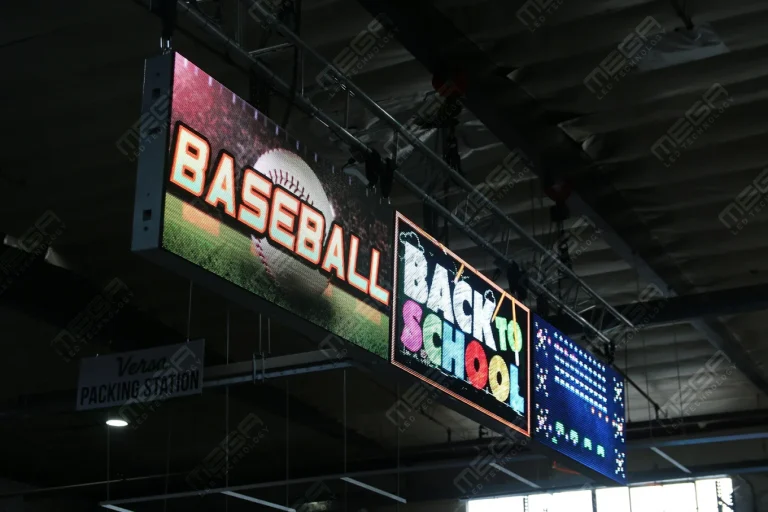





Alpha LED sign boards are great for anything from churches, to schools, to business. They tend to do great in large open spaces, where they are clearly visible.
Omega is our newest line of outdoor digital signs. Running the full gambit from cabinet, to LED sign, to logo on top, or any configuration of your choice!
Premier is a customizable Outdoor LED sign, perfect for the Entrepreneur who knows that large custom sized signs cultivated for their specific business is the way to go.
Programmable Stage LED signs, great for indoor assemblies, congregations, and presentations! Blow your competitors out of the water, or keep your congregation and audience glued to your message.