

What Is Smart Digital Signage? How Intelligent Screens Use Data, Software And Automation
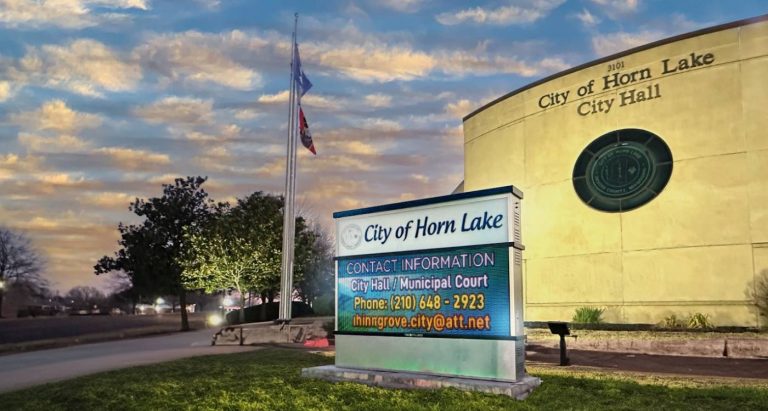

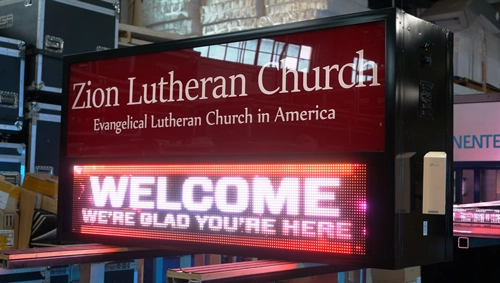
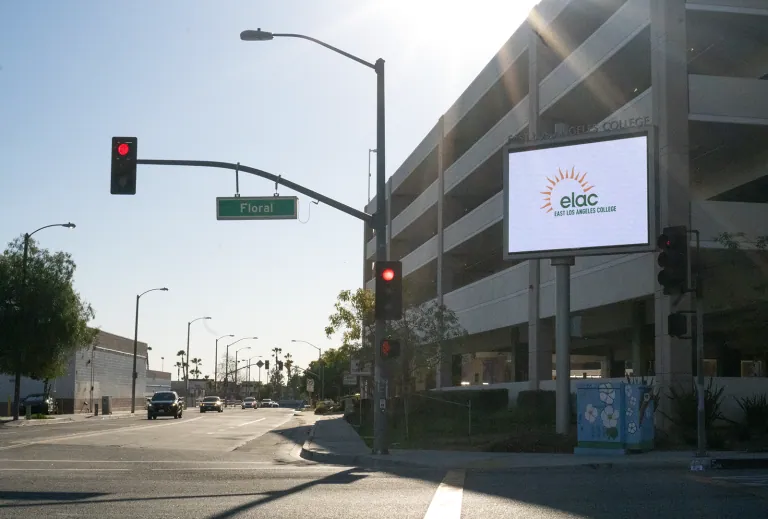
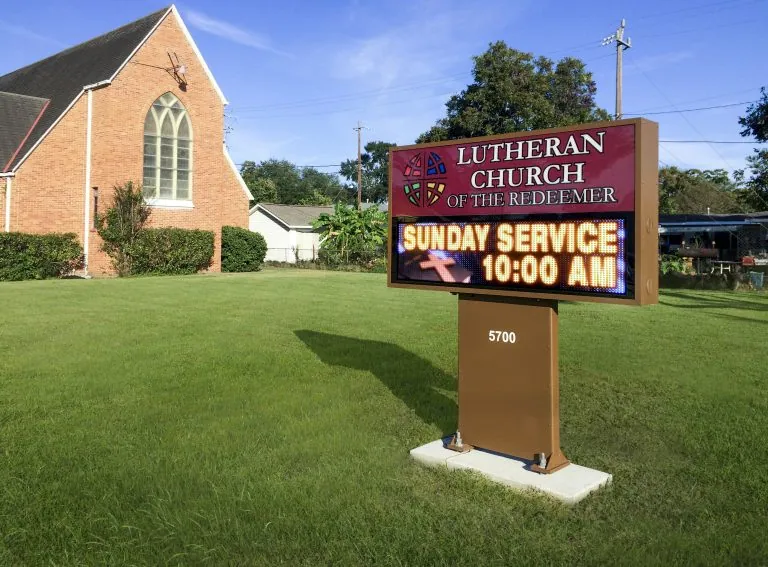
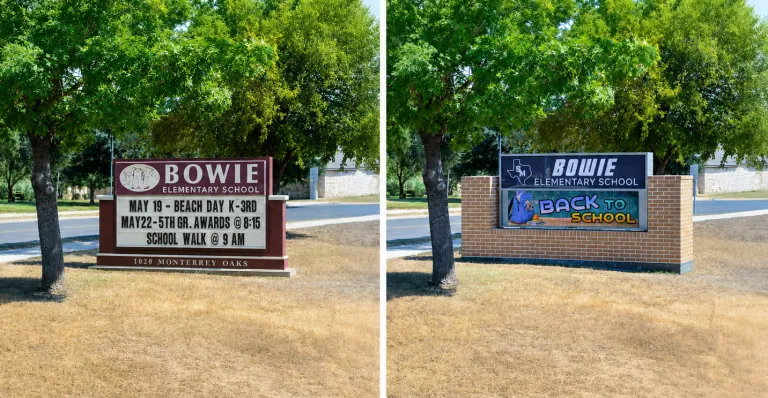
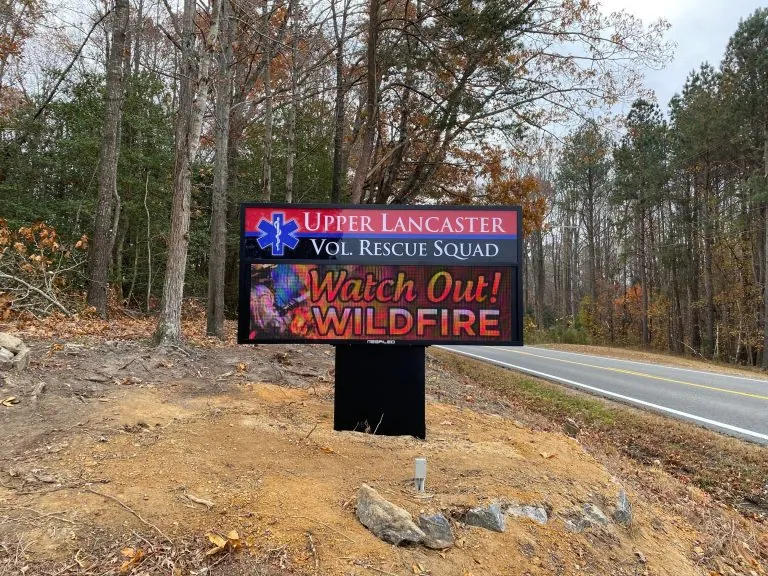
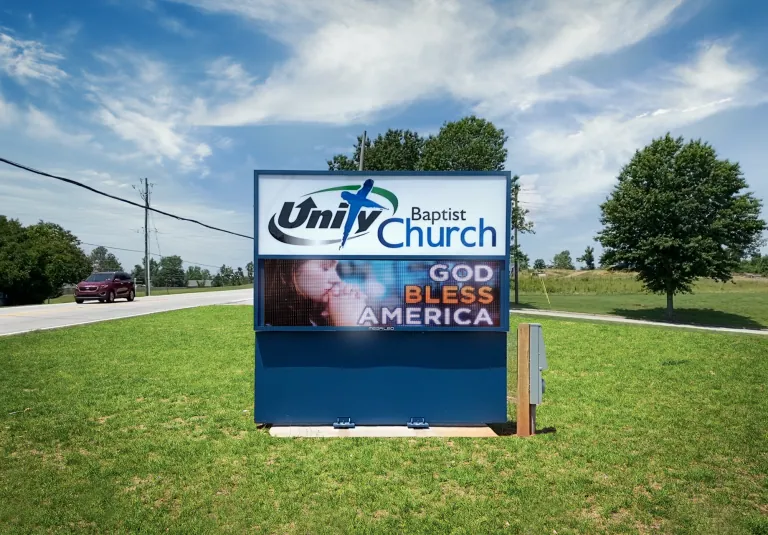
Alpha LED sign boards are great for anything from churches, to schools, to business. They tend to do great in large open spaces, where they are clearly visible.

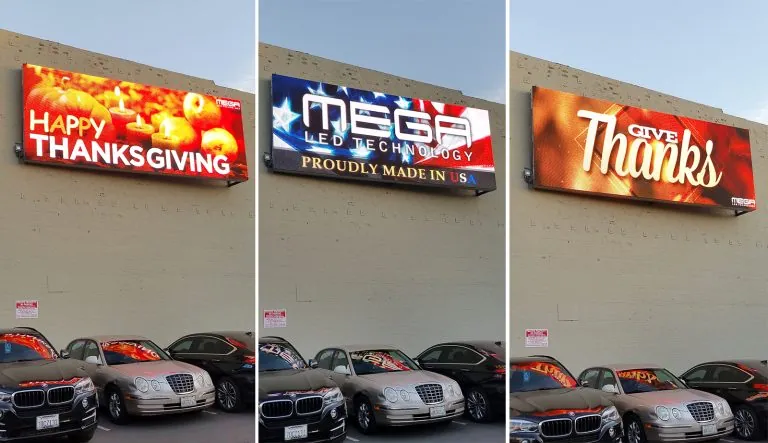
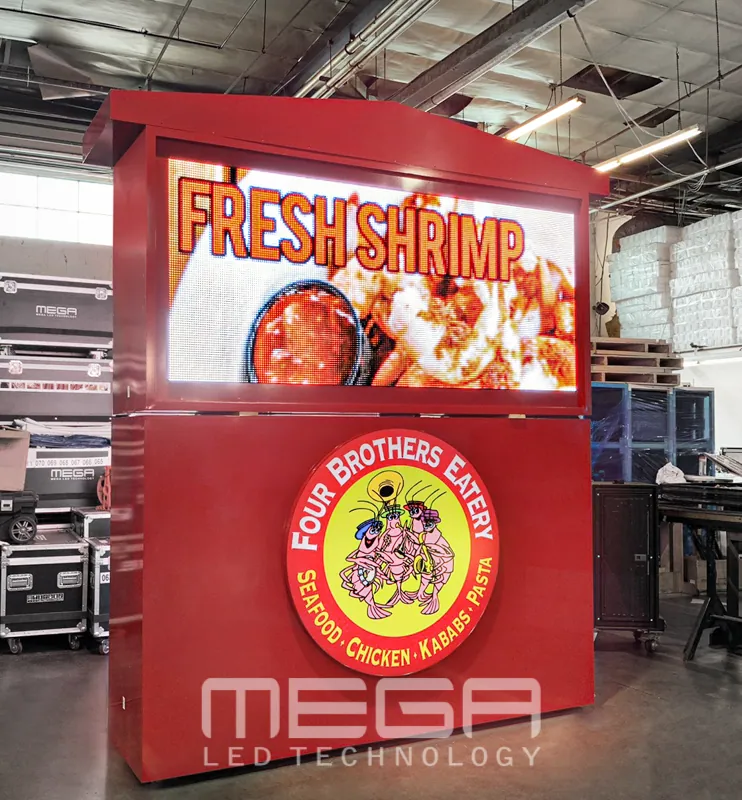
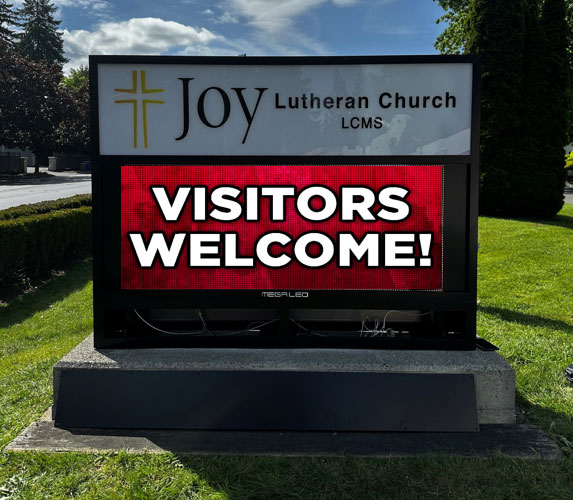
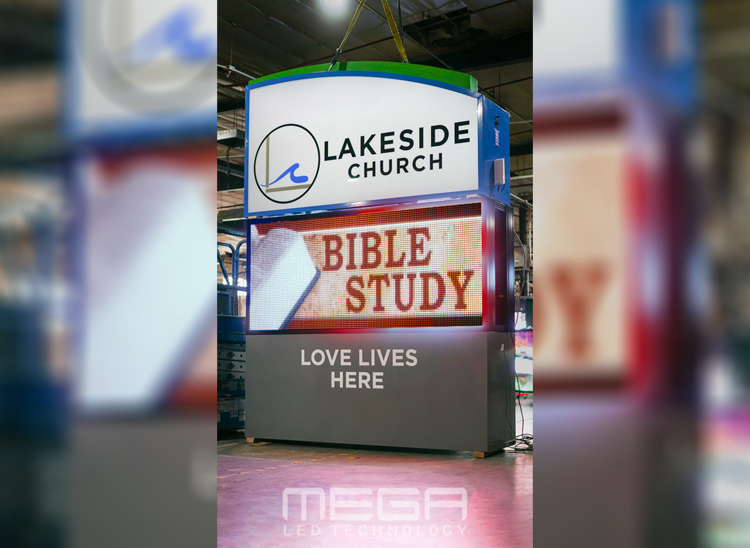
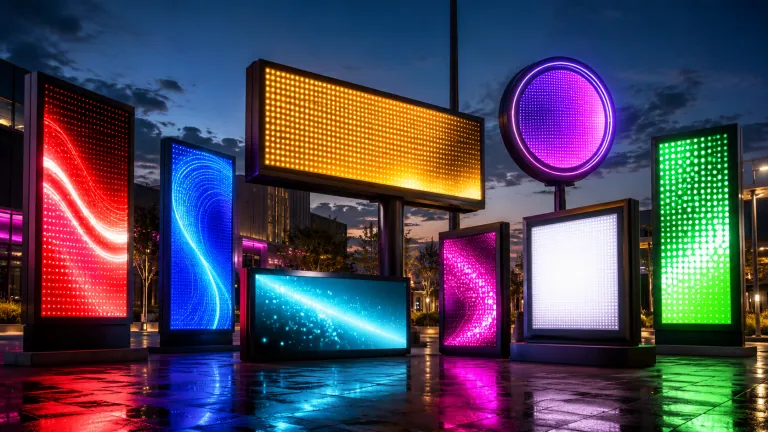
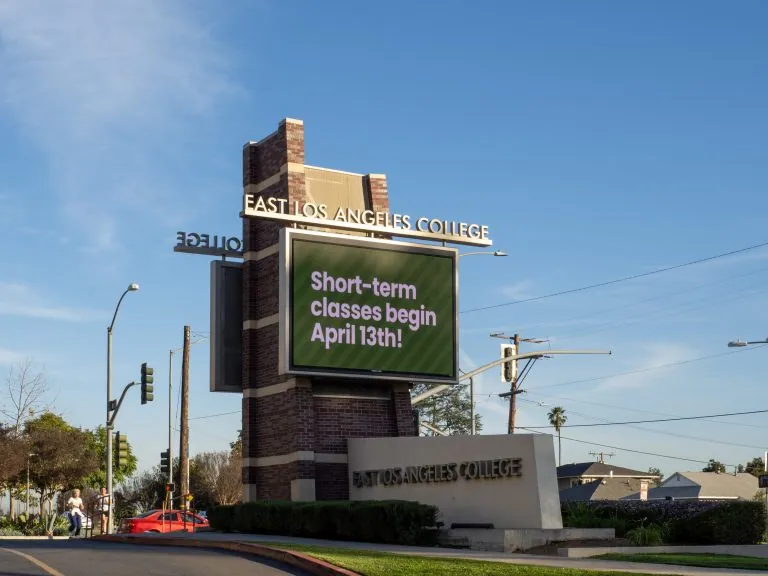
Omega is our newest line of outdoor digital signs. Running the full gambit from cabinet, to LED sign, to logo on top, or any configuration of your choice!

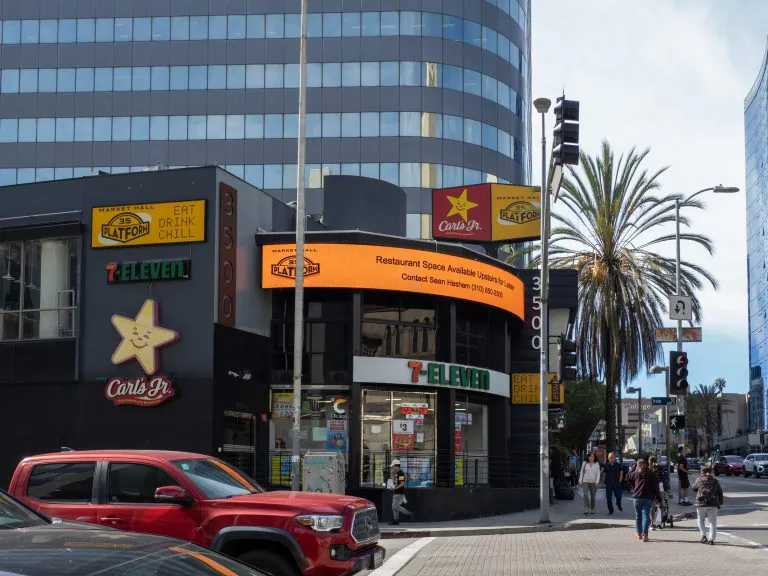
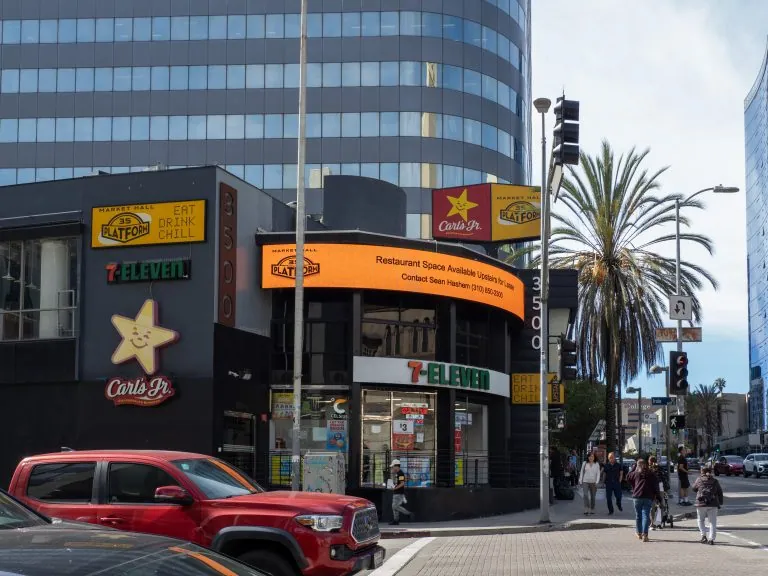
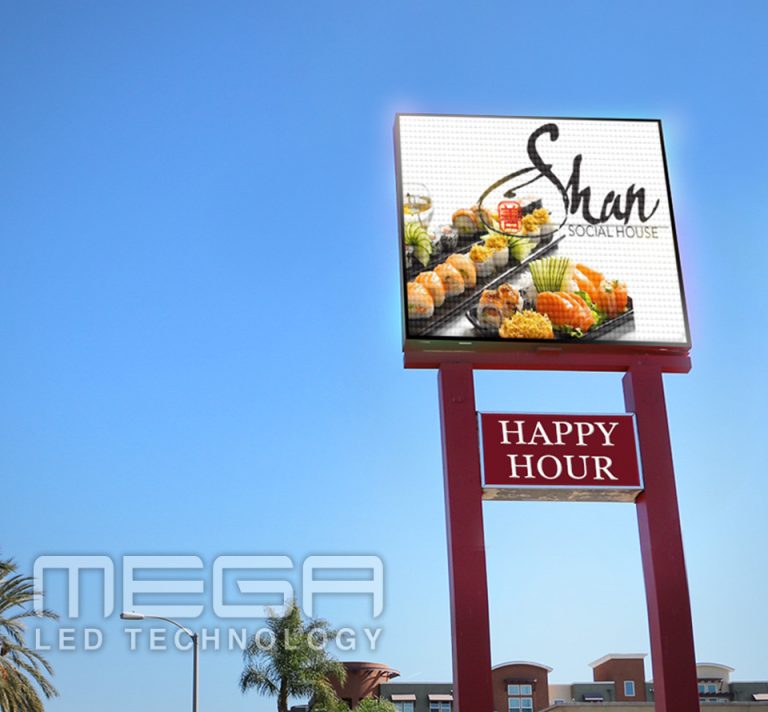
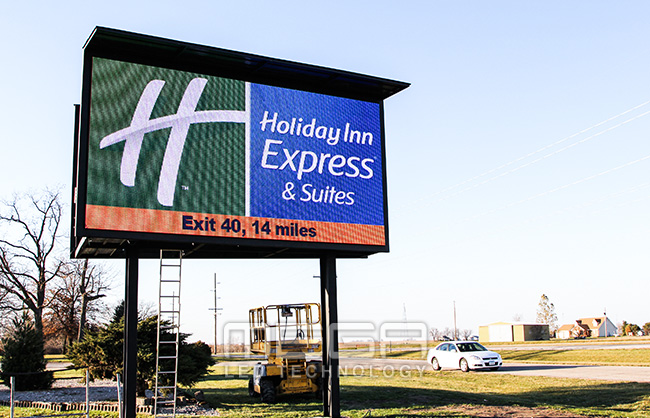
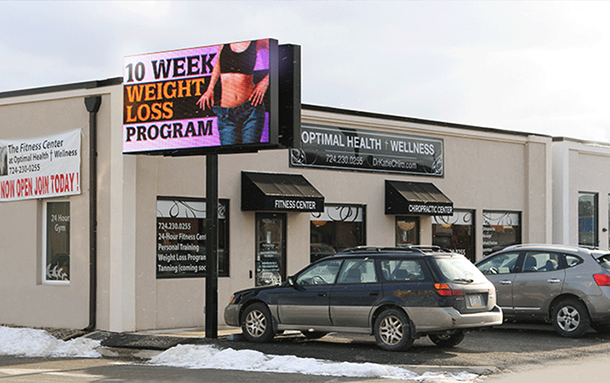
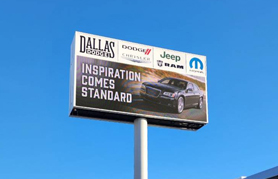
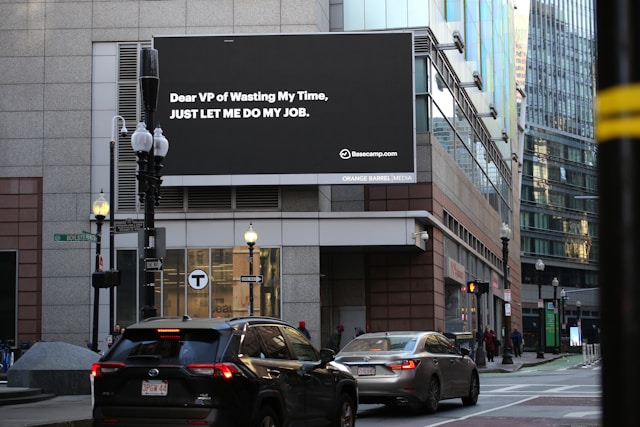
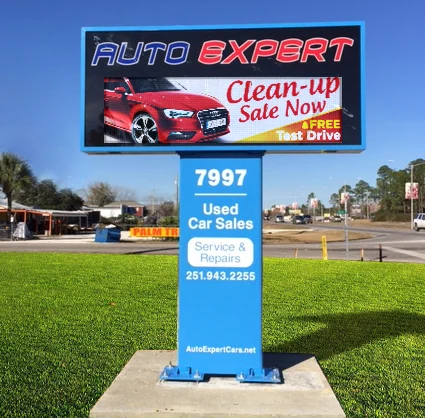
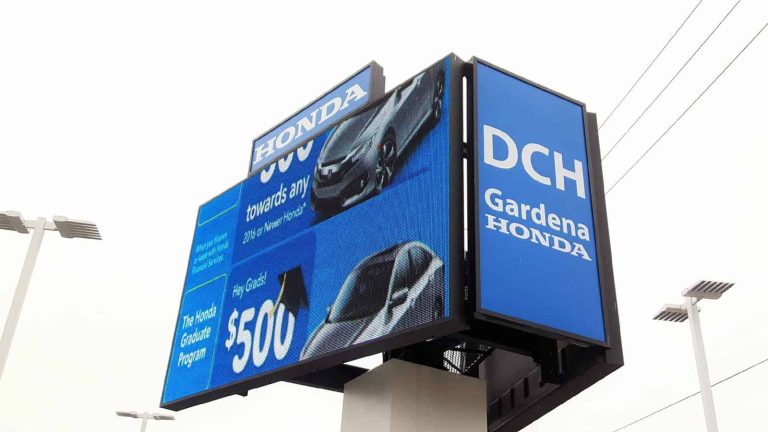
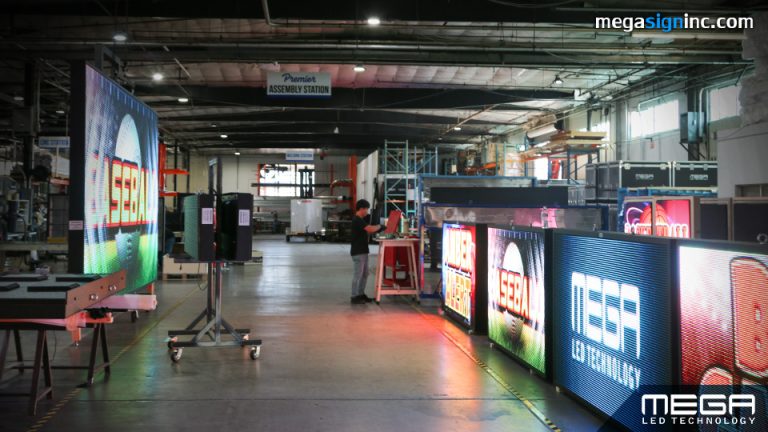
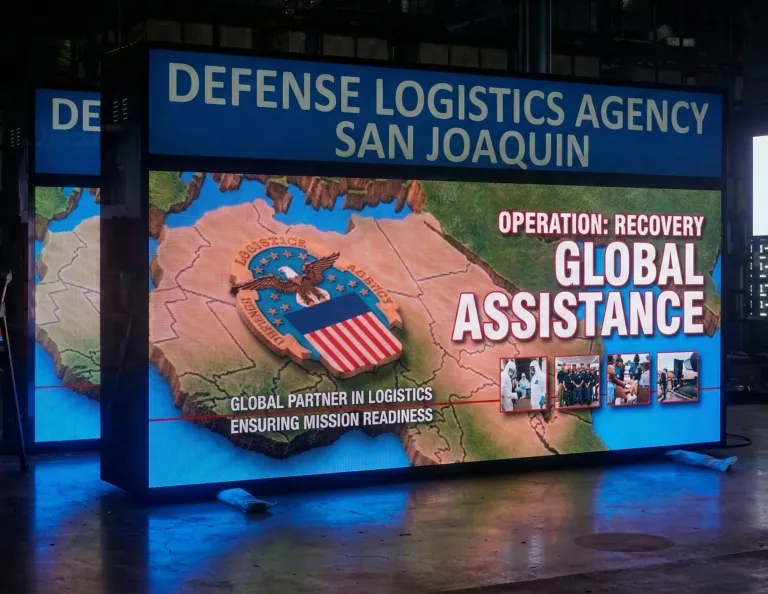
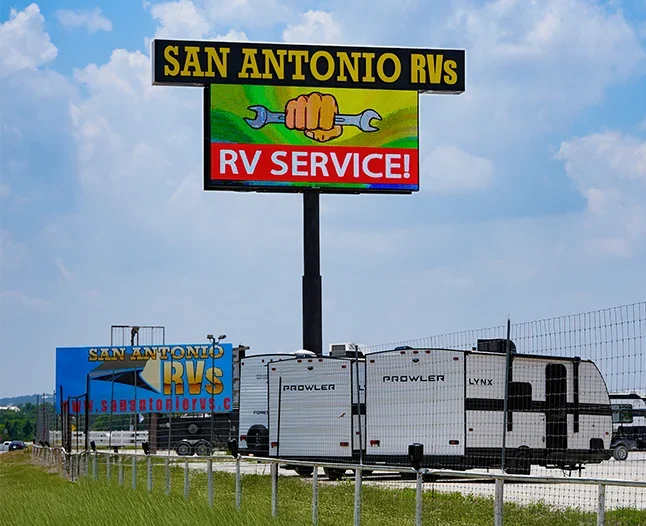
Premier is a customizable Outdoor LED sign, perfect for the Entrepreneur who knows that large custom sized signs cultivated for their specific business is the way to go.

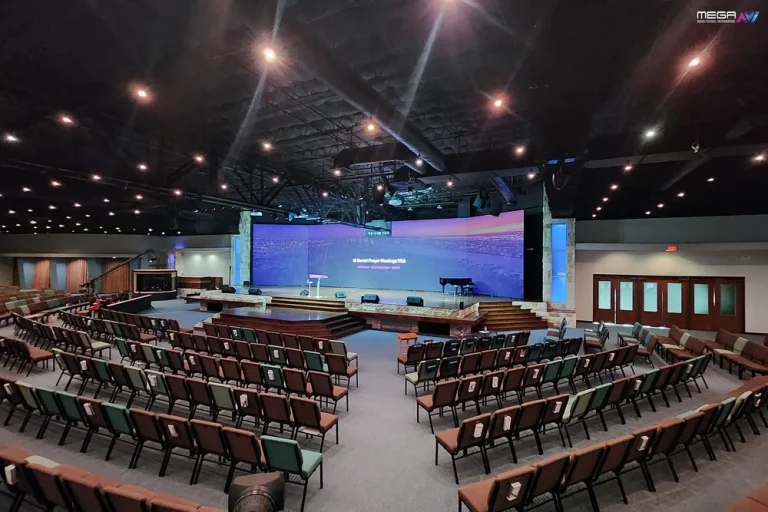
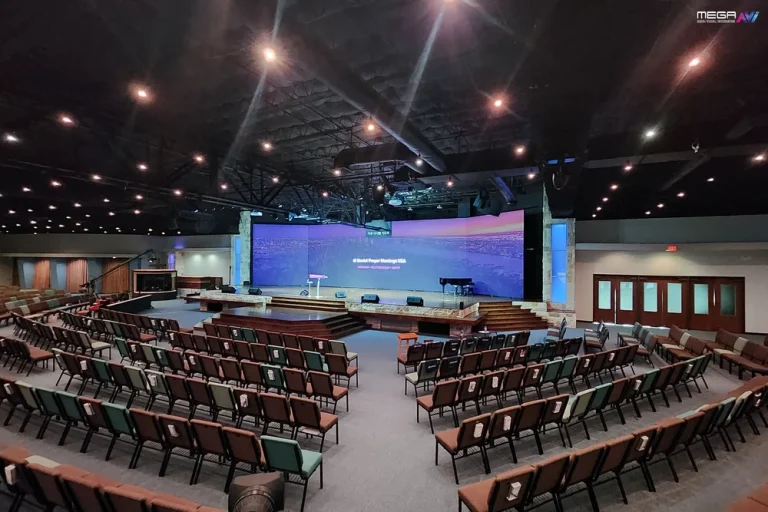
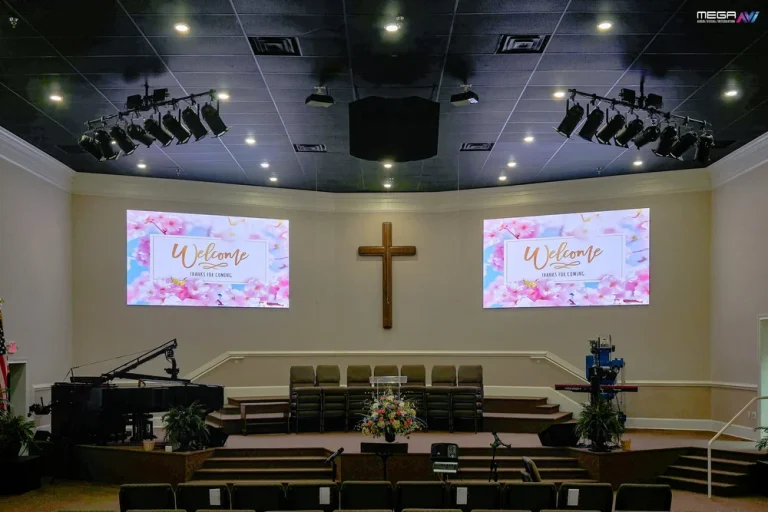
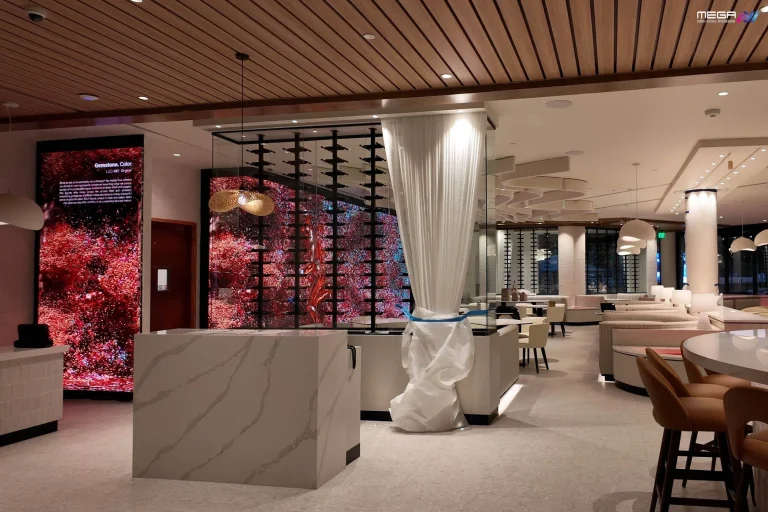
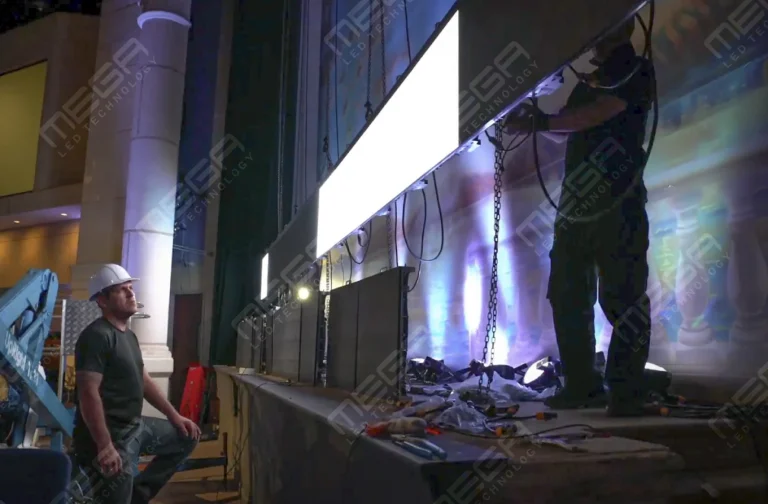
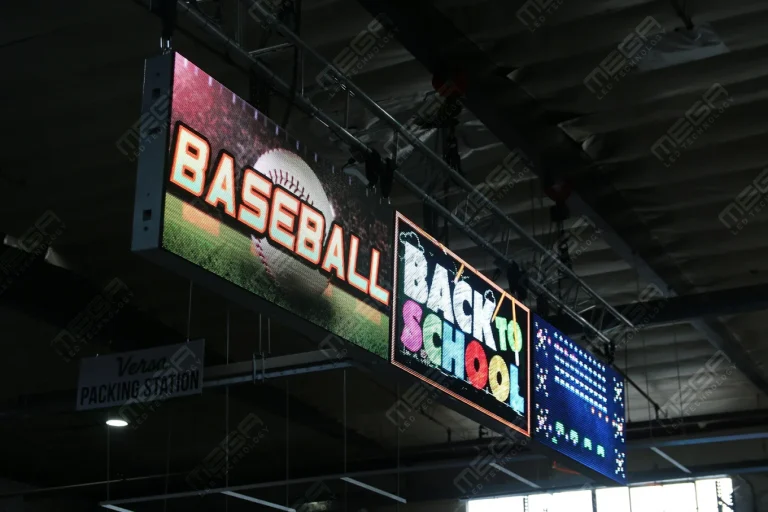
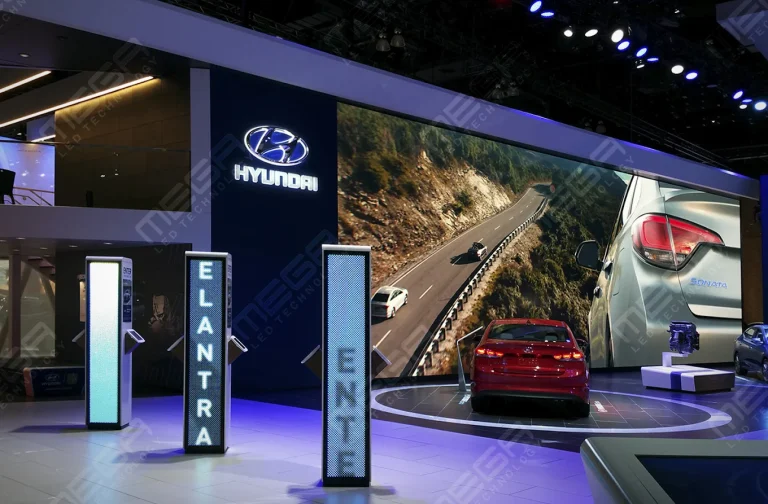
Programmable Stage LED signs, great for indoor assemblies, congregations, and presentations! Blow your competitors out of the water, or keep your congregation and audience glued to your message.

Alpha LED sign boards are great for anything from churches, to schools, to business. They tend to do great in large open spaces, where they are clearly visible.
Omega is our newest line of outdoor digital signs. Running the full gambit from cabinet, to LED sign, to logo on top, or any configuration of your choice!
Premier is a customizable Outdoor LED sign, perfect for the Entrepreneur who knows that large custom sized signs cultivated for their specific business is the way to go.
Programmable Stage LED signs, great for indoor assemblies, congregations, and presentations! Blow your competitors out of the water, or keep your congregation and audience glued to your message.
Digital billboard costs confuse most first-time buyers because prices shift based on multiple variables. Without clear numbers, you risk overpaying for ad space or underbudgeting a build. This guide breaks down every pricing factor so you can compare rates, plan ownership costs, and negotiate with confidence.

Digital billboard costs fall into two categories. The first is advertising, where you rent time on someone else’s screen. The second is ownership, where you buy or build the billboard itself. Most people searching this topic land between the two without realizing how different the pricing structures are.
Advertisers pay $1,500 to $30,000+ per month depending on the market. Buyers and builders face total project costs of $100,000 to $500,000+. Prices in 2026 depend on location, daily traffic impressions, screen specifications, campaign length, and share of voice. We cover each of these below.
Digital billboard advertising rates follow three common pricing models. The first is a flat monthly rate for a set rotation during a four-week cycle. The second is impression-based pricing (CPM), where you pay per thousand estimated viewers. The third is negotiated package deals bundling multiple boards or markets into one buy.
When you request quotes, you’ll see terms like digital outdoor advertising rates, electronic sign advertising rates, or LED billboard advertising rates. They all describe the same thing: what it costs to run your ad on a digital screen for a defined period.
Flat monthly pricing is most common among local and regional advertisers. CPM pricing shows up in programmatic digital out-of-home (DOOH) platforms. Package deals work for multi-location campaigns or long-term commitments. Each model has trade-offs depending on your goals.

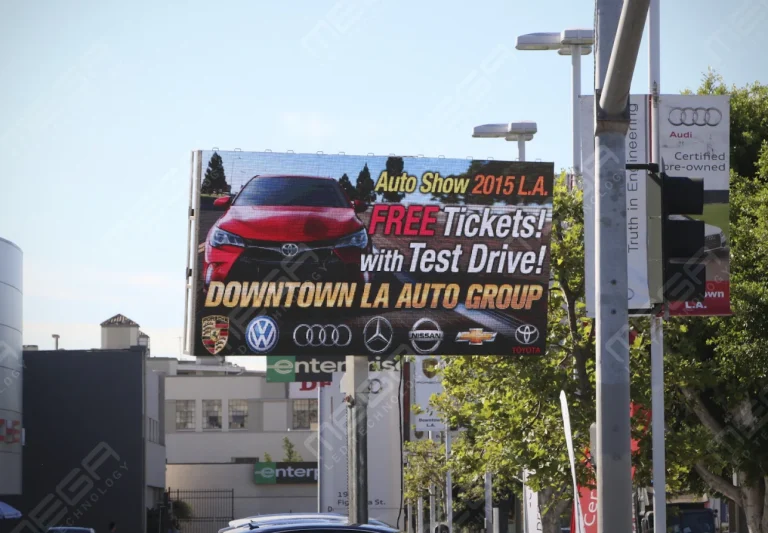
Geography is the biggest cost driver in digital billboard pricing. A board in rural Oklahoma and a board in downtown Los Angeles can differ by 10x or more, even if the screen is the same size. That gap comes down to traffic volume, audience density, and demand for limited inventory.
In small markets under 100,000 population, monthly digital billboard rates typically fall between $1,500 and $3,000. Mid-size cities (100,000 to 500,000) range from $3,000 to $8,000. Major metros push past $8,000 and can hit $30,000 or more for premium highway or downtown placements.
The reason is straightforward: more eyeballs cost more money. Boards along dense commuter routes deliver higher daily impressions, and operators price accordingly. If your audience is local, smaller markets offer strong value at a fraction of metro pricing.
Larger screens with tighter pixel pitch cost more to build, install, and sometimes to advertise on. A standard 14′ x 48′ highway bulletin is the most common format. Smaller poster-sized boards (10.5′ x 36′) and junior posters (6′ x 12′) cost less because they use fewer LED modules and simpler support structures.
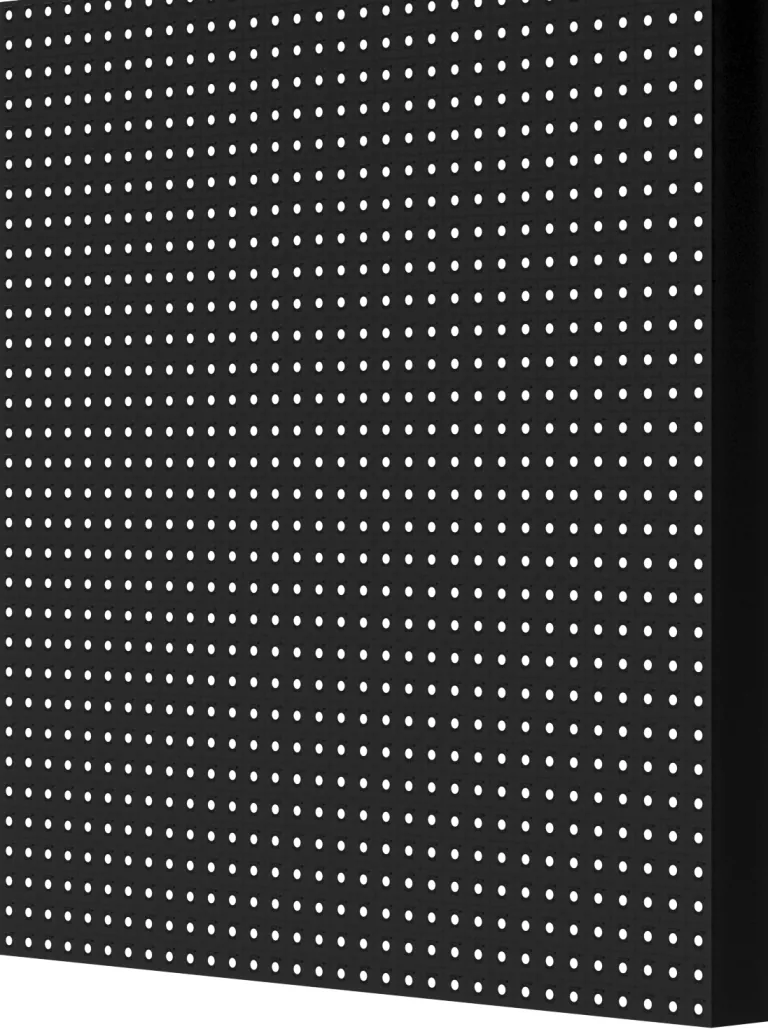
Pixel pitch, the distance between LED clusters, controls image sharpness. A 16mm pitch works for highways where viewers are 150+ feet away. A 6mm or 8mm pitch delivers sharper images at closer distances. Tighter pitch means more LEDs per square foot, driving up hardware costs. Average display pricing runs $150 to $300 per square foot depending on specs.
If your billboard sits along a freeway, you probably don’t need 6mm resolution. Matching pixel pitch to actual viewing distance is one of the easiest ways to control costs without sacrificing visibility. We help buyers at MEGA LED Technology choose the right pitch for their site conditions so they don’t overpay for resolutions they won’t use.
Most digital billboards rotate between six and eight advertisers in a 60- to 90- second loop. Each advertiser gets a slot, typically 6 to 10 seconds, and that slot repeats throughout the day. This rotation model is called share-of-voice, and it’s the main reason digital boards cost differently than static ones.
A higher share of voice costs more. Some operators sell exclusive rotation at premium rates, while others offer budget-friendly slots with lower frequency. A smaller share doesn’t always mean worse results. If your ad runs during peak commute hours along the right corridor, standard rotation can still deliver strong reach.
Longer contracts almost always lower your effective monthly rate. A 12-month commitment can cut costs versus month-to-month booking because operators prefer guaranteed occupancy. Short-term tests (4 to 8 weeks) cost more per cycle but let you validate the channel before scaling.
MEGA LED Technology offers a free quote on custom-built LED billboards and digital signage. We’ll walk you through every cost so there are no surprises.
Seasonality matters too. Q4 (October through December) is the most expensive window because of holiday advertising demand. Rates can spike 20% to 30% during peak periods. January and February are the cheapest months, and that’s the best time to negotiate or lock in an annual rate. According to the OAAA revenue report, U.S. out-of-home advertising hit $9.46 billion in 2025, with Q4 growth accelerating to 4.8%. That demand shows up directly in seasonal pricing.
Billboard advertising costs more than the monthly rental fee. Creative design typically runs $300 to $1,000. Video production adds more. Some operators charge setup fees, content management platform fees, or revision fees for mid-campaign creative changes.
Data and analytics fees are growing as programmatic DOOH expands. If you buy through a demand-side platform, expect platform charges on top of media cost. Before signing any contract, ask for a complete line-item breakdown so you compare total campaign costs, not just the headline rate.
Buying or building a digital billboard is a completely different decision than renting ad space. Advertisers pay for temporary exposure. Owners pay for a long-term asset generating revenue. If you’re evaluating ownership, the screen price is only one piece of the total budget.
Full digital billboard projects typically range from $100,000 to $500,000 for standard highway formats. Premium installations with dual-face configurations or tight pixel pitch can exceed $750,000 when you include site preparation, structural engineering, and permitting. We build Premier LED signs here in the U.S. with 4-layer copper PCBs, gold-wire bonded LEDs, and MET Lab certified components, so customers get a billboard built for 100,000+ hour lifespans rather than a cheap import that fails in 3 years.
| Cost Component | Typical Range | Notes |
|---|---|---|
| LED Display Panels | $50,000 – $300,000+ | Varies by size and pixel pitch |
| Steel Monopole Structure | $30,000 – $80,000 | Depends on height and wind load |
| Concrete Foundation | $15,000 – $40,000 | Soil type and depth affect cost |
| Electrical and Connectivity | $5,000 – $25,000 | Distance from power source matters |
| Permitting and Zoning | $2,000 – $15,000 | Can take 6 to 18 months |
| Installation Labor | $10,000 – $30,000 | Crane rental, crew, site access |
| Software and Content Setup | $500 – $3,000 | Cloud or local CMS platform |
The LED display is the biggest single line item, but it’s rarely more than half the total project cost. Steel structure, foundation, electrical work, and permitting all add up. A common mistake is budgeting only for the screen and then scrambling when site prep costs arrive.
Permitting alone can cost $2,000 to $15,000 and take 6 to 18 months. Zoning review, site surveys, engineering drawings, and municipal applications all factor in. The FHWA advertising program sets federal guidelines through the Highway Beautification Act, and most states layer additional rules on top. Skipping research almost always leads to delays or denied permits.
Electricity, software, and maintenance are the three ongoing cost categories owners need to budget for. A standard 14′ x 48′ LED billboard draws 700 to 1,200 kWh per month, which translates to roughly $100 to $250 in monthly utility costs depending on local rates and brightness settings.
CMS subscriptions run $500 to $2,000 per year. Maintenance reserves should cover module replacements, power supply swaps, and periodic inspections. Quality LED displays from U.S. manufacturers like us are rated for 100,000+ hours, which means lower maintenance over the first decade compared to budget imports that start failing in 2 to 3 years.
Renting makes sense for advertisers who need short-term exposure without capital risk. Building makes sense for landowners, media operators, or investors who want to own the asset and sell ad space. Over a 10-year window, the math shifts heavily toward ownership if you maintain strong occupancy.
A rented board at $5,000 per month costs $600,000 over 10 years with nothing to show at the end. A built billboard might cost $250,000 to $400,000 upfront but generates monthly revenue once sold to advertisers. Break-even depends on local demand, occupancy, and maintenance costs. In high-traffic corridors with strong advertiser interest, ownership often wins on long-term ROI.

Digital billboards can be strong investments when location, traffic count, and advertiser demand line up. A well-placed board in a mid-size or major market can generate $3,000 to $15,000 monthly in ad revenue depending on rotation slots and occupancy.
The concern most new investors raise is whether billboards are a waste of money. Honest answer: a billboard in a bad location or built with cheap components can be. But the OOH industry’s 19 consecutive quarters of revenue growth tell another story for well-positioned assets. Digital OOH accounted for 36.3% of the industry’s $9.46 billion in 2025 revenue. The OAAA industry data confirms this growth isn’t slowing.
Financing options exist for qualified buyers, and many projects recoup their cost within 3 to 5 years through ad sales. The key is picking the right location, building with durable components, and having a plan to sell inventory before the board goes up. We cover the full range of digital billboard options on our site.
Comparing billboard quotes requires more than looking at the monthly rate. Line up pricing model, estimated impressions, rotation frequency, location quality, and contract terms side by side. A $2,000 board with 50,000 daily impressions in a strong corridor may outperform a $5,000 board with lower traffic and worse sightlines.
A short-term digital billboard campaign is your best fit. Look for operators offering remnant inventory or 4-week test campaigns. Get a free quote at megasigninc.com/free-quote/ to explore options.
A long-term advertising commitment gives you better rates and consistent brand visibility. Negotiate an annual contract for the best monthly pricing. Contact us at megasigninc.com/free-quote/
MEGA LED Technology’s Premier Outdoor LED Signs are engineered for highway visibility with IP67-rated weather protection and 100,000+ hour lifespans.
An Alpha LED Sign Board or Omega Monument Sign gives you property-level digital signage with easy installation and remote content updates.
Ask every vendor for the same data: daily traffic count, estimated impressions, share of voice, creative specs, and a complete fee breakdown. The OAAA industry standards page outlines regulatory basics that affect pricing. If you’re buying through a programmatic DOOH platform, compare its CPM against direct booking. Direct deals often win for long-term local campaigns, while programmatic works better for short multi-market bursts.
Negotiation tactics that work: book during Q1 when demand drops, commit to longer contracts for rate reductions, ask about remnant inventory (unsold slots near the flight date), and bundle locations. Operators want occupancy. Fill a slot they’d otherwise leave empty, and you’ll get a better deal.
Digital billboard advertising costs $1,500 to $30,000+ per month depending on market size, location, and share of voice. Buying or building one typically costs $100,000 to $500,000+ for the full project including LED display, structure, foundation, permitting, and installation. Smaller poster-format boards cost less. Premium highway installations with tight pixel pitch or dual faces can exceed $750,000.
Screen size and pixel pitch are two of the biggest hardware cost drivers. Larger screens need more LED modules, heavier steel, and bigger foundations. Tighter pitch (6mm versus 16mm) means more LEDs per square foot, increasing display cost. Average pricing runs $150 to $300 per square foot. Matching pixel pitch to viewing distance is the best way to control cost without losing visibility.

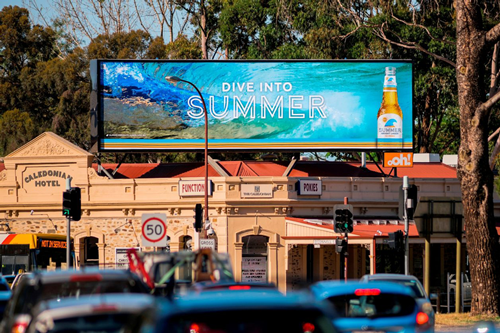





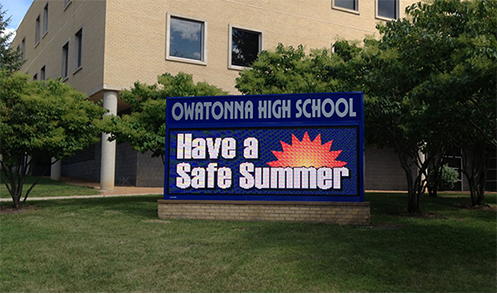






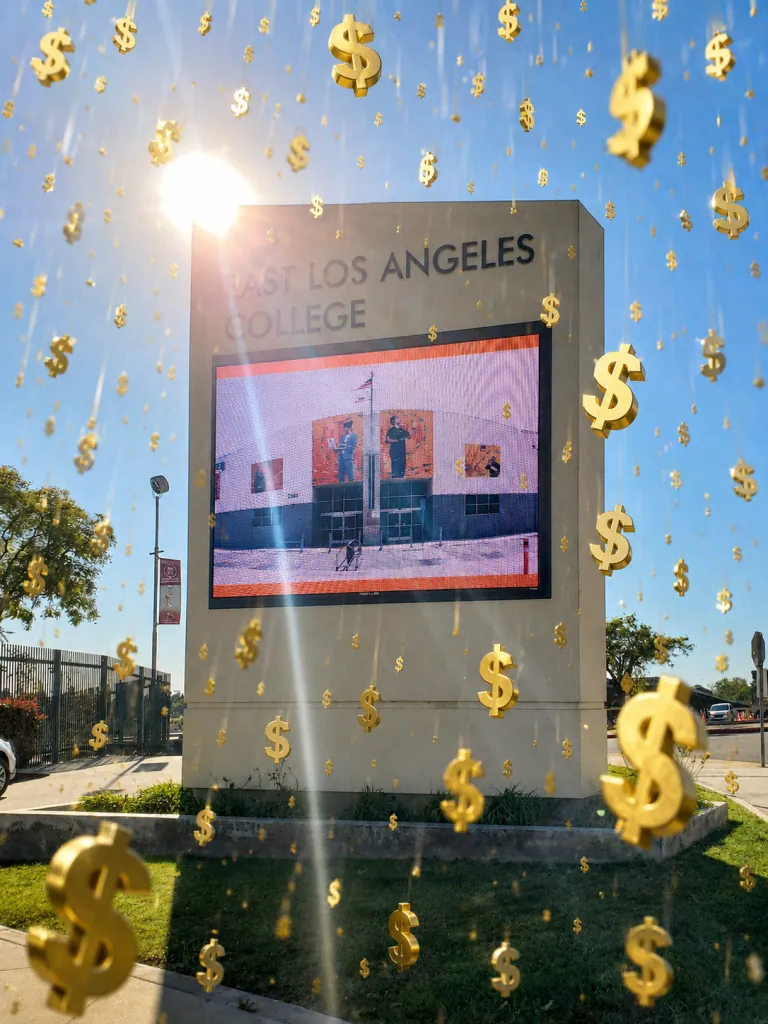
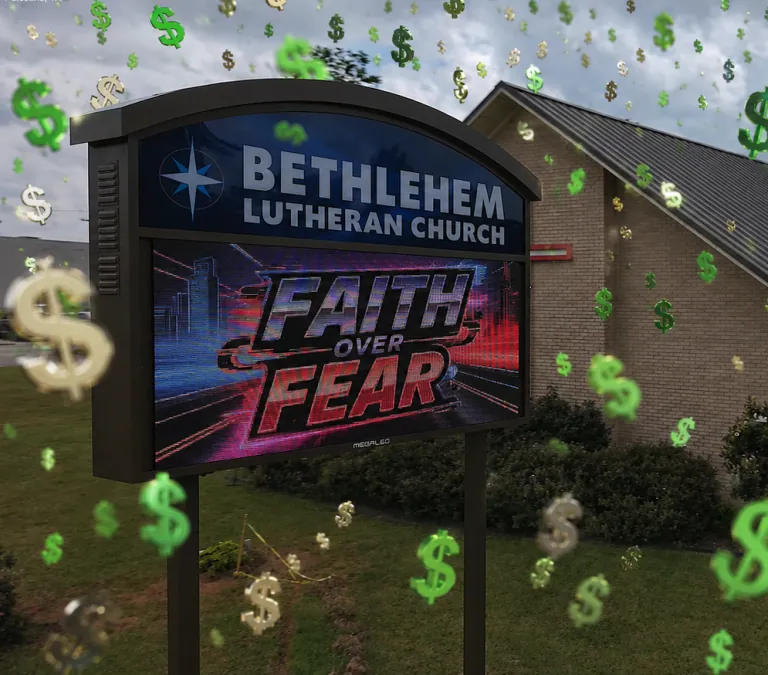

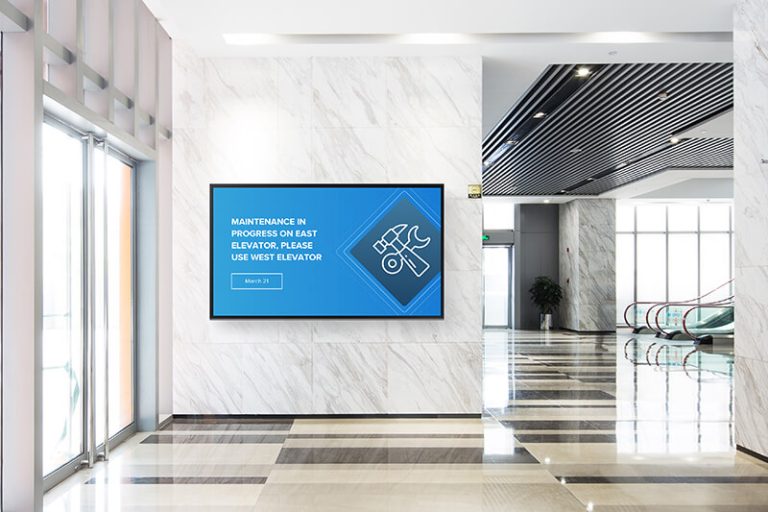


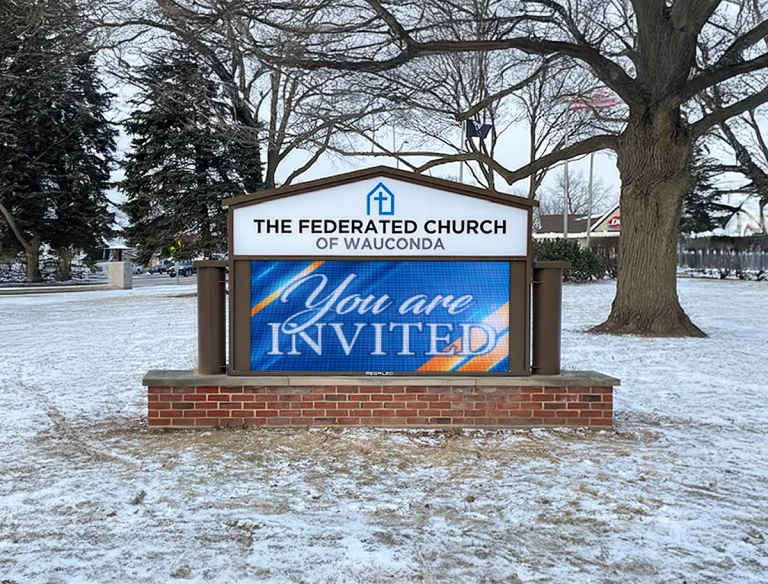


Alpha LED sign boards are great for anything from churches, to schools, to business. They tend to do great in large open spaces, where they are clearly visible.
Omega is our newest line of outdoor digital signs. Running the full gambit from cabinet, to LED sign, to logo on top, or any configuration of your choice!
Premier is a customizable Outdoor LED sign, perfect for the Entrepreneur who knows that large custom sized signs cultivated for their specific business is the way to go.
Programmable Stage LED signs, great for indoor assemblies, congregations, and presentations! Blow your competitors out of the water, or keep your congregation and audience glued to your message.