Summer Church Signs: What Are The Best Sayings And Ideas For The Season?

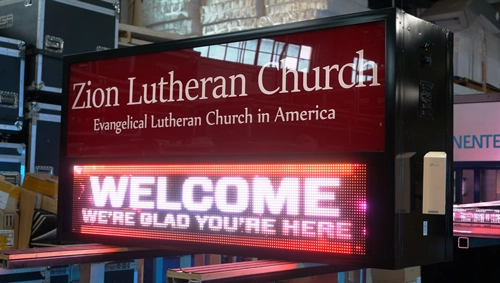
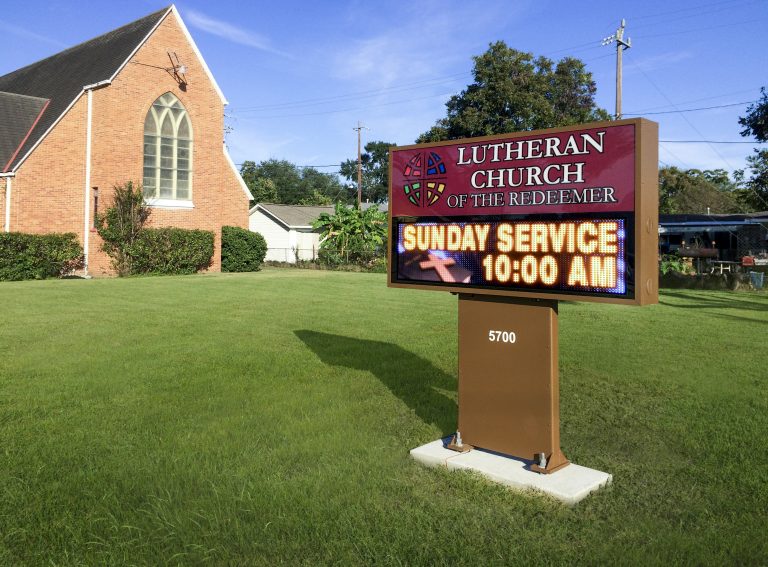
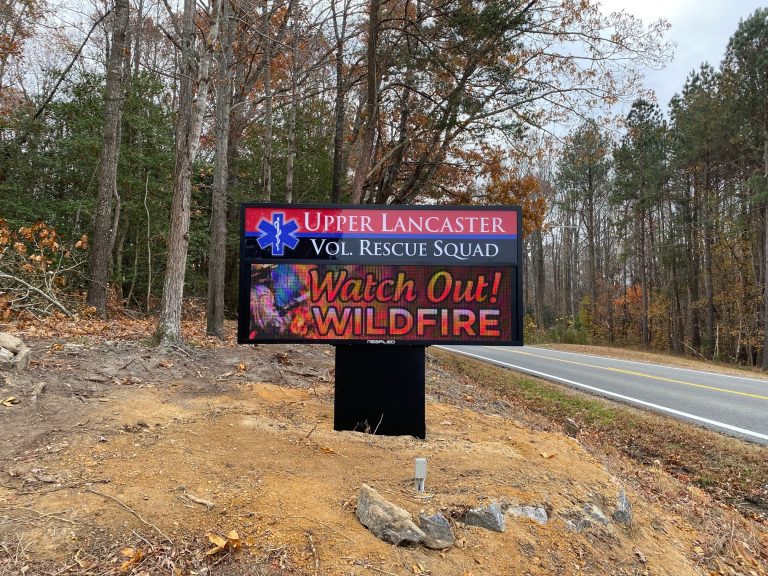
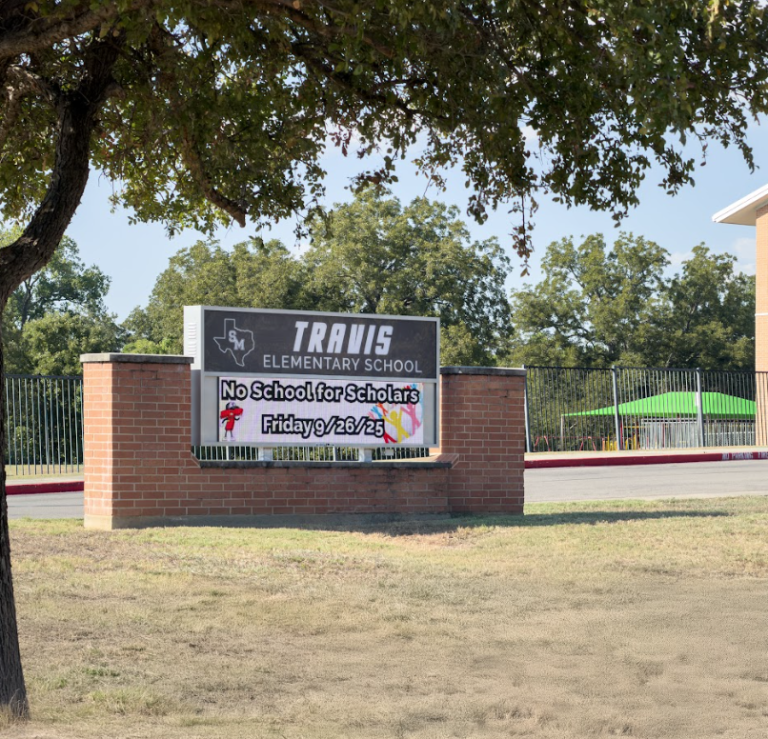
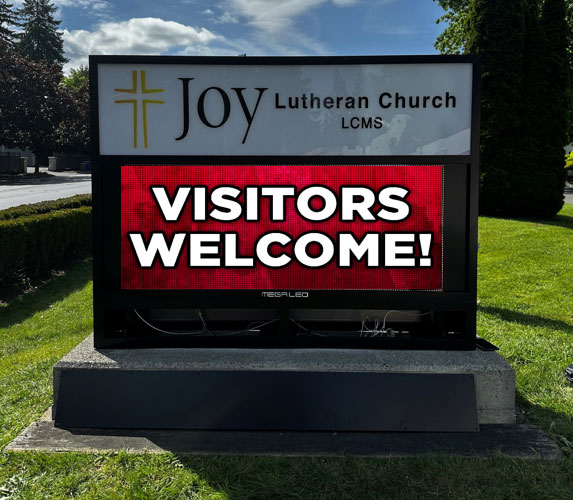
Alpha LED sign boards are great for anything from churches, to schools, to business. They tend to do great in large open spaces, where they are clearly visible.

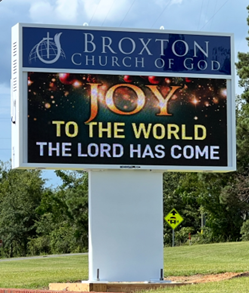
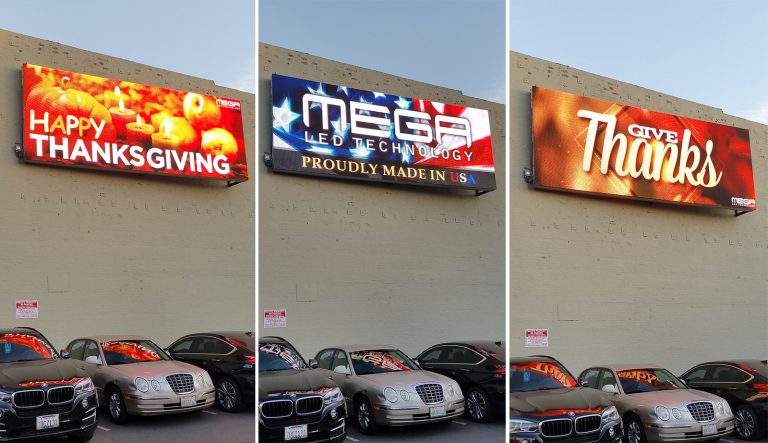
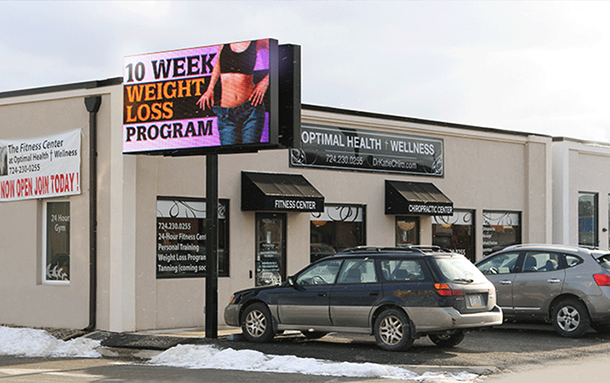
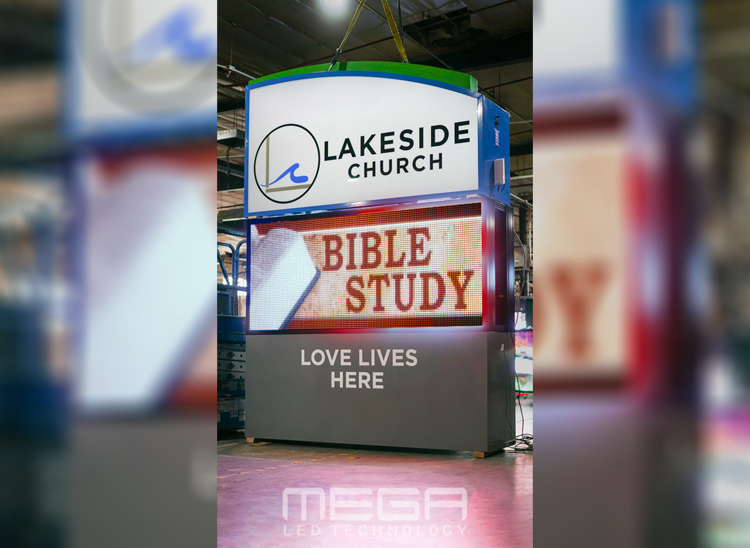
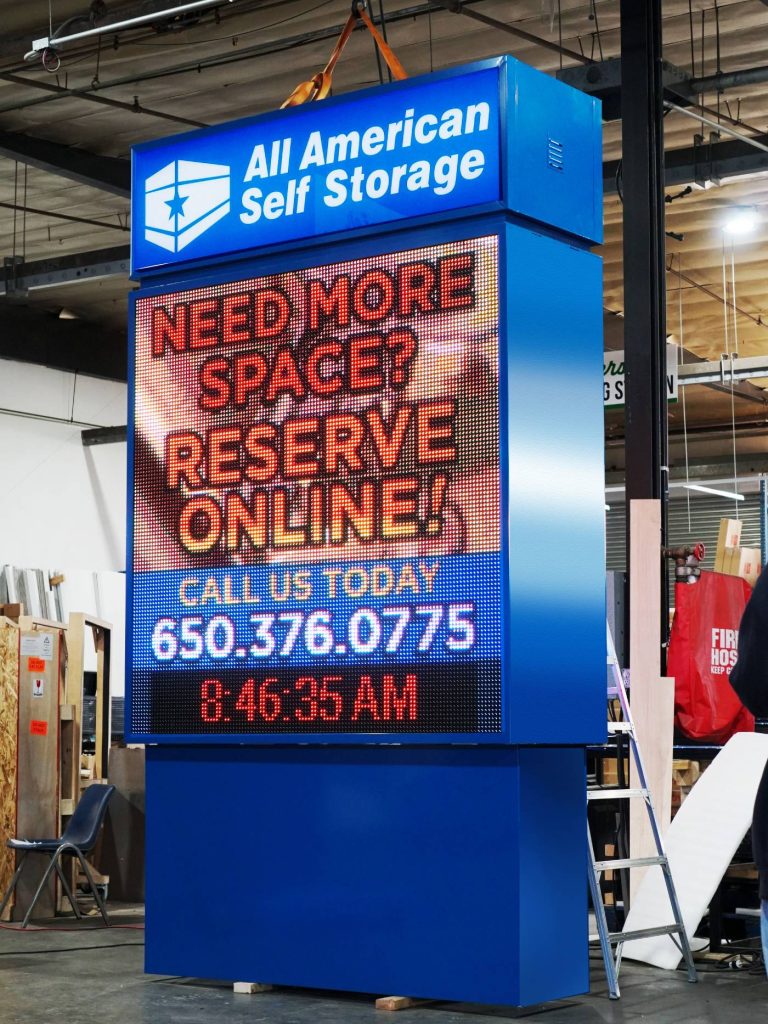
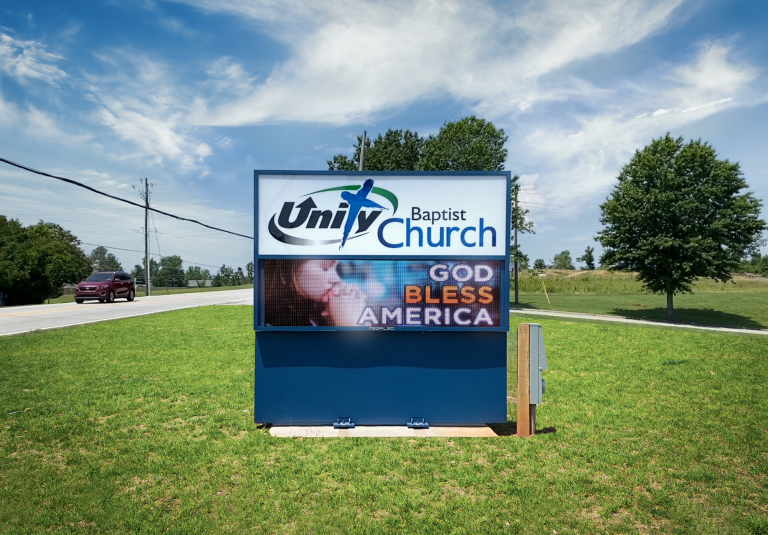
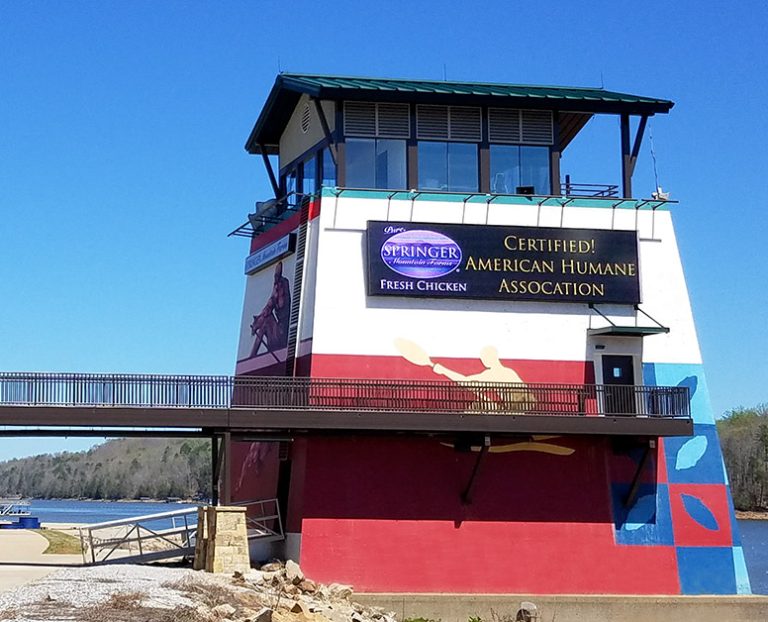
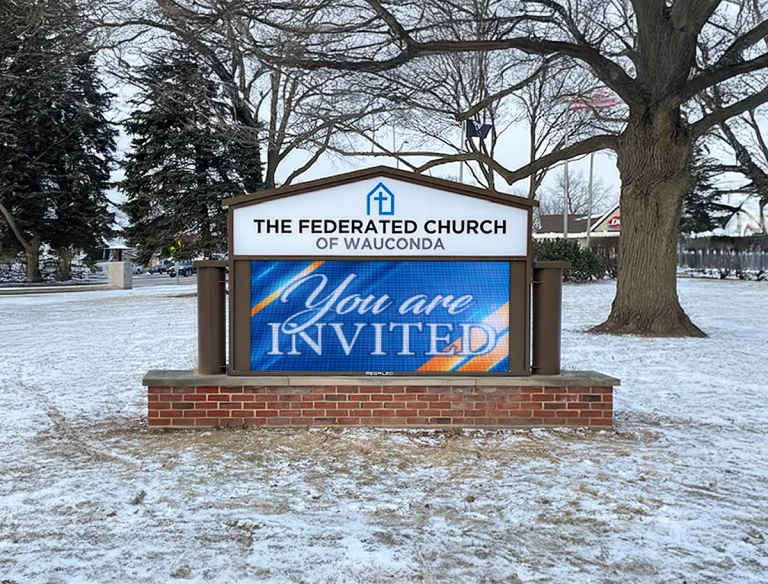
Omega is our newest line of outdoor digital signs. Running the full gambit from cabinet, to LED sign, to logo on top, or any configuration of your choice!

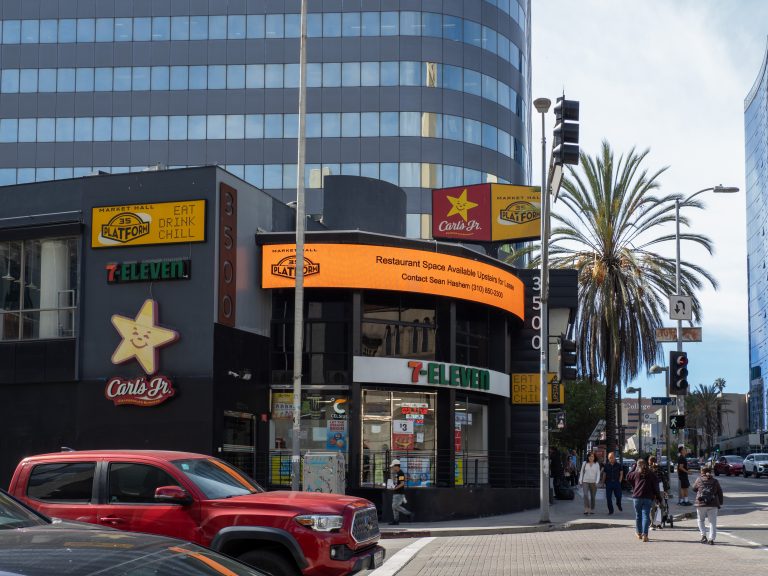
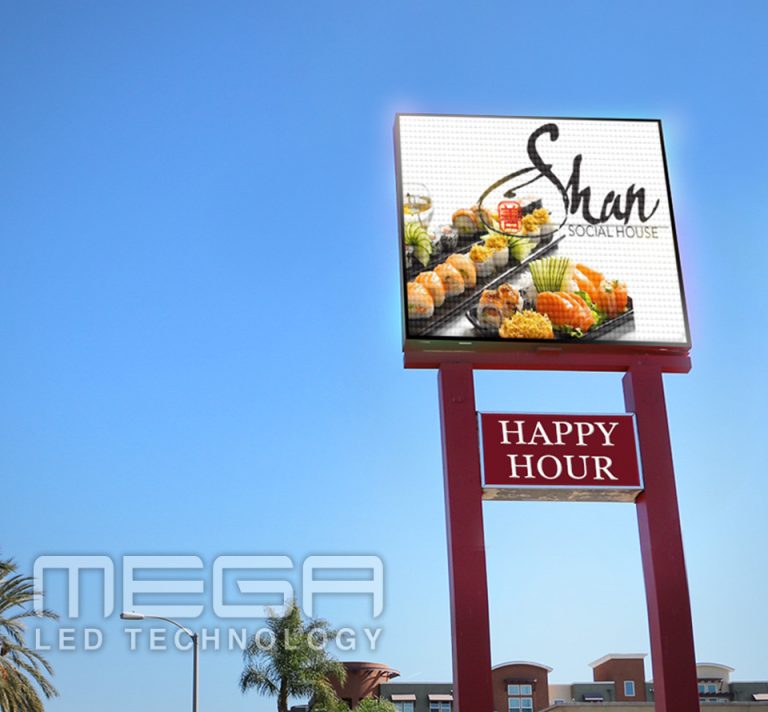
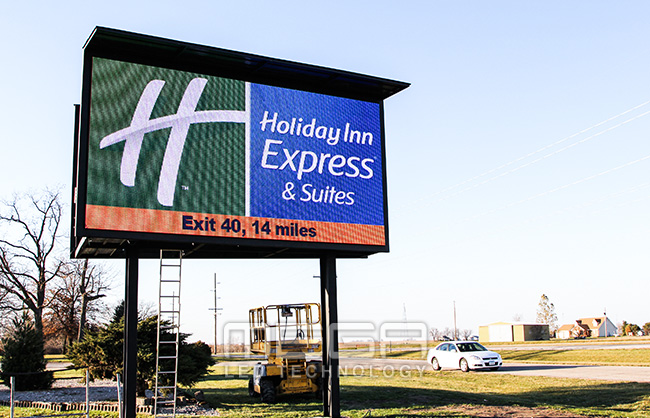
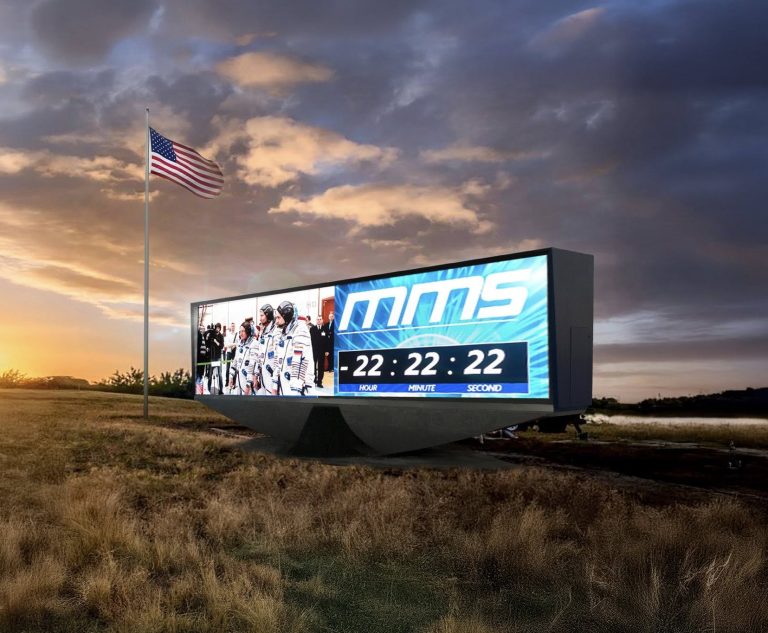
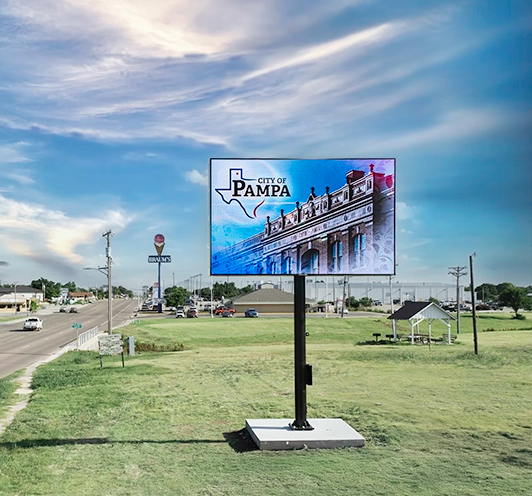
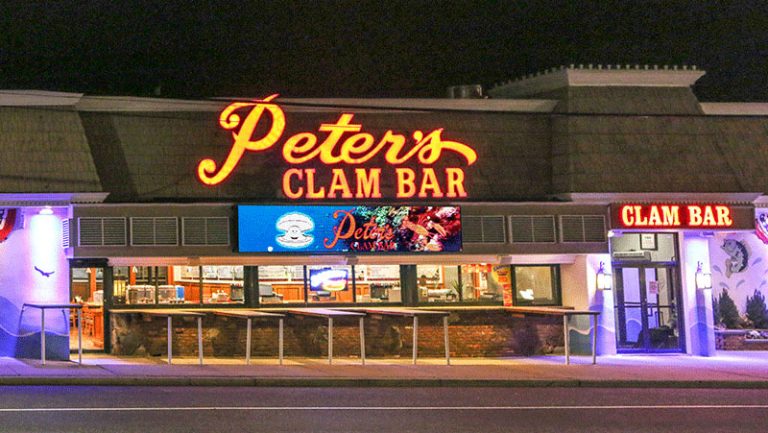
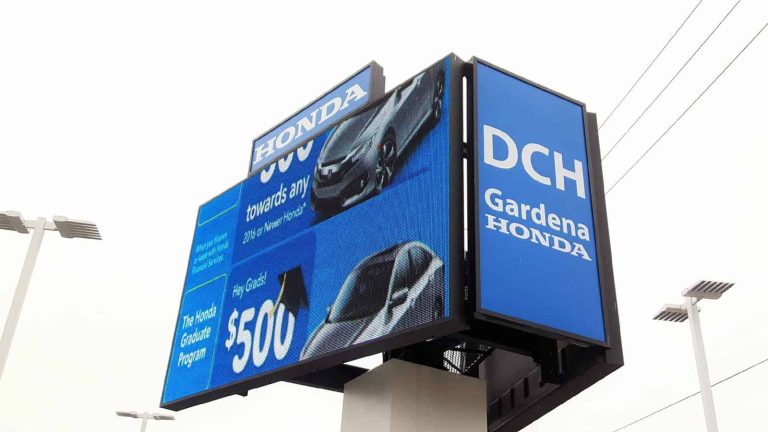
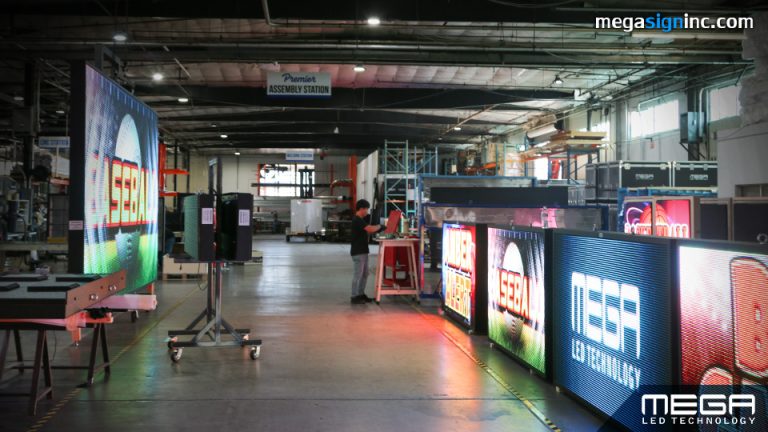
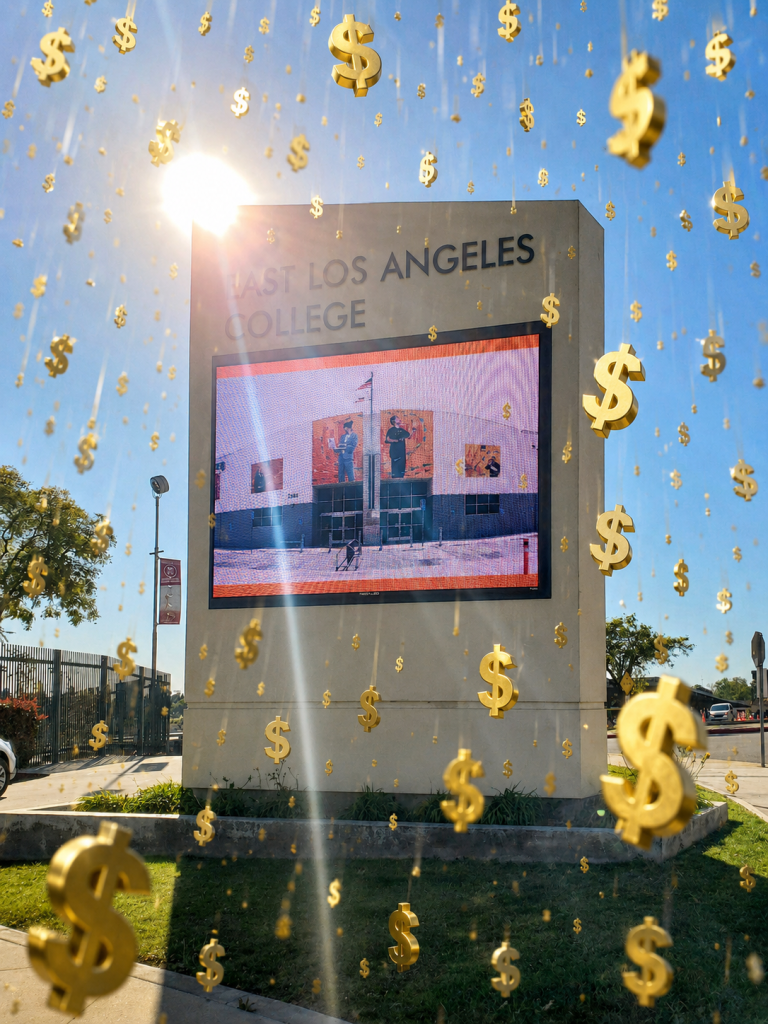
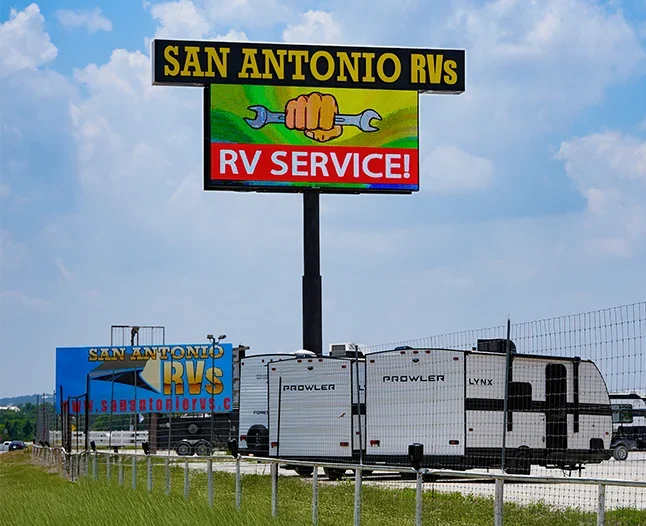
Premier is a customizable Outdoor LED sign, perfect for the Entrepreneur who knows that large custom sized signs cultivated for their specific business is the way to go.

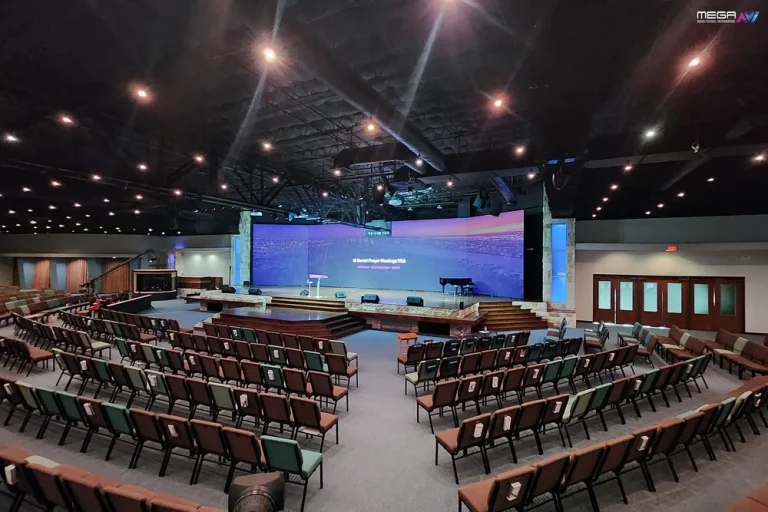
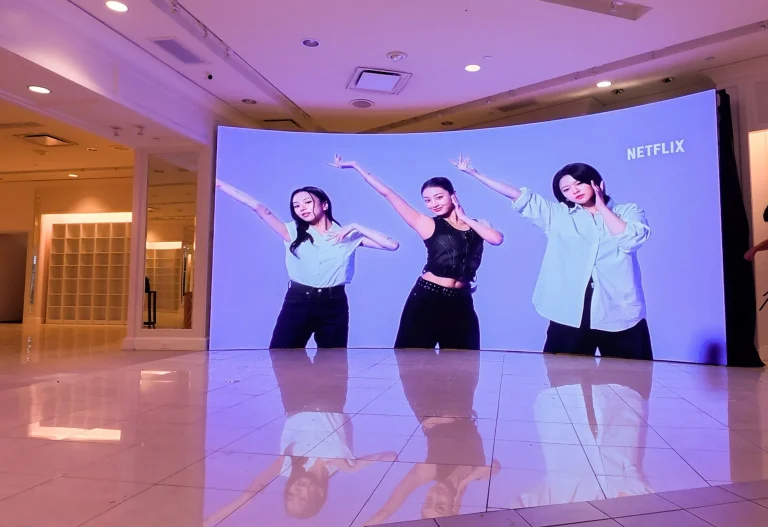
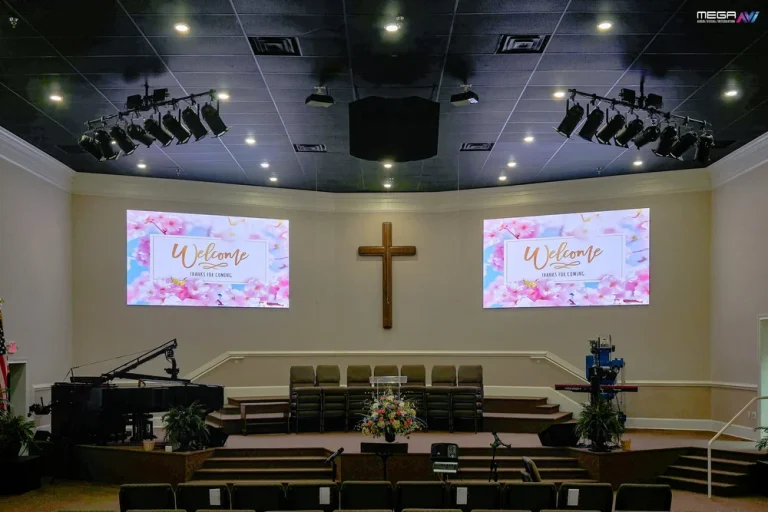
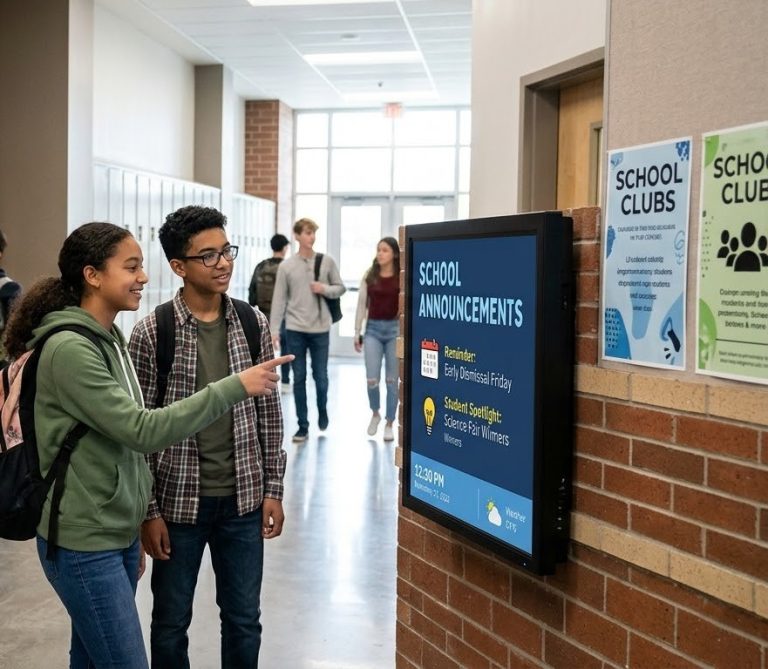
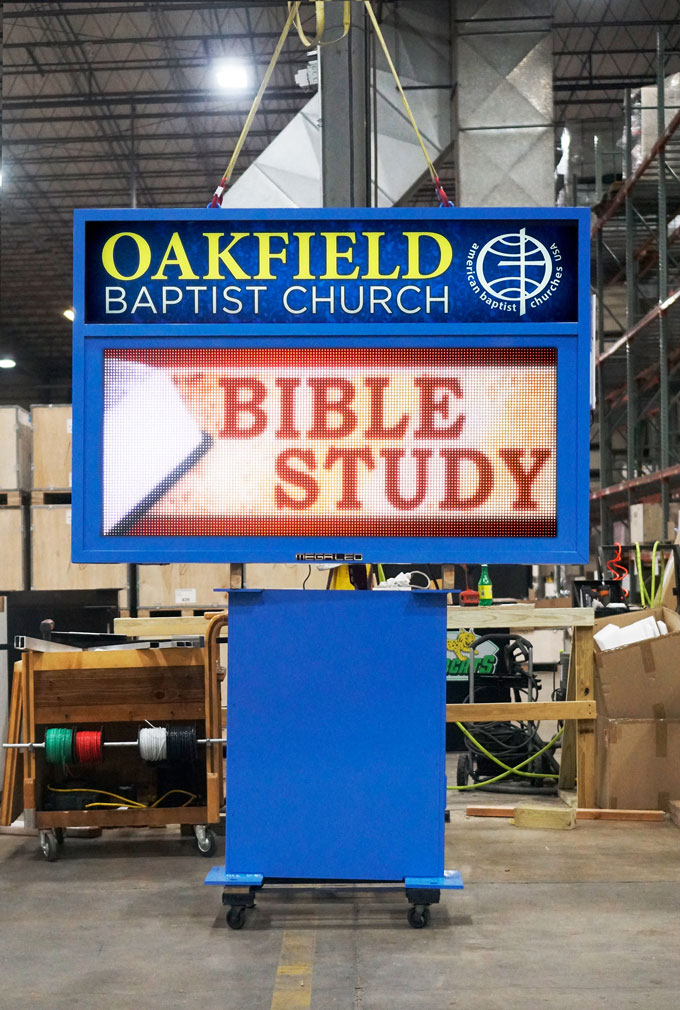
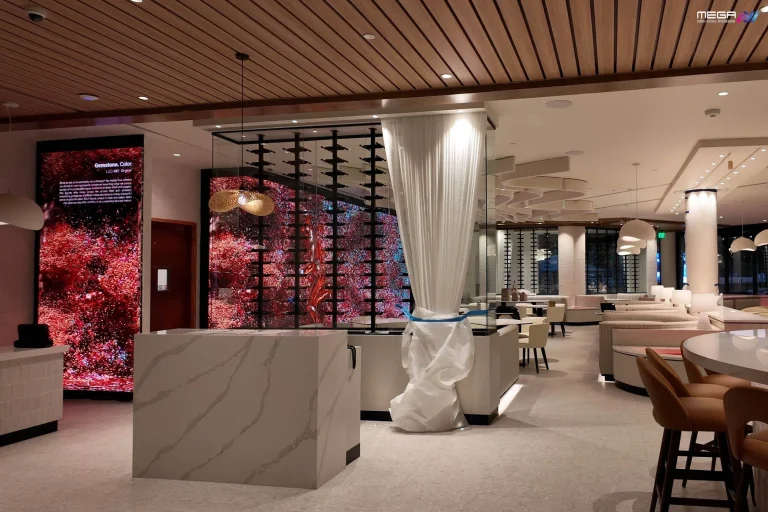
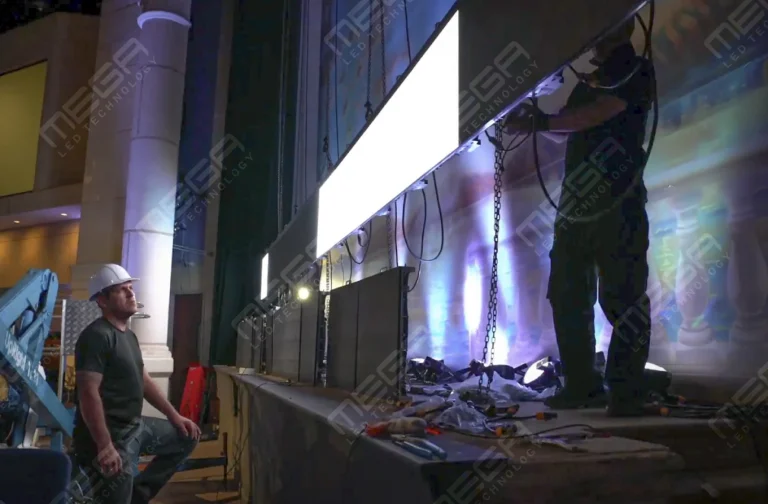
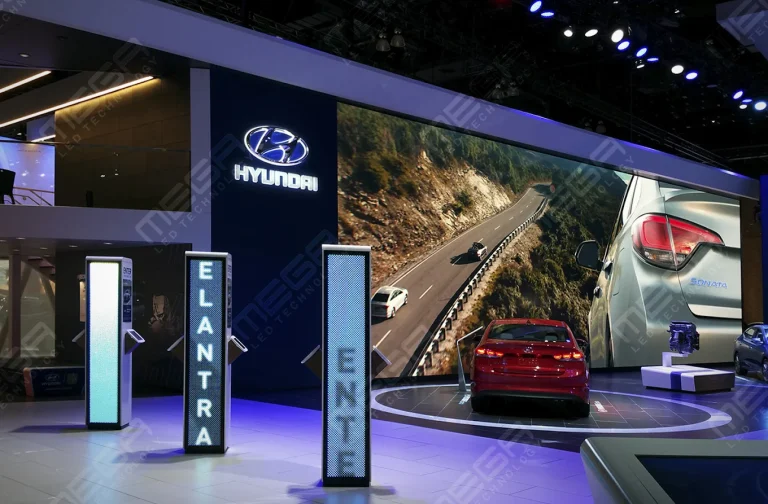
Programmable Stage LED signs, great for indoor assemblies, congregations, and presentations! Blow your competitors out of the water, or keep your congregation and audience glued to your message.

Alpha LED sign boards are great for anything from churches, to schools, to business. They tend to do great in large open spaces, where they are clearly visible.
Omega is our newest line of outdoor digital signs. Running the full gambit from cabinet, to LED sign, to logo on top, or any configuration of your choice!
Premier is a customizable Outdoor LED sign, perfect for the Entrepreneur who knows that large custom sized signs cultivated for their specific business is the way to go.
Programmable Stage LED signs, great for indoor assemblies, congregations, and presentations! Blow your competitors out of the water, or keep your congregation and audience glued to your message.
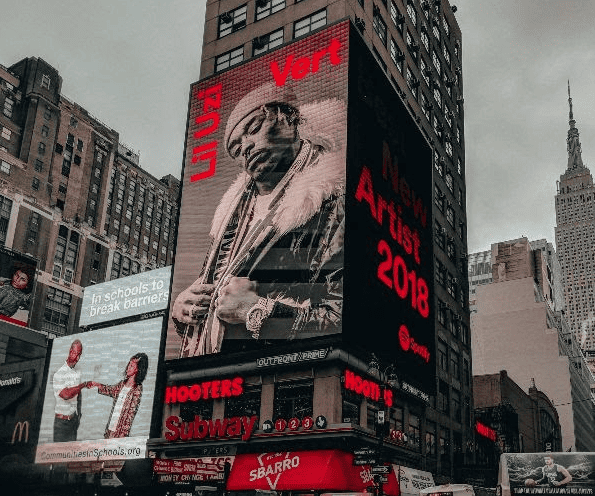
From the road, a digital billboard looks simple: a bright screen cycling through ads. But if you are planning to buy space, install a display, or build a media business around one, the system behind it goes well beyond what you can see. This guide covers how digital billboards work, what they cost, and what buyers and owners need to know before making decisions.
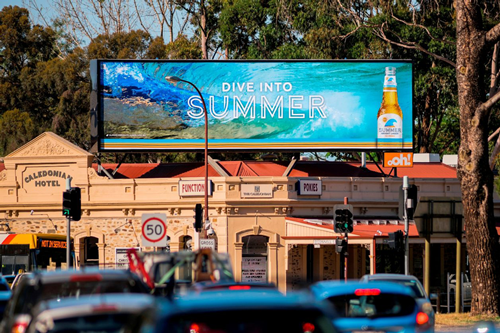
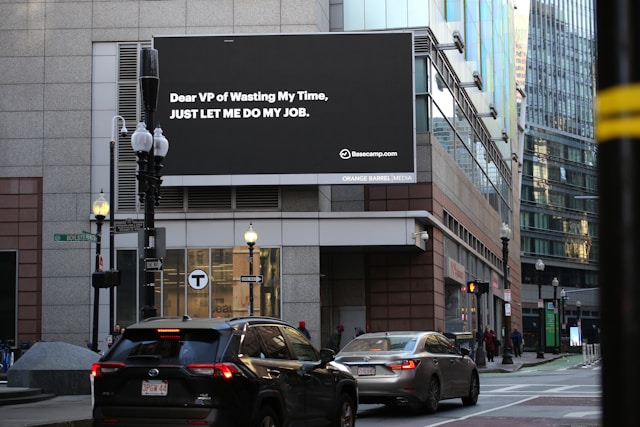
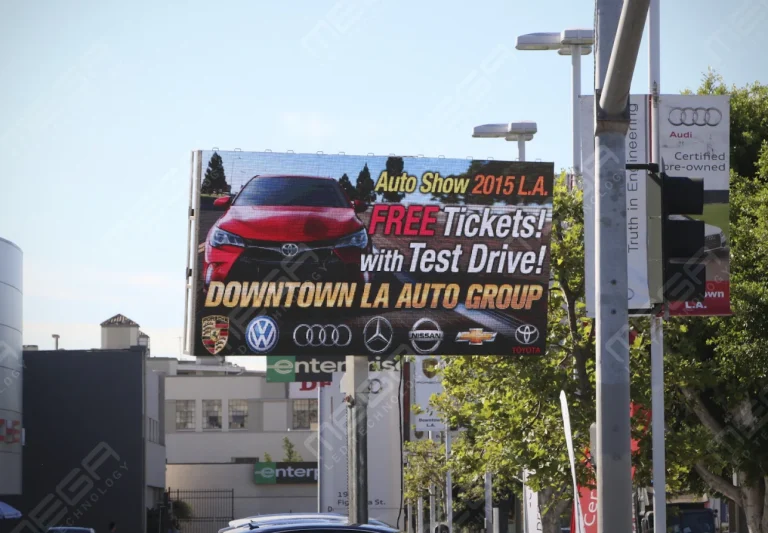
A digital billboard is a large-format outdoor LED display whose content is controlled remotely through software, without physically altering the sign. Unlike a printed billboard where vinyl stays fixed until manually replaced, a digital board is an active screen. Content can be updated in minutes, rotated among multiple advertisers, and managed from any location.
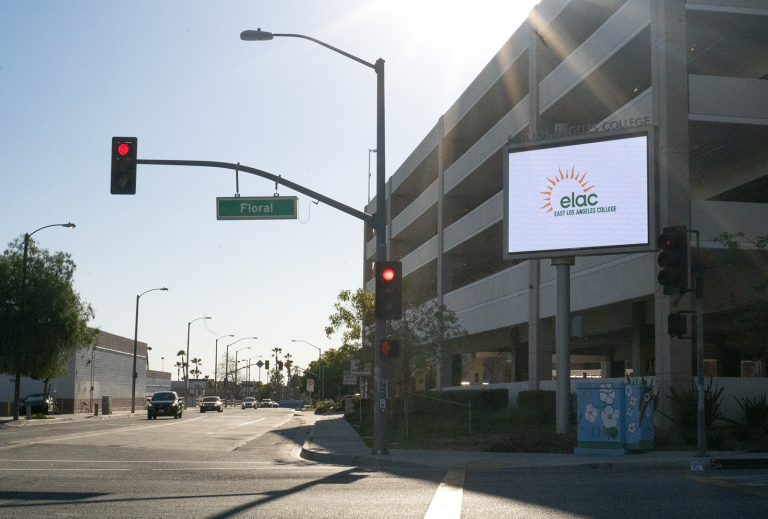
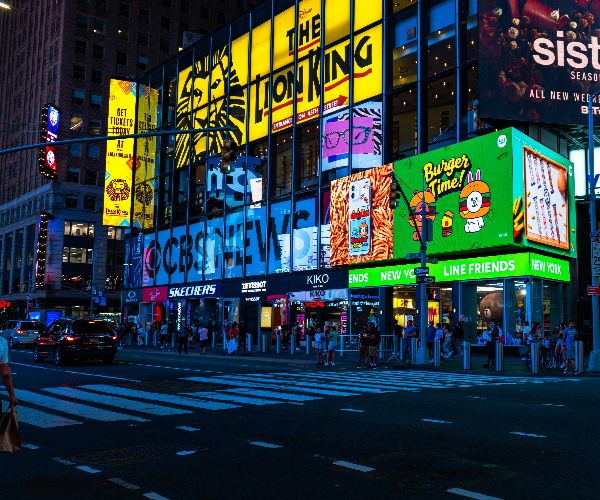
They are placed most commonly along highways, at city intersections, and in high-traffic commercial corridors. 
The “digital” in digital billboards refers to the technology layer that controls screen content and timing.
The screen’s thousands of LED modules produce full-color images and video by combining red, green, and blue light-emitting diodes at varying intensities. A networked control system tells a media player or content server what to show at any time.
Remote updates and automation are essential. Without them, the display is just an illuminated panel. Outdoor installations demand brightness: highway-grade LED billboards operate between 5,000 and 10,000 nits in daylight and 300 to 400 nits at night to avoid glare.
A campaign begins when an advertiser uploads artwork into a content management system. The CMS schedules it within a rotation loop, typically assigning each advertiser 8 to 10 seconds within a 60-second cycle. At the scheduled time, content is pushed to the media player and the LED panels display it as programmed.
Remote management means an operator can adjust schedules or swap creative from any location without dispatching a crew. Monitoring runs continuously: temperature sensors, uptime tracking, and fault detection flag issues before they become visible failures.
At MEGA LED Technology, we match the right display, control system, and service plan to each site so remote updates and uptime perform reliably from the first day of operation.
A traditional static billboard displays one printed advertisement for the full duration of a campaign. The advertiser owns 100% of that face throughout the contracted period, and the message does not change without reprinting the vinyl and physically replacing the creative on the structure. Buying a static board means committing to a fixed message for weeks or months, with lead times measured in days for production and installation.
A digital billboard shares face time across multiple advertisers in a rotation, which reduces the monthly cost for each buyer but also reduces the share of impressions any single advertiser receives at any given moment. The table below compares the two formats across the most relevant decision factors.
| Feature | Pylon | Monument |
|---|---|---|
| Content Updates | Remote, within minutes | Physical reprint and reinstallation required |
| Share of Voice | Rotates with other advertisers | 100% exclusive during campaign |
| Creative Flexibility | Multiple messages, dayparting | Single fixed message per campaign |
| Message Recall | Approx. 74-89% (Nielsen) | Approx. 65% (Nielsen) |
| Upfront Cost | Higher (hardware and install) | Lower (print production only) |
| Best Use | Promotions, time-sensitive offers | Brand awareness, long-term presence |
The decision comes down to three variables: campaign duration, message flexibility, and whether exclusivity or cost efficiency matters more. Static suits sustained awareness campaigns with a fixed message. Digital suits promotions and any situation where the message needs to adapt quickly.
LED dominates large-format outdoor advertising because no other technology matches its brightness, weatherproofing, modularity, and serviceability at scale.
Each module operates independently: if one fails, it can be swapped without taking down the display. Highway boards typically require 5,000 to 10,000 nits to stay visible in direct sunlight.
Pixel pitch, measured in millimeters between adjacent pixel centers, determines image clarity at the intended viewing distance. A P10 panel is sharper at close range than a P20, but both perform well at typical highway distances.
For most buyers, the practical question is which pitch delivers acceptable clarity at the actual minimum viewing distance of the site, not which pitch is technically the highest resolution.
Not sure where your budget should go? Our team at MEGA LED Technology will break down hardware, installation, and service costs for your specific site before you commit. No vague estimates, just real numbers.
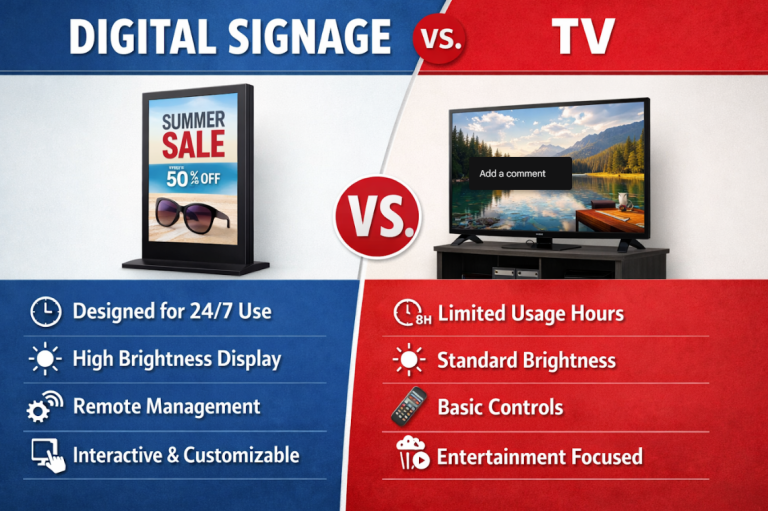
LCD is common for indoor signage and smaller enclosed outdoor units where ambient light is controlled and viewing distances are short. LED is the standard for large outdoor billboards: far higher brightness, direct weather tolerance without enclosure, and unlimited scalability by adding modules.
A simple rule: if the installation is outdoors, larger than 50 square feet, or requires visibility in direct sunlight beyond 30 feet, LED is the correct technology.
Cost per square foot also separates the two technologies at scale. LCD panels are less expensive for small indoor installations, but the cost advantage reverses quickly as display size increases.
MicroLED uses microscopic elements for high brightness in thinner formats and is growing in premium indoor environments. OLED delivers excellent color depth but lacks peak brightness for unenclosed outdoor use.
QLED is a quantum dot enhancement for LCD panels used indoors. For roadside billboards, none of these currently displaces conventional outdoor LED at scale.
Prioritize brightness rating, IP weatherproofing, pixel pitch, and serviceability when evaluating outdoor displays, ahead of newer panel technologies not yet proven at highway scale.
For advertisers, the primary benefit is creative flexibility without print production cycles. A message can change overnight without reprinting vinyl or scheduling a crew. Dayparting lets a single location carry different messages automatically at different times of day.
Time-sensitive promotions and seasonal offers perform better on digital because the message stays current. For owners, a single digital face generates income from four to six advertisers simultaneously, multiplying revenue per structure compared to static inventory.
Measurability is a real advantage too. Digital boards log impression estimates, playback confirmations, and uptime data in ways a static face cannot match. 
The market reflects this advantage: recent industry data shows digital OOH grew 11.6% in Q3 2025, now representing 35% of total U.S. out-of-home ad revenue.
Digital billboard costs break into five categories: hardware, structure and installation, permitting, ongoing power and connectivity, and service contracts. A small roadside board starts around $15,000 to $35,000 for panels alone, while a full highway-scale installation with structure, electrical work, and permitting can exceed $150,000 depending on site complexity.
The biggest cost drivers are size, pixel pitch, site access difficulty, and structural engineering requirements. Revenue from rotating multiple advertisers on a single face is a key part of the investment logic.
The broader digital display market supports this investment thesis: Grand View Research projects the global digital signage market will grow from $29 billion in 2024 to nearly $46 billion by 2030.
Working with an experienced manufacturer like MEGA LED Technology helps buyers translate site requirements into the right size, pixel pitch, and brightness spec, then get a clear quote that accounts for hardware, installation, and service planning rather than discovering gaps after the project starts.
Outdoor LED panels are typically rated for 100,000 operating hours, equivalent to roughly 11 years of continuous operation under controlled conditions.
In real-world deployments, useful lifespan commonly runs 7 to 10 years before image quality degradation becomes visible. Control systems and media players often need updates or replacement before the panels reach end of life, because software compatibility evolves faster than hardware.
Environmental factors that shorten lifespan include sustained heat, high humidity, salt air, and dust infiltration.
Maintenance habits that extend useful life include cleaning heat vents regularly, acting on temperature sensor alerts early, keeping firmware current, and replacing failed modules promptly rather than allowing surrounding modules to compensate with higher drive currents.
Billboards deliver unskippable physical presence that accumulates impression frequency with a consistent commuter audience over time.
Broad reach without platform targeting constraints is a genuine brand awareness advantage. The limitations are real: viewing time is seconds, message complexity is severely constrained, and geographic targeting is coarse.
Location quality is the biggest performance variable. A strong creative execution in the wrong location will consistently underperform a simple message placed directly in the path of the right audience.
A typical installation involves a display manufacturer, a structural installer, a network operator, and a site owner.
Permitting and zoning are the most common early hurdles. Municipalities regulate height, face size, setbacks, and lighting levels, and some markets cap total digital faces in a given area. Traffic studies may be required for highway-adjacent structures.
Permitting timelines can run months and are not guaranteed, so understanding local regulatory requirements before committing capital to a site is essential.
At the federal level, the Highway Beautification Act controls outdoor advertising along 306,000 miles of Interstate, Federal-Aid Primary, and National Highway System roads, setting baseline rules for sign size, spacing, and lighting that states must enforce.
Insurance adds another layer: most municipalities require proof of general liability coverage before issuing a permit, and structural engineering stamps are mandatory in many jurisdictions for signs exceeding certain height or weight thresholds. Skipping any of these steps can cause a stop-work order that delays the entire project indefinitely.
Digital billboards are effective when placement, creative quality, and campaign objectives are aligned.
The primary effectiveness drivers are reach from traffic volume, frequency of exposure, sightline visibility, and creative clarity within the 3 to 5 seconds of available attention.
Brands measure impact through recall lift studies, location data analysis tracking whether exposed audiences visit a store, and footfall modeling correlating billboard placement with traffic changes. Results depend far more on placement quality and audience alignment than on technology.
Nielsen research commissioned by OAAA confirms this: nearly two-thirds of digital billboard viewers have taken a measurable action after seeing an ad, and over 80% of those who followed directions to a business made a purchase. 
MEGA LED Technology supports long-term performance by helping owners choose durable hardware and service plans that protect uptime so campaigns run consistently.
The most important rule is one idea per exposure. A highway viewer has three to five seconds, allowing time for an image, a message, and a call to action. Every element added beyond that reduces the chance any element registers.
Bold typography, high contrast, and large text are non-negotiable for readability at distance. A useful guideline: text height should be approximately one inch per ten feet of viewing distance. For animated content, subtle motion that directs the eye to the primary message outperforms complex animation that competes with it.
The end frame should hold at least two seconds so someone who caught the ad mid-cycle can still read the full message.
Refresh creative on a regular schedule. Familiarity builds recognition up to a point, but unchanged creative eventually stops earning attention.
Content management is the operational layer that controls what appears on screen, when, and in what sequence. A CMS handles scheduling approvals, publishing, and audit logs confirming content ran as contracted, which is the basis of proof-of-play reporting.
Role-based access lets designers, approvers, and operators work within appropriate permission levels without risking changes to live campaigns.
Uptime monitoring flags offline devices immediately, and proof-of-play logs confirm to advertisers that their creative ran on schedule.
Start with a single primary goal. Performance is determined by how well creative, placement, and objective align.
Define the goal and a KPI, select location by traffic data, build creative around one message and one call to action, then measure against a pre-campaign baseline.
For businesses new to outdoor, a shorter rotation buys tests placement and creative before committing to a longer campaign or owned installation.
A digital billboard is a large outdoor LED display showing content controlled remotely through software, without physically altering the sign. Multiple advertisers share a single face through a scheduled rotation, and content can change by time of day or campaign trigger.
Smaller roadside formats start around $15,000 to $35,000 for hardware alone, while full highway-scale installations can exceed $150,000. Key pricing variables are size, pixel pitch, site accessibility, and structural complexity. Revenue from rotating multiple advertisers is a core part of the investment logic for media operators.
A digital billboard is a large outdoor LED display showing content controlled remotely through software, without physically altering the sign. Multiple advertisers share a single face through a scheduled rotation, and content can change by time of day or campaign trigger.
Single-Face Media Site. You are looking at a standard highway or roadside LED display where 6 to 8 rotating advertisers generate revenue per cycle. Focus your planning on pixel pitch for your minimum viewing distance, a CMS with proof-of-play reporting, and a service plan that protects uptime. Contact MEGA LED Technology for a site-specific quote.
Multi-Location Network Plan. Plan for centralized content management from day one so all screens can be scheduled and monitored from a single dashboard. Hardware consistency across sites simplifies maintenance and parts sourcing. Talk to our team about building a scalable multi-site network from scratch.
Highway Placement. Your audience has 3 to 5 seconds of attention at highway speeds. Prioritize a minimum 5,000+ nits for daytime visibility, P16 pixel pitch for your viewing distance, and a structure rated for your local wind load. One message, one visual, one call to action. Explore our Premier outdoor LED signs and see what highway-ready specs look like.
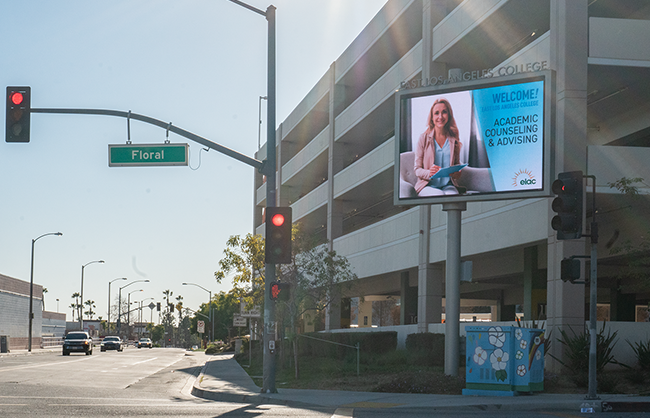
Intersection or Corridor Placement. Shorter viewing distances mean you can use a tighter pixel pitch (P10 to P16) for sharper image quality. Higher dwell time allows slightly more message complexity, but bold and simple still outperforms. Browse our Premier outdoor LED signs to see which configuration fits your site.
Smaller roadside formats start around $15,000 to $35,000 for hardware alone, while full highway-scale installations can exceed $150,000. Key pricing variables are size, pixel pitch, site accessibility, and structural complexity. Revenue from rotating multiple advertisers is a core part of the investment logic for media operators.



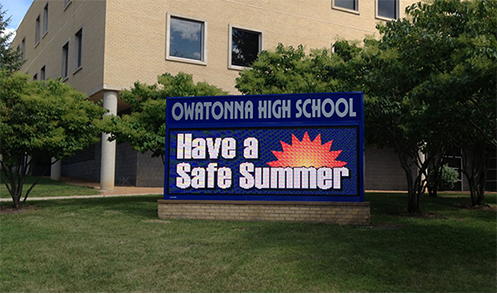

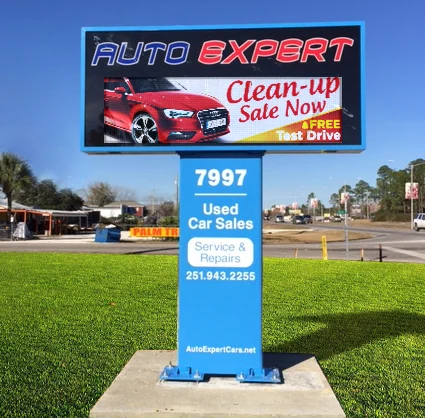

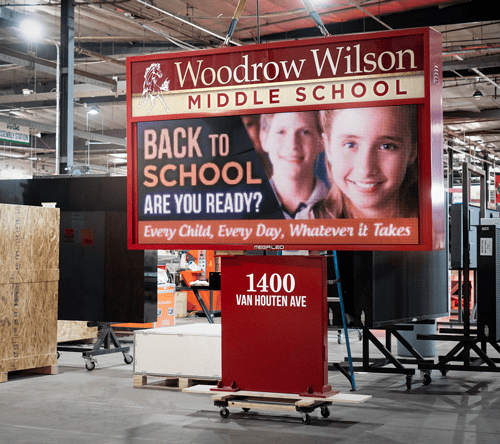
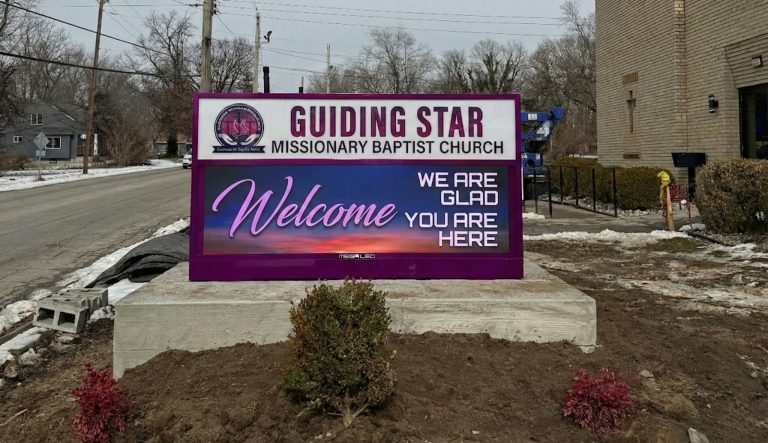
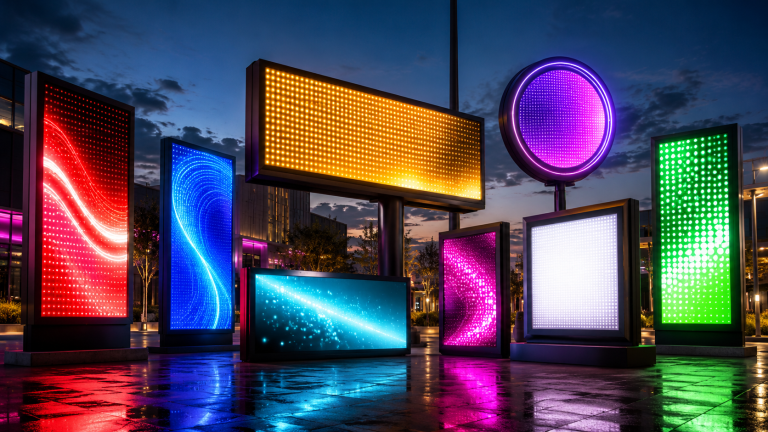

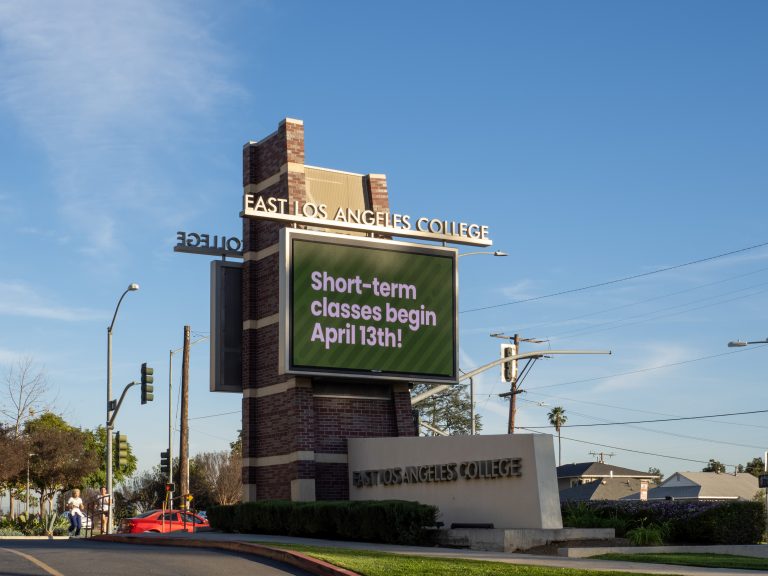
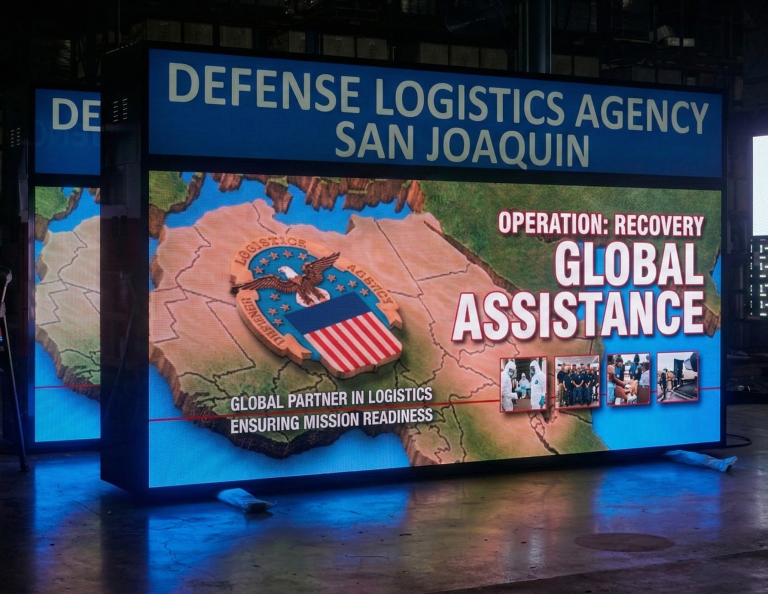
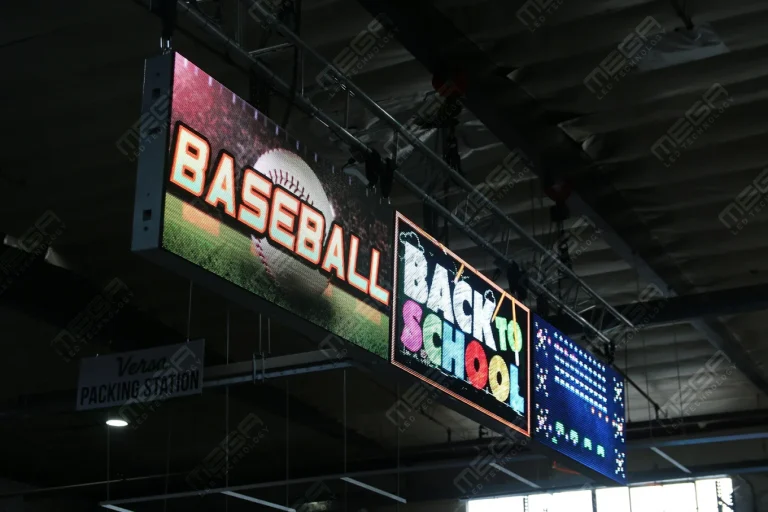
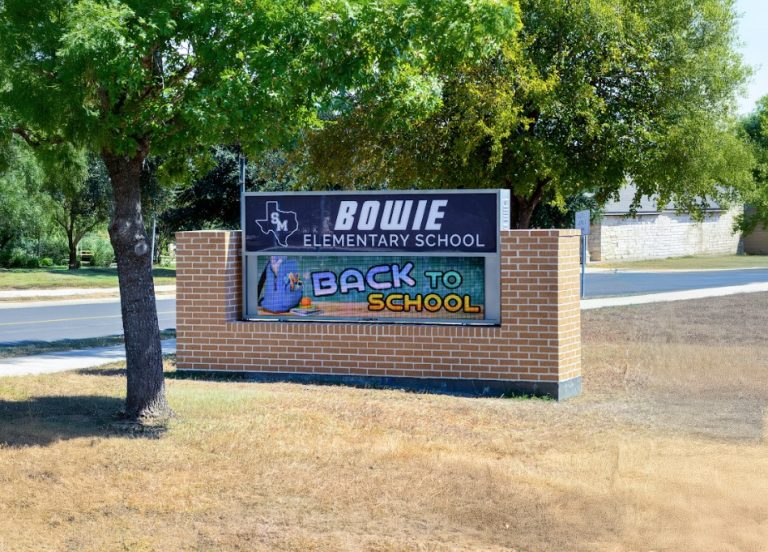


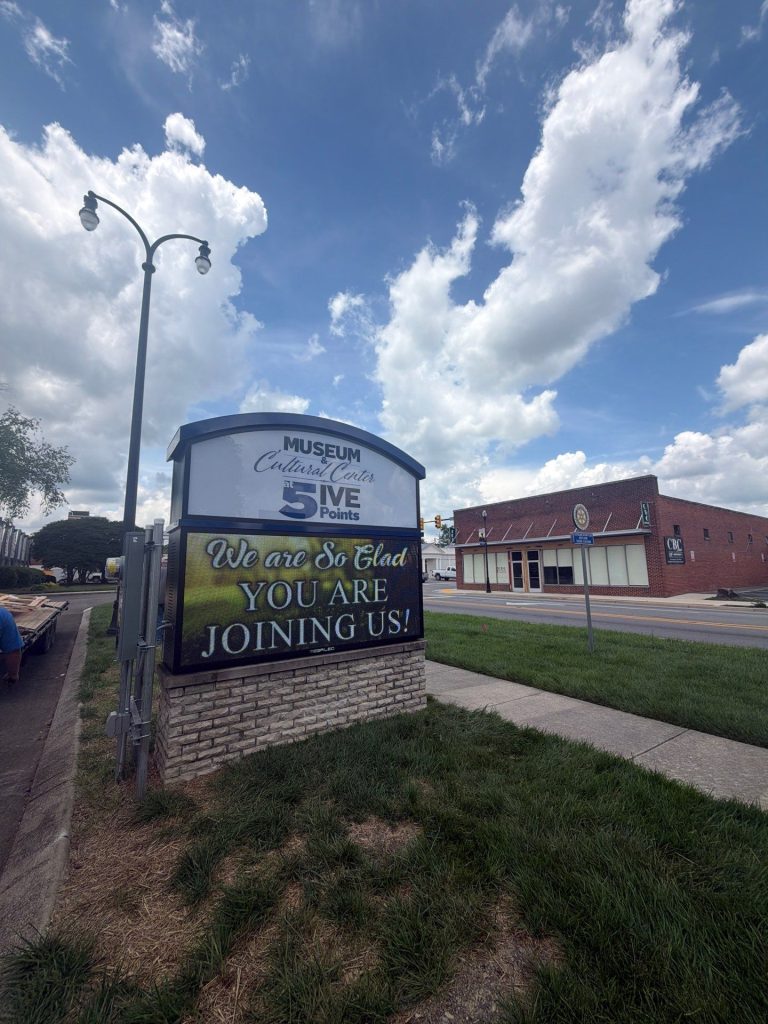
Alpha LED sign boards are great for anything from churches, to schools, to business. They tend to do great in large open spaces, where they are clearly visible.
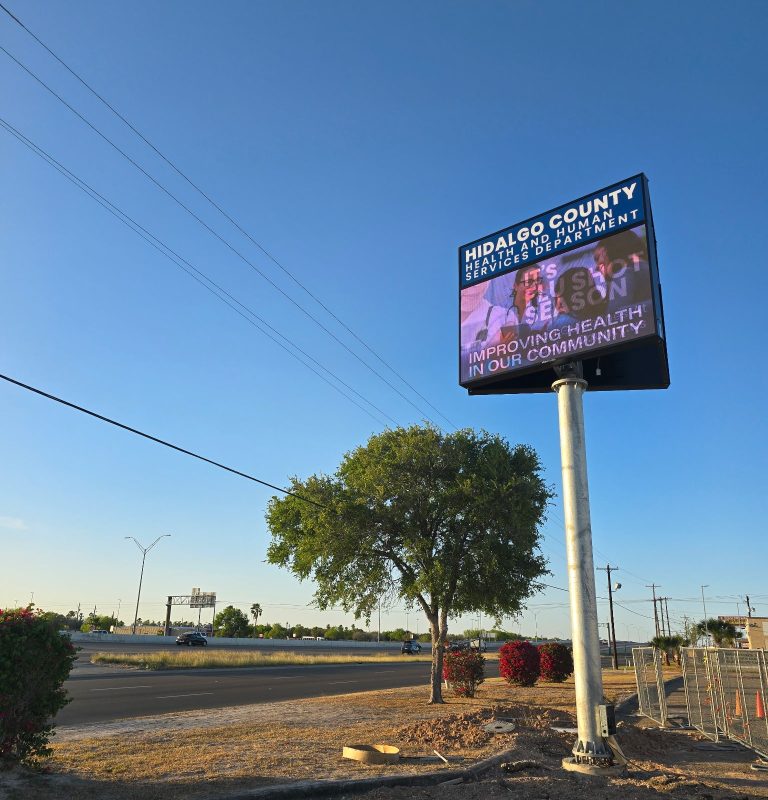
Omega is our newest line of outdoor digital signs. Running the full gambit from cabinet, to LED sign, to logo on top, or any configuration of your choice!
Premier is a customizable Outdoor LED sign, perfect for the Entrepreneur who knows that large custom sized signs cultivated for their specific business is the way to go.
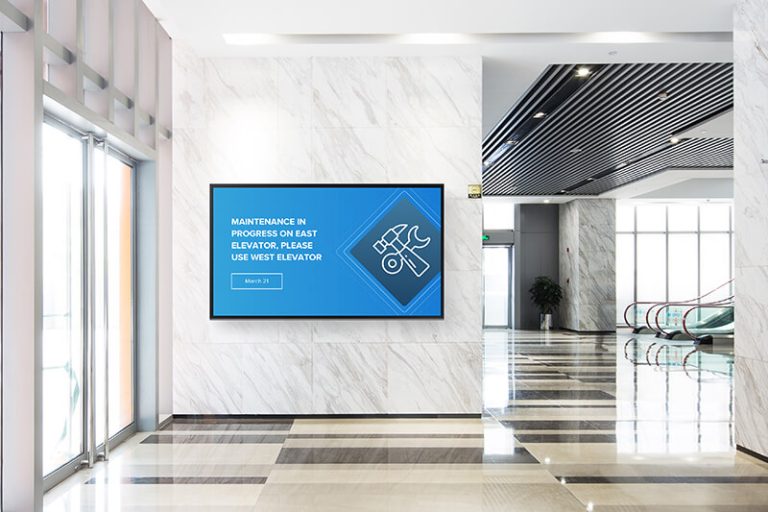
Programmable Stage LED signs, great for indoor assemblies, congregations, and presentations! Blow your competitors out of the water, or keep your congregation and audience glued to your message.