

What Is Smart Digital Signage? How Intelligent Screens Use Data, Software And Automation

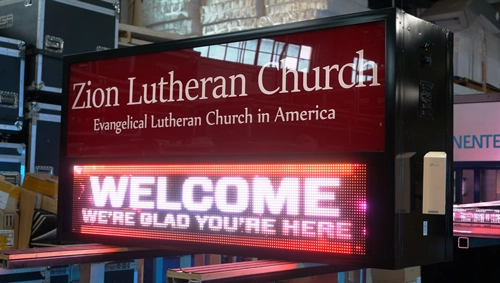
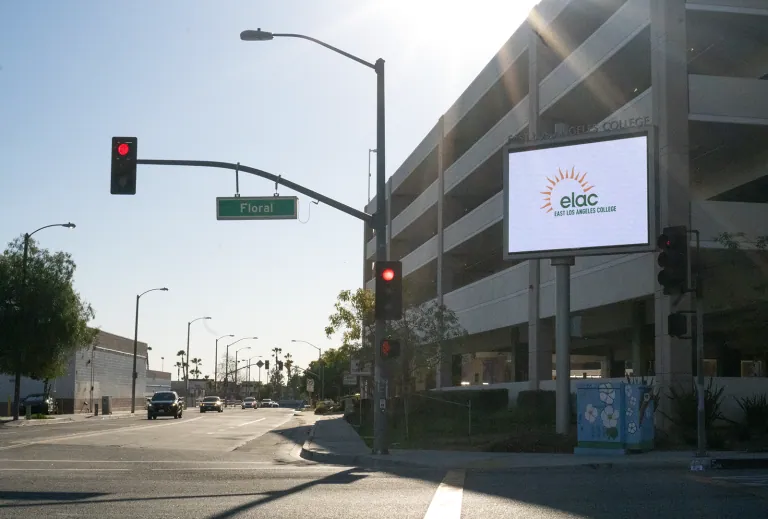
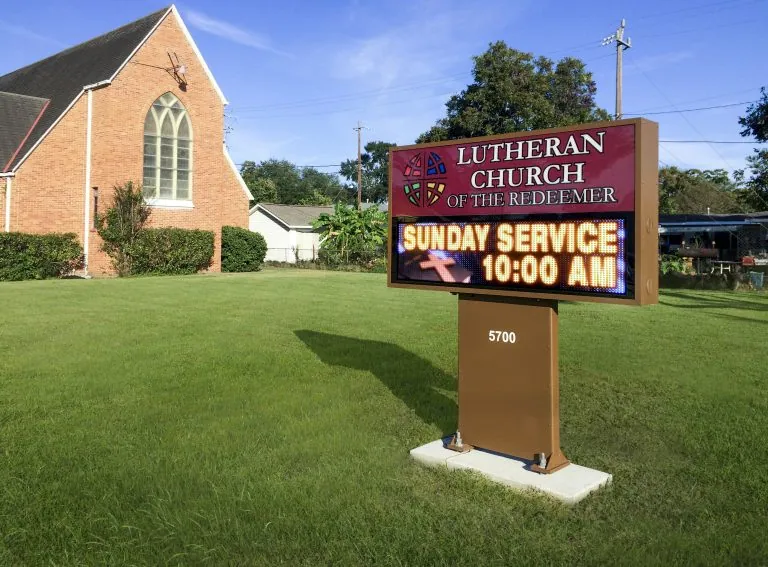
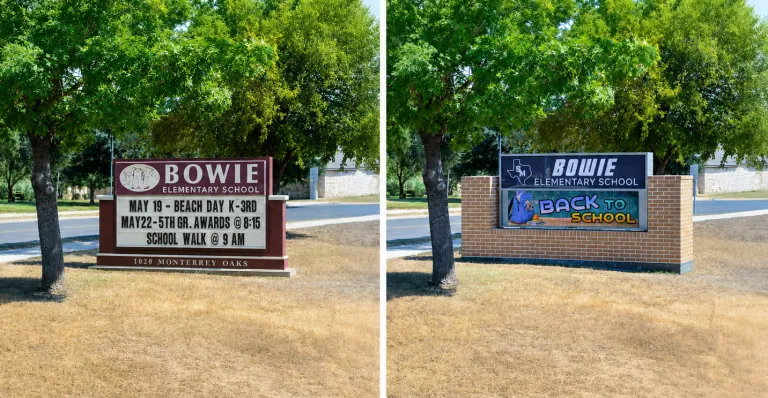
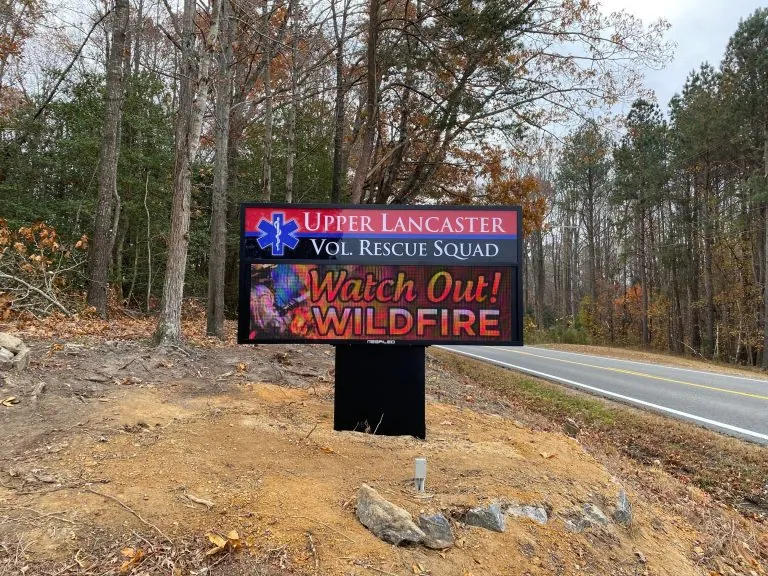
Alpha LED sign boards are great for anything from churches, to schools, to business. They tend to do great in large open spaces, where they are clearly visible.

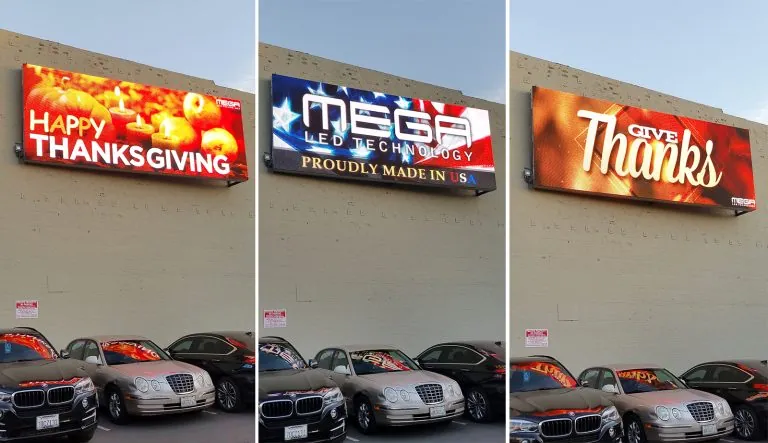
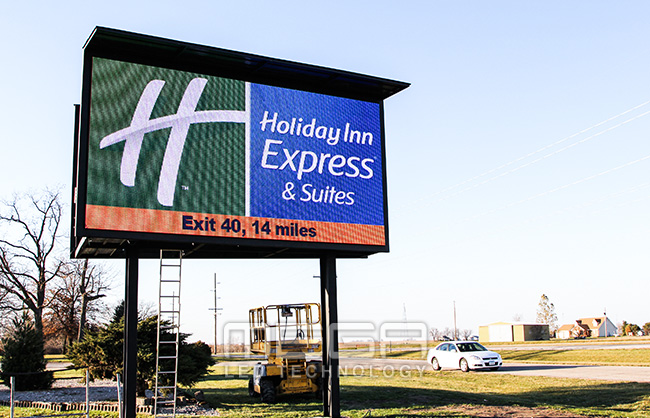
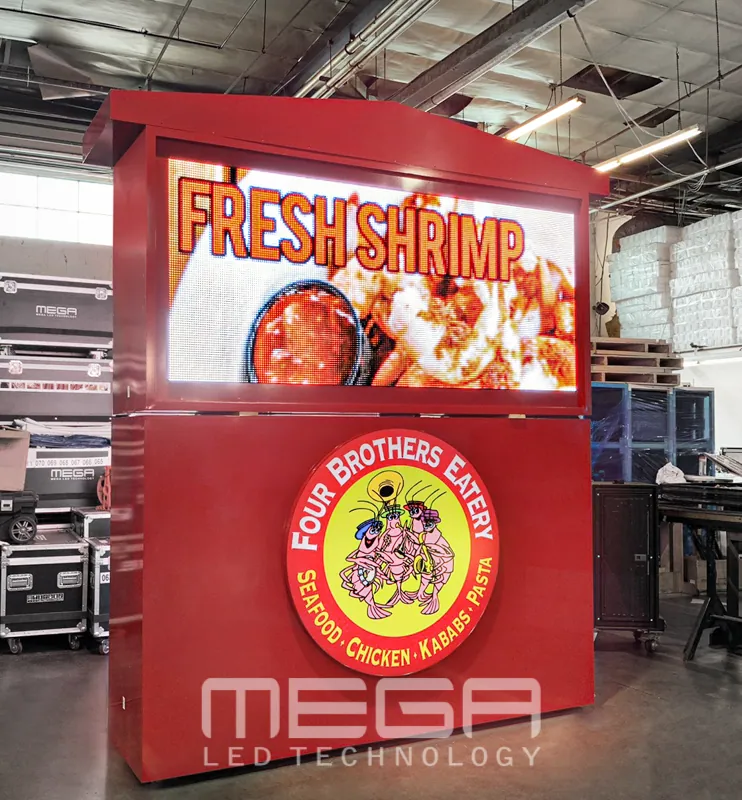
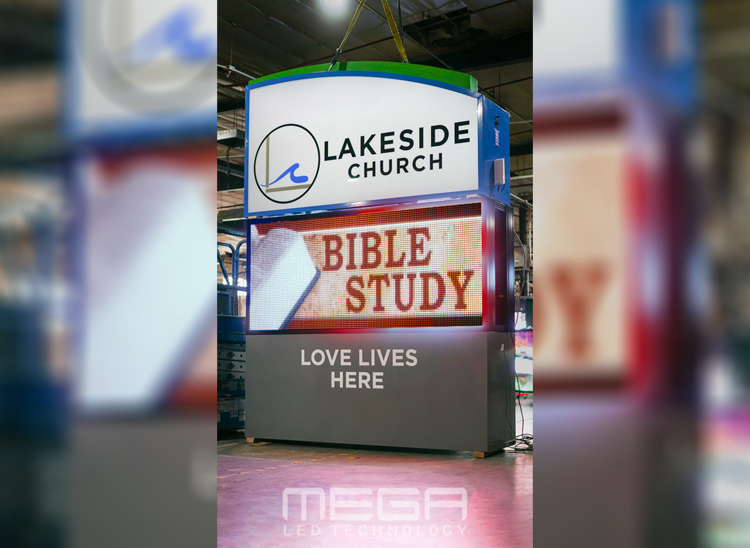
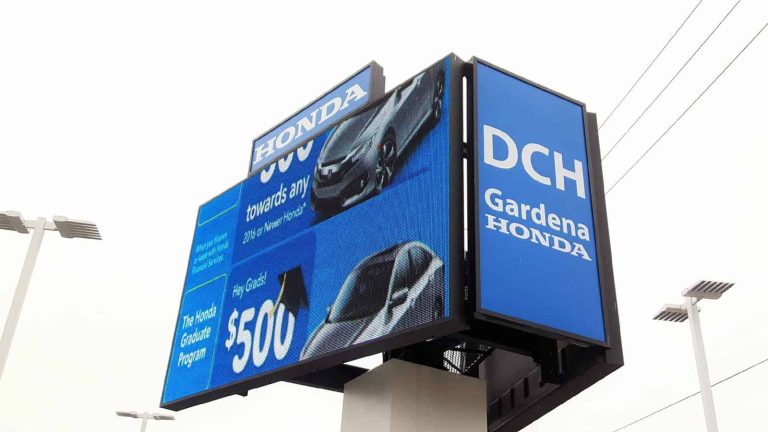
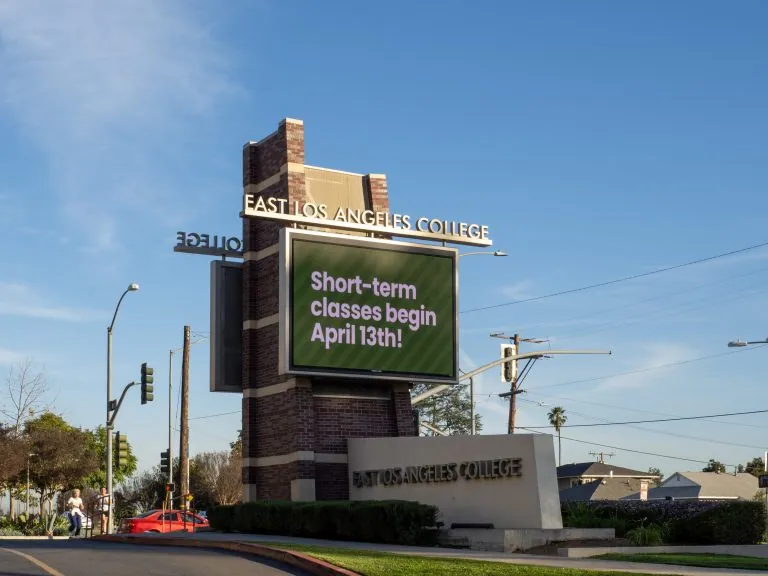
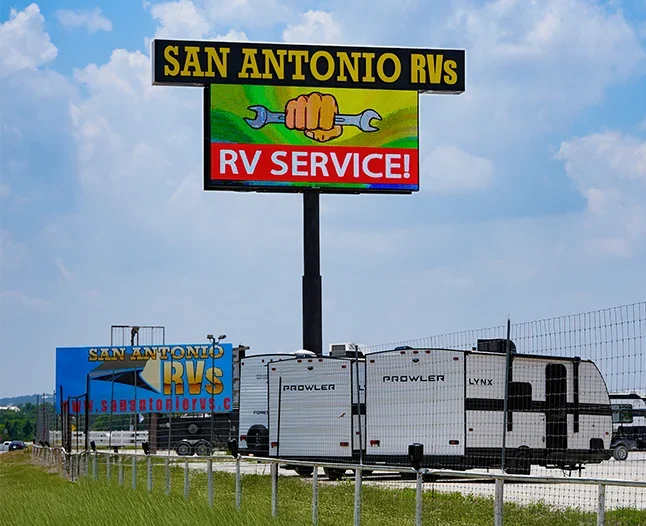
Omega is our newest line of outdoor digital signs. Running the full gambit from cabinet, to LED sign, to logo on top, or any configuration of your choice!

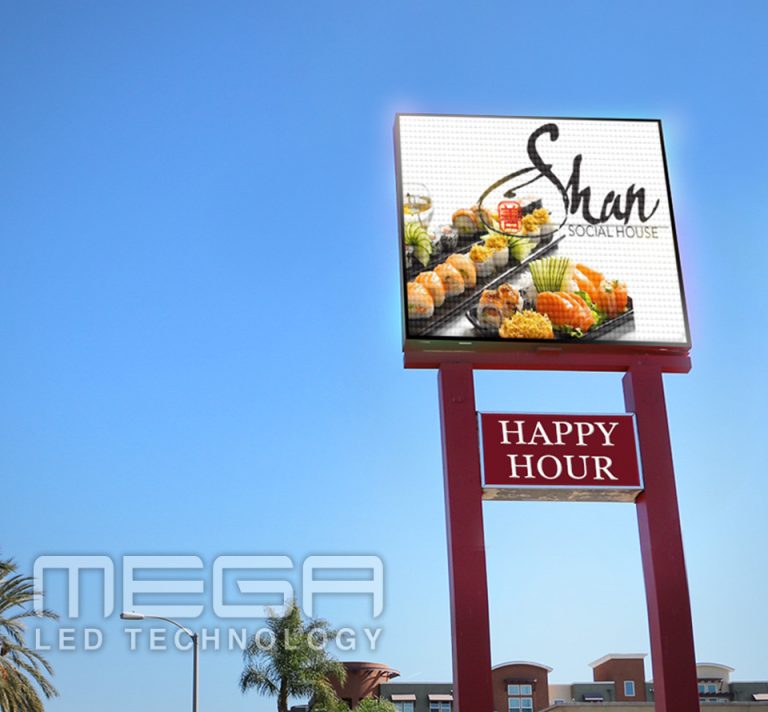
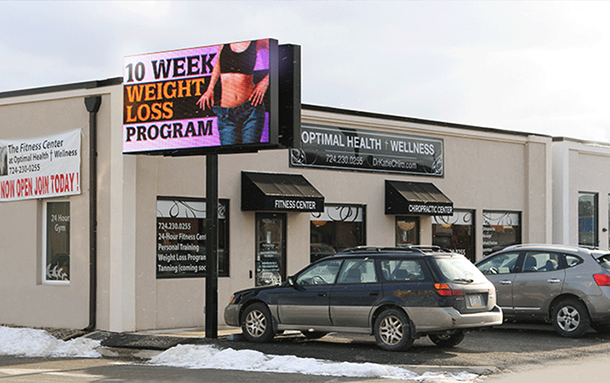
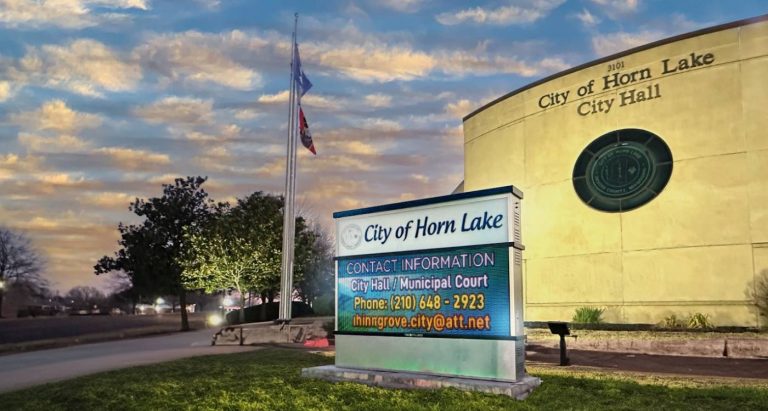
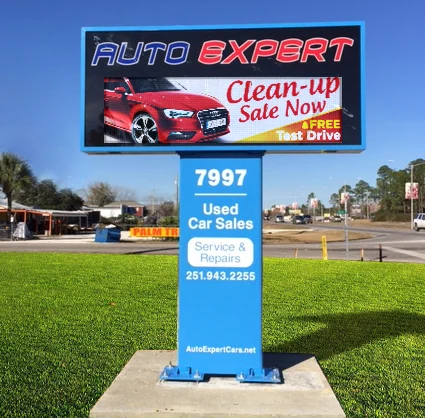
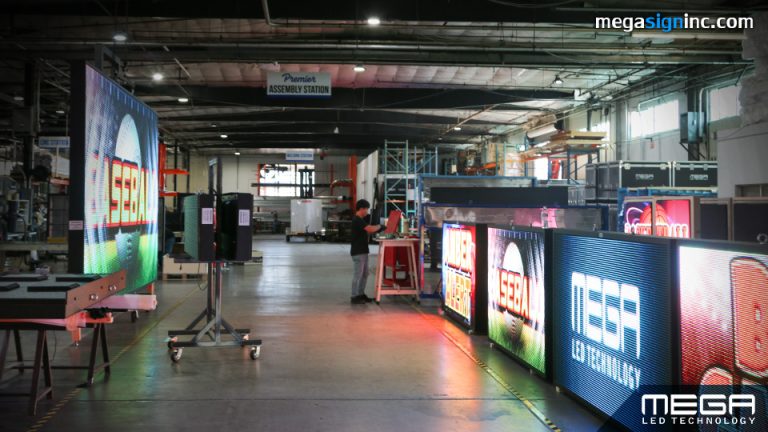
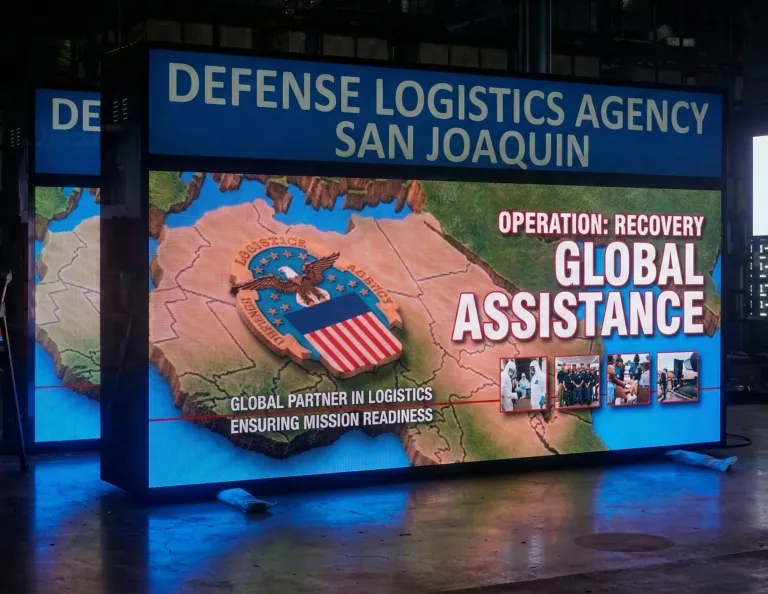
Premier is a customizable Outdoor LED sign, perfect for the Entrepreneur who knows that large custom sized signs cultivated for their specific business is the way to go.

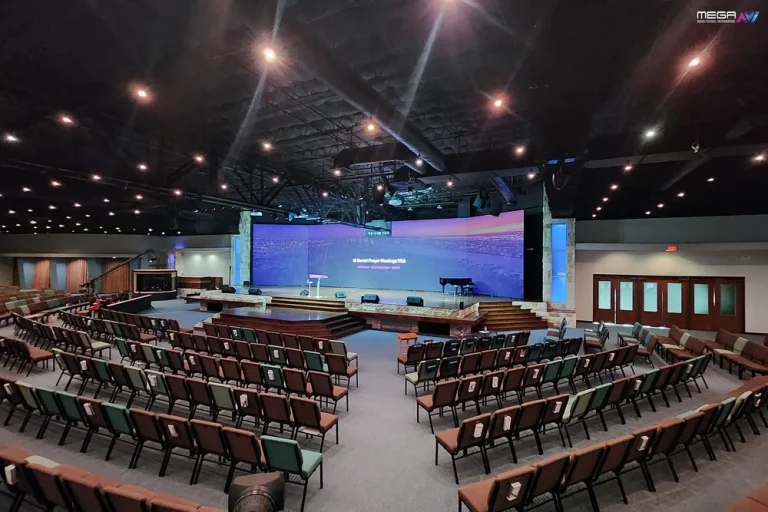
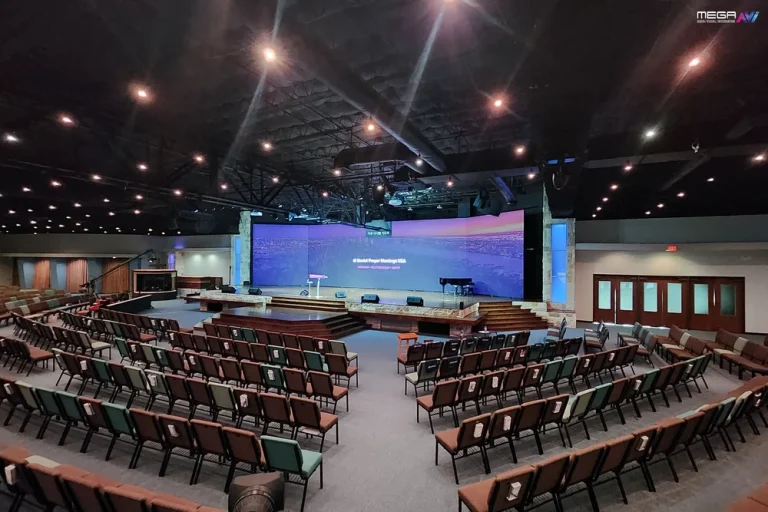
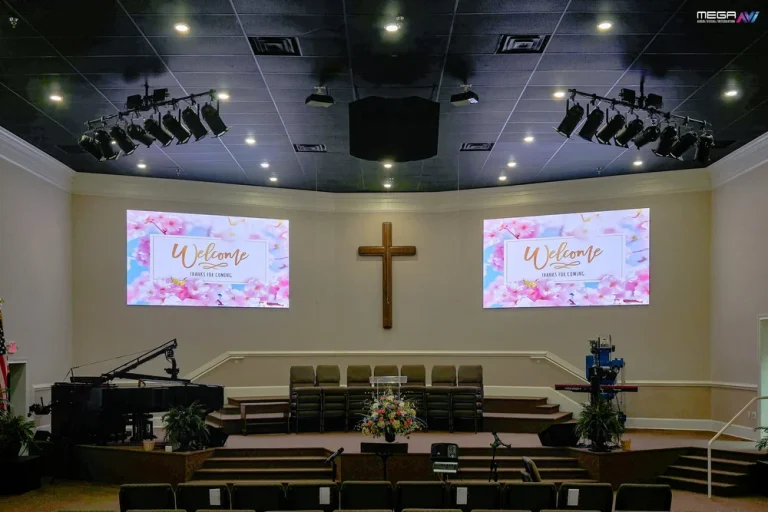
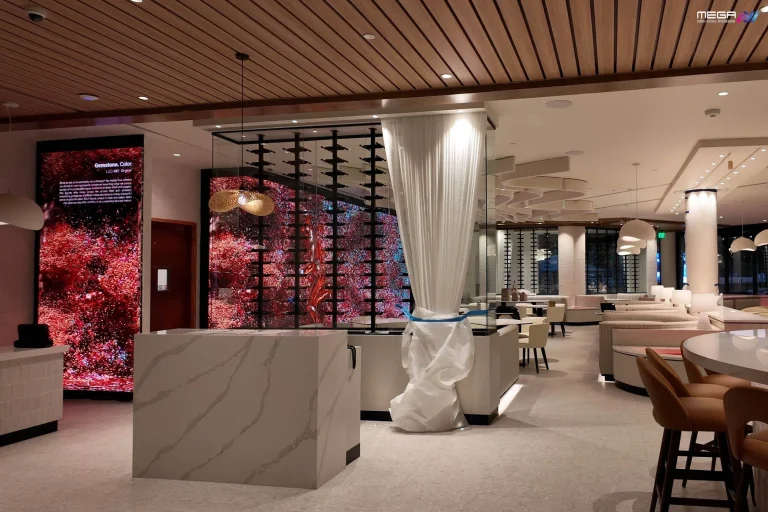
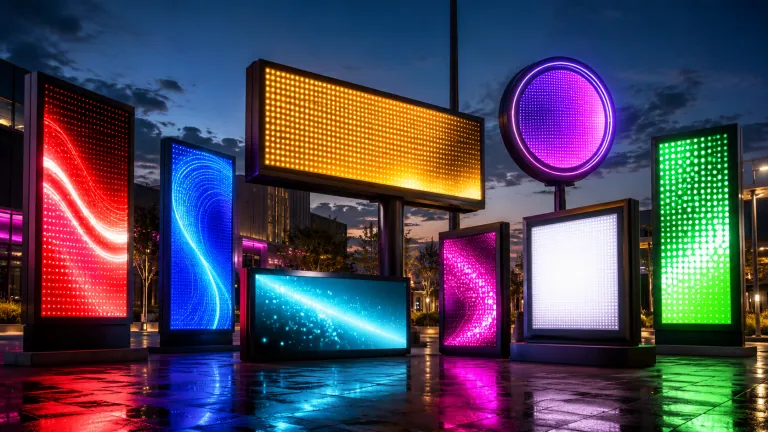
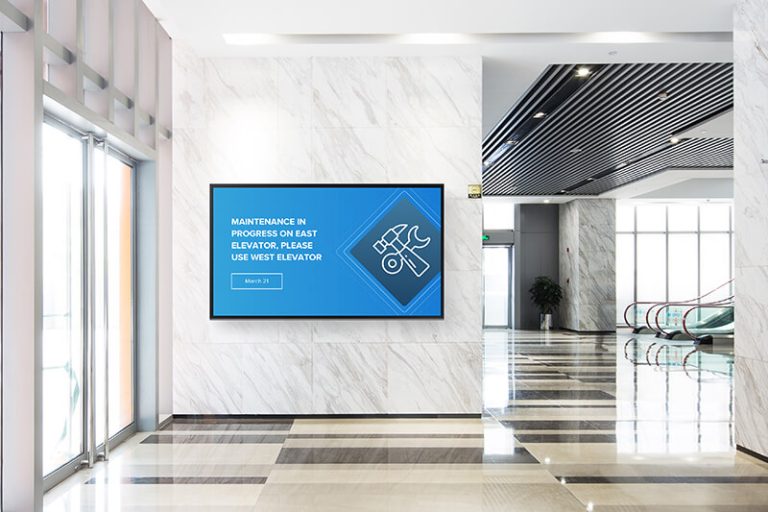
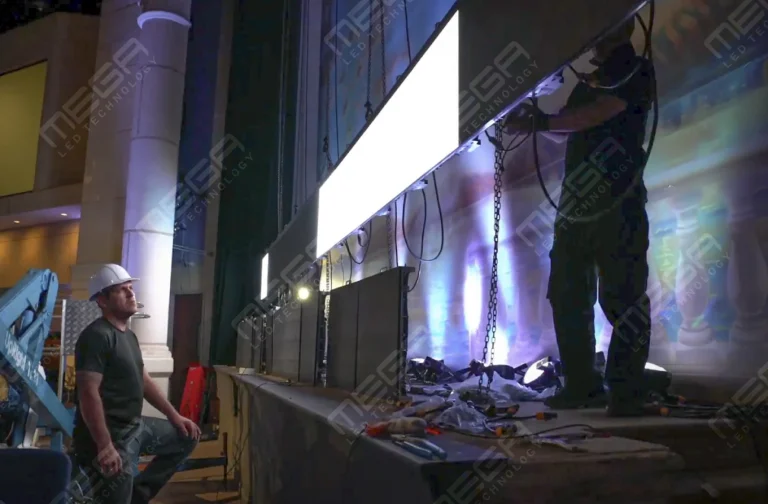
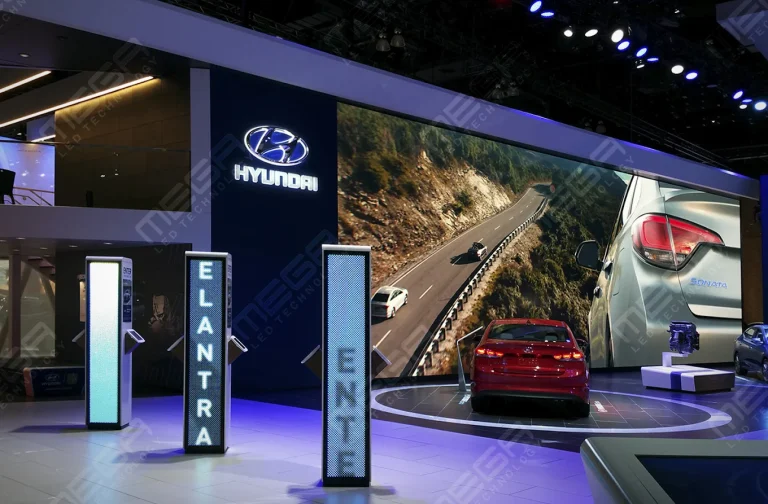
Programmable Stage LED signs, great for indoor assemblies, congregations, and presentations! Blow your competitors out of the water, or keep your congregation and audience glued to your message.

Alpha LED sign boards are great for anything from churches, to schools, to business. They tend to do great in large open spaces, where they are clearly visible.
Omega is our newest line of outdoor digital signs. Running the full gambit from cabinet, to LED sign, to logo on top, or any configuration of your choice!
Premier is a customizable Outdoor LED sign, perfect for the Entrepreneur who knows that large custom sized signs cultivated for their specific business is the way to go.
Programmable Stage LED signs, great for indoor assemblies, congregations, and presentations! Blow your competitors out of the water, or keep your congregation and audience glued to your message.
Billboard quotes feel opaque, prime spots get reserved before you hear about them, and a great creative gets buried on a low-traffic board. Renting a billboard well takes a clear process, and we’ve mapped it out.

The overall billboard rental process moves from research to launch in a predictable sequence:
Discovery work upfront saves money on the back end.
The difference between wanting to “rent a billboard”, “rent a billboard space”, or “rent a billboard sign” is mostly phrasing. All three describe the same activity: paying a billboard owner for a defined period of advertising on their inventory, usually with creative provided by the advertiser.
Billboard rental core stages include:
Each stage has a discrete output.
First-time advertisers should prepare target audience, dates, budget, and message before reaching out. The more context a provider has at the start, the sharper their recommendation will be.
The full workflow runs through discovery, consultation, proposal, selection, artwork, and launch. Each stage takes a different amount of time depending on market and format. Digital boards move faster than static end-to-end, but every step still happens in roughly the same order.
Billboard campaigns become less intimidating when you see them as a series of small decisions rather than one giant commitment. The framework is the same whether you’re spending five thousand dollars or five hundred thousand.
The step sequence supports both informational intent (people researching how billboards work) and lead-generation intent (people ready to spend). Reading the stages in order is close to a free education on outdoor advertising.

Advertisers should prepare target audience, location goals, dates, budget, and message before any vendor conversation. Knowing who you want to reach, where they live or commute, when you need the campaign live, what you can spend, and what you want to say turns the first call into a productive conversation.
Clear campaign context leads to better recommendations. A vendor who knows you’re targeting parents of school-age kids in a specific suburb during back-to-school season can pull boards near schools and family-oriented retail. A vendor with no context just sends a generic inventory list.
Weak inputs lead to weak proposals. The most common cause of a disappointing campaign is a brief that left the provider guessing.
The account executive presents inventory, pricing, and recommendations on behalf of the billboard owner. Their job is to match available inventory to your campaign. A good account executive asks questions about audience, timing, and goals before pitching boards.
Questions to ask during the first conversation include impression counts, traffic data sources, board condition photos, contract length options, production costs, and whether the quote includes posting fees. Answers reveal both inventory quality and vendor transparency.
We design and manufacture programmable LED billboards that pay back faster than long-term rental. Get a quote on owning your own digital billboard at your location.
A good rep helps narrow choices based on strategy, not just availability. If a rep pushes whatever’s open without explaining how it fits your audience, push back or look elsewhere.
A billboard proposal typically includes rates, locations, impression counts, photos, terms, contract duration, production costs, and posting fees. Reading through line-by-line catches discrepancies between what was discussed and what’s offered.
Comparing multiple proposals beats accepting the first one. Even if you’re set on one provider, getting a second proposal in the same market reveals what fair pricing looks like. Providers expect comparison and usually sharpen their pencil when they know you’re shopping.
Proposal quality reveals how transparent a provider is. A proposal with detailed traffic data, recent photos, and clear terms reflects a vendor used to professional advertisers.
Final selection balances visibility, audience fit, traffic, and budget. The best board isn’t always the cheapest, the closest, or the most trafficked. It’s the one that matches your specific audience and message.
Reviewing site photos and placement context before approving is non-negotiable. Boards that look great in promotional photos sometimes sit behind a tree in real life, face the wrong direction relative to traffic, or have a competitor’s lighter-up sign right next to them.
The best board isn’t always the most expensive or the nearest. Distance from your business doesn’t determine effectiveness.
The creative approval process kicks in once placement is selected. Most providers have size requirements, file specs, deadlines, and revision expectations. Static boards usually need print-ready files weeks before launch. Digital boards accept files faster but still have spec requirements.
Size requirements vary by board. Standard bulletins are 14 by 48 feet. Posters and junior posters are smaller. Digital boards have specific pixel resolutions tied to their hardware.
Creative delays affect launch timing. According to the OAAA research data, out-of-home campaigns require coordinated production and posting timelines that don’t compress easily under pressure.

Before the campaign goes live, production, posting, scheduling, and confirmation all need to align. Production turns your file into a printed vinyl or formatted digital file. Posting installs it on the board. Scheduling activates it according to the contract.
Final proofing and launch readiness include checking that the design renders correctly on the actual board, that the posting date matches your contract, and that any digital scheduling is set correctly.
How performance or proof-of-posting will be documented matters for long campaigns. Ask the provider for posting photos, run reports for digital, and impression data on a schedule that matches your reporting cadence.
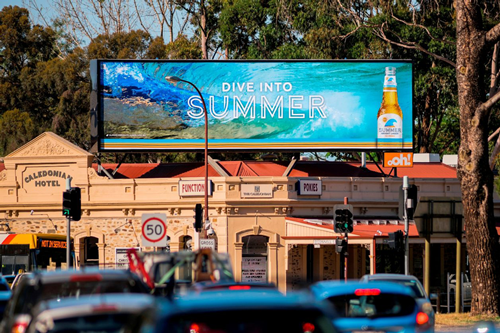
Major billboard inventory formats fall into three buckets: static printed bulletins, digital LED billboards, and high-impact specialty formats. Each serves a different purpose. Static bulletins offer affordable long-term visibility. Digital boards offer flexibility and shorter rotations. Specialty formats offer maximum impact at higher production cost.
Format choice should match campaign objective, timeline, and budget. A long-running brand campaign in a single market might run cheaper on static. A short-burst promotion that needs to refresh weekly fits digital better.
For advertisers running long campaigns or building a permanent brand presence at their own location, owning a programmable LED billboard often outperforms perpetual rental. Our digital billboard options and Premier outdoor LED signs give businesses a path from renting space to owning the display.
Billboard rental cost depends on format, location, impressions, term length, and demand. A small static bulletin in a rural market might rent for a few hundred dollars per month. A premium digital board in a major metro might run thousands per week.
There is no universal flat rate. Rates in New York, Los Angeles, and Chicago run far higher than rates in mid-sized cities, which run higher than rural markets. Premium placements at high-traffic interchanges, downtown corridors, or near major venues carry premium rates regardless of market.
Expected pricing and hidden charges deserve equal attention. The line-item rate may be $2,000 per four-week period, but production, posting, and ad-tax fees can add 10 to 20 percent.
| Billboard rental quick-reference table | Typical range |
|---|---|
| Static bulletin, mid-sized city, 4-week rate | $750 to $2,500 |
| Static bulletin, major metro, 4-week rate | $2,500 to $14,000 |
| Digital billboard rotation, major metro, 4-week | $4,000 to $25,000 |
| Production cost for static creative | $300 to $1,500 |
| Posting fee for static install | $200 to $800 |
| Typical contract minimum | 4 weeks |
| Typical lead time before launch | 2 to 6 weeks |
Billboard pricing can often be negotiated. Flexibility depends on market conditions, availability, seasonality, and length of commitment. Slow markets, off-season periods, and longer commitments usually create the most room. Premium markets in peak season have less.
Negotiation involves more than price. Added value like bonus rotations, extended terms, free production, or favorable cancellation terms are all worth asking for. A skilled negotiator often gets more value through terms than rate cuts.
Approach negotiation strategically. According to FHWA policy reports, billboard inventory is regulated at federal, state, and local levels, which constrains supply and shapes pricing in ways worth understanding before opening negotiations.
Choosing the right location matters as much as choosing the right message. Audience movement, traffic flow, dwell time, and directional visibility all influence effectiveness. A board on a stop-and-go corridor where commuters sit at red lights gets read more thoroughly than a board on a flowing highway.
Audience movement determines who sees the board. A board on a route used by your target audience outperforms a board on a higher-traffic route used by people who don’t fit your campaign.
Traffic flow direction matters for daily commutes. Morning commute traffic flows toward employment centers. Evening flows toward the residential areas. A board only works if it faces the audience moving toward the moment of decision your campaign targets.
A billboard chosen for relevance and exposure outperforms one chosen because it was available. According to the SBA marketing guide, outdoor signage remains one of the most cost-effective marketing channels for small operators, which makes location selection a high-stakes decision.

Campaign launch timelines vary by board type, market, approvals, and production needs. Static campaigns often need 2 to 6 weeks from contract to launch. Digital campaigns can sometimes launch within days, especially when creative is ready.
Digital campaigns move faster than static for one core reason: no print, no posting crew, no install. The creative file is uploaded to the controller, scheduled, and live.
Plan ahead because prime inventory and production windows fill quickly. The boards that perform best in any market usually have the longest waitlists. Waiting until the last minute means choosing from leftover inventory.
Timing affects placement quality and campaign cost. Booking early in slower seasons gets the best placements at better rates.
High-demand locations get reserved well in advance. Major-metro digital boards in business districts often book six months out. Static bulletins in premium corridors often have one-year waitlists for top positions.
Seasonality, holidays, and local events reduce availability further. Black Friday, back-to-school, summer event seasons, and major sporting events all compress inventory.
Starting the planning process early gives you stronger placement options. Pick markets early, request inventory lists early, review proposals early.
Renting a static bulletin is most cost-effective for short campaigns. Compare proposals from at least two providers and verify site photos before booking. https://www.megasigninc.com/free-quote/
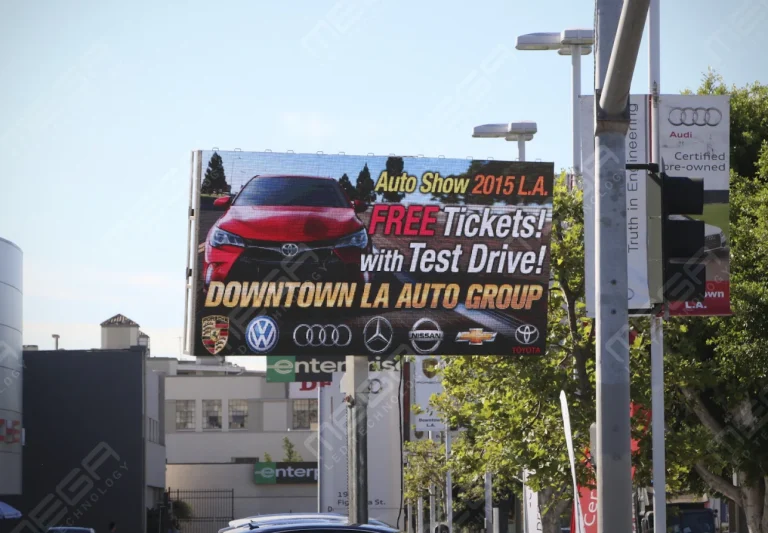
A short-term digital billboard rotation gives flexibility without long-term cost. Once tests prove out, our digital billboards offer a path to ownership. https://www.megasigninc.com/digital-billboards/
Owning your own programmable LED billboard often beats long-term rental on total cost. Our digital billboards ship with MEGA Cloud and lifetime support. https://www.megasigninc.com/digital-billboards/
A long-term rental contract with a major outdoor media company gives consistent visibility. If your needs grow, our Premier outdoor LED signs can add owned signage. https://www.megasigninc.com/premier-outdoor-led-signs/
Demand windows influence both inventory and negotiated value. Off-peak windows have more inventory and softer pricing. Peak windows have less inventory and firmer pricing.
Better timing improves options and reduces rush-related complications. A campaign planned three months ahead can pick from the best boards, work through normal creative cycles, and absorb minor delays.
Last-minute decisions limit board choice. The advertisers who are happiest with their billboard campaigns are usually the ones who started earliest.



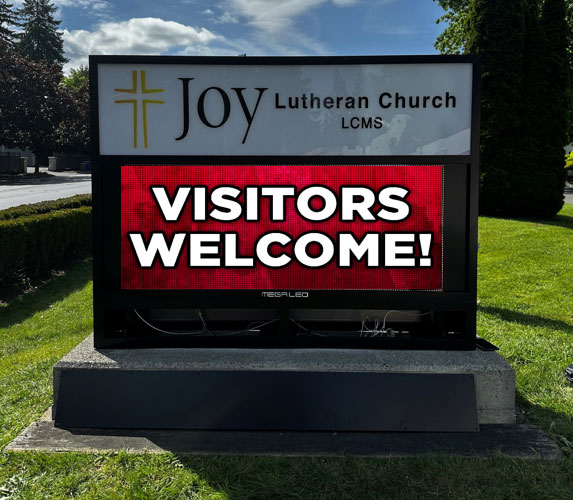




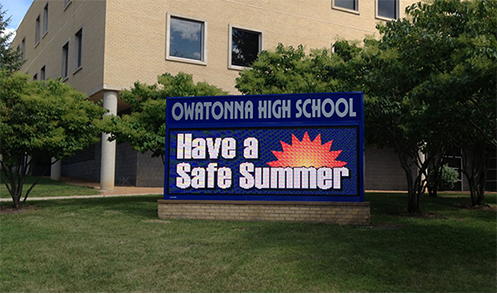






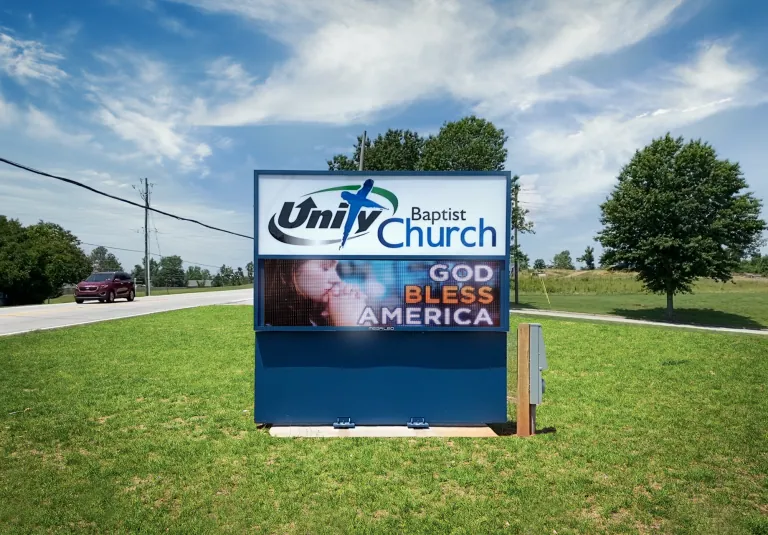
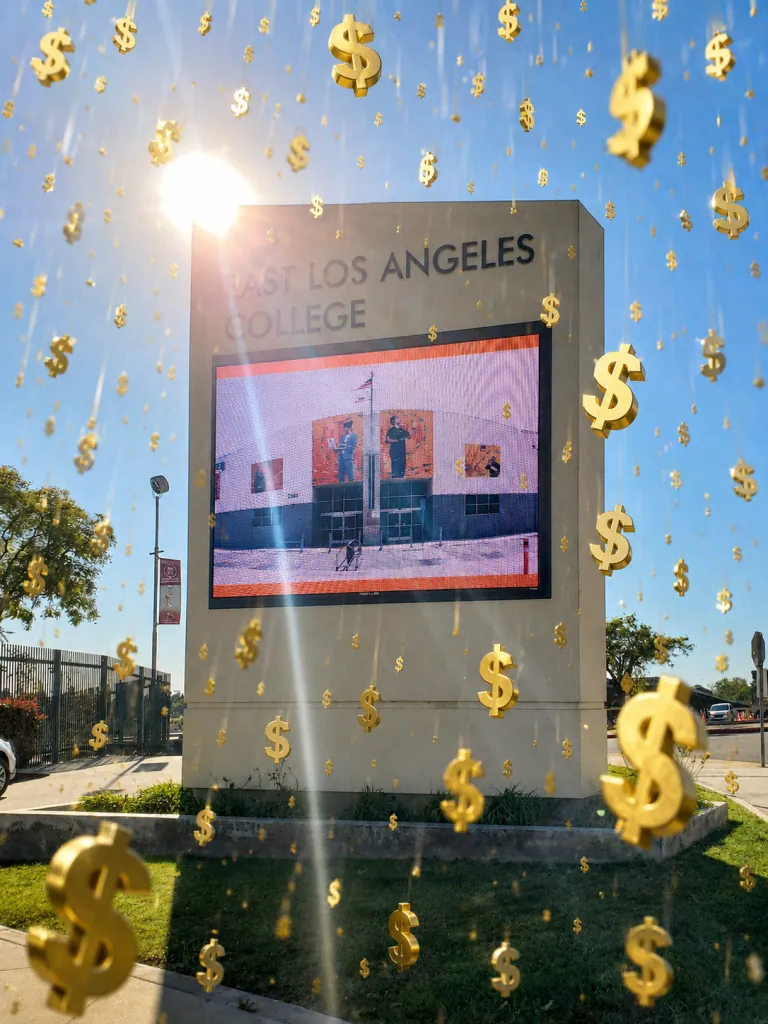

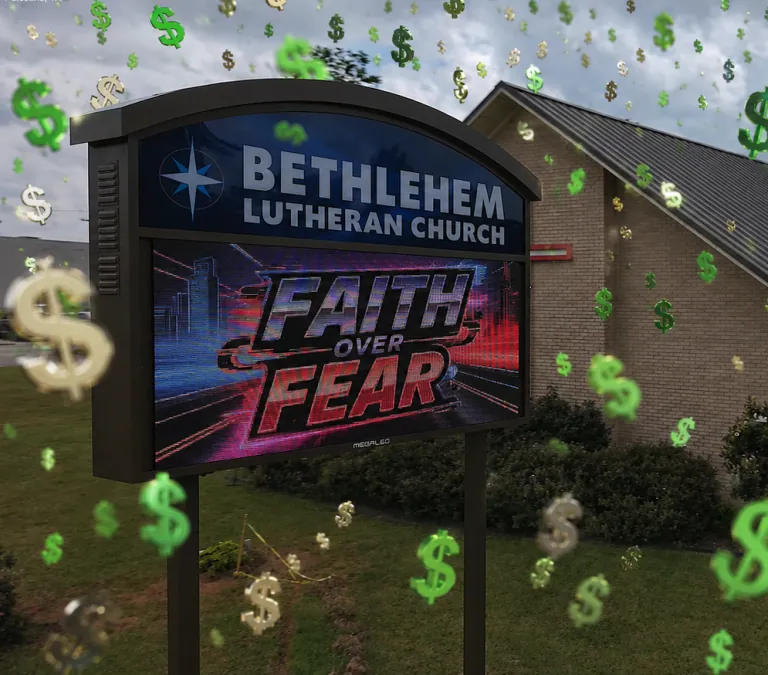

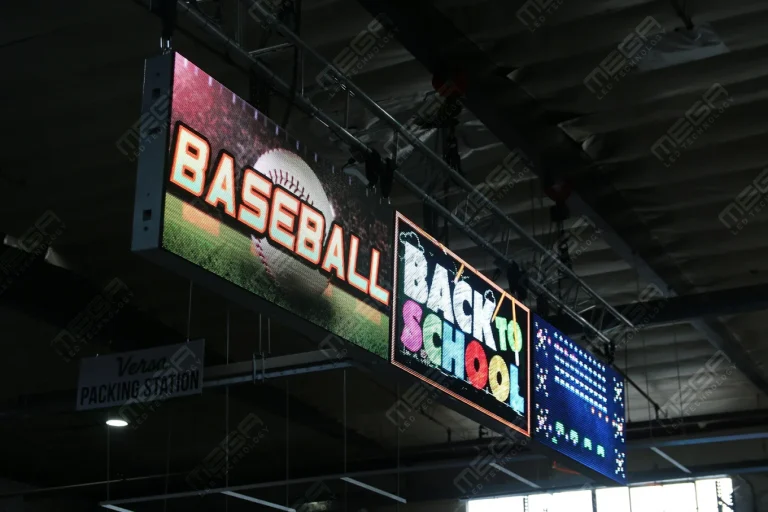

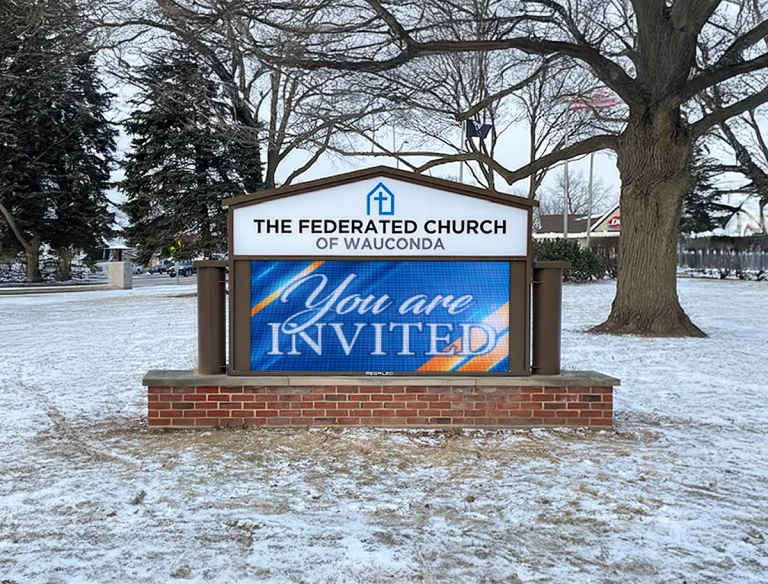


Alpha LED sign boards are great for anything from churches, to schools, to business. They tend to do great in large open spaces, where they are clearly visible.
Omega is our newest line of outdoor digital signs. Running the full gambit from cabinet, to LED sign, to logo on top, or any configuration of your choice!
Premier is a customizable Outdoor LED sign, perfect for the Entrepreneur who knows that large custom sized signs cultivated for their specific business is the way to go.
Programmable Stage LED signs, great for indoor assemblies, congregations, and presentations! Blow your competitors out of the water, or keep your congregation and audience glued to your message.