Summer Church Signs: What Are The Best Sayings And Ideas For The Season?

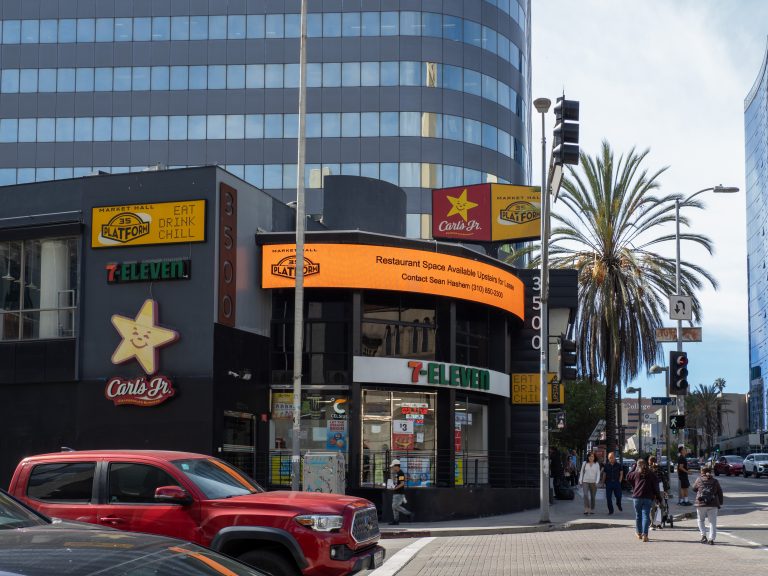
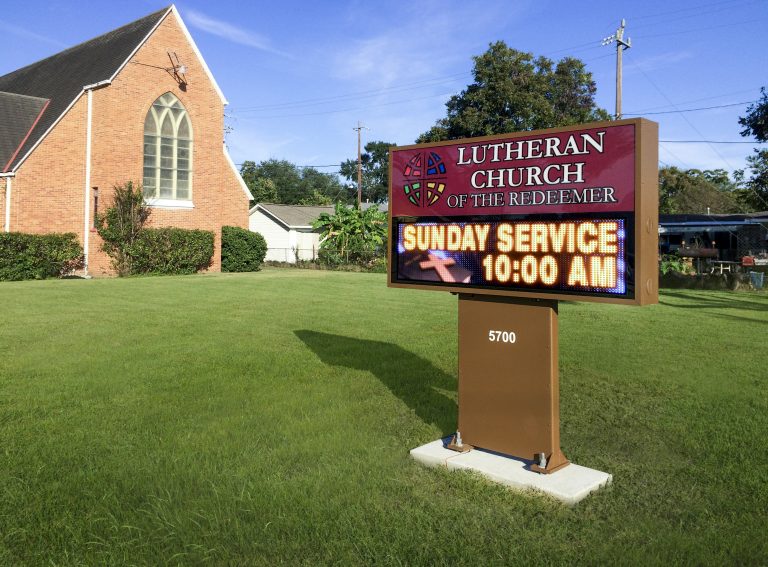
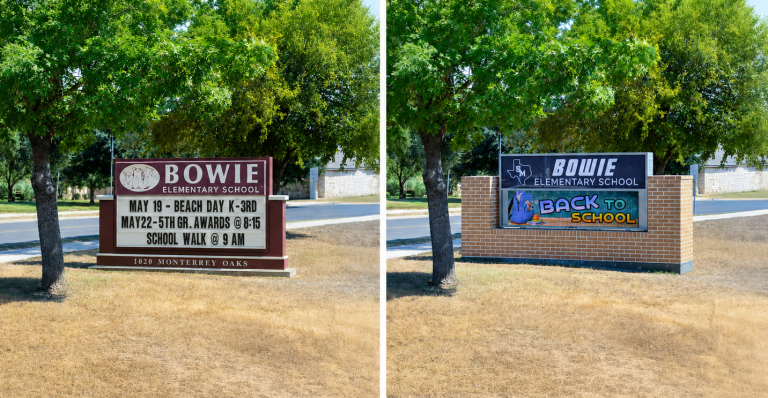
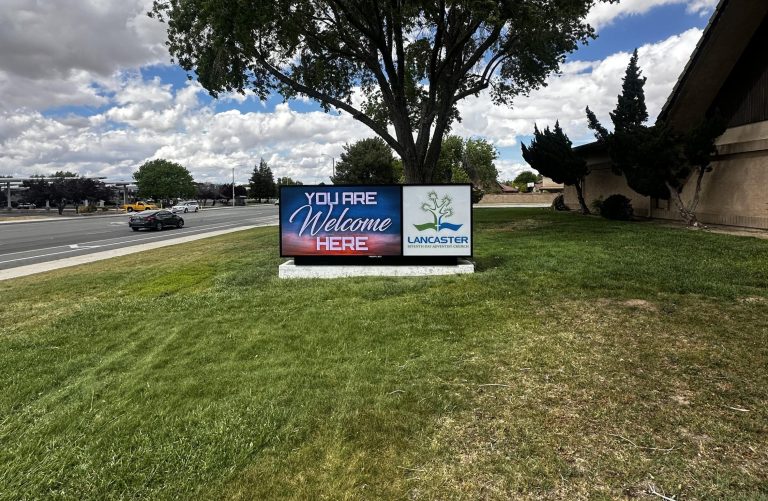
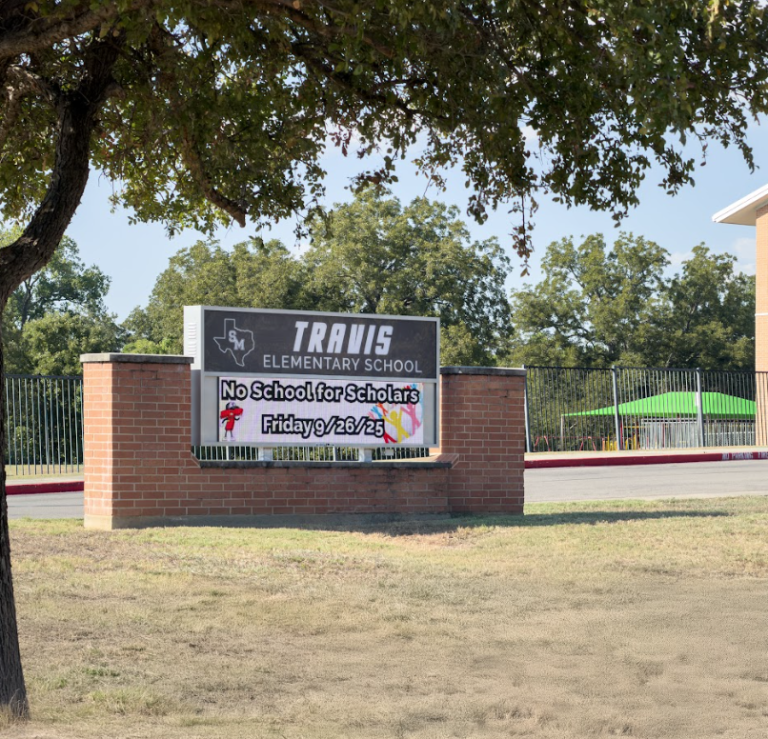
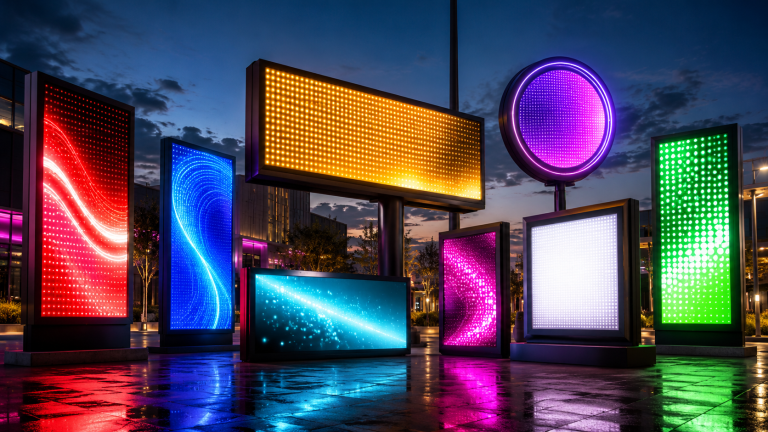
Alpha LED sign boards are great for anything from churches, to schools, to business. They tend to do great in large open spaces, where they are clearly visible.

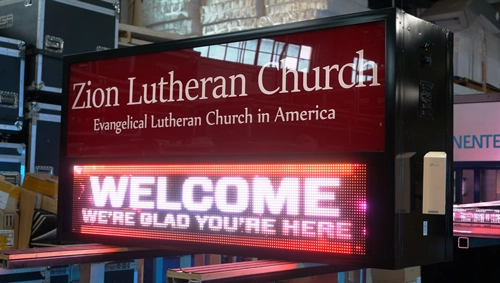
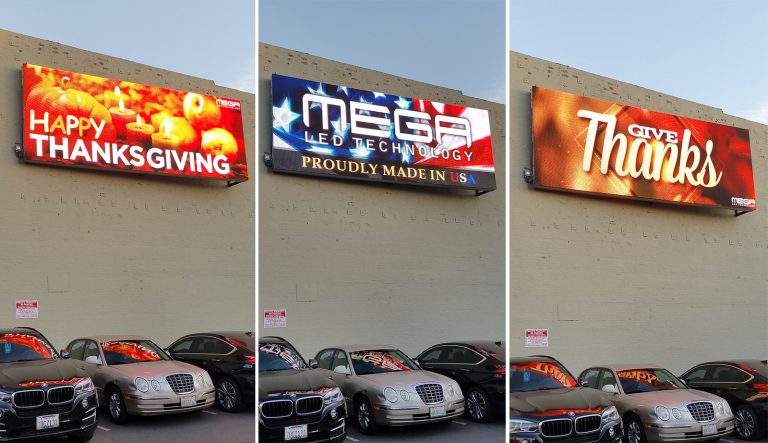
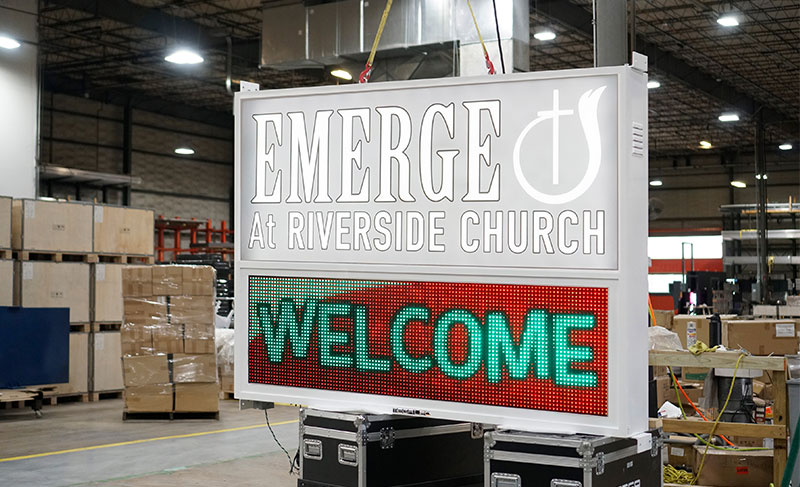
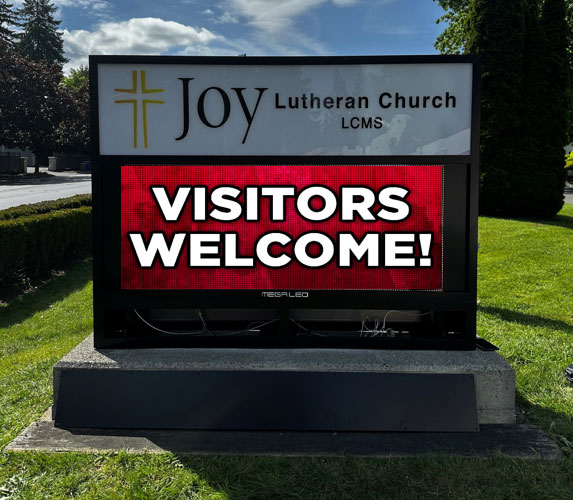
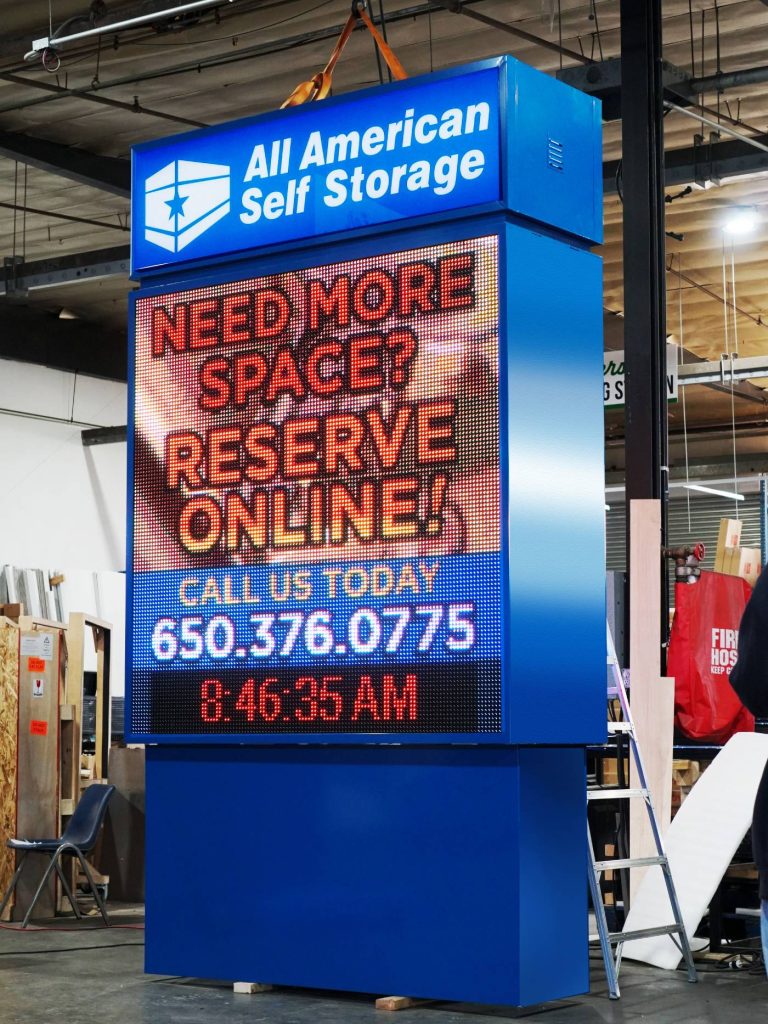
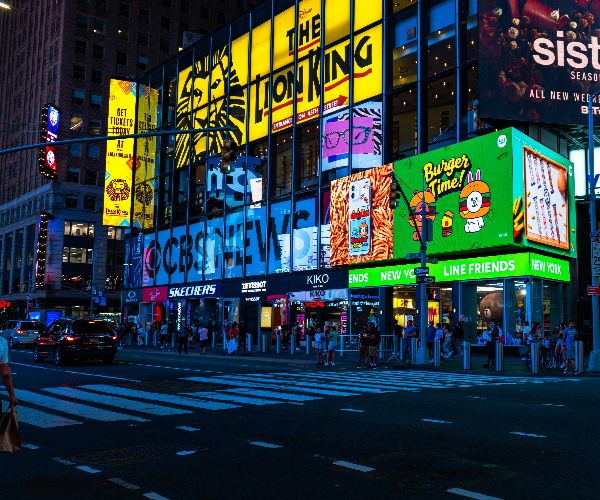
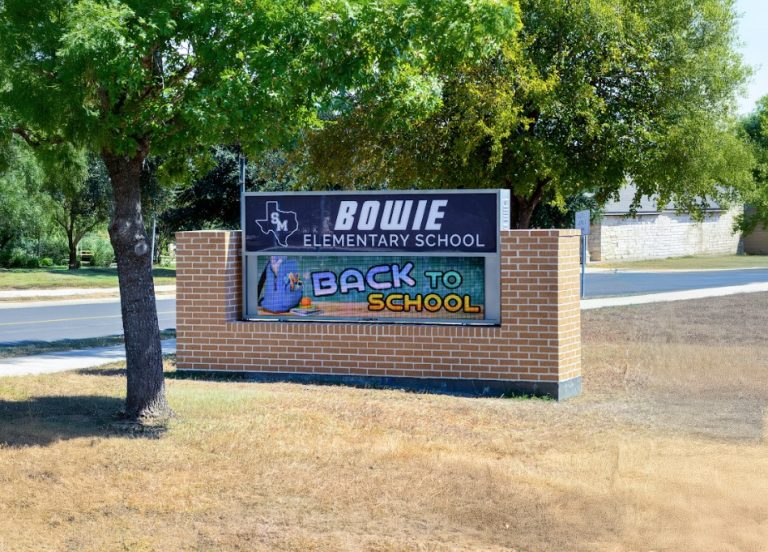
Omega is our newest line of outdoor digital signs. Running the full gambit from cabinet, to LED sign, to logo on top, or any configuration of your choice!

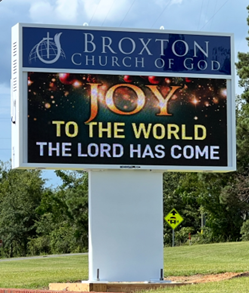
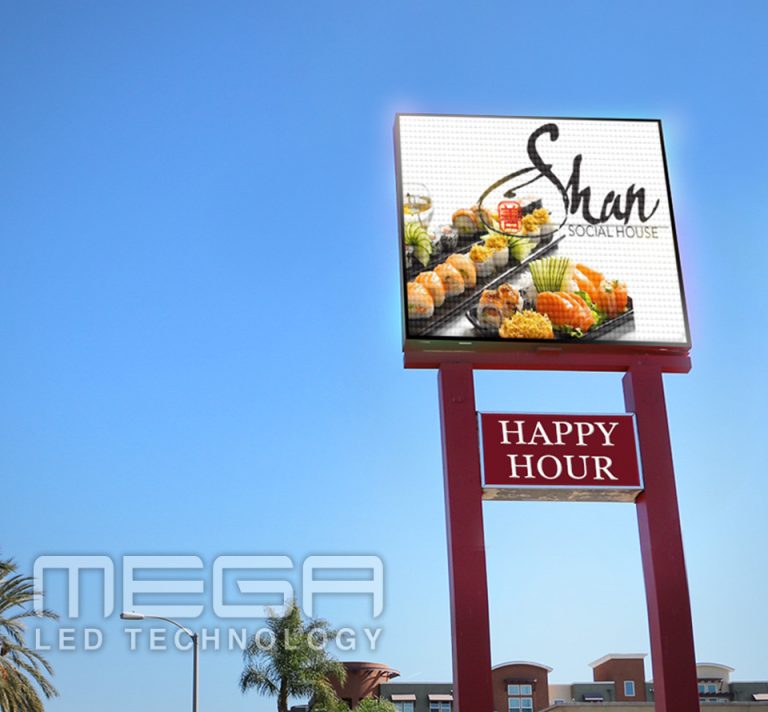
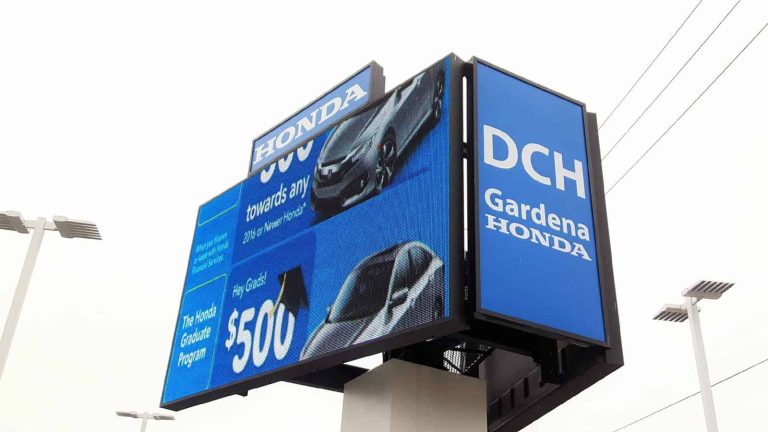
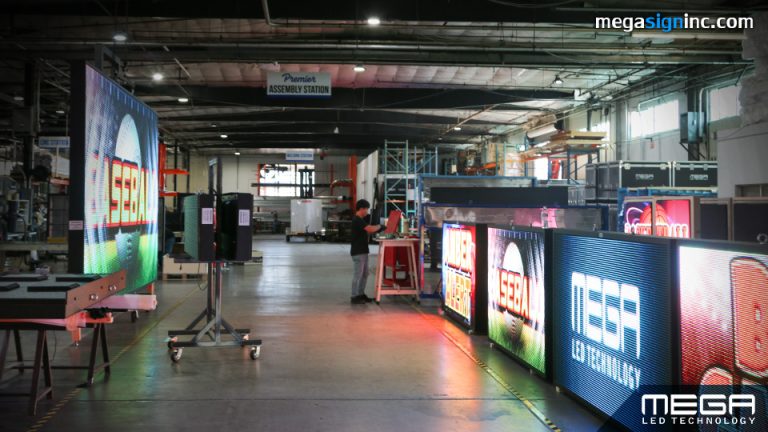
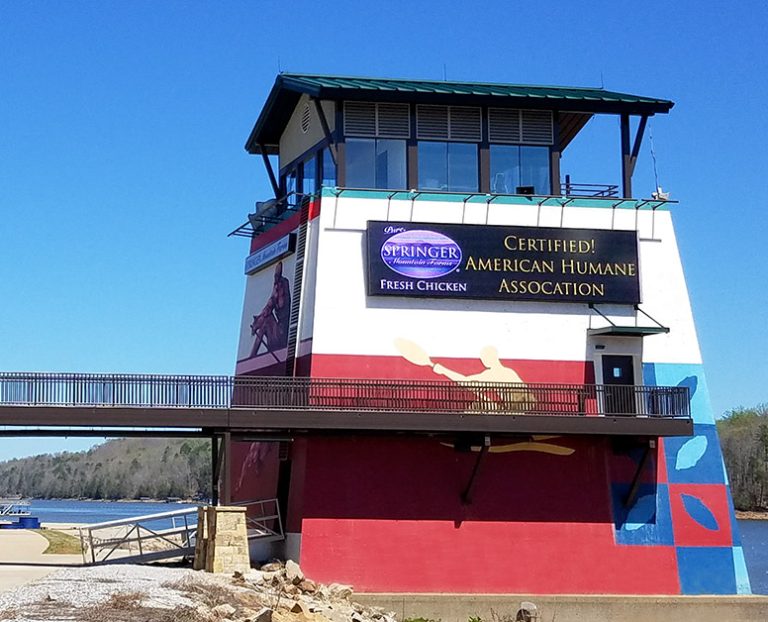
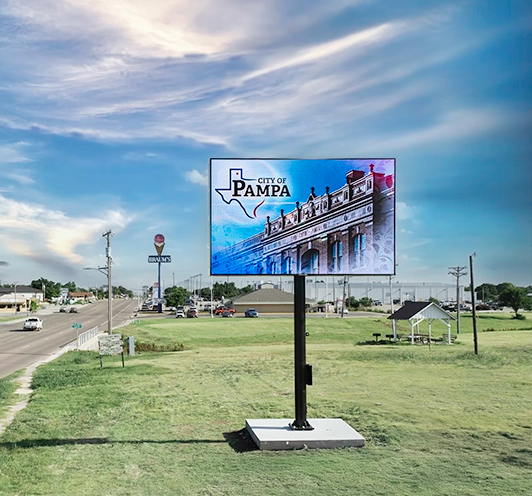
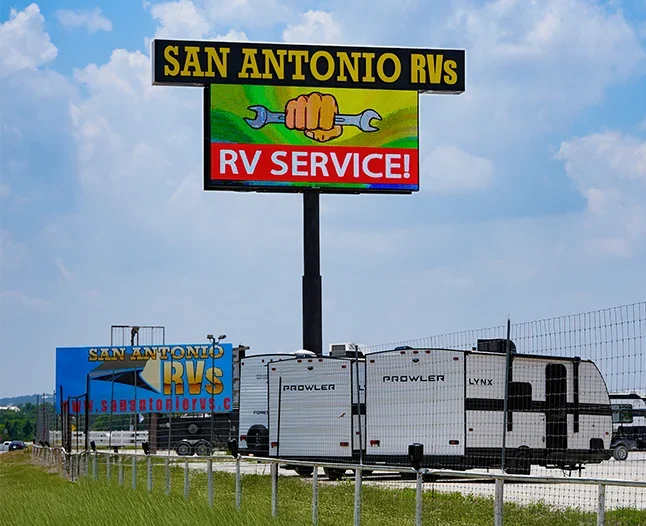
Premier is a customizable Outdoor LED sign, perfect for the Entrepreneur who knows that large custom sized signs cultivated for their specific business is the way to go.

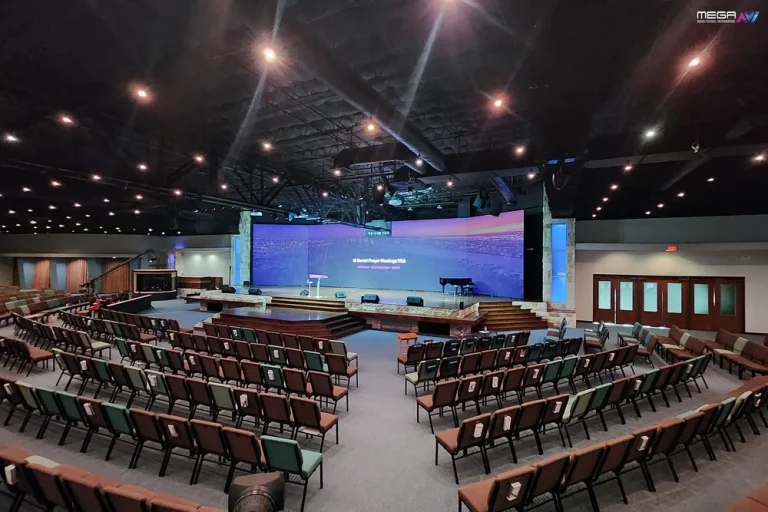
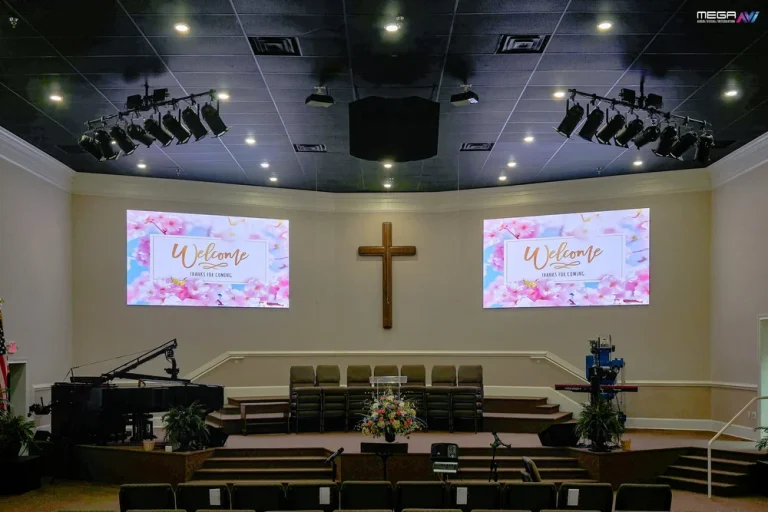
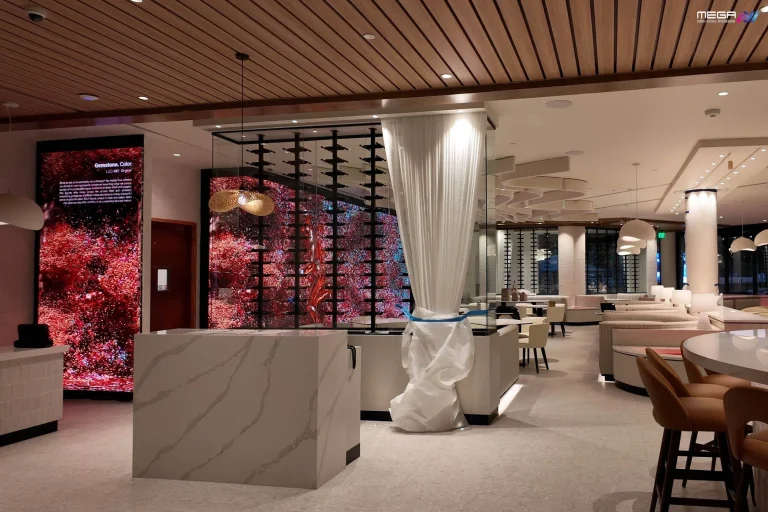
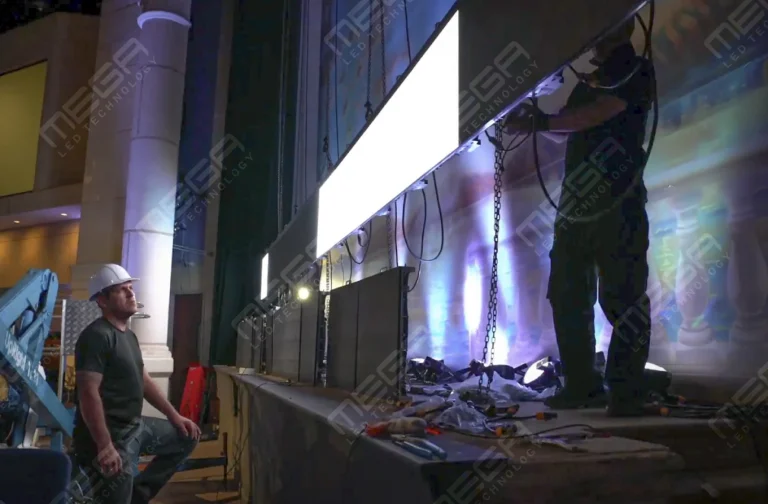
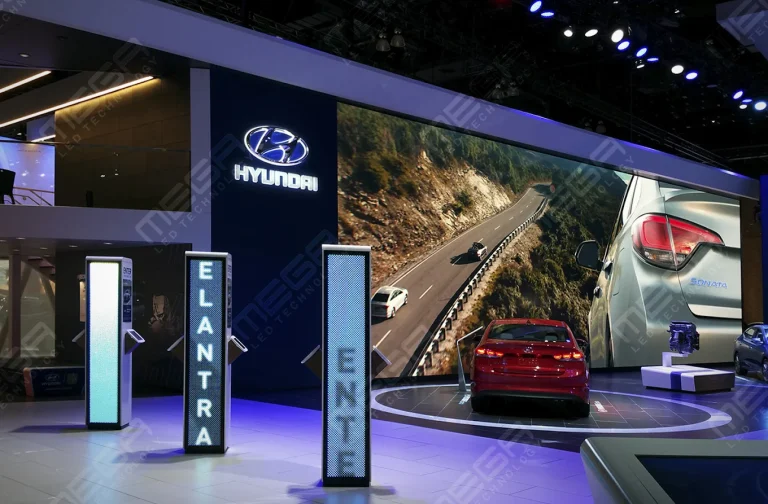
Programmable Stage LED signs, great for indoor assemblies, congregations, and presentations! Blow your competitors out of the water, or keep your congregation and audience glued to your message.

Alpha LED sign boards are great for anything from churches, to schools, to business. They tend to do great in large open spaces, where they are clearly visible.
Omega is our newest line of outdoor digital signs. Running the full gambit from cabinet, to LED sign, to logo on top, or any configuration of your choice!
Premier is a customizable Outdoor LED sign, perfect for the Entrepreneur who knows that large custom sized signs cultivated for their specific business is the way to go.
Programmable Stage LED signs, great for indoor assemblies, congregations, and presentations! Blow your competitors out of the water, or keep your congregation and audience glued to your message.
Digital signage pricing is often confusing. One vendor quotes $300, another quotes $30,000, and neither explains what the number includes. This guide breaks down what each piece really costs in 2026, so you can budget with confidence.

Digital signage pricing runs from a few hundred dollars for a single indoor screen to six figures for enterprise networks and large outdoor LED displays. A small shop can hang one smart display for under $1,000.
Five inputs set the total: hardware, software, installation, content creation, and ongoing support, all multiplied by the number of screens. Change any one of them and the quote moves.
Upfront costs cover screens, players, mounts, and labor. Recurring fees cover software subscriptions, support plans, and content updates. Comparing platforms on the software rate alone misses the picture; total cost of ownership over three to five years is the honest comparison.
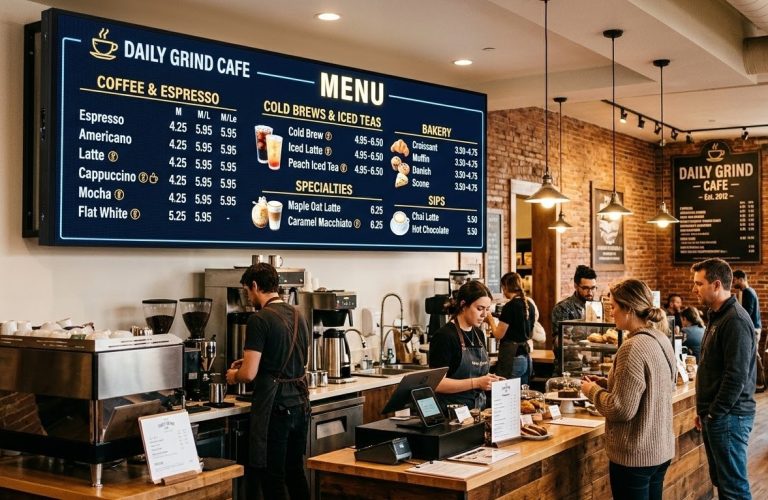
Business size changes the math and the pricing model. A single-screen setup for a cafe or clinic tends to land between $1,000 and $2,500 in year one, covering hardware, installation, and software.
Two to five screens pay similar per-screen rates, just multiplied. Multi-location rollouts shift the equation: at 25 or 100+ screens, vendors offer volume discounts, flat-rate contracts, or enterprise pricing, and per-screen rates drop.
If growth is the plan, buy for the network you’ll have, not the screen you’re starting with. Scalable software and hardware cost little extra now and prevent an expensive platform switch later.
A complete digital signage system has six budget lines: displays, media players, mounting hardware, software, installation, and a content plan, plus ongoing support.
Basic single-screen setups sit at the low end of the price list. Interactive touchscreens, video walls, and enterprise networks cost more because every layer scales up.
| Cost component | Typical range | One-time or recurring | What moves the number |
|---|---|---|---|
| Commercial indoor display | $400 to $1,000+ per screen | One-time | Size, brightness, warranty |
| Commercial indoor display | $400 to $1,000+ per screen | One-time | Size, brightness, warranty |
| Outdoor LED sign | $3,800 to $500,000+ | One-time | Size, pixel pitch, sidedness |
| Media player | $100 to $500 per screen | One-time | 4K playback, interactivity |
| Software (CMS) | $10 to $50 per screen monthly | Recurring | Features, support tier, screen count |
| Installation | $150 to $500 per standard screen | One-time | Wall type, cabling, mounting height |
| Content creation | $0 to $150 per hour | One-time or recurring | In-house vs. designer vs. agency |
Bundled solutions wrap several lines into one contract, simplifying budgeting but sometimes hiding markup. Piecemeal setups cost less on paper and more in coordination.
Content creation covers everything your screens actually show: menus, promotions, announcements, templates, video clips, and branded layouts. The screen is the stage. This is the show.
Some businesses build content in-house with template tools, which costs staff time instead of cash. Others hire freelance designers or agencies, commonly $50 to $150 per hour.
The spend can be one-time (a template package), recurring (monthly refreshes), or folded into a managed service. Budget for updates, not just for launch.
Weak content quietly erases ROI. A stale screen gets ignored just like a faded poster, no matter how good the hardware is.
Skip the guesswork and price your project with real figures. We quote hardware, installation, and support in one free, no-pressure estimate.
Maintenance and support cover software updates, device monitoring, troubleshooting, replacement parts, and a phone number that answers.
Some vendors include support in every plan; others sell tiers, reserving remote monitoring, faster response, or on-site service for premium contracts. Read the plan before you need it.
The hidden side is hardware: failed screens, aging media players, and flaky network connections create costs no subscription line predicts.
Support matters more as networks grow. A dark screen in one shop is an annoyance; dark screens across 40 locations are a brand problem, so multi-site deployments should weigh support quality heavily.
Hardware is usually the largest upfront line in a digital signage budget. Plan for displays, media players, mounts, and cabling, plus kiosk enclosures for interactive projects.
Media players run roughly $100 to $500 each, mounts and cabling add $50 to $250 per screen, and touch kiosks can add four figures.
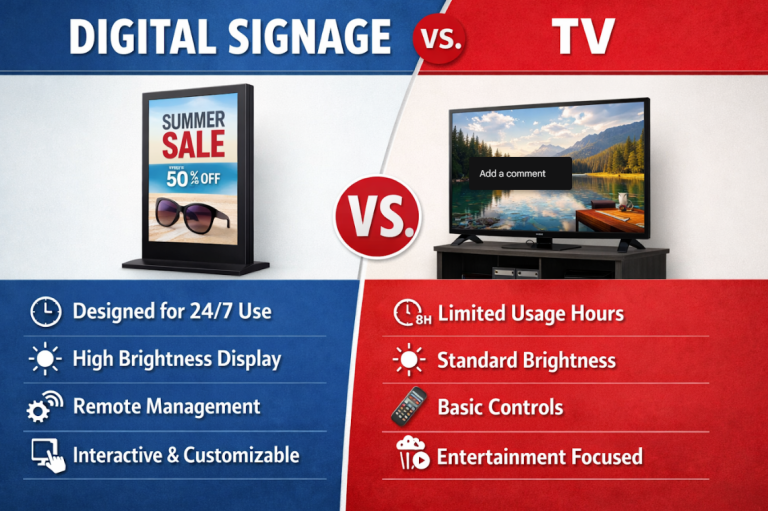
You can trim the budget by reusing screens you already own, if they’re compatible with your software and healthy enough for the duty. The real tradeoff is consumer versus commercial grade: a consumer TV is engineered for a living room, while commercial hardware runs all day, every day.
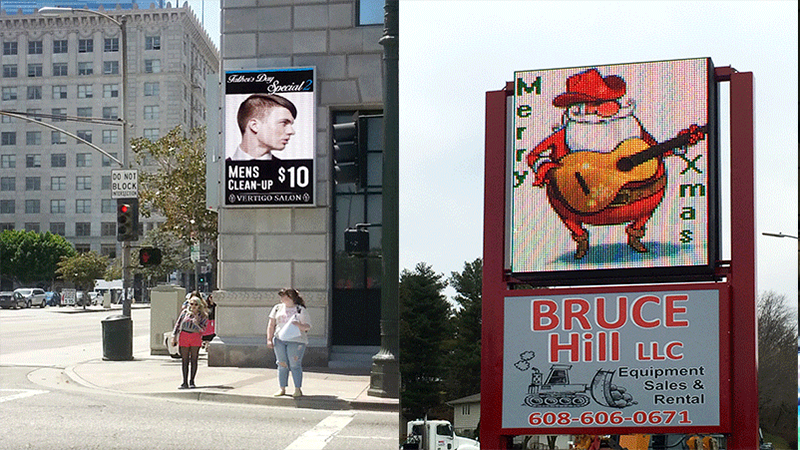
Commercial-grade displays are built for long daily runtimes, and they’re priced for it: expect roughly $400 to $1,000 and up, depending on size and specs.
The premium buys practical things. Higher sustained brightness, longer commercial-use warranty coverage, portrait-orientation support, and panels rated for extended daily operation.
A consumer TV is a fair choice for a lightly used break room. For a customer-facing screen running 12-hour days, the commercial panel usually wins on lifespan and warranty alone.
This is where a free quotation earns its keep. We price hardware against your space, viewing distance, and operating hours, so grab a free sign quote before locking in a spreadsheet.
Premier Series signs are engineered and built in the USA, then sized to your property and budget. Explore configurations, pixel pitches, and pricing ranges.
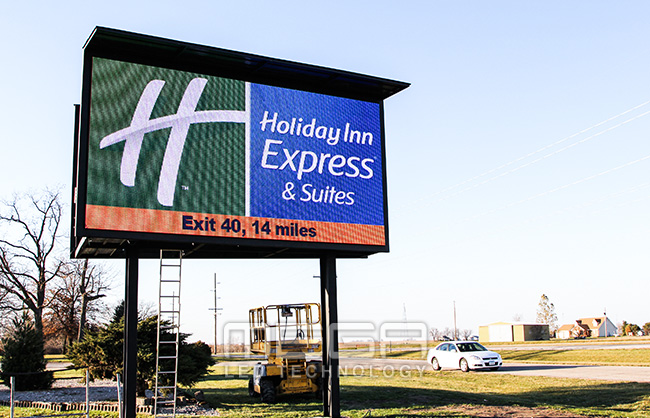
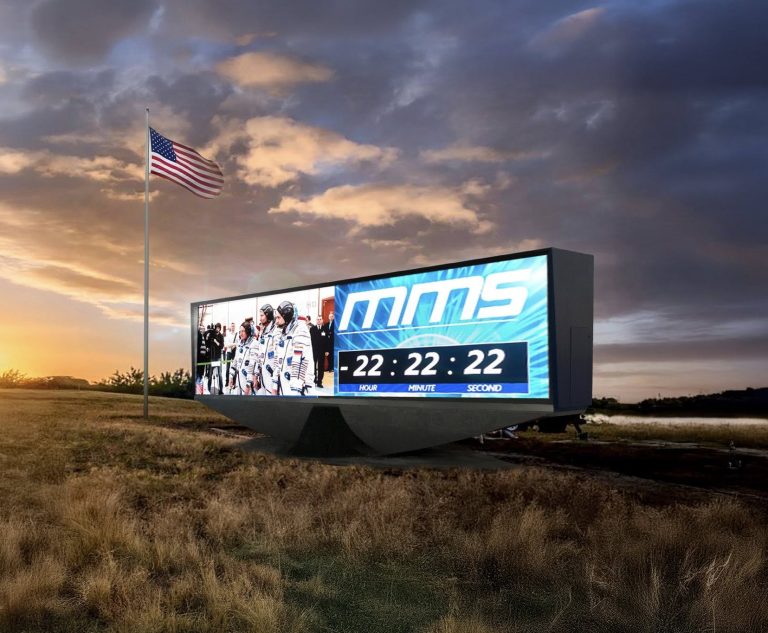
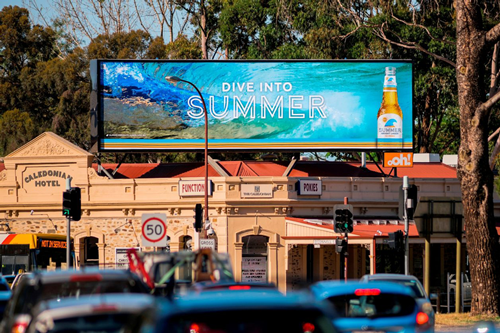
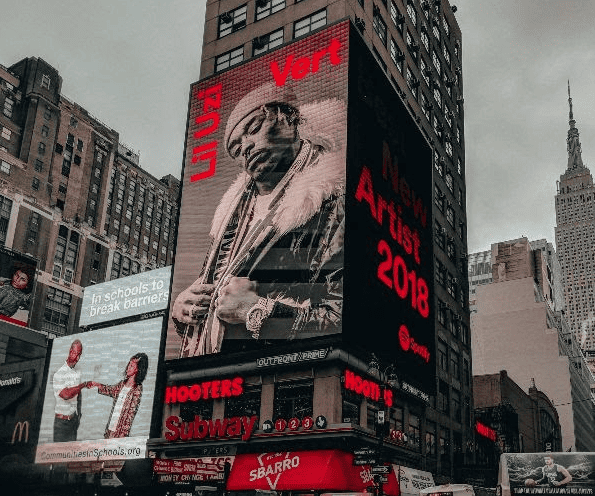
Outdoor digital signage costs more than indoor because you’re paying for higher-brightness LED modules, weatherproof enclosures, engineered mounts or foundations, permits, and professional installation.
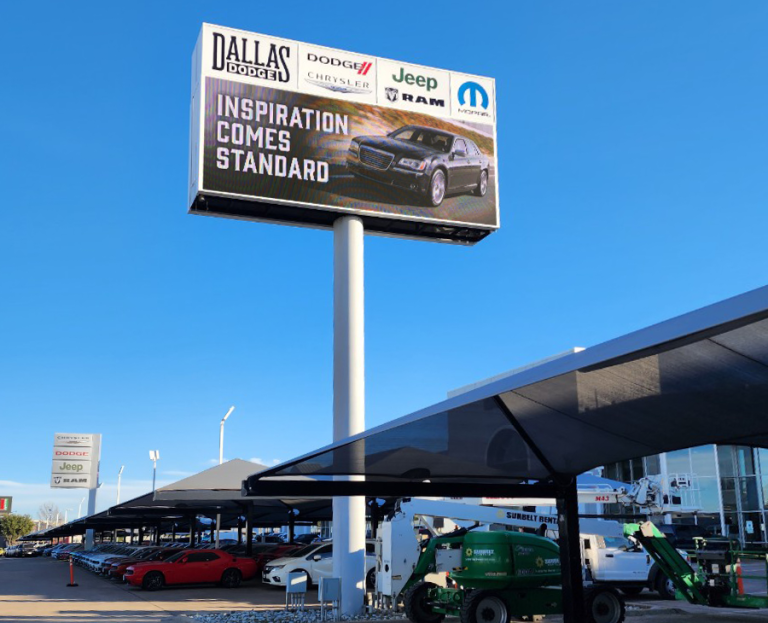
An outdoor sign has to shrug off direct sunlight, rain, heat, dust, and the occasional vandal for years. Our Premier outdoor LED signs start around $3,800, seal their electronics behind an IP67-rated front and IP65-rated rear, and carry a 5-year limited warranty.
As a veteran-owned manufacturer in Grand Prairie, Texas, we’ve found the line items that surprise buyers are the foundation and permit engineering, not the sign itself.
Plan outdoor projects with maintenance and support in the budget from day one. Weather always gets a vote.
Software is the main recurring cost in digital signage, and pricing sorts into three shapes: per-screen subscriptions, flat-rate plans, and custom enterprise agreements.
Per-screen plans are the standard model, with published digital signage software pricing commonly between $10 and $50 per screen per month. Free tiers are fine for testing, but they cap screens, features, or support once you depend on them.
Paid platforms earn the fee with scheduling, remote screen management, template libraries, integrations, and user permissions. Grand View Research’s digital signage market report estimated the global market at USD 31.09 billion in 2025.
Our MEGA Cloud platform runs from a phone, tablet, or desktop, office staff learn it without a tech background, and lifetime training and tech support come included with our signs.
Installation cost depends on wall type and mounting, cable routing, power access, network setup, and screen placement.
DIY mounting can cost $0 to $100 if you own the tools and the wall cooperates. Professional installation commonly runs $150 to $500 for a standard indoor screen. Outdoor signs, video walls, ceiling drops, and kiosks involve engineering, lifts, or electrical work and run into the thousands.
Placement isn’t only aesthetic. If a screen handles wayfinding or sits along a public route, accessibility rules can apply; the U.S. Access Board’s Access Board guidance explains how the ADA Standards treat sign types, mounting heights, and locations.
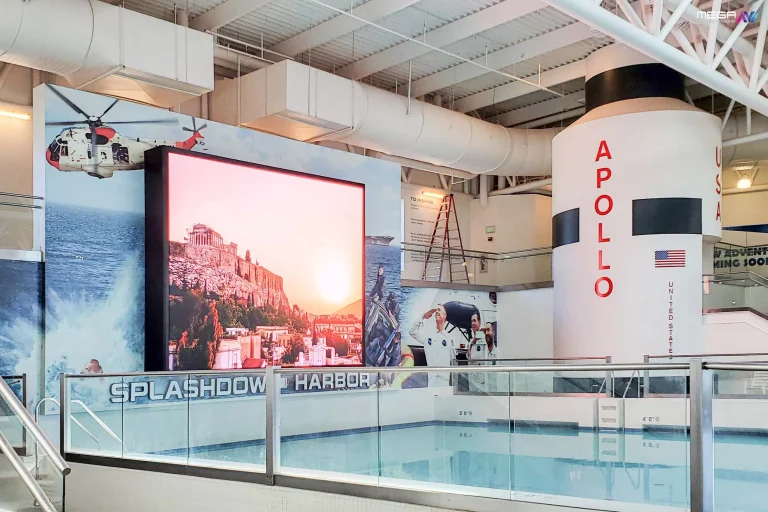
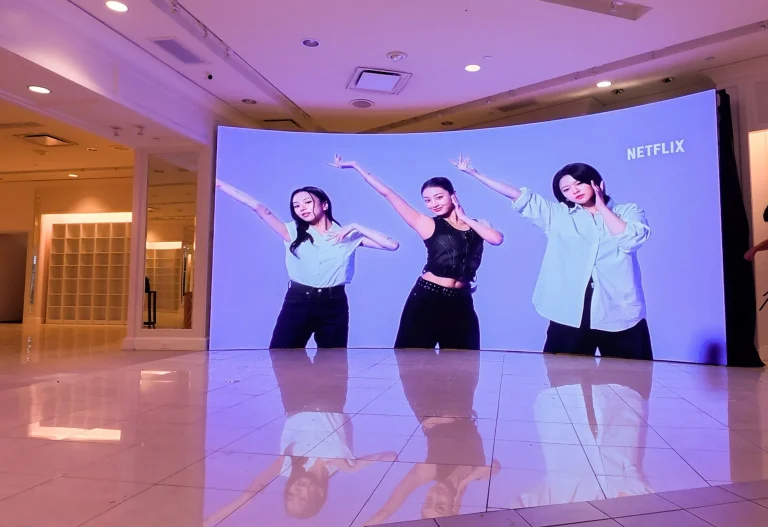
Fine pixel pitches deliver crisp close-range viewing for lobbies, sanctuaries, and retail spaces. See how indoor LED video walls are sized and priced.
You can install digital signage yourself when the job is genuinely simple: one indoor screen, eye-level mounting, a nearby outlet, and solid Wi-Fi.
Even then, respect the details. Anchor the mount to studs, route cables so they survive cleaning crews, verify Wi-Fi strength at the mounting spot, and confirm power is within reach.
DIY saves a few hundred dollars. It also carries risk when the screen is heavy, mounted high, or hanging over customers, because a failed mount there is a liability, not a repair.
Bring in professionals for multi-screen layouts, video walls, and anything outdoors. That’s not upselling; it’s physics and code.
The true cost of digital signage is what you spend over years, not what you pay at checkout. Software renewals, support plans, replacement hardware, content updates, and re-installs accumulate after the launch invoice.
A three-year comparison keeps vendors honest. A $300 consumer TV on a free plan looks unbeatable until the panel dims from constant duty and the free tier drops the features you rely on. A $700 commercial display on a $25 monthly plan often crosses year three with zero surprises.
The U.S. Small Business Administration’s budgeting guide, calculates startup costs, recommends splitting one-time and monthly expenses, and the habit fits signage well.
Hidden costs live in the order form’s fine print. Watch for surcharges on premium support, cloud storage, extra users, apps, integrations, template packs, and device monitoring.
Failed panels and outdated media players force replacements the subscription never mentioned, and a player that loses software support drags its screen down with it.
Labor is the quiet one: someone updates content, reboots players, and troubleshoots, and those hours are real money across many screens. Switching vendors later adds migration costs on top.
Electricity counts too, especially outdoors: commercial power averaged 13.92 cents per kilowatt-hour in March 2026, per the U.S. Energy Information Administration’s Electric Power Monthly.
Digital signage is worth the investment when the screens have a job, and it isn’t when they’re decoration. ROI follows usage, not spend.
The payoffs businesses actually bank: promoted items sell more, printed poster budgets shrink, and announcements reach people without another email.
The model fits retail, restaurants, clinics, offices, schools, and multi-location brands, anywhere messages change faster than print can keep up.
Track promotion lift, engagement, print savings, and how customer behavior shifts near the screens. If nothing moves in a quarter, the content needs work before the hardware does.
Digital signage ROI comes from four directions: revenue lift, fewer manual updates, less printing, and faster campaign changes.
Different uses pay differently. Menu boards earn through upsells and quick price changes; promotional screens through featured-item lift. Wayfinding earns by freeing staff from giving directions.
Freshness multiplies all of it: content updated regularly and aimed at its audience pulls far more attention than a slideshow nobody has touched since launch.
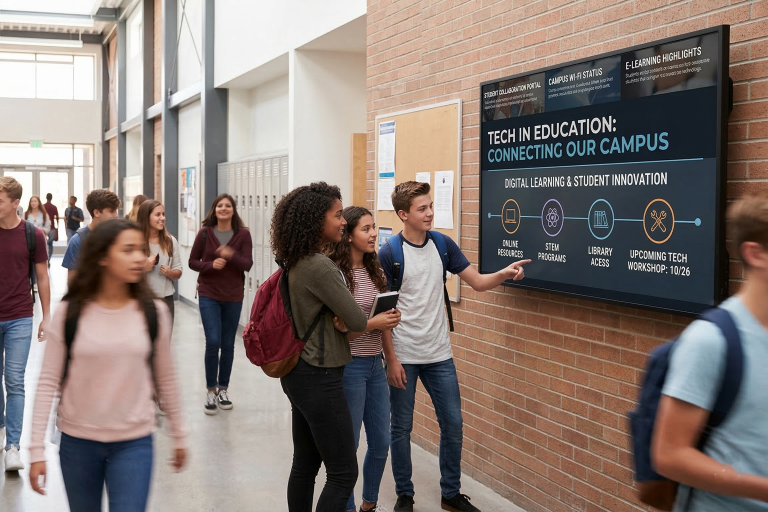
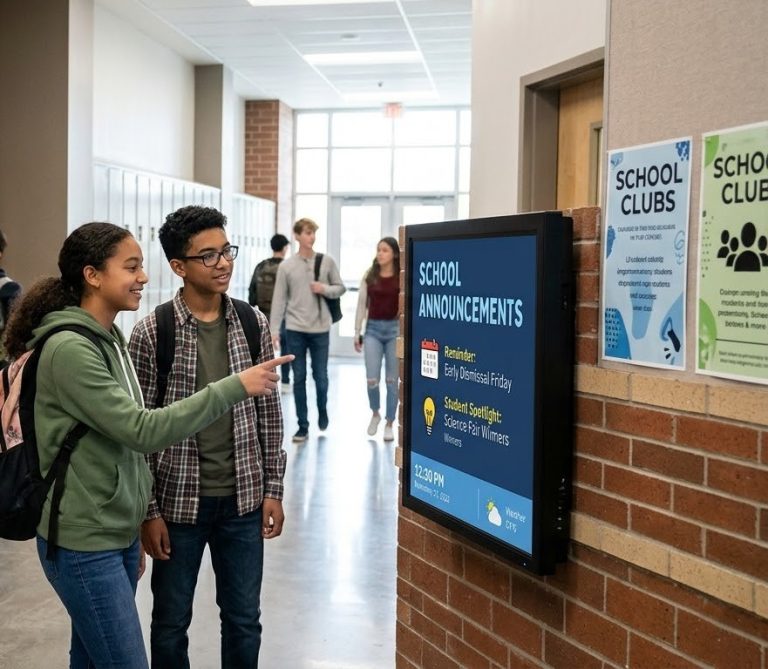
Churches and schools we work with tend to measure the win in staff hours saved each week: a message board updated from a desk replaces a ladder and a letter kit. Compare your signage costs against outcomes you can count.
You can often use your own TV or media player, and it’s a real way to cut startup costs. Many platforms are hardware agnostic, running on consumer smart TVs, generic players, and streaming sticks.
Compatibility, performance, and reliability still matter. An older TV may lack the app or stutter on video.
Reusing hardware works well when the screens are in good shape, the duty is light, and the stakes are low. When the job calls for wall-sized impact, purpose-built hardware earns its price: our indoor video walls use fine pixel pitches like 2.9mm and 2.6mm for crisp close-range viewing.
Configure a Premier Series outdoor LED sign at https://www.megasigninc.com/premier-outdoor-led-signs/
Explore Omega monument signs at https://www.megasigninc.com/omega-monument-signs/
Size up a large indoor LED video wall at https://www.megasigninc.com/large-indoor-led-video-wall/
Request a free quotation at https://www.megasigninc.com/contact/
Expect $1,000 to $2,500 for a single indoor screen’s first year, covering a commercial display, media player, installation, and software, with larger indoor networks scaling per screen until volume pricing kicks in. Outdoor LED signs sit in a different tier: engineered cabinets, permits, and professional installation put entry points near $3,800, with large custom projects reaching six figures. Your real number depends on screen count, environment, and how much of the work you handle in-house, so price the whole system, not the screen.
Yes, when the screens carry content that changes and matters. Businesses recover the cost through promotion lift, lower printing spend, faster message changes, and fewer staff hours lost to manual updates, while the investment disappoints wherever content goes stale. Run a three-year total cost of ownership against outcomes you can count, like sales lift and print savings; if the outcomes beat the costs, the sign is doing its job.

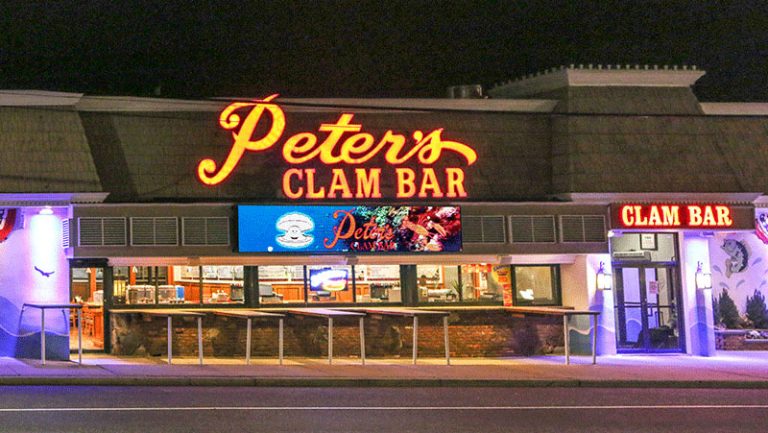




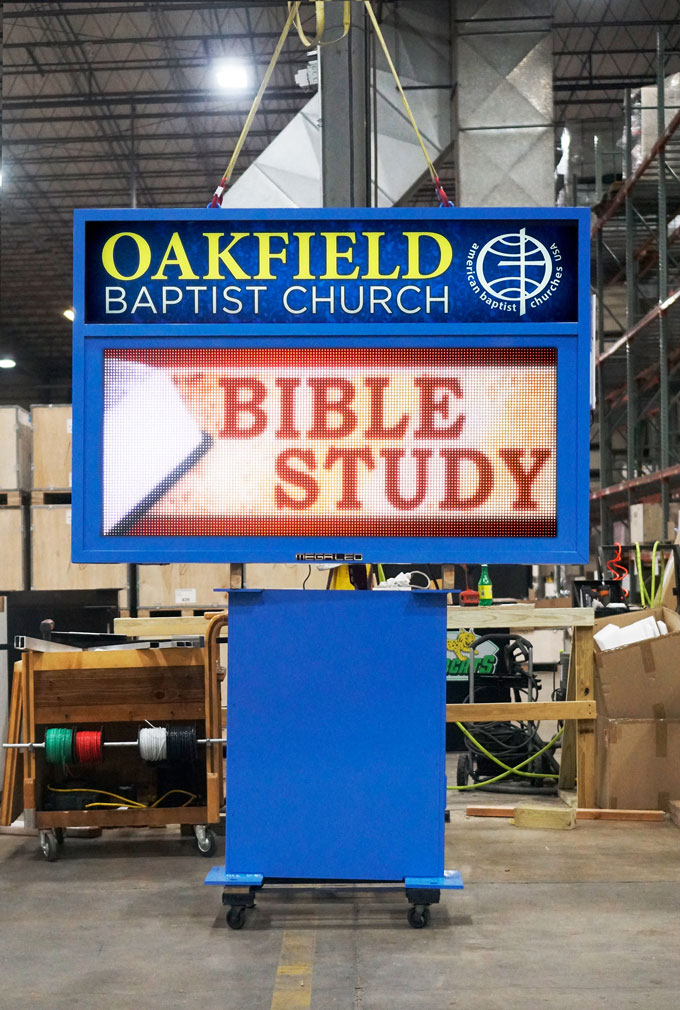

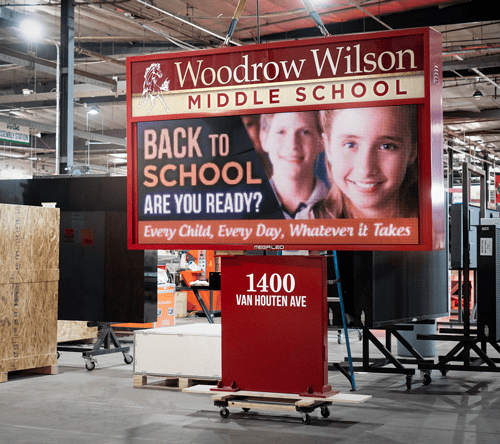

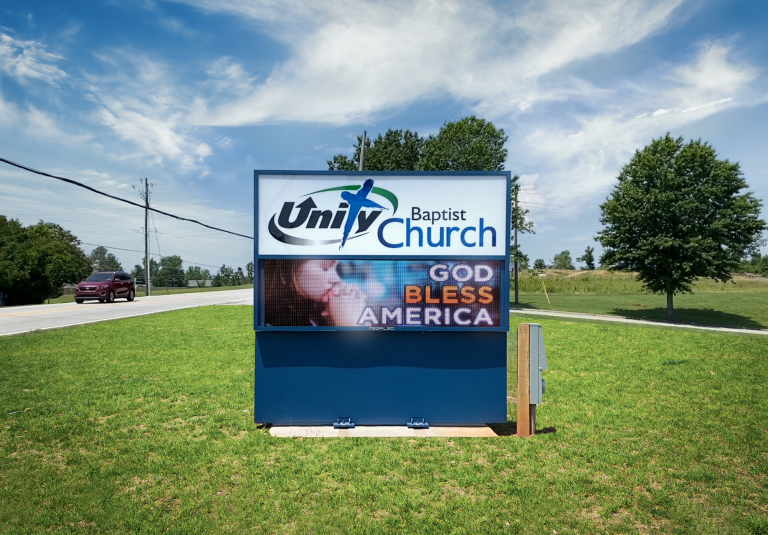


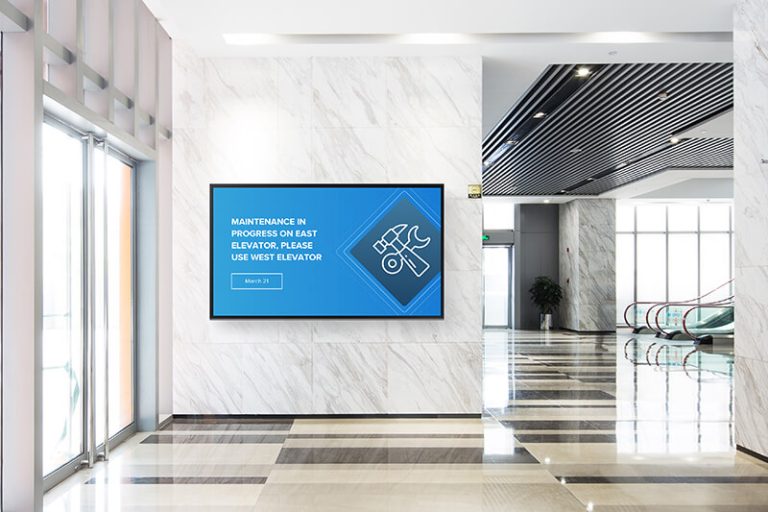

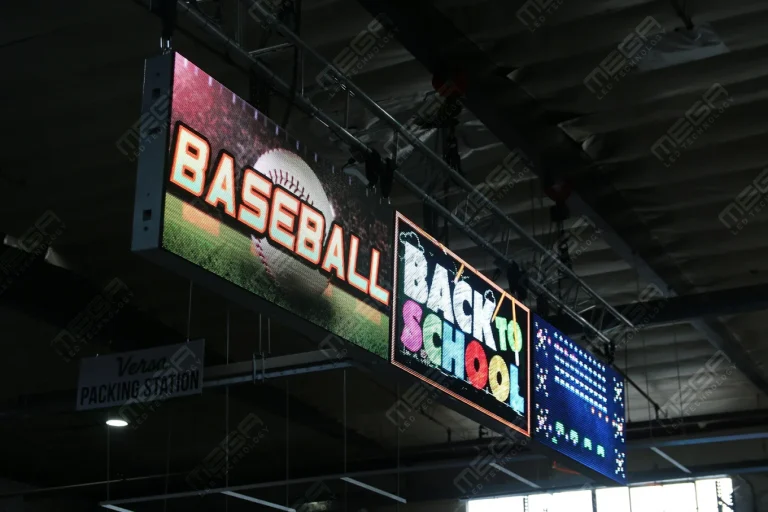

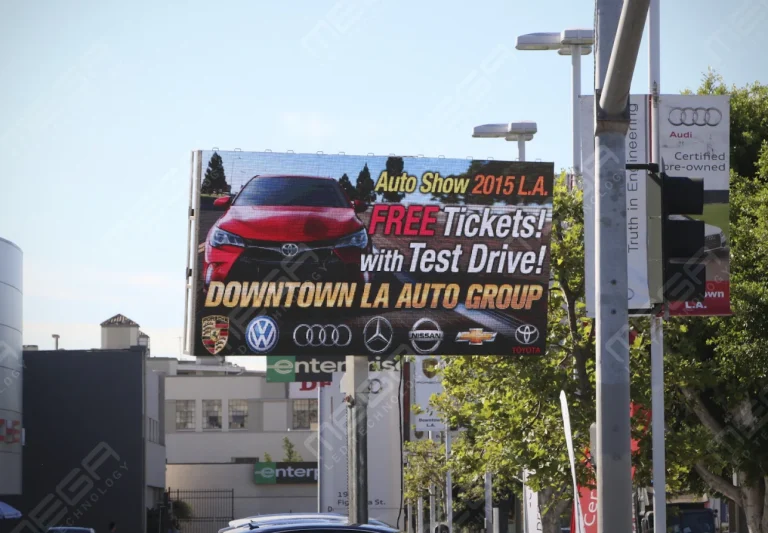


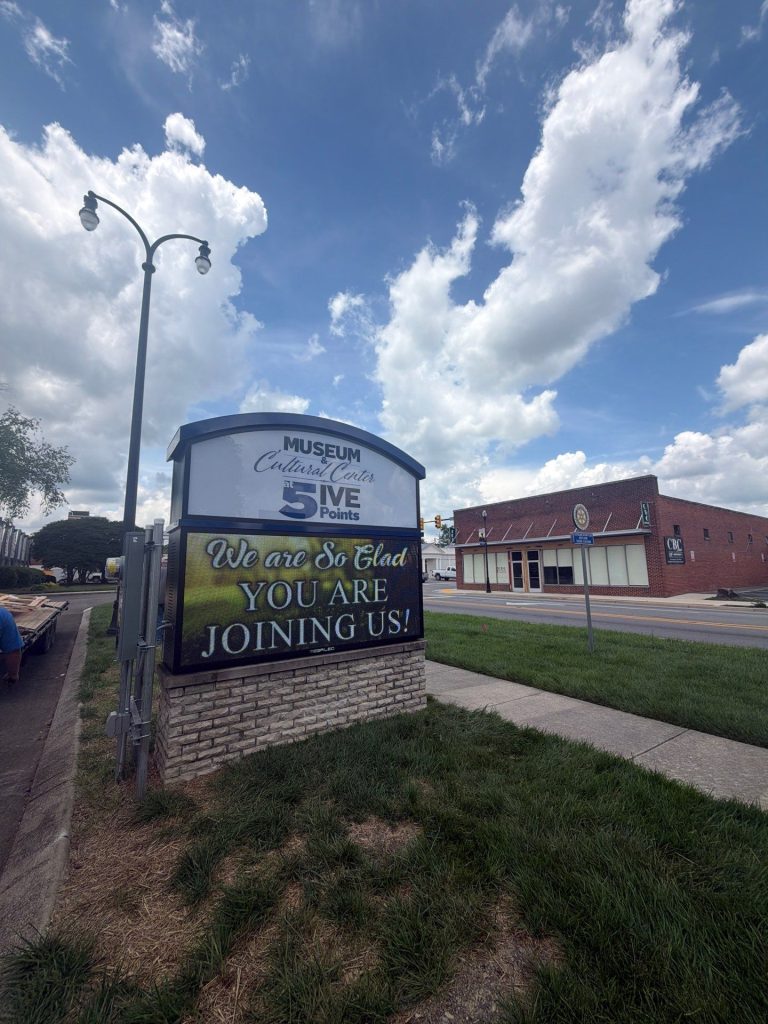
Alpha LED sign boards are great for anything from churches, to schools, to business. They tend to do great in large open spaces, where they are clearly visible.
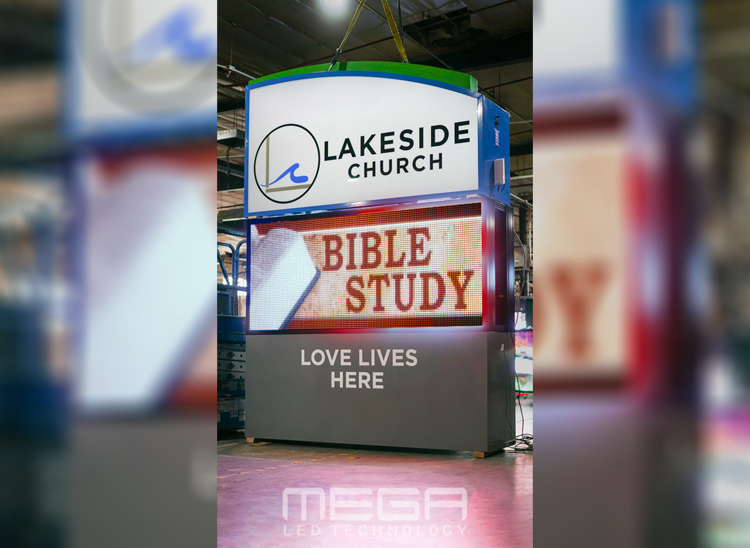
Omega is our newest line of outdoor digital signs. Running the full gambit from cabinet, to LED sign, to logo on top, or any configuration of your choice!
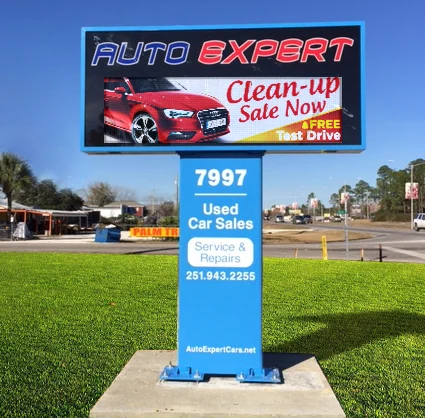
Premier is a customizable Outdoor LED sign, perfect for the Entrepreneur who knows that large custom sized signs cultivated for their specific business is the way to go.
Programmable Stage LED signs, great for indoor assemblies, congregations, and presentations! Blow your competitors out of the water, or keep your congregation and audience glued to your message.