

What Is Smart Digital Signage? How Intelligent Screens Use Data, Software And Automation


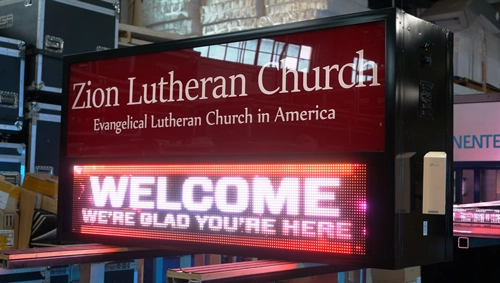
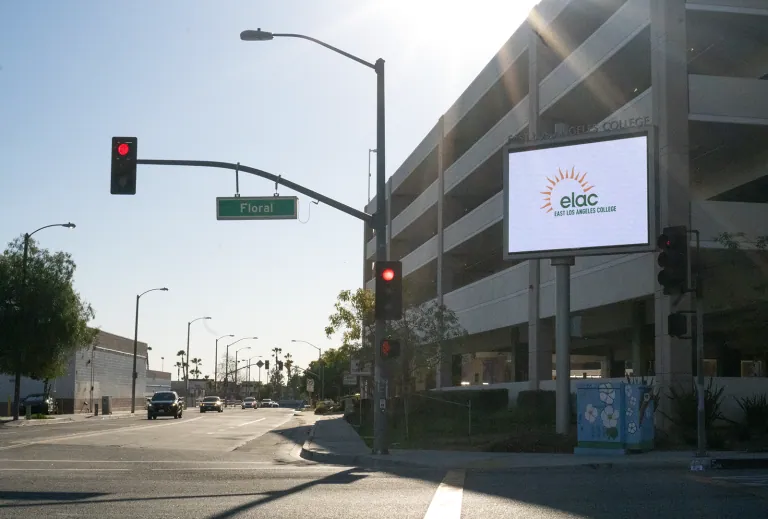
Alpha LED sign boards are great for anything from churches, to schools, to business. They tend to do great in large open spaces, where they are clearly visible.

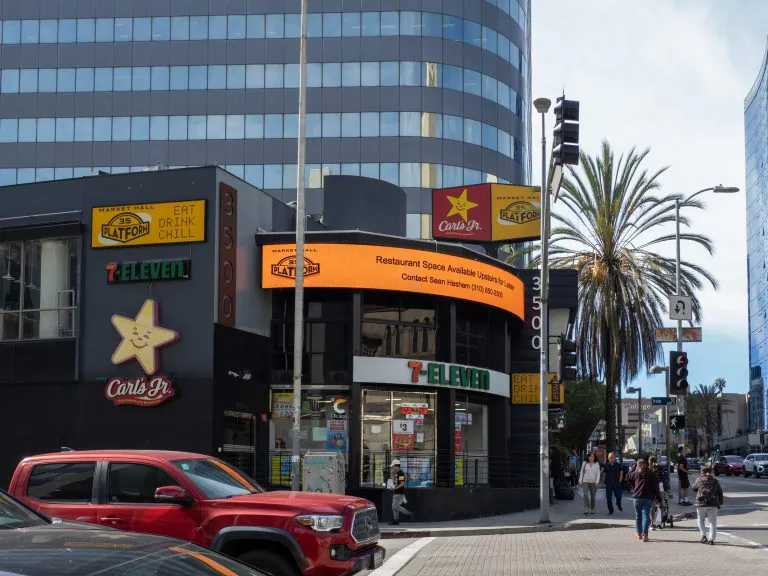
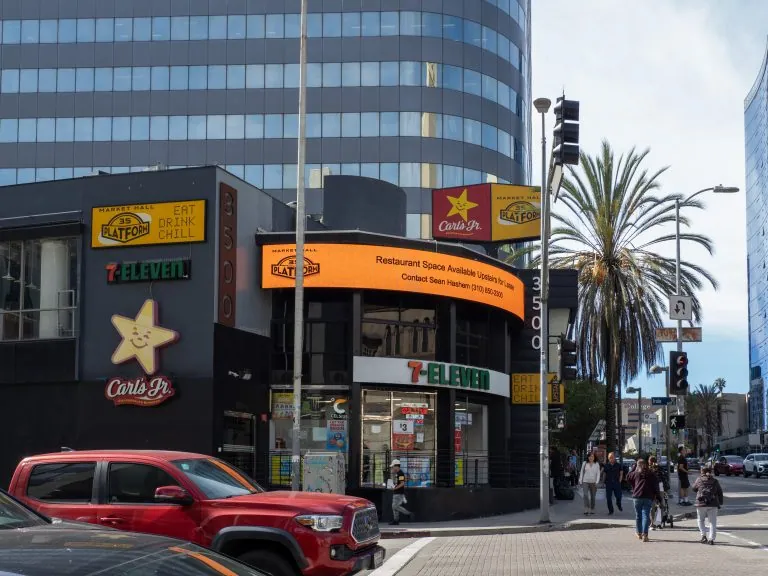
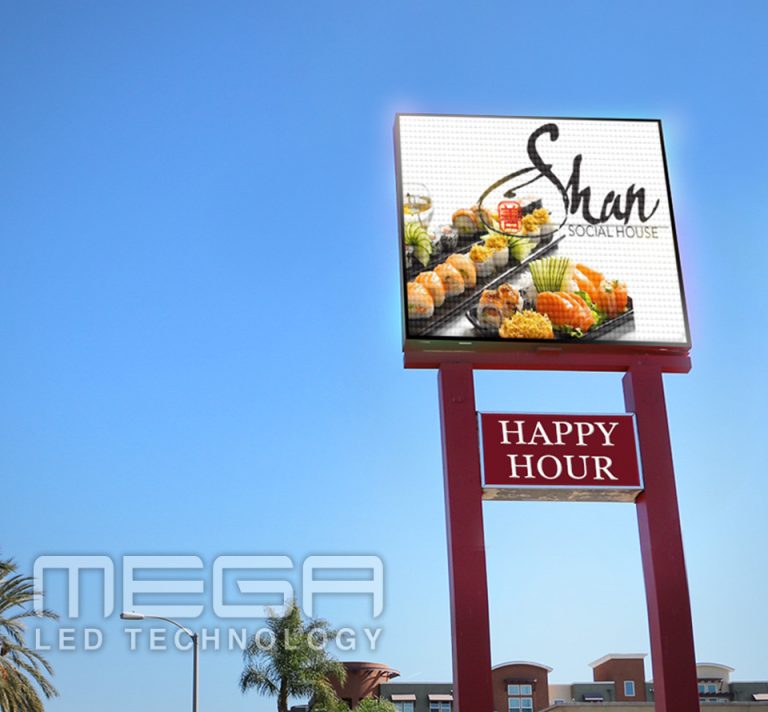
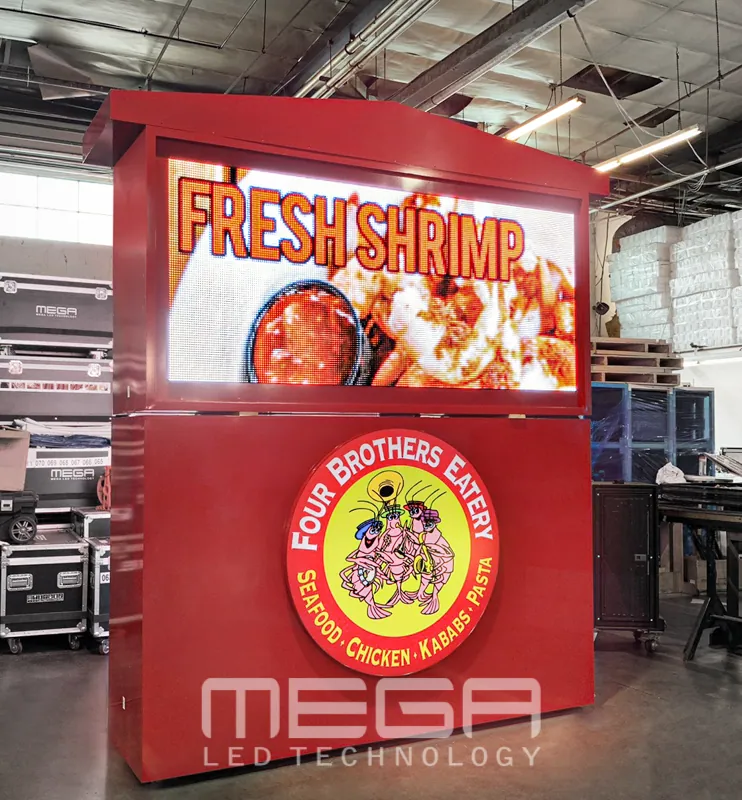
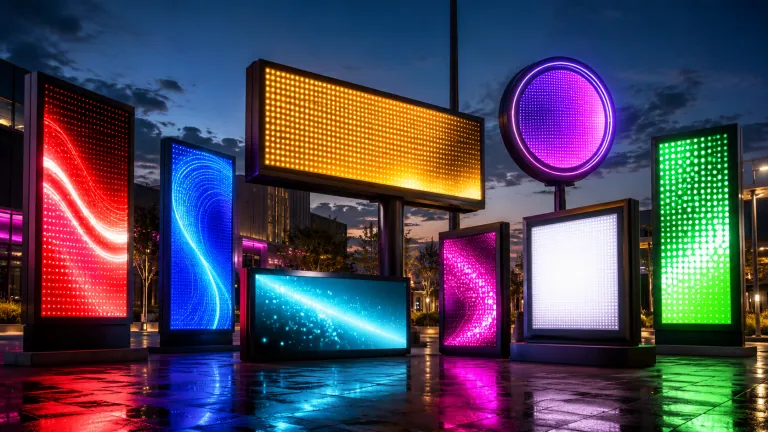
Omega is our newest line of outdoor digital signs. Running the full gambit from cabinet, to LED sign, to logo on top, or any configuration of your choice!

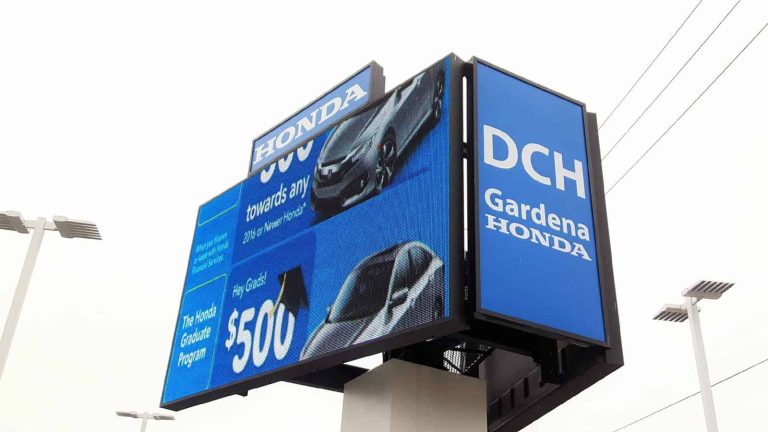
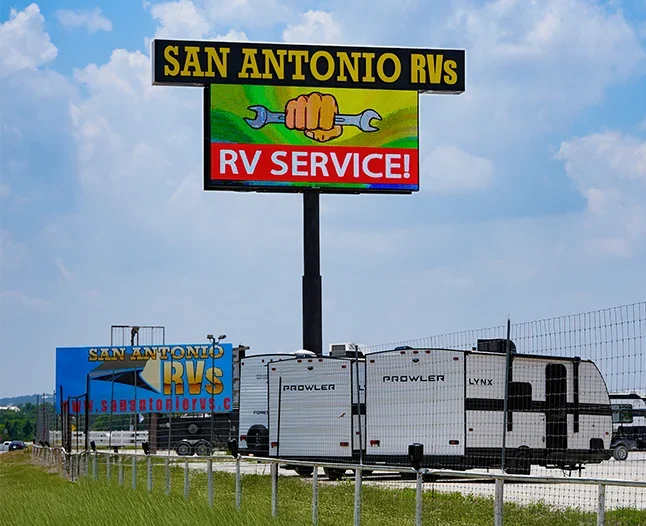
Premier is a customizable Outdoor LED sign, perfect for the Entrepreneur who knows that large custom sized signs cultivated for their specific business is the way to go.

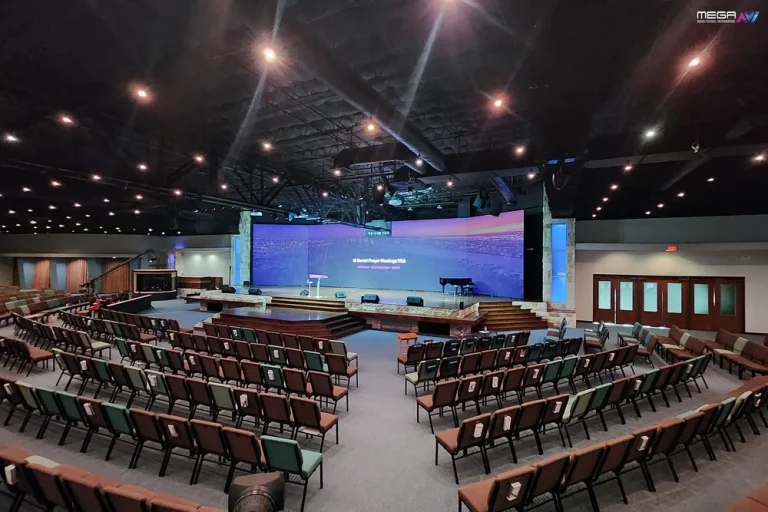
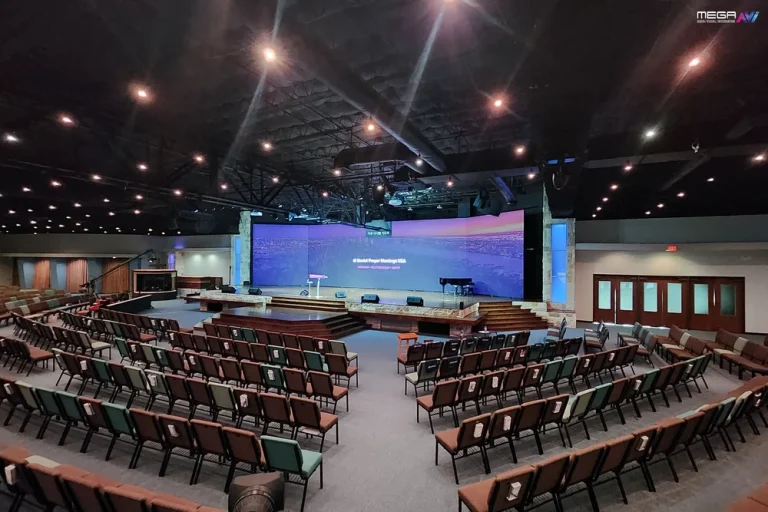
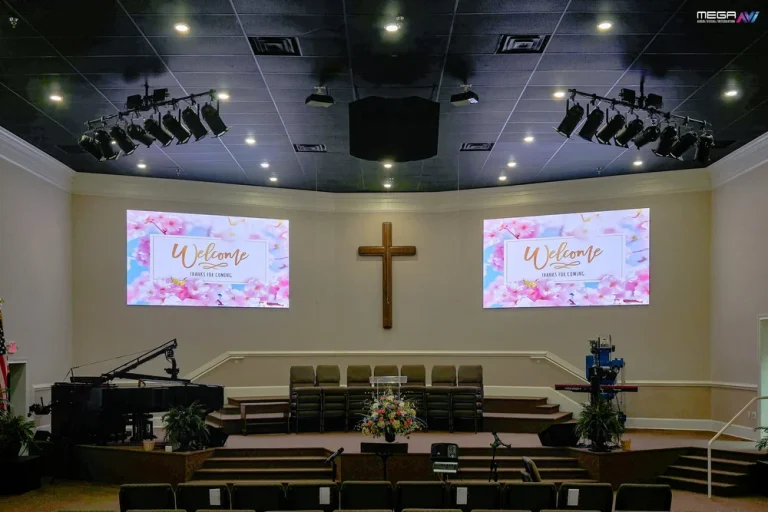
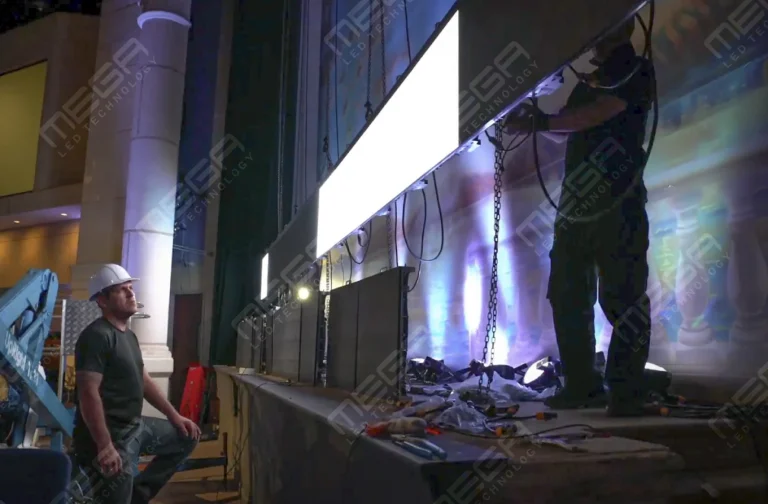
Programmable Stage LED signs, great for indoor assemblies, congregations, and presentations! Blow your competitors out of the water, or keep your congregation and audience glued to your message.

Alpha LED sign boards are great for anything from churches, to schools, to business. They tend to do great in large open spaces, where they are clearly visible.
Omega is our newest line of outdoor digital signs. Running the full gambit from cabinet, to LED sign, to logo on top, or any configuration of your choice!
Premier is a customizable Outdoor LED sign, perfect for the Entrepreneur who knows that large custom sized signs cultivated for their specific business is the way to go.
Programmable Stage LED signs, great for indoor assemblies, congregations, and presentations! Blow your competitors out of the water, or keep your congregation and audience glued to your message.
Your signage is the first thing customers see, yet static signs do not move, do not update, and do not stop anyone. Digital signage promises to fix that, but before you invest, you need the full picture: the real advantages, the real disadvantages, and the mistakes that turn expensive screens into expensive problems.

 Digital signage refers to any screen-based display system (from indoor retail monitors to outdoor LED signs) that delivers dynamic content through a Content Management System (CMS). You’ll find it in retail stores, restaurants, corporate offices, healthcare waiting rooms, and hotel lobbies.
Understanding both sides means looking through a business lens. What does it cost, what results does it drive, and what can go wrong? The advantages compound when content is actively managed. The disadvantages bite hardest when ignored.
The biggest misconception: digital signage is not set-and-forget. Multi-location businesses with frequently changing messaging extract the most value. Single-location operators with static messaging may find the return harder to justify.
The core business case for digital signage rests on four pillars: reach, speed, engagement, and measurement.
A digital display can push a new message to every screen in every location within seconds. That speed supports faster campaign execution, lower print costs, and more responsive communication.
When content is actively tested and refreshed, these advantages build on each other, turning screens from a passive fixture into an active revenue tool.
Scale amplifies every advantage. A single screen in one location delivers modest gains. Ten screens across five locations, all managed from one dashboard with shared templates and coordinated scheduling, multiply the reach and reduce the per-screen cost of content production.
The operational leverage of centralized management is often the tipping point that moves digital signage from a nice-to-have into a measurable competitive advantage.
Motion captures attention in a way static posters cannot. Studies show 83% of people recall an advertisement seen on an LED sign board, and 84% of retailers say digital signage creates stronger brand awareness than traditional channels.
High-impact formats like promotions, rotating menus, wayfinding, and real-time alerts drive the strongest results. The key is restraint: a clear call to action, readable fonts, and limited motion complexity.
Overcrowded screens with competing animations lower recall. Strong content design, not screen brightness, determines whether your display stops people or gets ignored.
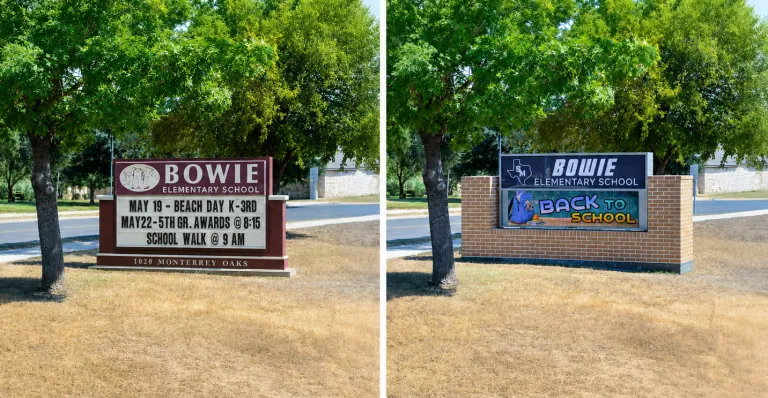
Our Alpha LED sign boards give you programmable messaging without the complexity of a full CMS setup. It’s the sweet spot for businesses that want digital without the overhead.
Replacing a printed sign takes days. A digital update takes seconds.
Cloud-based platforms let you control messaging across multiple locations from a single dashboard, with no trucks, no printing, and no installation crews needed.
Scheduling adds precision: a restaurant can rotate breakfast, lunch, and dinner menus automatically, while a retailer can trigger flash sale content the moment a campaign goes live. According to digital signage market research by Grand View Research, the sector is growing at 8.1% CAGR as businesses increasingly recognize these operational gains.
The ability to run rapid A/B tests and measure which creative performs better is a strategic advantage static signage simply cannot match.
Interactive digital signage (touch screens, QR code flows, and self-service kiosks) deepens the customer relationship beyond passive viewing.
Touchscreen displays increase shopper engagement by up to 33%. In healthcare settings, digital signage reduces perceived wait times by up to 35%. Location-specific content, audience-specific messaging, and multilingual options let businesses personalize communication at scale. ‘
However, interactivity requires careful UX design, accessibility planning, and regular maintenance. A poorly designed touch interface frustrates more customers than it helps. Start with simpler applications like QR codes before committing to full kiosk deployments.
 Digital signage generates data that print never could.
Play logs confirm content ran on schedule, dwell time indicates engagement, and unique QR or promo codes tie screen exposure to conversions.
Avoid vanity metrics. Measure business KPIs: sales lift, foot traffic, and inquiry volume. According to digital signage statistics from Mvix, digital displays can drive a 31.8% upswing in overall sales volumes. A content scorecard reviewed monthly turns digital signage from a cost center into a measurable growth tool.
Every advantage comes with a corresponding cost or complexity. Disadvantages fall into five categories:
These challenges differ by environment. A single indoor screen is far simpler than a multi-location outdoor network. For organizations with simple, unchanging messaging, the disadvantages can genuinely outweigh the benefits.
A typical digital signage setup costs between $680 and $3,400+ per screen, covering display hardware, media player, mounting, installation, and initial software.
Commercial-grade outdoor LED signs run considerably higher. Software subscriptions add $10 to $300 per screen per month on ongoing models, though at MEGA LED Technology, our outdoor LED signs include cloud management software with the hardware purchase, with no monthly software fee.
Hidden costs catch many buyers off guard: content design and video production, staff time for ongoing management, and hardware replacement cycles all accumulate.
Working directly with a manufacturer helps businesses budget accurately by matching commercial-grade hardware to the environment and identifying support and maintenance needs upfront, before surprises appear post-installation.
Digital signage has failure points that print does not. Common causes of downtime include power interruptions, Wi-Fi outages, media player crashes, and software update conflicts.
A blank screen during peak hours signals unreliability to customers and can cause wrong promotional content running at the wrong time.
Businesses should implement remote monitoring, maintain failover content, keep spare hardware on site, and involve IT from the start, not as an afterthought.
Build a documented recovery plan before your first screen goes live. That plan should cover who gets notified when a screen goes dark, where the spare media player is stored, and how quickly your CMS provider responds to a support ticket.
Businesses that treat downtime as a “when” rather than an “if” recover faster and lose fewer impressions during the gap. A 15-minute recovery is invisible to most customers, but an eight-hour blank screen during a Saturday rush is not.
Repetitive content loops are the fastest way to become invisible. When the same four slides cycle on your lobby screen for six months, regular visitors stop noticing.
Fatigue is driven by over-busy motion, irrelevant messaging, and content that wasn’t designed to hold attention beyond one viewing.
The fix is operational: a rotating content calendar, frequency caps on individual creative pieces, dayparting (different content for different times of day), and seasonal campaign refreshes. Short messages with clear visual hierarchy consistently outperform dense text slides.
Set a hard expiration date for every piece of content the moment it enters the playlist. Promotions should retire automatically on their end date, and evergreen content should cycle out for a refresh every 60 to 90 days. A CMS with built-in expiration scheduling eliminates the most common cause of stale screens: content that no one remembered to remove.
Connected digital signage systems carry real network security risks. Unauthorized access to your CMS can cause tampered displays or brand damage. If your system uses cameras or analytics, it may carry privacy compliance obligations.
Best practices include multi-factor authentication, role-based access controls, network segmentation, and current firmware updates.
Any deployment collecting personal data should be reviewed against applicable regulations before launch.
Risk scales with network size. A single standalone screen with no internet connection carries minimal exposure. A fleet of 50 CMS-connected displays across multiple locations, each accessible through a cloud dashboard, presents a much larger attack surface.
Audit your access credentials quarterly, remove former employees from the CMS immediately upon departure, and ensure your signage network sits on a separate VLAN from your primary business systems. These steps cost nothing but prevent the kind of incident that damages customer trust and generates unwanted attention.
Commercial displays rated for 50,000 to 100,000 hours still require scheduled maintenance: cleaning, firmware updates, brightness calibration, and periodic hardware replacement.
Energy consumption is ongoing and tied to screen size, brightness, and operating hours. Always-on outdoor signs consume significantly more power than indoor lobby displays.
 Scheduling off-hours shutdowns, choosing energy-efficient hardware, and planning for responsible disposal are all part of a sustainable, cost-managed deployment.
Most digital signage failures are content and operations failures, not technology failures. The screens work. Mistakes happen in how organizations plan, manage, and govern what goes on. Every common mistake is preventable with the right structure in place before launch.
Without a content calendar, screens go stale fast. Outdated promotions run after events end.
Inconsistent branding appears across locations when no one owns the approval process. The recommended workflow:
Templates and brand standards applied at the design stage eliminate consistency problems and speed up production. Businesses that treat content management as an ongoing function see consistently stronger results.
Running digital signage well requires IT for infrastructure, design for content, and analytics for performance. Many organizations underestimate this at purchase and find no one person owns the full stack.
In-house management works when roles are clearly defined. Agency support adds creative capacity. Managed service providers handle everything from content to uptime, and they are the best option for multi-location operators.
Start simple with announcements and menus, then add complexity only when the basics run consistently well.
Digital signage delivers the strongest ROI in three scenarios: high-traffic environments where cost-per-impression is low, multi-location businesses where centralized management replaces print logistics, and organizations with frequently changing content where update speed directly reduces costs. According to digital signage ROI research, screens in retail environments can increase overall sales volumes by up to 31.8%, and banks typically recover their investment within 18 months.
When it may not be worth it: very low foot traffic, one-off campaigns, or messaging that genuinely never changes. A practical decision checklist: Does your messaging change more than once a month? Do you operate more than one location? Do you currently spend a significant budget on print production and logistics? If you answered yes to two or more, digital signage likely justifies the investment. The recommendation for new adopters is always to pilot with a single location or small network first.
| Factor | Favors Digital Signage | Favors Static / Print |
|---|---|---|
| Content change frequency | Weekly or more | Rarely or never |
| Number of locations | 2 or more locations | Single location |
| Foot traffic volume | High traffic environments | Low to moderate traffic |
| Budget availability | Can absorb upfront cost | Tight, project-based |
| Content complexity | Video, animations, data | Simple text or images |
Digital signage performs best when information is dynamic, audiences are captive, and update speed matters.
High-value applications include retail promotions, restaurant digital menu boards (which drive up to 20% of order volume, per purchase behavior data from Mood Media), hospital wayfinding, corporate communications, and hotel event boards. Match the use case to what your team can realistically maintain.
A video wall requires dedicated creative resources, while a simple announcement board can be managed in minutes per week.
The strongest deployments pair signage with a specific operational trigger. A doctor’s office that displays estimated wait times reduces front-desk complaints. A car dealership that rotates financing offers by vehicle category shortens the sales conversation.
A gym that shows class schedules on a lobby screen cuts repetitive staff questions in half. In each case, the screen is solving a defined problem rather than simply filling wall space.
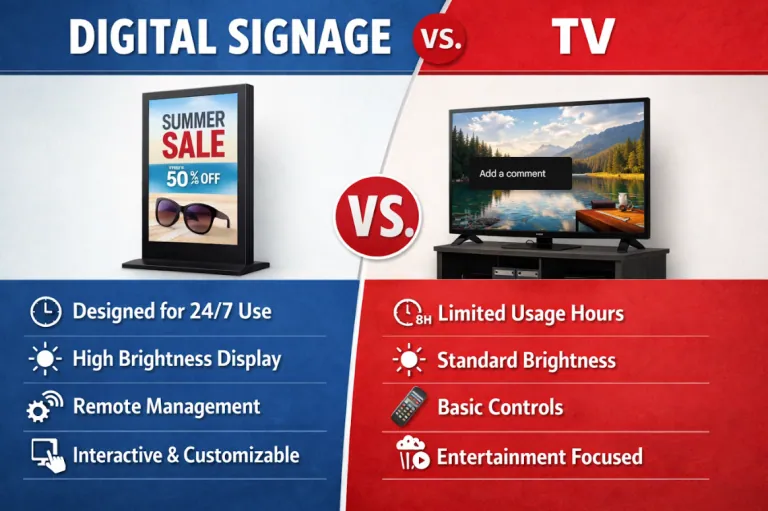
Neither digital nor traditional signage is universally better. They serve different needs. Digital signage excels at speed, flexibility, and engagement.
Traditional and static signage excels at simplicity, durability, and cost predictability. A carved monument sign or vinyl banner requires no software, no connectivity, and no ongoing licensing, and in many settings that is exactly right.
Our Alpha LED sign boards combine the permanence of a professional outdoor structure with the flexibility of programmable digital messaging, giving businesses the advantages of both without choosing between them.
The best operators use both strategically: static signage for permanent brand identification at the street level, and digital displays for dynamic promotional content closer to the point of purchase.
Cost predictability is another factor worth weighing honestly. A traditional sign has a fixed cost at installation and zero recurring fees. Digital signage carries monthly software subscriptions, content production cycles, and eventual hardware replacement.
For businesses with stable messaging that rarely changes, traditional signage can deliver decades of value at a fraction of the total cost. The right answer depends entirely on how often your message needs to change and how much that flexibility is worth to your operation.
The primary advantages are dynamic content that captures attention, instant remote updates, time-of-day scheduling, interactive engagement, and measurable performance data. Businesses that actively manage their content consistently report stronger outcomes than those that treat screens as a one-time installation.
For most businesses with high foot traffic, multiple locations, or frequently changing messaging, yes. Setup costs range from $680 to $3,400+ per screen, but retailers report sales volume increases of up to 31.8%. The clearest signal: if you’re currently spending significant time and money producing and replacing static signage, the math shifts quickly in digital’s favor.
The primary advantages are dynamic content that captures attention, instant remote updates, time-of-day scheduling, interactive engagement, and measurable performance data. Businesses that actively manage their content consistently report stronger outcomes than those that treat screens as a one-time installation.
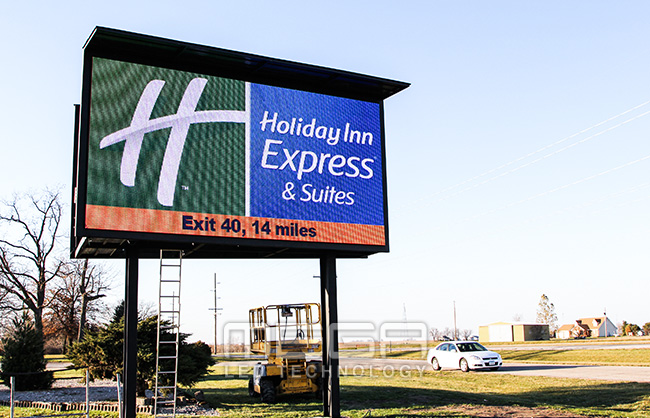
Our Premier outdoor LED sign delivers high-brightness, weatherproof visibility built for busy roadsides.
Our Alpha LED sign board lets you update messaging remotely for always-current content.
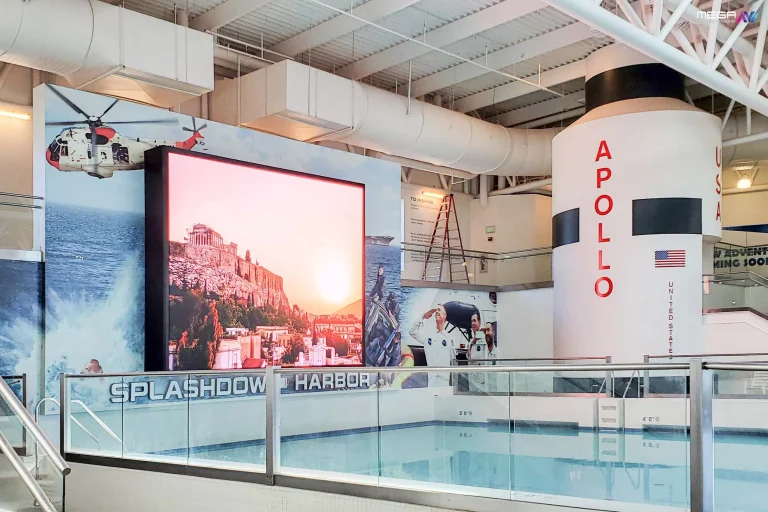
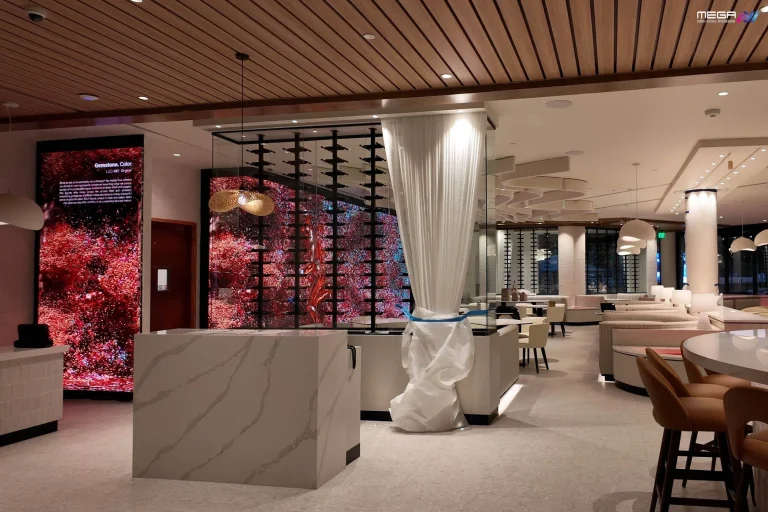
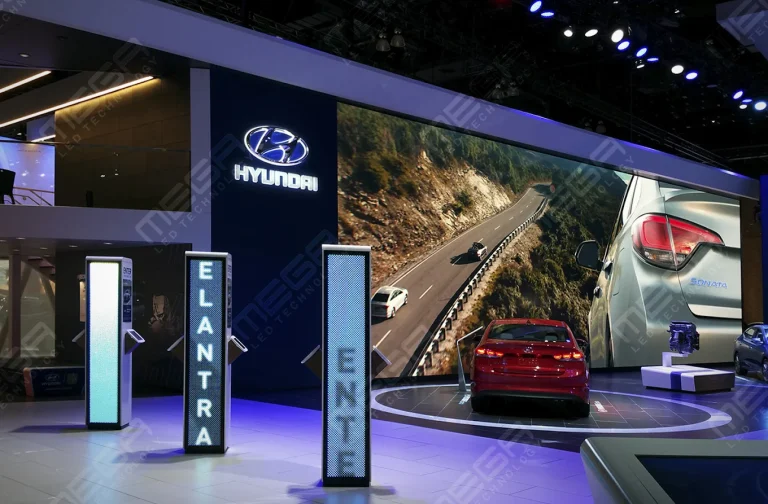
An SMD indoor video wall from MEGA LED delivers full-motion content that stops customers at the point of decision.
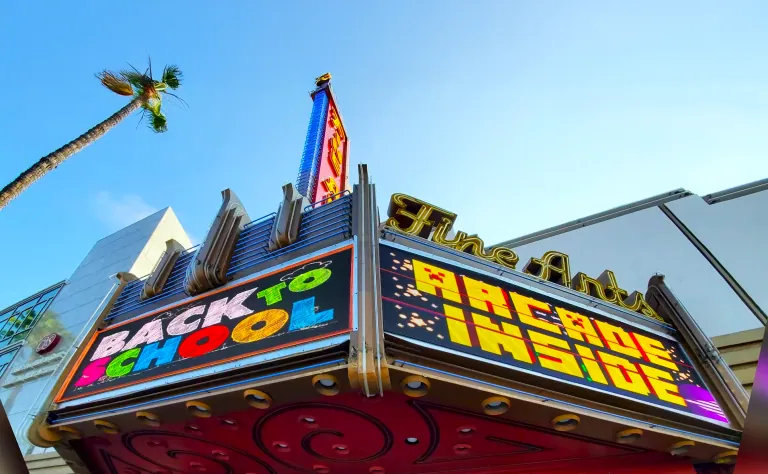
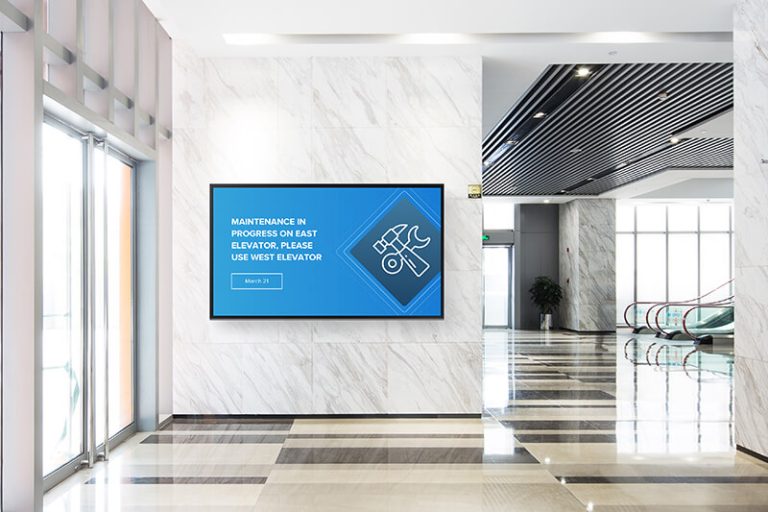
An indoor programmable display cycles your content effortlessly, ideal for lobbies, waiting rooms, or dining areas.
For most businesses with high foot traffic, multiple locations, or frequently changing messaging, yes. Setup costs range from $680 to $3,400+ per screen, but retailers report sales volume increases of up to 31.8%. The clearest signal: if you’re currently spending significant time and money producing and replacing static signage, the math shifts quickly in digital’s favor.
Every drawback of digital signage, from higher upfront costs to technical complexity and content fatigue, comes down to the partner you choose to guide you through it. MEGA LED Technology exists to help organizations turn screens into a reliable, mission driven communication channel instead of another piece of confusing tech.
On the financial side, MEGA pairs commercial grade LED hardware with cloud based control software that is included with our outdoor LED signs, so you are not locked into escalating software subscriptions just to keep your message on the screen. Because we design and manufacture our own displays using modular, serviceable components, repairs are faster, parts are easier to replace, and your long term cost of ownership stays clear and manageable.
Technical risk feels very different when you have a responsive, long term partner standing behind your system. MEGA combines simple scheduling tools with training and lifetime technical support, so your team always knows who to call and what to do when something needs attention. Remote friendly controls, industrial grade components, and clear documentation work together to reduce downtime and keep your screens supporting your mission instead of sitting dark.
Content and operations are where many projects struggle, which is why MEGA provides design guidance and ready made templates that make it easier to keep your messaging fresh, on brand, and easy to read. Instead of starting from a blank canvas every time, your team can update offers, announcements, and community messages in minutes and stay focused on serving people, not wrestling with software.
If you are weighing the pros and cons of digital signage, MEGA LED Technology offers more than a sign. You gain a committed partner who cares about clarity, reliability, and the real world impact your screens have on the people you serve. Request a custom proposal and we will help you design a digital signage plan that fits your locations, your budget, and your mission.










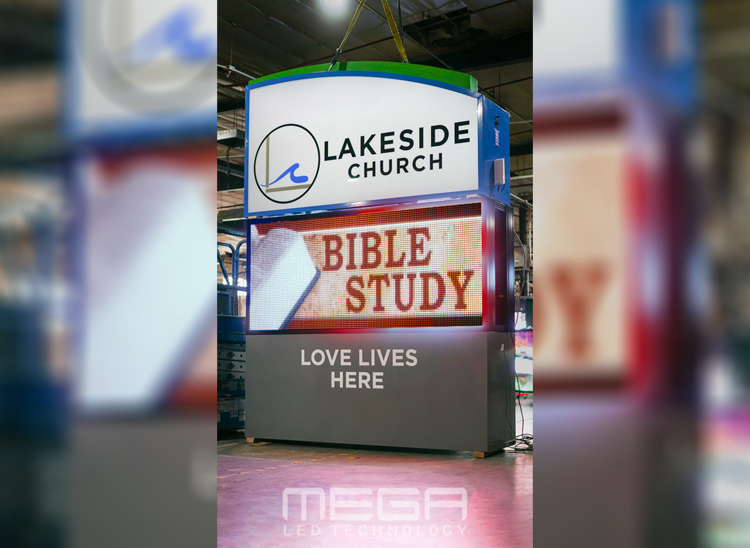













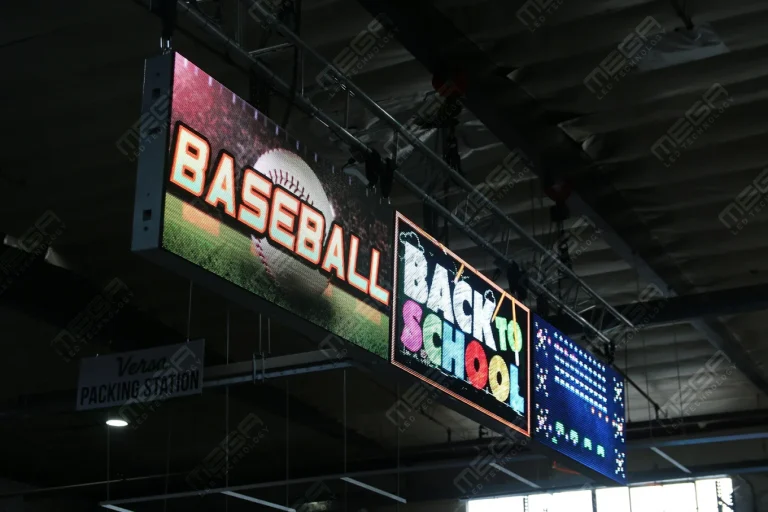





Alpha LED sign boards are great for anything from churches, to schools, to business. They tend to do great in large open spaces, where they are clearly visible.
Omega is our newest line of outdoor digital signs. Running the full gambit from cabinet, to LED sign, to logo on top, or any configuration of your choice!
Premier is a customizable Outdoor LED sign, perfect for the Entrepreneur who knows that large custom sized signs cultivated for their specific business is the way to go.
Programmable Stage LED signs, great for indoor assemblies, congregations, and presentations! Blow your competitors out of the water, or keep your congregation and audience glued to your message.