

What Is Smart Digital Signage? How Intelligent Screens Use Data, Software And Automation
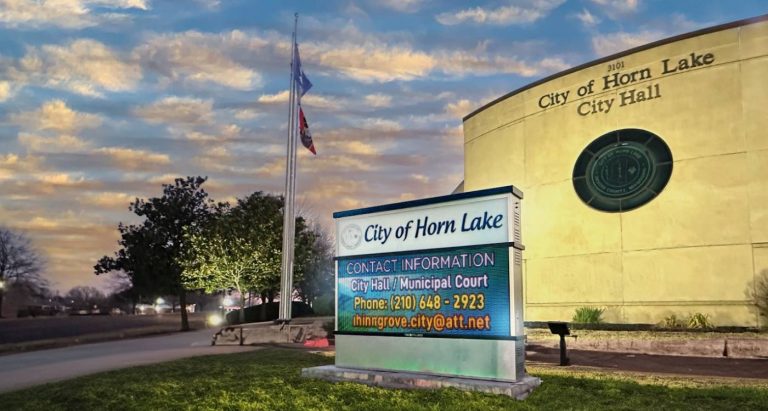

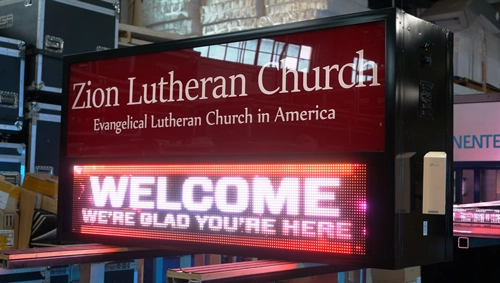
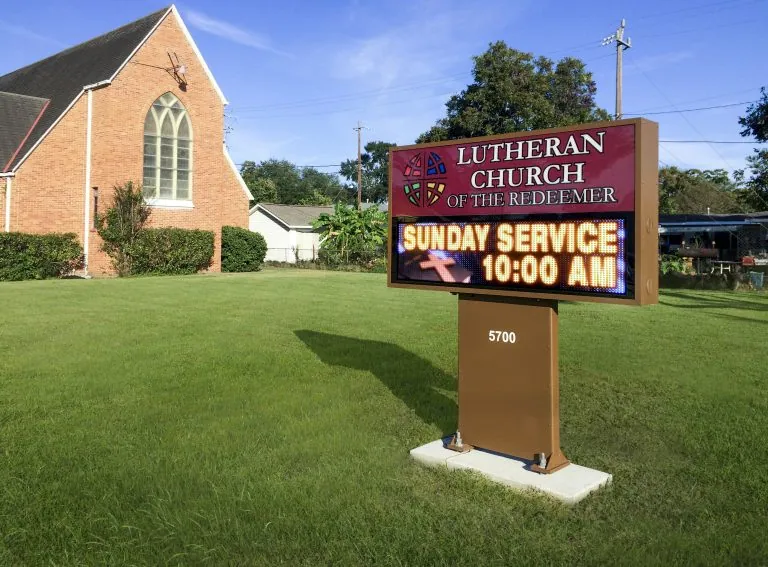
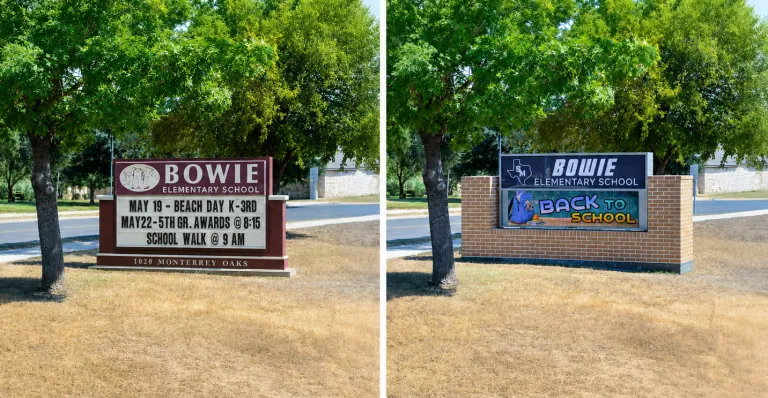
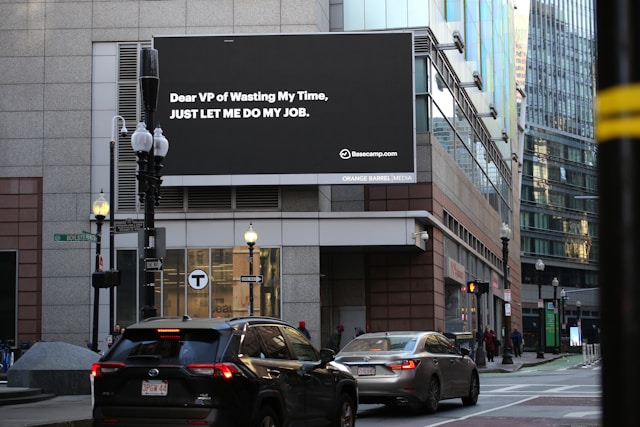
Alpha LED sign boards are great for anything from churches, to schools, to business. They tend to do great in large open spaces, where they are clearly visible.

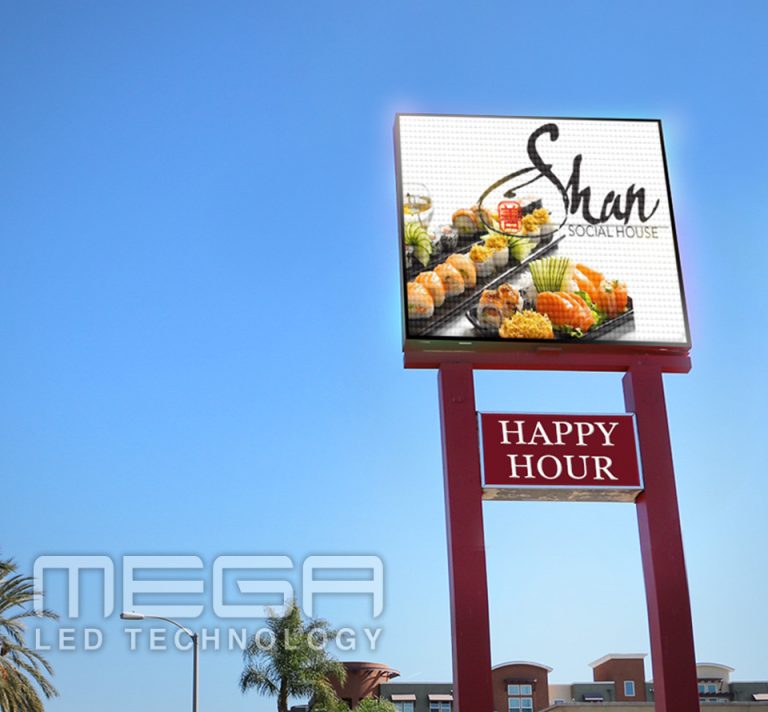
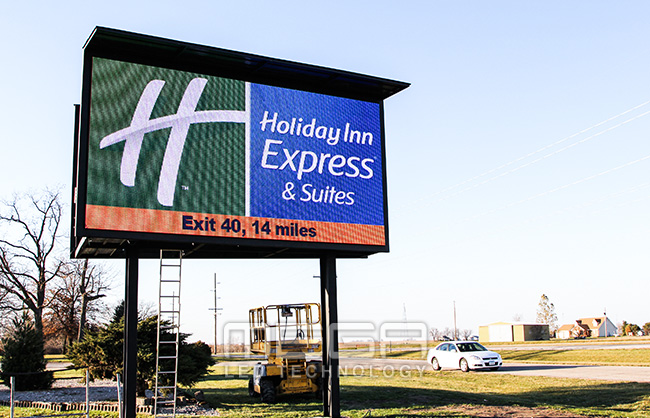
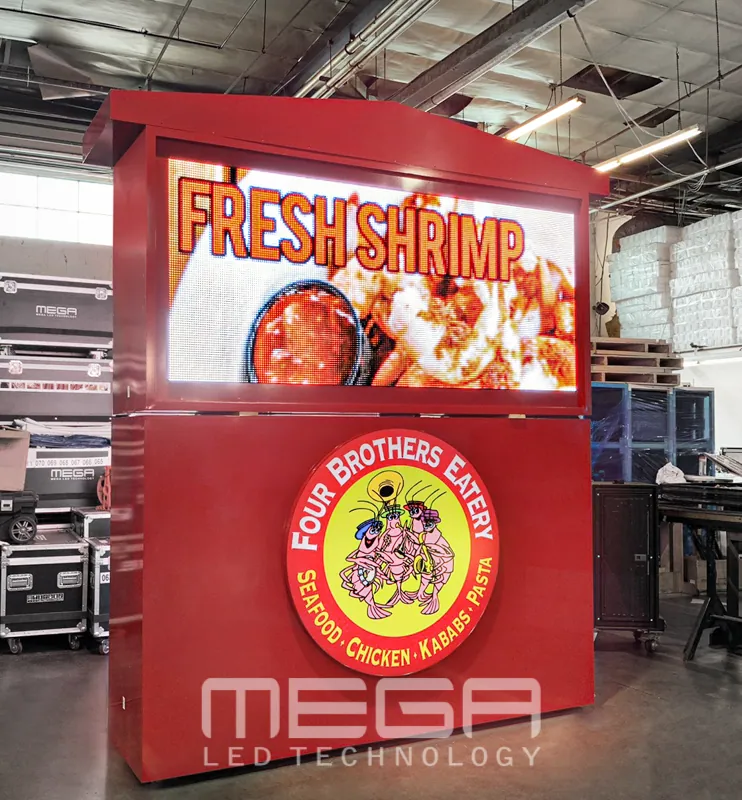
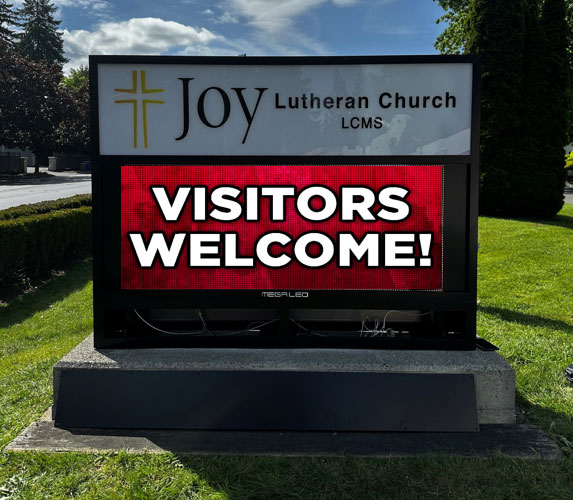
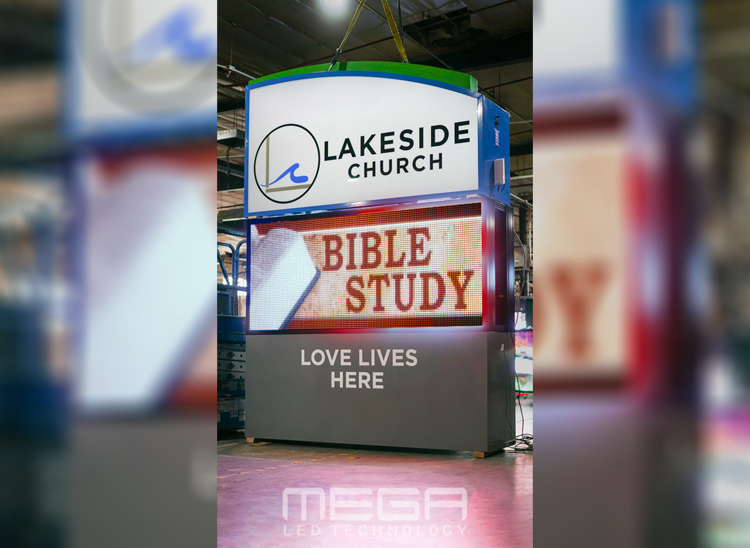
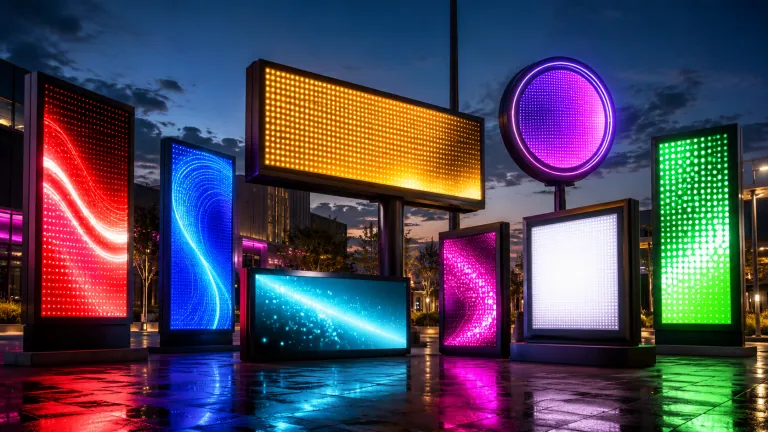
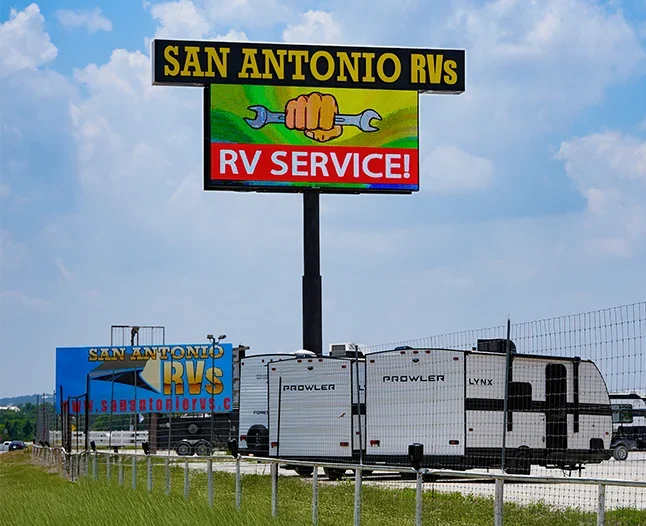
Omega is our newest line of outdoor digital signs. Running the full gambit from cabinet, to LED sign, to logo on top, or any configuration of your choice!

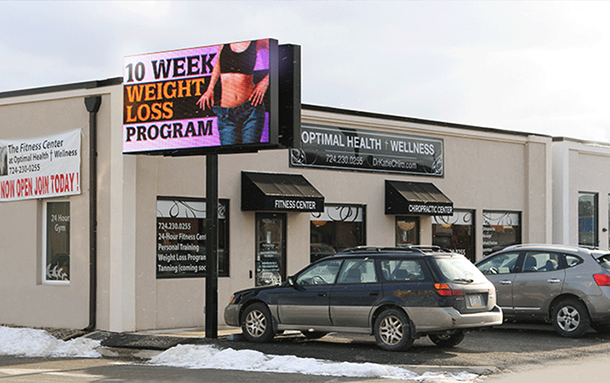
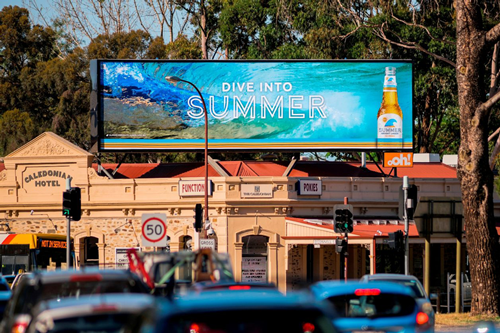
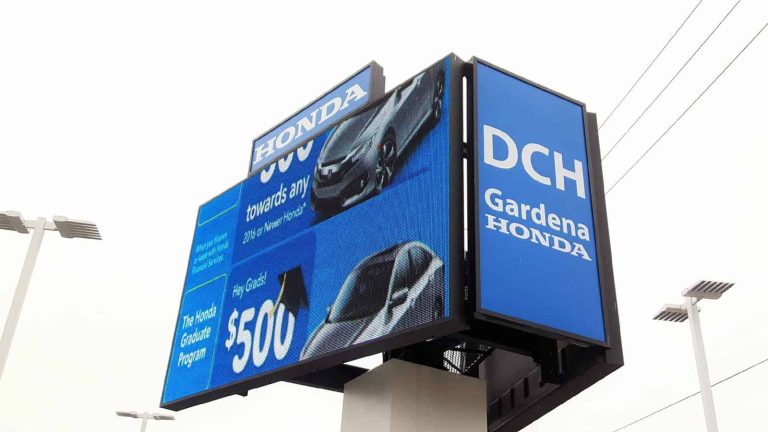
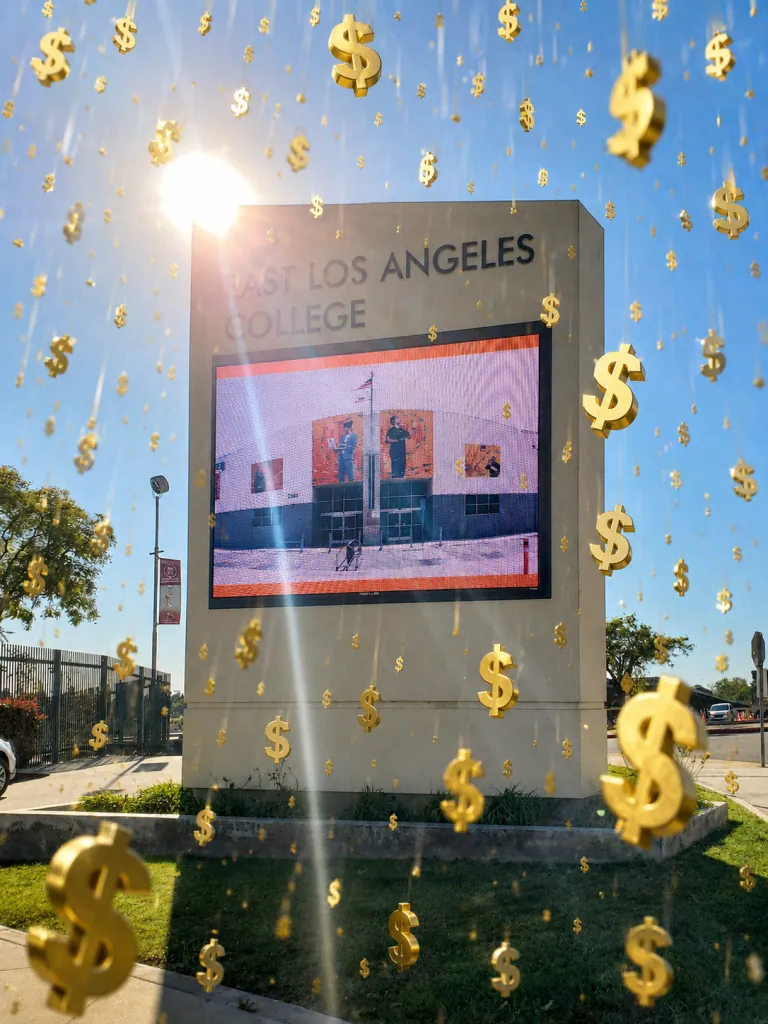
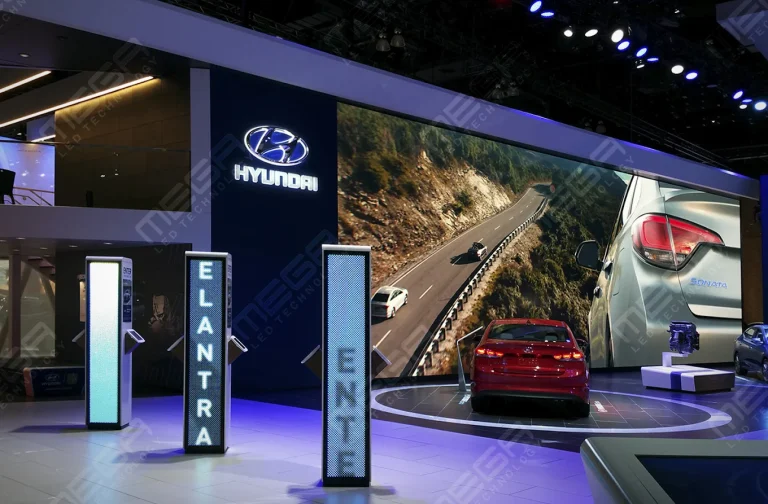
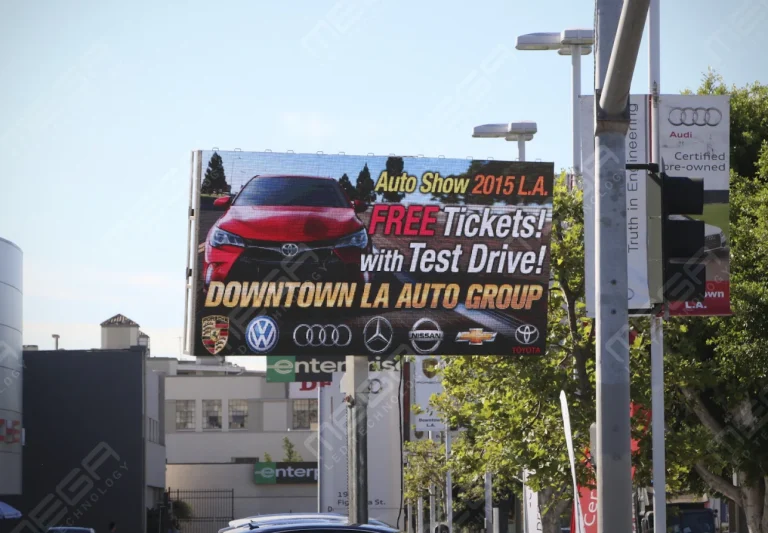
Premier is a customizable Outdoor LED sign, perfect for the Entrepreneur who knows that large custom sized signs cultivated for their specific business is the way to go.

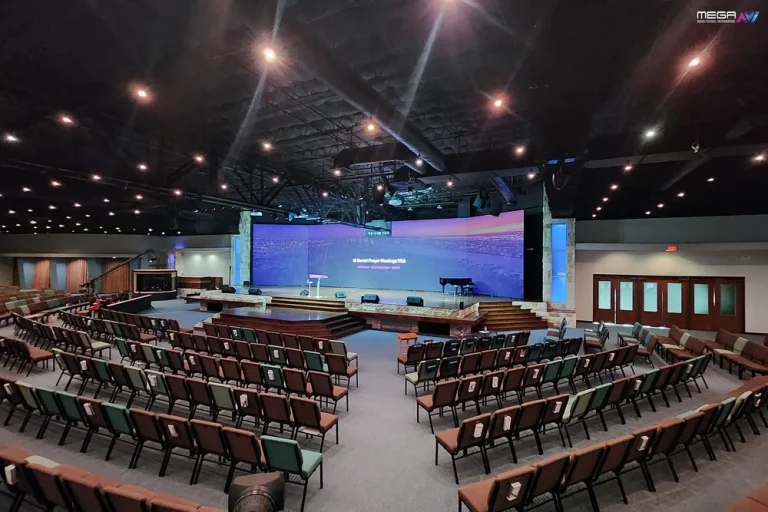
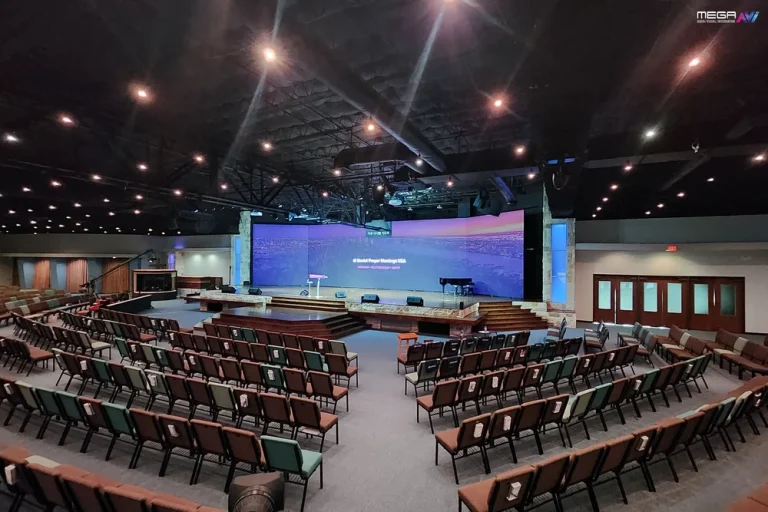
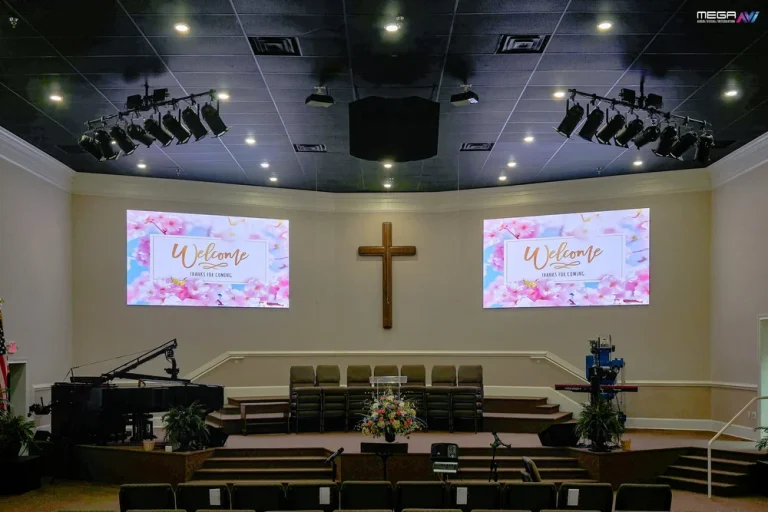
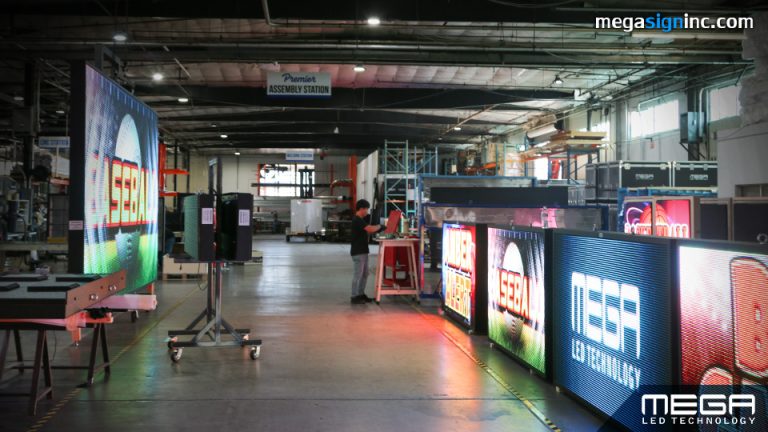
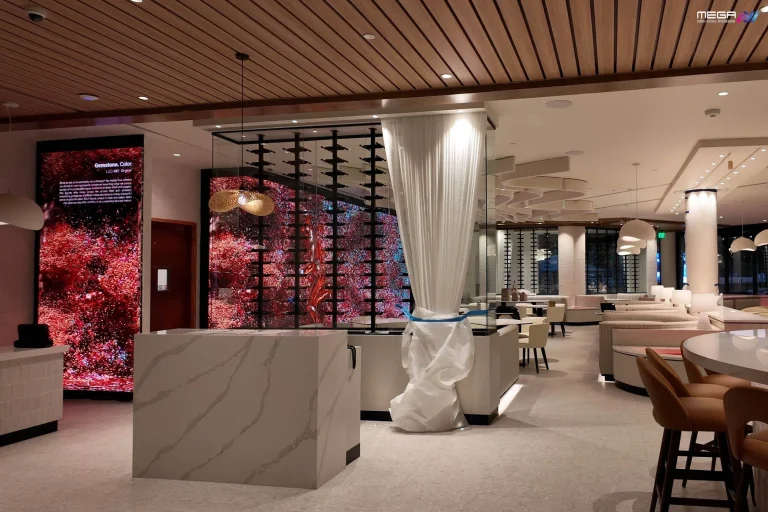
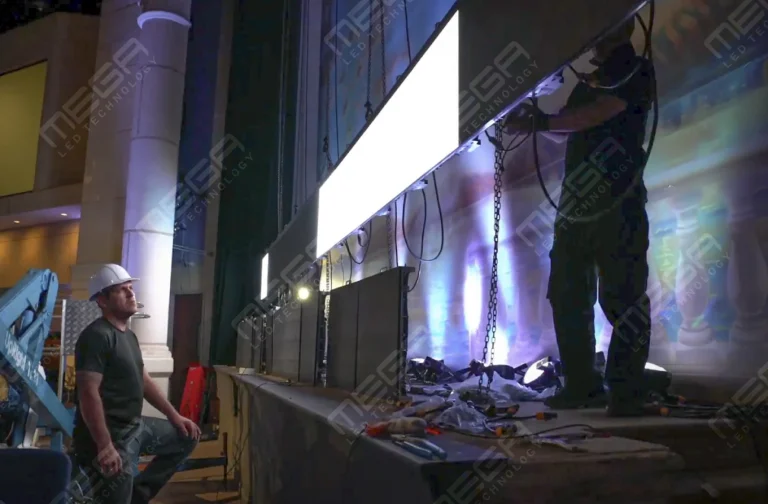
Programmable Stage LED signs, great for indoor assemblies, congregations, and presentations! Blow your competitors out of the water, or keep your congregation and audience glued to your message.

Alpha LED sign boards are great for anything from churches, to schools, to business. They tend to do great in large open spaces, where they are clearly visible.
Omega is our newest line of outdoor digital signs. Running the full gambit from cabinet, to LED sign, to logo on top, or any configuration of your choice!
Premier is a customizable Outdoor LED sign, perfect for the Entrepreneur who knows that large custom sized signs cultivated for their specific business is the way to go.
Programmable Stage LED signs, great for indoor assemblies, congregations, and presentations! Blow your competitors out of the water, or keep your congregation and audience glued to your message.
Choosing the wrong church LED screen means squinting congregants, washed-out lyrics, and money spent twice. The right screen matches your sanctuary layout, viewing distance, content needs, and budget the first time. This guide walks through every decision point.

Choosing a church LED screen starts with understanding worship goals, room conditions, congregation size, and media needs. The display is a tool for communication, not a technology purchase for its own sake.
The main decision factors are content type, screen size, pixel pitch, brightness, installation environment, durability, and budget. Churches should avoid choosing only by price because low-quality displays can create poor visibility, maintenance issues, or a short lifespan.
The best LED screen for a church is the one that fits the sanctuary layout, viewing distance, content plans, and long-term use. A screen that looks great in a showroom but washes out under sanctuary lighting is a bad investment.
LED displays help churches make lyrics, scripture, sermon points, announcements, and visuals easier to see. The goal is better communication and engagement, not technology for its own sake.
According to Lifeway Research’s Lifeway attendance research, 51% of Protestant pastors identify Mother’s Day as one of their three highest-attendance Sundays. On those high-attendance days, screens need to be readable from every seat in the house, including overflow seating.
LED screens can support in-person services, livestream production, conferences, youth events, and special programs. Advanced display technology can create a more immersive worship experience without distracting from the service itself.

Churches can choose from indoor LED walls, outdoor LED screens, transparent LED displays, stage backdrops, side screens, and portable LED systems. The right type depends on the use case, space, budget, and installation environment.
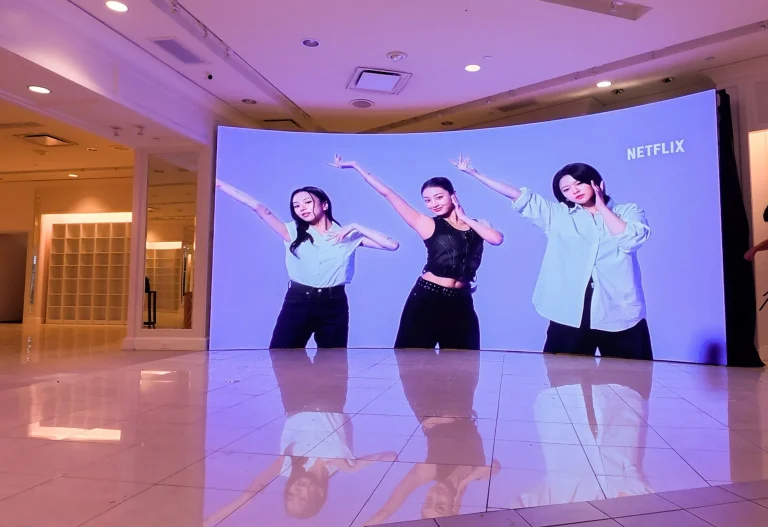
Some formats are better for worship visuals (stage walls, side screens), while others are better for signage, events, or architectural design (transparent panels, outdoor displays). Our indoor video walls are a popular choice for sanctuaries that need a seamless, high-brightness display behind the stage.
Screen type should be chosen after defining the church’s content needs and physical environment. A portable LED system for a youth ministry looks very different from a permanent wall installation behind a pulpit.
Indoor and outdoor LED screens have different brightness, durability, and protection requirements. Indoor screens prioritize image quality, aesthetics, and comfortable brightness for a controlled environment. They typically use finer pixel pitches (4mm to 6mm) for close viewing and run at lower brightness levels so they don’t strain the eyes during a two-hour service.
Outdoor screens need weather resistance, higher brightness (5,000+ nits), and stronger construction to handle sun, rain, heat, and temperature swings. IP67 or higher ratings on the front face protect against water and dust. Evaluate the installation environment before choosing the display type. An indoor screen mounted in a covered outdoor pavilion may seem like a cost saver, but it won’t survive the first summer of Texas heat or the first hard freeze up north.
Get a free quote from our team. We review your sanctuary layout, viewing distance, and budget to recommend the best display option.
Church LED screen budgets should include equipment, installation, control systems, power, structure, training, warranty, and maintenance. Pixel pitch, size, brightness, indoor or outdoor rating, and component quality all affect pricing.
Churches should consider long-term costs instead of only the purchase price. A clear, realistic budget helps suppliers recommend options that actually fit instead of showing you everything in the catalog. We offer free quotes through our outdoor church signs page that include the display, installation, permitting, MEGA Cloud software, and lifetime training so churches see the real total cost before committing to a purchase.

Long-term costs may include replacement modules, calibration, electricity, software access, and technical support. Cheaper displays can cost more over time if reliability is poor and service calls become frequent.
A display backed by a 5-year warranty with covered parts, labor, and power supplies will cost less over its lifetime than a bargain screen with a one-year warranty and no support structure. We’ve seen churches replace low-cost signs within three years and wish they had invested in quality upfront.
Screen size should be based on sanctuary dimensions, viewing distance, seating layout, and content type. Large rooms usually need larger screens or multiple displays so text remains readable from the back row.
The International Sign Association’s ISA sign visibility guidelines recommend sizing displays so the content is legible from every intended viewing position. Screen shape and aspect ratio affect worship visuals, sermon slides, and video playback. A wide 16:9 format works well for video. A taller format may work better for lyrics.
Bigger is not always better if the screen overwhelms the stage or exceeds the needed resolution for the viewing distance.
Our church signs are engineered in the USA with weatherproof cabinets and programmable displays you control from your phone or laptop.
Brightness determines whether the screen remains visible under sanctuary lights or sunlight. Indoor church screens typically need 800 to 1,500 nits for a standard sanctuary with controlled lighting.
Outdoor church LED screens require much higher brightness, often 5,000 nits or more, to remain readable in direct sunlight. The U.S. Department of Energy’s DOE LED lighting research notes that LED technology delivers high luminous efficacy with lower energy consumption, which is why LED displays can achieve outdoor-grade brightness without excessive power draw.
Adjustability matters. Worship environments change between bright announcements, dim worship segments, and dynamic stage lighting. A screen that can’t dim during a quiet prayer moment becomes a distraction instead of a tool.
Viewing distance affects pixel pitch, screen size, and readability. The distance to the front row is especially important because close viewers can notice the pixel structure on coarser-pitch displays.
A common guideline is that minimum viewing distance in feet roughly equals the pixel pitch in millimeters multiplied by three. A 6mm display looks smooth from about 18 feet. A 4mm display looks smooth from about 12 feet. If your front pew is 10 feet from the screen, a 6mm pitch will show visible pixel gaps to those closest seats.
Viewing angle determines how clear the screen looks from side seats. Wide viewing angles (120 degrees or more) are important in sanctuaries with broad seating layouts. Poor viewing angles make side viewers see weaker brightness, color shifts, or reduced clarity that pulls attention away from the message.
Church LED screens should handle weekly services, rehearsals, events, and seasonal programs without failure. Screen failure during worship disrupts communication at the moment it matters most, and a dark screen in front of 500 people on Easter Sunday is not something any church wants to experience.
Durable LED displays use quality components, stable power systems, strong cabinets, and good heat management. We build our displays with 4-layer copper PCBs, gold-wire bonded LEDs, and thermostat-activated cooling fans that engage automatically when internal temperature rises.
Evaluate durability together with warranty and technical support. A display with strong components and a 5-year warranty costs less in worry and maintenance than a cheaper screen with uncertain quality.
Our indoor LED video walls deliver bright, seamless visuals for lyrics, sermon slides, video, and livestream production.
Content management and integration determine how easy the LED screen is to operate during services. Churches may need compatibility with presentation software (ProPresenter and EasyWorship), media servers, cameras, switchers, livestream tools, and audio-visual systems.
Simple controls are important for volunteer teams who may not have technical training. A system that requires an IT specialist to change a lyric slide is the wrong system for most churches. Look for displays that accept standard HDMI or SDI inputs and work with the presentation software your team already knows.
Plan connectivity before installation to avoid workflow problems. The screen, the media player, the presentation software, and the camera system all need to talk to each other without lag or compatibility issues. Running cables, mounting processors, and configuring video routing are easier to handle during installation than after the walls are closed up.
Refresh rate affects smooth motion, camera performance, and flicker control. Churches using live cameras or livestreaming should pay close attention to refresh rate and scan performance.
A low refresh rate can produce visible flicker on camera even if the screen looks fine to the naked eye. For churches with video production or online streaming, a refresh rate of 1920Hz or higher is recommended. Anything below that may produce dark scan lines or banding in recorded video that makes the content look unprofessional.
The moiré effect can appear as unwanted patterns when cameras capture LED screens. Camera testing before finalizing an LED wall is important for any church that records or broadcasts services regularly.

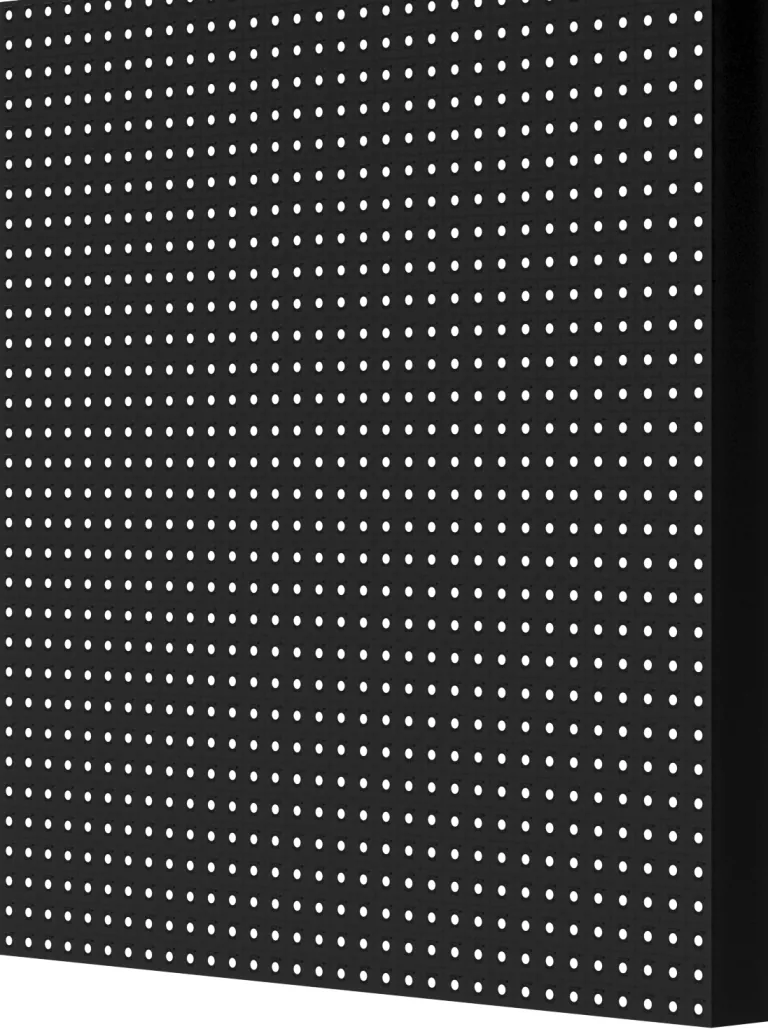
Moiré appears as wavy or grid-like patterns when camera sensors interact with the LED pixel grid. Pixel pitch, camera distance, focus, angle, and camera settings all affect whether moiré shows up in recorded or streamed video.
Choosing the right LED screen and camera setup can reduce the problem significantly. Finer pixel pitches produce smoother surfaces that cameras handle better. Higher refresh rates reduce banding. Adjusting camera distance, angle, and shutter speed during a pre-installation test session helps eliminate moiré before it reaches the congregation watching online. We always recommend a camera test with the actual equipment your production team uses before finalizing the display purchase.
LED displays produce excellent images with strong brightness, vivid color, and high contrast. They can be configured in wide walls, center screens, side displays, and creative stage layouts that projectors cannot match. Unlike projectors, LED walls don’t lose image quality when ambient light increases, which matters in sanctuaries with windows or stage lighting.
LED displays can have a high initial cost compared with projectors or consumer TVs. They also require proper installation, power planning, ventilation, and ongoing maintenance. Disadvantages can often be managed with proper planning and supplier support, so they shouldn’t disqualify LED displays from consideration. Many churches find that the long-term cost of maintaining a projector (bulb replacements, brightness degradation, alignment issues) approaches or exceeds the cost of an LED wall over a 10-year period.
| Decision Factor | What To Consider | Common Mistake |
|---|---|---|
| Pixel pitch | Match to front-row viewing distance | Buying coarse pitch for close seating |
| Brightness | Indoor 800 to 1,500 nits; outdoor 5,000+ nits | Ignoring ambient light in the sanctuary |
| Screen size | Based on back-row distance and content type | Oversizing or undersizing without measurement |
| Viewing angle | 120+ degrees for wide seating layouts | Choosing narrow-angle panels for wide rooms |
| Refresh rate | 1920Hz+ for livestream and camera use | Ignoring flicker that shows on camera |
| Budget | Include installation, power, software, warranty | Budgeting only for the display panel |
Our indoor LED video walls deliver seamless, high-resolution visuals for worship, livestream, and event environments. https://www.megasigninc.com/large-indoor-led-video-wall/
An Alpha LED sign board provides a clean, bright display in a compact format with easy content updates. https://www.megasigninc.com/alpha-led-sign-boards/
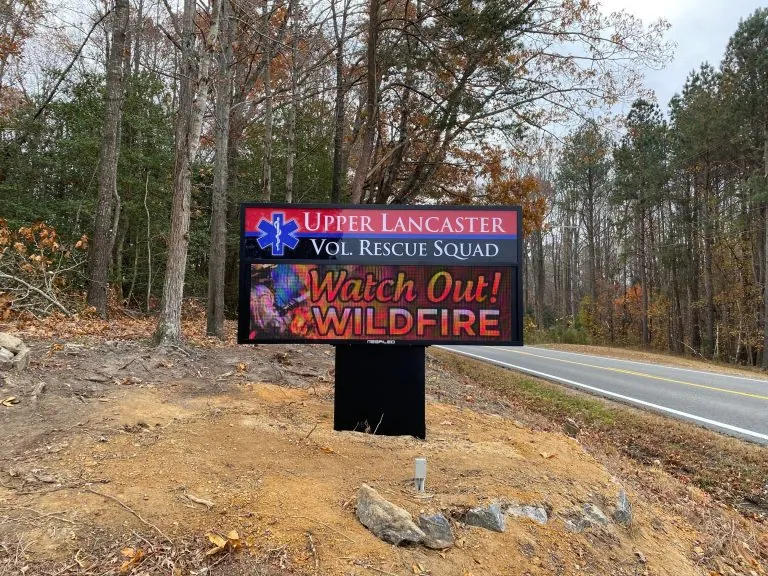
Our Premier outdoor LED signs are built with IP67-rated modules, LINE-X coated cabinets, and a 5-year warranty for roadside church signage. https://www.megasigninc.com/premier-outdoor-led-signs/
Contact our team for a free consultation tailored to your church’s needs and budget. https://www.megasigninc.com/contact/
The best LED screen depends on your sanctuary size, viewing distance, content type, and budget. Indoor worship spaces with front-row seating at 15 to 20 feet typically need a fine pixel pitch (4mm to 6mm) for smooth image quality. Larger rooms with back-row seating at 80+ feet may prioritize screen size and brightness over pixel density. Churches that livestream should look for displays with high refresh rates (1920Hz+) to avoid flicker and moiré on camera. Start by defining your worship goals and room conditions, then match the display specs to those requirements.
Screen size should be based on sanctuary dimensions, seating layout, and content type. A standard guideline is that the screen height should equal one-sixth to one-eighth of the distance from the screen to the farthest seat. A room with the last row at 90 feet would need a screen roughly 11 to 15 feet tall. Multiple displays or side screens can supplement a center screen in wide sanctuaries. The right size makes text readable from every seat without overwhelming the stage.






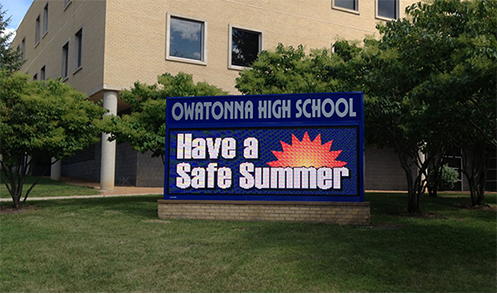






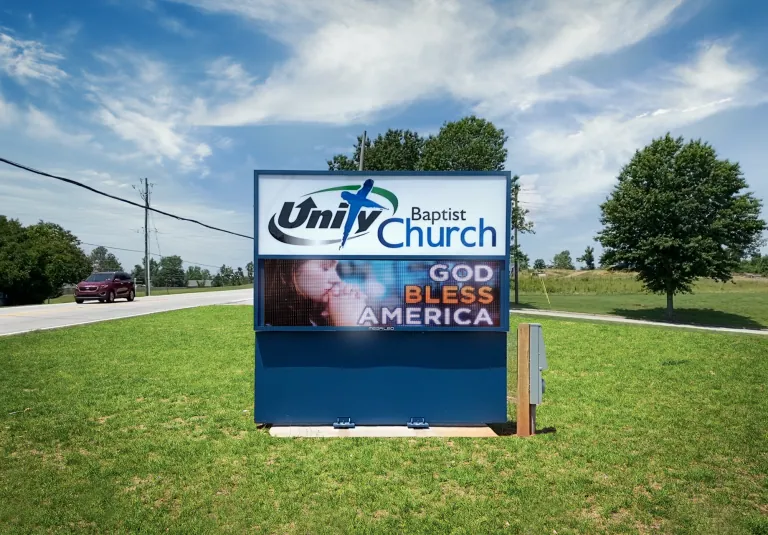

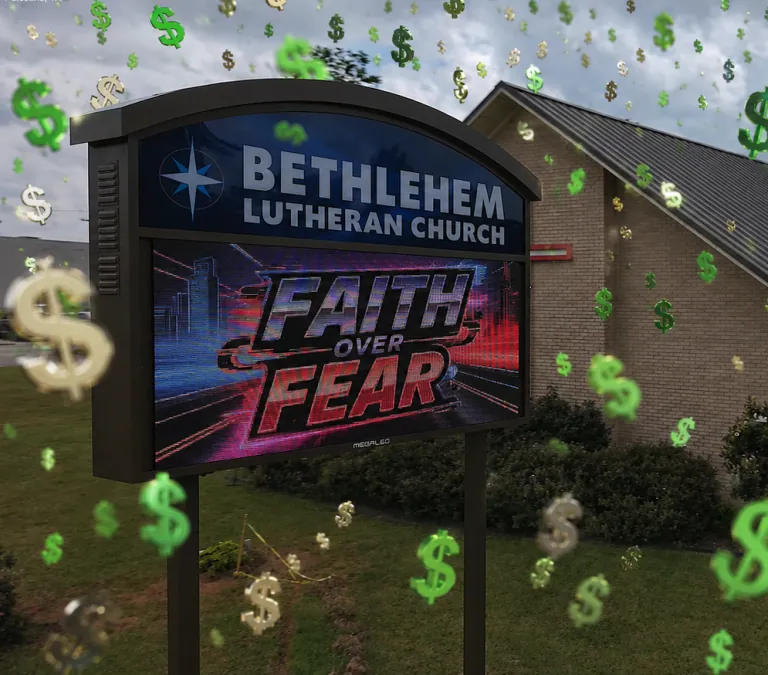
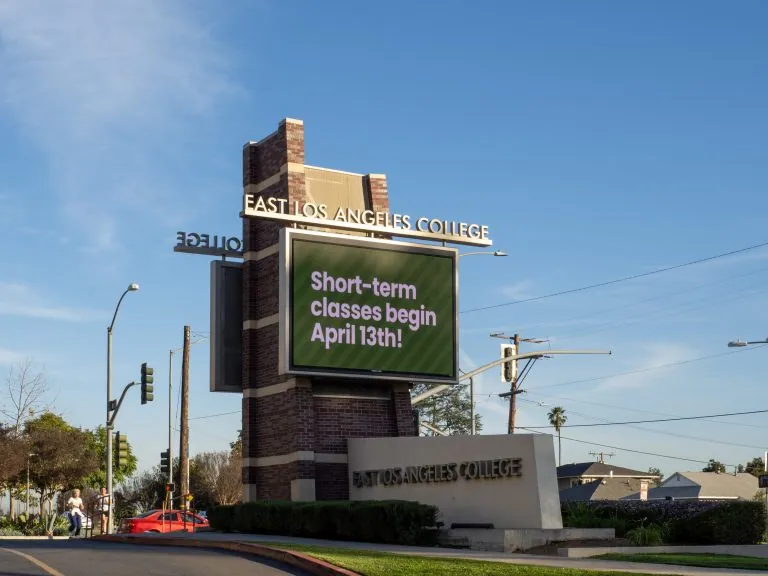



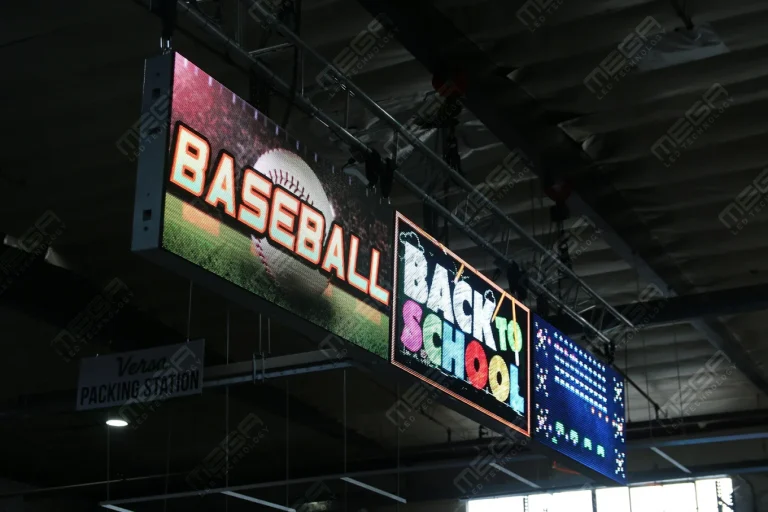

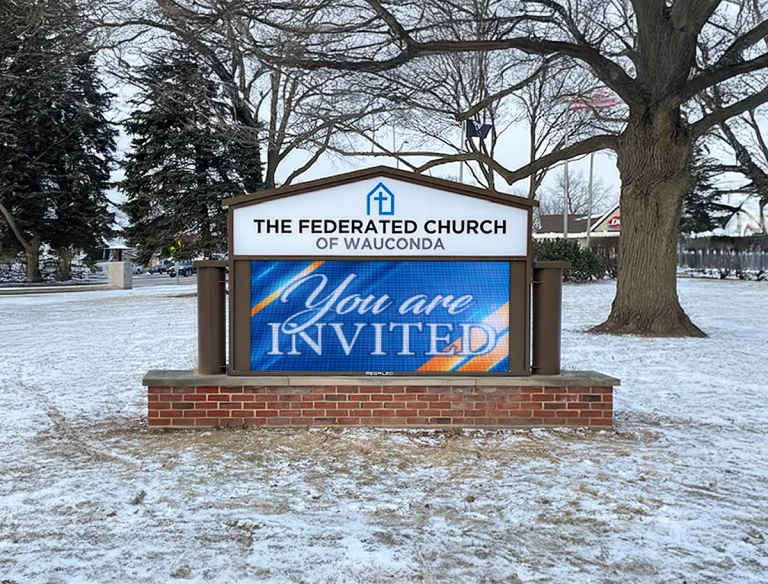


Alpha LED sign boards are great for anything from churches, to schools, to business. They tend to do great in large open spaces, where they are clearly visible.
Omega is our newest line of outdoor digital signs. Running the full gambit from cabinet, to LED sign, to logo on top, or any configuration of your choice!
Premier is a customizable Outdoor LED sign, perfect for the Entrepreneur who knows that large custom sized signs cultivated for their specific business is the way to go.
Programmable Stage LED signs, great for indoor assemblies, congregations, and presentations! Blow your competitors out of the water, or keep your congregation and audience glued to your message.