Summer Church Signs: What Are The Best Sayings And Ideas For The Season?

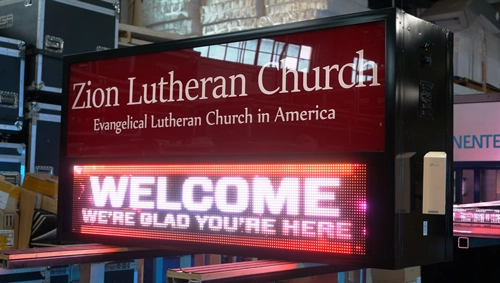
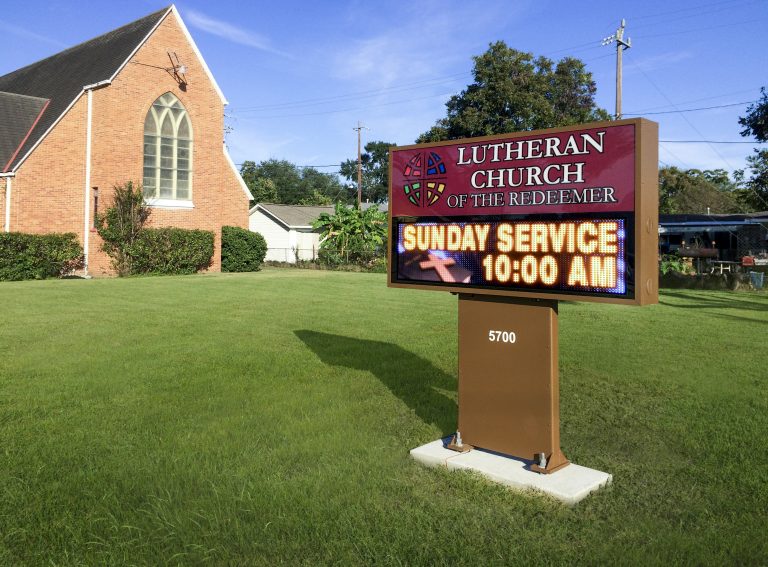
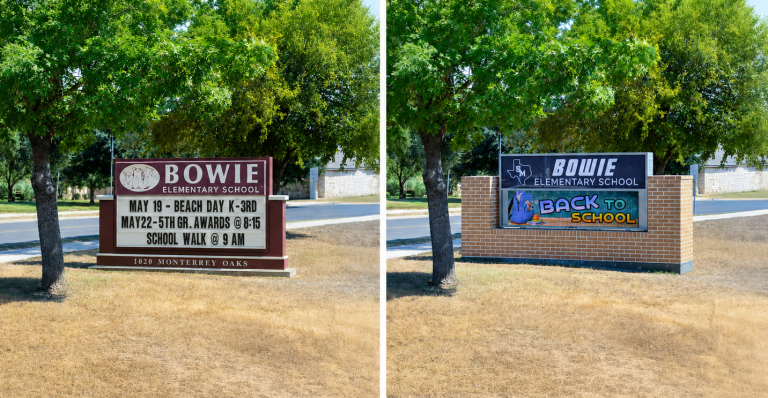
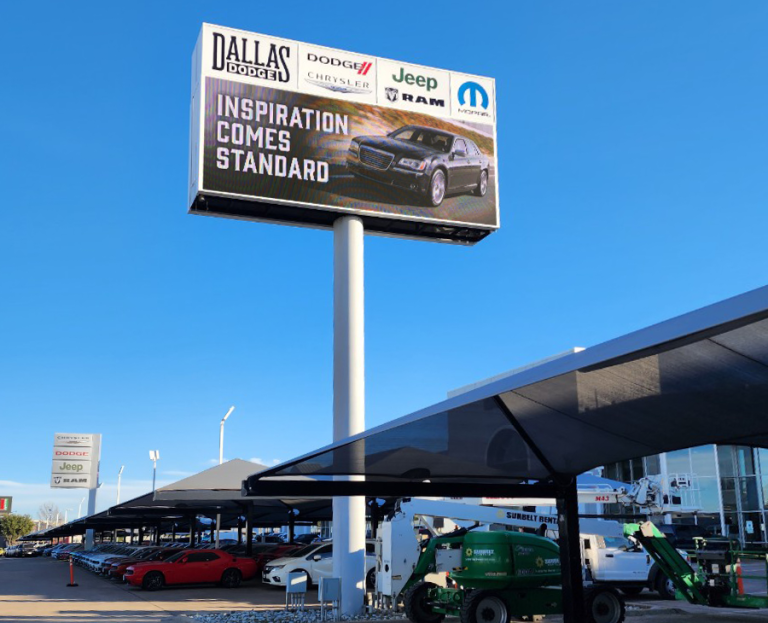
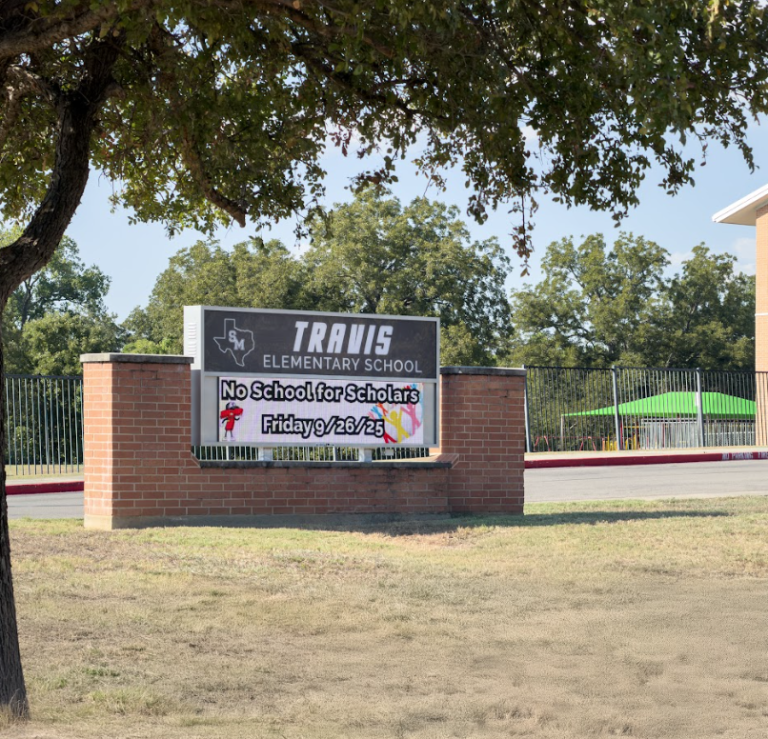
Alpha LED sign boards are great for anything from churches, to schools, to business. They tend to do great in large open spaces, where they are clearly visible.

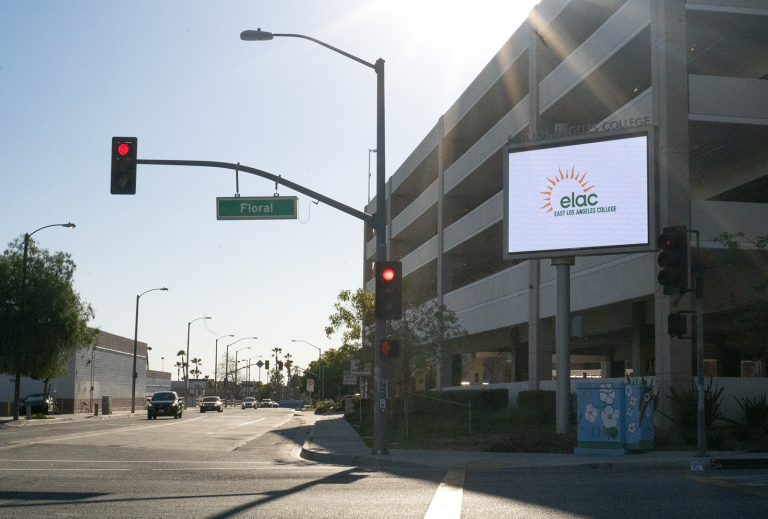
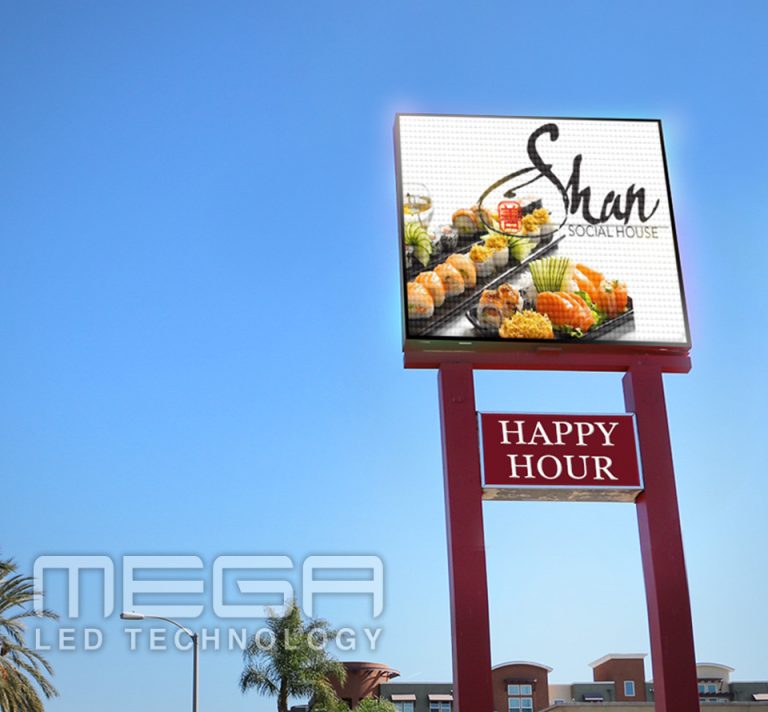
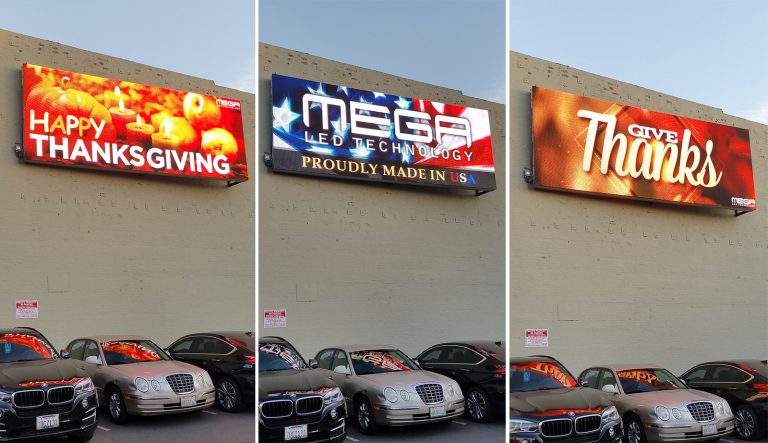
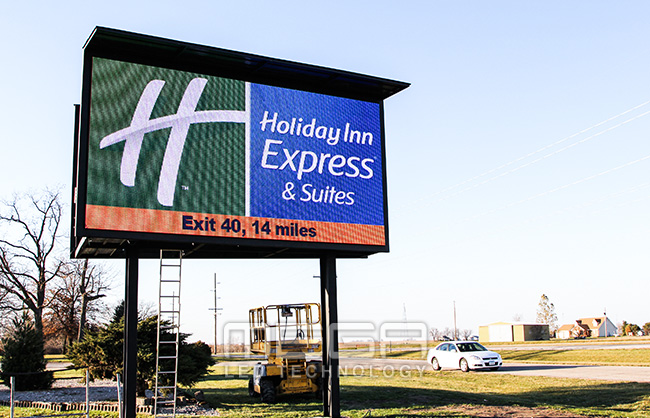
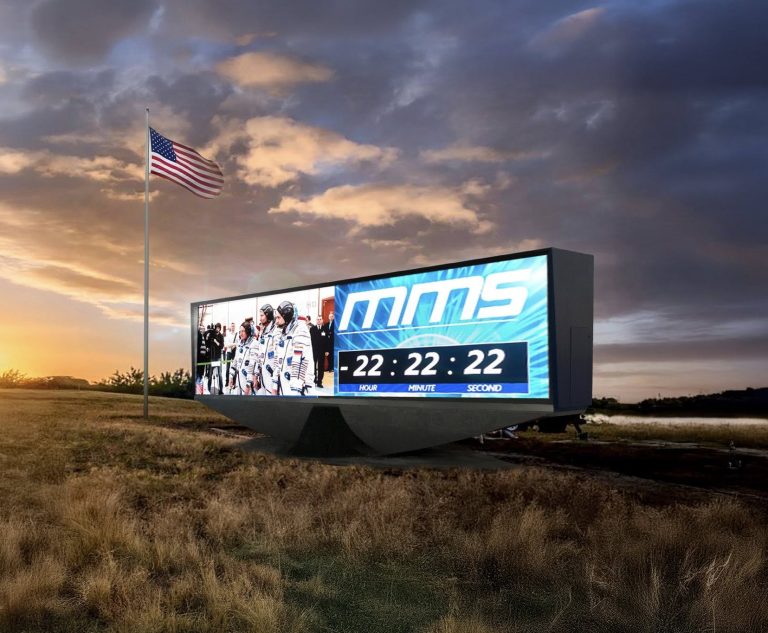
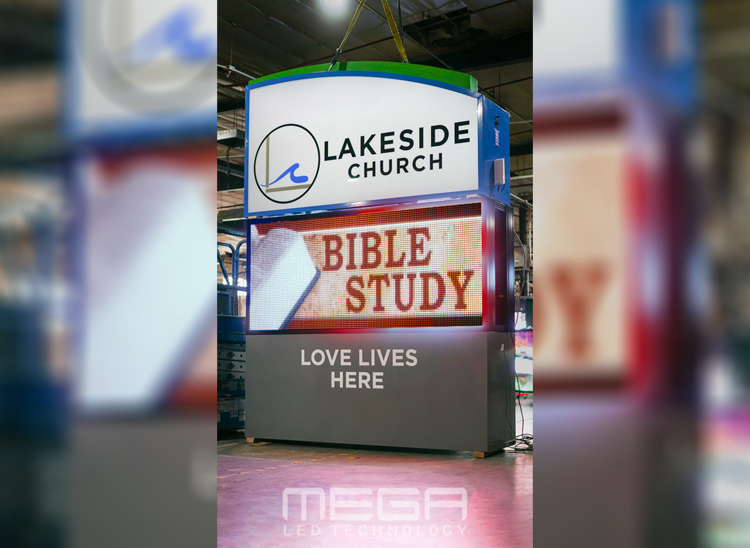
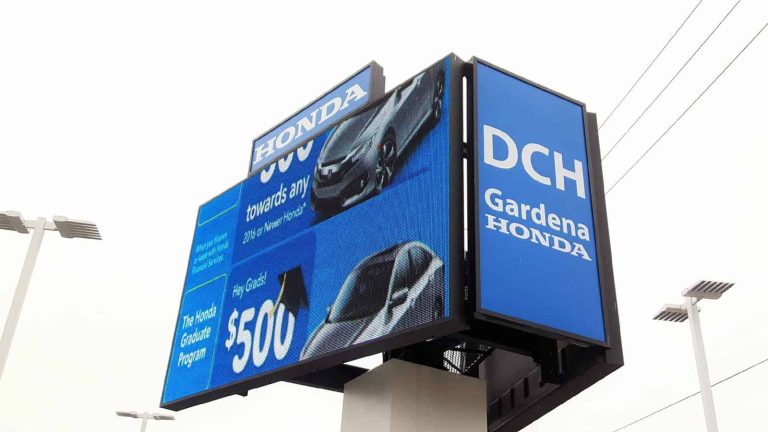
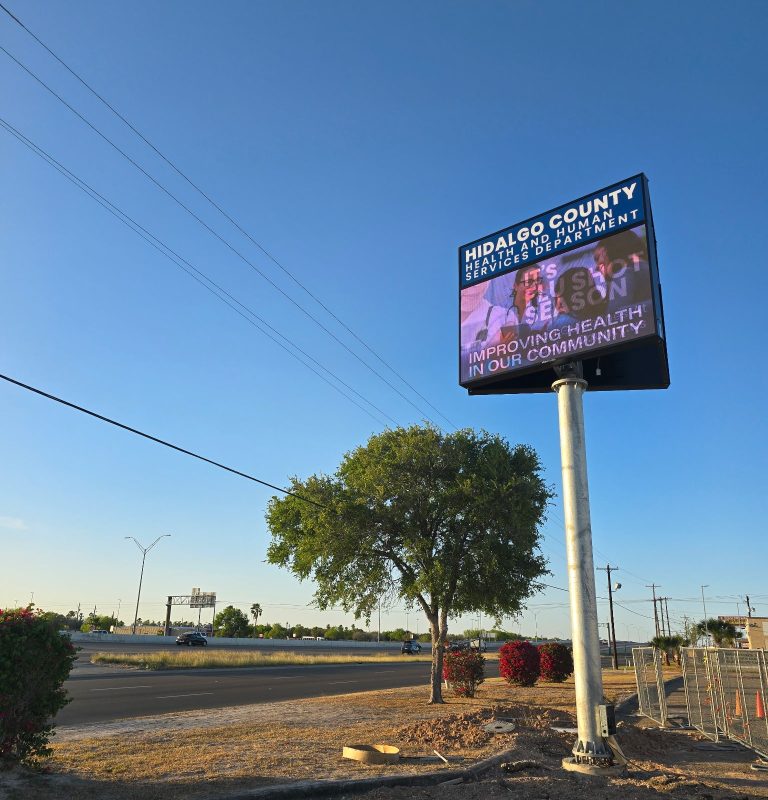
Omega is our newest line of outdoor digital signs. Running the full gambit from cabinet, to LED sign, to logo on top, or any configuration of your choice!

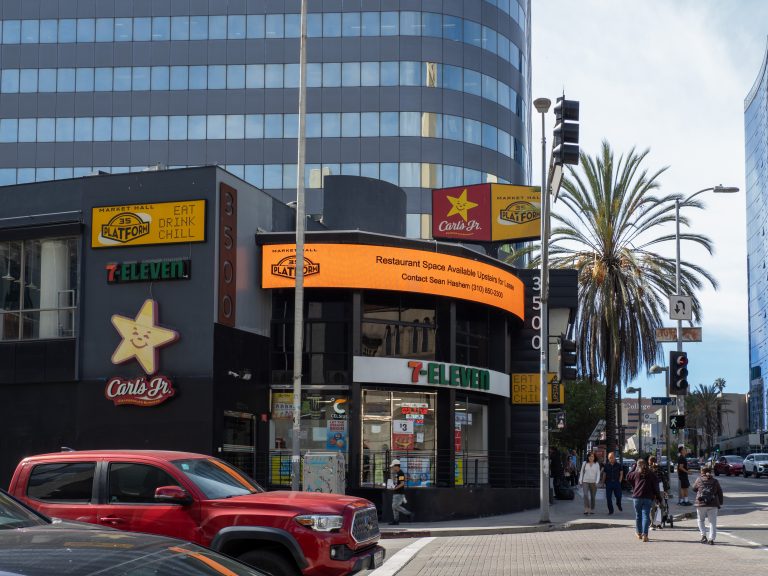
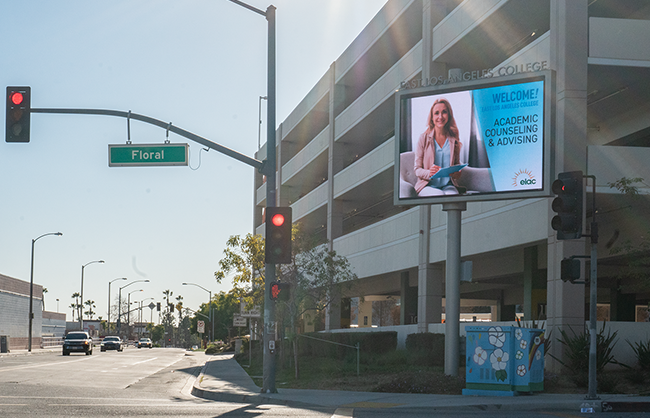
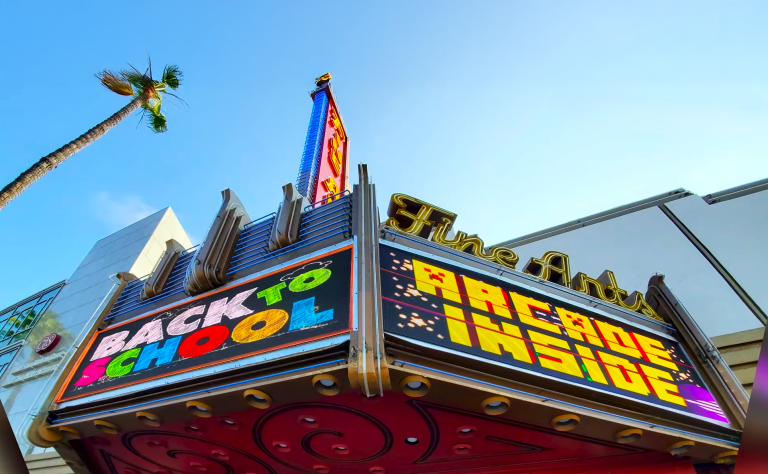
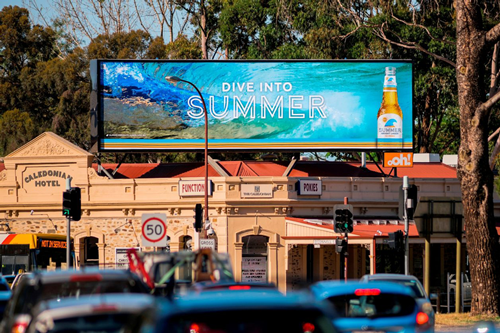
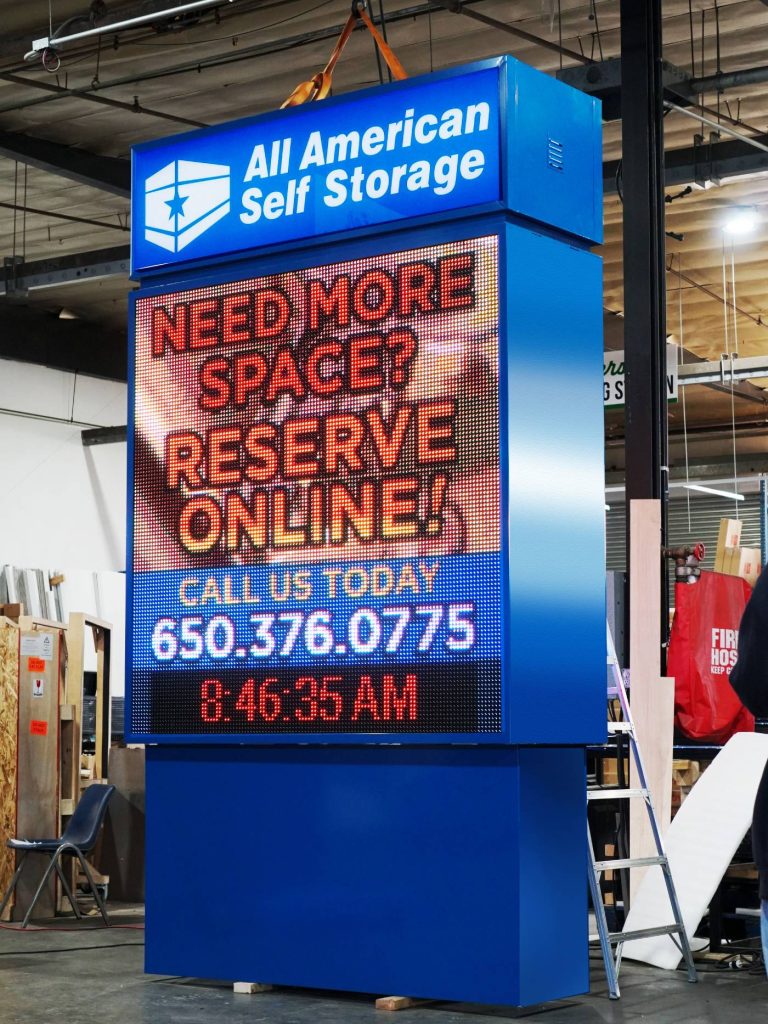
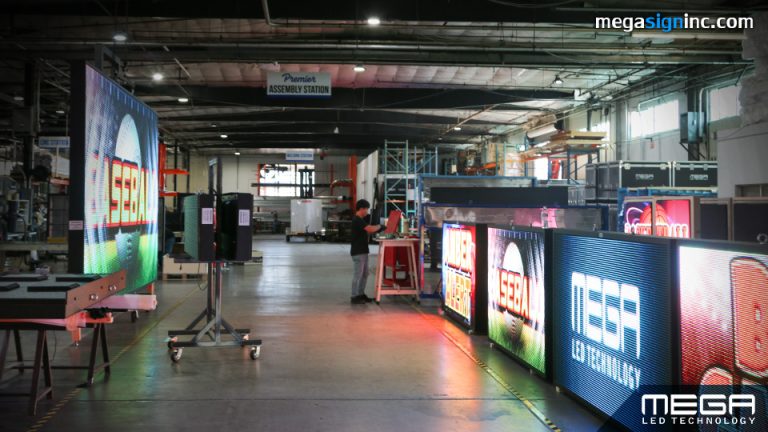
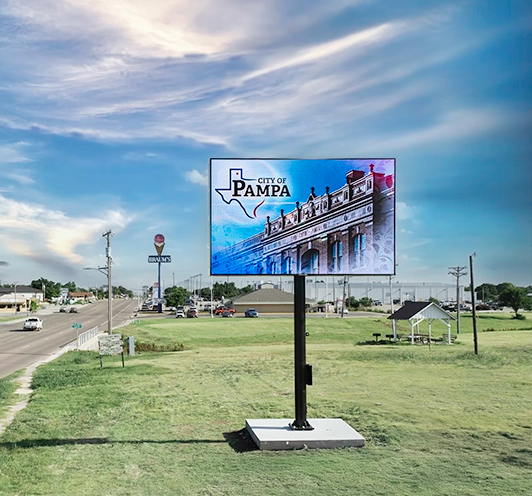
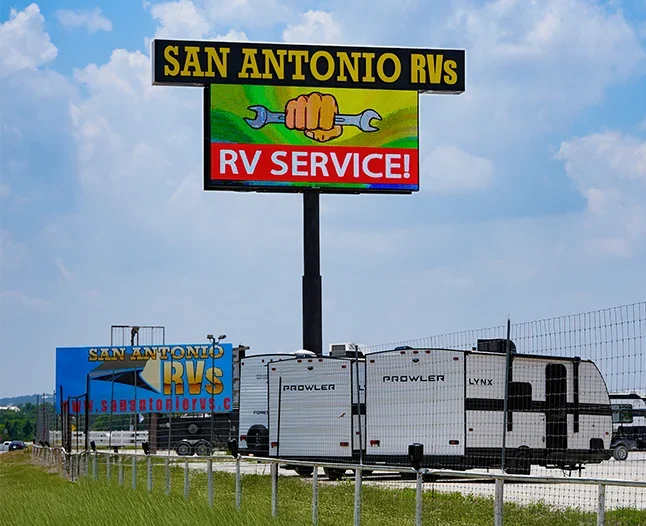
Premier is a customizable Outdoor LED sign, perfect for the Entrepreneur who knows that large custom sized signs cultivated for their specific business is the way to go.

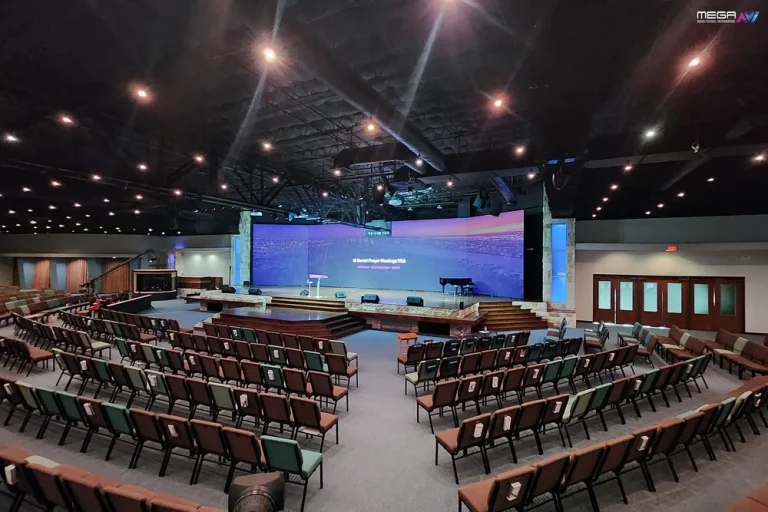
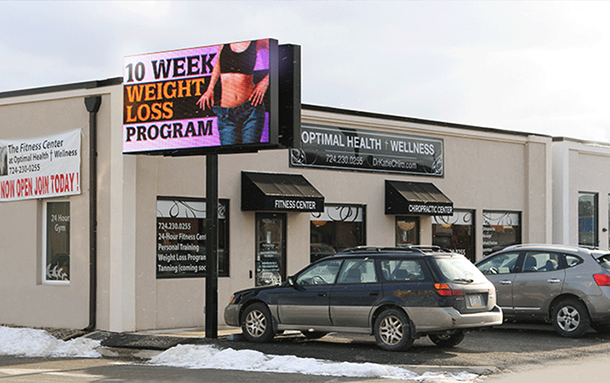
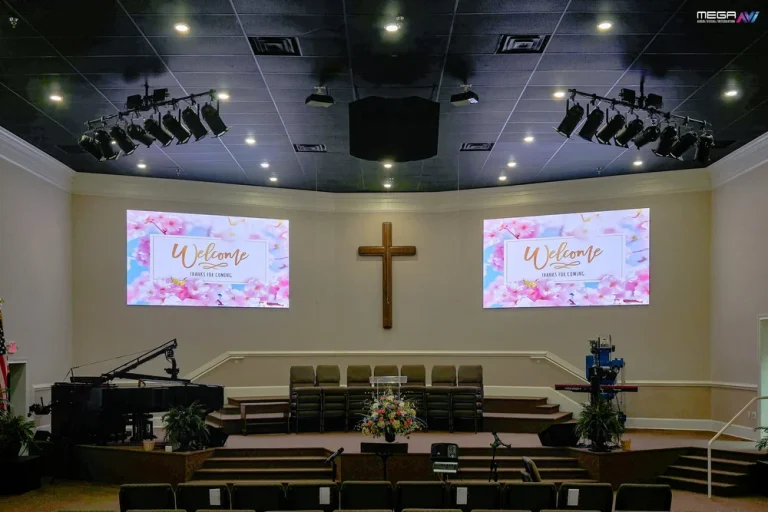
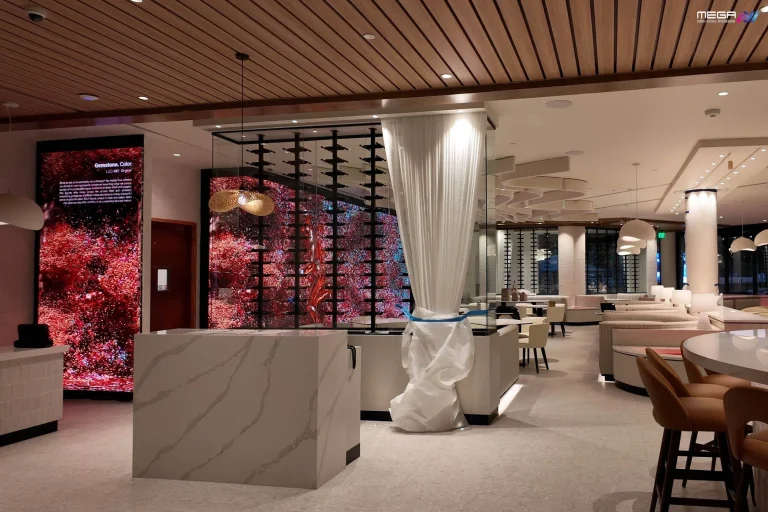
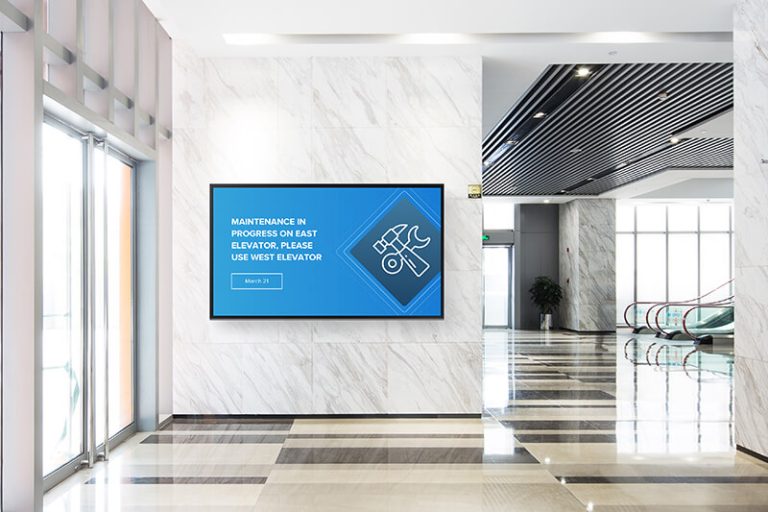
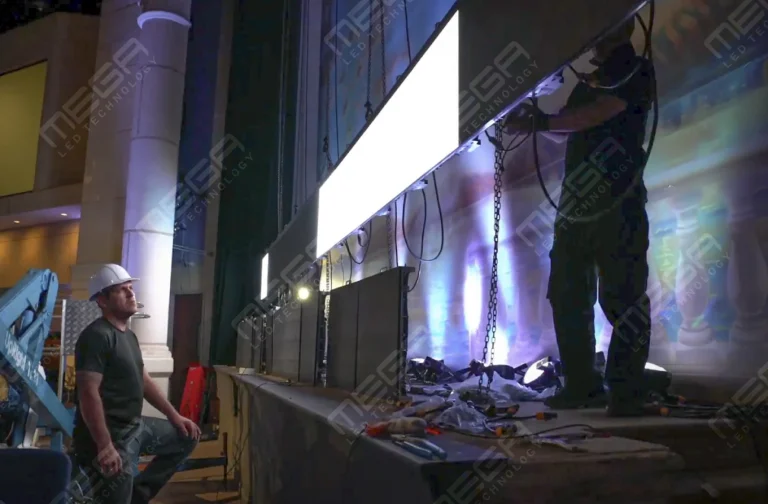
Programmable Stage LED signs, great for indoor assemblies, congregations, and presentations! Blow your competitors out of the water, or keep your congregation and audience glued to your message.

Alpha LED sign boards are great for anything from churches, to schools, to business. They tend to do great in large open spaces, where they are clearly visible.
Omega is our newest line of outdoor digital signs. Running the full gambit from cabinet, to LED sign, to logo on top, or any configuration of your choice!
Premier is a customizable Outdoor LED sign, perfect for the Entrepreneur who knows that large custom sized signs cultivated for their specific business is the way to go.
Programmable Stage LED signs, great for indoor assemblies, congregations, and presentations! Blow your competitors out of the water, or keep your congregation and audience glued to your message.
IPS vs LED labels on monitor listings create more confusion than clarity. Pick wrong and you get washed-out colors at a premium, or speed on a screen that looks awful from the side. This guide breaks down what both terms mean and how to choose.
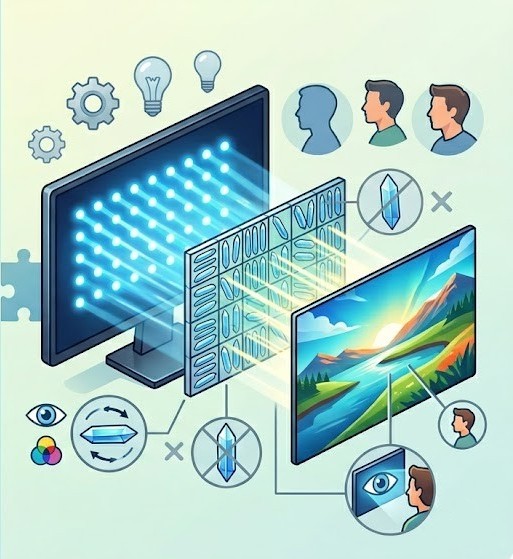
The IPS vs LED comparison confuses people because the two terms describe different parts of the same screen. One is panel technology. The other is a lighting method. They sit in different layers of the display, and comparing them as rivals is like comparing a car engine to headlights.
An IPS display uses a specific type of LCD panel known for wide viewing angles and accurate color reproduction. An LED display typically refers to the backlighting system that illuminates the LCD from behind. Understanding this distinction changes every buying decision that follows.
IPS stands for In-Plane Switching. The liquid crystals in an IPS panel rotate horizontally rather than tilting vertically, which keeps colors stable when you view the screen from the side. That horizontal movement is the reason IPS monitors are known for color consistency across wider angles.
An LED monitor uses light-emitting diodes to illuminate the screen from behind. LEDs replaced older CCFL (cold cathode fluorescent lamp) backlights, making screens thinner, lighter, and more efficient. Nearly every modern flat-panel display sold today uses LED backlighting.
The wrinkle is that “LED monitor” is a retail label that says nothing about the panel itself. An LED-backlit screen might use a TN panel, a VA panel, or even an IPS panel. The backlight and the panel are separate components doing separate jobs. Knowing which layer you’re actually comparing saves you from misleading spec-sheet comparisons online.
IPS is a type of LCD panel technology. LCD stands for liquid crystal display, and IPS is one of several panel designs inside the LCD family, alongside TN (Twisted Nematic) and VA (Vertical Alignment).
When someone asks whether an IPS display is LED or LCD, the accurate answer is LCD. But most modern IPS monitors also use LED backlighting. That means a single screen can be both IPS (panel type) and LED (backlight type) at the same time.
Both labels apply simultaneously without contradiction. IPS describes how the screen reproduces color and handles viewing angles. LED describes how the screen produces light. They’re layers, not categories.

Comparing “IPS panel vs LED panel” is technically misleading because IPS is a panel technology and LED is a lighting method. They don’t occupy the same category. The more accurate comparison is IPS panel vs LED-backlit TN or VA panel.
With that framing clear, here’s how these options stack up across the factors that affect your daily experience with a screen.
The panel controls how each pixel displays color, manages contrast behavior, and determines viewing angle performance. An IPS panel aligns its liquid crystals horizontally, producing wide angles and accurate color across the screen surface.
The backlight sits behind the panel and provides illumination. LED backlights use diodes arranged along the edges (edge-lit) or across the entire back surface (direct-lit or full-array). The backlight affects brightness output, energy consumption, and dimming precision.
A screen marketed as an “IPS LED monitor” uses an IPS panel for image quality and an LED backlight for illumination. These are two separate layers working together, not two competing choices. Recognizing that distinction makes the rest of the comparison straightforward.
IPS panels typically hold their colors steady from almost any position. Shift 45 degrees to the side and the image still looks accurate. That consistency matters when two people share a screen, when a designer checks color from different distances, or when a monitor sits at an angle on a desk.
Standard LED-backlit TN or VA panels behave differently. TN screens shift color and lose contrast quickly at off-center angles. VA panels hold deeper blacks but can wash out at extreme positions.
Whether you need a screen for your business, digital signage, or a large-format LED setup, we can help you find the right fit. Get a free quote today.
For work where color accuracy defines the output, IPS panels offer a wider window of reliability. Multi-monitor setups benefit too. When three screens sit at different angles on a desk, IPS keeps the color uniform across all of them.
TN panels behind an LED backlight have long held the speed advantage. Response times below 1ms are common on TN gaming monitors, which reduces ghosting and motion blur during fast camera movements.
IPS monitors historically sat in the 4 to 5ms range. For competitive shooters and fast-paced esports titles, that gap could show up as visible trailing on quickly moving objects.
Modern IPS panels have closed much of that distance. Several current models hit 1ms gray-to-gray response times, and higher refresh rates (144Hz, 240Hz, 360Hz) help further. For casual gaming, web browsing, and everyday productivity, the speed difference between IPS and TN is small enough that most users won’t notice it.
LED backlights are the reason modern monitors are brighter and more efficient than their CCFL predecessors. The U.S. Department of Energy’s LED lighting efficiency page confirms that LED technology uses up to 75% less energy than older lighting approaches.
Standard LED-backlit monitors range from 250 to 400 nits for everyday use. HDR-capable models push past 1,000 nits. Because the backlight is separate from the panel, both IPS and non-IPS monitors benefit from these brightness gains.
On price, standard LED-backlit monitors with TN or VA panels tend to start lower than comparable IPS options. IPS panels cost more to produce because of the precision required in crystal alignment. That said, the gap has narrowed. Budget IPS monitors now compete with mid-range TN and VA screens, so buyers can balance price against image quality rather than choosing only one.
Eye comfort depends less on the panel label and more on how the screen handles brightness, flicker, and blue light. A dim IPS monitor and a dim TN monitor both reduce eye strain compared with a screen running at maximum output.
Flicker-free backlights and low blue light modes, now standard on most LED-backlit monitors regardless of panel type, do more for long-session comfort than the panel technology by itself.
Where IPS can help is viewing consistency. Because colors and contrast stay stable across angles, users tend to adjust their posture less often. Less repositioning means fewer awkward neck shifts during a full workday.

Lifespan differences between IPS and LED-backlit monitors are smaller than most buyers expect. That’s because IPS and LED describe different components of the same display, and both the panel and the backlight age at their own pace.
LED backlights typically last 50,000 to 100,000 hours before brightness drops noticeably. Panel degradation depends on build quality, thermal design, and daily usage hours.
In practice, most IPS and non-IPS LED monitors last 7 to 10 years under normal conditions. Heat is the biggest factor. A well-ventilated monitor outlasts one running hot in a tight enclosure, regardless of panel type. Periodic cleaning extends the life of any monitor more than the panel label on the box.
For laptops, IPS panels earn their premium because viewing angles shift constantly as you tilt the lid. Colors hold whether the lid is pushed back or pulled forward. TN laptop screens wash out quickly outside a narrow sweet spot.
On desktop monitors, the choice depends on priority. Color-critical work favors IPS. Competitive gaming at the highest frame rates may still lean TN for response times, though IPS is closing fast.
For TVs, VA panels dominate the mid-range because of their stronger contrast ratios and deeper blacks. IPS TVs work best in bright rooms where wide viewing angles matter for family viewing.
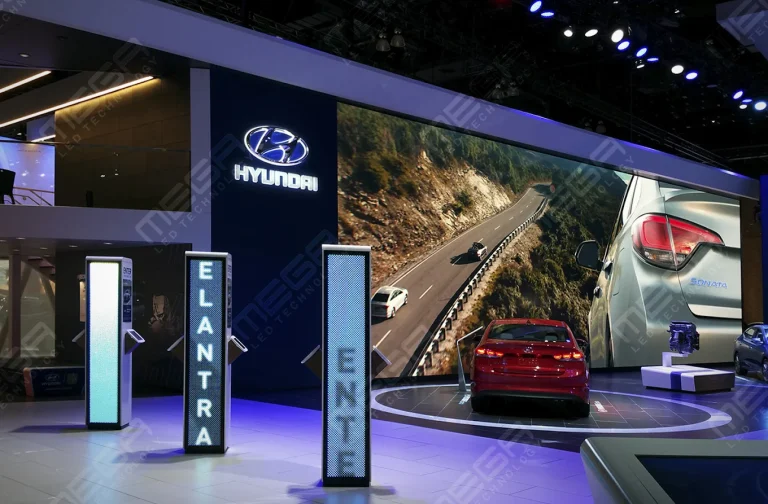
For digital signage, LED display technology is the standard. Grand View Research’s LED display market report valued the global LED modular display segment at $7.53 billion in 2023, projected to reach $17.84 billion by 2030. The International Sign Association’s sign industry research confirms the U.S. signage sector has a $37.5 billion economic impact. We build indoor video walls and Premier outdoor LED signs that deliver brightness, weather resistance, and content flexibility consumer-grade panels can’t match. In our installations, we’ve seen businesses replace multiple static signs with one LED display rotating dozens of messages daily.
There is no universal winner because “better” depends on what you’re optimizing for. IPS is the stronger choice when image quality, color reliability, and comfortable viewing from multiple positions matter. A standard LED-backlit TN or VA monitor makes more sense when budget is tight and speed takes priority.
For everyday users (office work, streaming, light gaming), a mid-range IPS monitor balances quality and cost well. Colors look right without calibration, text stays sharp at off angles, and the price gap between IPS and TN has shrunk enough to justify the upgrade.
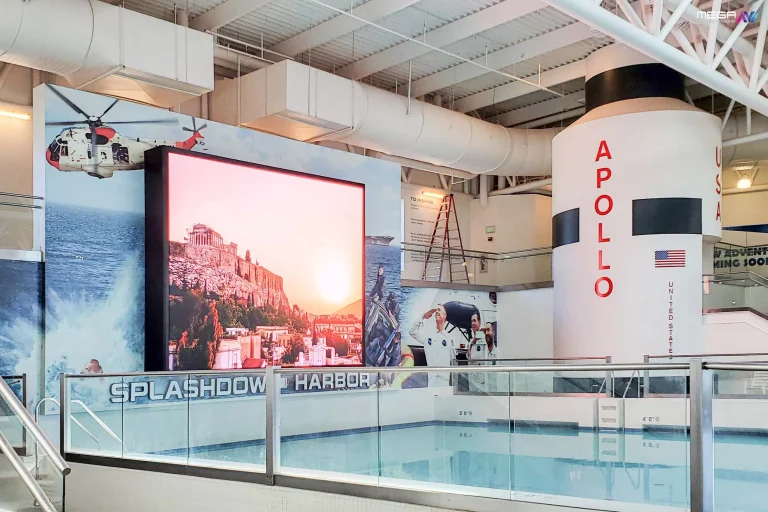
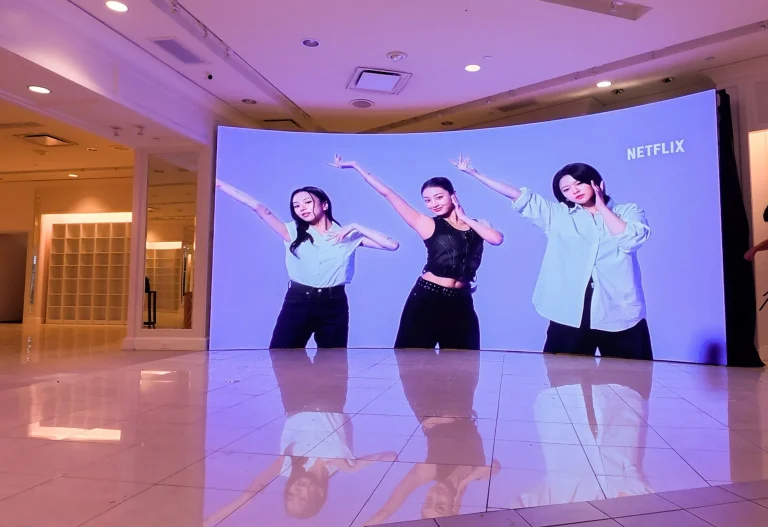
A large-format LED video wall gives you the size, brightness, and viewing angles for group settings. Explore options at https://www.megasigninc.com/large-indoor-led-video-wall/
An IPS monitor is your best match. For outdoor or storefront signage needs, our Alpha LED sign boards offer the same color-forward technology in a commercial package. See options at https://www.megasigninc.com/alpha-led-sign-boards/
A TN-panel LED monitor gives you sub-1ms response. For business signage that also demands fast content updates, our Premier outdoor LED signs deliver both speed and visibility. See options at https://www.megasigninc.com/premier-outdoor-led-signs/
A mid-range IPS or VA monitor covers casual gaming and daily productivity. If you also need a sign for your business, contact us for a free consultation. Get started at https://www.megasigninc.com/FREE-QUOTE/
For buyers focused on competitive gaming, TN panels still offer the fastest response times at the lowest price. VA panels sit between IPS and TN, offering stronger contrast and deeper blacks at the expense of slower pixel transitions.
We’ve found that buyers who define their primary use first spend less time comparing specs and more time enjoying the screen they chose.
The simplest buying framework comes down to two questions: what is the screen’s primary job, and how much flexibility do you need on viewing angles and color?
If the answer is color-critical work, shared viewing, or daily productivity, IPS wins. If the answer is competitive gaming on a budget or a secondary monitor, a TN or VA panel behind an LED backlight is the practical call.
| Feature | IPS Panel | LED-Backlit TN or VA Panel |
|---|---|---|
| Color accuracy | High, consistent across angles | TN: low off-axis; VA: moderate |
| Viewing angles | Wide (178° typical) | TN: narrow; VA: moderate |
| Response time | 1 to 5ms (modern IPS hits 1ms) | TN: under 1ms; VA: 4 to 8ms |
| Brightness | Depends on backlight, not panel | Depends on backlight, not panel |
| Price range | Mid to high | TN: low; VA: mid |
| Best for | Creative work, daily use, shared screens | TN: competitive gaming; VA: movies, contrast |
Accurate color reproduction is the headline advantage. IPS panels deliver reliable color from factory settings, and professional models support wide color gamuts (sRGB, DCI-P3, Adobe RGB) for design and photo work.
Wide viewing angles (178 degrees horizontal and vertical on most models) mean the image stays consistent no matter where you sit. This matters for multi-monitor setups, shared workstations, and presentations.
On the trade-off side, IPS panels tend to cost more than TN alternatives at comparable sizes and refresh rates. Some IPS screens exhibit “IPS glow,” a faint light bleed visible in dark scenes near the corners. Response times, while improved, may still trail the fastest TN gaming panels.

Brightness and energy efficiency are the core strengths of LED backlighting. LED-backlit monitors run cooler and thinner than older CCFL designs, and full-array local dimming on premium models enhances contrast and HDR performance.
LED-backlit TN and VA monitors often carry lower price tags than IPS alternatives, which makes them accessible for budget builds and secondary screens. TN models in particular offer some of the fastest response times available.
The limitations depend on the panel behind the backlight. TN panels paired with LED backlights sacrifice viewing angles and color consistency. VA panels deliver deeper blacks but can suffer from slower pixel response in fast motion. The backlight itself doesn’t fix these panel-level trade-offs.
IPS is a panel technology that controls how pixels display color, while LED refers to the backlighting system that illuminates the screen. IPS determines viewing angles and color accuracy. LEDs determine brightness and energy efficiency. A single monitor can use both an IPS panel and an LED backlight simultaneously, which is why the comparison is often misunderstood. They are separate layers of the display working together, not two competing screen types that a buyer must choose between.
TN panels offer the fastest raw response times, which gives them an edge in competitive esports where every millisecond of motion clarity matters. However, modern IPS panels have closed much of that gap, with several current models reaching 1ms gray-to-gray speeds at refresh rates up to 360Hz. For casual gaming, the difference between IPS and TN is rarely noticeable. IPS delivers better color and wider viewing angles, making it the stronger all-around gaming panel unless pure competitive speed is the only priority.

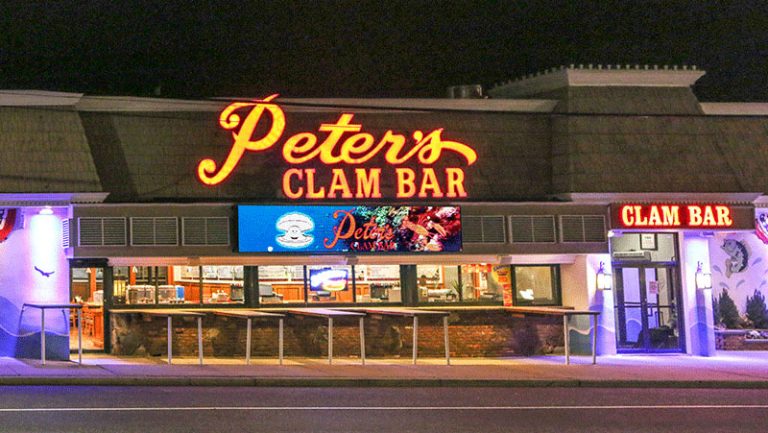














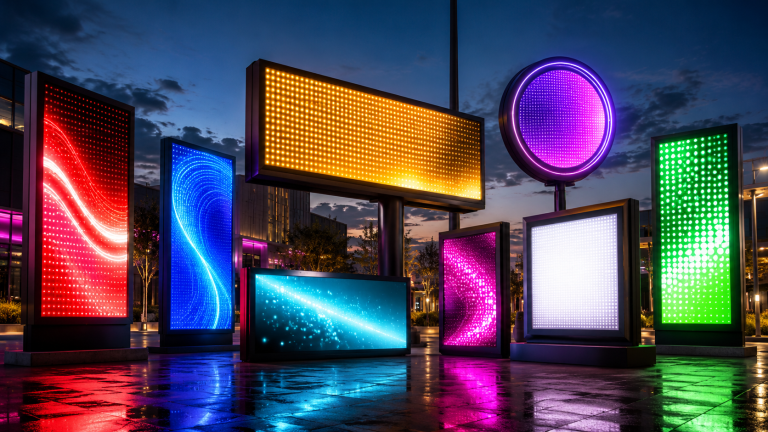



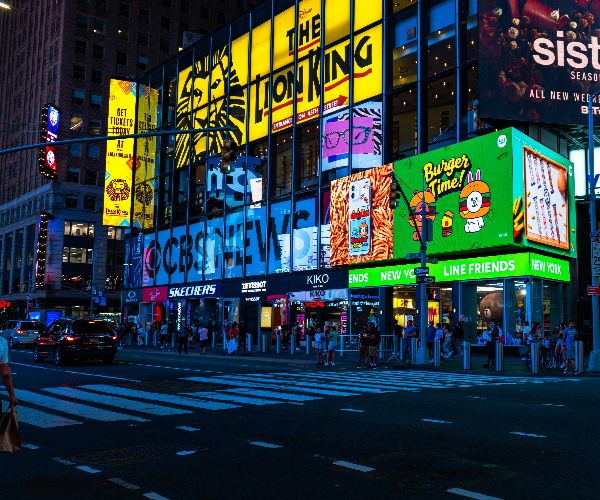
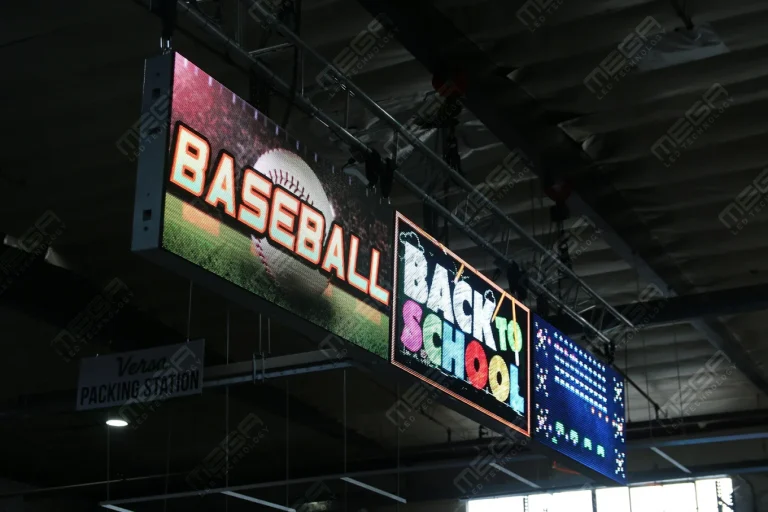





Alpha LED sign boards are great for anything from churches, to schools, to business. They tend to do great in large open spaces, where they are clearly visible.
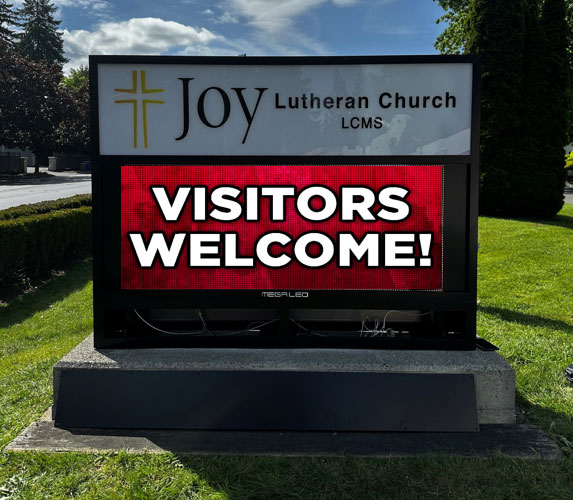
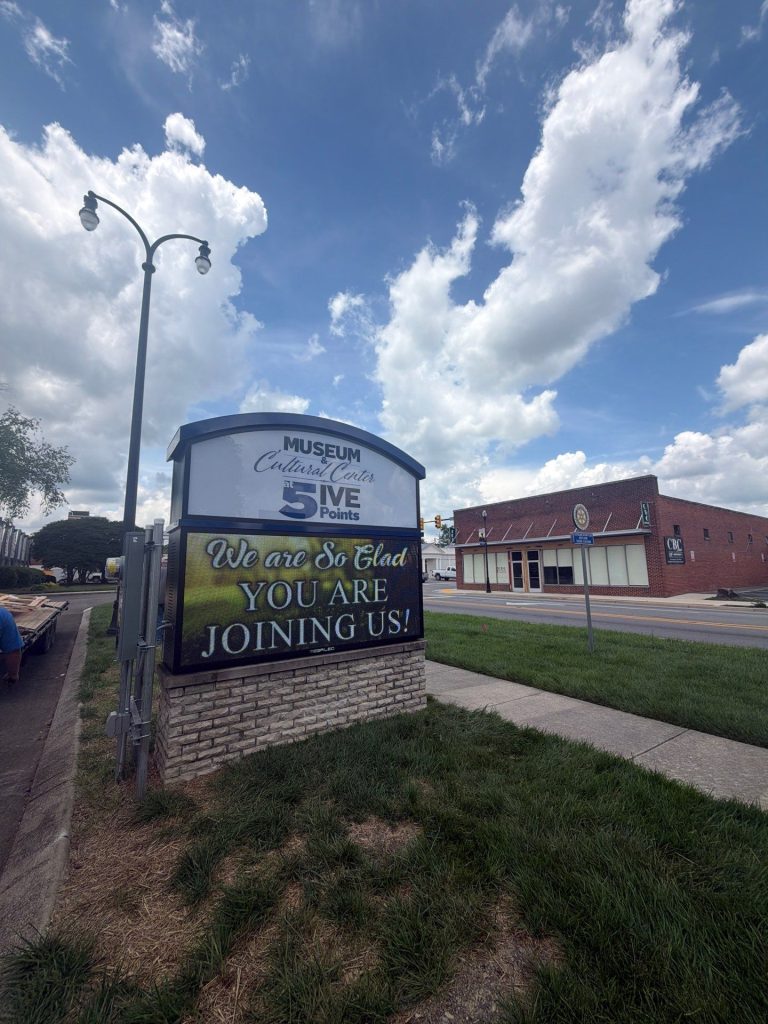
Omega is our newest line of outdoor digital signs. Running the full gambit from cabinet, to LED sign, to logo on top, or any configuration of your choice!
Premier is a customizable Outdoor LED sign, perfect for the Entrepreneur who knows that large custom sized signs cultivated for their specific business is the way to go.
Programmable Stage LED signs, great for indoor assemblies, congregations, and presentations! Blow your competitors out of the water, or keep your congregation and audience glued to your message.