

What Is Smart Digital Signage? How Intelligent Screens Use Data, Software And Automation


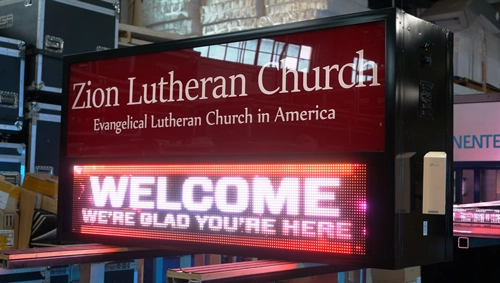
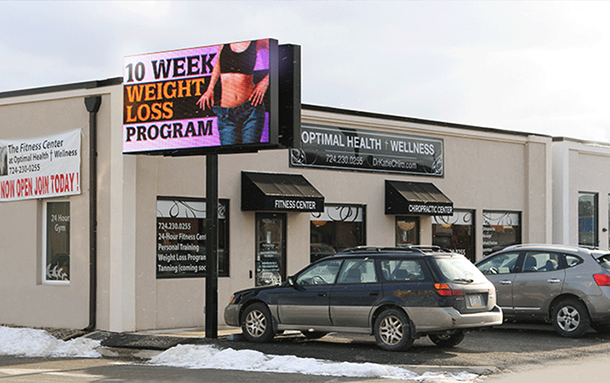
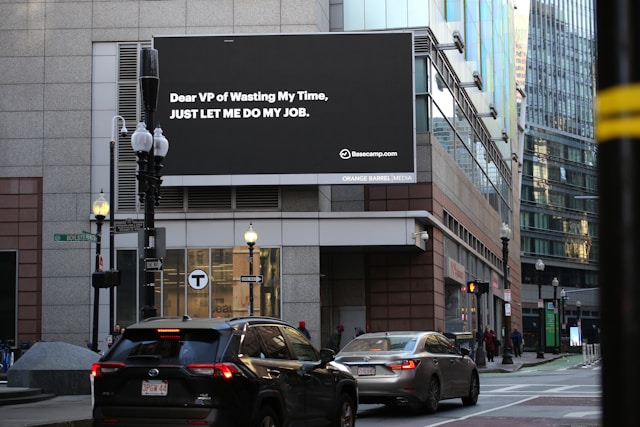
Alpha LED sign boards are great for anything from churches, to schools, to business. They tend to do great in large open spaces, where they are clearly visible.

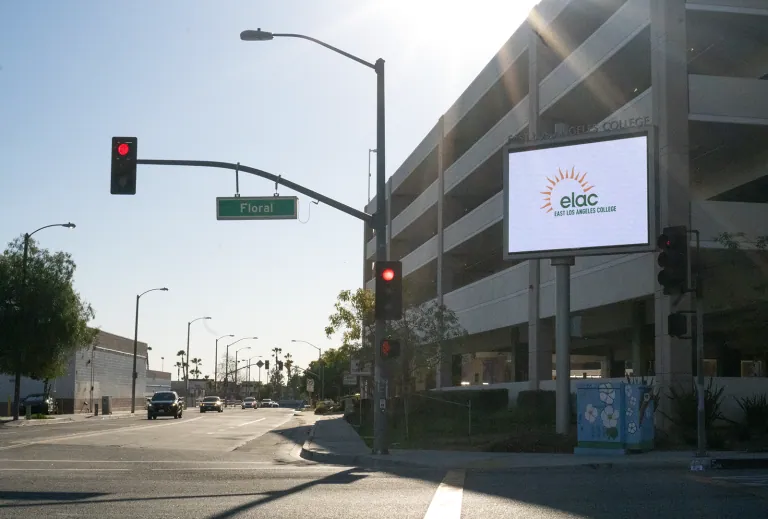
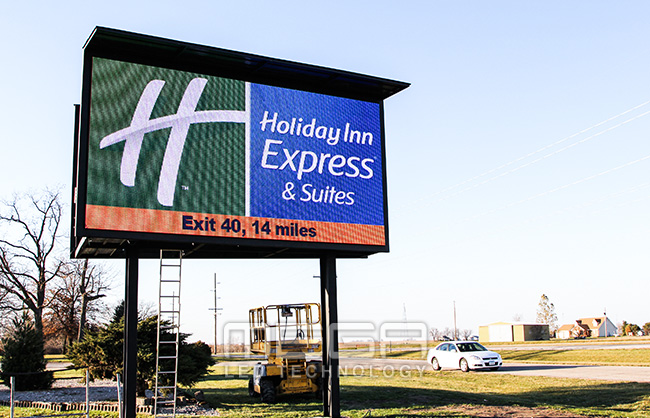
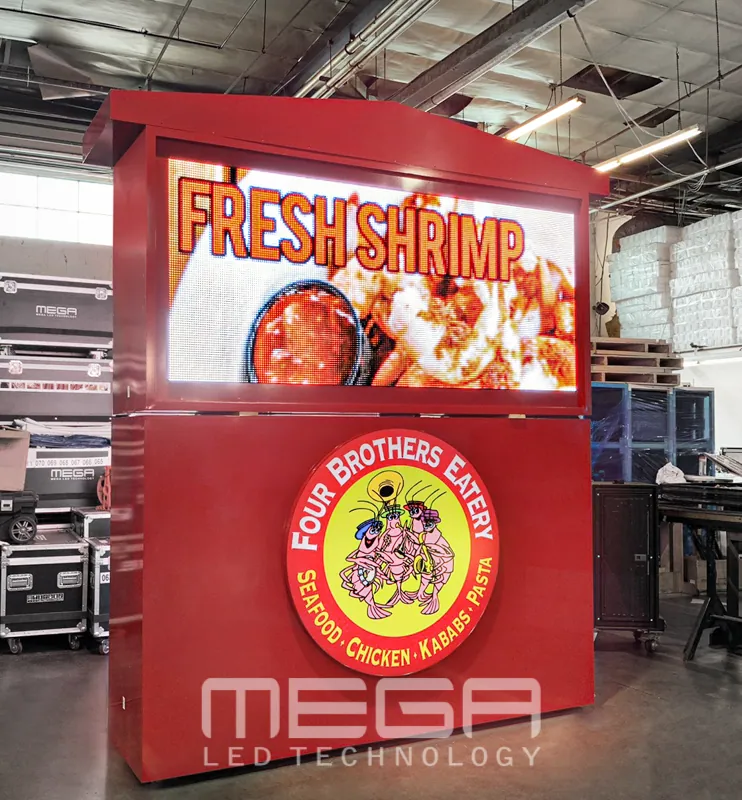
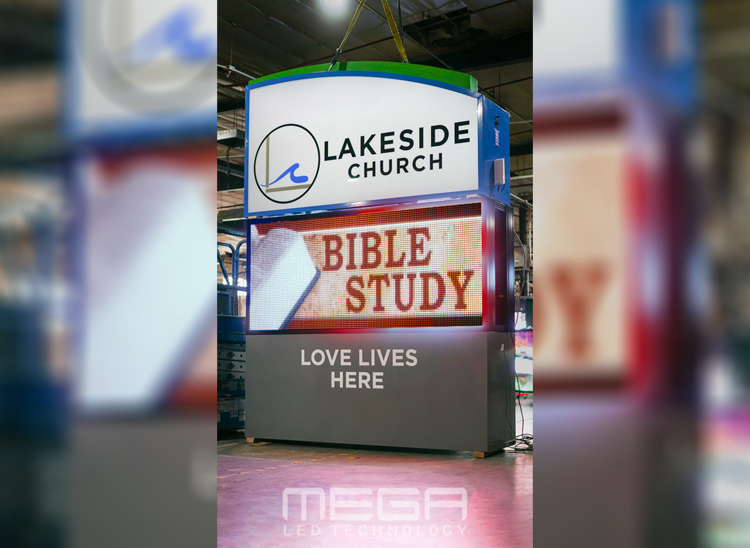
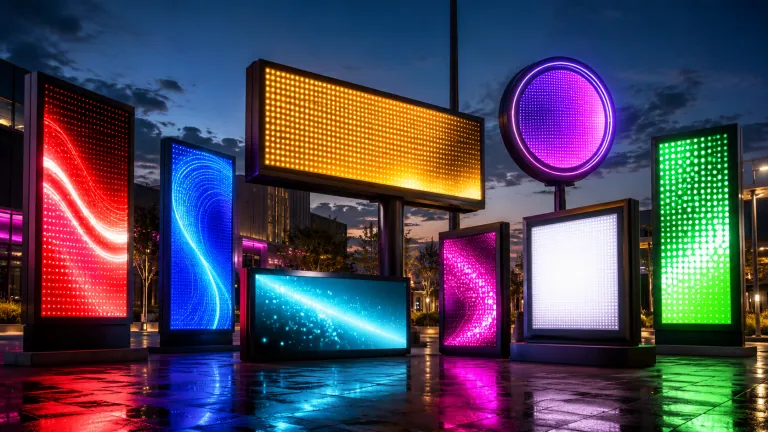
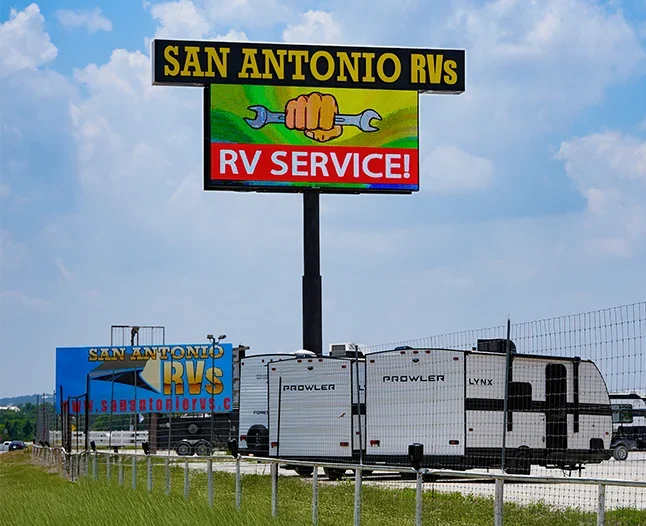
Omega is our newest line of outdoor digital signs. Running the full gambit from cabinet, to LED sign, to logo on top, or any configuration of your choice!

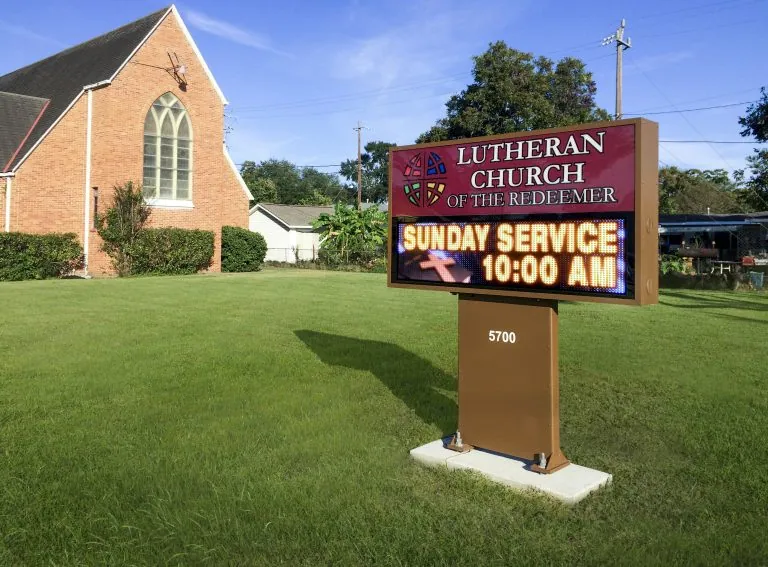
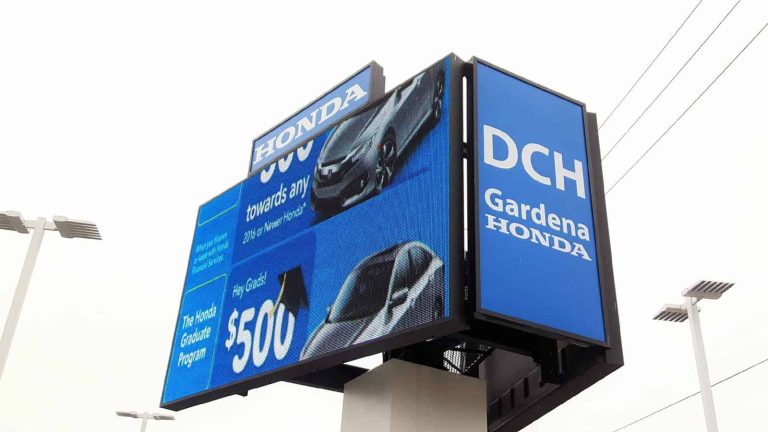
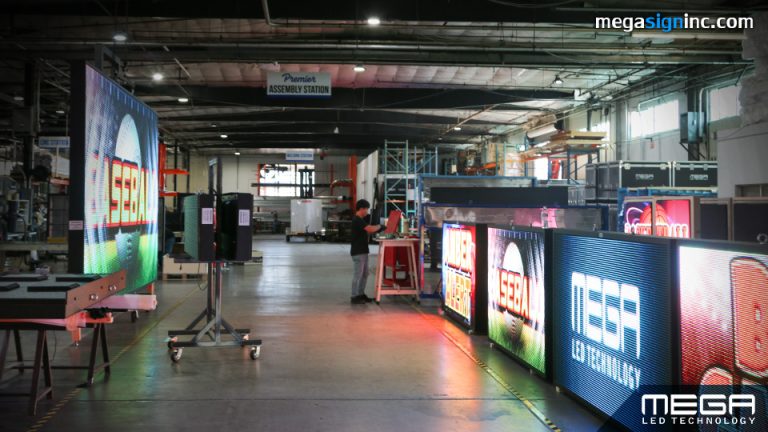
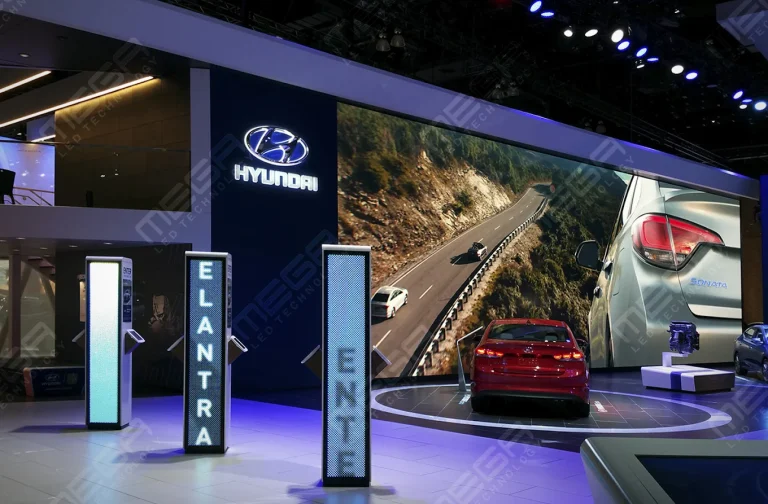
Premier is a customizable Outdoor LED sign, perfect for the Entrepreneur who knows that large custom sized signs cultivated for their specific business is the way to go.

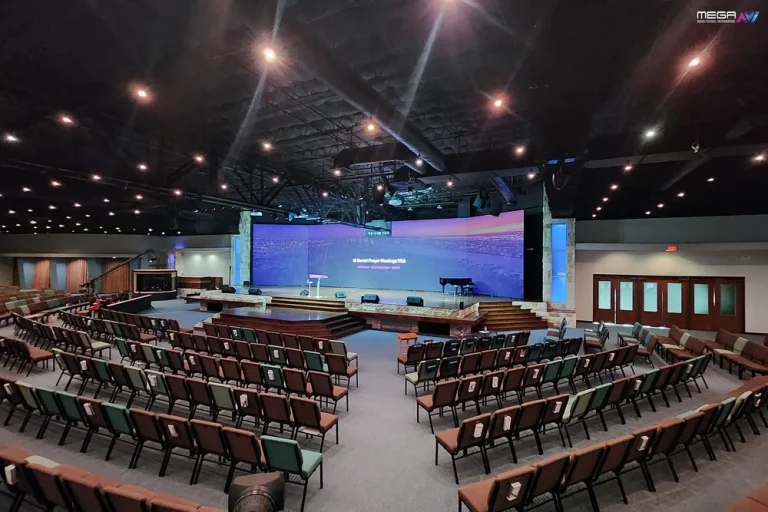
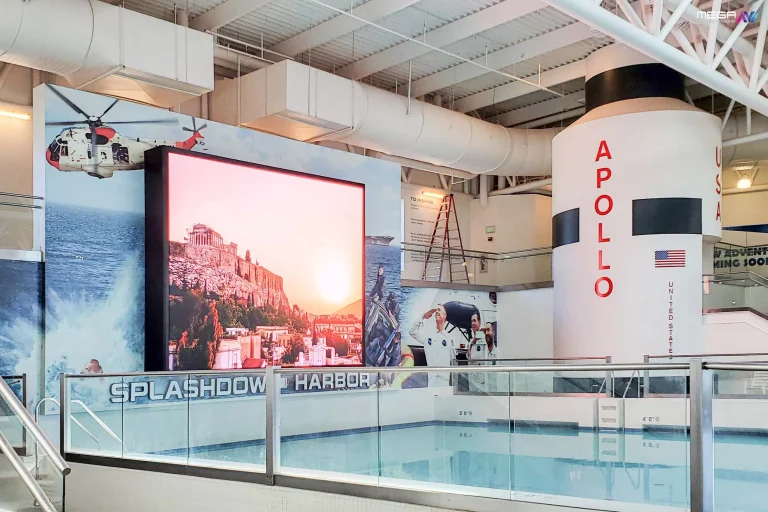
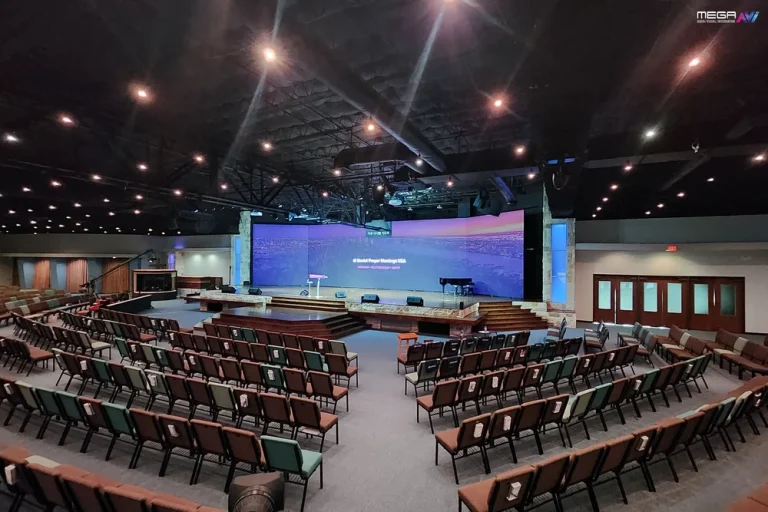
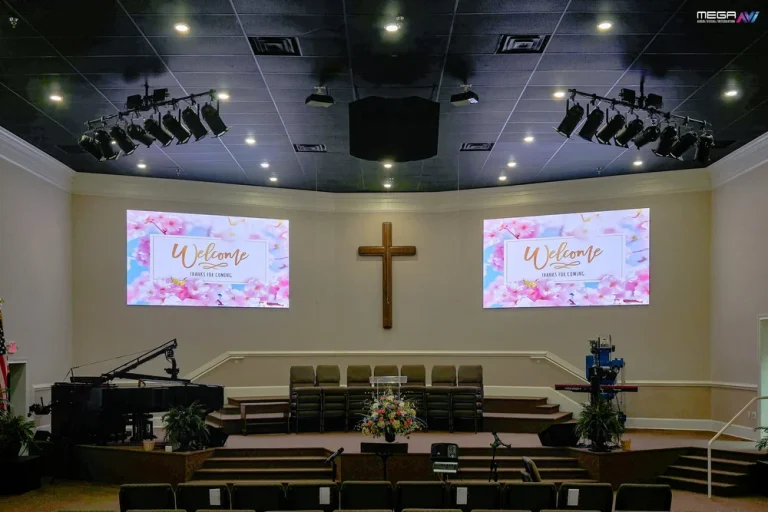
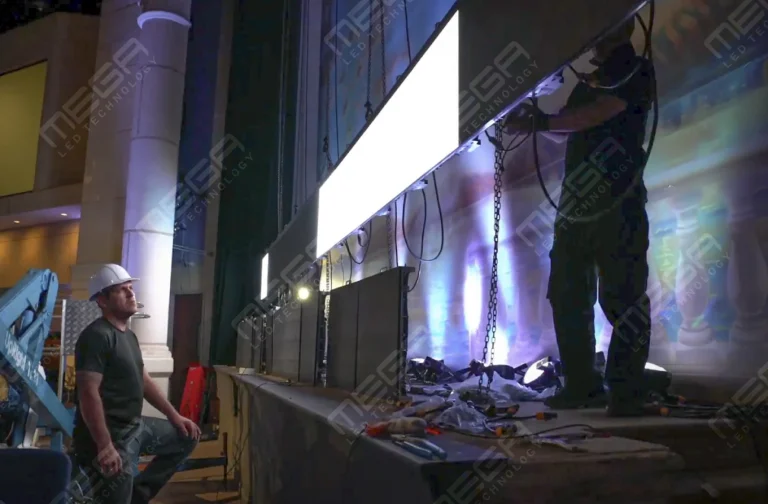
Programmable Stage LED signs, great for indoor assemblies, congregations, and presentations! Blow your competitors out of the water, or keep your congregation and audience glued to your message.

Alpha LED sign boards are great for anything from churches, to schools, to business. They tend to do great in large open spaces, where they are clearly visible.
Omega is our newest line of outdoor digital signs. Running the full gambit from cabinet, to LED sign, to logo on top, or any configuration of your choice!
Premier is a customizable Outdoor LED sign, perfect for the Entrepreneur who knows that large custom sized signs cultivated for their specific business is the way to go.
Programmable Stage LED signs, great for indoor assemblies, congregations, and presentations! Blow your competitors out of the water, or keep your congregation and audience glued to your message.
A higher electricity bill can make you suspect your LED bulbs are costing more than expected, especially as energy prices rise. In reality, LEDs use very little power compared to older bulbs, and most household electricity is consumed by heating, cooling, and appliances. Because lighting is only a portion of the average bill, LEDs can dramatically reduce that share. This article breaks down real LED costs per hour, day, month, and year, compares LEDs to traditional bulbs, and shows how to calculate your exact savings.
The short answer is no. The average American home uses about 855 kilowatt-hours per month. Major appliances account for the bulk of that. A single 10-watt LED running five hours daily consumes just 1.5 kilowatt-hours for an entire month, a tiny fraction of total usage.
The perception that LEDs are expensive to run stems from confusion between purchase price and operating cost. A quality LED costs a few dollars more at the store, but draws a fraction of the electricity older bulbs demand. LEDs convert most electrical energy directly into light rather than wasting it as heat.
In the short term, your bill drops immediately from lower wattage. Over the long term, savings compound because LEDs last 25,000 hours or more, so you avoid repeated replacement costs and the higher energy draw of less efficient bulbs across their shorter lifespans.
Absolutely. The U.S. Department of Energy confirms that residential LEDs use at least 75% less energy than incandescent lighting. An incandescent bulb needs about 60 watts to produce the same brightness an LED achieves with just 10 watts. Halogen bulbs use roughly 42 watts for the same job, and CFLs need about 14 watts. LEDs remain the clear winner across every comparison.
It is important to separate efficiency from purchase price. A cheaper bulb at the register does not mean a cheaper bulb to run. An incandescent may cost a dollar upfront, but it draws six times more power every hour. The electricity cost is where the real expense lives, not the shelf price. Cut wattage by 75% and your lighting bill drops by the same proportion across every fixture.
Running costs for household LEDs are remarkably low. The formula: multiply bulb wattage by hours used, divide by 1,000 to get kilowatt-hours, then multiply by your electricity rate.
To give you a sense of scale: a 10-watt LED at $0.18 per kWh costs $0.0018 per hour, roughly $0.009 per day at five hours, and about $3.24 per year. We break each timeframe down below, but the takeaway is the same at every level. LED costs are a fraction of what older bulbs demand.
Hourly cost is calculated by converting wattage to kilowatts (divide by 1,000) and multiplying by your rate. At 18 cents per kWh, a 10-watt LED costs $0.0018 per hour. A brighter 15-watt LED, equivalent to an old 100-watt incandescent, runs at just $0.0027 per hour.
For a single bulb, the cost is almost too small to notice. But it becomes useful across fixtures. Ten 10-watt LEDs running simultaneously draw 100 watts total, costing $0.018 per hour. Still under two cents for the whole house.

Most households do not leave every light on around the clock. A reasonable daily estimate falls between three and eight hours depending on the room. Kitchen lights might run five hours during meals, a bathroom light may be on for one hour, and a living room fixture could stay lit all evening.
At five hours, one 10-watt LED costs about $0.009 per day. At eight hours, $0.014. Even continuous 24-hour operation for a porch light only reaches $0.043 daily. These numbers show why LEDs suit extended runtimes. Whether it is a porch light at home or one of our Alpha LED sign boards running around the clock, the energy cost stays minimal.
Monthly patterns depend on bulb count and daily runtime. For a typical home with 20 LED bulbs averaging five hours daily, the total monthly cost falls between $5 and $6. Even with 30 fixtures running, the total rarely exceeds $9.
Compare that to the same 20-bulb setup with incandescents at roughly $32 per month. The LED setup saves about $26 monthly, or over $310 per year. Every fixture you convert chips away at your bill without any change in habits.
LED vs Traditional Bulbs: Monthly Cost Comparison (Based on 20 bulbs, 5 hours/day, at $0.18/kWh national average)
| Bulb Type | Wattage | kWh/Month | Monthly Cost | Annual Cost |
|---|---|---|---|---|
| LED | 10W | 30 kWh | $5.40 | $64.80 |
| CFL | 14W | 42 kWh | $7.56 | $90.72 |
| Halogen | 42W | 126 kWh | $22.68 | $272.16 |
| Incandescent | 60W | 180 kWh | $32.40 | $388.80 |
Source: U.S. Department of Energy, LED Lighting; U.S. Energy Information Administration, Electric Power Monthly.
An eight-hour overnight session with a single 10-watt LED costs about 1.4 cents. Leave five LEDs on all night for security, and the total stays under eight cents.
Beyond cost, LEDs suit long runtimes from a safety standpoint because they convert most energy into light rather than heat, they run cool with no overheating risk. This durability is why we build our LED signs at MEGA LED Technology for 24/7 operation, rated for over 100,000 hours. If you need efficient, long-lasting LED sign solutions, explore our full range and purchase directly from our online store.
LEDs consume dramatically less power than every common alternative. They use roughly 75% less electricity than incandescents and 40-50% less than CFLs. To clarify: when we say 75% more efficient, it means the bulb needs only 25% of the electricity to deliver the same brightness in lumens.
The physical reason is how each technology creates light. Incandescent bulbs waste roughly 90% of energy as heat, while Fluorescent lights (FLs) lose about 80% of their energy as heat.rt electricity into photons directly. The DOE projects widespread LED adoption could save 569 terawatt-hours annually by 2035, equivalent to more than 92 large power plants.
Switching entirely to LEDs typically saves $150 to $300 per year. In states with higher rates, like California at around 32 cents per kWh, savings climb even further.
Keep LEDs; audit HVAC/appliances and rate changes first, lighting is usually a small share of usage.
Reduce runtime with timers/sensors and right-size lumens; many fixtures/hours drive total lighting cost.
Replace 60W-equivalent bulbs with ~10W LEDs and calculate cost using wattage × hours × rate.
Convert high-use rooms first and pair LEDs with dimmers, schedules, and occupancy sensors to cut wasted hours.
Replace 30 incandescent bulbs with LEDs running five hours daily, and monthly lighting use drops from 270 kWh to 45 kWh. At 18 cents per kWh, that saves roughly $40.50 monthly, or $486 per year. Those savings extend across every room, from kitchens to hallways to outdoor fixtures.
Standard density LED strips draw between 4 and 8 watts per meter. A 5-meter decorative strip consumes 25 to 40 watts total. At 40 watts running six hours daily, that adds about $1.30 per month at average rates.
How much a strip uses depends on its purpose. Decorative accent strips behind a TV or along a shelf typically run at lower brightness, drawing 4 to 5 watts per meter. Functional strips for under-cabinet task lighting need higher output, often pulling 10 to 15 watts per meter.
Even at the higher end, continuous use remains affordable. Dimmers and smart controllers reduce consumption further.

Three primary factors determine LED electricity use: first, wattage, which is the rate of power draw; second, usage hours; and third, operating voltage, the rate of power draw. Second is usage hours. Third is operating voltage. Most household LEDs run on low-voltage drivers (12V or 24V), and mismatched voltage causes inefficiency or damage. Higher voltage systems experience less line loss over longer runs, which matters for strip installations.
Beyond these, driver quality plays a role. A well-designed driver minimizes conversion waste, while a cheap one reduces efficiency by 10–20%. The installation environment also matters.
LEDs in enclosed fixtures without ventilation run hotter, reducing efficiency and lifespan. Proper airflow helps them perform at rated specs.
The formula is:
(Wattage x Hours per Day x 30) / 1,000 x Electricity Rate = Monthly Cost.
For example:
a 10-watt LED used six hours daily at $0.18 per kWh costs (10 x 6 x 30) / 1,000 x 0.18 = $0.324 per month.
All you need is wattage, hours used, and your electricity rate. Get a quick plug-and-play formula.
Running this calculation room by room helps you spot where the most electricity goes toward lighting. Even small adjustments, like reducing hours or swapping a higher-watt fixture, add up to meaningful annual savings.
A common mistake is confusing watts with lumens. Watts measure energy consumption, while lumens measure brightness. A 10-watt LED producing 800 lumens does not use more electricity than one producing 600 lumens. Always use wattage for cost calculations.
Smart habits make a difference. Turn off lights when leaving a room. Pair LEDs with occupancy sensors in bathrooms, closets, and garages.
For lighting design, place brighter LEDs where you need focused light and lower-wattage bulbs in ambient areas. A 7-watt desk LED beats flooding an entire room with multiple ceiling fixtures.
Dimmers, timers, and smart home integration offer further control. Dimming to 70% brightness cuts power draw proportionally. Timers prevent outdoor lights from running during daylight. Smart bulbs on schedules remove the human-error factor entirely.
LED bulbs cost $2 to $8 each. Incandescents cost around $1 and CFLs fall between $2 and $4. But an LED rated for 25,000 hours lasts roughly 25 times longer than an incandescent at 1,000 hours. Over one LED lifespan, you would buy 25 replacements at $1 each, totaling $25 in bulb costs alone.
Total cost of ownership, combining purchase price, replacements, and electricity, overwhelmingly favors LEDs.
A higher initial price does not mean higher electricity costs. The two are completely separate. For most households, the premium pays for itself within the first year.
No. LEDs are the most energy-efficient lighting available. They use about 75% less electricity than incandescents and last 25 times longer. The monthly lighting costs for a typical homestay are significantly lower with LEDs.
A single 10-watt LED running five hours daily costs about 27 cents per month at 18 cents per kWh. A home with 20 LEDs under the same pattern pays around $5 to $6 monthly, compared to over $32 for incandescents.


























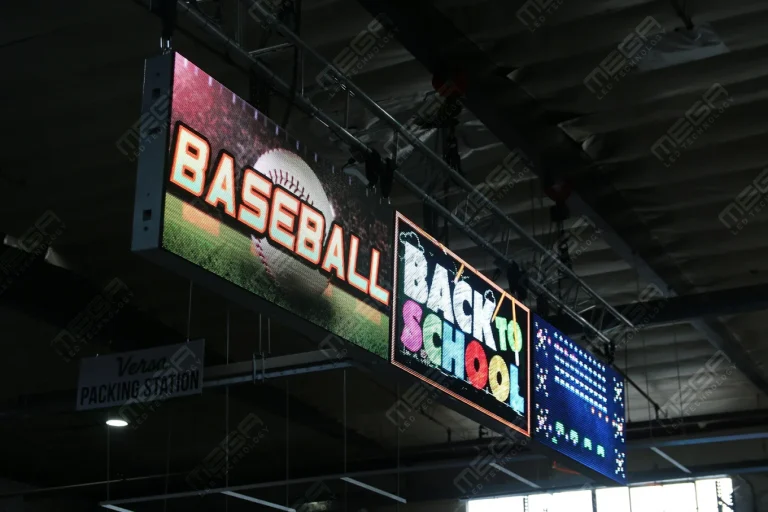





Alpha LED sign boards are great for anything from churches, to schools, to business. They tend to do great in large open spaces, where they are clearly visible.
Omega is our newest line of outdoor digital signs. Running the full gambit from cabinet, to LED sign, to logo on top, or any configuration of your choice!
Premier is a customizable Outdoor LED sign, perfect for the Entrepreneur who knows that large custom sized signs cultivated for their specific business is the way to go.
Programmable Stage LED signs, great for indoor assemblies, congregations, and presentations! Blow your competitors out of the water, or keep your congregation and audience glued to your message.