

What Is Smart Digital Signage? How Intelligent Screens Use Data, Software And Automation


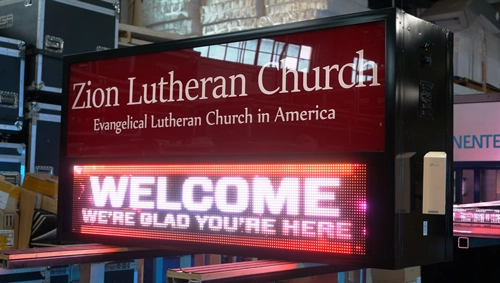
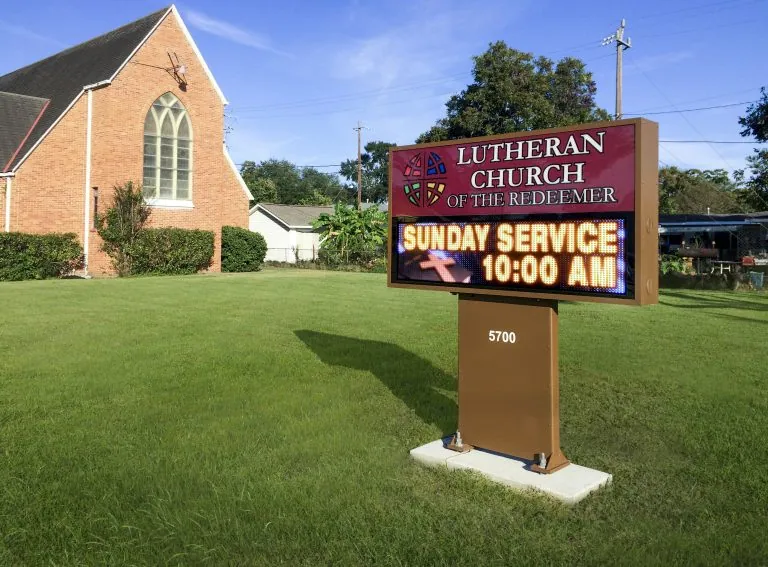
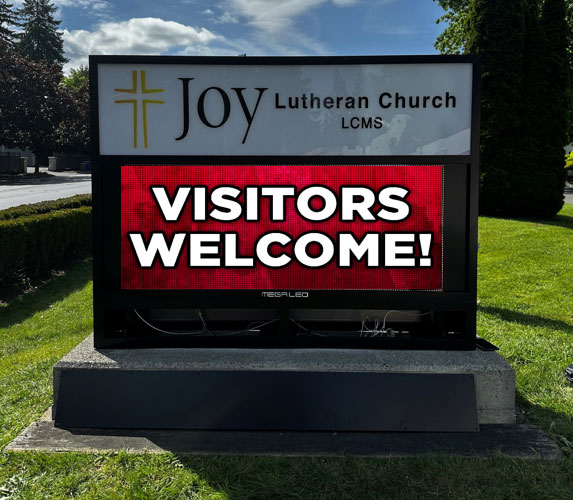
Alpha LED sign boards are great for anything from churches, to schools, to business. They tend to do great in large open spaces, where they are clearly visible.

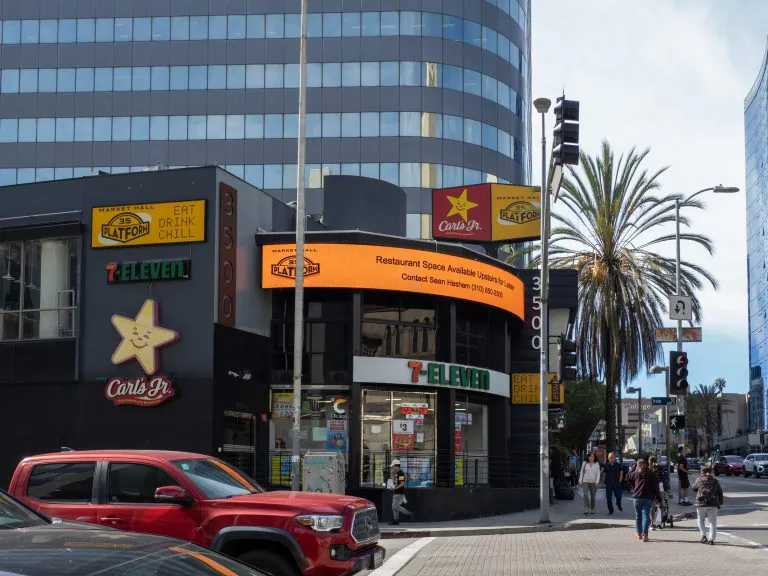
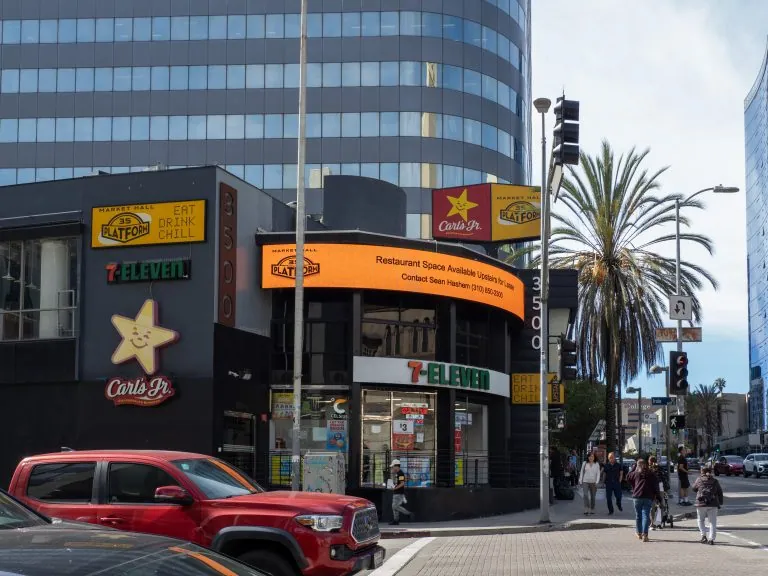
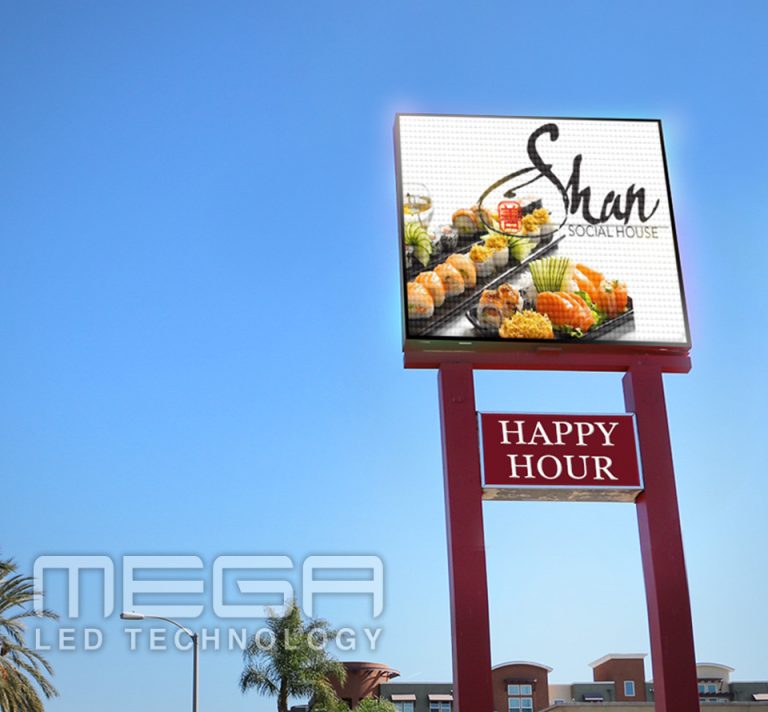
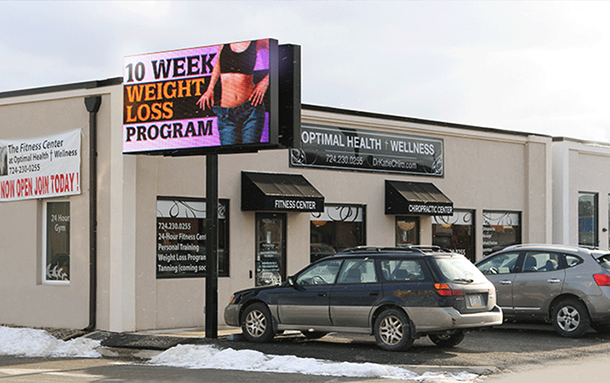
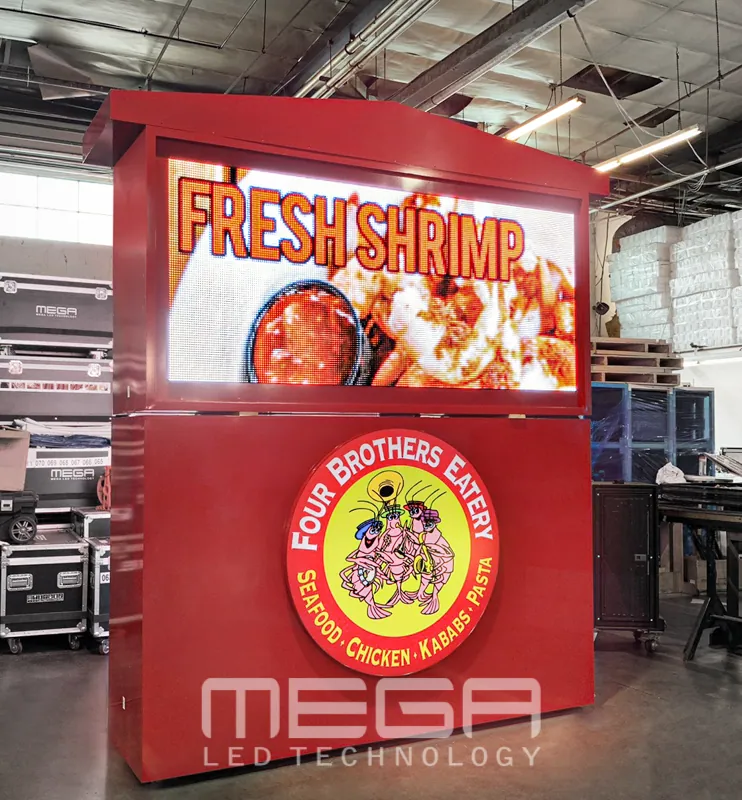
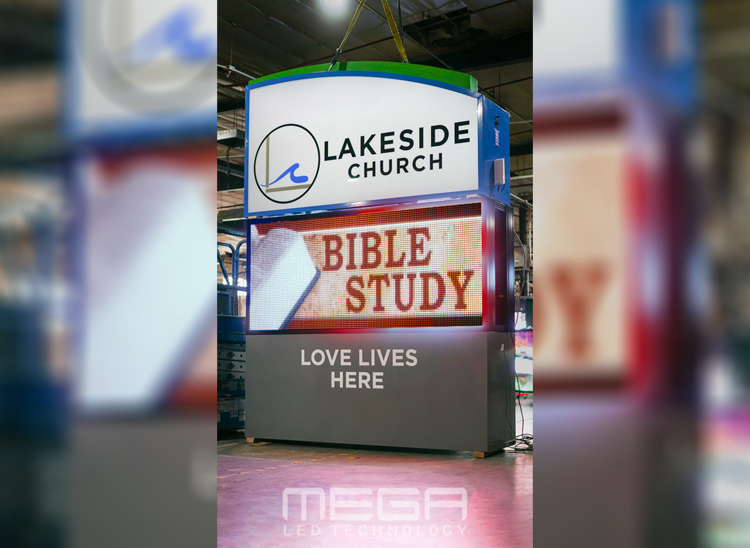
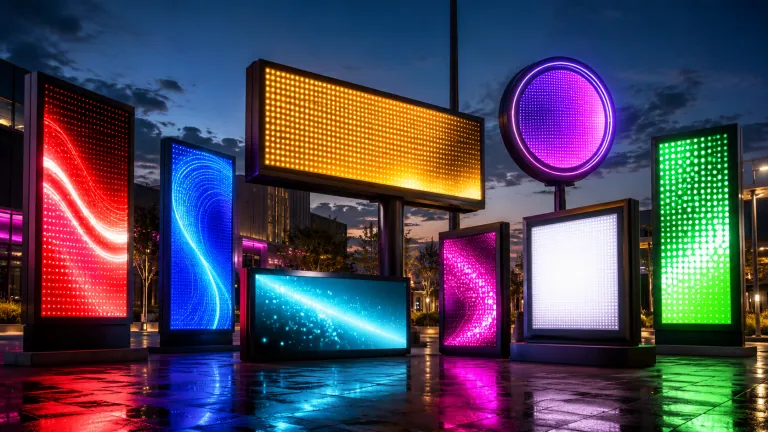
Omega is our newest line of outdoor digital signs. Running the full gambit from cabinet, to LED sign, to logo on top, or any configuration of your choice!

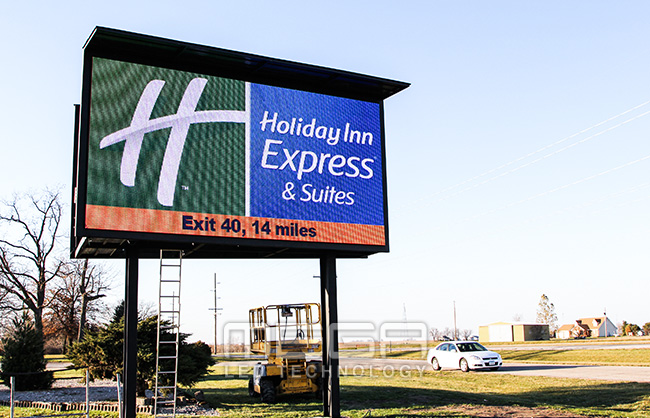
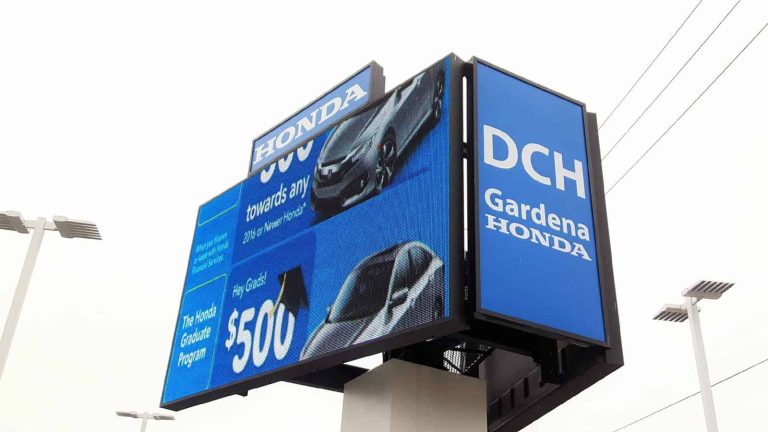
Premier is a customizable Outdoor LED sign, perfect for the Entrepreneur who knows that large custom sized signs cultivated for their specific business is the way to go.

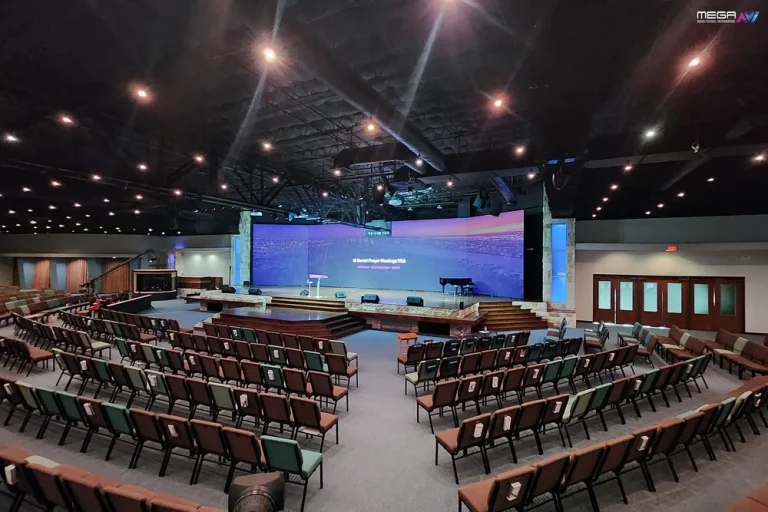
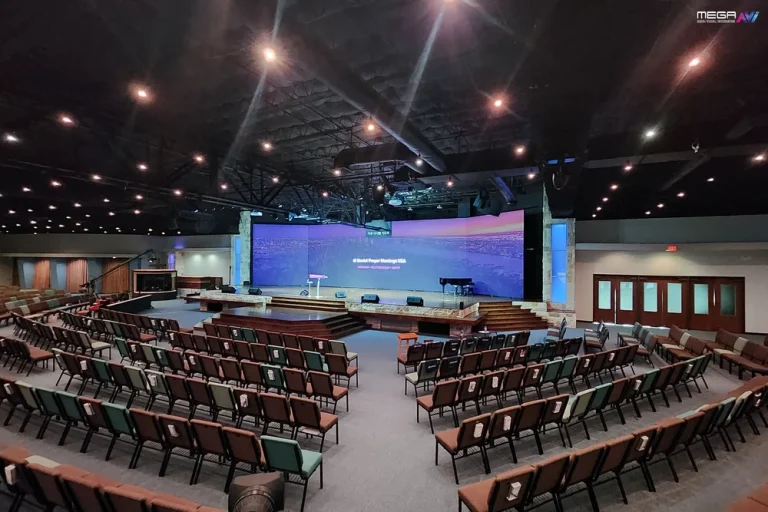
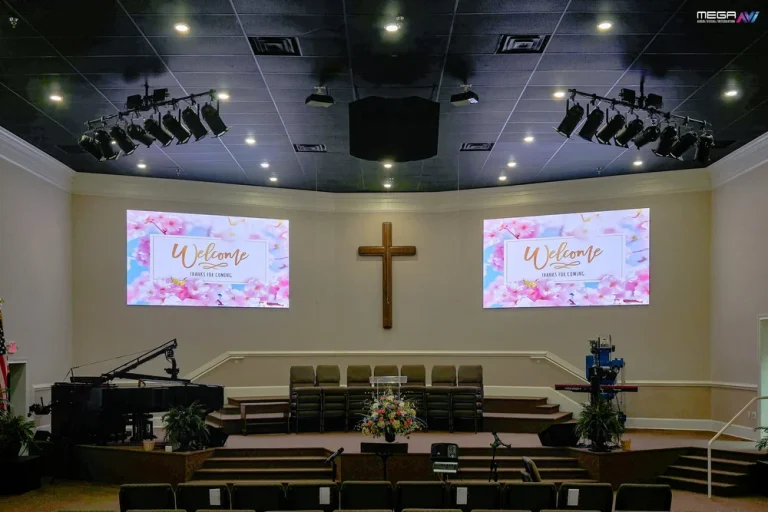
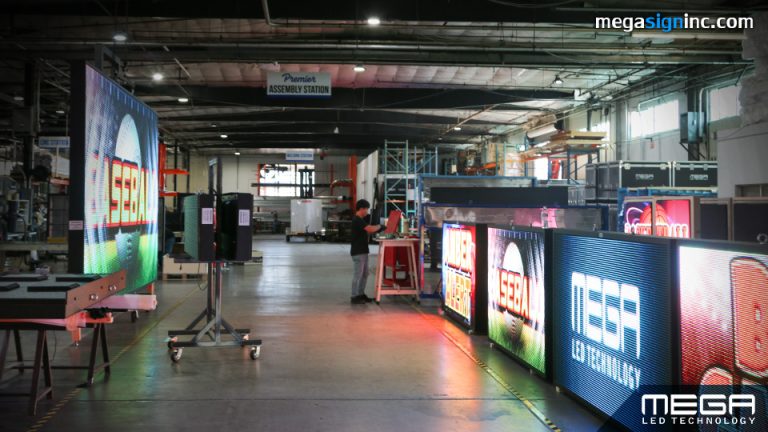
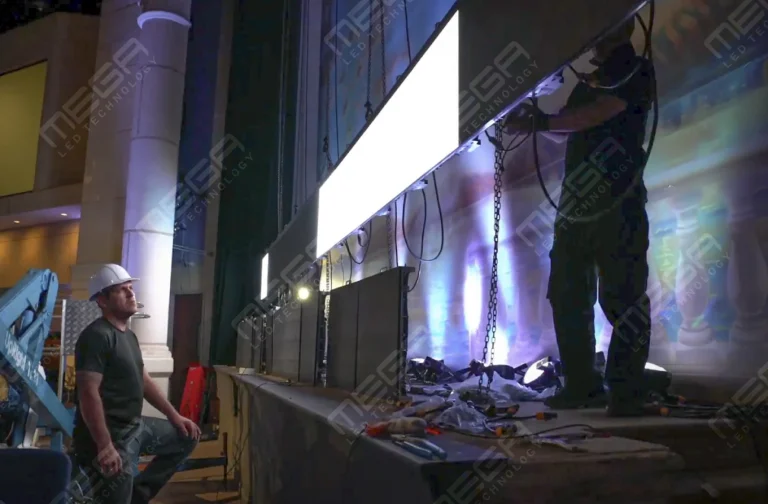
Programmable Stage LED signs, great for indoor assemblies, congregations, and presentations! Blow your competitors out of the water, or keep your congregation and audience glued to your message.

Alpha LED sign boards are great for anything from churches, to schools, to business. They tend to do great in large open spaces, where they are clearly visible.
Omega is our newest line of outdoor digital signs. Running the full gambit from cabinet, to LED sign, to logo on top, or any configuration of your choice!
Premier is a customizable Outdoor LED sign, perfect for the Entrepreneur who knows that large custom sized signs cultivated for their specific business is the way to go.
Programmable Stage LED signs, great for indoor assemblies, congregations, and presentations! Blow your competitors out of the water, or keep your congregation and audience glued to your message.
SMD LED specs like 2835, 3528, and 5050 can feel like code, making it hard to choose the right option for your project. Guessing often leads to wasted money and poor performance, too little brightness, too much heat, early failure, or the wrong light behavior for the task. Once you understand what the package numbers mean and how size affects output and efficiency, selecting the right SMD becomes simple. We would compare common types and selection factors.

SMD LEDs are categorized by package size and performance. These classifications affect many factors, including brightness, power consumption, and application compatibility.
SMD types greatly affect project outcomes. Efficiency-focused applications that maximize light per watt benefit from smaller packages like 2835. Multiple RGB diodes fit in 5050 packages. Understanding these distinctions eliminates costly specification errors.
LED lighting today uses SMD technology.
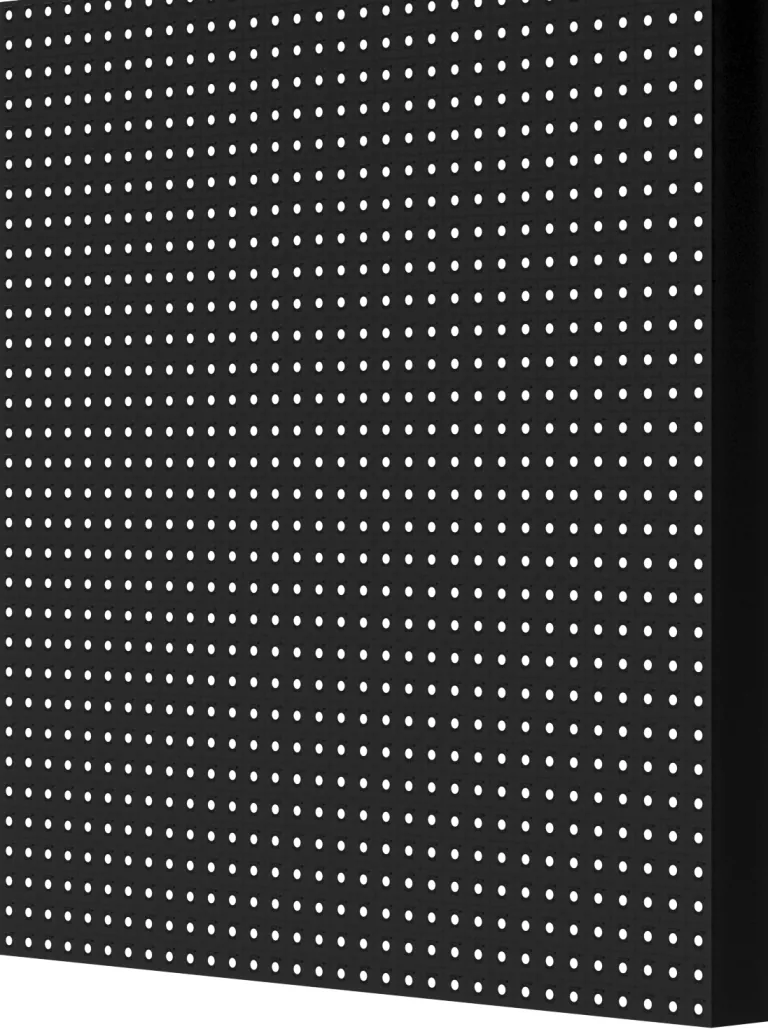
SMD is “Surface Mounted Device.” LED chips can be soldered to PCBs without wire leads or through-hole connections. Surface mounting allows new ways to package tiny LEDs.
One compact SMD LED contains the light-emitting chip, electrical connections, and casing. Research says that this integration lets you put several of them on circuit boards for powerful light sources in a small space.
Traditional through-hole LEDs need circuit board-length leads to work. This requirement is eliminated because SMD LEDs can be installed flat on circuit boards. LED strip lights, thin panel fixtures, and compact electronic displays work, unlike previous LED designs, due to their structure.
According to the U.S. Department of Energy’s Solid-State Lighting program, SMD-based LED technology has become the dominant format in both commercial and architectural lighting due to its efficiency, compact footprint, and mounting versatility.
Not every SMD supports true RGB mixing. Discover which chip types (like 5050) are built for color control and where they work best.
SMD LEDs group into categories based on package size, diode count, and intended application. The primary classifications include compact single-diode packages, mid-power multi-diode packages, and high-output commercial packages.
| SMD Type | Dimensions | Typical Power | Lumens | Best Application |
|---|---|---|---|---|
| 2835 | 2.8mm × 3.5mm | 0.2-1.0W | 20-100 | High-efficiency general lighting |
| 3528 | 3.5mm × 2.8mm | 0.06-0.08W | 6-8 | Accent and decorative lighting |
| 5050 | 5.0mm × 5.0mm | 0.2-0.24W | 16-24 | RGB color-changing applications |
| 5630 | 5.6mm × 3.0mm | 0.5W | 45-60 | High-brightness commercial lighting |
| 3030 | 3.0mm × 3.0mm | 1.0W | Up to 165 | Industrial and outdoor fixtures |
Package size directly influences how many diodes fit the housing. The 5050 package accommodates three separate diodes, enabling RGB color mixing. Smaller packages like 2835 typically contain single diodes optimized for efficiency rather than color flexibility.
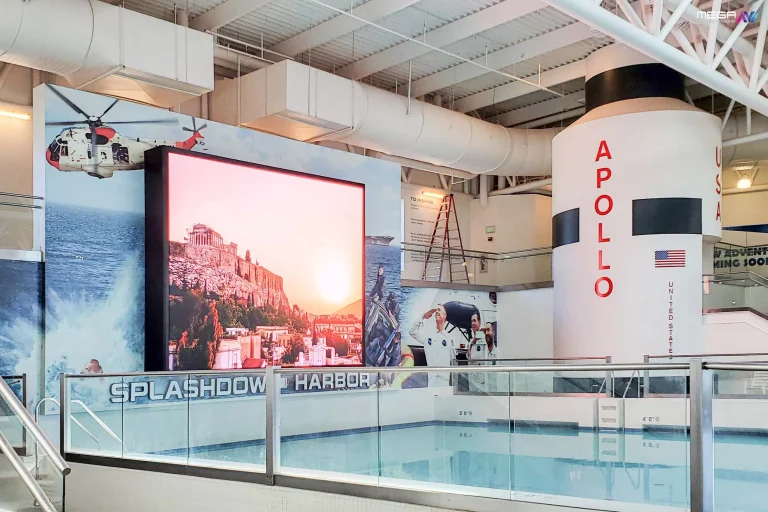
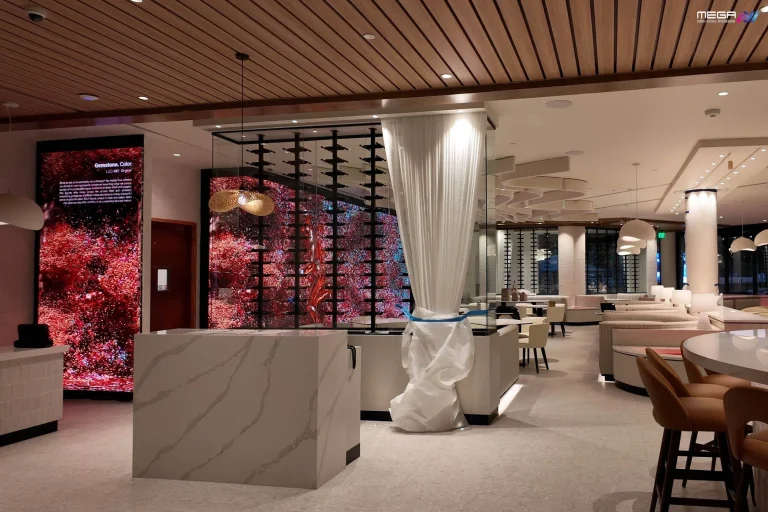
At MEGA LED Technology, we use premium SMD components in our video wall displays to deliver exceptional brightness and color accuracy. Our SMD LED stage lighting products combine high-efficiency chips with professional-grade construction for demanding performance environments.
Standard sizes simplify automated production and make things perform consistently. TehnoBlog says the four-digit name works for all manufacturers’ package sizes.
A simple numbering method. The first two numbers indicate tenths of a millimeter width. It is tenths of a millimeter long, as indicated by the final two numbers. So the SMD 5050 is 5.0 mm broad and long. The SMD 2835 is 3.5mm long and 2.8mm wide.
Designers check LED size guides for package fit. Larger packages handle more power and light but require more board space. Smaller packets are closely packed to evenly distribute light, while additional chips may brighten them.

To find the chip, check its size. When marks are hard to see, a small ruler or caliper can show package size. 2835 and 3528 are rectangular, but not 5050.
Usually, circuit board codes distinguish SMD types. Strip light package often specifies chip type. Datasheets and standard labels indicate when physical measurements are difficult.
Since 2835 and 3528 are the same size but have distinct orientations and capabilities, they are often confused. Research by industry experts shows that the 2835 is more efficient and employs newer technology than the 3528, despite their similar sizes.
Current LED design emphasizes efficiency with the 2.8mm by 3.5mm SMD 2835 package. The 2835 is widely recognized as the most efficient standard SMD package, producing more light relative to its power draw than larger alternatives. Its low thermal footprint also allows higher LED density on strip products, resulting in more even light distribution and less heat buildup per meter.
2835 is ideal for general illumination because it works so well. Strips can have more LEDs without getting too hot since they have a low thermal footprint. At 24 watts, good 2835 strips make 2600 lumens per meter, which is more than most other items like them.
Common uses are illumination for commercial work, ambient lighting for homes, backlighting for signs, and anything else that needs the most light per watt. The small size gets rid of LED hot spots and makes the light even.
The 3.0mm square 3030 package handles far more power than the 2835. The 3030 produces 165 lumens at 1 watt per chip, compared to 0.2-1.0 watts and 20-100 lumens for the 2835, according to TehnoBlog.
The thermal management of these packages is extremely distinct from one another. Because of its larger surface area, the 3030 is better able to disperse heat when operating at high power. This makes the 3030 an excellent choice for industrial fixtures that require constant high output.
The benefits of the application differ depending on the requirements. The 2835 should be used for setting up high-density environments that require homogeneous light distribution. For high-bay warehouse illumination or outdoor floodlights that require maximum output from a smaller number of LEDs, we recommend selecting the 3030 model.
Comparisons solely consider application needs. The 5050’s larger package houses three separate diodes, one red, one green, one blue, making it the standard for RGB color-changing applications. The 3528, with its single diode, is less bright per chip but enables tighter placement density, which can offset the brightness difference when more LEDs are used per meter.
However, comparisons of brightness can be quite misleading. Increased density is made possible with smaller 3528s. Even though it has fewer chips, the 600-LED 3528 strip is superior to the 300-LED 5050 strip in terms of performance. By compensating for brightness, density is used.
You should base your decision on factors such as color, space, and budget. As a result of its three red, green, and blue diodes, the 5050 is an excellent choice for RGB applications. When it comes to accent lighting in a single hue, the 3528 is a more cost-effective option.
Selection starts with the requirements for brightness. Figure out how many lumens your room need and which SMDs can provide those lumens while using a fair amount of power. Overspecification is a waste of energy, while underspecification is a poor source of illumination.
Choose SMD 2835 for efficient, uniform illumination with lower heat and high LED density.
Choose SMD 3030 for higher-watt operation and better heat dissipation in demanding fixtures.
Choose SMD 5050 for true RGB mixing (three diodes per package) and dynamic color control.
Choose SMD 5630 for high lumen output, paired with proper heat sinking/thermal design.
Think about your performance and your physical limitations. Limited space encourages the use of smaller packages. Chips that limit waste heat are required in regions that are heat-sensitive. For outdoor installations, it is necessary to have packages that are resistant to extreme temperatures and moisture.
Choosing based on pricing, neglecting thermal requirements, and overestimating brightness are common blunders. Matching chip type to application requirements is the most reliable way to avoid both overspending and underperformance.
The 5630 package delivers the highest brightness among common SMD types. The 5630 delivers the highest raw lumen output among common SMD packages, making it the preferred choice for commercial fixtures where maximum brightness is the priority.
Measuring brightness in lumens only provides a partial picture. Efficiency measured in lumens per watt often matters more than raw output. The 2835 is less powerful than the 5630, but it is brighter and uses less power, which lowers the total cost of running it.
Performance comparisons show the 5630 generating more heat than efficient alternatives. Higher-output packages like the 5630 generate more heat per chip, which makes thermal management a critical design consideration. The U.S. Department of Energy notes that proper heat dissipation is essential to LED longevity, with aluminum channels and heat sinks being standard solutions for high-output installations.

Warm white to cool white and the whole RGB spectrum are available with SMD LEDs. Single-color chips output red, green, blue, amber, and white from 2700K warm to 6500K daylight.
Multi-color chips, like the 5050, contain red, green, and blue LEDs. Variable diode intensity allows millions of color combinations in this RGB arrangement. The 5050’s three-diode structure enables full RGB and RGBW control, making it the standard chip for dynamic, color-variable scene lighting.
The application chooses color. Retailers optimize product displays with adjustable white. RGB is preferred for dynamic effects in entertainment venues. Overall lighting uses set color temperature whites that fit the space’s aesthetics.
The main SMD LED types include 2835, 3528, 5050, 5630, 3030, and 4014, with numbers indicating package dimensions in millimeters. The 2835 offers the best efficiency for general lighting applications. The 5050 provides RGB color-changing capability. The 5630 delivers maximum brightness for commercial installations. Each type serves different applications based on size, power handling, brightness output, and thermal characteristics.
The 2835 and 5050 are currently the most common SMD sizes. The 2835 dominates efficiency-focused applications including strip lighting, panel lights, and general illumination due to its excellent lumens-per-watt performance. The 5050 remains the standard for RGB and color-changing applications because its larger package accommodates three separate diodes for color mixing. The older 3528 continues appearing in budget products but is increasingly replaced by the more efficient 2835.
































Alpha LED sign boards are great for anything from churches, to schools, to business. They tend to do great in large open spaces, where they are clearly visible.
Omega is our newest line of outdoor digital signs. Running the full gambit from cabinet, to LED sign, to logo on top, or any configuration of your choice!
Premier is a customizable Outdoor LED sign, perfect for the Entrepreneur who knows that large custom sized signs cultivated for their specific business is the way to go.
Programmable Stage LED signs, great for indoor assemblies, congregations, and presentations! Blow your competitors out of the water, or keep your congregation and audience glued to your message.