

What Is Smart Digital Signage? How Intelligent Screens Use Data, Software And Automation


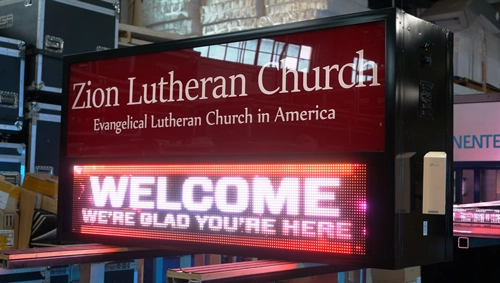
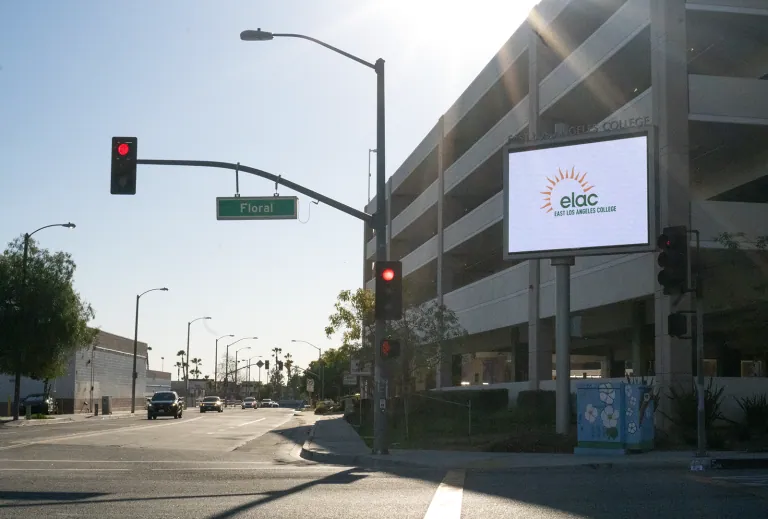
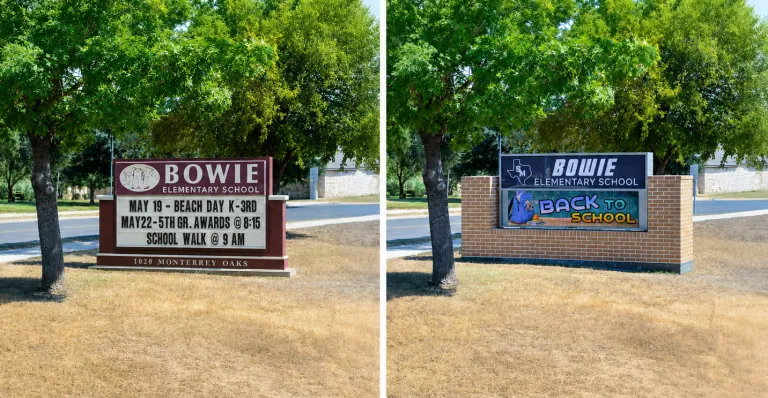
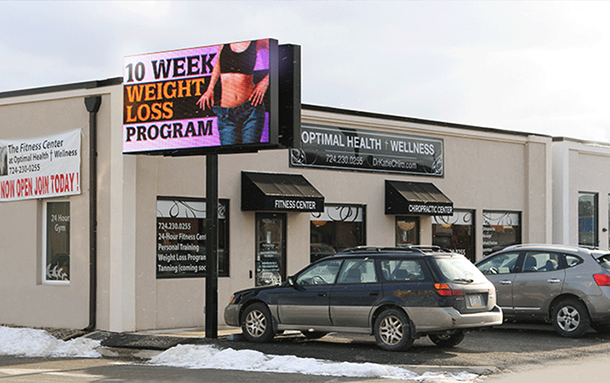
Alpha LED sign boards are great for anything from churches, to schools, to business. They tend to do great in large open spaces, where they are clearly visible.

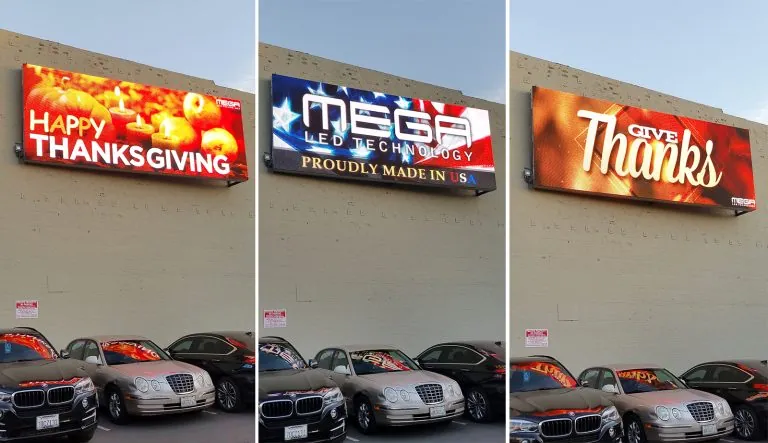
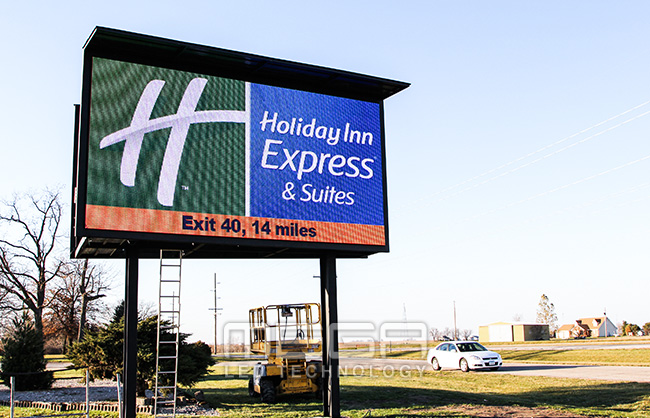
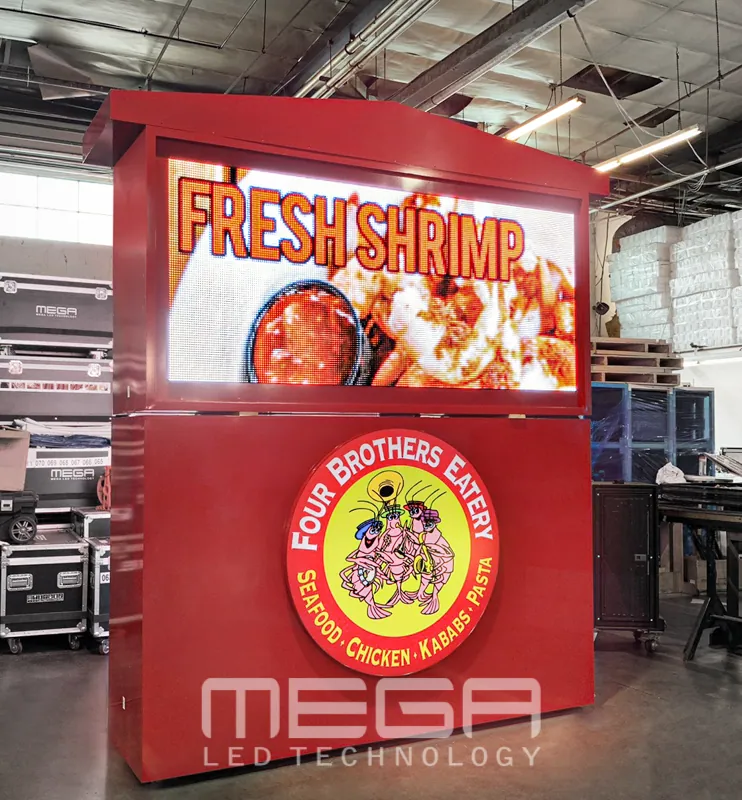
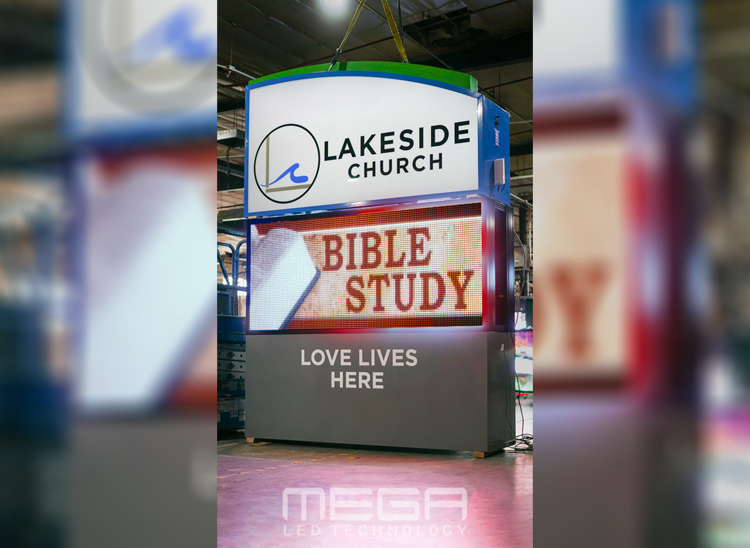
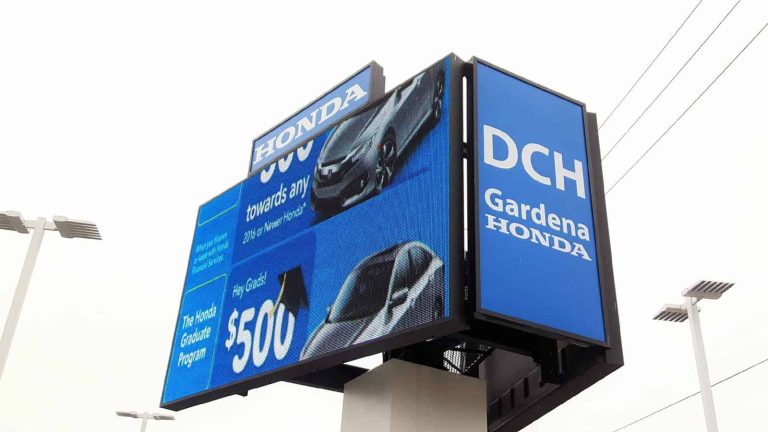
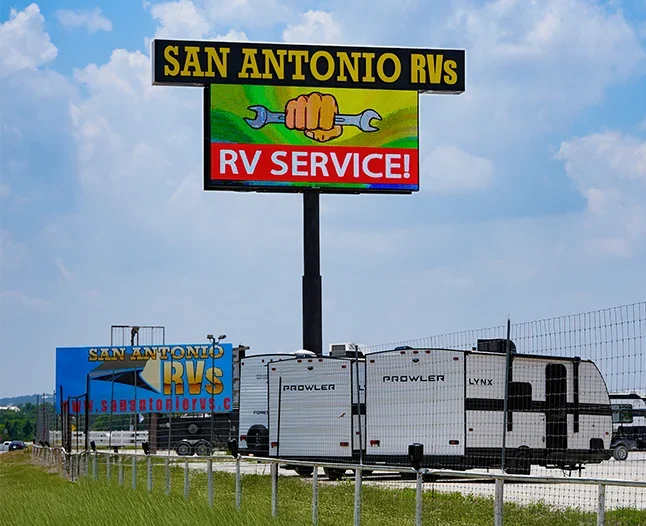
Omega is our newest line of outdoor digital signs. Running the full gambit from cabinet, to LED sign, to logo on top, or any configuration of your choice!

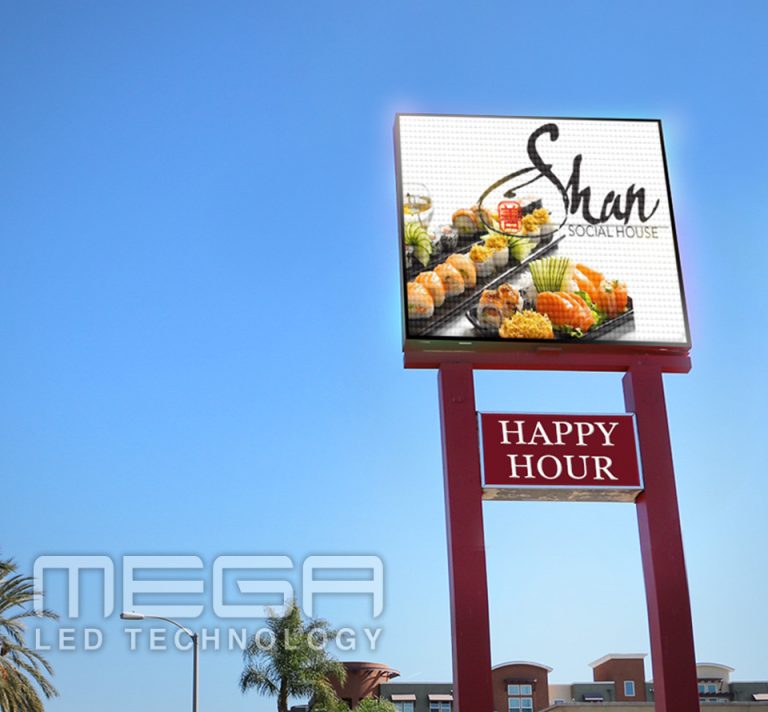
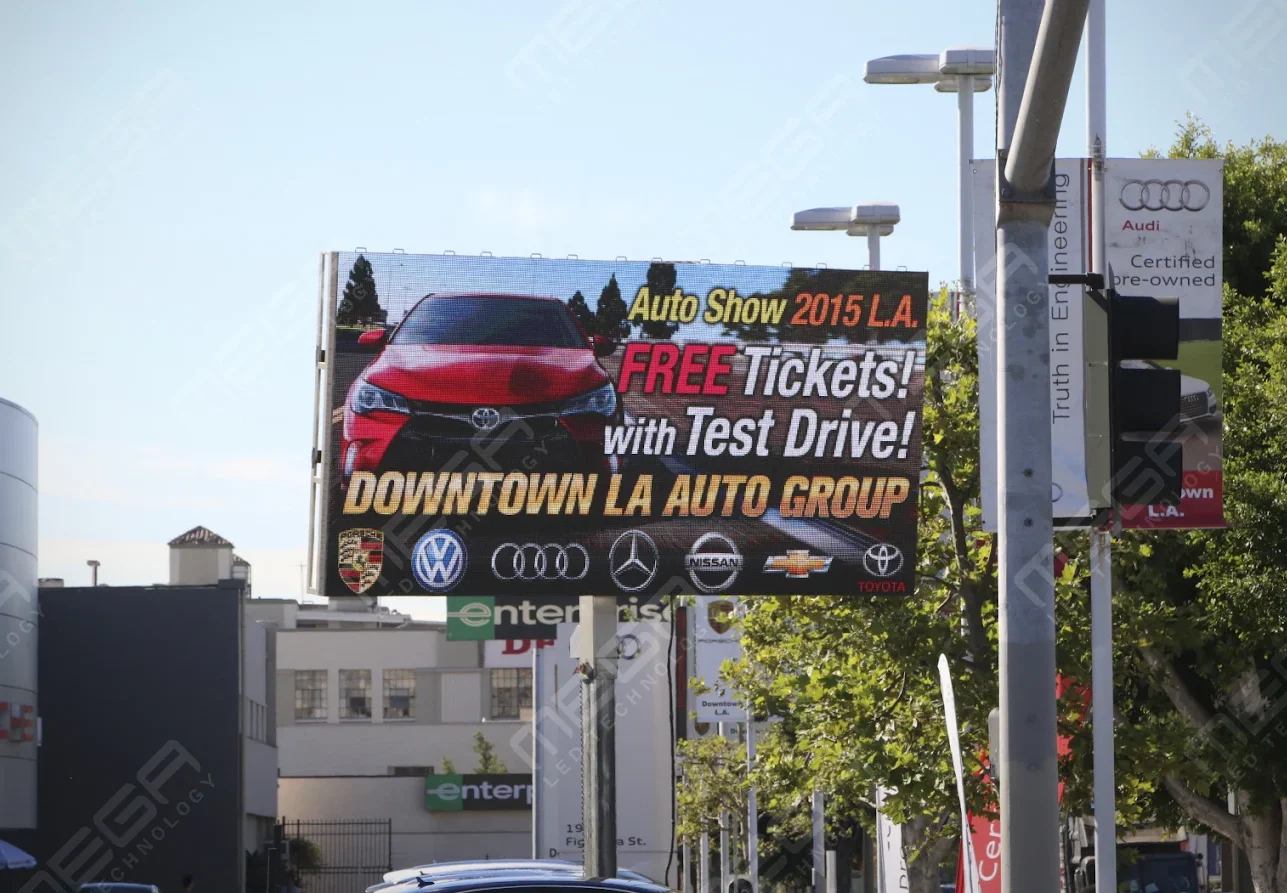
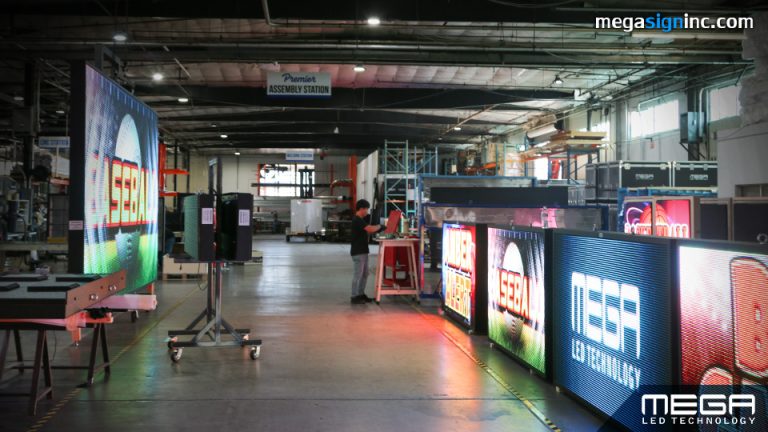
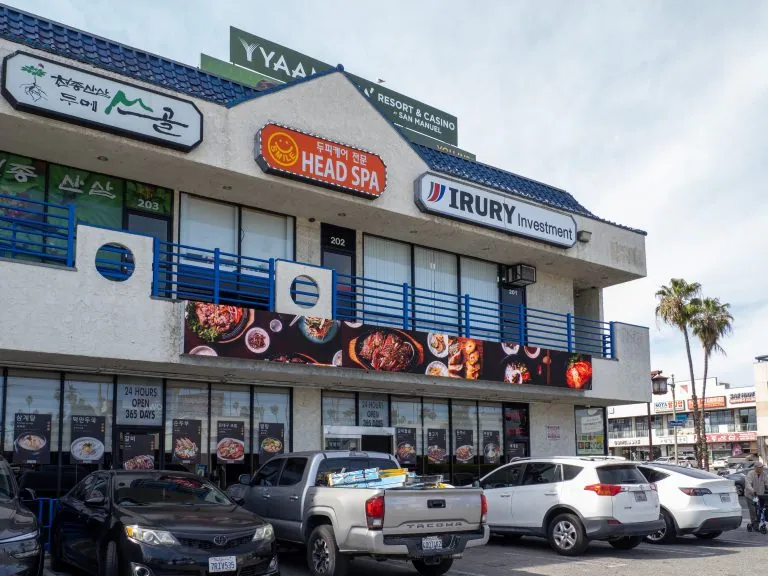
Premier is a customizable Outdoor LED sign, perfect for the Entrepreneur who knows that large custom sized signs cultivated for their specific business is the way to go.

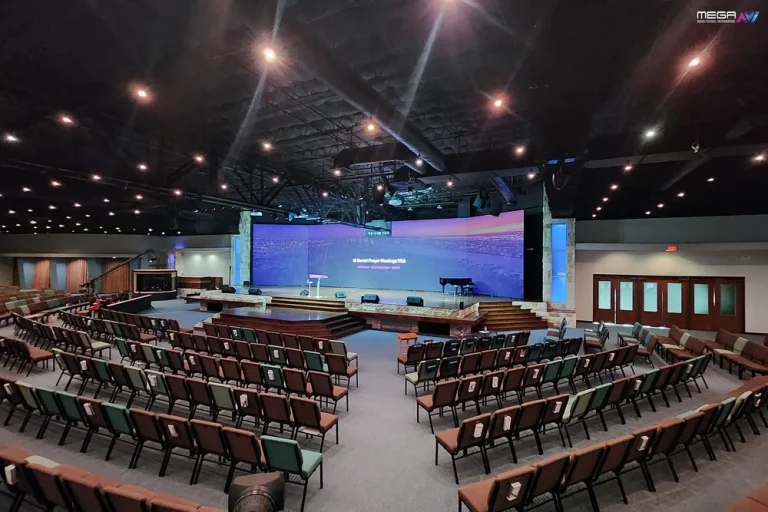
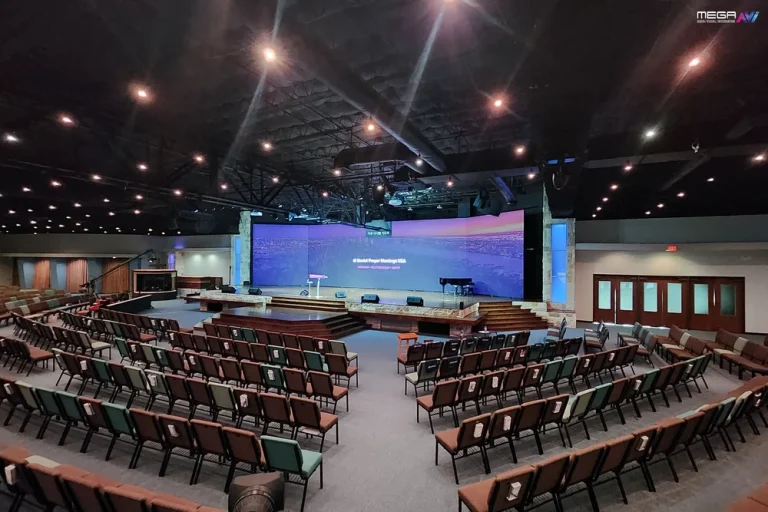
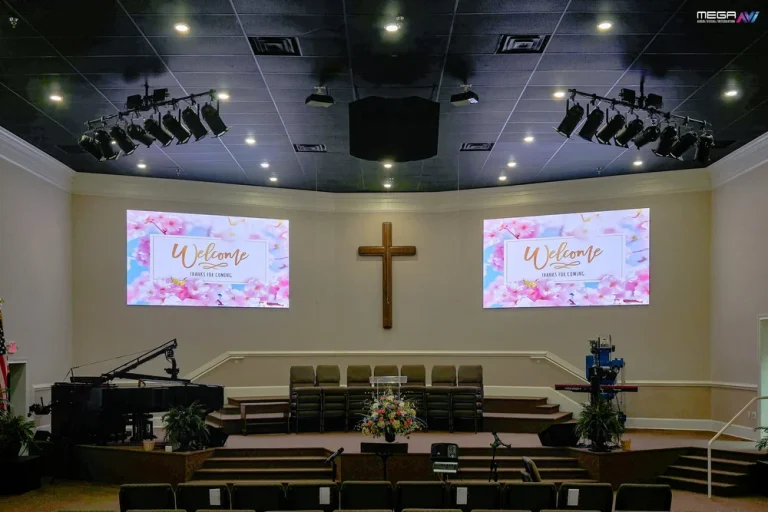
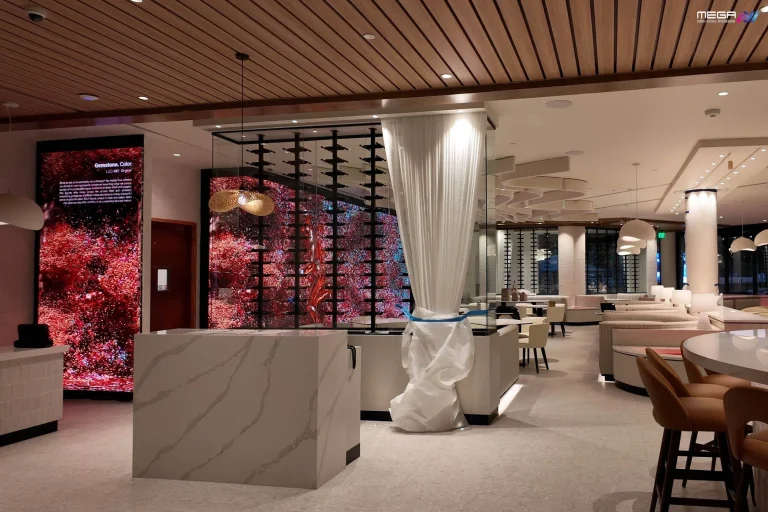
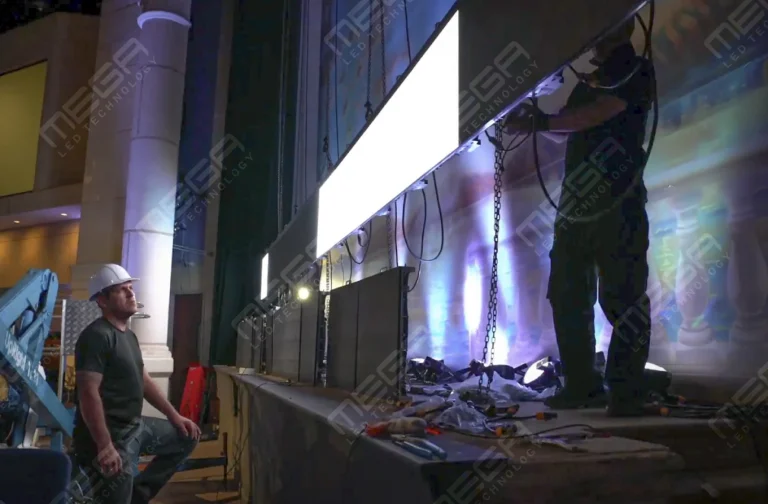
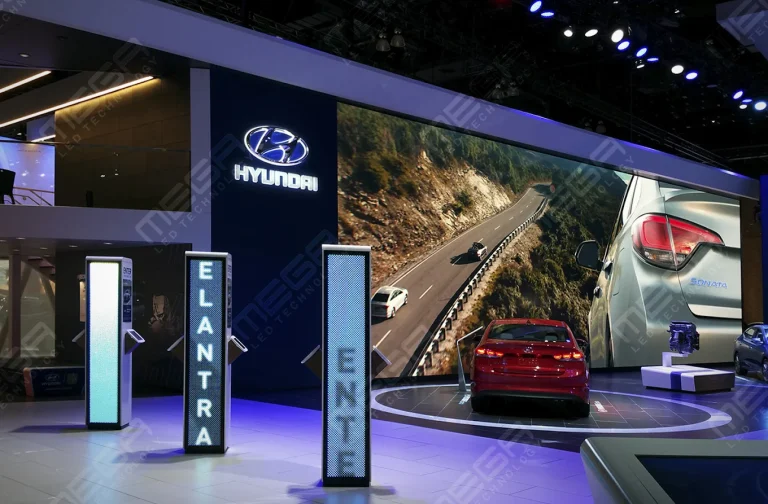
Programmable Stage LED signs, great for indoor assemblies, congregations, and presentations! Blow your competitors out of the water, or keep your congregation and audience glued to your message.

Alpha LED sign boards are great for anything from churches, to schools, to business. They tend to do great in large open spaces, where they are clearly visible.
Omega is our newest line of outdoor digital signs. Running the full gambit from cabinet, to LED sign, to logo on top, or any configuration of your choice!
Premier is a customizable Outdoor LED sign, perfect for the Entrepreneur who knows that large custom sized signs cultivated for their specific business is the way to go.
Programmable Stage LED signs, great for indoor assemblies, congregations, and presentations! Blow your competitors out of the water, or keep your congregation and audience glued to your message.
Digital signage stands out where static posters get ignored. Business owners face ongoing costs and delays when they must reprint, ship, and manually replace old signage, while customers tune out anything that looks outdated. Digital displays solve this with dynamic content that captures attention, plus centralized software that updates messaging instantly across locations. The result is measurable business impact: higher engagement, faster communication changes, and improved customer experience that can translate into sales and operational savings.
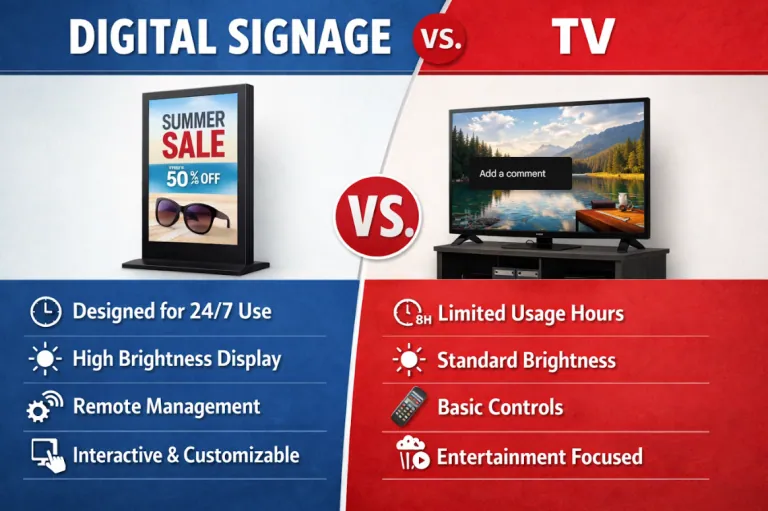
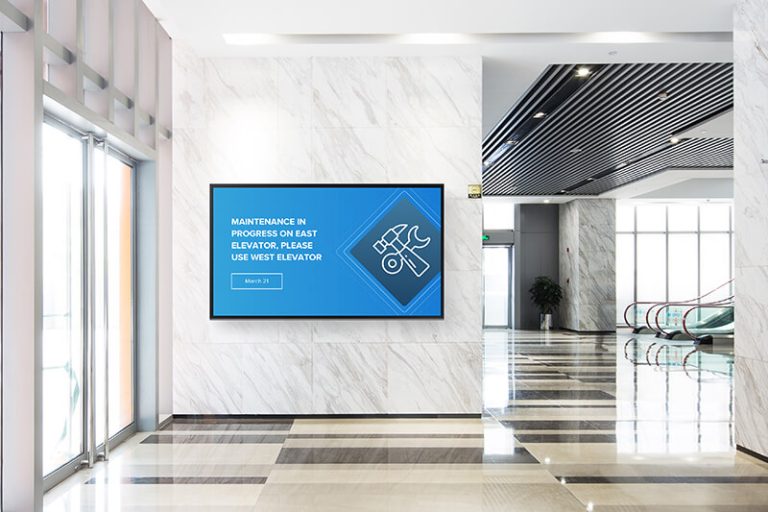
Digital signage uses electronic displays to show multimedia content, including images, video, text, and interactive elements. Unlike static printed signs that remain fixed until physically replaced, digital signs update instantly through software.
The fundamental difference lies in adaptability of digital signs. A printed poster shows one message indefinitely. A digital display uses real-world factors (think weather, traffic, time of day, etc) to rotate multiple promotions.
Dynamic visuals outperform static signs dramatically. Research shows that digital displays capture 400% more views than static signs and achieve up to an 83% message recall rate. People simply cannot ignore motion the way they’ve learned to ignore posters.
Centralized control transforms how businesses manage communications. Update content at headquarters and watch it instantly zap on across all locations within seconds. No printing, no shipping, and especially, no waiting for installation crews.
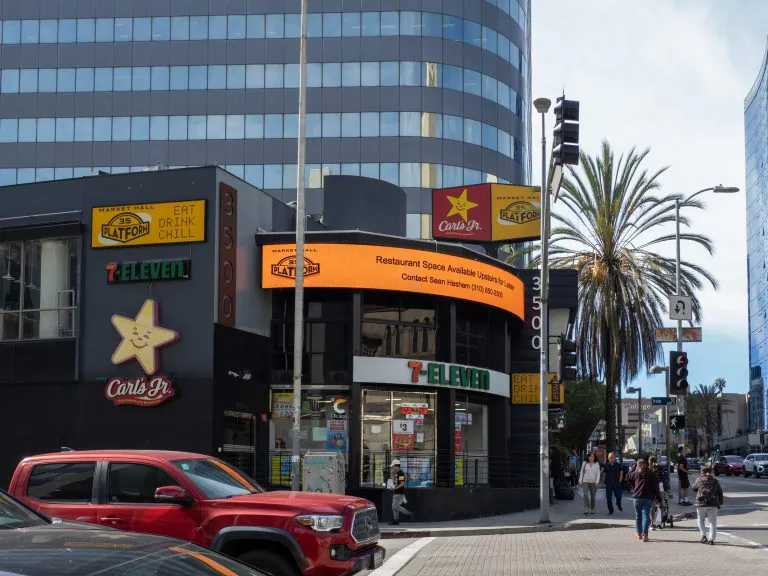
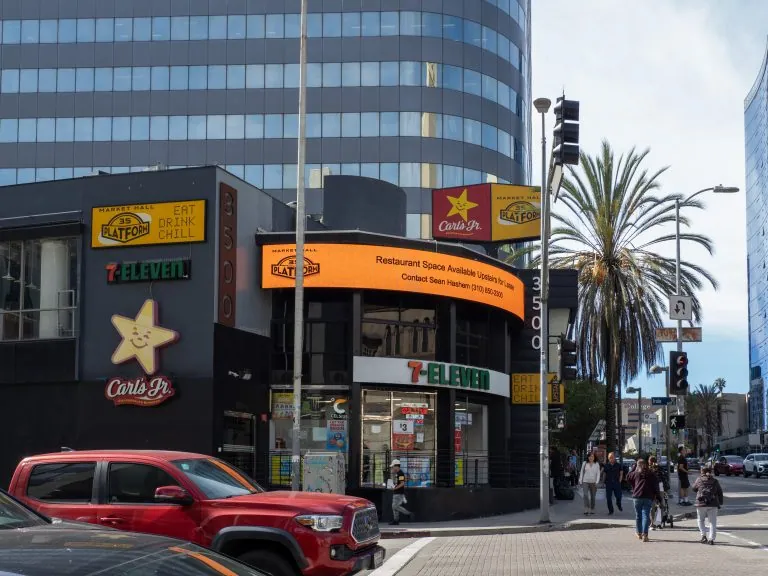
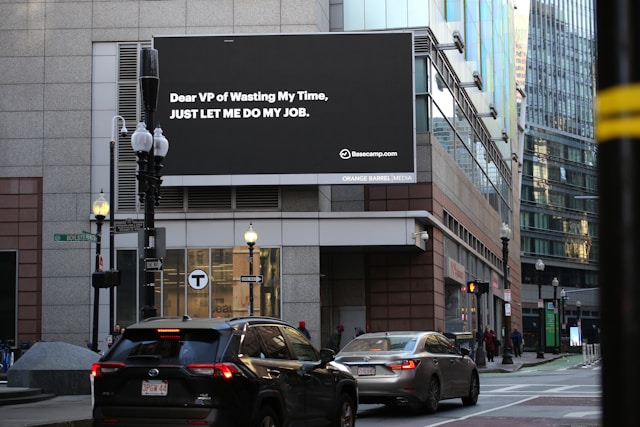
Visibility improvements prove especially valuable in crowded environments. Whether inside a busy retail store or alongside a highway, digital signage cuts through visual clutter with brightness, motion, and dynamic content that static signs cannot match.
Digital signage grabs attention with motion and brightness—and updates instantly without reprinting or reinstalling anything.
Most businesses find that digital signage is worth the money. Yes, upfront cost is more than printing a banner, but the overall expense picture offers a different narrative.
Cost cutting shows short-term results right away. Retailers report advertising expenditures being 30–35% cheaper than those of traditional print. After putting up digital signs, churches cut their photocopying and printing expenditures by 76%. You start saving money right away.
Long-term gains add to these savings and help the business thrive. Per Mvix, digital signage boosts total sales by 31.8% and average purchase amounts by 29.5%. Most businesses get their full return on investment (ROI) in 12 to 24 months.
As businesses grow, the scalability of digital signage makes it increasingly useful. Adding new sites entails setting up hardware and connecting it to content management systems that are already in place. The same messages go to new screens without having to make new ones.
Consumer behavior has shifted to digital-first experiences, largely because people spend time in front of screens all day long. This means that dynamic digital experiences are pushing out static signage into irrelevance.
In physical spaces, this shift is creating a competitive advantage for digital signs. While competitors display static posters, businesses using digital signage capture dramatically more attention, a visibility difference that translates directly into foot traffic and sales.
Customers’ expectations keep changing and tending toward speed and relevancy. People want up-to-date information, personalized deals, and fun experiences. Digital signs can do all three, but static signs can’t adapt to meet any of these needs.
Digital signs do have disadvantages. Upfront hardware costs range from hundreds to several thousand dollars per display depending on size and durability requirements. Software subscriptions also add to expenses.
Maintenance also demands attention. Displays need occasional cleaning and software updates. However, modern LED technology lasts approximately 100,000 hours with proper care, making maintenance minimal compared to constantly replacing printed materials.
Content management presents a learning curve. Someone must create and schedule content regularly. Businesses benefit most when they have a dedicated staff for content responsibilities or partner with creative services that handle this ongoing need.

Human biology offers an explanation of why digital signage commands attention. Our visual systems evolved to detect motion as a survival mechanism. Moving images on digital displays trigger automatic attention responses that static images cannot activate.
This biological response creates measurable engagement differences. According to a My Total Retail, 58% of shoppers actively notice in-store digital displays, with nearly half reporting that signage influenced their purchase decisions.
Psychological principles amplify these effects. Novel stimuli attract curiosity. Changing content prevents habituation. Dynamic presentations communicate more information in less time. These factors combine to make digital signage dramatically more engaging than alternatives.
At MEGA LED Technology, we build custom digital signage designed to maximize these attention-capturing benefits. Our Alpha LED sign boards and Premier outdoor LED signs deliver the brightness and clarity that ensure your message gets noticed.
Visual hierarchy principles guide effective digital signage design. Motion draws the eye first, contrast directs attention to key elements, and size indicates importance. Digital displays leverage all these principles simultaneously.
Dynamic content is better for cognitive processing. The brain processes pictures far faster than words. Video and animation communicate complex messages in seconds that would require paragraphs of written explanation.
Design directly influences behavior when these principles combine strategically. A well-designed digital display guides viewer attention, communicates value propositions, and prompts desired actions in a seamless visual flow.
| Digital Signage Impact | Measured Improvement | Source |
|---|---|---|
| Store Entry Rate | 80% of customers enter after seeing signage | Digital Signage Today |
| Overall Sales Volume | 31.8% increase | Digital Signage Today |
| Average Purchase Amount | 29.5% increase | Digital Signage Today |
| Repeat Buyer Rate | 32.8% growth | Digital Signage Today |
| Brand Awareness | 84% say better than traditional | MVIX |
| Ad Recall Rate | 83% recall rate | SeenLabs |
| Views vs Static Signs | 400% more views | SeenLabs digital signage |
The greatest immediate business influence of digital signage is on purchase decisions. The data above show consistent, quantifiable gains across metrics.
Digital signage also boosts impulse purchases. Effectively placed displays near checkout areas boost last-minute sales. Time-sensitive marketing and eye-catching product displays stimulate purchases.
Additionally, digital signage boosts in-store performance by guiding customers. From inviting entrances to promotional department advertising, every touchpoint affects behavior.
Consumer expectations in retail and service are based on past experiences. Businesses that are modern, user-friendly, and customer-focused are popular. Digital signage displays these features upon entry.
Customer experience benefits from clarity, quickness, and authority. Digital screens display information clearly. Real-time updates ensure accuracy. Interactive options let customers fix issues.
Less friction from digital signs improves service. Digital signage in hospitals reduced wait times by 36%. Reading interesting things while waiting educates and relaxes customers. Perception increases happiness.
Instant modifications affect print methods. Change a promotion at 2 PM and see it on TV at 2:01. No printing, shipping, or installation required.
Scheduling simplifies management. Automatically update material by hour, day, or season. Breakfast until 11 AM, then lunch.
Centralization increases site flexibility. A company refreshes hundreds of stores’ Christmas discounts simultaneously.

Fast updating is quite helpful for flash and seasonal sales. Start a flash sale in a few minutes after you decide to. Respond to the price of a competitor on the same day.
Quickly responding to trends gives you an edge over your competitors. Update store signs right away if products go viral on social media. This level of reactivity was not possible with print.
Over time, advantages in competition expand. Companies that move quickly get money from competitors who move slowly.
Modern, professional presentations demonstrate your firm’s quality. Digital displays enhance consumer experience. Trust, choice, and high costs are affected by this perception.
Use promotional digital signage near entrances and checkout to drive foot traffic and impulse buys.
Use digital signage for queue/wait info and rotating content to improve satisfaction and influence decisions.
Start with a single screen + simple scheduling to replace recurring print and manual updates.
Implement centralized content management to push real-time updates across all sites instantly.
Brand awareness comes from a consistent look and feel across sites. All displays use the same fonts, colors, and layout. The flagship and new stores display the same brand. Brand uniformity increases brand recognition and liking.
Video and movement strengthen brand loyalty. Static logos identify you. Animated brand stories reveal your values and beliefs and how you interact. The difference matters because emotions influence buying decisions more than reasoning.
Many sorts of operations savings exist. The biggest money is saved by eliminating printing. By upgrading advertising materials, firms save money immediately when they cease producing invoices.
Automation reduces manual labor. Content scheduling eliminates daily updates. Centralization simplifies location management. Former sign changers now work on more essential tasks.
Improved internal communication. Digital signage boosts staff efficiency by 25% by sharing information. Without email chains or bulletin boards, critical communications reach everyone immediately.
Wayfinding clarity reduces customer frustration and staff interruptions. Interactive directories guide visitors through complex facilities. Dynamic maps update automatically when locations change.
Confusion reduction improves customer experience while saving staff time. Every question answered by signage is one that staff don’t field.
Traffic flow smooths when customers navigate confidently. Visit times are optimized. Customer satisfaction increases when finding destinations feels effortless.
Technology that allows interaction is evolving fast. Touchscreens enable you to browse, modify, and order things. Grand View Research predicts a $86 billion interactive display business by 2030.
People prefer personalized content to generic. Digital signage allows targeted marketing at the correct time, place, and message. Show the restaurant’s breakfast and dinner specials automatically.
Consumer participation transforms passive viewing into action. Interactive exhibits inspire curiosity. Engagement methods like these strengthen relationships more than one-way broadcast commercials.
Digital signage drives business growth through increased visibility, higher engagement, and improved conversion rates. Research shows 80% of customers enter stores after noticing digital signage, and those customers spend 29.5% more on average.
Digital signage delivers strong long-term ROI for most businesses. Typical payback periods range from 12-24 months, after which ongoing benefits include 30-35% lower advertising costs compared to print and sales increases exceeding 30%.

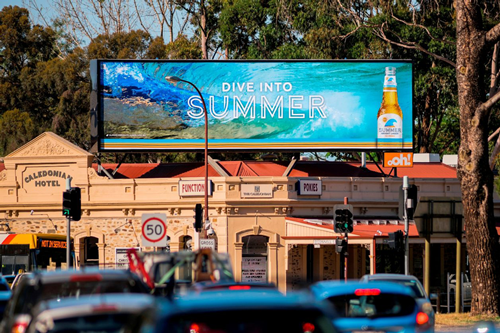

















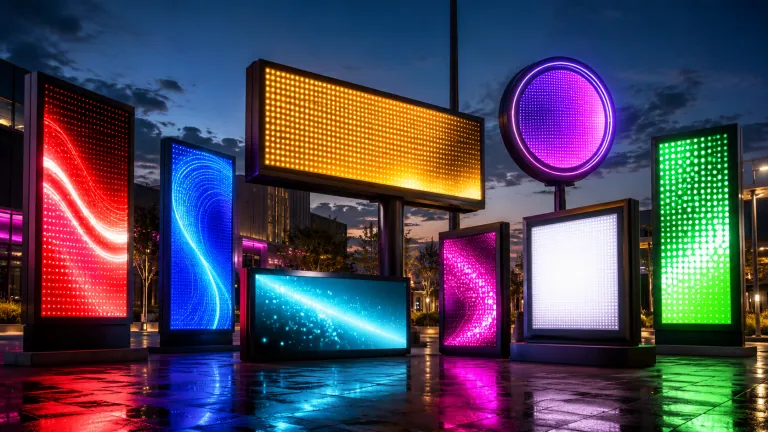





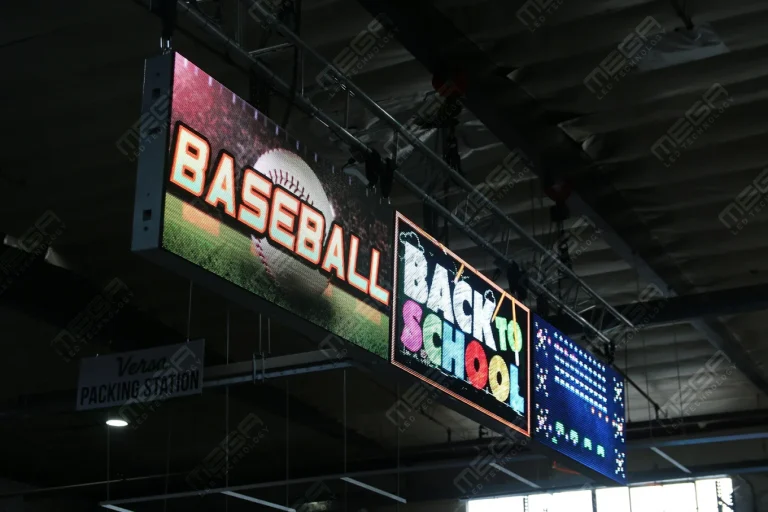




Alpha LED sign boards are great for anything from churches, to schools, to business. They tend to do great in large open spaces, where they are clearly visible.
Omega is our newest line of outdoor digital signs. Running the full gambit from cabinet, to LED sign, to logo on top, or any configuration of your choice!
Premier is a customizable Outdoor LED sign, perfect for the Entrepreneur who knows that large custom sized signs cultivated for their specific business is the way to go.
Programmable Stage LED signs, great for indoor assemblies, congregations, and presentations! Blow your competitors out of the water, or keep your congregation and audience glued to your message.