

What Is Smart Digital Signage? How Intelligent Screens Use Data, Software And Automation

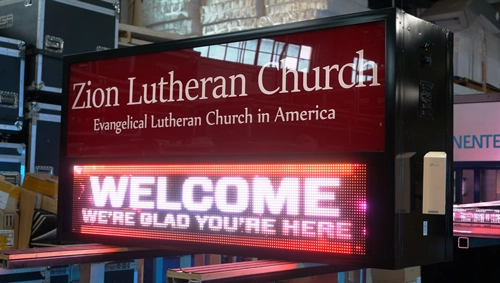
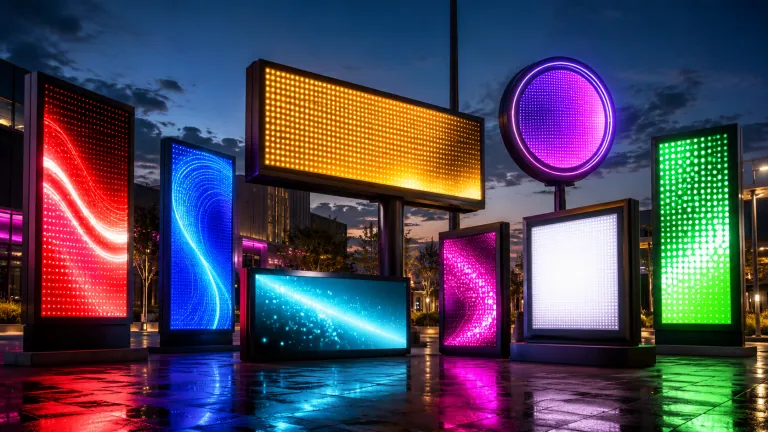
Alpha LED sign boards are great for anything from churches, to schools, to business. They tend to do great in large open spaces, where they are clearly visible.

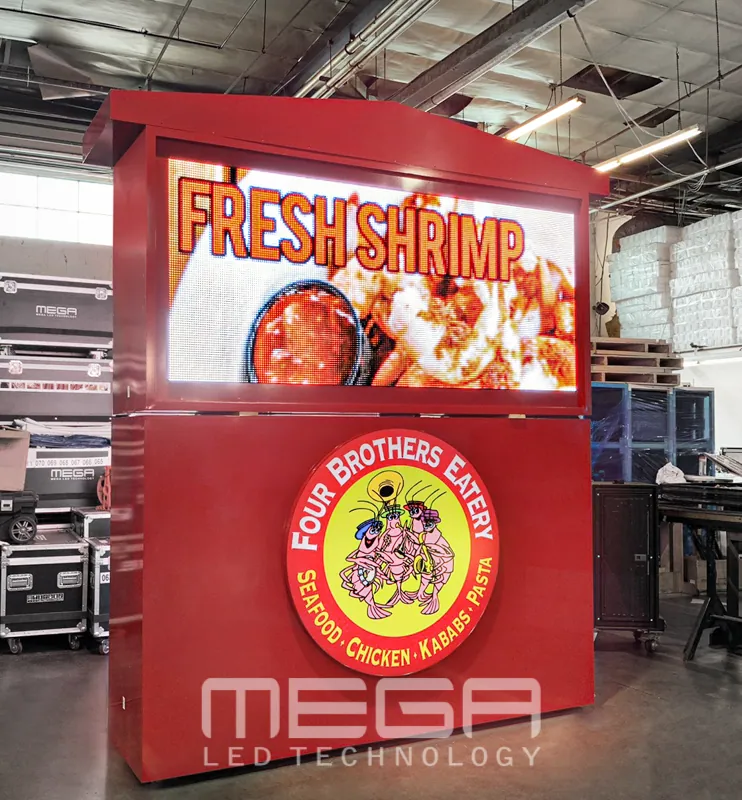
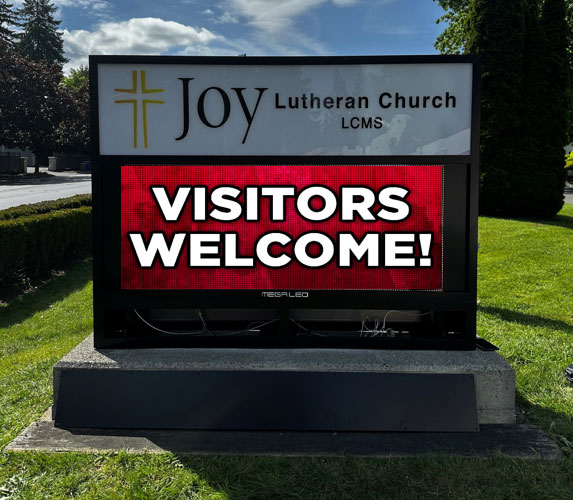
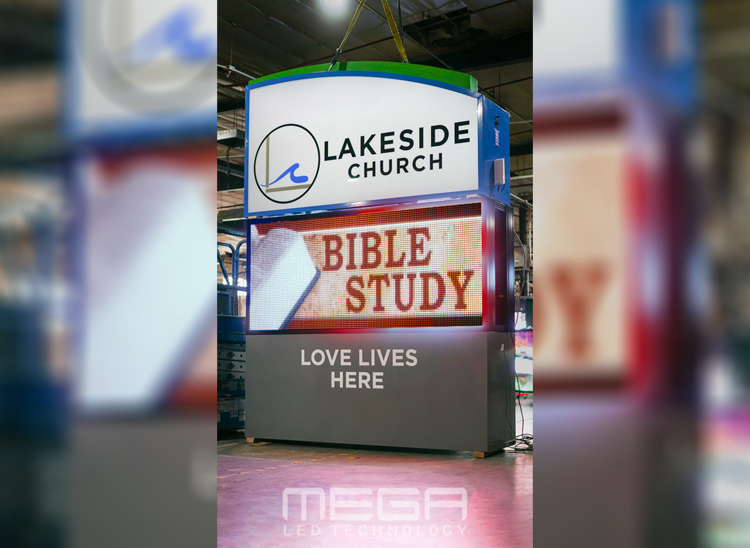
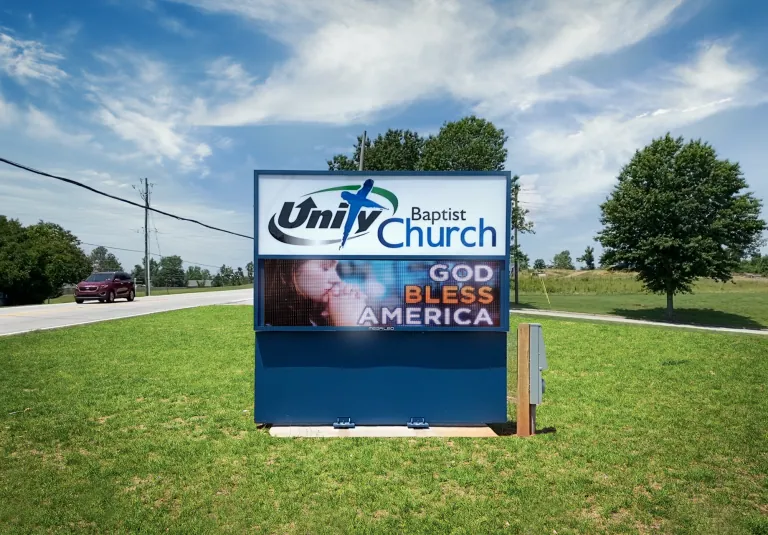
Omega is our newest line of outdoor digital signs. Running the full gambit from cabinet, to LED sign, to logo on top, or any configuration of your choice!

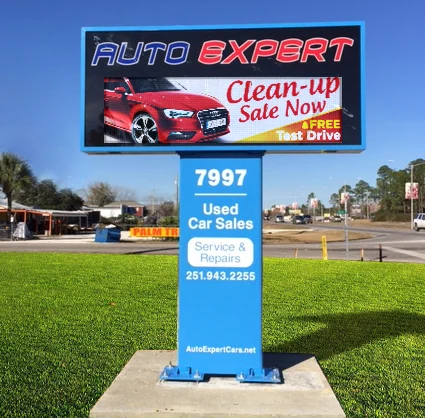
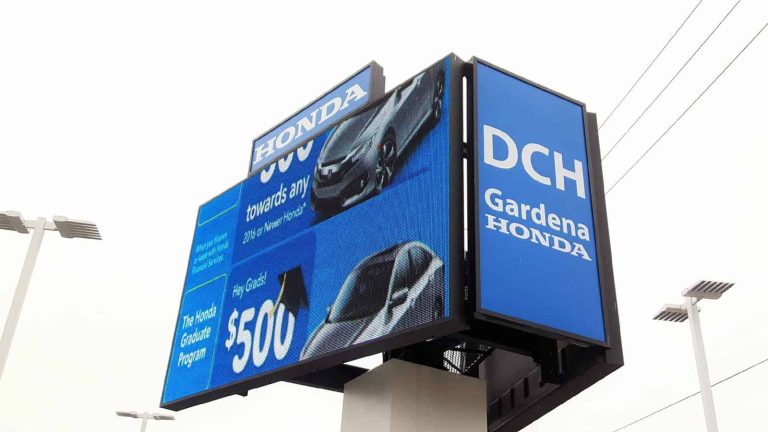
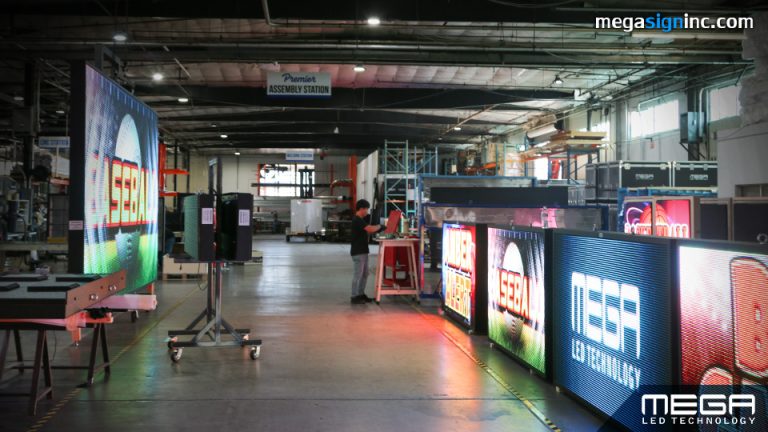
Premier is a customizable Outdoor LED sign, perfect for the Entrepreneur who knows that large custom sized signs cultivated for their specific business is the way to go.

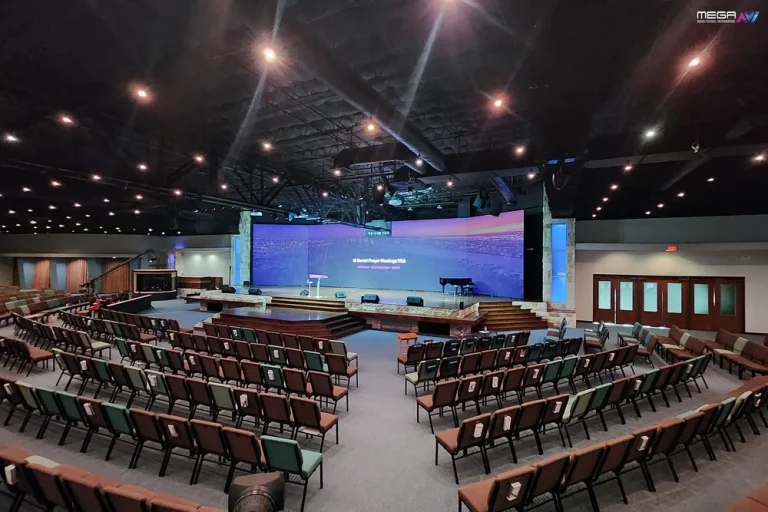
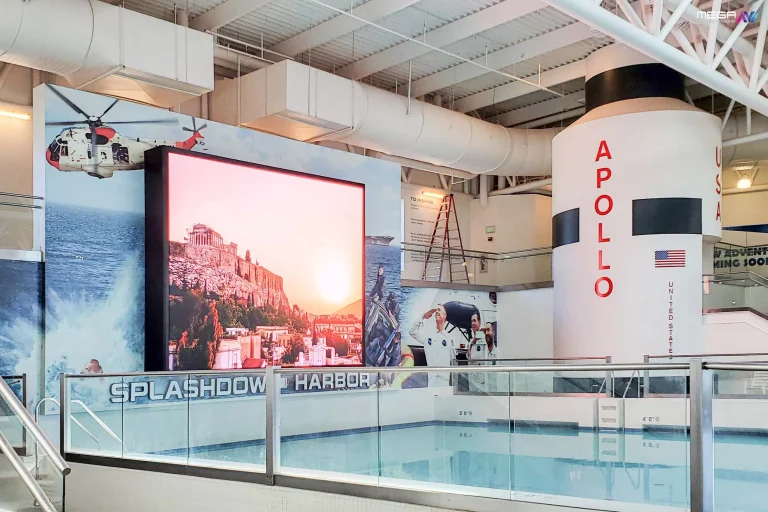
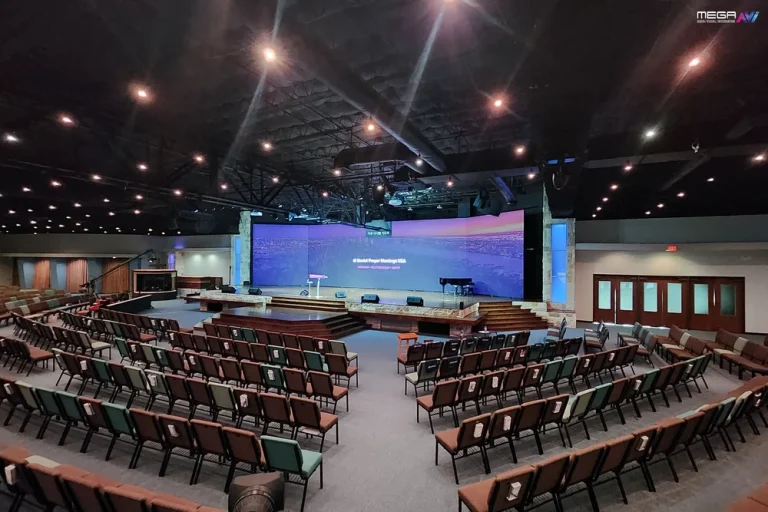
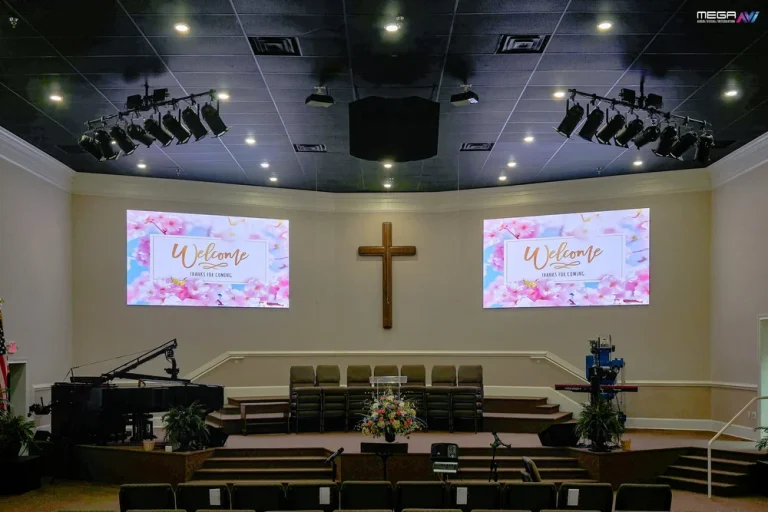
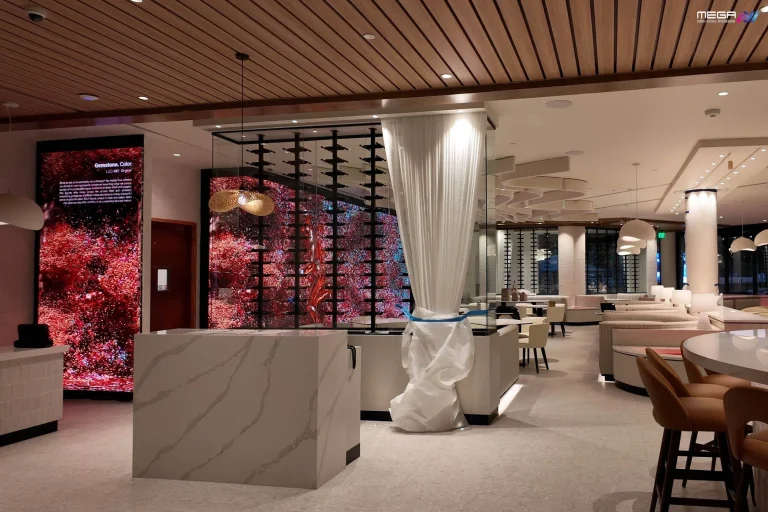
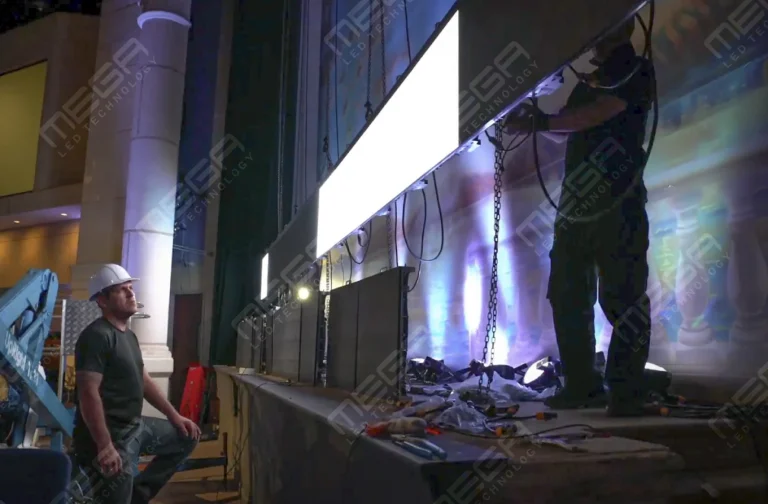
Programmable Stage LED signs, great for indoor assemblies, congregations, and presentations! Blow your competitors out of the water, or keep your congregation and audience glued to your message.

Alpha LED sign boards are great for anything from churches, to schools, to business. They tend to do great in large open spaces, where they are clearly visible.
Omega is our newest line of outdoor digital signs. Running the full gambit from cabinet, to LED sign, to logo on top, or any configuration of your choice!
Premier is a customizable Outdoor LED sign, perfect for the Entrepreneur who knows that large custom sized signs cultivated for their specific business is the way to go.
Programmable Stage LED signs, great for indoor assemblies, congregations, and presentations! Blow your competitors out of the water, or keep your congregation and audience glued to your message.
Every business needs signage, but most owners don’t realize how many types of signage exist or which ones actually fit their needs. The wrong choice wastes resources and misses the audience. This guide covers every major signage category so you can compare formats, understand what each one does, and choose with confidence.

Signage types are grouped by function, format, location, or material. The simplest way to think about it: what does the sign need to do? Branding signs identify your business. Navigation signs direct people through your property. Promotional signs advertise offers or events. Compliance and safety signs meet legal requirements like ADA accessibility or fire exit marking.
How many types are there? It depends on how you count. The categories overlap constantly. A monument sign can be a branding tool, a wayfinding marker, and an illuminated display all at once. A digital sign can handle promotions, directions, and brand identity from the same screen. The ISA sign glossary defines dozens of classifications. We’ve organized this guide by format and placement so you can compare options without getting lost in taxonomy.
Freestanding signs are self-supporting structures that don’t attach to a building. They sit at property lines, near roads, or at entrances. For many businesses, a freestanding sign is the first thing a visitor sees. The three main formats are monument signs, pylon/pole signs, and post-and-panel signs.
Choosing between them comes down to traffic speed, property setback, budget, and how much visual presence you want. A highway needs height. A campus entrance needs polish. A small office needs clarity without complexity.

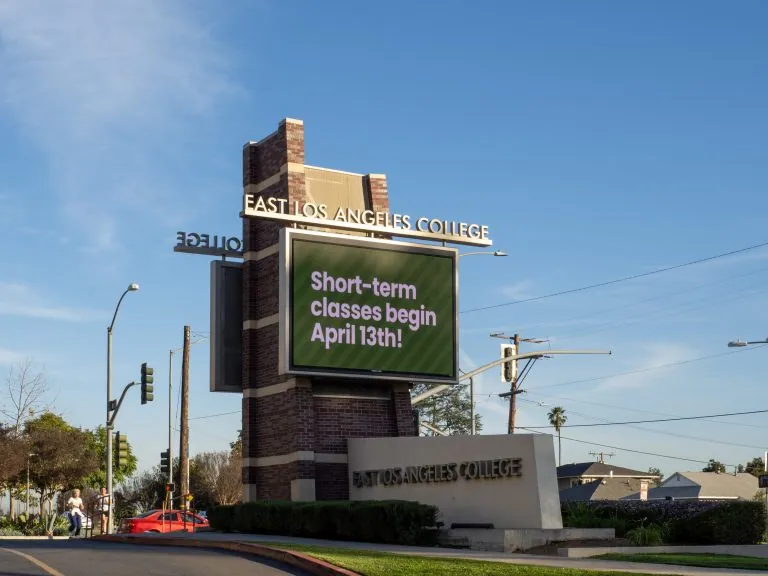
Monument signs are ground-level structures built for durability and professional appearance. They work well at office parks, schools, medical centers, residential communities, and corporate campuses. Materials like stone, brick, aluminum, and acrylic affect both the style and how long the sign holds up against weather and UV exposure.
What we like about monuments is how they anchor a property. They feel permanent, which builds trust before anyone walks through the door. We build Omega monument signs that combine a durable cabinet with an optional full-color LED display, so you get identity and messaging flexibility in one structure.
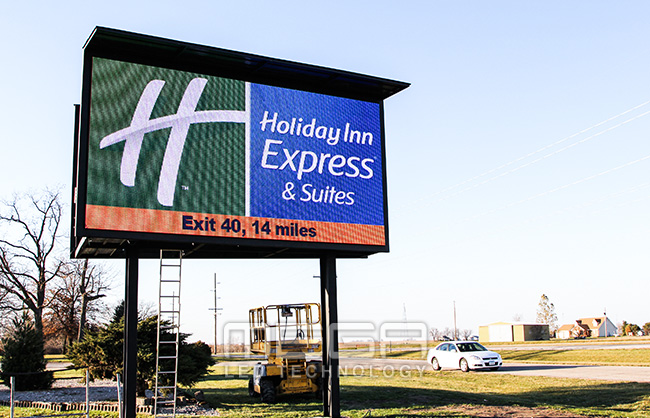
Pylon signs are tall freestanding signs designed for long-range visibility. Shopping centers, gas stations, hotels, and multi-tenant retail properties use them because drivers need to spot the sign well before they reach the turn. Heights range from 20 to 80+ feet depending on local zoning and site conditions. Most are double-sided so traffic catches them from both directions.
Compared to monument signs, pylons trade ground-level elegance for distance reach. If your building sits far from the road or traffic moves at highway speed, height solves the problem that a lower sign can’t.
Post and panel signs are simple freestanding signs supported by one or two posts with a rigid panel between them. They’re common at offices, real estate listings, schools, and churches. They cost less than monuments or pylons and install faster, making them a strong entry point for businesses that need basic exterior identification without a major investment.
MEGA LED Technology offers channel letters, LED displays, and monument signs with custom design support. We’ll help you find the right match for your building, budget, and visibility goals.
We see these often on properties where a monument feels like overkill but having no freestanding sign means being invisible from the road. They’re clean, functional, and easy to update when tenants or branding change. For the budget, they punch above their weight.
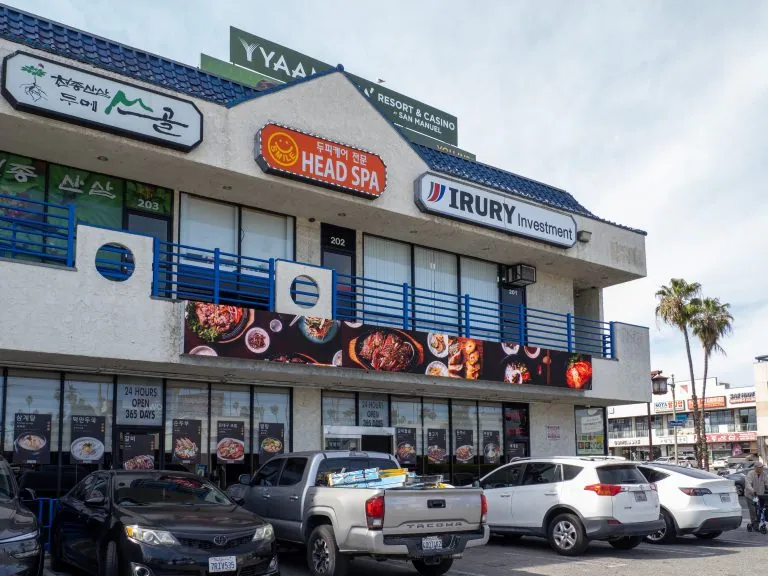
Building-mounted signs are the core branding element on most business facades. They’re what people see when they look at your storefront, office, or restaurant. Visibility, architecture, and lighting all influence which mounting format works best. The most common options include blade signs, channel letters, dimensional letters, and cabinet signs.
We carry a range of outdoor LED signs and signage solutions at various price points for businesses comparing mounted options. The right choice depends on your facade space, how your building faces the street, and whether you need nighttime illumination.
Blade signs project outward from a building, perpendicular to the wall. They’re especially effective on walkable streets where pedestrians need to spot your business from down the block. A sign mounted flat against the facade disappears once someone is walking alongside it. A blade sign catches them at the right angle, exactly when they’re deciding which door to walk through.
Channel letters are individual 3D letters mounted to a raceway or directly to the facade. They’re one of the most popular exterior sign formats for retail, restaurants, and franchise branding. Most are LED-illuminated, available in front-lit, halo-lit, or combination styles. The depth and glow make them feel more substantial than flat signage.
We notice channel letters on almost every major retail strip in the country. They work because they’re readable from across a parking lot during the day and glow at night without looking aggressive. For businesses that want professional presence on their facade, channel letters hit the sweet spot between impact and restraint.
Dimensional letters are raised, non-illuminated (or subtly lit) letters that create a clean, premium look. They cost less than full channel letters and work well on office exteriors, lobbies, clinics, and law firms. The standoff mounting creates a shadow effect that adds sophistication without needing electrical work. For businesses that want to look established without committing to illuminated signage, dimensional letters strike a strong middle ground between impact and simplicity.
Cabinet signs are enclosed sign boxes with a face panel, often internally illuminated. You’ll find them at retail strips, gas stations, roadside businesses, and value-focused storefronts. They’re simpler and more affordable than channel letters, and the enclosed format makes logo display and tenant panel swaps straightforward. When a tenant changes, you swap the face, not the entire sign.
| Sign Type | Best Application | Key Advantage |
|---|---|---|
| Monument Sign | Entrances, campuses | Permanence and brand trust |
| Pylon/Pole Sign | Highways, shopping centers | Long-distance visibility |
| Post and Panel | Offices, real estate | Affordable, quick install |
| Channel Letters | Storefronts, retail | Day/night readability |
| Blade Sign | Pedestrian streets | Side-angle discovery |
| Cabinet Sign | Retail strips, gas stations | Simple, cost-effective |
| Digital/LED Sign | High-update businesses | Real-time messaging |
| Wayfinding | Campuses, medical | Navigation and compliance |
Temporary signs handle short-term promotions, events, and flexible messaging. They supplement permanent signage rather than replacing it. Even businesses with strong monument or channel letter signs benefit from temporary formats during sales events, grand openings, or seasonal campaigns. The key is keeping them fresh. An outdated temporary sign sends a worse message than no sign at all.
A-frame signs are foldable, movable signs placed near entrances or walkways. Cafes, salons, boutiques, and event venues use them to highlight daily specials, draw foot traffic, or point people toward the door. Options include chalkboard surfaces, printed inserts, and branded rigid panels.
They’re cheap, portable, and effective when placed in the right pedestrian flow. The best A-frames we’ve seen use bold, simple messages that can be read in 2 seconds while someone walks past. Overcrowding them with text defeats the purpose.
Banners work well for grand openings, seasonal promotions, and community events. They’re cost-effective and quick to produce. Heavy-duty vinyl banners can last several months outdoors if the material quality is decent. Menu boards and poster systems fill a similar role: low-cost tools for communicating products, pricing, and offers at the point of entry.
We’ve noticed that businesses rotating fresh banners every 4 to 6 weeks get more engagement than those who leave the same one up until it fades. Temporary doesn’t mean forgettable. It means timely.
Wayfinding signage helps people understand where they are, where to go, and when they’ve arrived. It includes directories, directional arrows, room identification signs, and campus maps. Large sites, medical facilities, office parks, retail centers, and multi-building properties all depend on it. Without clear wayfinding, visitors circle parking lots, miss appointments, and leave frustrated.
ADA compliance overlaps heavily with wayfinding. The U.S. Access Board sets requirements for tactile lettering, braille, contrast, and mounting height on permanent room signs and directional signage. In public-access buildings, getting wayfinding right isn’t optional. It’s a legal and accessibility requirement that protects both visitors and property owners.

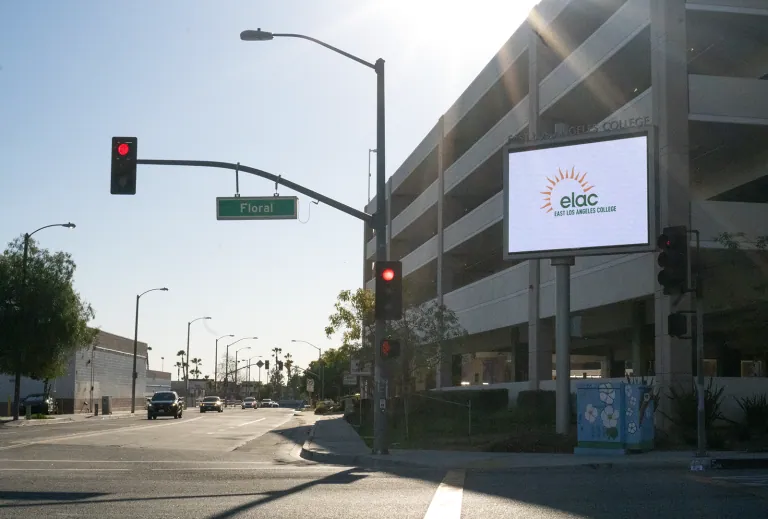
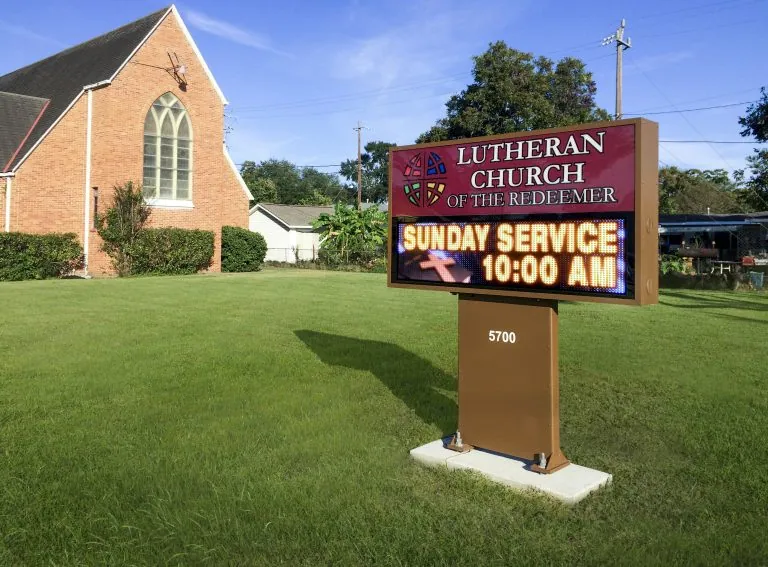
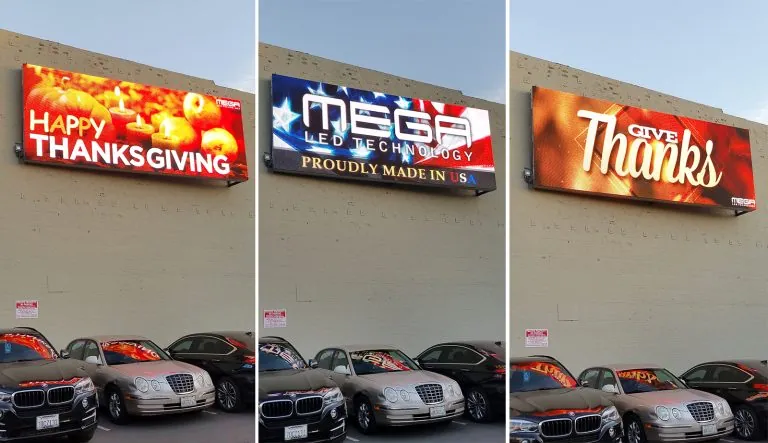
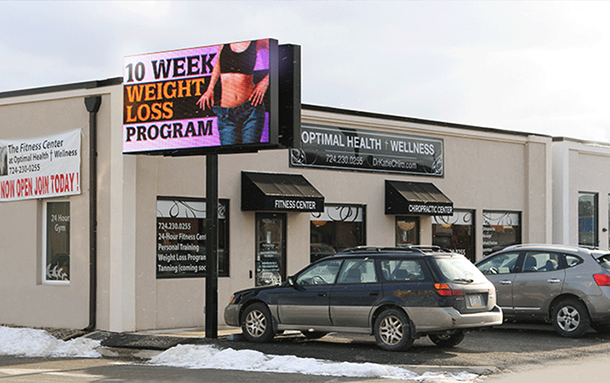
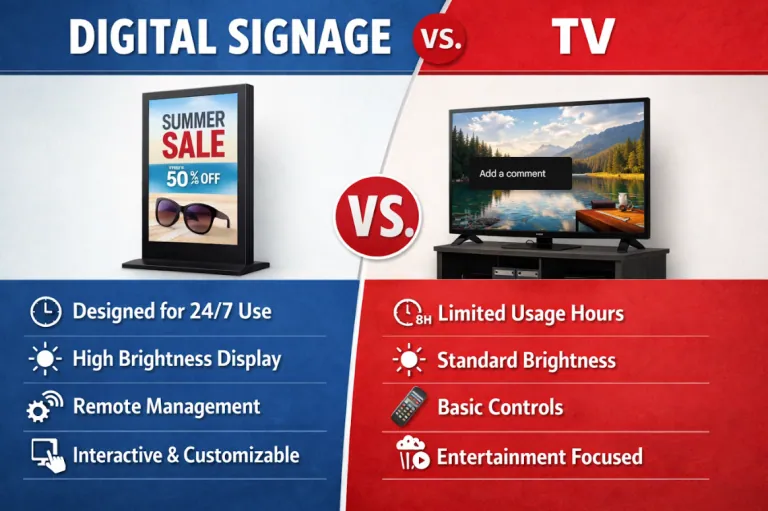
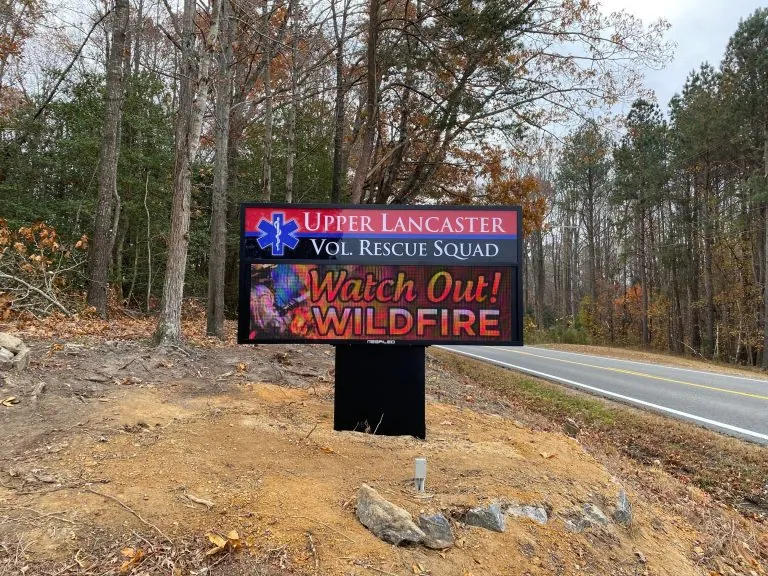
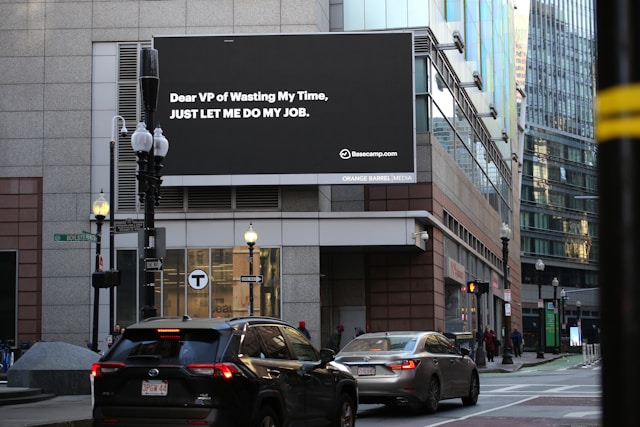
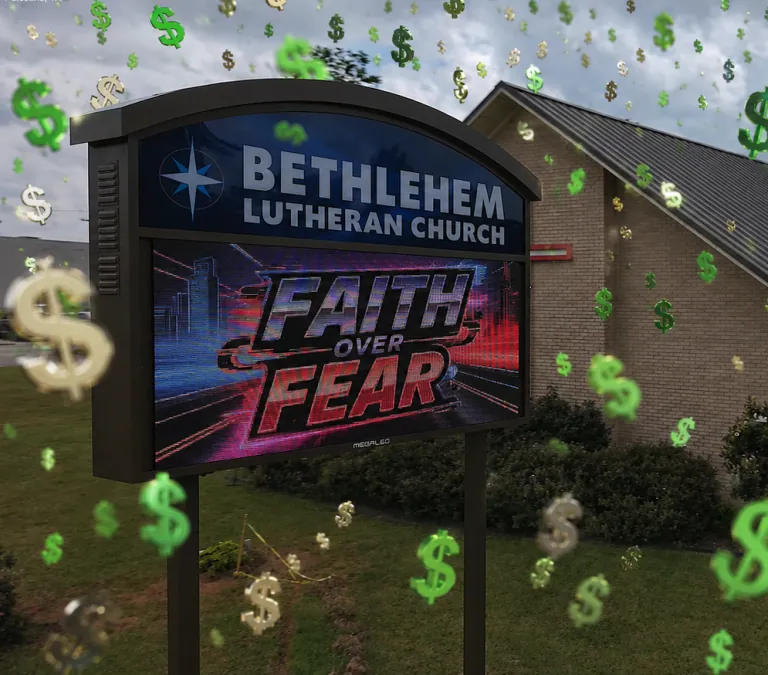
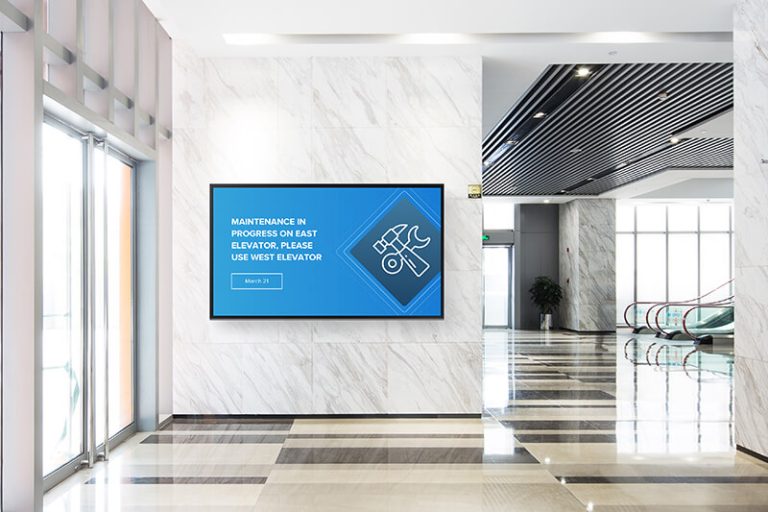
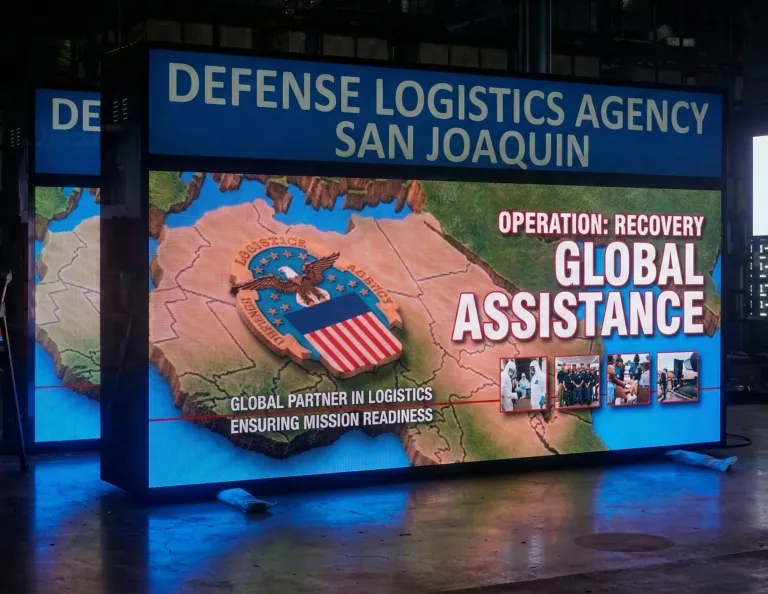
Digital signs let you change content without touching the physical structure. Electronic message centers, LED displays, and digital menu boards all fall here. They’re ideal for businesses that update promotions, schedules, or pricing frequently. A restaurant can show breakfast at 7 AM and happy hour at 5 PM. A church can post service times Sunday morning and a community event by Wednesday.
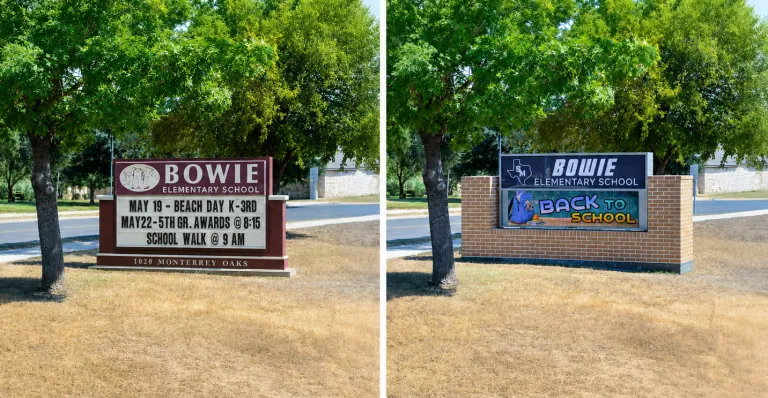
The investment is higher than static signage, but the flexibility justifies it quickly for the right business. We’ve seen churches, schools, and retail stores get more community engagement after adding a digital display because the sign finally reflects what’s happening now, not last month. Static signs work when your message stays the same. Digital signs work when it doesn’t.
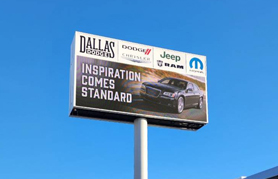
A pylon sign or large LED display gives you the height and brightness to reach fast-moving drivers. Explore our Premier LED Signs.
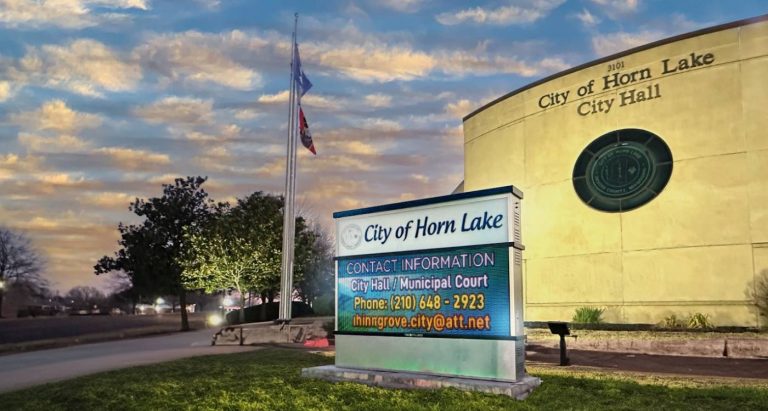
A monument sign or illuminated post-and-panel sign creates professional identification at eye level. See our Omega Monument Signs.
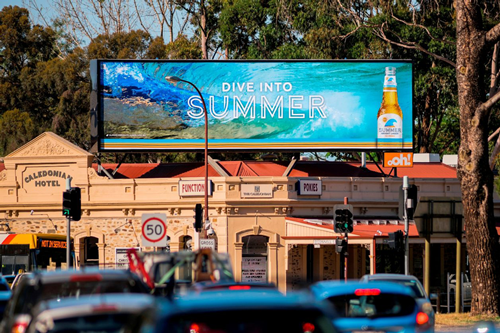
A digital LED sign or electronic message center lets you update content daily. Contact us for a custom quote.
A lightbox delivers clean, permanent branding. Our Alpha Series combine branding with LED technology.
These are specialty sign categories defined by how they’re built and lit. Illuminated signs include anything with internal or external lighting: backlit cabinets, halo-lit letters, and LED-powered displays. They extend your visibility into nighttime hours and project professionalism around the clock. A dark storefront looks closed even when it’s open. Illumination fixes that instantly.
Neon signs carry a personality that other formats can’t replicate. Traditional glass neon and faux-neon LEDs both work outdoors. They create an atmosphere, not just a label. Bars, restaurants, barbershops, and experiential businesses use them to draw people in on feel alone. Vacuum-formed signs use heated plastic molded into smooth, rounded shapes. You’ll recognize them at gas stations, fast-food restaurants, and franchise locations. Each format serves a different aesthetic and functional need. The SBA marketing guide lists signage as a foundational marketing channel, and choosing the right fabrication style shapes how customers perceive your brand.
The main types include monument signs, pylon signs, channel letters, wall signs, blade signs, cabinet signs, dimensional letters, window graphics, banners, A-frame signs, wayfinding signs, digital displays, illuminated signs, and neon signs. They’re grouped by function (branding, navigation, promotion, compliance) and placement (freestanding, building-mounted, temporary).
A-frame sidewalk signs, vinyl banners, feather flags, and portable menu boards are the most common temporary formats. They’re affordable, quick to produce, and easy to reposition. They work best as supplements to permanent signage during sales events, grand openings, or seasonal campaigns.






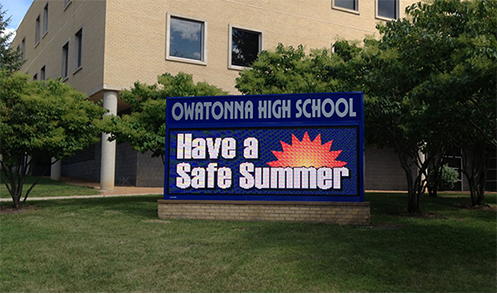










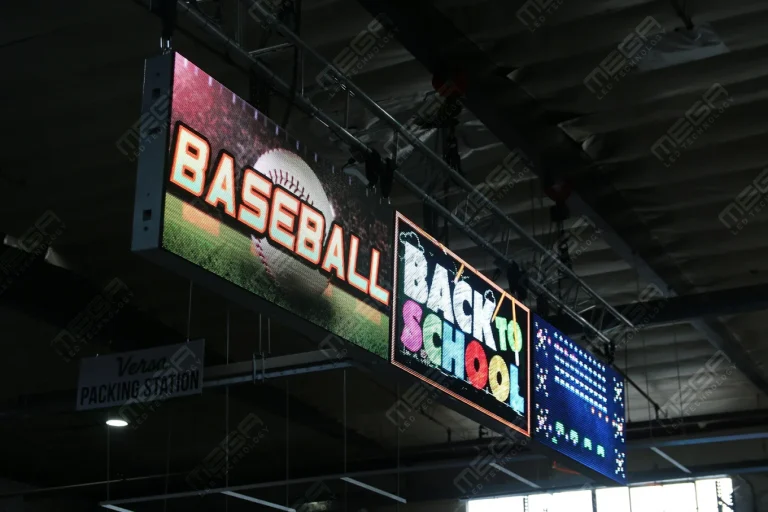

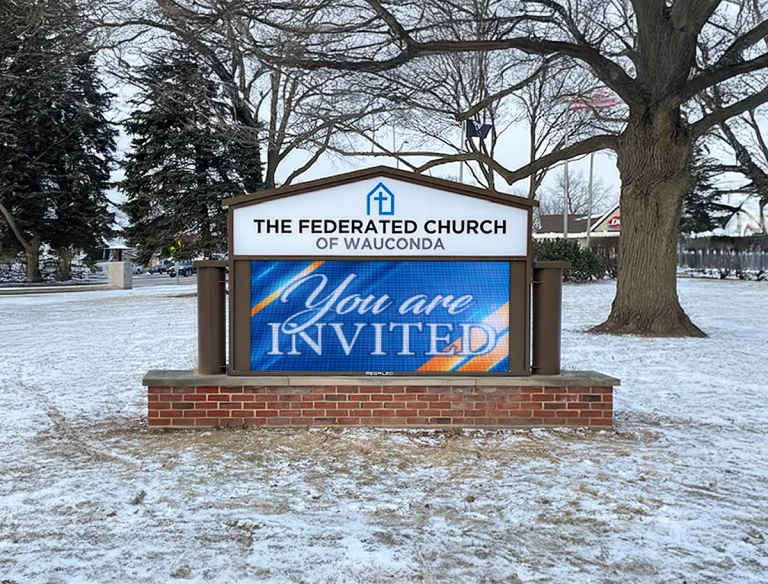


Alpha LED sign boards are great for anything from churches, to schools, to business. They tend to do great in large open spaces, where they are clearly visible.
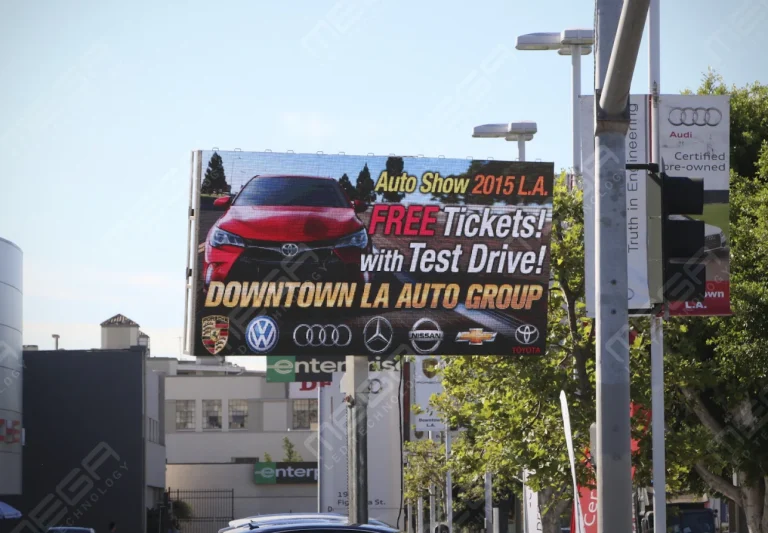
Omega is our newest line of outdoor digital signs. Running the full gambit from cabinet, to LED sign, to logo on top, or any configuration of your choice!
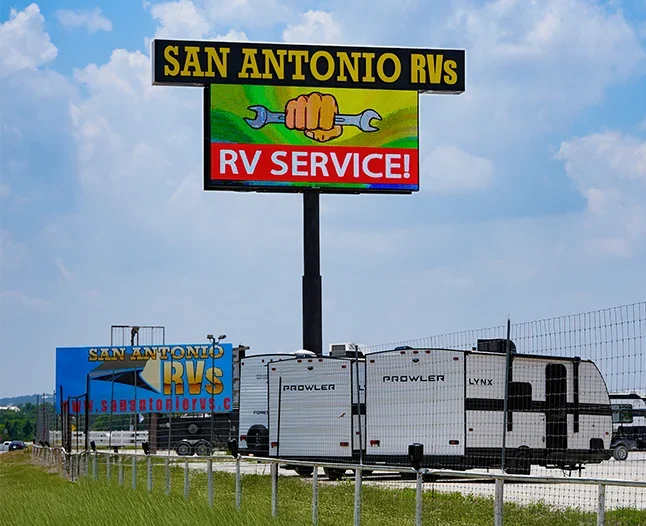
Premier is a customizable Outdoor LED sign, perfect for the Entrepreneur who knows that large custom sized signs cultivated for their specific business is the way to go.
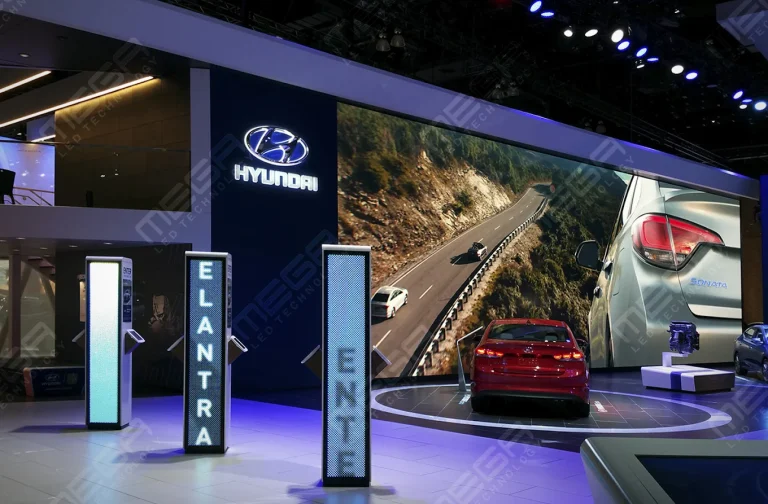
Programmable Stage LED signs, great for indoor assemblies, congregations, and presentations! Blow your competitors out of the water, or keep your congregation and audience glued to your message.