Summer Church Signs: What Are The Best Sayings And Ideas For The Season?

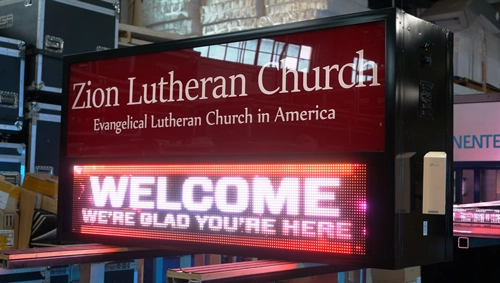
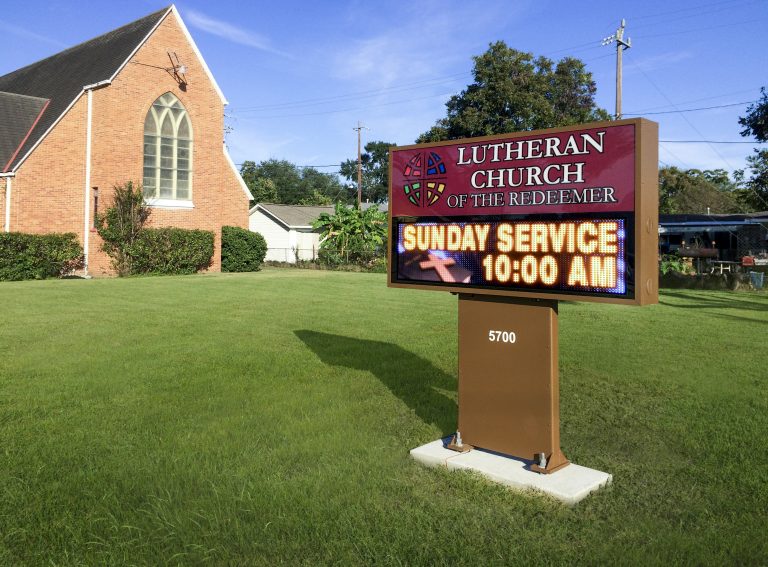
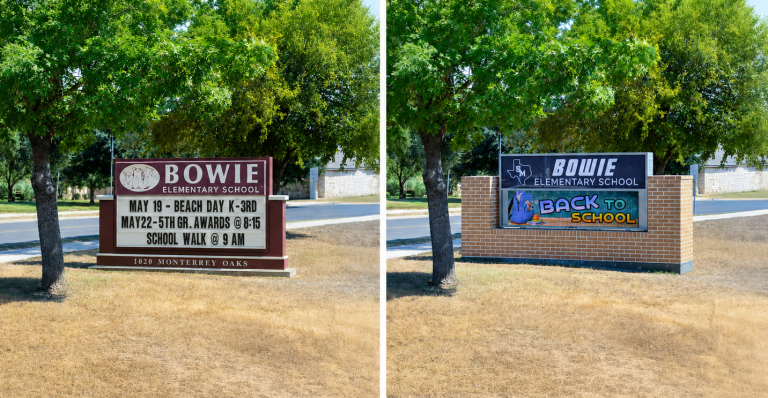
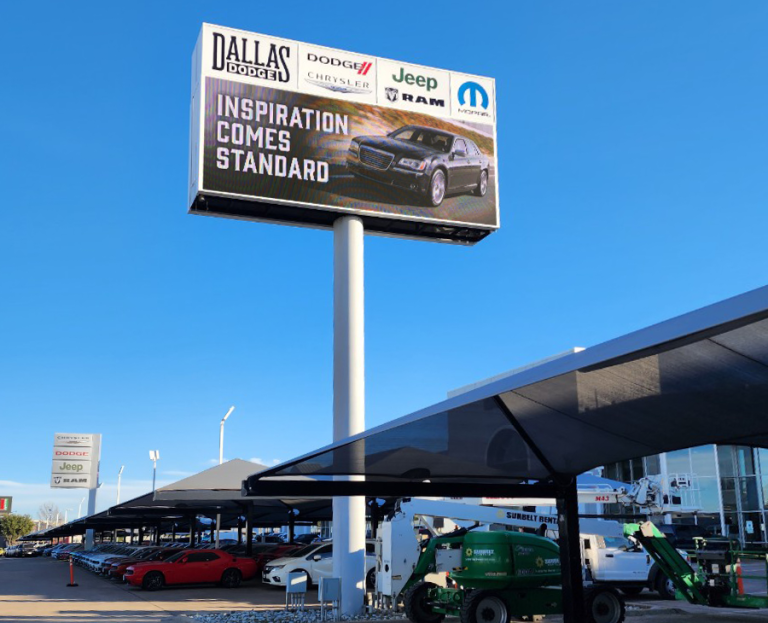
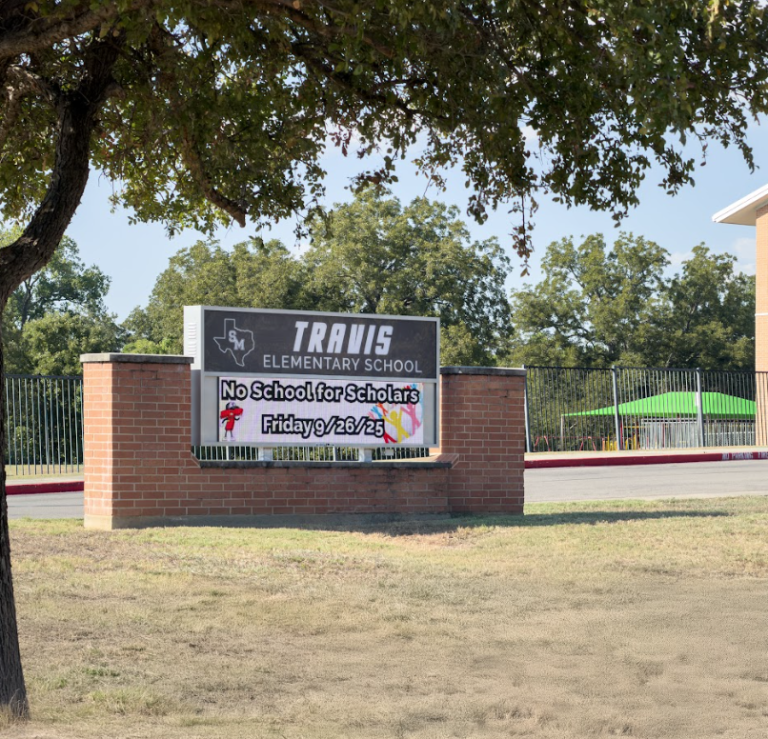
Alpha LED sign boards are great for anything from churches, to schools, to business. They tend to do great in large open spaces, where they are clearly visible.

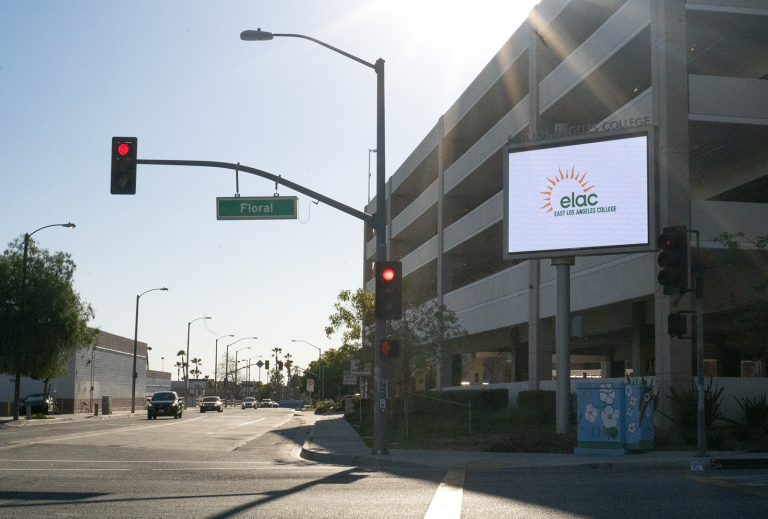
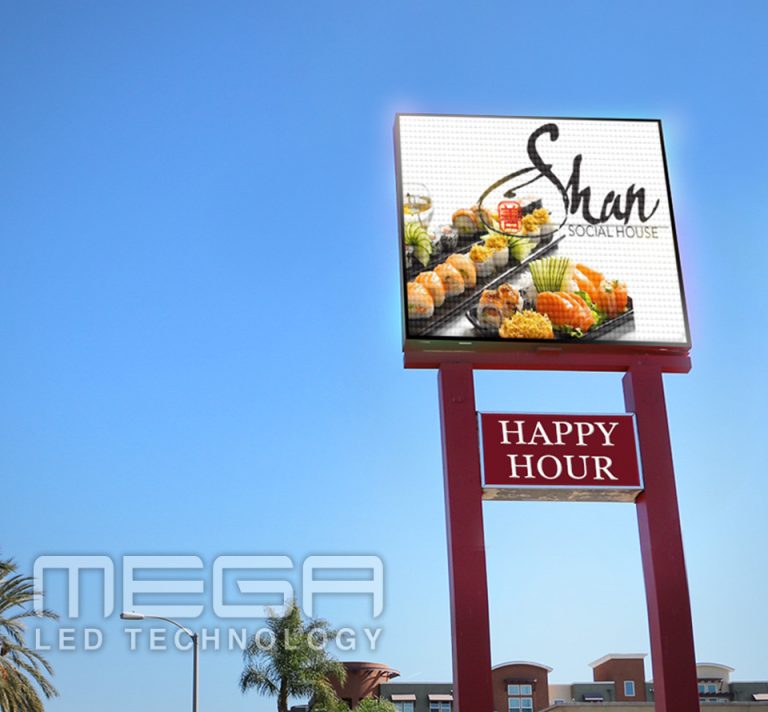
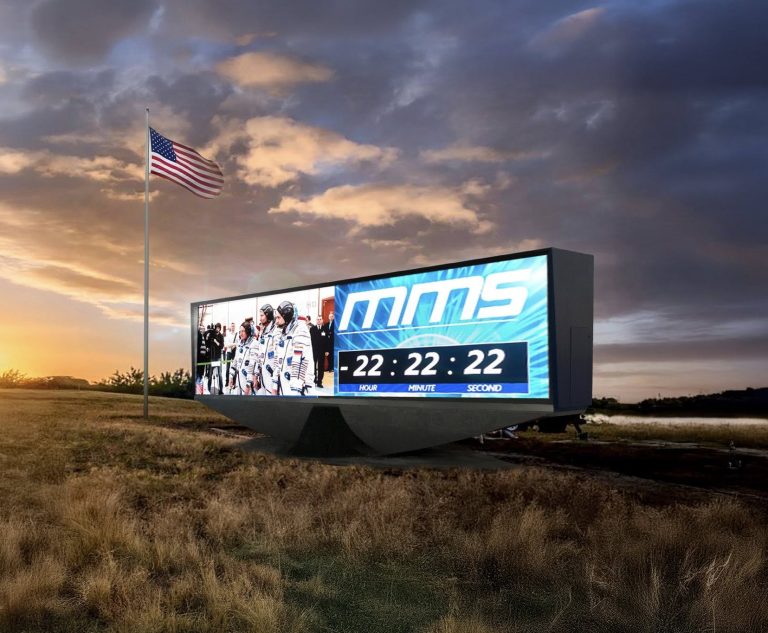
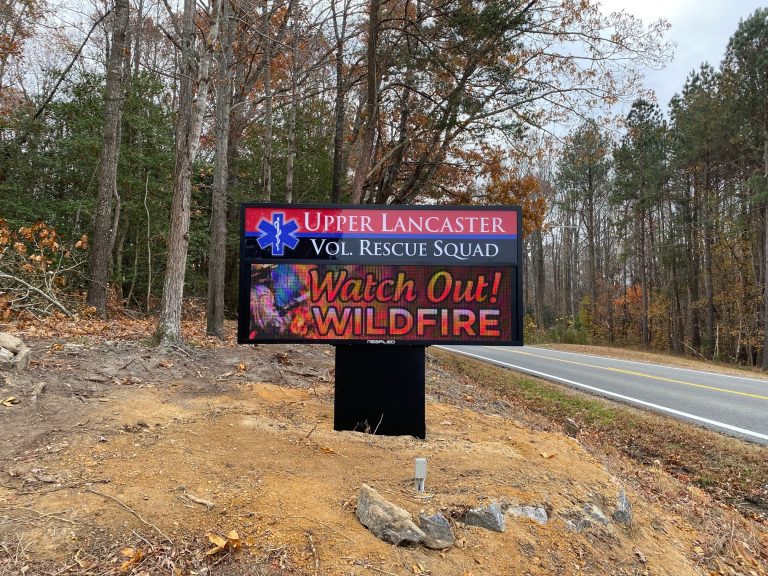
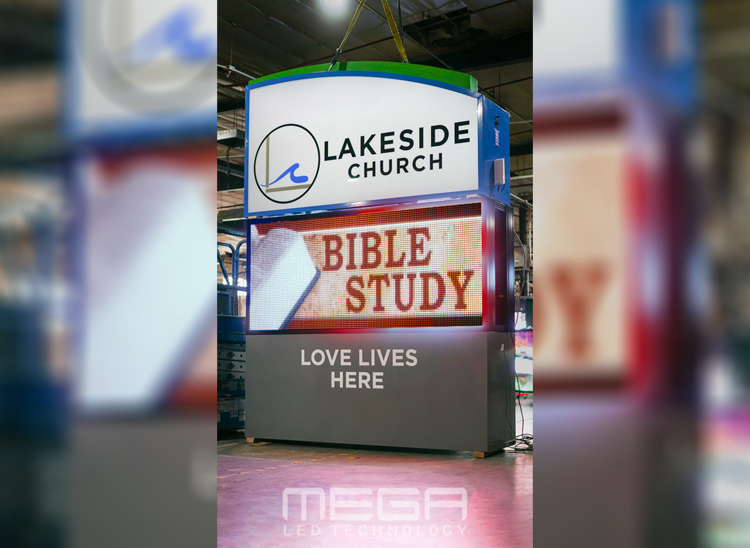
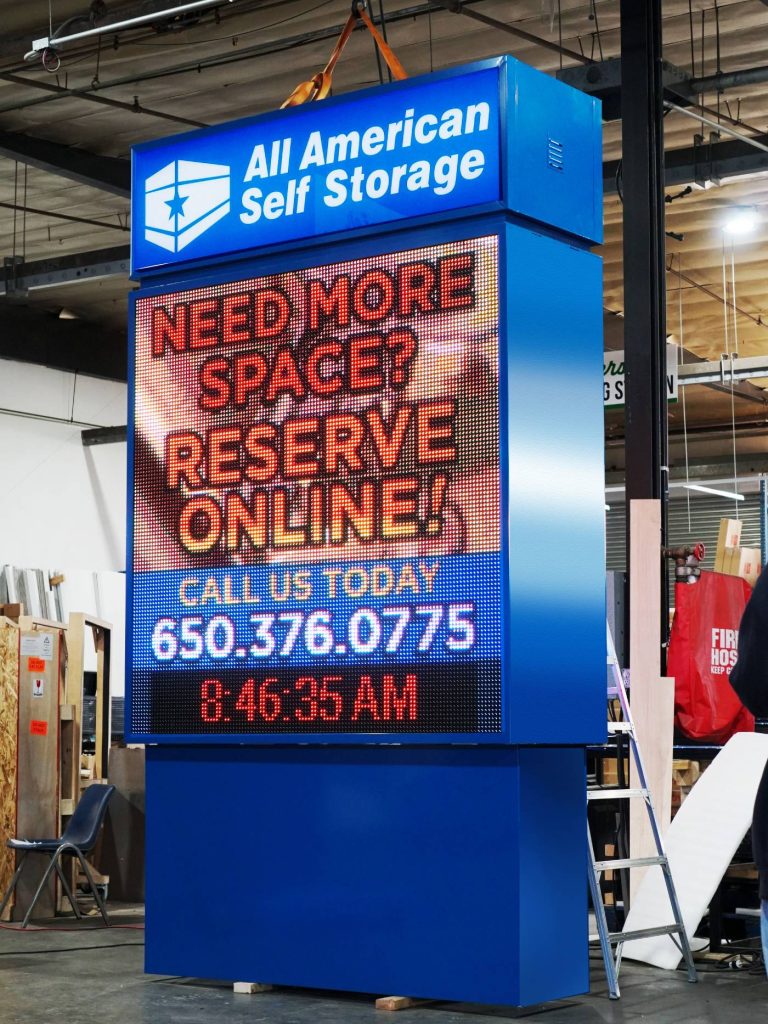
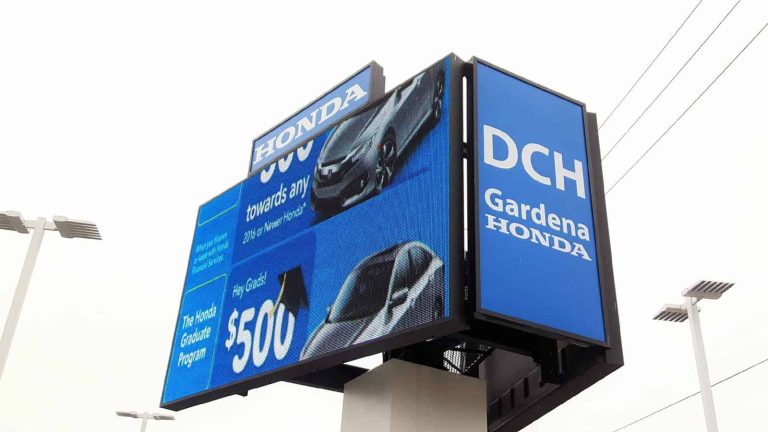
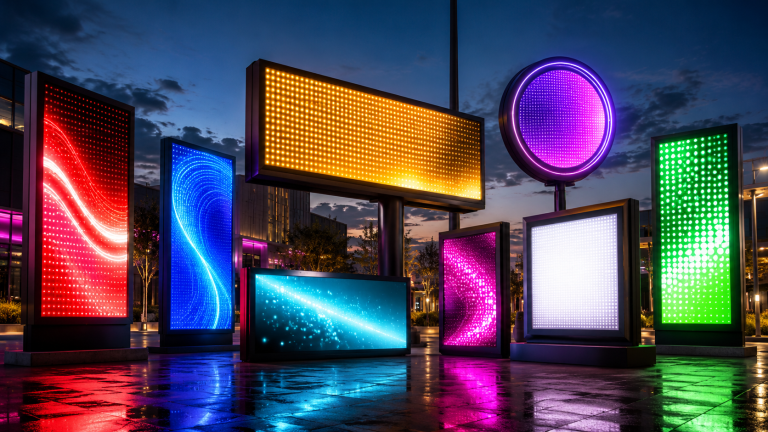
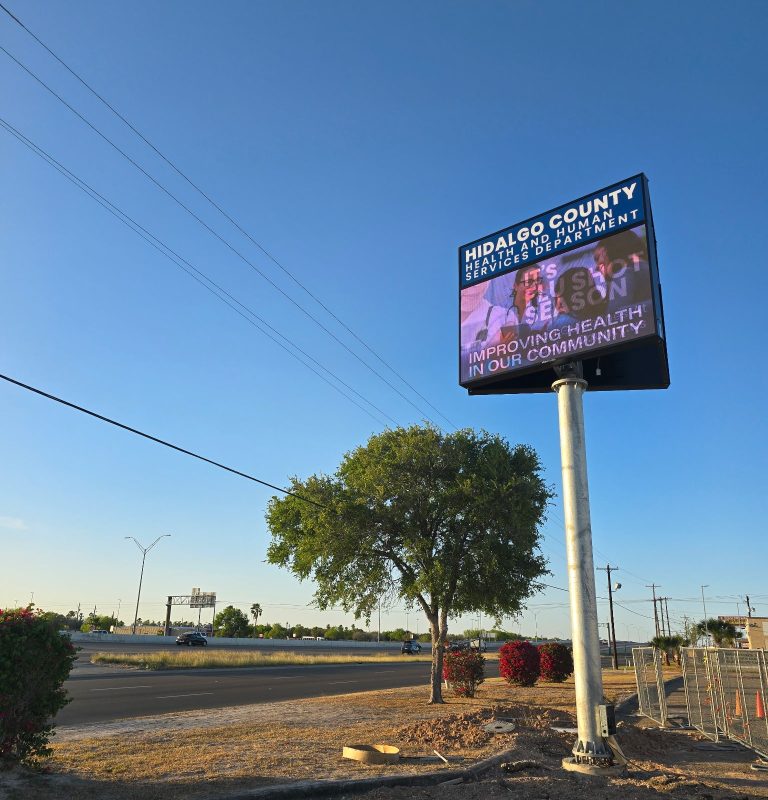
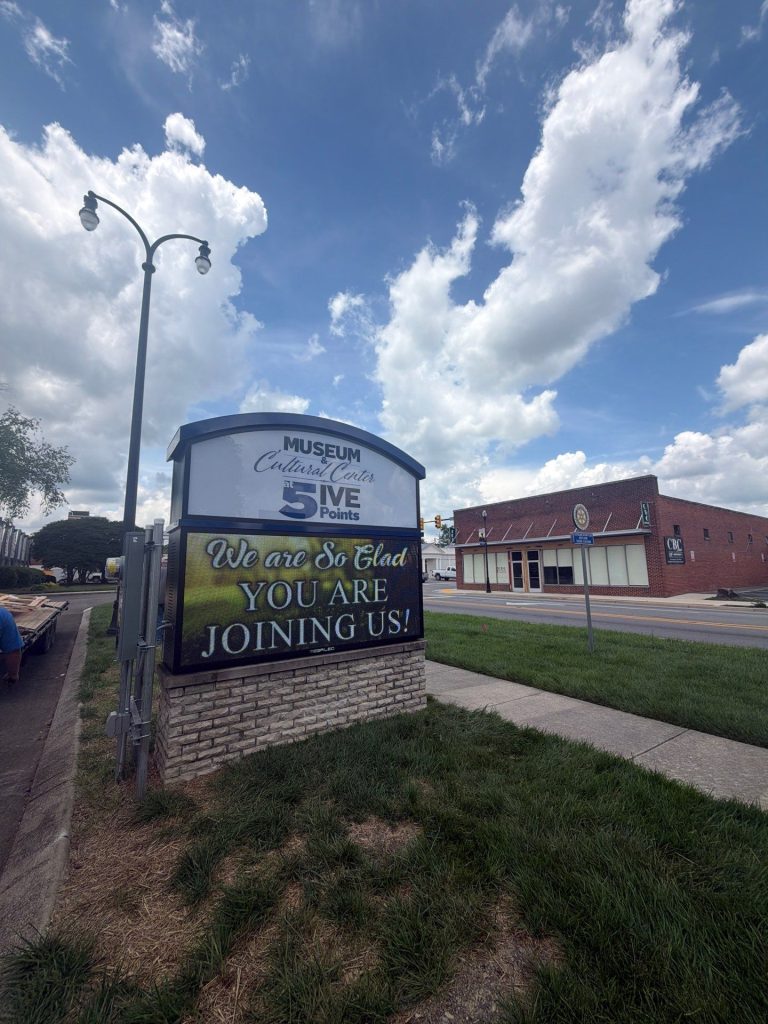
Omega is our newest line of outdoor digital signs. Running the full gambit from cabinet, to LED sign, to logo on top, or any configuration of your choice!

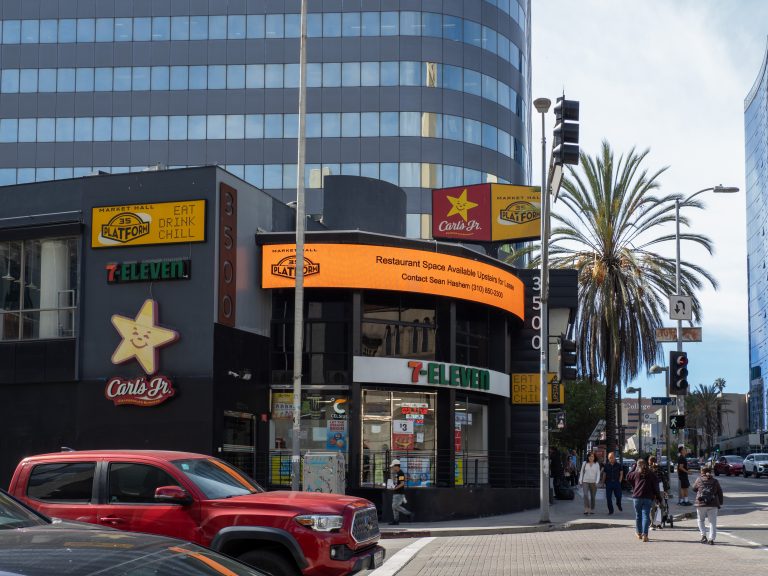
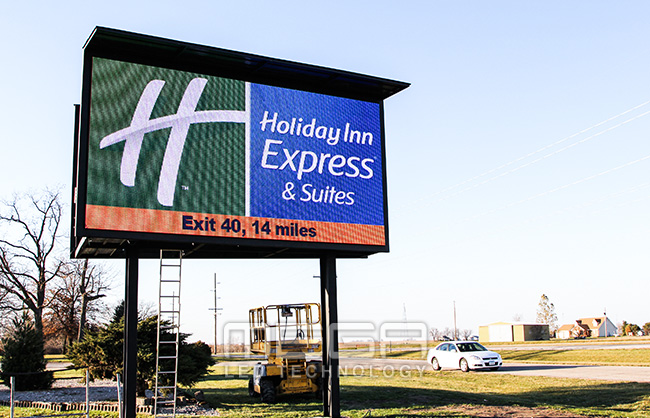
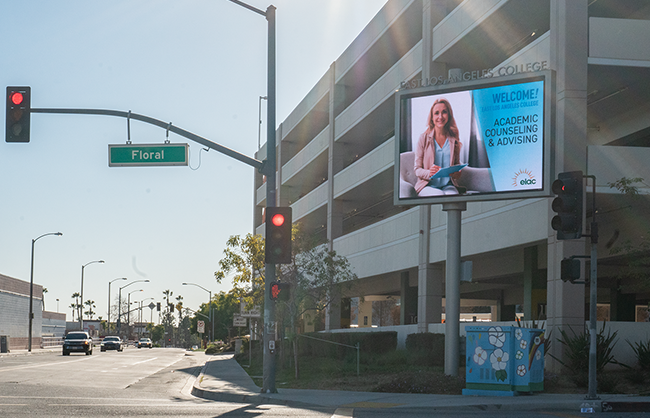
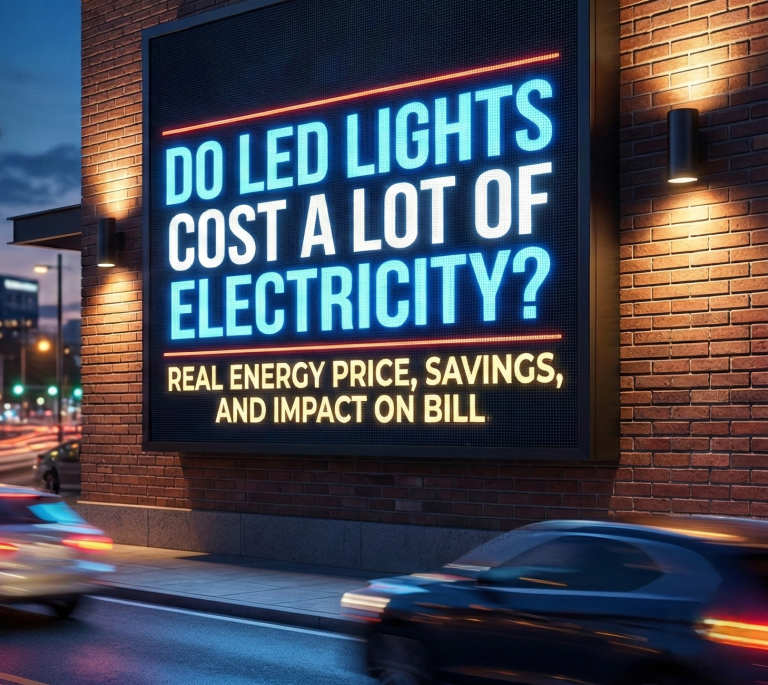
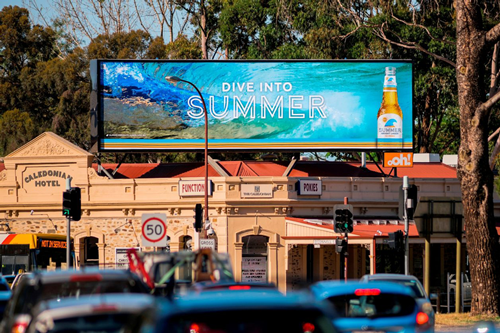
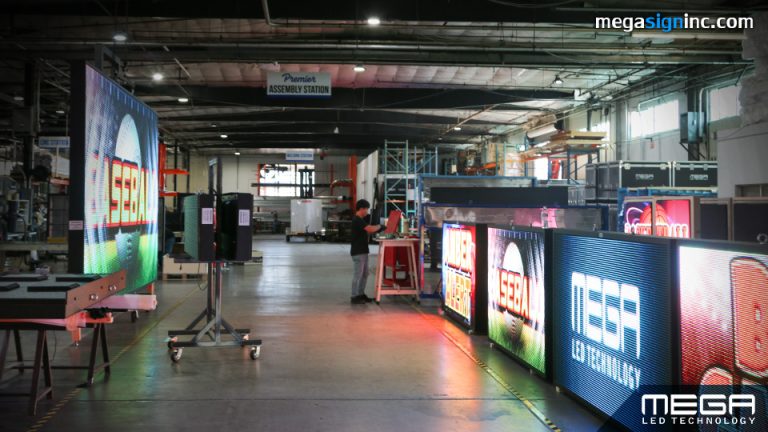
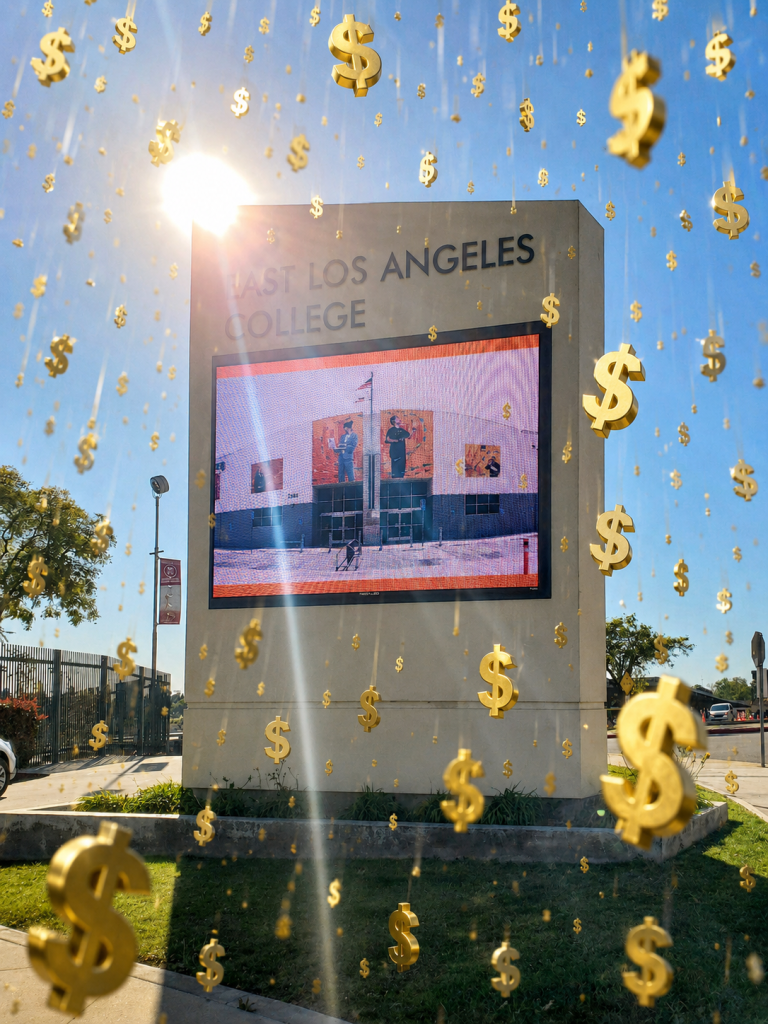
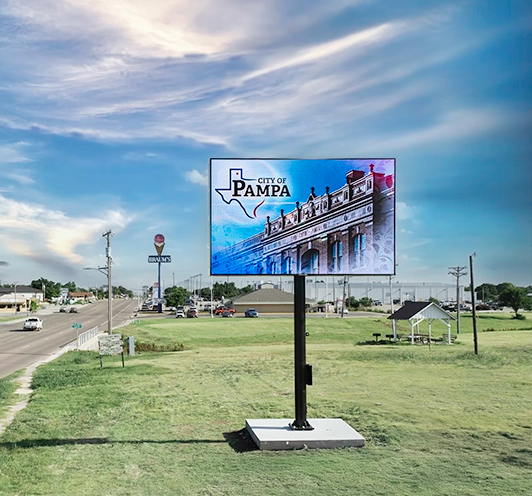
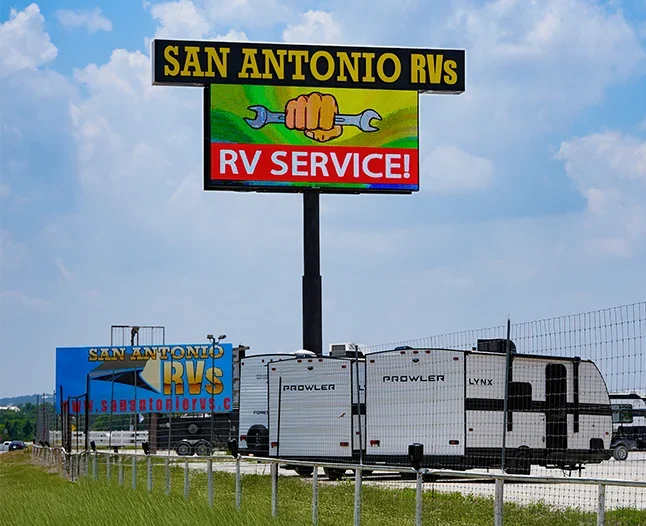
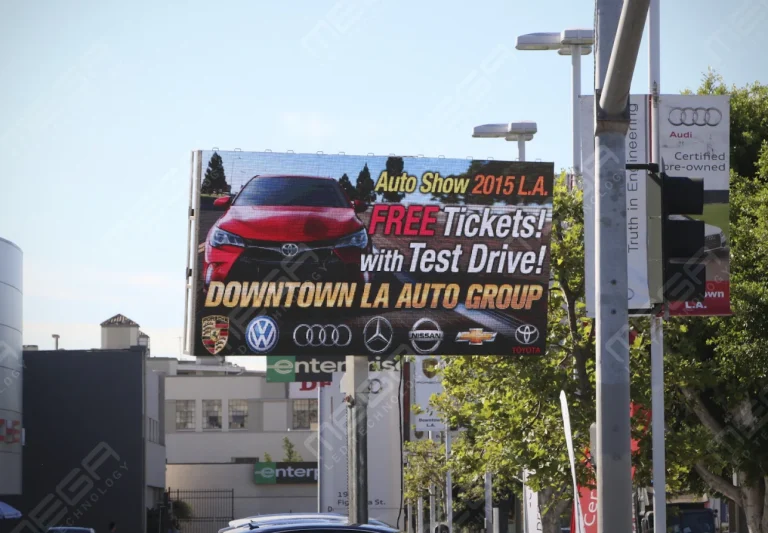
Premier is a customizable Outdoor LED sign, perfect for the Entrepreneur who knows that large custom sized signs cultivated for their specific business is the way to go.

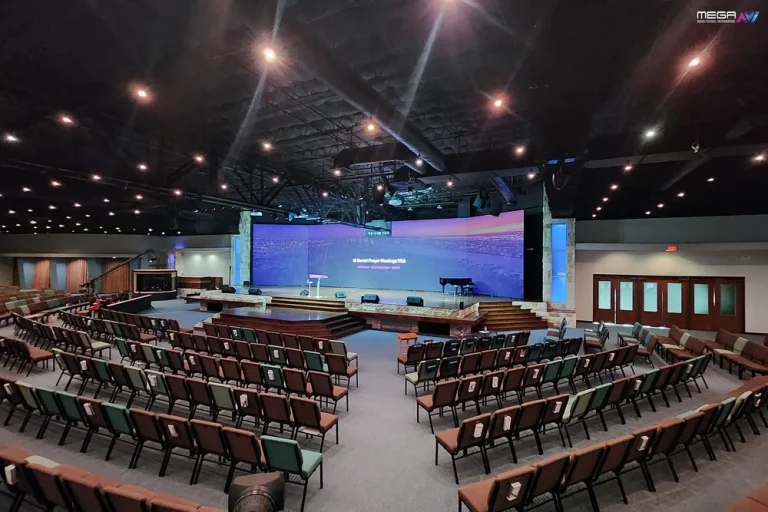
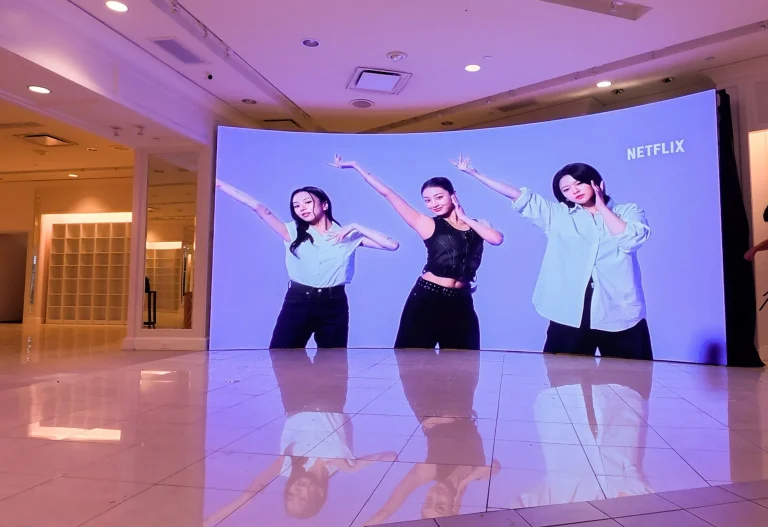
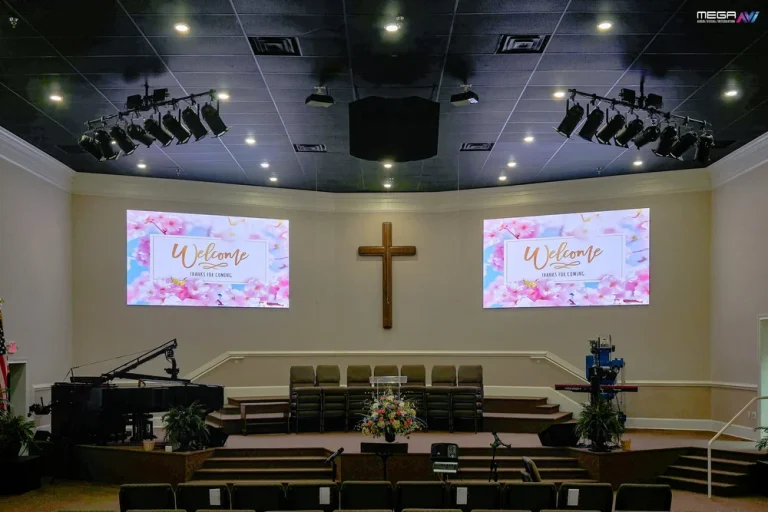
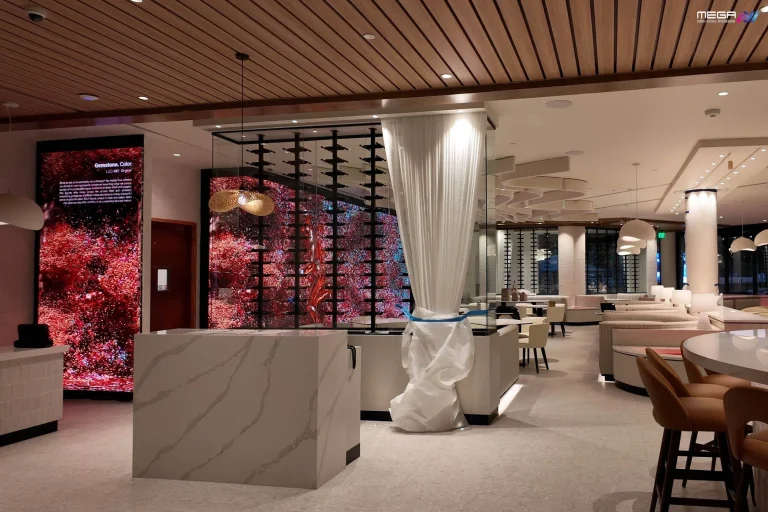
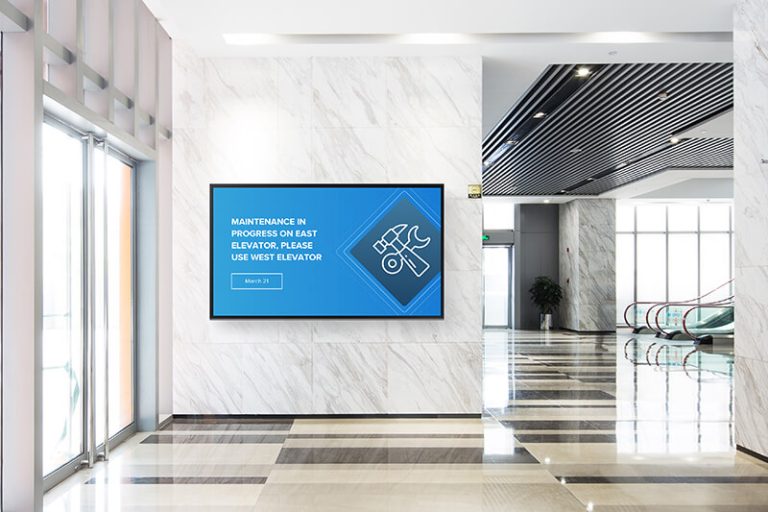
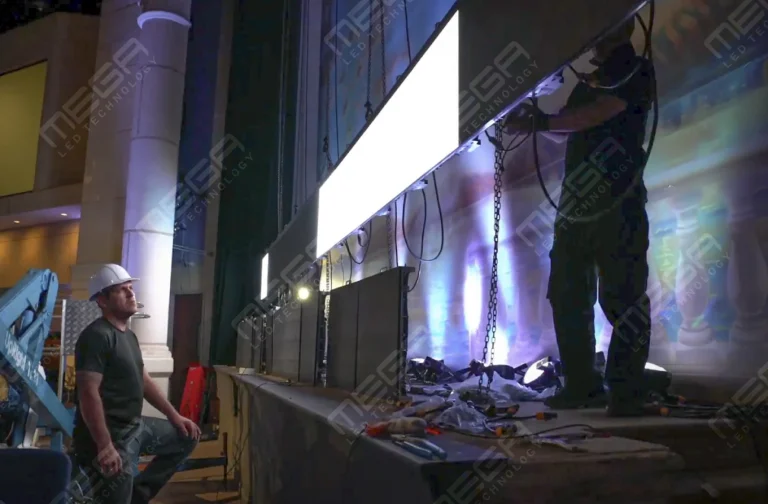
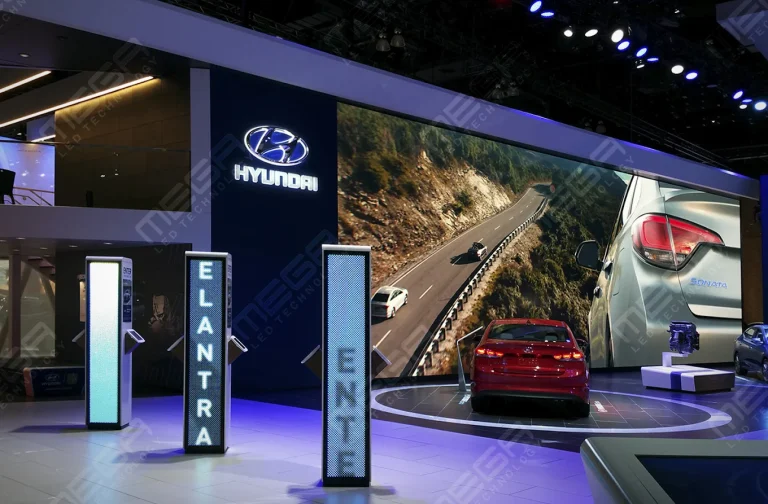
Programmable Stage LED signs, great for indoor assemblies, congregations, and presentations! Blow your competitors out of the water, or keep your congregation and audience glued to your message.

Alpha LED sign boards are great for anything from churches, to schools, to business. They tend to do great in large open spaces, where they are clearly visible.
Omega is our newest line of outdoor digital signs. Running the full gambit from cabinet, to LED sign, to logo on top, or any configuration of your choice!
Premier is a customizable Outdoor LED sign, perfect for the Entrepreneur who knows that large custom sized signs cultivated for their specific business is the way to go.
Programmable Stage LED signs, great for indoor assemblies, congregations, and presentations! Blow your competitors out of the water, or keep your congregation and audience glued to your message.
Most businesses load content onto a digital sign and wait for results that never come. The problem is not the hardware; it is the absence of a plan. This guide walks you through every step of building a strategy that connects your screens to measurable business outcomes.
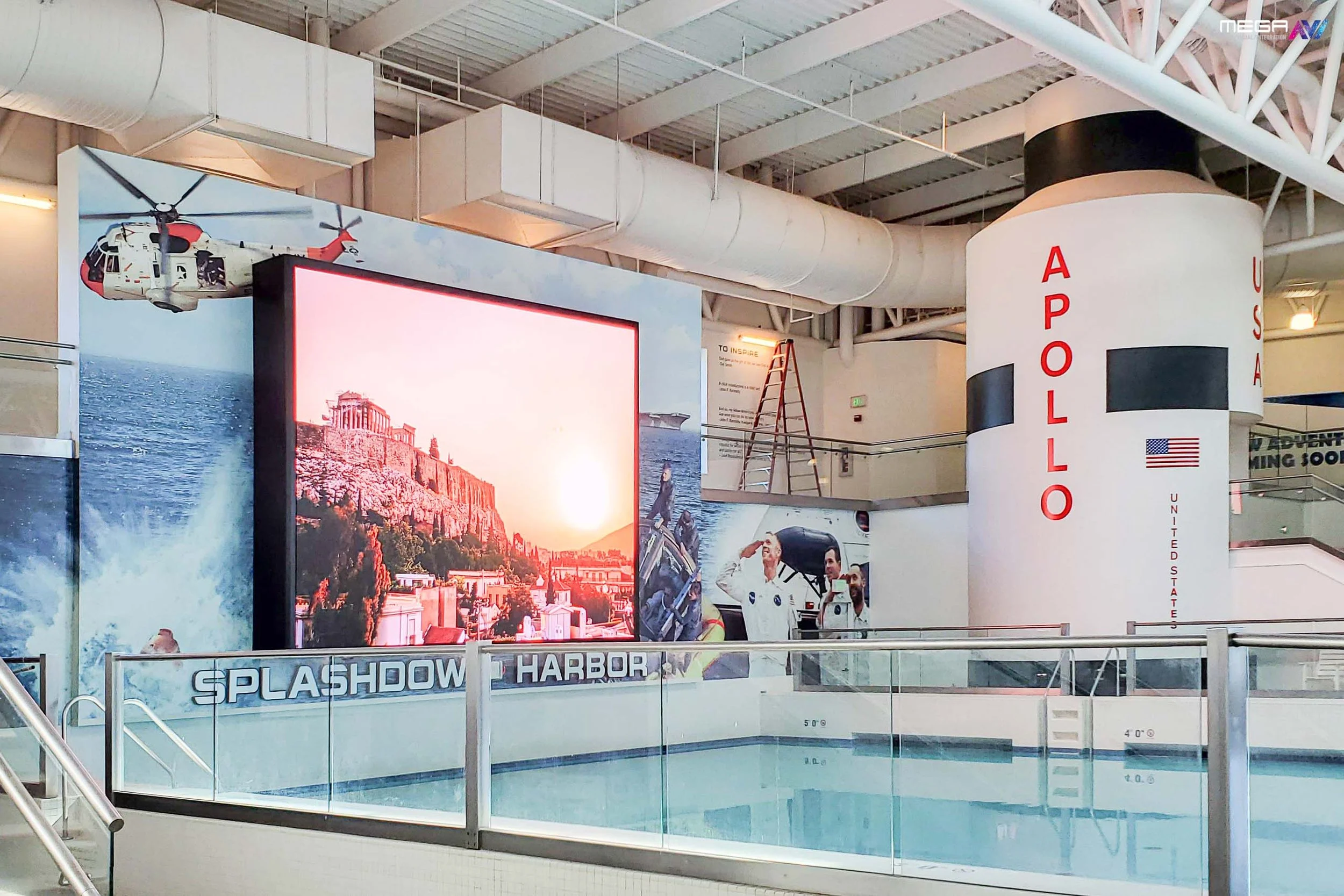
A digital signage marketing strategy is a structured, measurable plan that defines what content appears on your screens, where those screens are placed, who they are targeting, and how performance is tracked and improved over time.
It is not simply uploading slides to a display. It is a deliberate system that connects each screen to a specific business objective, whether that is driving impulse sales, shortening perceived wait times, promoting loyalty enrollment, or guiding foot traffic through a location.
Within a broader marketing mix, digital signage fills a role no other channel can. It reaches someone who is already inside your location, already in front of a decision, often standing still with nothing else competing for their attention.
Translating a business objective into a screen objective means converting a broad goal into a location-level action. A revenue goal becomes promoting a high-margin upsell at checkout. A retention goal becomes driving loyalty sign-ups at the service desk. Every goal has a screen-level equivalent, and identifying it before content creation begins is what separates a strategy from a playlist.
 Core KPIs fall into two categories. Engagement proxies, including dwell time and QR scan rates, indicate a screen is being processed. Conversion metrics, including offer redemptions and loyalty enrollments, confirm it is producing results. Tracking only one gives an incomplete picture.
Always establish baselines before launch. Measure your target KPI in advance, run each test for 60 to 90 days, and account for seasonality before drawing conclusions. Build the measurement structure before the screens go live.
Start by identifying the primary outcome you want each screen location to drive: more impulse purchases, shorter perceived wait times, higher loyalty enrollment, or faster customer education.
Choose one to three north star metrics and the supporting KPIs that confirm movement toward those outcomes, such as QR code scan rates, offer redemption counts, dwell time changes, or foot traffic uplift by location.
Crucially, tie each goal to a specific viewer action: buy, scan, ask, enroll, or visit a service counter, and define what success looks like for each location type since a checkout screen has entirely different goals than a waiting room.
A peer-reviewed field study found that digital signage increases purchase likelihood of featured products by 8.1% on average, with stronger effects near the point of sale, on weekends, and in crowded stores, making baseline measurement before launch essential for a meaningful before-and-after comparison.
Your content should be written for whoever is actually standing in front of the screen, not a generic persona. Segment by viewer intent and visit purpose: a morning commuter, an afternoon shopper, and a walk-in service customers have completely different mindsets, questions, and time pressures.
A customer waiting for a service appointment needs reassurance and education. A customer at checkout needs a short, high-contrast offer with an obvious next step.
Aligning content formats to these real-time differences is where meaningful engagement gains are made, and it costs nothing beyond thoughtful planning.
Not all content types drive the same behavior. Promotional content drives purchases. Explainer content builds confidence. Social proof reduces hesitation. Directional content improves flow.
The most effective strategies blend all four, but each individual piece of content should have one clear purpose and one clear call to action. Avoid cluttered slides with multiple messages and no hierarchy.
If a viewer cannot understand the message and the next step within three seconds, the content is not working. Strip each creative to its single most important offer or instruction.
Screen placement is one of the highest-leverage decisions in your entire strategy. The zones with the most impact are checkout lines, waiting areas, entrances, storefront windows, and service counters.
According to the Out-of-Home Advertising Association of America, digital out-of-home advertising leads all major media channels in consumer ad recall rate compared to lower rates for online ads.
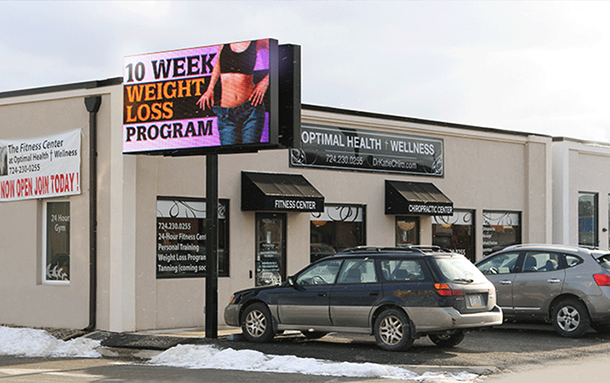
Browse our Premier outdoor LED signs and see how businesses use them to capture attention at the exact zones where dwell time and purchase intent are highest.
Before finalizing placement, conduct a physical walkthrough and assess sightlines, glare, viewer-to-screen distance, dwell time per zone, and whether the environment supports audio. Every placement decision should be driven by how long someone stands there and what they are thinking about while they wait.
Playlists should be organized by goal, not content format. Build separate lanes for sales promotions, loyalty messaging, brand content, informational loops, and seasonal campaigns, then schedule each lane to the times and locations where it performs best.
Scheduling by time of day, day of week, and local events is one of the simplest ways to lift relevance without creating new assets. A lunch-hour offer and a Friday evening upsell can run on the same screen, just programmed to match the viewer’s context at that specific moment.
Control rotation frequency so key messages repeat enough to land without fatiguing regular visitors.
Context-aware messaging uses available signals, such as time of day, weather, local events, queue length, or inventory levels, to serve more relevant content without crossing into individual-level data that raises privacy concerns.
Practical examples include promoting cold drinks on hot days, featuring quick-pick items during a lunch rush, or running a flash deal during a slow traffic window.
Always build a fallback loop for periods when context triggers are unavailable. The fallback should be your strongest evergreen content, not a blank screen or a cycling brand loop with no action intent.
UGC builds trust faster than brand-created content because viewers recognize it as peer evidence rather than advertising.
Curated customer reviews, community photos, and social posts displayed on screen can meaningfully reduce purchase hesitation, particularly for first-time visitors.
Connect your screen content to social actions through campaign hashtags or “post to be featured” prompts, but always route submissions through a moderation queue with restricted keywords and a defined refresh cadence.
Pair UGC directly with product or offer messaging so it supports conversion goals rather than just adding visual noise.
Loyalty messaging works best when the value exchange is immediately clear and the required action is simple enough to complete in a short dwell window.
A QR code, short URL, or SMS keyword is all a viewer in a queue has time for. Lead with the benefit first: a discount, a free item, or priority service access. Segment messaging between new member sign-up calls and existing member redemption prompts, since these audiences need entirely different content.
Track enrollment and redemption rates by screen location and time block to identify which combinations perform best.
No strategy is complete without a test-and-learn loop. Change one variable at a time: the offer, the CTA copy, the creative format, the schedule, or the placement, then compare results week over week or location against location.
Changing multiple elements at once makes it impossible to know what drove the change. Build a simple feedback loop using staff observations, customer comments, and available engagement signals like scan rates or redemption counts.
Maintain a prioritized backlog of what to test next, and treat optimization as an ongoing practice rather than a one-time launch activity.
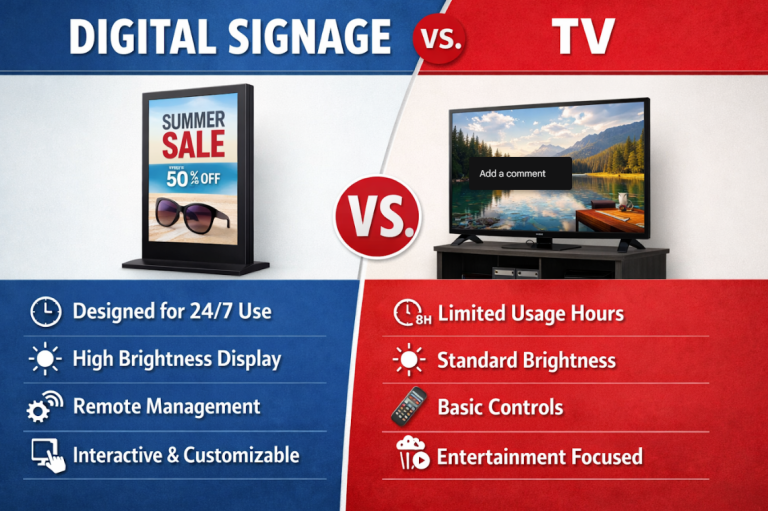
Your strategy is only as strong as the hardware and software delivering it. Commercial-grade displays are non-negotiable for locations with extended operating hours, variable ambient lighting, or outdoor exposure.
Consumer-grade screens are not designed for continuous commercial use. A failure in a high-traffic location means lost impressions and lost revenue. On the software side, prioritize a CMS with remote management, granular scheduling, role-based permissions, proof-of-play logging, and automatic content caching.
At MEGA LED Technology, we help clients align their marketing strategy with the right commercial-grade display brightness, pixel pitch, and installation setup for each location, so the plan that looks great on paper actually performs in the real world. Explore our outdoor LED signs or request a free quote to see which hardware configuration fits your deployment.
Measurement starts before the first screen goes live. Establish baselines for the KPIs defined during goal-setting: current sales volumes, foot traffic counts, average transaction value, or redemption rates.
 The global digital signage market is projected to reach $45.9 billion by 2030 (Grand View Research), and the organizations capturing that growth are treating screens as a measured marketing channel, not a one-way broadcast.
After launch, use proof-of-play reports, QR scan rates, and foot traffic changes to build a before-and-after picture. Keep reporting simple: goal, KPI, baseline, result, insight, next test. The goal is a clear decision about what to adjust, not a complex dashboard.
Visibility alone does not create impact. The combination of visibility, dwell time, and viewer intent determines whether a screen influences behavior.
A screen in a high-traffic corridor where people walk at full pace is fundamentally different from a screen in a service queue where someone stands for four uninterrupted minutes.
Break your placement zones into entrance, aisle, queue, window-facing, and service desk categories. Assign a content purpose to each one, and map shopper flow, sightlines, and glare during a physical walkthrough.
This environmental data will drive better decisions than any amount of creative strategy alone.
Time-based content segmentation is one of the simplest and most underused tactics in digital signage. Build distinct content blocks for morning, midday, and evening, and match both the offer and the tone to the viewer’s mindset at each period.
Layer in context triggers where your system supports them: weather-based promotions, local event tie-ins, or inventory-driven messaging.
Balance repetition and variety with frequency caps and priority slots for peak hours. Map your schedule against actual business operations so your signage always reflects what is available and staffed.
Interactivity delivers the highest ROI in environments where viewers have longer dwell times and more considered decisions to make, such as waiting rooms, showrooms, or service desks.
 QR codes are the most accessible entry point because they require no additional hardware and create a direct conversion path to a landing page, menu, coupon, or booking form.
Track scan rates, time-to-action, and post-scan conversion rates to understand which placements and CTAs perform best. Treat moderation rules and privacy safeguards as launch requirements, not afterthoughts, for any social or poll mechanics.
The right setup depends on your context, budget, number of locations, and whether you need indoor, outdoor, or interactive capability. The table below maps common business needs to the platform priorities that matter most in each context:
| Business Need | Key Platform Priority |
|---|---|
| Single location, basic promotions | Simple CMS, easy scheduling, straightforward content upload |
| Multi-location chain | Remote management, shared templates, role-based access |
| Outdoor-facing screen | High-brightness commercial display, weather-rated hardware |
| Interactive kiosk or QR-driven | Touch-enabled player, QR tracking, conversion analytics |
| Data-driven optimization | Proof-of-play reporting, audience engagement analytics |
Evaluate vendors on support responsiveness, uptime commitments, integration capability, and total cost of ownership across three to five years, not just the initial hardware price.
The most common failure is overloading slides with too much text, weak contrast, small fonts, and no visual hierarchy, leaving viewers with nothing memorable after a three-second glance.
The second mistake is a call to action that asks too much of the context. Asking someone at checkout to visit a website, fill out a form, and enter a promo code is too many steps for someone with three seconds of attention and a cart in their hands.
Third is ignoring placement constraints like glare, poor sightlines, or low-dwell zones that destroy content performance regardless of creative quality. Strategies that launch without baselines, run without testing, and never iterate will always underperform.
Digital signage responds to the same discipline that any other performance channel demands: measure, learn, and improve consistently.
A digital signage marketing strategy is a planned, measurable system that connects screen content to specific business goals. It defines what content plays, where, when, for whom, and how results are tracked and improved over time.
Start by identifying the primary outcome you want each screen location to drive. Choose one to three measurable KPIs tied to a specific viewer action. Define what success looks like per location type and establish a baseline measurement before launch.
Start with one screen in your highest-dwell zone, a basic CMS with scheduling, and one clear KPI. Run a 60 to 90 day pilot and measure against your pre-launch baseline before expanding. Our SMD indoor video wall solutions are built for exactly this starting point.
Prioritize commercial-grade brightness (2,500+ nits), weather-rated hardware, and a simple playlist with your three to five strongest messages. Remote update capability matters more here than a complex CMS. See how our Premier outdoor LED signs are built for sustained outdoor performance.
Your priority is a CMS with role-based access, shared templates, and the ability to push brand-wide updates while allowing location managers to schedule local content. Remote management and proof-of-play reporting are non-negotiable at this scale. Talk to our team about hardware and software configurations built for multi-site deployments.
You need a CMS built for decentralized management with strong local permissions, approval workflows, and playback monitoring across all sites. Pilot your strategy in one location before rolling out, and keep hardware consistent across sites to reduce support costs. Request a custom quote for your full network. Contact us to get started.

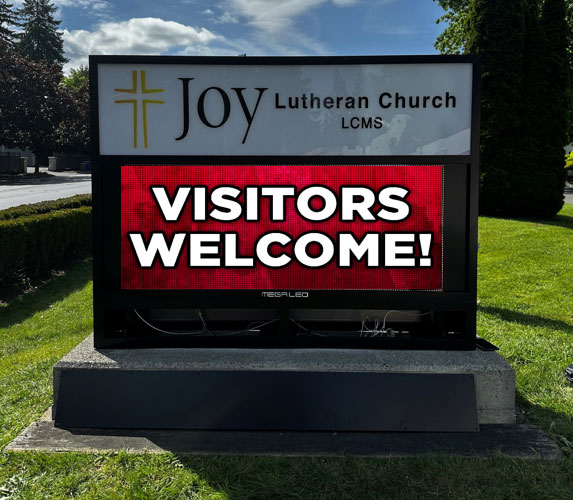







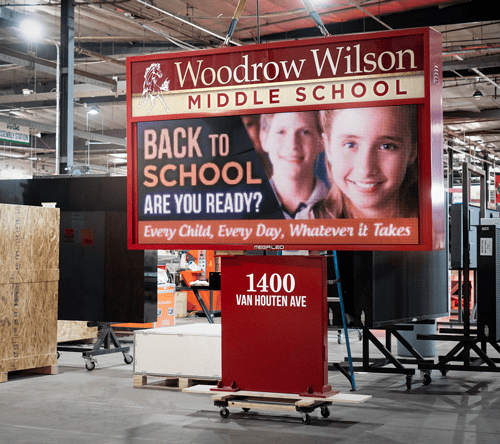

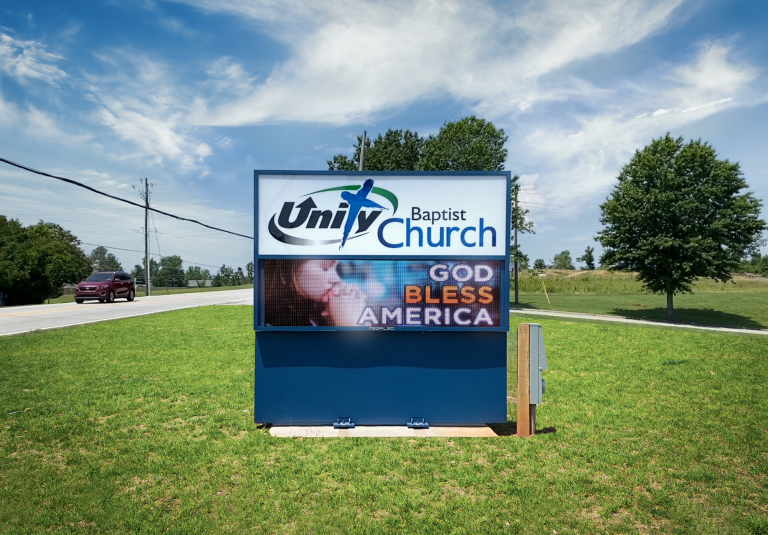


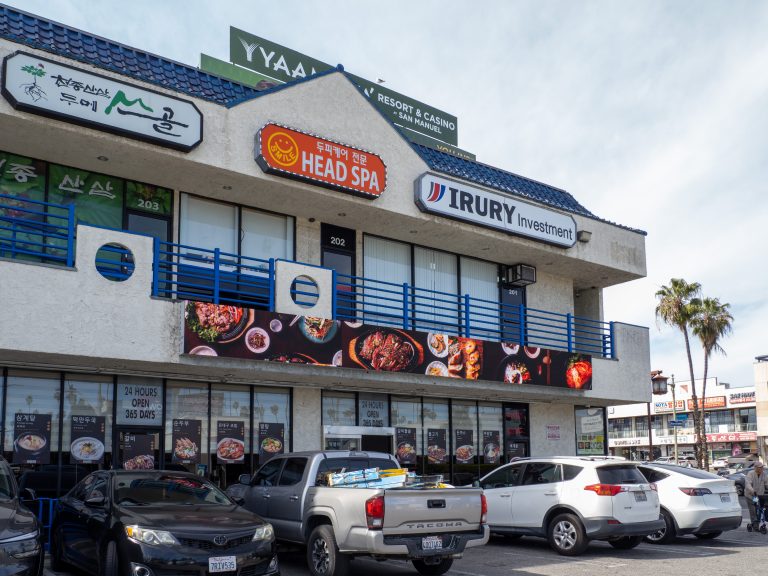


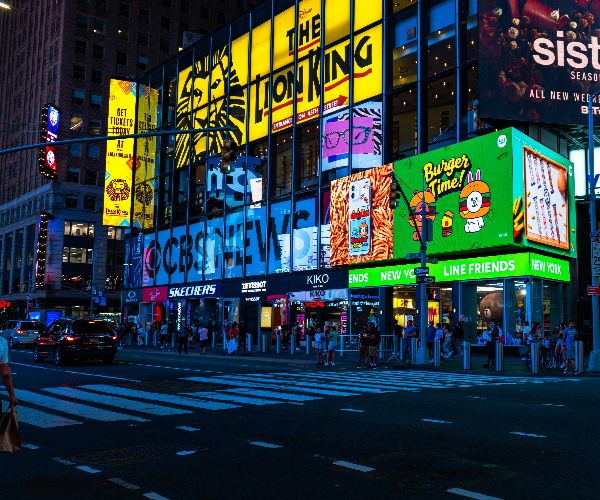
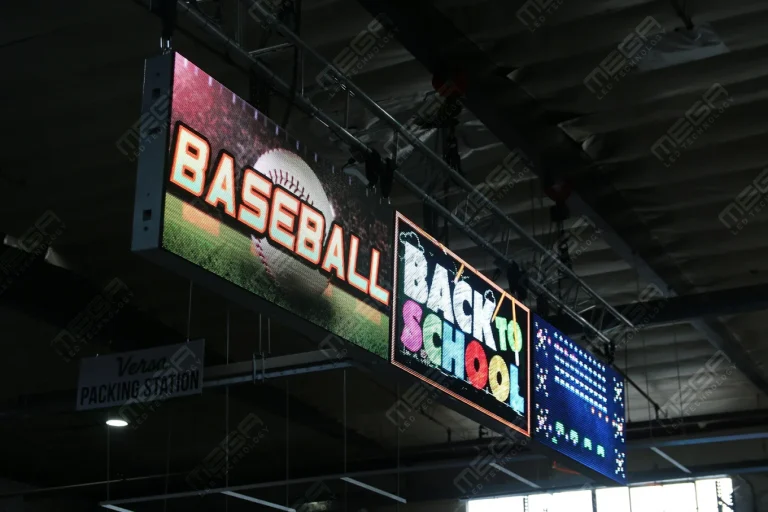
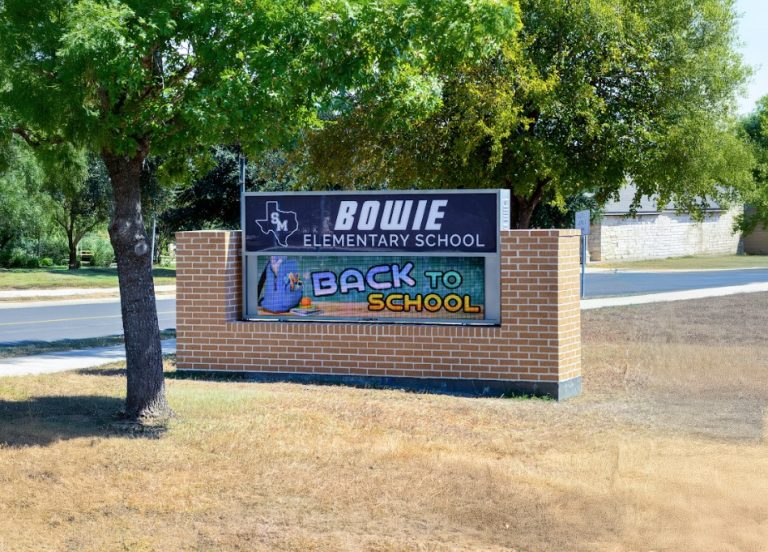



Alpha LED sign boards are great for anything from churches, to schools, to business. They tend to do great in large open spaces, where they are clearly visible.
Omega is our newest line of outdoor digital signs. Running the full gambit from cabinet, to LED sign, to logo on top, or any configuration of your choice!
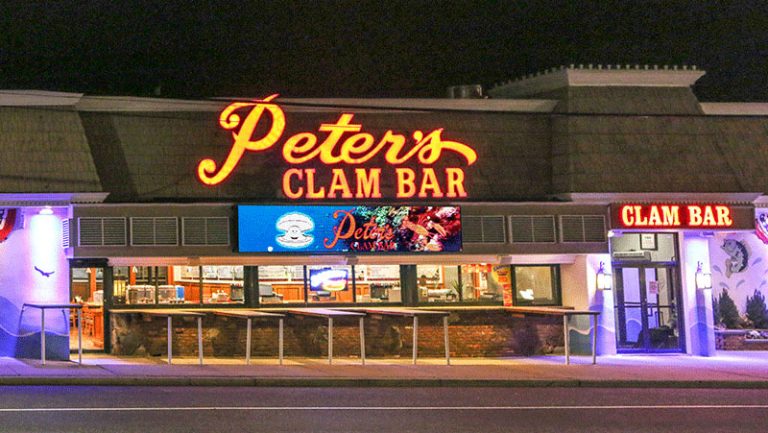
Premier is a customizable Outdoor LED sign, perfect for the Entrepreneur who knows that large custom sized signs cultivated for their specific business is the way to go.
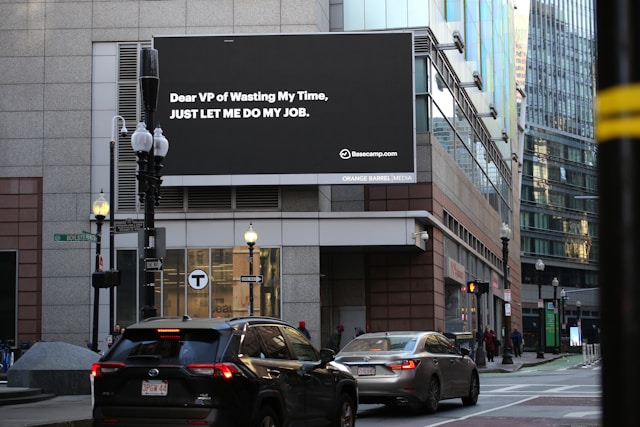
Programmable Stage LED signs, great for indoor assemblies, congregations, and presentations! Blow your competitors out of the water, or keep your congregation and audience glued to your message.