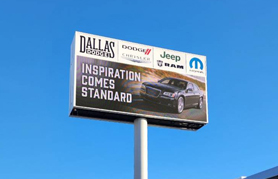


What Is Smart Digital Signage? How Intelligent Screens Use Data, Software And Automation
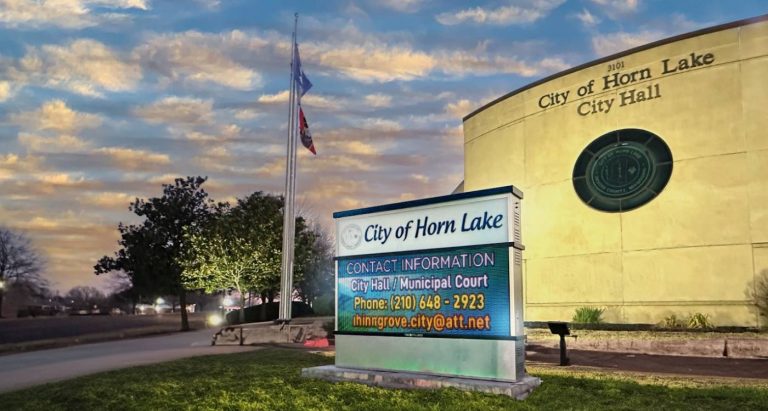

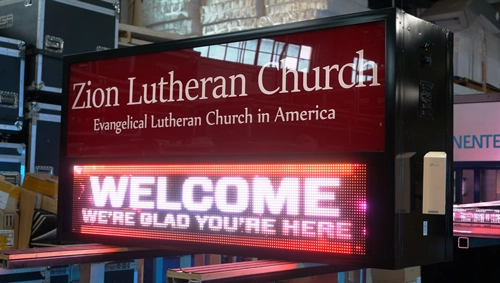
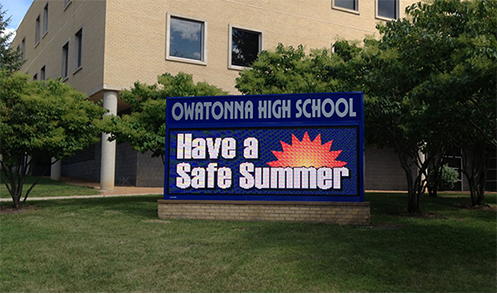
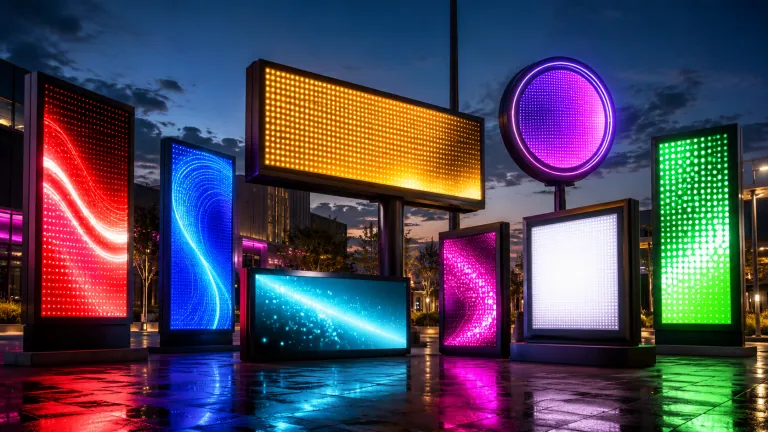
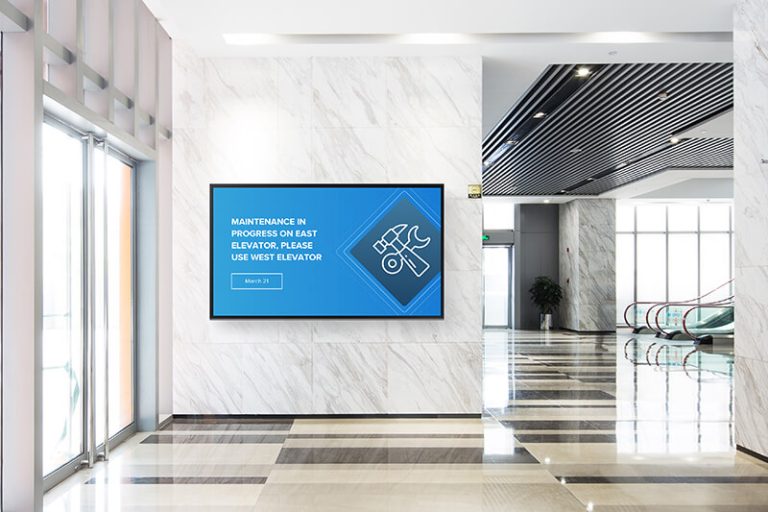
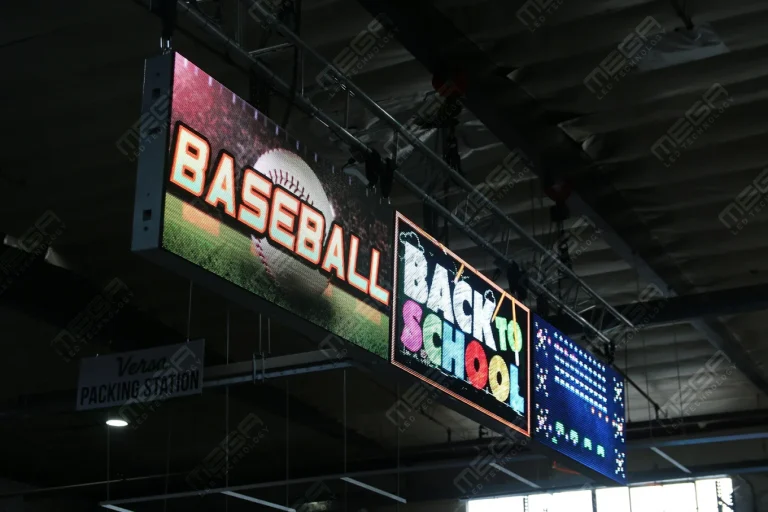
Alpha LED sign boards are great for anything from churches, to schools, to business. They tend to do great in large open spaces, where they are clearly visible.

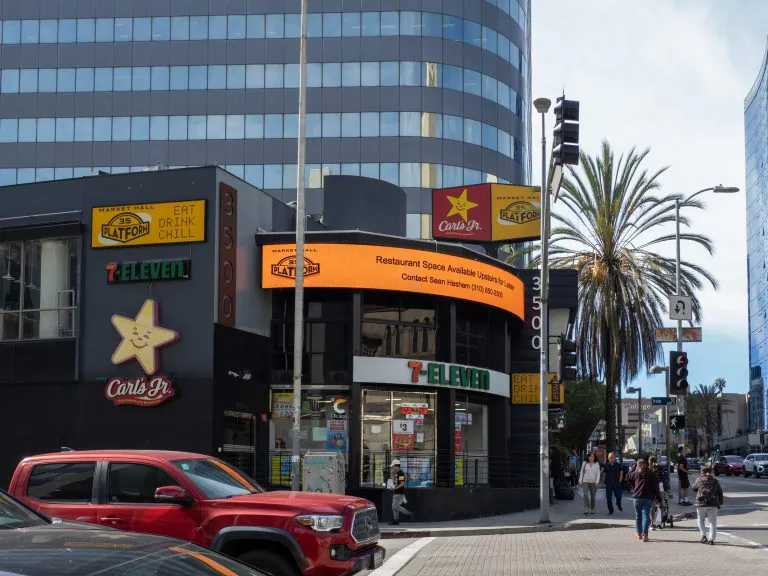
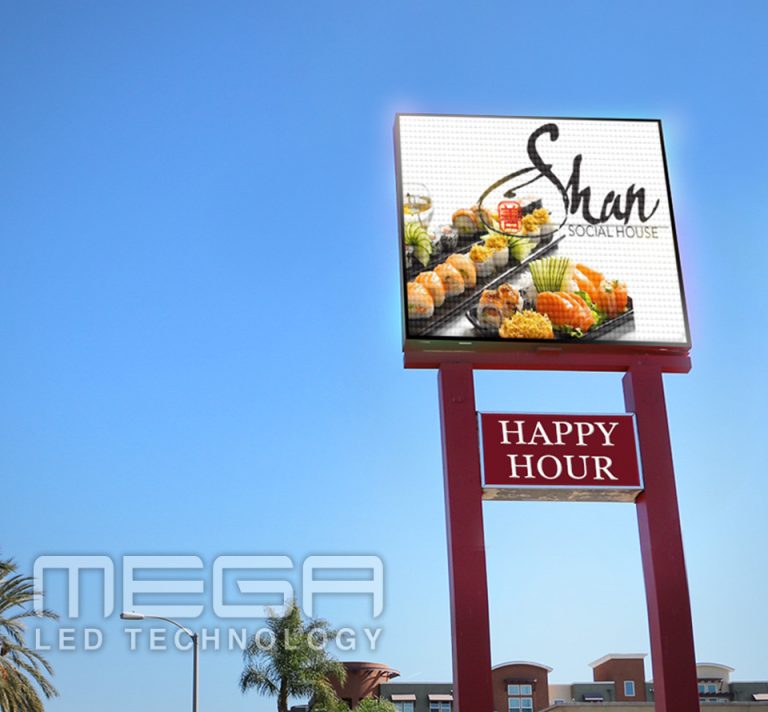
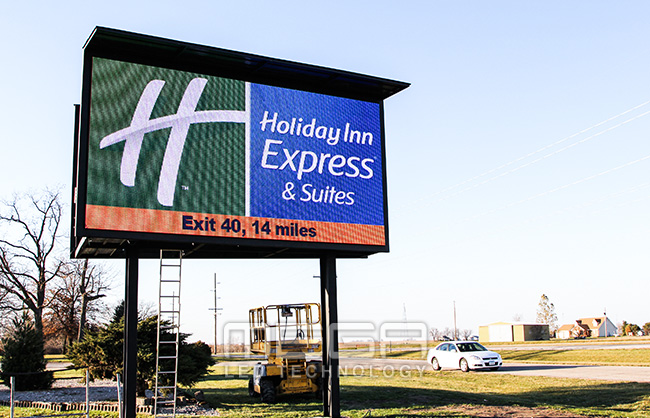
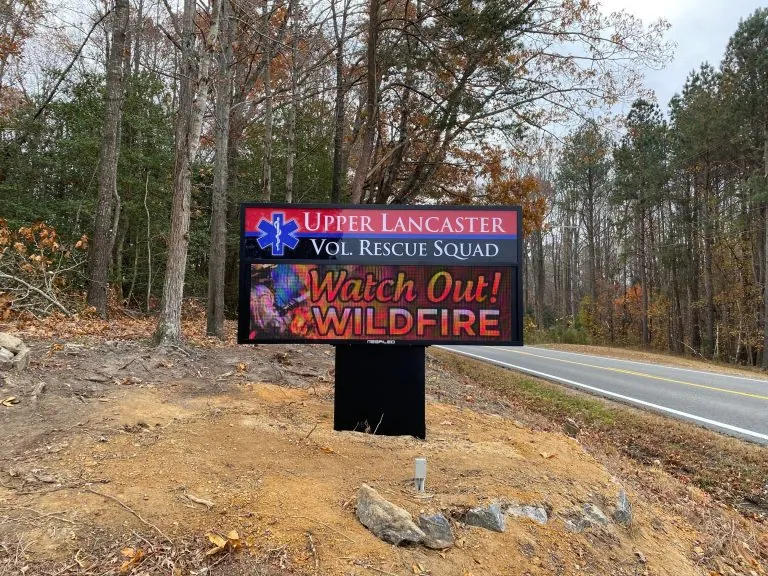
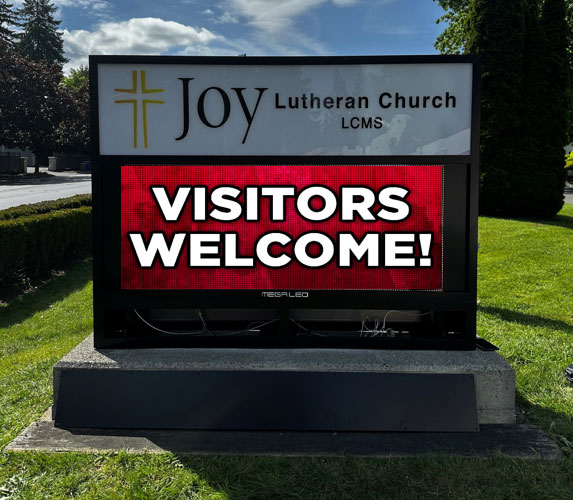
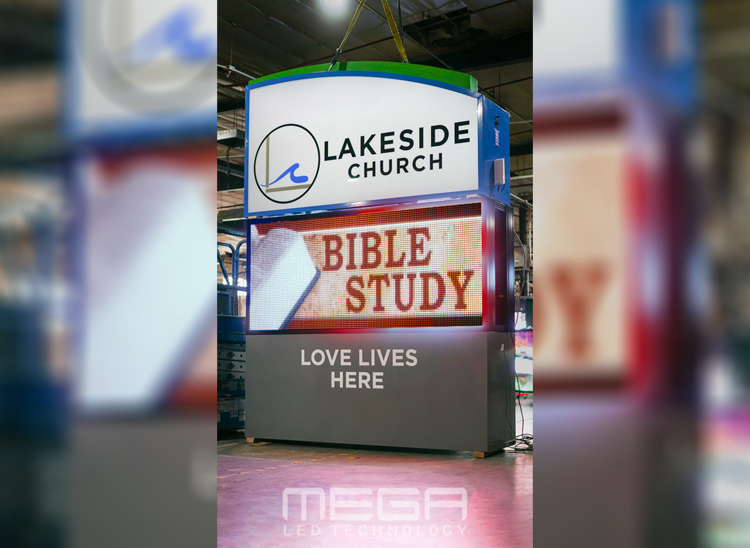
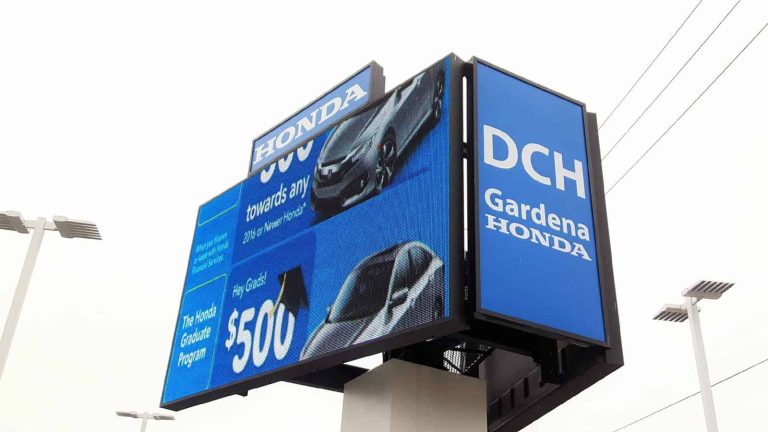
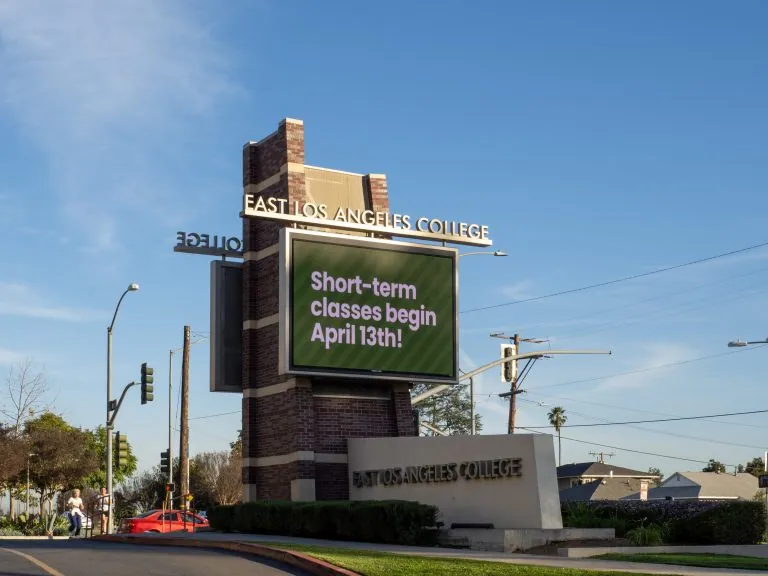
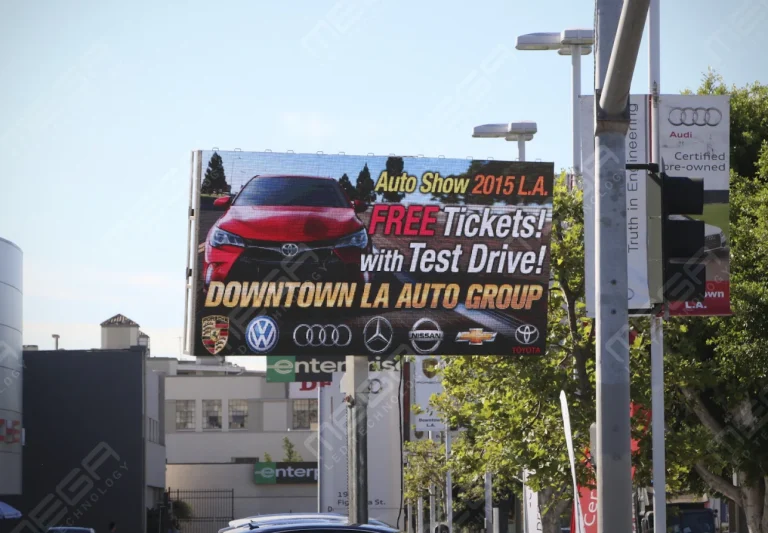
Omega is our newest line of outdoor digital signs. Running the full gambit from cabinet, to LED sign, to logo on top, or any configuration of your choice!

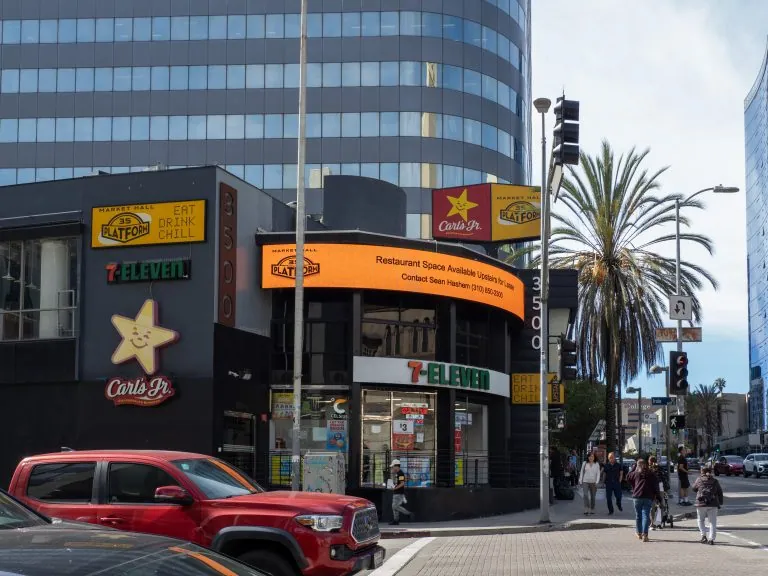
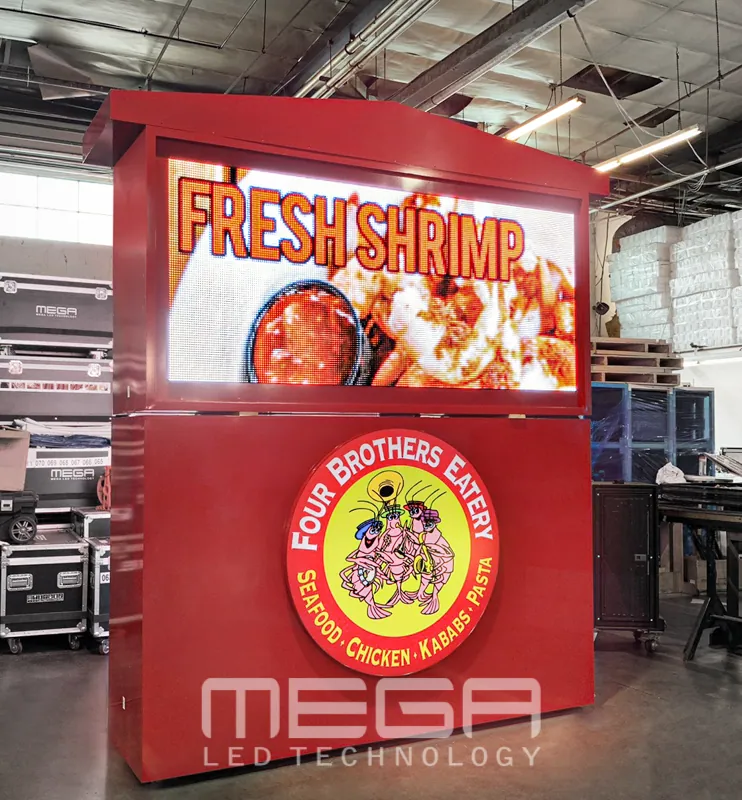
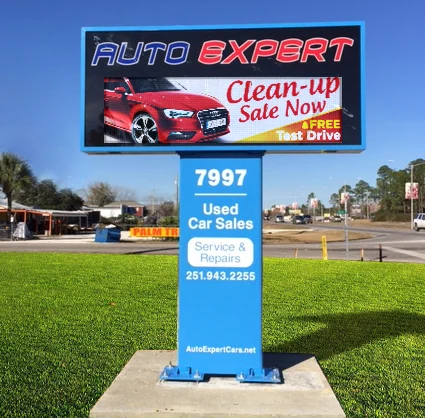
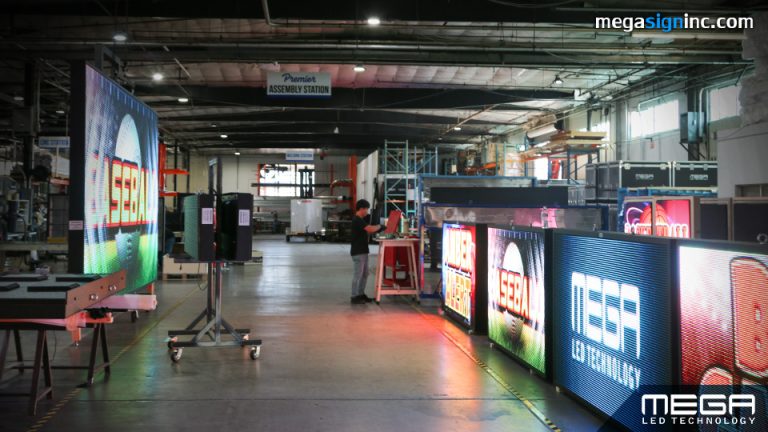
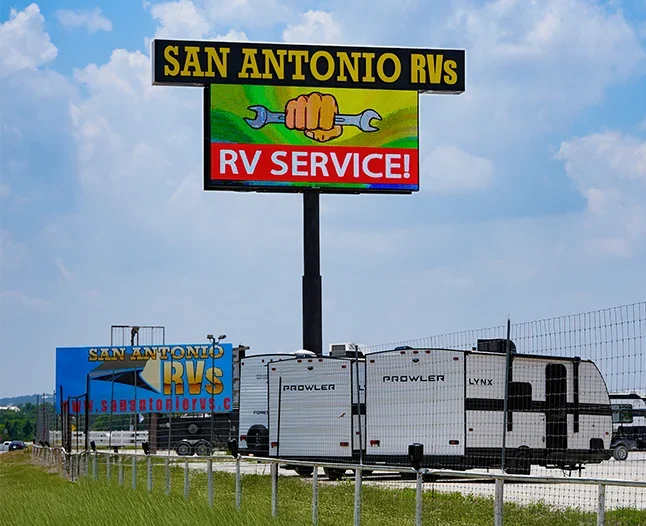
Premier is a customizable Outdoor LED sign, perfect for the Entrepreneur who knows that large custom sized signs cultivated for their specific business is the way to go.

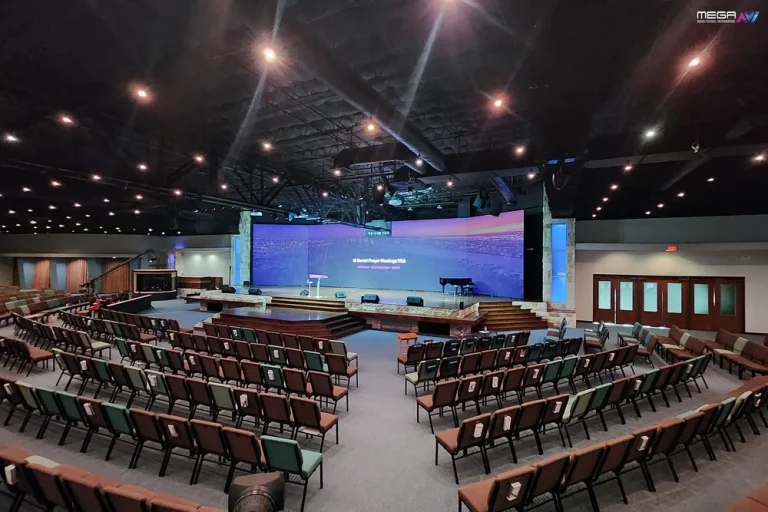
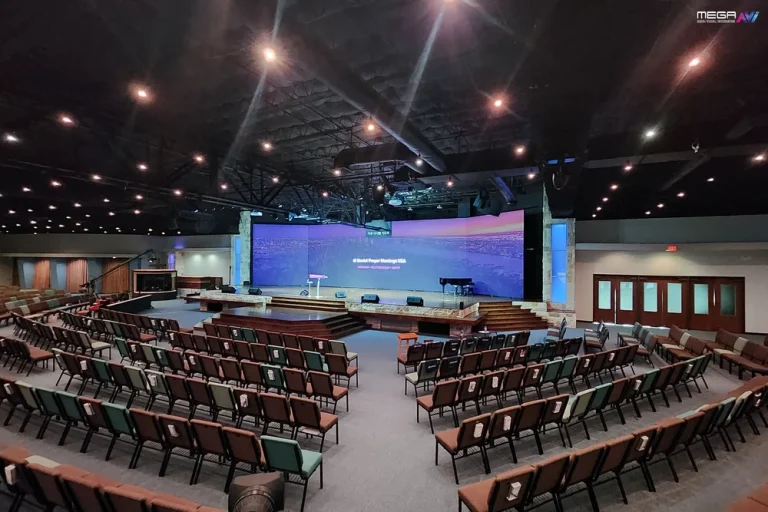
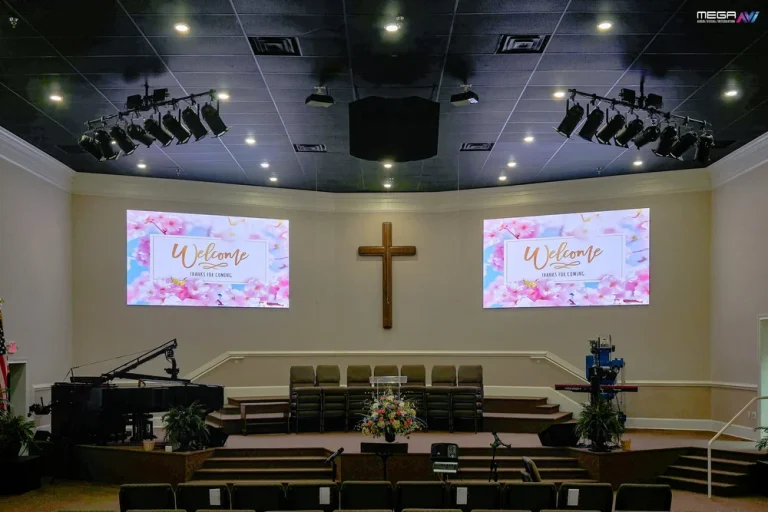
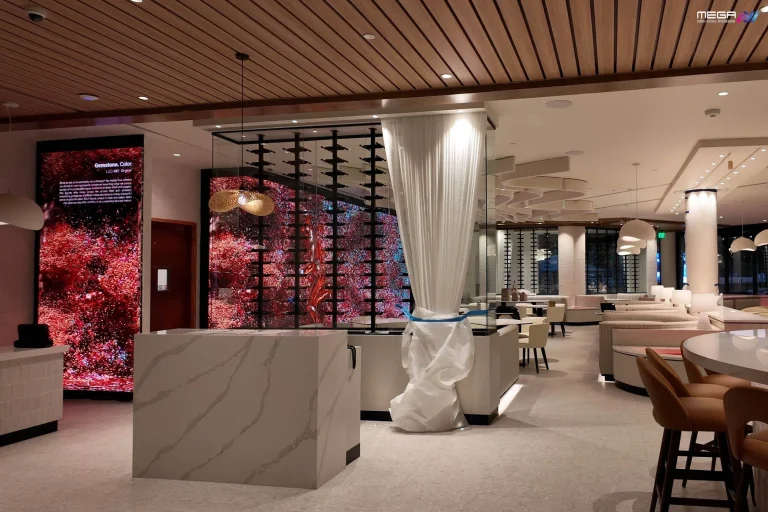
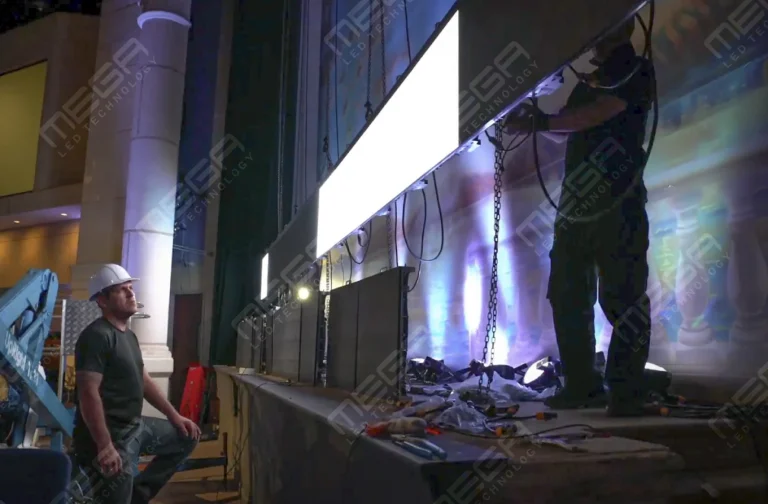
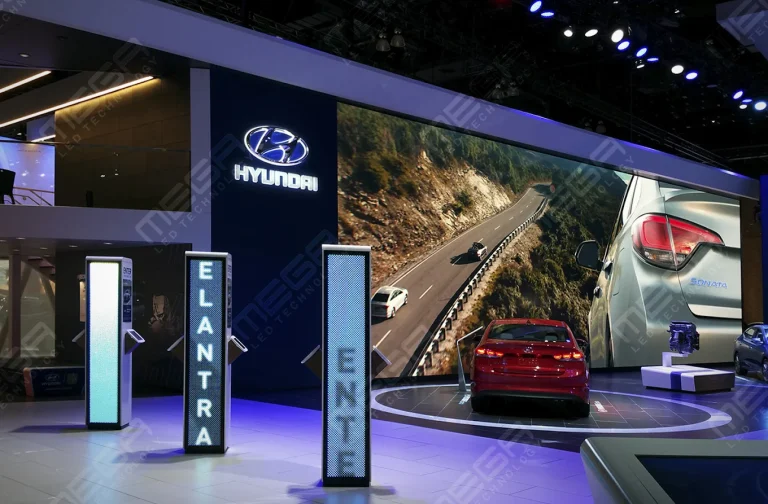
Programmable Stage LED signs, great for indoor assemblies, congregations, and presentations! Blow your competitors out of the water, or keep your congregation and audience glued to your message.

Alpha LED sign boards are great for anything from churches, to schools, to business. They tend to do great in large open spaces, where they are clearly visible.
Omega is our newest line of outdoor digital signs. Running the full gambit from cabinet, to LED sign, to logo on top, or any configuration of your choice!
Premier is a customizable Outdoor LED sign, perfect for the Entrepreneur who knows that large custom sized signs cultivated for their specific business is the way to go.
Programmable Stage LED signs, great for indoor assemblies, congregations, and presentations! Blow your competitors out of the water, or keep your congregation and audience glued to your message.
Your building entrance says everything before a customer walks in. A dull, unlit facade loses foot traffic to the competitor down the road. Marquee signs fix that problem by combining bold lighting, clear messaging, and architectural presence into one attention-grabbing structure.
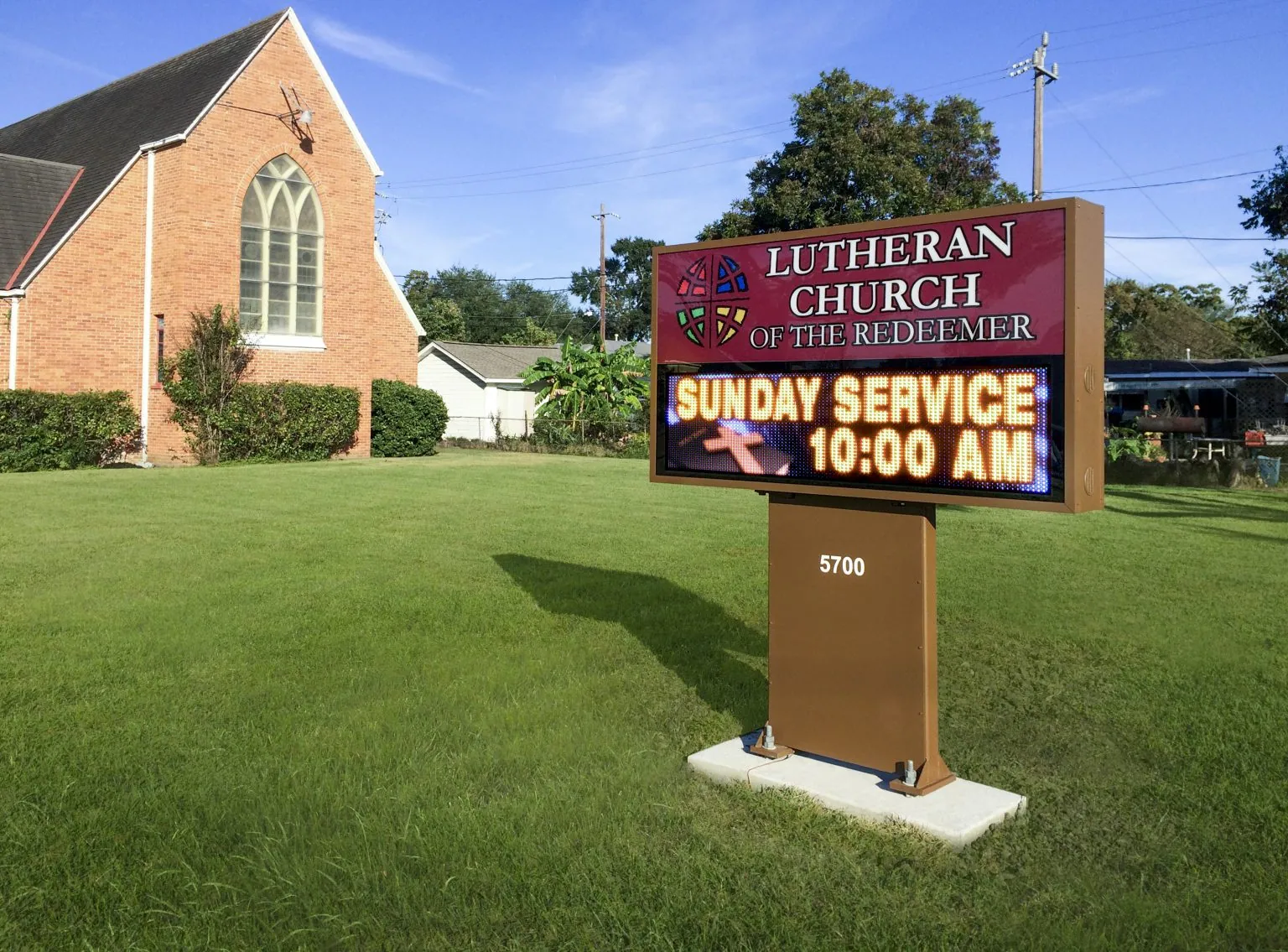
A marquee sign is a large, illuminated sign structure mounted above, around, or in front of a building entrance. Its job is straightforward: grab attention, identify the business, and communicate a message that people can read from the street.
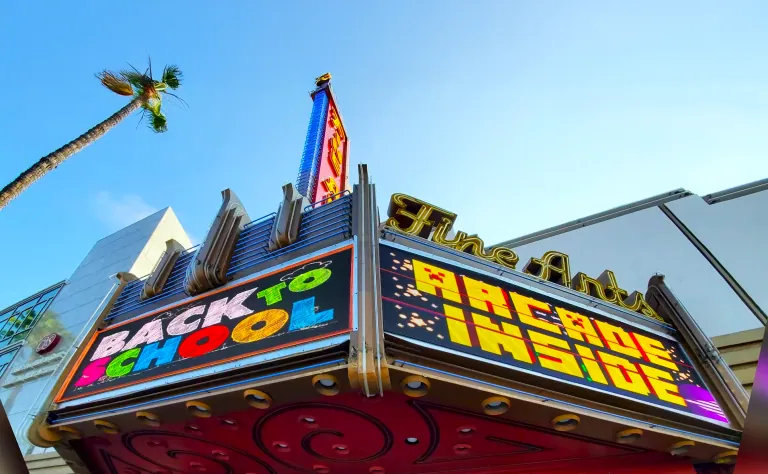
You’ve seen them at movie theaters, hotels, casinos, schools, and restaurants. The classic image is a wide overhead canopy bordered by glowing bulbs, with large letters spelling out a film title or event name. But the term covers more than just that vintage look. Today, marquee signs include everything from retro letter boards to programmable LED displays.
The word can refer to the physical overhead structure projecting from a building or the sign face and message area attached to it. Most people mean both. “Look at the marquee” covers the whole package: structure, lighting, and message.
The word “marquee” comes from Middle French and originally described an elegant canopy or covering. In American English, it specifically means a permanent canopy over a building entrance, often with signage attached. The Merriam-Webster dictionary defines it as a covered structure projecting over an entrance, typically at a hotel or theater, that displays names of featured attractions and performers.
Outside of signage, “marquee” also works as an adjective meaning headline-worthy or featured. A “marquee player” is the star of a team. That same energy applies here: a marquee sign is designed to be the star of your building’s exterior.

Every marquee sign combines a structural body, a message area, and a lighting system working together to stay readable day and night. The sign body is the frame or cabinet, usually aluminum or steel, built to support weight and resist weather.
The message area is where content appears. On older marquees, it’s a track system holding individual plastic letters you swap by hand. On modern versions, it’s an LED display panel showing text, graphics, and video. Some signs combine a fixed brand section on top with a changeable message board below.
Lighting makes the sign effective after dark. Traditional marquees use incandescent or fluorescent bulbs around the border and behind the sign face. LED marquees use light-emitting diodes that are brighter, last longer, and use less electricity. The U.S. Department of Energy confirms that LED technology can reduce energy use significantly compared to older lighting types, which makes a real difference for a sign running 12 to 18 hours a day.
Designing a marquee starts with the location. The sign needs to face the highest-traffic direction. Letter size depends on viewing distance: a general rule is one inch of letter height for every 10 feet of reading distance. Colors and fonts should match the brand, but contrast matters more than style. White text on a dark background reads faster from the road than the other way around.
Material selection matters too. Aluminum cabinets resist rust and hold up outdoors, while steel offers more structural strength for larger signs. The face material, whether polycarbonate, acrylic, or an open LED panel, affects brightness and maintenance access. Local zoning codes dictate maximum size, height, brightness, and sometimes animation rules for digital displays. Check with your city before designing to avoid expensive redesigns.
Building involves fabricating the cabinet, wiring the electrical system, engineering structural supports, and installing at the correct height. Wall-mounted marquees anchor into the building facade with proper load distribution. Freestanding versions need a concrete foundation and a pole or monument base. Permits are almost always required, and a good sign provider handles that process for you.
Our team reviews your location, zoning rules, and messaging goals to recommend the right LED sign for your business.
Maintenance keeps things safe and readable. That means cleaning the face, replacing faulty bulbs or LED modules, checking wiring, and updating software on digital units. Skipping it leads to dim sections, dead pixels, or a sign that stops working entirely. For LED signs, quality manufacturers design modules for quick field replacement: pull the old one out, snap the new one in. That kind of serviceability should be a priority when comparing providers, because a sign you can’t easily repair will cost more over its lifetime.
Marquee signs fall into several categories based on how they display messages, the lighting technology, and where they’re installed. The right type depends on update frequency, visibility needs, and what fits the building.
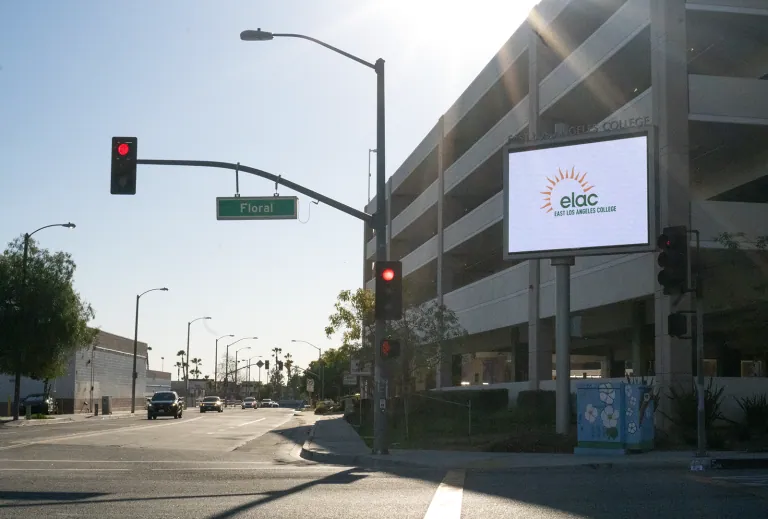
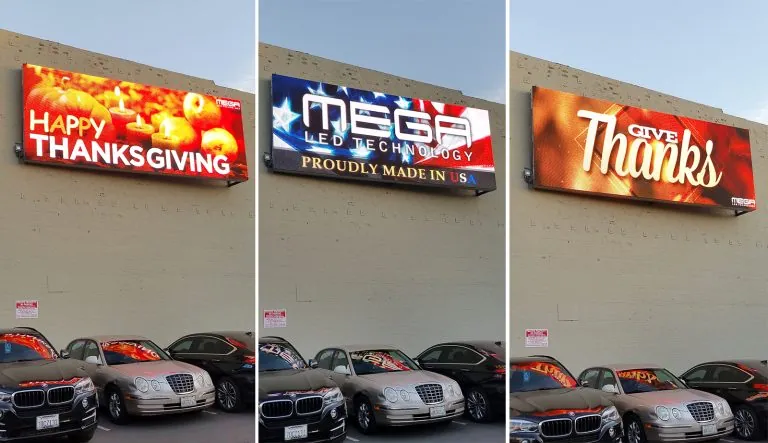
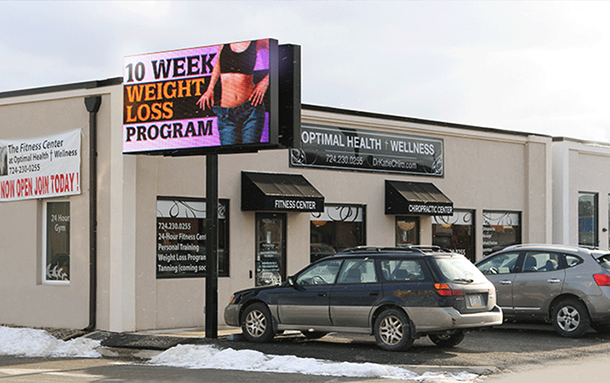
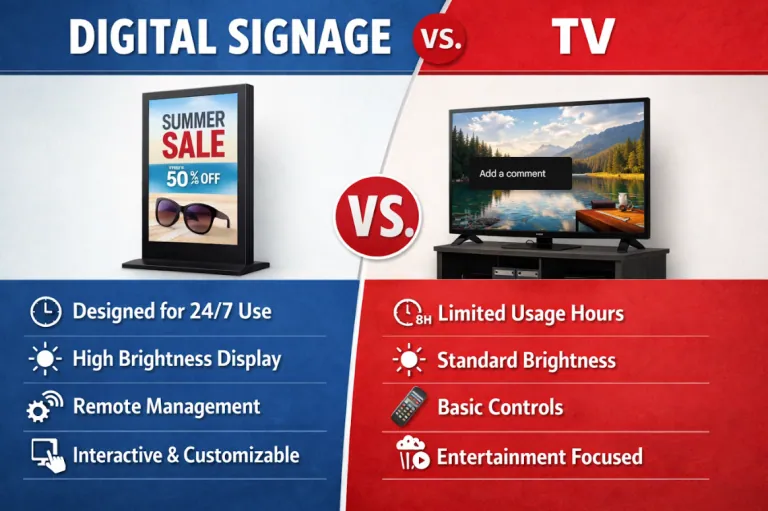
Electronic message center (EMC) marquees are digital signs that display programmable text, graphics, and animations on an LED screen. They’re the modern evolution of the changeable-letter board. You update content from a computer or phone, schedule messages for specific times, and control everything remotely.
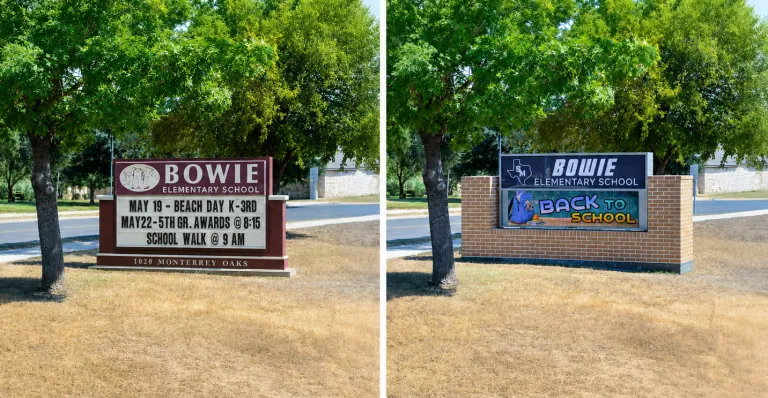
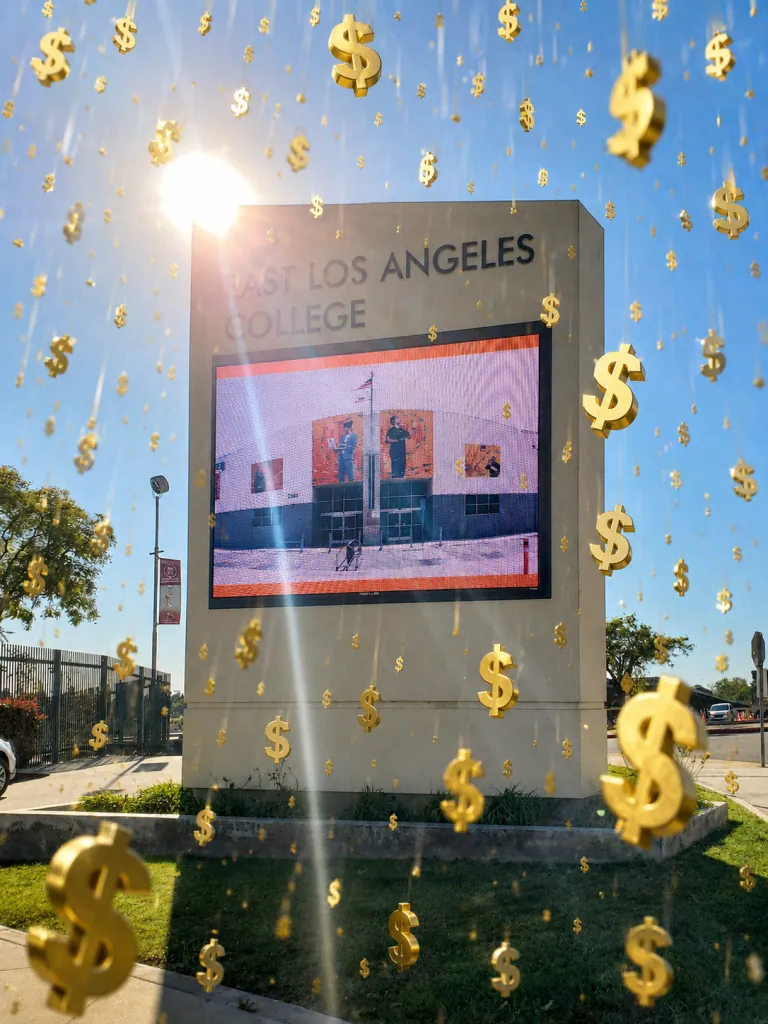
Schools, churches, municipalities, and retail businesses use them heavily. A school can post tomorrow’s early dismissal at 3 PM today and schedule a football game announcement for Friday. A retail store can rotate seasonal promotions automatically without sending someone outside with a ladder and a box of plastic letters.
EMCs cost more upfront than static marquees, but they eliminate the recurring labor of manual letter changes and deliver far more messaging power. Research supported by the International Sign Association shows that on-premise signage with dynamic content has a measurable impact on business performance and customer engagement.
Traditional marquees feature a fixed metal structure with illuminated borders and a changeable-letter track system. The letters are individual plastic or metal pieces slotted into horizontal rails. You swap them by hand to update the message.
This style is deeply tied to theaters, hotels, and vintage commercial architecture. The shape evolved from small rectangles to wider trapezoids as automobile traffic grew, making signs more readable from moving cars. That history gives traditional marquees a recognizable, nostalgic quality.
Many businesses still choose them for charm and curb appeal. The tradeoff is manual labor for every message change and limited content (only as many characters as the tracks allow).
Neon and retro-style marquees lean into nostalgia with bright lighting effects, vintage typography, and warm glowing colors. Some use actual neon gas tubes. Others replicate the look with LEDs shaped and colored to mimic neon at lower cost and with less maintenance.
Entertainment venues, themed restaurants, wedding venues, and boutique brands love this style because it triggers emotional connection. There’s something about that warm glow that feels inviting, fun, and memorable. It’s visual personality in a way that a plain illuminated box can’t match.
| Type | Message Format | Best For | Update Method |
|---|---|---|---|
| Traditional Marquee | Changeable plastic letters | Theaters, hotels, vintage branding | Manual (by hand) |
| Electronic Message Center | LED text, graphics, video | Schools, churches, retail, municipalities | Remote (computer/phone) |
| Neon / Retro-Style | Fixed or semi-fixed lit letters | Entertainment, weddings, boutique brands | Fixed design or manual |
| Black Marquee | White or colored letters on black background | Bars, lounges, creative spaces | Manual or LED |
| Indoor Marquee | Decorative lit letters or small LED panel | Lobbies, event spaces, hallways | Manual or digital |
Marquee signs show up anywhere a building needs to announce itself. The most common spots include movie theaters, hotels, casinos, restaurants, schools, churches, retail stores, and event venues.
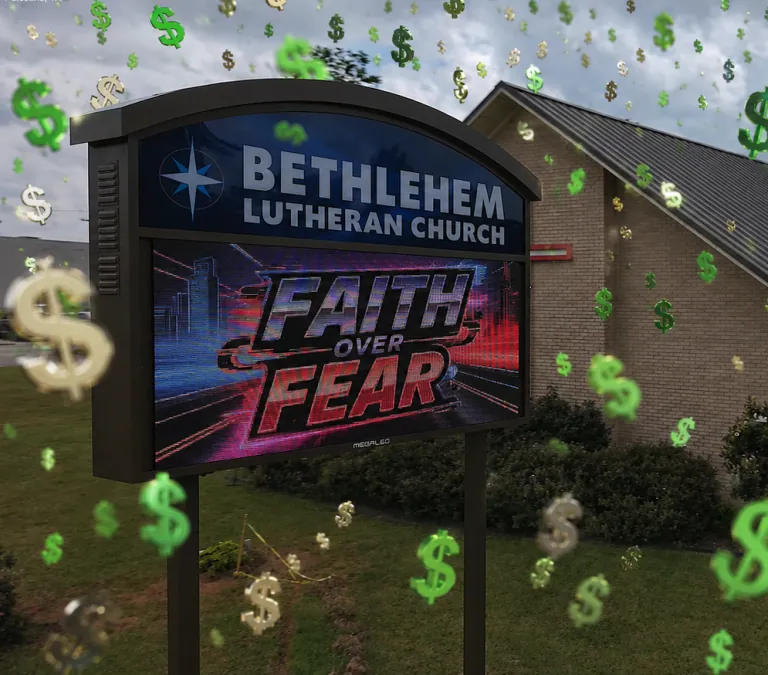
A school posts early dismissals, game schedules, and parent meeting dates. A church displays service times. A restaurant advertises tonight’s special and live music. A casino runs jackpot numbers and shows announcements around the clock.
The common thread is high-traffic locations where people pass repeatedly. The parent drives past the school every morning, the commuter passing the same storefront twice a day. That repetition turns a sign into a reliable communication channel.
Visibility is the biggest benefit. A well-lit marquee is readable from hundreds of feet away, day or night. It gives your location a physical landmark that people remember and reference. “Turn left at the big sign” is real navigation for real customers.
Marquee signs also work as a silent salesperson that never takes a day off. Every hour the sign is on, it’s delivering your message to everyone who passes. The U.S. Small Business Administration has noted that electronic message displays are among the most cost-effective advertising tools available to small businesses, with businesses reporting revenue increases of 15% to 150% after adding digital signage.
Beyond sales, marquee signs build personality and local recognition. A bold sign tells your community who you are. People photograph them, share them, and remember them. That organic brand awareness is hard to buy with any other medium.
There’s no single price for a marquee sign because cost depends on size, materials, lighting technology, installation complexity, and whether the sign is static or digital.
Here’s a general framework to help you budget:
Don’t stop at the sticker price. Total ownership cost matters more. It includes maintenance, electricity, content management, and repairs. A cheap sign that dies in three years costs more than a quality sign that runs for a decade.
The real value comes from long-term visibility and repeat exposure. A sign seen by 10,000 vehicles a day delivers millions of impressions per year at a fraction of what print, radio, or television advertising costs. That’s where the ROI lives.

A marquee isn’t the only way to make your building stand out. Depending on budget, space, and local sign codes, another option might work better.
Common alternatives include:
Our Alpha Series LED marquee gives you full programmable messaging, scheduling software, and marquee-style visibility sized from 3ft x 5ft up to 6ft x 12ft. See our Alpha Series marquee.
Our Premier outdoor LED signs scale from 1ft x 3ft up to 30ft x 100ft with fully customizable size, resolution, and brightness, backed by a 5-Year Limited Warranty. Contact us.
Our Omega monument sign pairs a custom base (masonry, aluminum, or steel) with an integrated full-color LED display, giving you a permanent landmark plus on-demand messaging. Explore our Omega Monument Signs.
Our Omega monument sign with a larger high-resolution LED panel handles full-color scheduling and dynamic content from a branded monument base. Get a free quote.
If frequent message changes and high-impact digital content are priorities, an LED sign or EMC is the strongest option. If you want a permanent entrance marker, a monument sign delivers that. We help businesses figure out which direction makes sense.
A marquee sign is an illuminated sign structure placed at a building entrance to display the business name, event information, or promotional messages. It can be a traditional letter board with border lights or a modern LED electronic message center.
Marquee sign costs depend on size, resolution, and whether you need single or double-sided visibility. Our Alpha Series marquee runs $6,500 to $35,000+ for standard builds sized 3ft x 5ft up to 6ft x 12ft. Premier outdoor LED signs cover fully custom configurations from $3,800 to $500,000+, depending on scope.












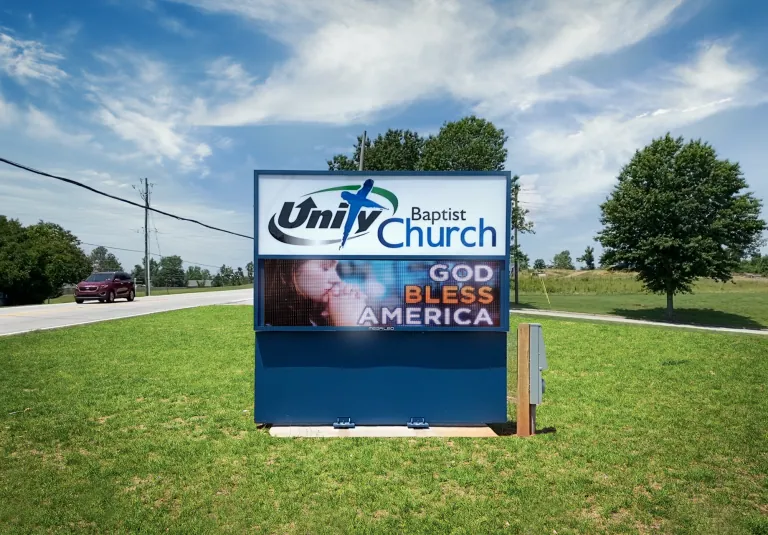





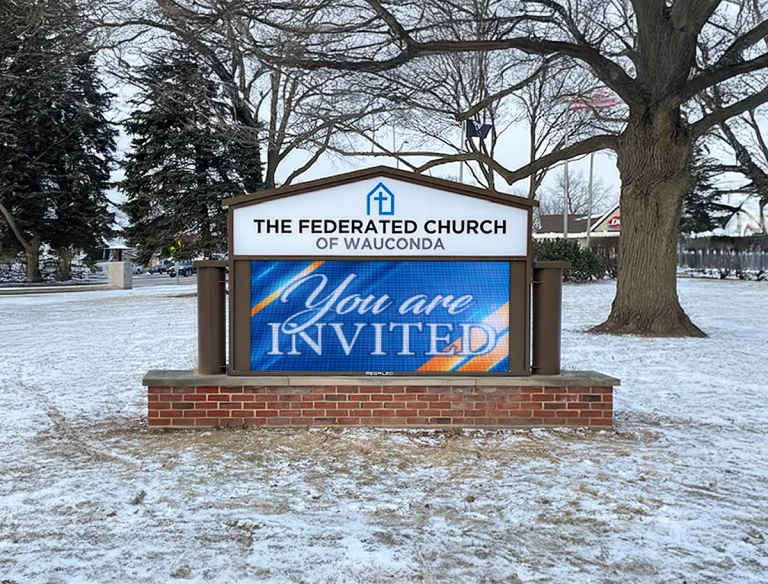


Alpha LED sign boards are great for anything from churches, to schools, to business. They tend to do great in large open spaces, where they are clearly visible.
Omega is our newest line of outdoor digital signs. Running the full gambit from cabinet, to LED sign, to logo on top, or any configuration of your choice!
Premier is a customizable Outdoor LED sign, perfect for the Entrepreneur who knows that large custom sized signs cultivated for their specific business is the way to go.
Programmable Stage LED signs, great for indoor assemblies, congregations, and presentations! Blow your competitors out of the water, or keep your congregation and audience glued to your message.