

What Is Smart Digital Signage? How Intelligent Screens Use Data, Software And Automation

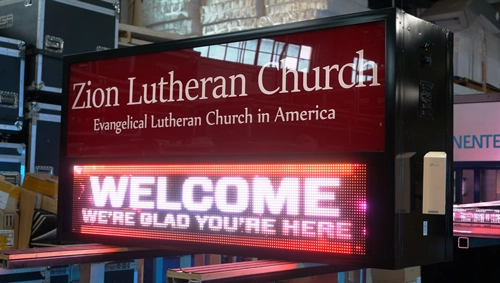
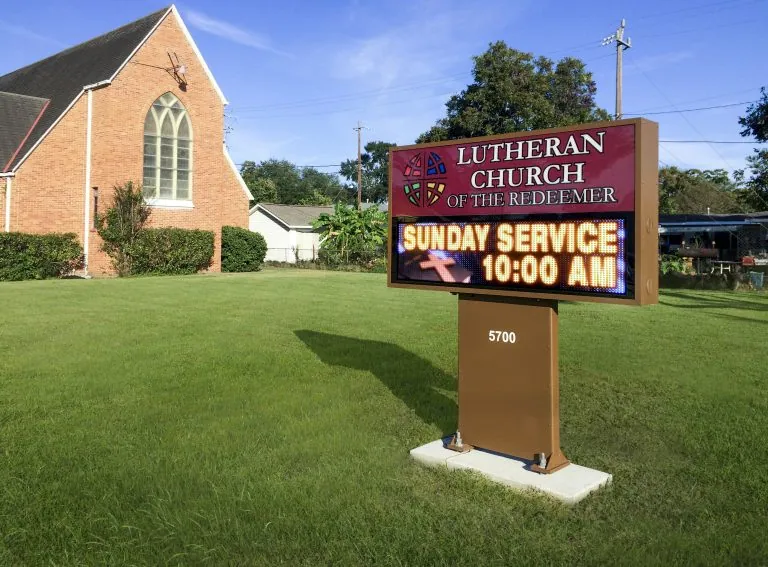
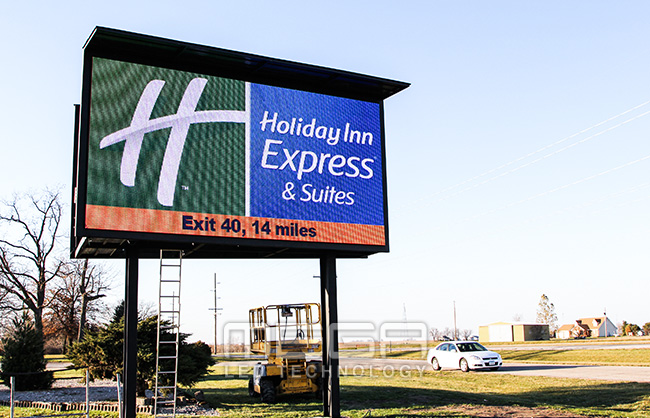
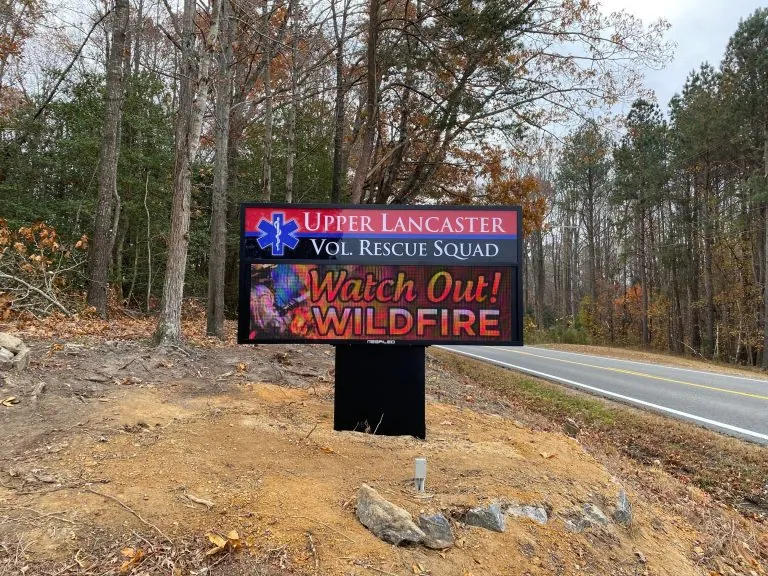
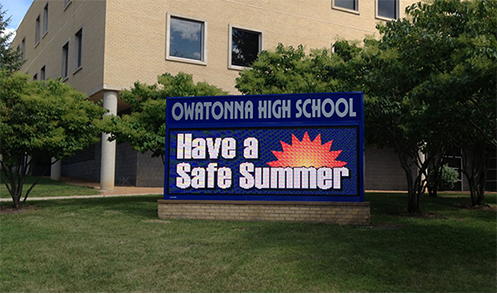
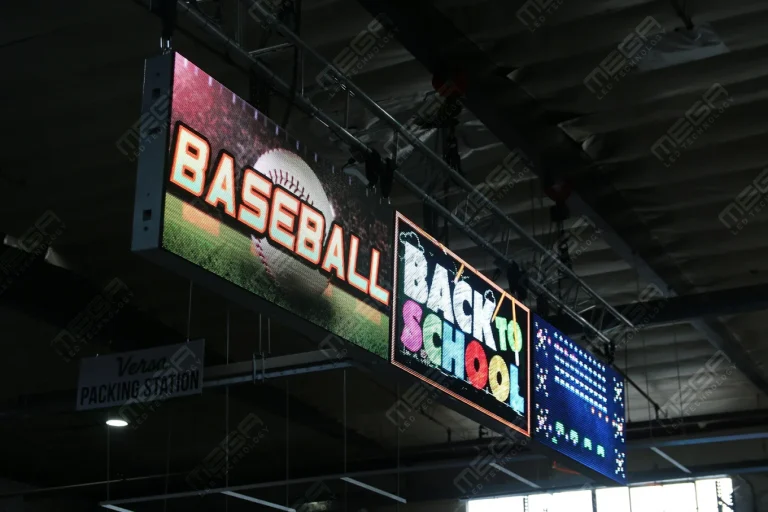
Alpha LED sign boards are great for anything from churches, to schools, to business. They tend to do great in large open spaces, where they are clearly visible.

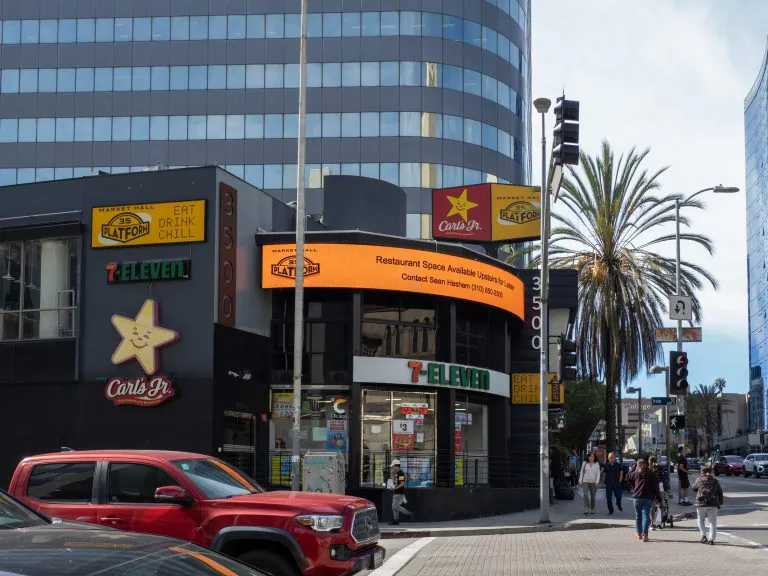
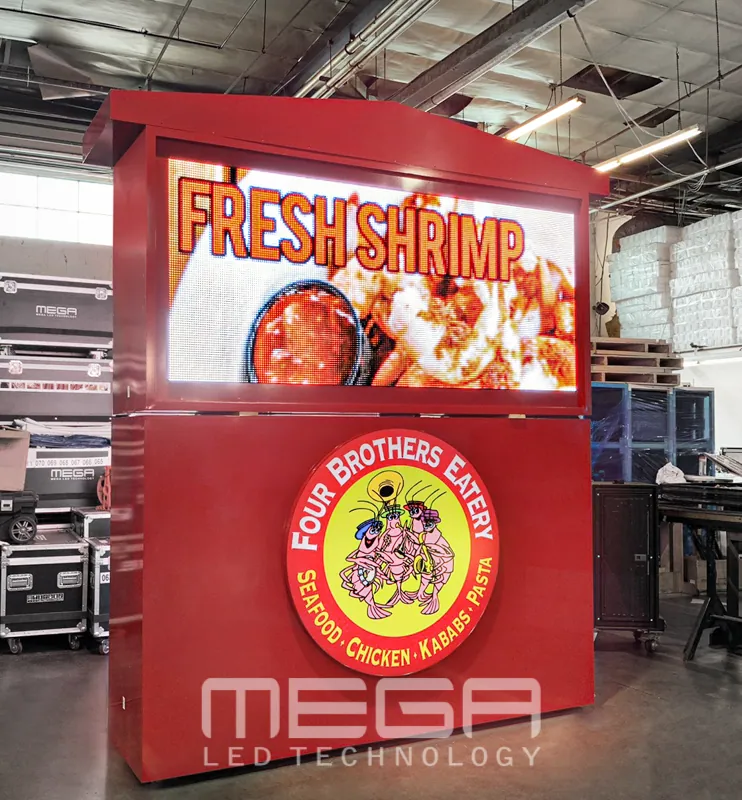
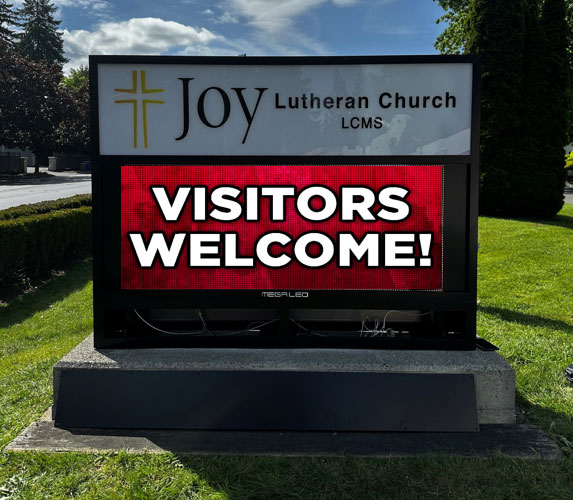
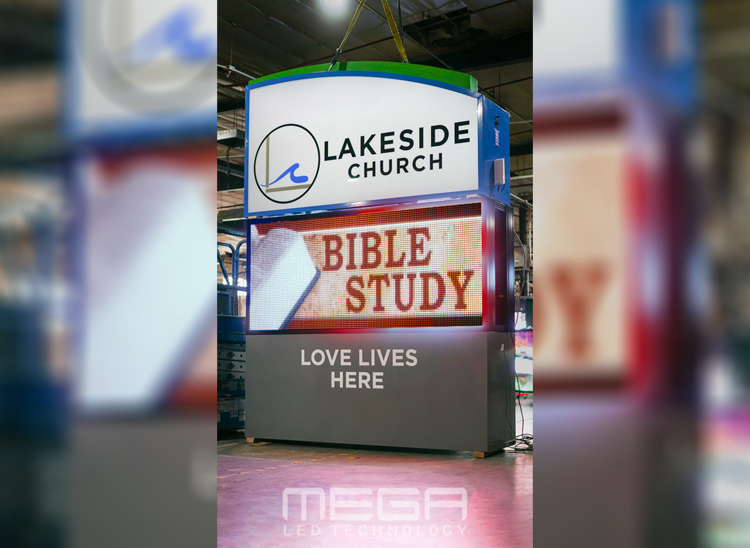
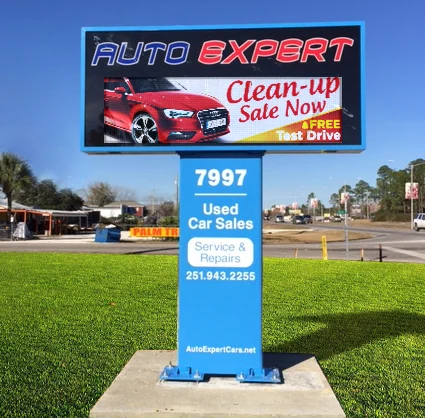
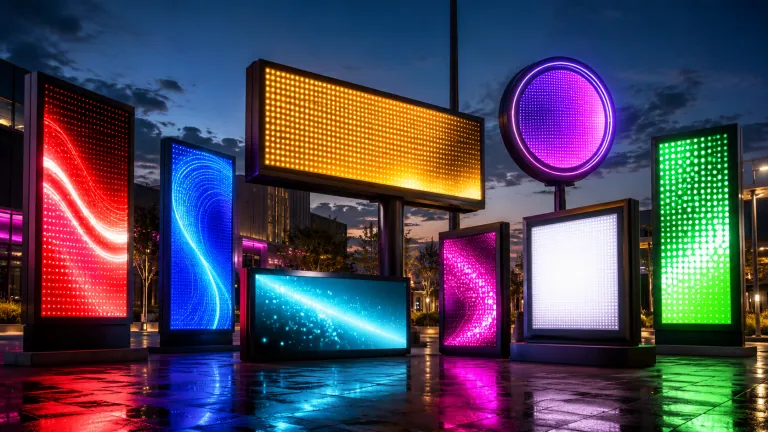
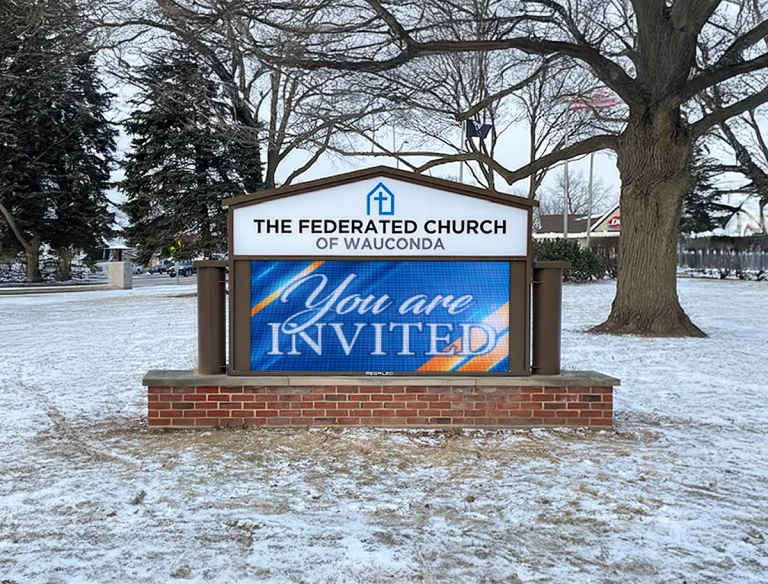
Omega is our newest line of outdoor digital signs. Running the full gambit from cabinet, to LED sign, to logo on top, or any configuration of your choice!

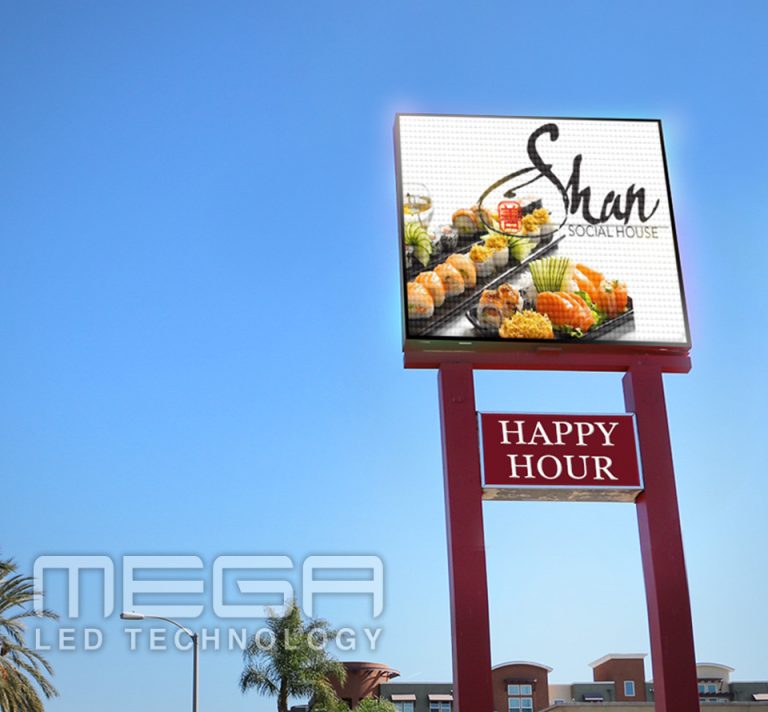
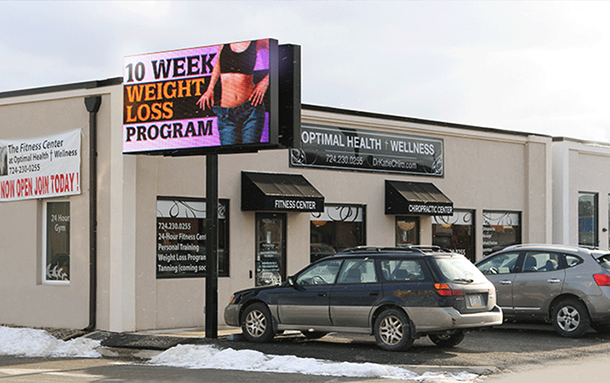
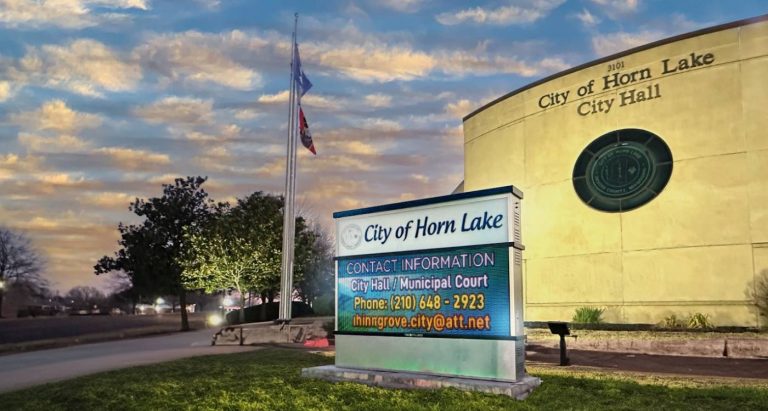
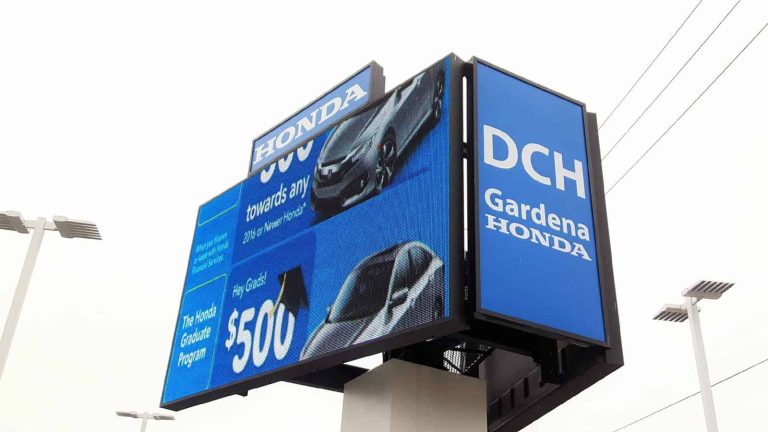
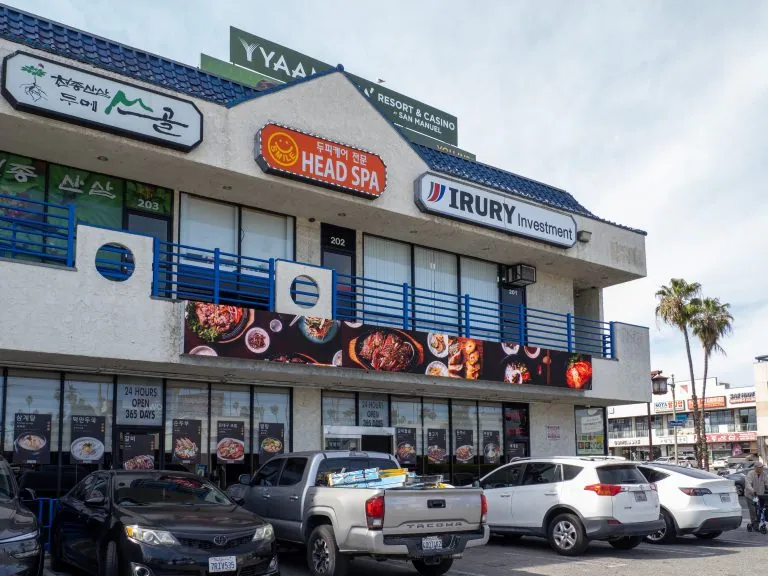
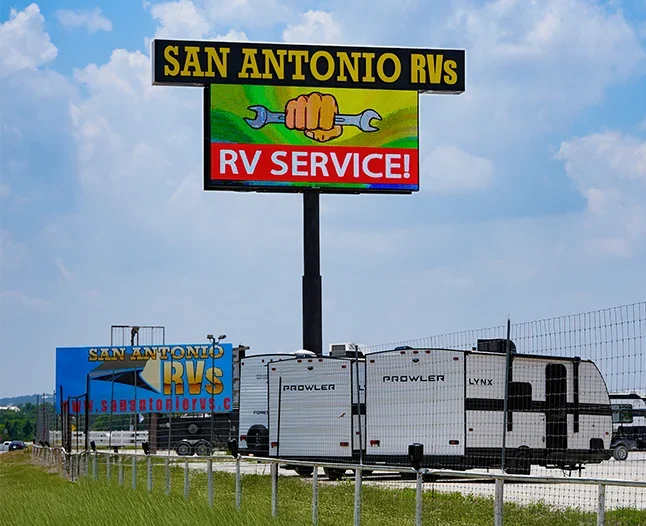
Premier is a customizable Outdoor LED sign, perfect for the Entrepreneur who knows that large custom sized signs cultivated for their specific business is the way to go.

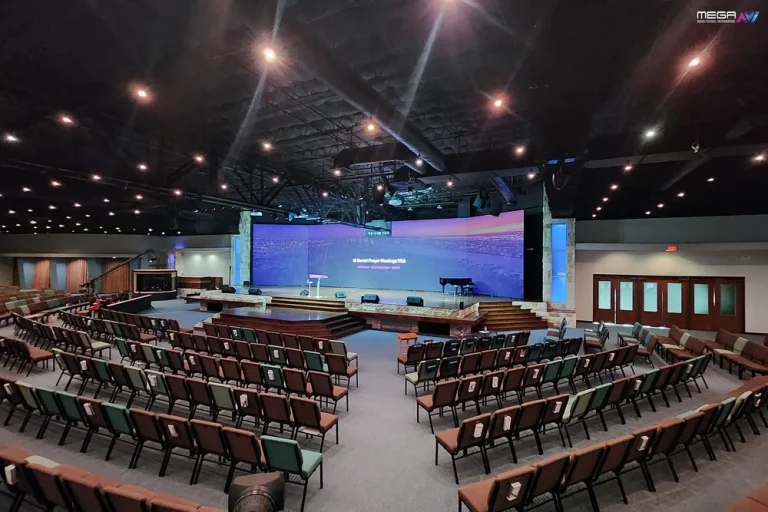
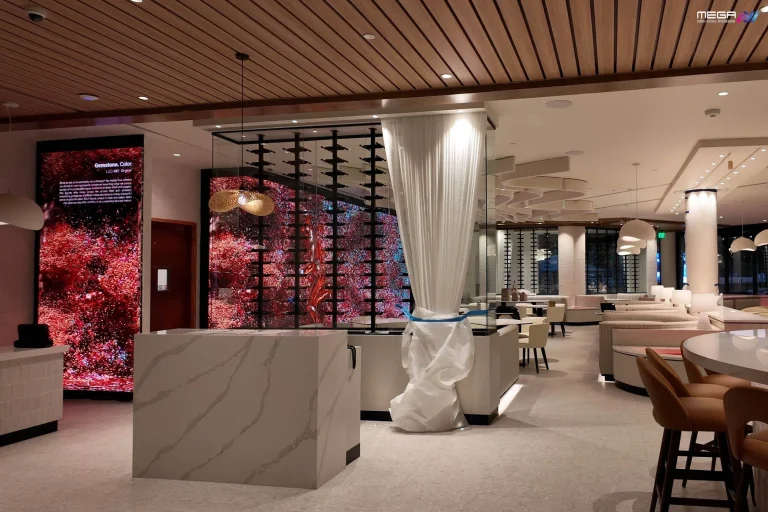
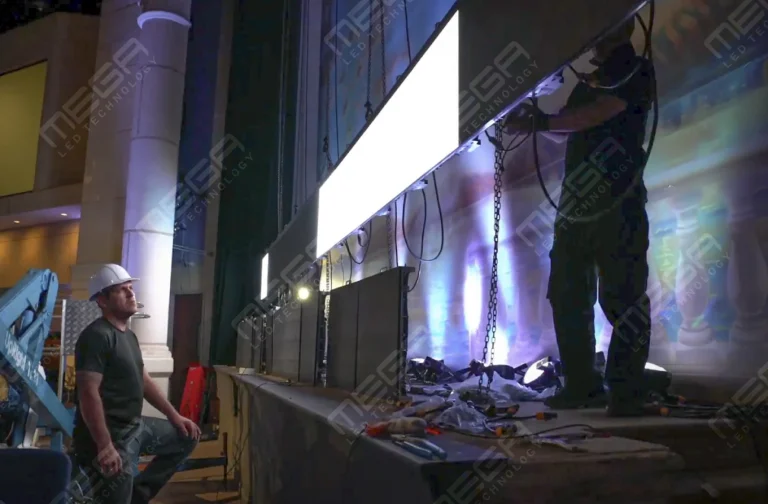
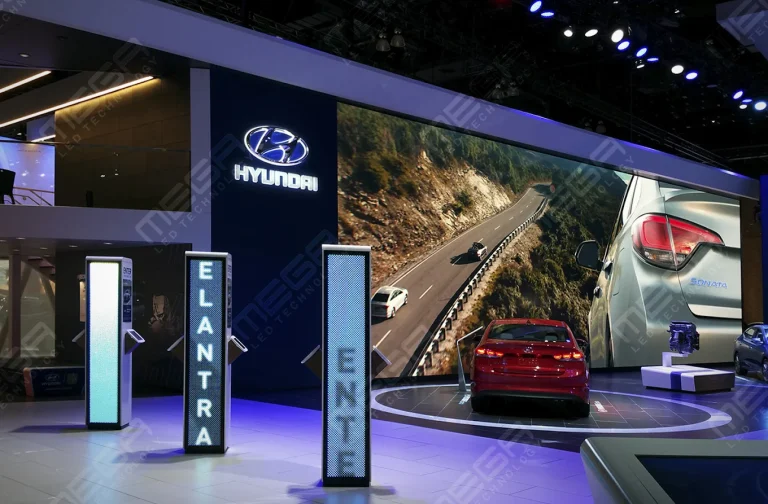
Programmable Stage LED signs, great for indoor assemblies, congregations, and presentations! Blow your competitors out of the water, or keep your congregation and audience glued to your message.

Alpha LED sign boards are great for anything from churches, to schools, to business. They tend to do great in large open spaces, where they are clearly visible.
Omega is our newest line of outdoor digital signs. Running the full gambit from cabinet, to LED sign, to logo on top, or any configuration of your choice!
Premier is a customizable Outdoor LED sign, perfect for the Entrepreneur who knows that large custom sized signs cultivated for their specific business is the way to go.
Programmable Stage LED signs, great for indoor assemblies, congregations, and presentations! Blow your competitors out of the water, or keep your congregation and audience glued to your message.
Monument sign costs vary so widely that most buyers can’t tell if a quote is fair or inflated. Without a pricing framework, you either overpay or pick a cheap option that falls apart. This guide breaks down real costs by type, material, and installation so you can budget accurately.
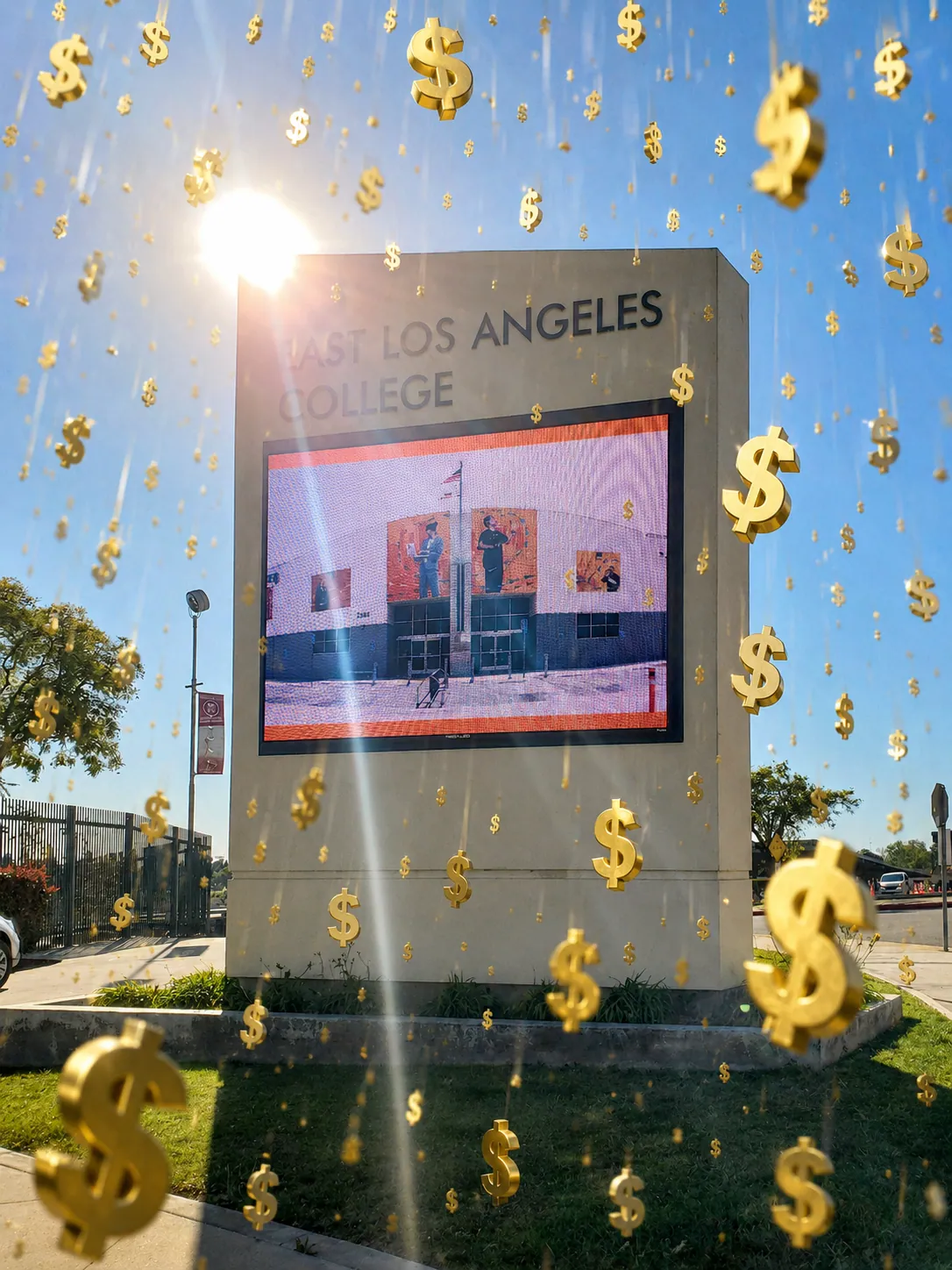
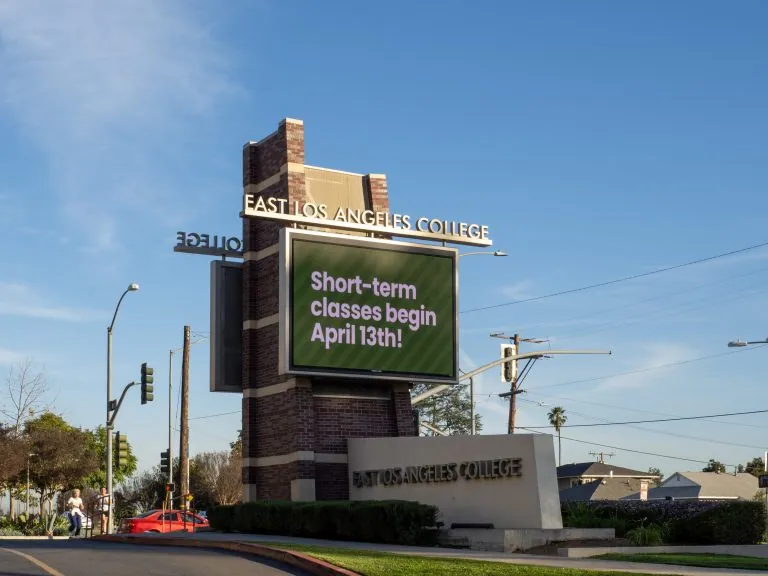
Monument signs cost $5,000 to $100,000+ depending on the type, size, materials, lighting, and level of customization. A simple aluminium or PVC monument runs $5,000 to $15,000. A mid-range sign with lighting and dimensional letters costs $10,000 to $30,000. Custom masonry builds with brick, stone, or stucco bases push $30,000 to $65,000. LED monument signs start around $15,000 for basic models and can exceed $300,000 for large, high-resolution displays.
Think in ranges rather than flat numbers. No two monument signs share the same size, site, materials, or code requirements. Materials, lighting technology, display area, and installation complexity all shift the budget. Even the same sign design can cost differently depending on whether your soil needs a shallow footing or a deep-drilled pier. The sections below break down each cost driver so you can build a realistic number for your specific project and avoid quote surprises.
Five factors drive most of the price variation in monument sign projects:
A 3-foot monument with vinyl lettering and no lighting is a fundamentally different project than a 6-foot masonry sign with halo-lit channel letters and an LED message center.
Material choice alone can double or triple your cost. Aluminum and PVC are budget-friendly. Brick, natural stone, and stucco require skilled labor and heavier foundations, which add time and expense. Illumination adds another layer: ground-mounted spotlights cost less than internally lit channel letters, and both cost less than a full LED display. The ISA sign glossary outlines standard classifications that help you compare quotes using consistent terminology.

Installation typically adds 10% to 30% of the fabrication cost, and sometimes more. Two monument signs with identical fabrication prices can have very different installation totals depending on site access, soil conditions, foundation depth, and whether electrical work is needed.
Expect $2,000 to $5,000 for standard installations on accessible sites with stable soil. Complex jobs requiring deep foundations, crane access, or long electrical trenching runs push past $10,000. Permitting fees add $500 to $5,000+ depending on your municipality and the sign’s size. Some cities require engineering stamps, site plans, and zoning variance applications. The FHWA advertising program outlines federal sign control guidelines that affect permitting in many jurisdictions. Always request an itemized installation quote separate from fabrication so you can compare vendors on equal terms.
LED monument signs cost $15,000 to $300,000 depending on display size, pixel pitch, cabinet materials, and installation scope. They’re priced differently from static monument signs because of the electronic display, content management software, power requirements, and more complex wiring.
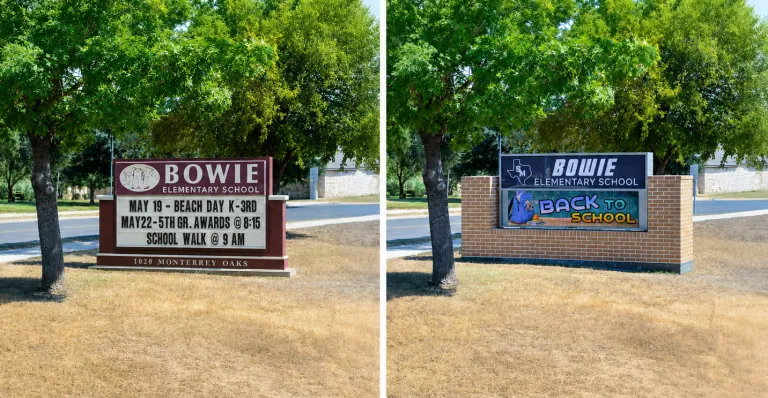
A basic single-sided LED monument for a school or small business runs $15,000 to $35,000. Larger commercial projects with high-resolution displays and custom bases climb from $40,000 to well over $100,000. The gap between a $15,000 sign and a $100,000 sign usually comes down to display size, pixel pitch, and whether the base is fabricated aluminum, steel, or custom masonry. We manufacture Omega monument signs with full-color LED displays, 4-layer copper PCBs, and MET Lab certified components built for long-term performance in any climate.
Display area is the biggest cost variable in our LED monument signs. A small full-color message center sits at the lower end of the range, while a large-format display pushes toward the top. More screen area means more LED modules, heavier cabinets, and stronger structural support. Our Omega monument signs come in at $15,000 to $100,000+, with the integrated LED display included.
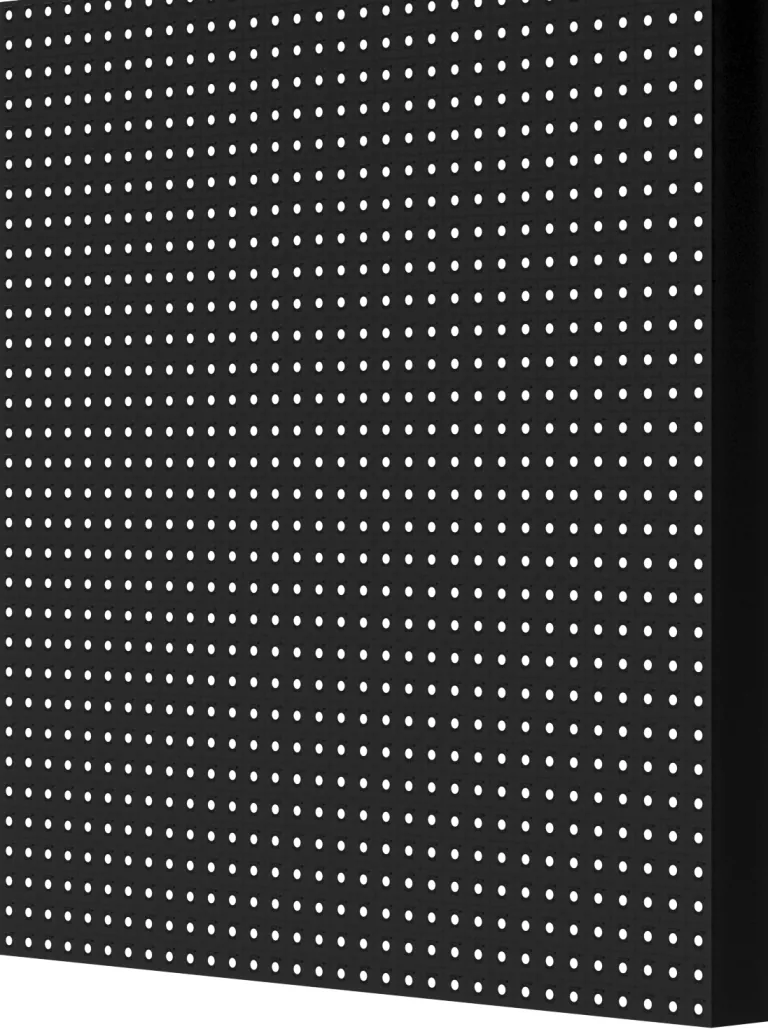
Tighter pixel pitch means higher cost. Pixel pitch is the distance between LED clusters, measured in millimeters. A 16mm pitch works for viewing distances of 50+ feet and uses DIP/Discrete LEDs. A 6mm or 8mm pitch uses SMD LEDs and delivers sharper images for close-range viewing, like signs near sidewalks or parking lots. More LEDs per square foot means higher display cost. Match pitch to your actual viewing distance so you don’t overpay for resolution that passersby can’t see at speed.
Adding a second display face increases hardware, structure, and labor costs. A double-sided LED monument needs a second set of LED modules, a heavier cabinet, and a stronger foundation for the added weight and wind load. Our Omega monument signs come in single-sided or double-sided configurations from $15,000 to $100,000+, depending on size, resolution, and base design.
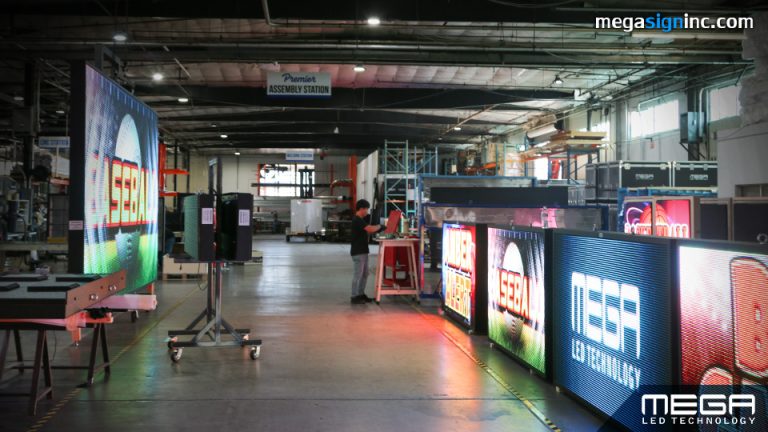
MEGA LED Technology designs, manufactures, and installs LED monument signs across the U.S. Get a free consultation to see what your project would actually cost, from fabrication to installation.
The decision comes down to traffic flow and property layout. If your sign sits on a median or island where drivers approach from both directions, double-sided pays for itself in visibility. Corner lots and properties along divided highways almost always benefit from two faces. But if your monument sits flush against a building or wall where only one side faces the road, a single-sided display is all you need. Paying for a second face nobody sees is wasted budget. Before you decide, check your site’s traffic patterns and ask where drivers are actually looking when they pass your property.
The purchase price is only part of total ownership cost. Budget for electrical work and trenching ($2,000 to $10,000), software setup ($750), ongoing utility costs ($50 to $200 per month), and a maintenance reserve for module replacements and power supply swaps. A realistic first-year budget includes the sign, installation, permitting, and at least 12 months of operating costs.
Content management is an ongoing cost most buyers overlook. Someone on your team needs to create and schedule the messages that run on your display. If you don’t have that capability in house, you’ll either hire a designer or use a content service. Cloud-based CMS platforms charge $500 to $2,000 per year for scheduling and remote access. Factor in occasional service calls too. Even quality LED signs need a technician visit every few years for diagnostics, module swaps, or firmware updates. Planning for these costs upfront keeps your total budget honest and prevents surprises after installation day.
Brick and masonry monument signs cost $30,000 to $65,000+ because of the labor, foundation work, and finish quality involved. They sit above simpler panel-based signs in both price and perceived value. Buyers choose brick and masonry when they want a permanent, premium look that matches the property’s architecture.
Brick tends to cost less than natural stone but more than stucco or foam-core systems. All masonry options require heavier foundations, which increases installation cost. The aesthetic advantage is real: a brick monument looks established and built to last, which strengthens brand perception for corporate campuses, medical offices, and upscale residential communities. Many buyers find the higher upfront cost justified when they compare it to the 25+ year lifespan with minimal structural maintenance.
Labor intensity and structural requirements drive the price gap. Masonry needs skilled tradespeople, heavier equipment, and deeper foundations. Aluminum or PVC signs can be fabricated off-site and installed in hours. Masonry builds take days. The trade-off: masonry lasts 25+ years with minimal structural maintenance and projects a level of quality that lightweight materials can’t replicate.
| Sign Type | Typical Cost Range | Key Notes |
|---|---|---|
| Basic Aluminum/PVC (non-LED) | $5,000 – $15,000 | Simple, lightweight, fast install |
| Mid-Range with Lighting (non-LED) | $10,000 – $30,000 | Dimensional letters, spots or internal light |
| Masonry brick/stone (non-LED) | $30,000 – $65,000 | Skilled labor, heavy foundation |
| LED Monument Sign | $15,000 – $100,000+ | Masonry, aluminum, or steel base with integrated full-color LED display |
| Per Square Foot (display) | $150 – $300/sq ft | LED display panels only |
These ranges cover fabrication only. Add 10% to 30% for installation, plus permitting fees. Custom projects with unique shapes, multi-tenant panels, or integrated LED displays land at the higher end. We offer a free sign consultation to help you build an accurate budget before committing.

Replacing a monument sign costs less than building new when the base structure is still usable. Common replacement scenarios include face updates, cabinet rebuilds, repainting, tenant panel swaps, and lighting retrofits. Refacing an existing monument typically costs 25% to 35% of a full replacement because you skip foundation and structural work. For a sign that originally cost $30,000, a reface might run $7,500 to $10,500.
Full replacement (demolition plus new sign) costs roughly the same as a new build, sometimes more if the old foundation needs removal. If only the sign faces, lettering, or lighting need updating, refurbishment is almost always the smarter financial move. When the structure shows cracks, rust, or major weather damage, a full rebuild is the better long-term investment. We can also retrofit an LED display into an existing monument cabinet, giving you digital messaging without starting from scratch.
Monument signs deliver branding, visibility, and wayfinding benefits that few other investments match. They work 24/7, require no recurring ad spend, and create a professional first impression that builds trust with every visitor. For businesses in competitive locations, a quality monument sign can be the difference between being found and being overlooked. Property managers, medical offices, and corporate campuses rely on monument signs to anchor their identity and simplify navigation for everyone who visits.
The upfront cost is real. But when you spread a $30,000 sign over a 25-year lifespan, that’s roughly $100 per month for continuous, maintenance-light brand exposure. Compared to the cost of digital ads, print campaigns, or even monthly billboard rental, monument signs deliver one of the lowest long-term cost-per-impression numbers available. The SBA business resources list signage as a key marketing channel for local businesses, and the data supports it.
Our Omega monument sign pairs a custom base (masonry, aluminum, or steel) with an integrated full-color LED display. Pricing starts at $15,000 based on size and pixel pitch. Explore our Omega Monument Signs
Our Omega monument sign with a larger high-resolution LED panel handles full-color scheduling and dynamic content from a branded monument base. Get a free quote.
Our Omega monument sign scales up to $100,000+ for large custom builds with premium masonry or steel bases and high-resolution full-color LED displays. Explore our Omega Monument Signs.
For the largest installations, our Premier outdoor LED signs scale from 1ft x 3ft up to 30ft x 100ft and can be configured with monument-style bases. Contact us for a custom quote.
Well-built monument signs last 20 to 30+ years. Masonry and stone structures hold up the longest with minimal upkeep. Aluminum and PVC signs last 15 to 20 years before finishes degrade. LED displays last 10 to 15 years (100,000+ hours for quality models) before modules need replacing.
Ongoing costs include cleaning ($100 to $300 per year), repainting or refinishing ($500 to $2,000 every 5 to 10 years), lighting component replacements ($200 to $1,000 as needed), and electrical inspections. LED displays need module swaps and power supply replacements as they age, typically after year 8 to 10. Budget $300 to $1,500 per year for typical maintenance. Compare that to the total cost of the sign over its lifespan and monument signage delivers strong value per dollar spent.
Monument pricing varies with size, materials, and customization. Non-LED options cover the lower market but lock you into a static message. Our Omega LED monument signs run $15,000 to $100,000+ with an integrated full-color display.
The five biggest factors are size, materials, lighting or display technology, design complexity, and local permitting requirements. Material choice alone can double the cost. Adding LED technology increases both fabrication and installation expenses. Permitting timelines and fees vary by municipality.













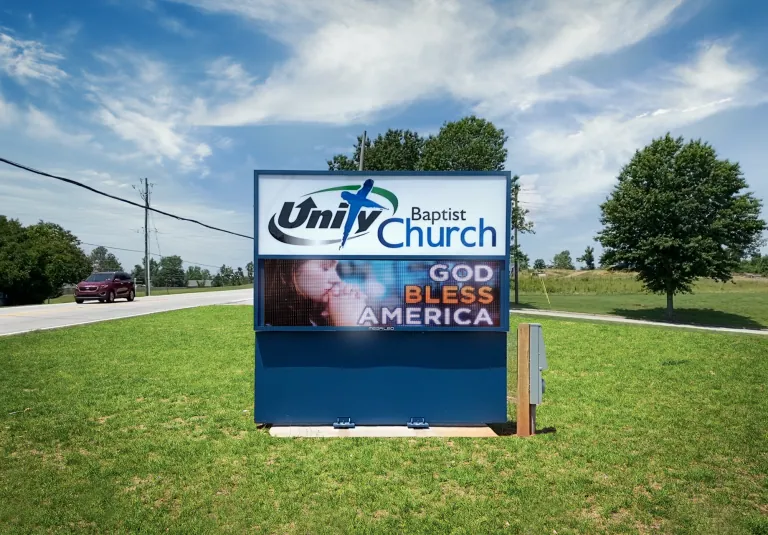

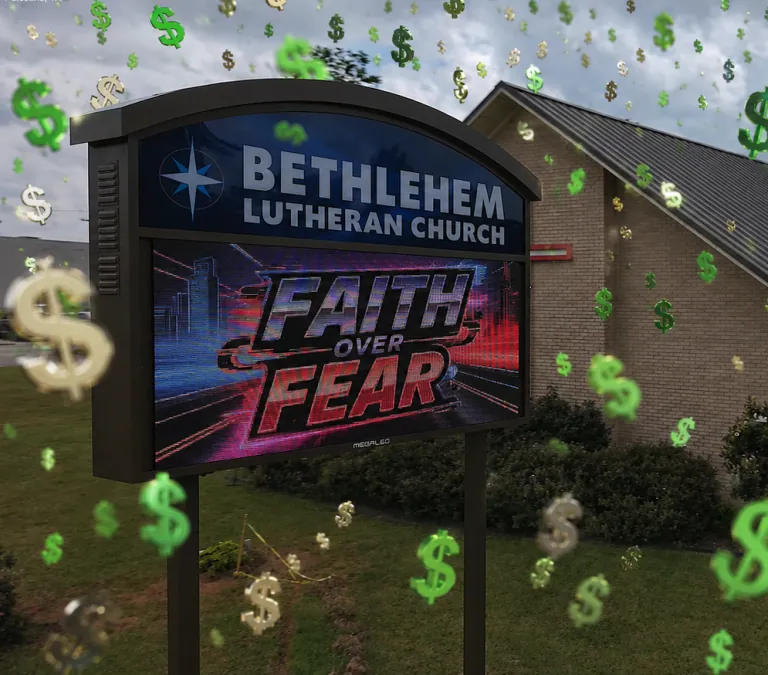



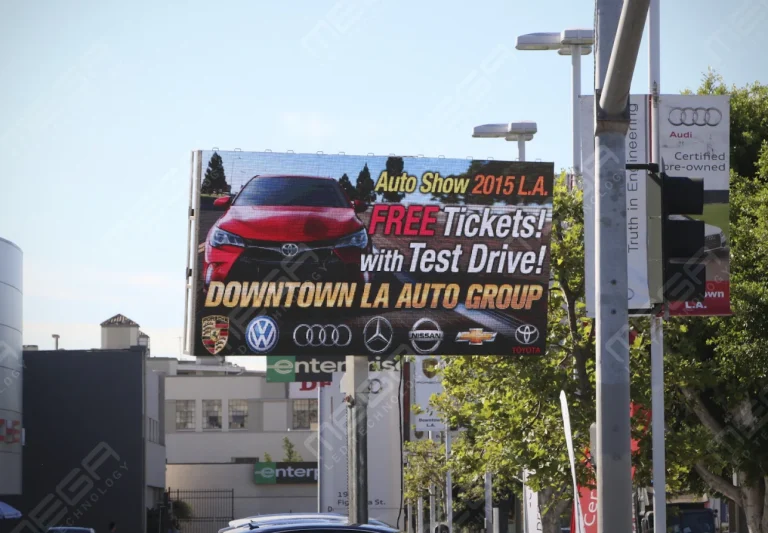


Alpha LED sign boards are great for anything from churches, to schools, to business. They tend to do great in large open spaces, where they are clearly visible.
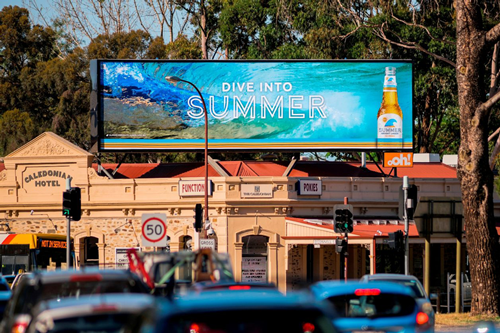
Omega is our newest line of outdoor digital signs. Running the full gambit from cabinet, to LED sign, to logo on top, or any configuration of your choice!
Premier is a customizable Outdoor LED sign, perfect for the Entrepreneur who knows that large custom sized signs cultivated for their specific business is the way to go.
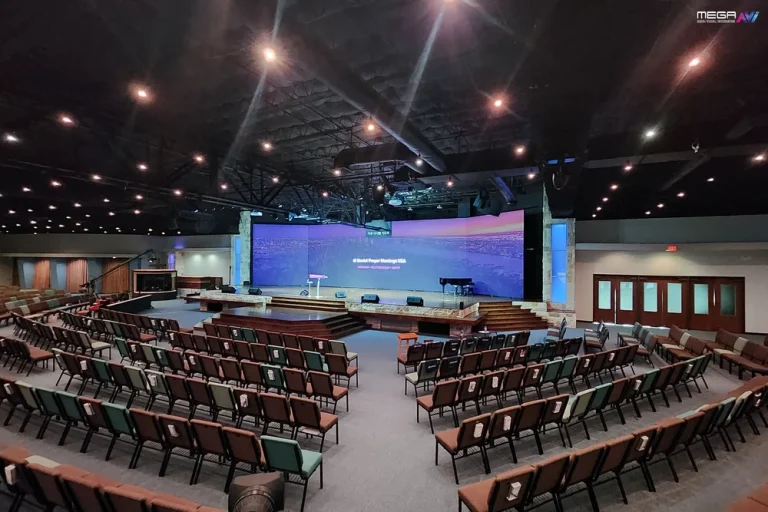
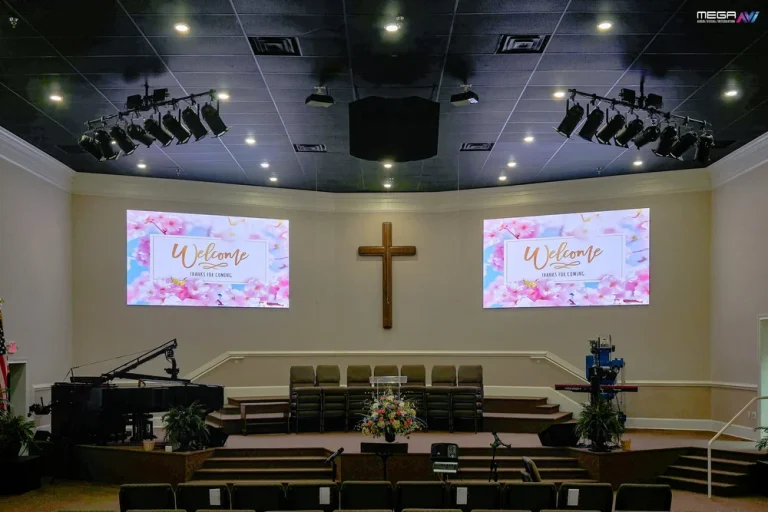
Programmable Stage LED signs, great for indoor assemblies, congregations, and presentations! Blow your competitors out of the water, or keep your congregation and audience glued to your message.