

What Is Smart Digital Signage? How Intelligent Screens Use Data, Software And Automation

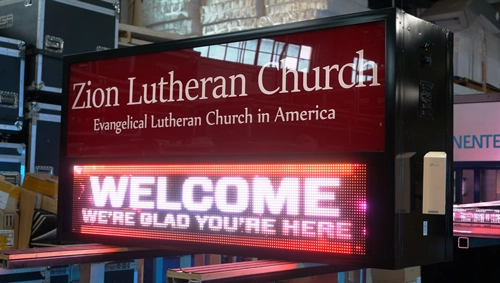
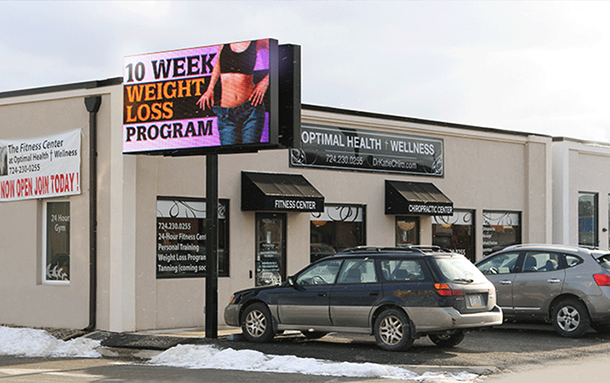
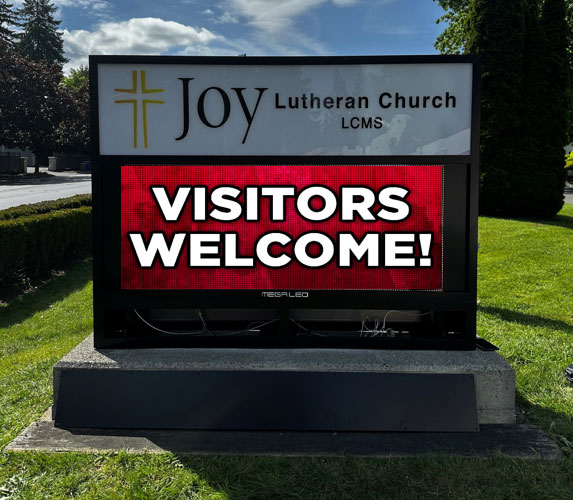
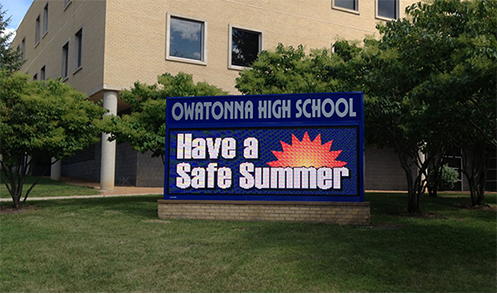
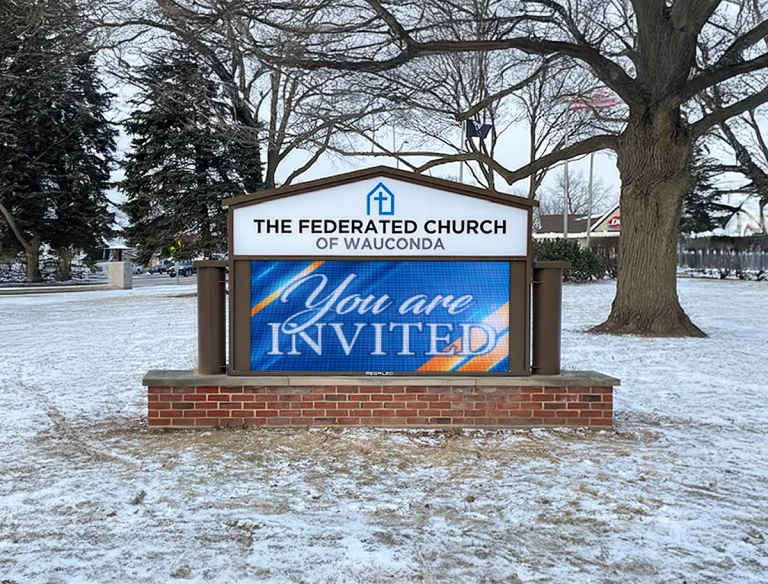
Alpha LED sign boards are great for anything from churches, to schools, to business. They tend to do great in large open spaces, where they are clearly visible.

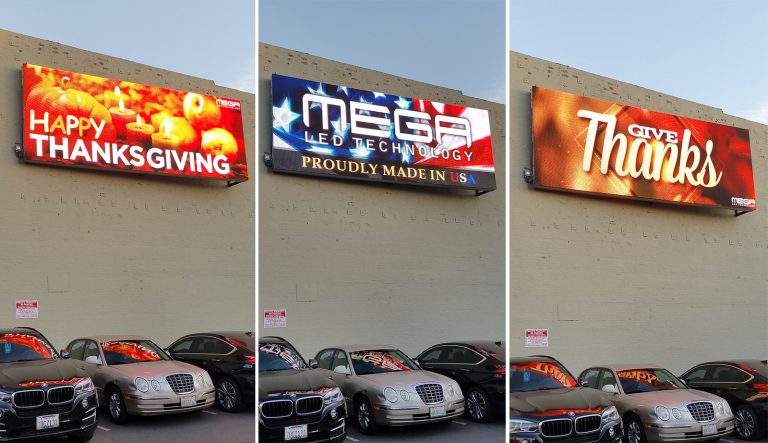
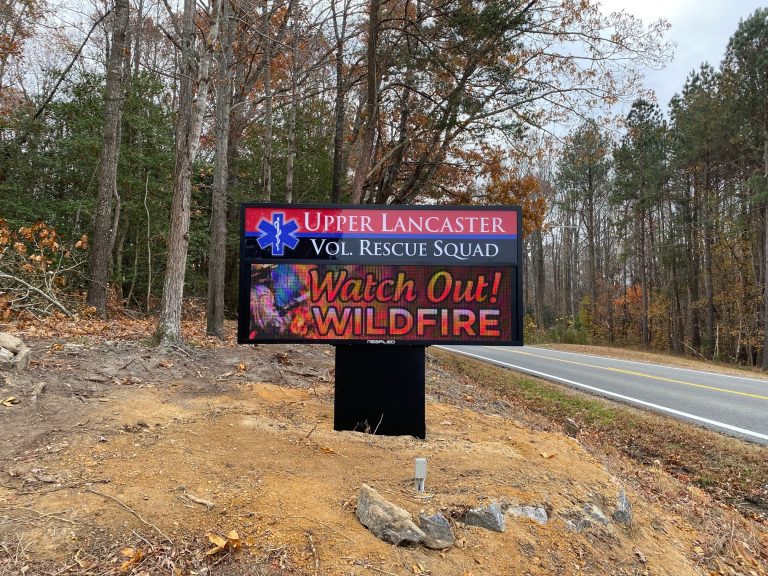
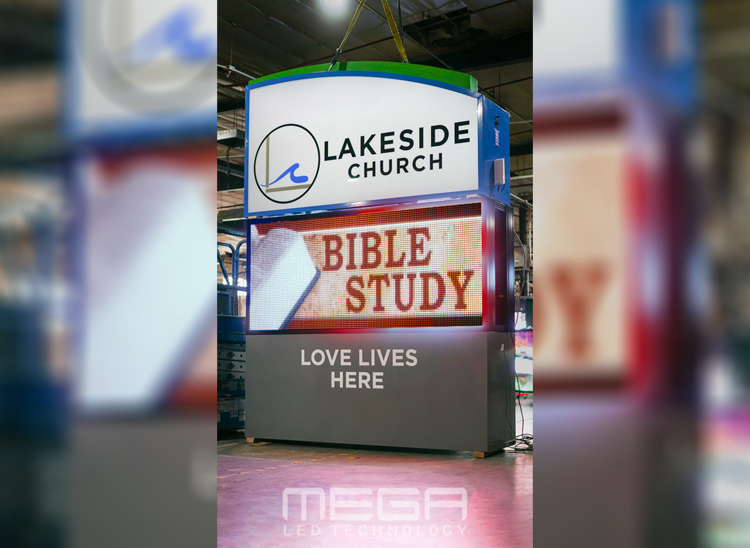
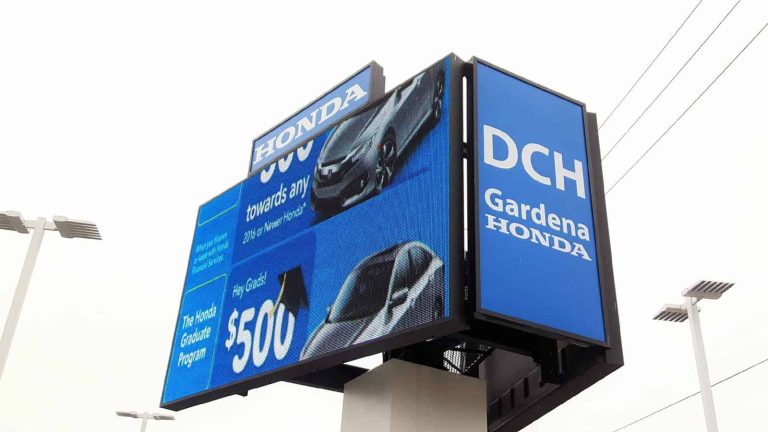
Omega is our newest line of outdoor digital signs. Running the full gambit from cabinet, to LED sign, to logo on top, or any configuration of your choice!

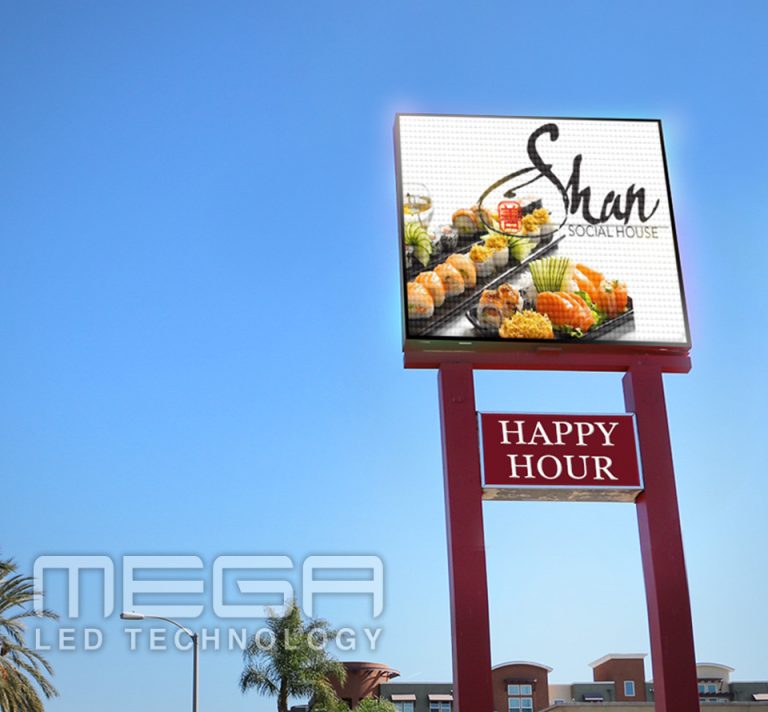
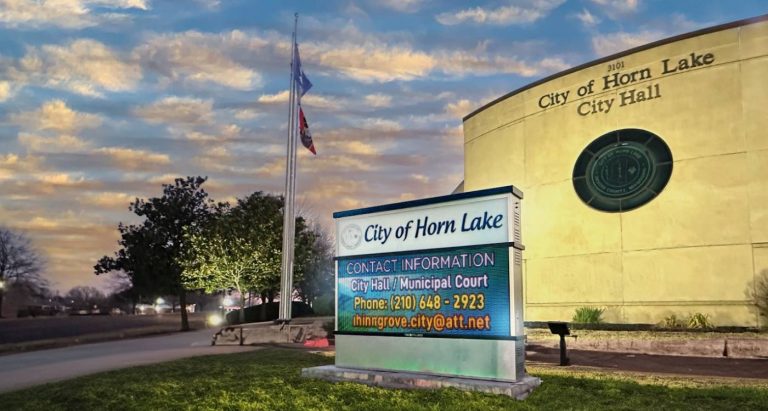
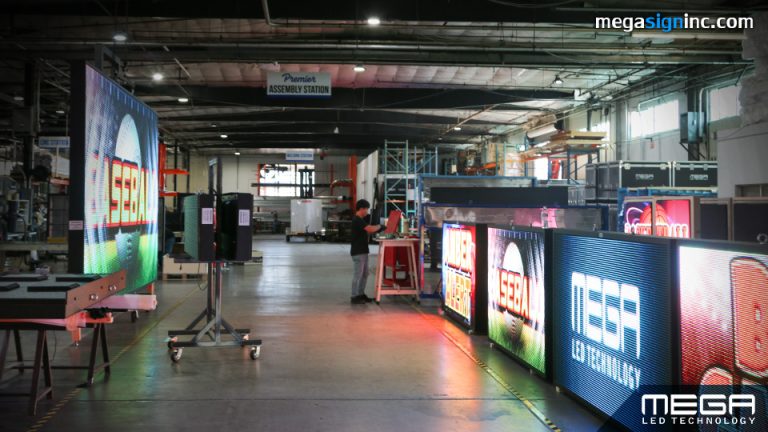
Premier is a customizable Outdoor LED sign, perfect for the Entrepreneur who knows that large custom sized signs cultivated for their specific business is the way to go.

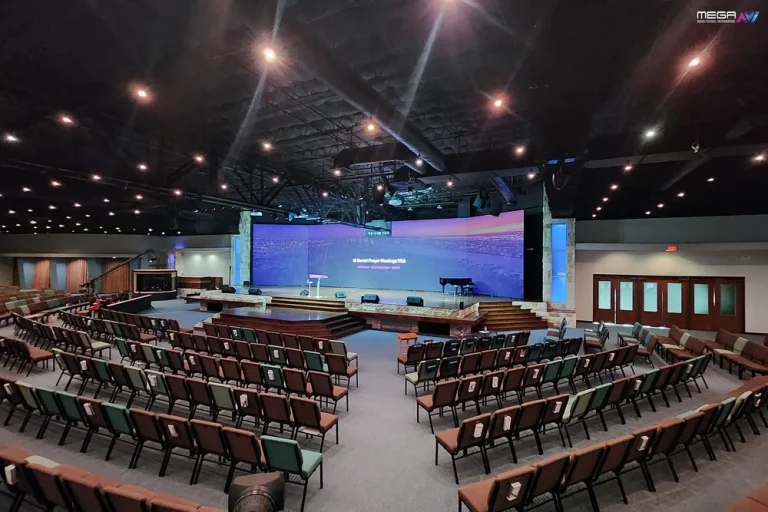
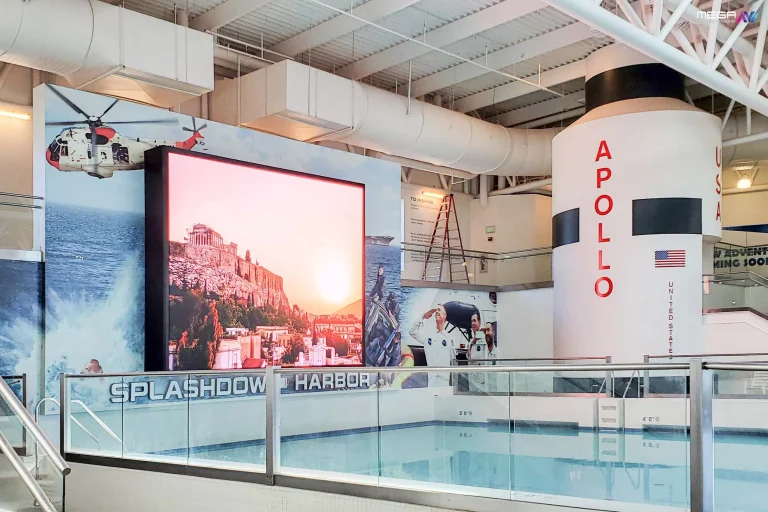
Programmable Stage LED signs, great for indoor assemblies, congregations, and presentations! Blow your competitors out of the water, or keep your congregation and audience glued to your message.

Alpha LED sign boards are great for anything from churches, to schools, to business. They tend to do great in large open spaces, where they are clearly visible.
Omega is our newest line of outdoor digital signs. Running the full gambit from cabinet, to LED sign, to logo on top, or any configuration of your choice!
Premier is a customizable Outdoor LED sign, perfect for the Entrepreneur who knows that large custom sized signs cultivated for their specific business is the way to go.
Programmable Stage LED signs, great for indoor assemblies, congregations, and presentations! Blow your competitors out of the water, or keep your congregation and audience glued to your message.
You have spotted a billboard on the highway and thought, we need something like that, then hit a wall on sizing. Get it wrong and you waste real money. Too small gets ignored, too low disappears behind trees and overpasses. This guide breaks down every height and size variable so you choose correctly the first time.
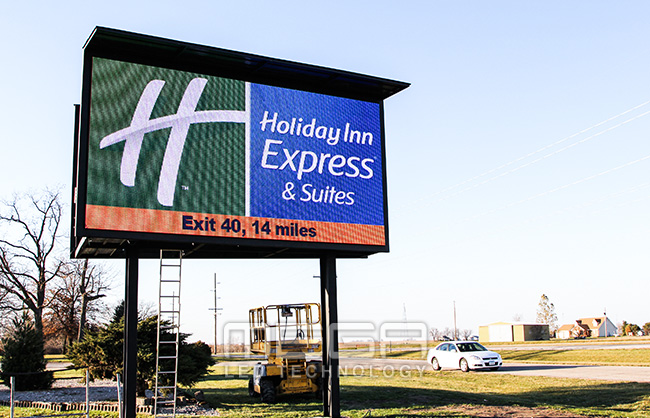
Billboard height refers to two distinct measurements: the sign face (the printed or digital display panel) and the total installed structure height, which includes the pole or monopole base. 
Most installed billboard structures stand between 20 and 50 feet tall from ground to the top of the sign, though highway locations regularly push structures considerably higher.
The right height depends on your format, placement environment, and local regulations, not on any single universal standard.
The average billboard height varies significantly by format and location type. For the standard bulletin, the sign face alone runs 14 feet high, but the installed monopole structure typically places the bottom of that face anywhere from 15 to 35 feet above the ground.
This means the top of a highway bulletin can easily sit 50 feet in the air. Urban posters, with 10-foot-high faces, usually install lower at 15 to 25 feet total.
Suburban and small-town placements trend toward the lower end of these ranges, while dense highway corridors push structures taller to clear traffic, trees, and competing signage.
It is easy to confuse the sign face (the advertising area you see) with the complete installed structure height. The face is just the panel: the printed or digital display area.
The full structure includes the support pole, skirt, trim, and any extensions above the face. Modern monopole billboard structures use steel poles ranging from 20 to 100 feet tall, with the sign face mounted at the top.
A 14-foot bulletin face on a 40-foot pole means the total height from ground to top of the sign reaches roughly 54 feet. This distinction matters practically when working with permit offices, which typically regulate total structure height, not just the face dimensions.
The ideal billboard height is one that places the sign face in clear sightlines for your specific audience and approach angle.
On highways where traffic moves at 65 mph, drivers have roughly 5 to 7 seconds of clear view time, so structures must be tall enough to clear overpasses, sound walls, and vegetation while staying within a comfortable upward viewing angle.
Mounting too high creates steep neck-crane angles that sharply reduce readability. Pixel pitch and resolution factor in directly: a display with a larger pixel pitch needs to be seen from farther away, so its mounting height should account for the minimum effective viewing distance.
Billboard dimensions refer to the width and height of the sign face, typically expressed in feet. Standard formats exist because they make planning, printing, and space-buying predictable across the industry.
The three most widely used roadside formats in the U.S. are bulletins (the largest), posters (mid-size), and junior posters (the smallest).
Each format serves a different placement environment and audience type, with pricing and availability varying accordingly.
Our team reviews your site conditions, traffic data, and messaging goals to recommend the display size that delivers the strongest return. No guesswork, no sales pressure.
The “sheet” naming system is a legacy from lithographic printing, when a standard press sheet measured 28 by 42 inches. More sheets meant a larger printed area. Today, the number indicates relative format size, not an actual sheet count. Here is what each format typically involves:
A useful dimensions reference should give you format name, face size, placement type, and best-use goal in a single glance. Adding columns for typical audience speed and minimum effective viewing distance makes the table actionable, not just descriptive. Whether a format supports digital display is also worth noting, since digital billboard faces often match standard static dimensions while carrying a different cost and content management structure. The table below covers the five core formats:
| Format | Face Size (H x W) | Typical Placement | Best Use | Digital Compatible |
|---|---|---|---|---|
| Bulletin | 14 ft x 48 ft | Major highways / interstates | High-impact brand awareness | Yes |
| Poster (30-sheet) | 12’3″ x 24’6″ | Urban / suburban arterials | Local audience targeting | Yes |
| Junior Poster (8-sheet) | 6 ft x 12 ft | Urban intersections / storefronts | Close-range pedestrian impact | Yes |
| Spectacular | Custom (16-20 ft x 60+ ft) | Premium urban landmark sites | Landmark brand campaigns | Yes |
| Mobile (truck panel) | ~10 ft x 22 ft | Flexible route / event coverage | Launch and event campaigns | Yes |
The standard highway billboard is the bulletin format, measuring 14 feet high by 48 feet wide with 672 square feet of advertising space.
According to OAAA billboard standards, other commonly used bulletin sizes include 10 feet by 40 feet and 10 feet 6 inches by 36 feet, used where space is limited or at a premium. The larger 14-by-48 is the default choice because highway audiences move fast, often at 55 to 75 mph, requiring a large face for the message to register in the available view time.
The structure itself typically elevates the face 20 to 35 feet off the ground to clear roadside obstructions.
Billboard formats split into five clear categories: static roadside, digital roadside, building wraps, mobile displays, and spectaculars.
Choosing the right category first, then selecting your size within it, keeps the decision process clean and prevents costly mismatches between your creative concept and the physical space.
Each category carries different structure requirements, zoning considerations, and content management implications.
The practical difference between posters and bulletins comes down to audience and budget. Bulletins dominate highway and interstate placements where high speed demands a large face, typically 14 feet by 48 feet, for the message to register before the driver passes.
Posters serve urban and suburban arterials where traffic is slower and viewing distances are shorter, making the smaller 10-by-22 face effective at a lower cost per placement. 
For most local businesses, a poster in a high-traffic urban corridor delivers stronger ROI per dollar than a bulletin on a distant highway stretch with less relevant traffic.
Digital billboards typically share the same face-size families as their static counterparts. A digital bulletin still uses a 14-by-48 face; a digital poster still targets the 10-by-22 range. What changes is the display technology: LED panels replace printed vinyl, enabling real-time content updates and multi-advertiser scheduling on a single structure.
Aspect ratio consistency matters if you plan to run the same creative across multiple placements, since designing to a consistent ratio lets you adapt artwork without rebuilding it from scratch.
Our outdoor digital billboards are engineered to match standard face sizes while delivering pixel-level clarity at highway viewing distances, so your investment covers both structure and content flexibility.
The right billboard size is determined by five core factors: location type, audience speed, viewing distance, message complexity, and budget. A message that works on a highway bulletin (large face, minimal copy, bold contrast) often fails on a junior poster where the viewer is 10 feet away and has 30 seconds to read.
Conversely, a directional message works well on an urban poster but disappears on a fast-highway installation. Obstructions and competitive clutter also shape the decision: a sign in a dense environment with multiple competing displays needs either a larger size or stronger creativity to break through. A well-placed smaller sign in an uncluttered corridor can outperform a large sign in a noisy environment every time.
Understanding federal highway clearance standards, per the Federal Highway Administration, is also important when planning structure height near interstates, as minimum vertical clearances affect how high your sign face must be positioned.
The five core factors behind every billboard size decision are location type, viewing distance, obstructions, competitive clutter, and budget. Each one interacts with the others.
A highway location with fast-moving traffic and long viewing distances favors the largest available face because drivers have only seconds to process the message. An urban intersection where pedestrians and slow traffic pass at close range can deliver strong results with a much smaller format.
Bigger is not always better if the viewing angle works against you. A massive bulletin mounted at a steep angle above a nearby intersection forces viewers to crane their necks, which reduces both readability and recall. A smaller poster at eye level in the same location would outperform it because the sightline is natural and comfortable.
Match size to message complexity. A bold brand logo with a three-word tagline works on almost any format. A message with a phone number, website, address, and detailed offer needs a larger face and a slower audience to land.
If your creative requires more than seven words, scale up the format or simplify the copy. Trying to force a complex message onto a small face at highway speed is one of the most common and most expensive sizing mistakes in outdoor advertising.
A spectacular billboard is a premium, custom-engineered installation designed for maximum impact at high-profile locations. Unlike standard bulletins or posters, spectaculars do not follow fixed dimensions.
They are built to fit their environment, whether that means wrapping a building corner, extending above a roofline, or incorporating three-dimensional structural elements. Common starting dimensions cited in the industry include 16 feet by 60 feet and 20 feet by 60 feet, though custom builds regularly exceed these figures significantly. 
The global DOOH market growth, estimated at $20.74 billion in 2024, has accelerated investment in spectacular formats as brands compete for landmark visibility in high-traffic urban corridors.
Mobile billboards use vehicle dimensions to define their size, making them naturally more constrained than permanent structures.
The most common formats are truck-side panels (approximately 10 feet high by 22 feet wide) and trailer-mounted boards, which can reach poster-to-bulletin proportions. Digital mobile displays mounted on LED trucks follow similar dimensions while allowing real-time content updates.
Route strategy matters as much as size for mobile campaigns. A well-designed panel at a slow-traffic dwell point, such as a festival entrance or convention parking lot, can outperform a large static billboard in a lower-traffic area.
Permit requirements for mobile billboard campaigns vary significantly by city. Some municipalities restrict digital mobile displays to specific routes or prohibit them in residential zones entirely. Others require advance registration and limit operating hours.
Check local regulations before committing to a mobile campaign, since a permit violation can cause fines that exceed the cost of the campaign itself. Factor permitting lead time into your planning, especially for event-based campaigns where timing is critical and delays are not recoverable.
The “tallest” and “largest” billboard records depend entirely on definition. For total structure height, custom landmark installations in cities like Las Vegas and Dubai routinely push sign faces well above 100 feet.
For sheer display area, the Guinness World Record for the largest billboard belongs to an installation by the Emirates Intellectual Property Association in Dubai, covering approximately 67,382 square feet. The largest spectacular in Times Square, erected by Daktronics in 2014, spanned 25,000 square feet of digital display area. Records shift as new builds emerge, and “tallest” varies based on whether you measure pole height, face bottom, or face top.
According to the OOH advertising revenue data from the OAAA, OOH ad spend exceeded $9.1 billion in 2024, reflecting how strongly brands continue investing in large-format outdoor visibility.
Record-breaking installations grab headlines, but they represent the extreme edge of what outdoor advertising can do, not the norm. Most businesses achieve strong results with standard bulletin or poster formats placed strategically along their target audience’s daily commute.
The lesson from spectaculars and record holders is not that bigger always wins, but that visibility, placement, and creative quality matter more than raw square footage. A well-positioned standard billboard with sharp creativity will outperform a poorly placed giant every time.
The average installed billboard height ranges from 20 to 50 feet from ground to the top of the sign, depending on format and placement. Highway bulletins tend to install higher, often with the bottom of the sign face starting 20 to 30 feet above grade. Urban posters and junior posters are installed lower, frequently between 10 and 20 feet, to maintain street-level impact for pedestrian and slow-traffic audiences.
Most billboards you encounter on major U.S. highways are bulletins, with total installed heights typically falling between 25 and 50 feet. Structures along congested urban corridors may sit lower due to zoning caps, while rural highway installs can reach higher to clear terrain and vegetation. The panel face remains consistent at 14 feet high for bulletins, but the pole height varies significantly by site, making total structure height a site-specific calculation rather than a fixed number.









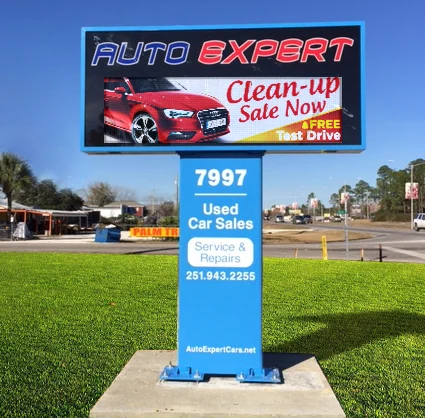








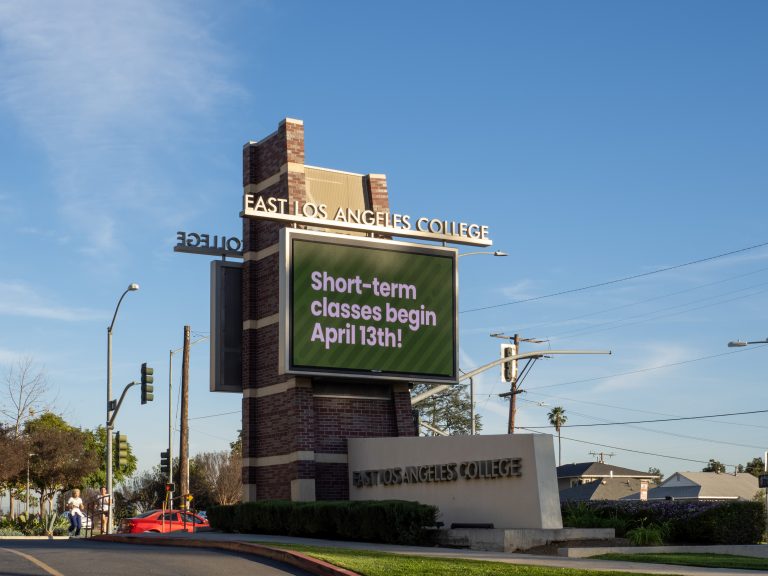

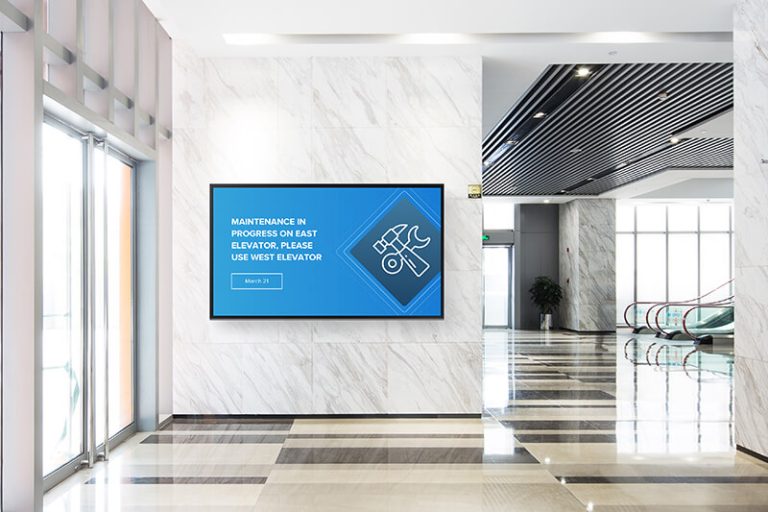


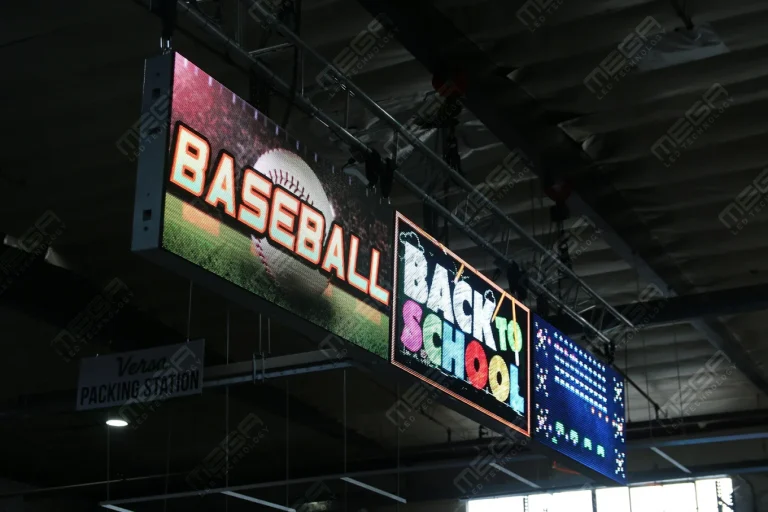



Alpha LED sign boards are great for anything from churches, to schools, to business. They tend to do great in large open spaces, where they are clearly visible.
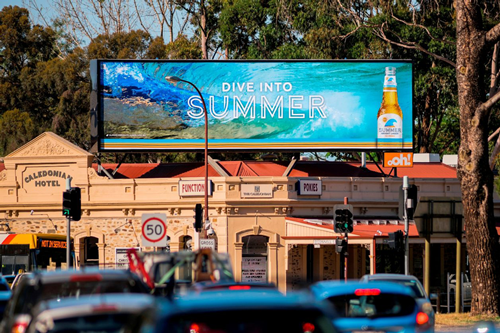
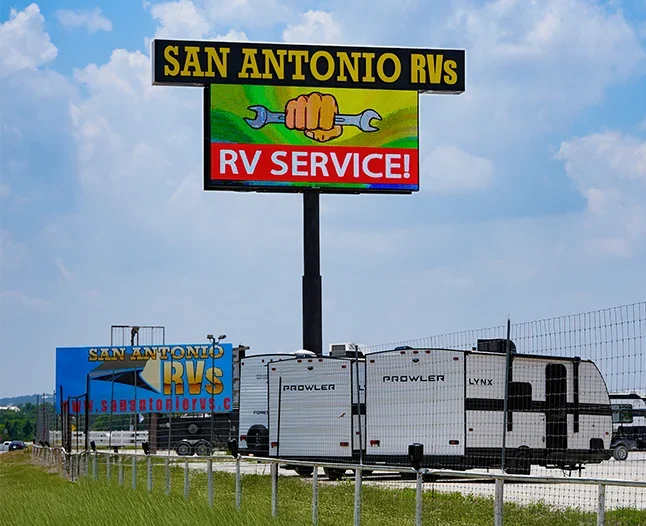
Omega is our newest line of outdoor digital signs. Running the full gambit from cabinet, to LED sign, to logo on top, or any configuration of your choice!
Premier is a customizable Outdoor LED sign, perfect for the Entrepreneur who knows that large custom sized signs cultivated for their specific business is the way to go.
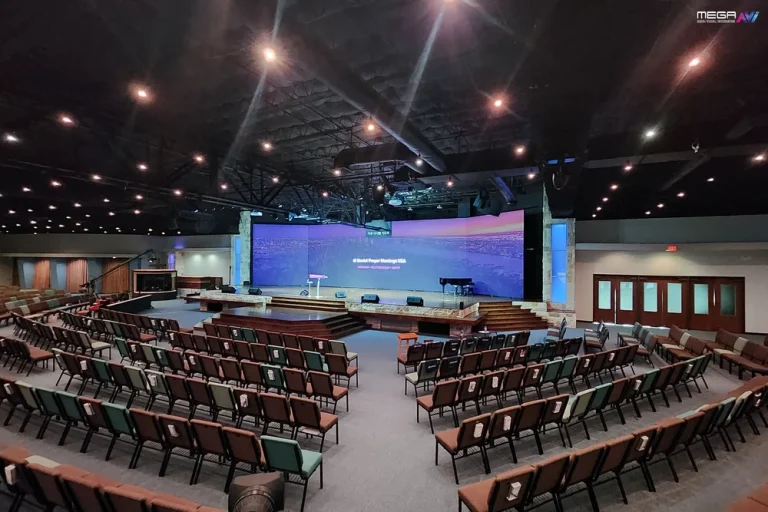
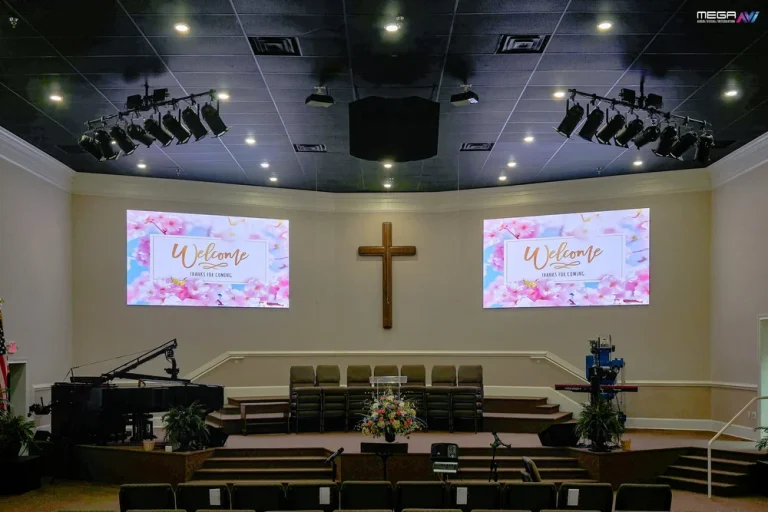
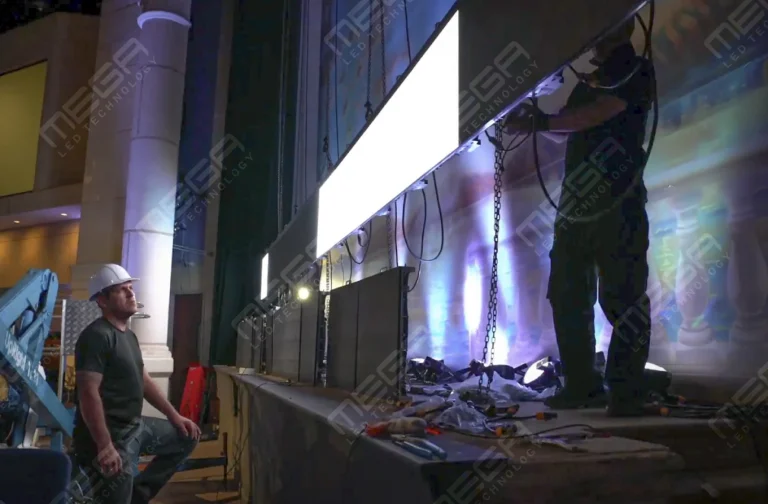
Programmable Stage LED signs, great for indoor assemblies, congregations, and presentations! Blow your competitors out of the water, or keep your congregation and audience glued to your message.