

What Is Smart Digital Signage? How Intelligent Screens Use Data, Software And Automation
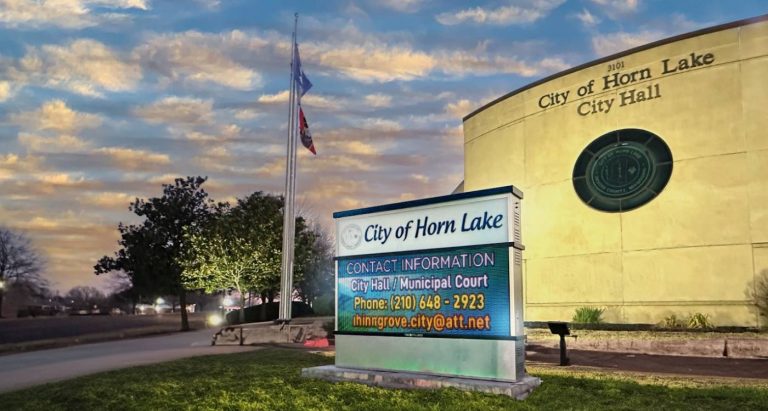

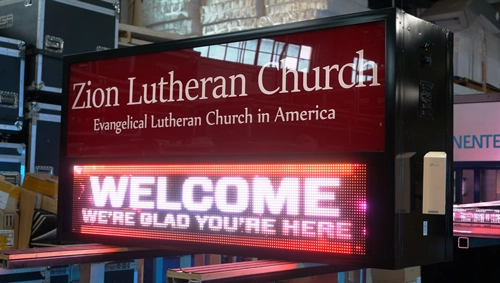
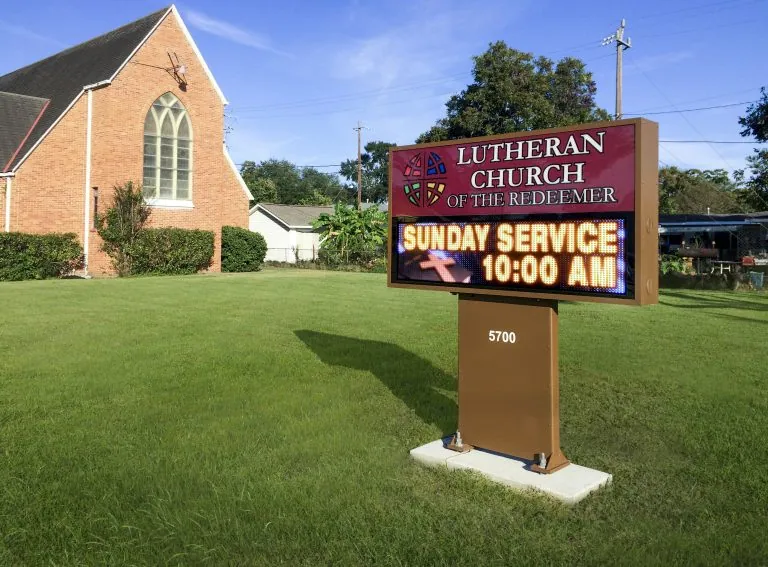
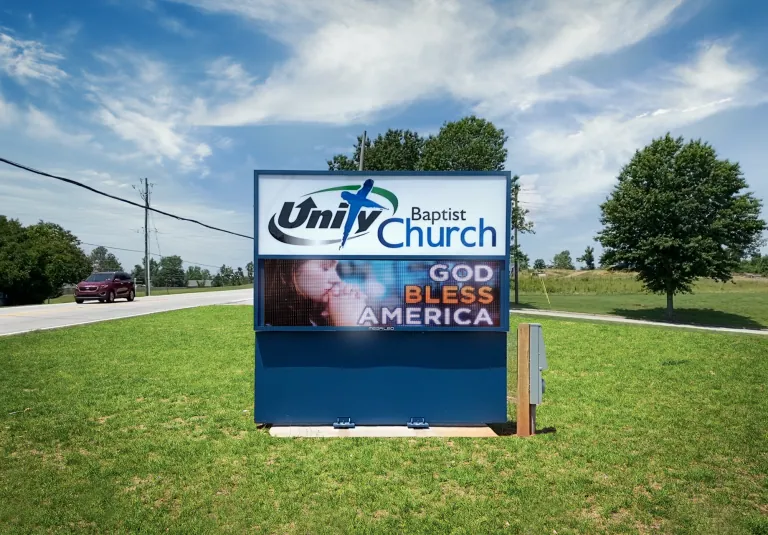
Alpha LED sign boards are great for anything from churches, to schools, to business. They tend to do great in large open spaces, where they are clearly visible.

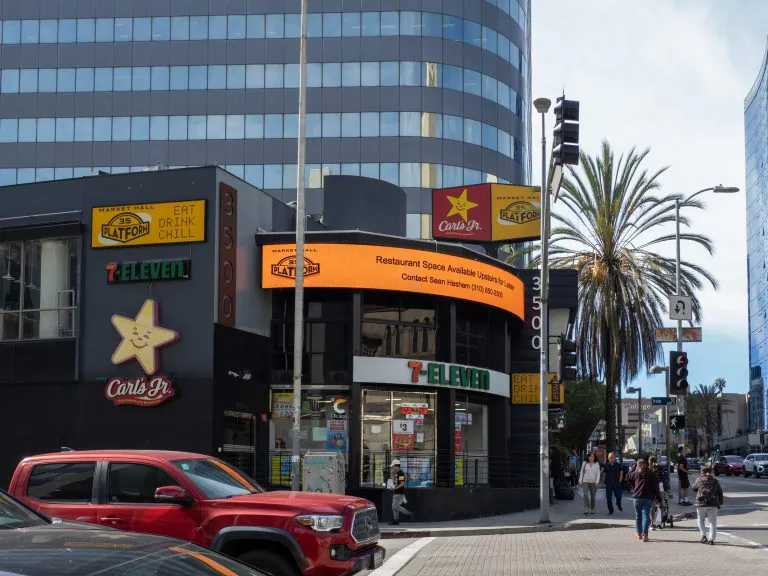
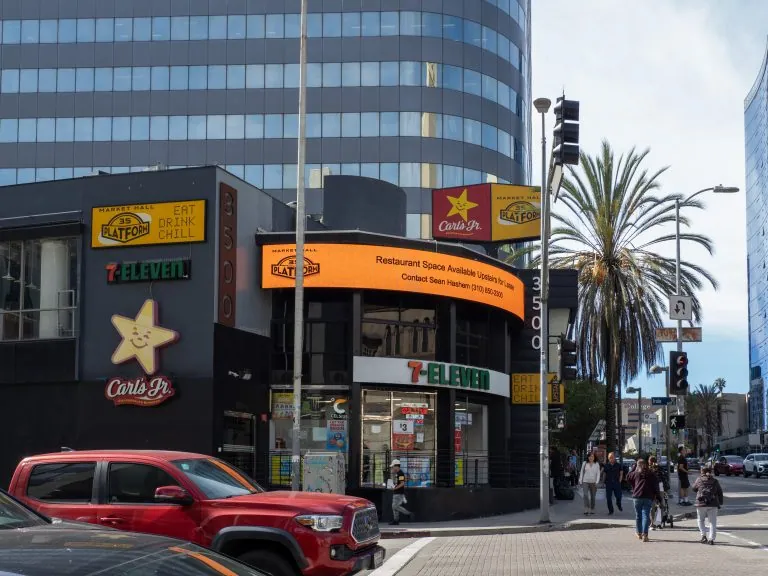
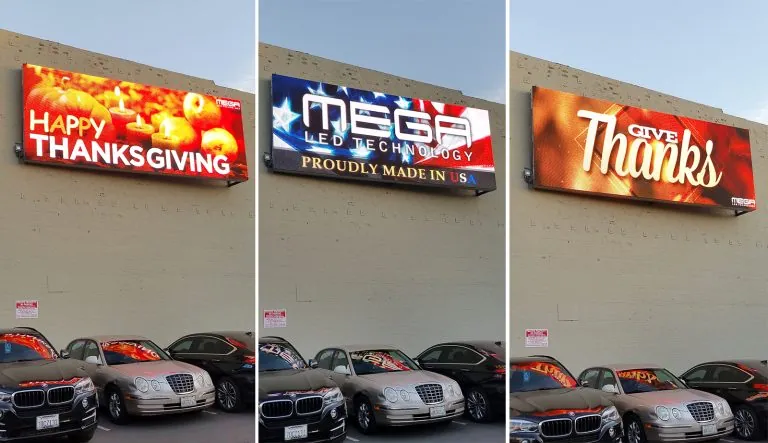
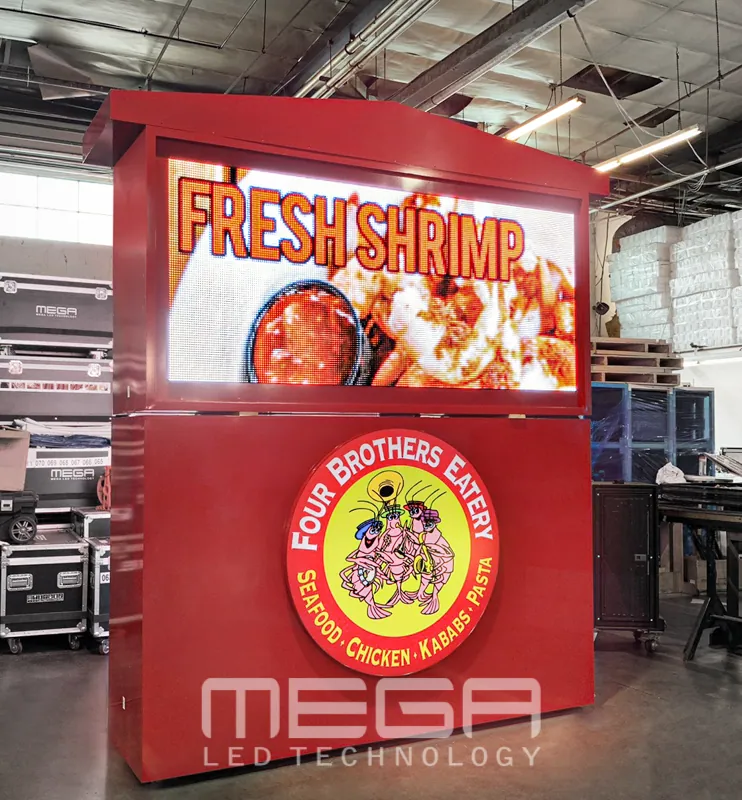
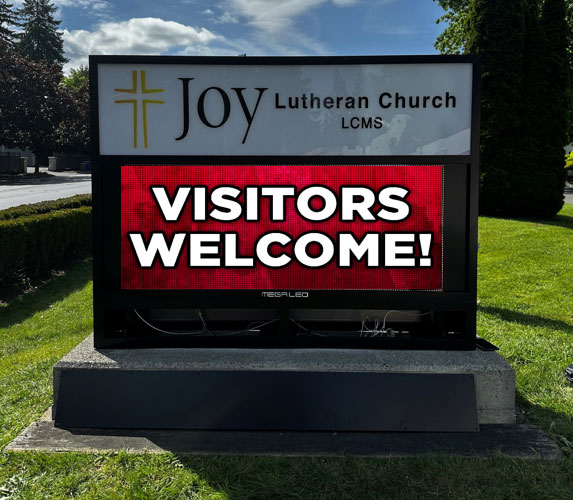
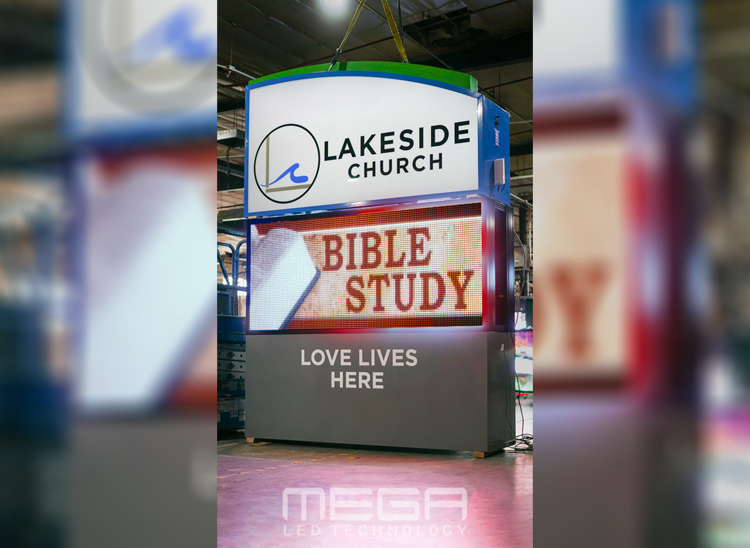
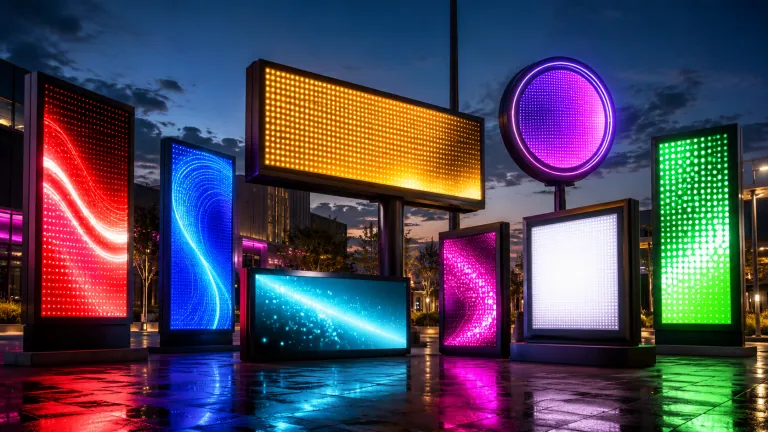
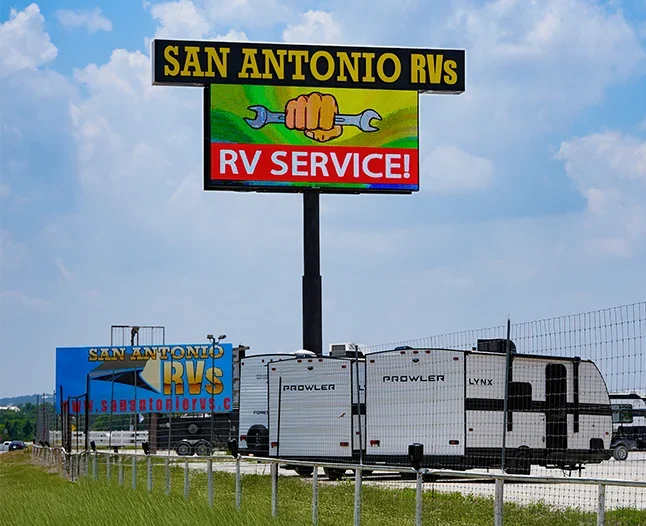
Omega is our newest line of outdoor digital signs. Running the full gambit from cabinet, to LED sign, to logo on top, or any configuration of your choice!

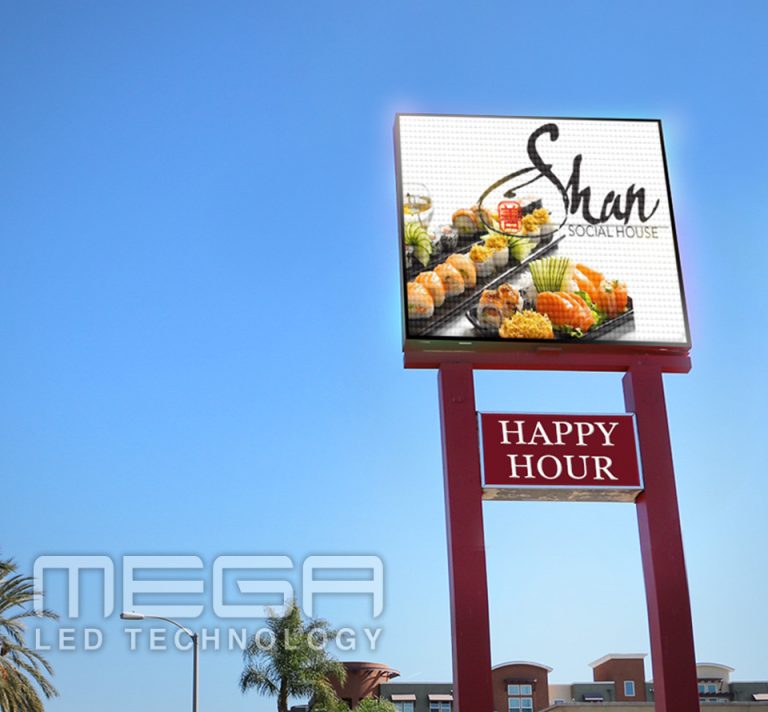
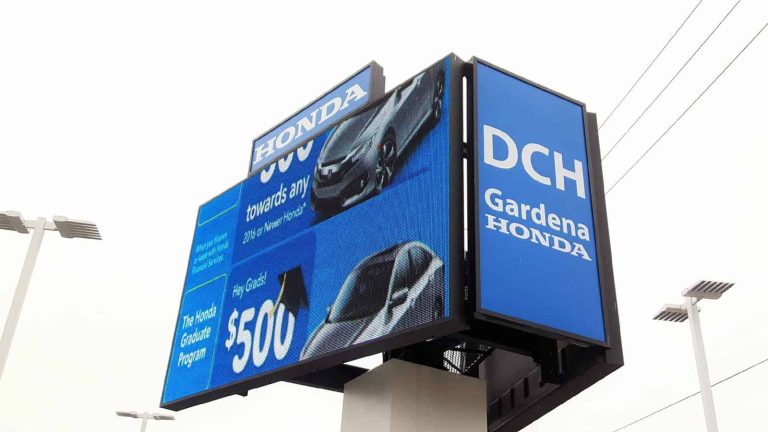
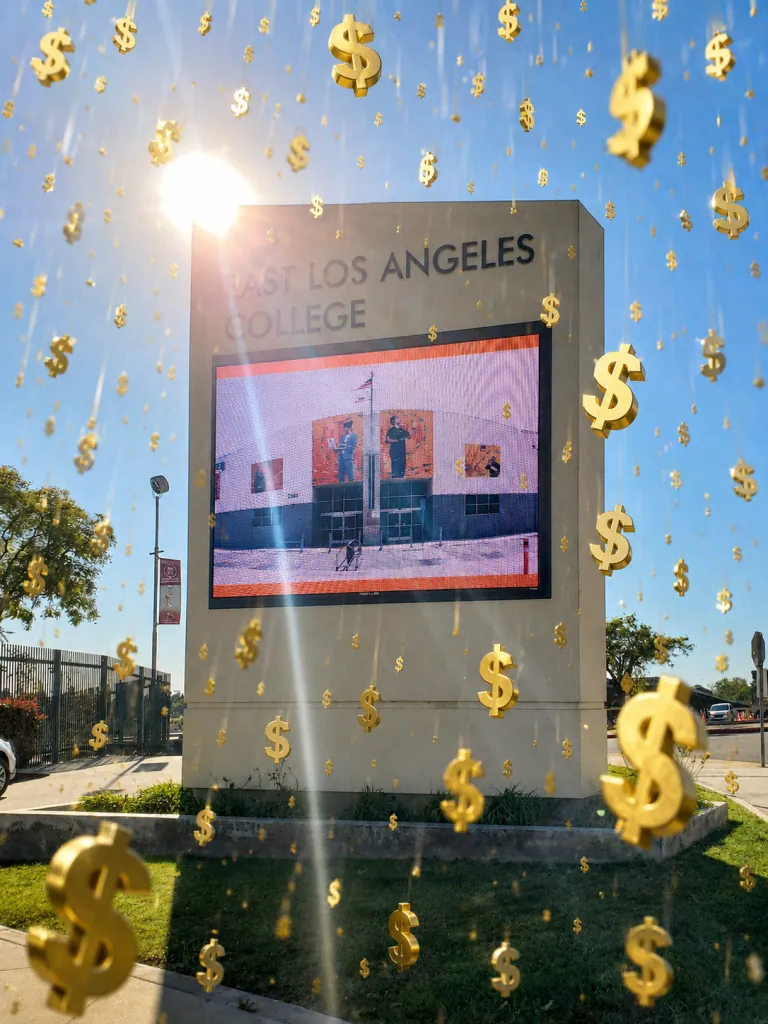
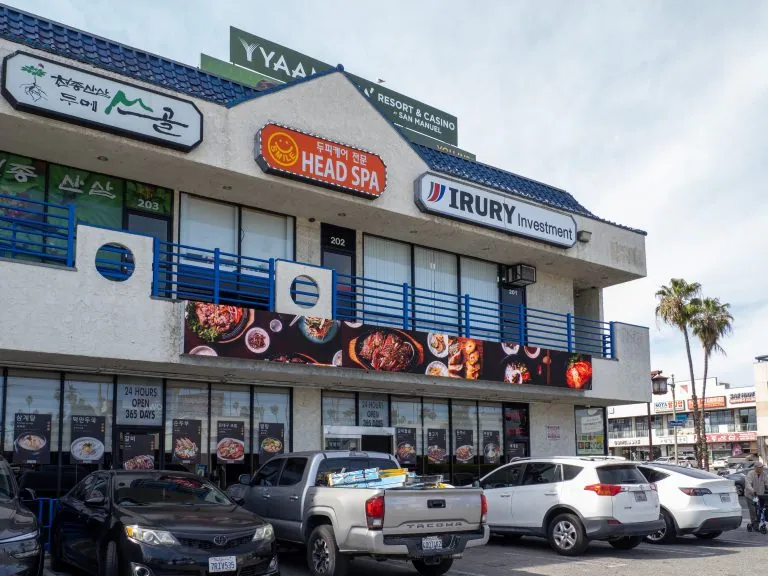
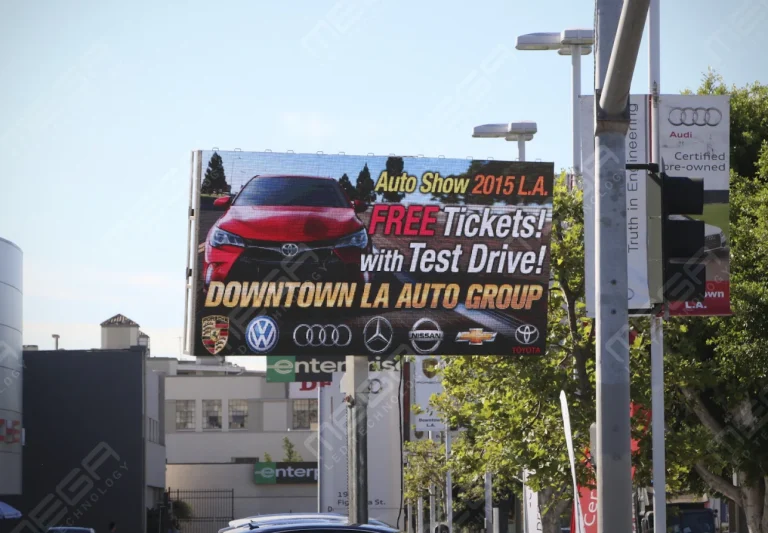
Premier is a customizable Outdoor LED sign, perfect for the Entrepreneur who knows that large custom sized signs cultivated for their specific business is the way to go.

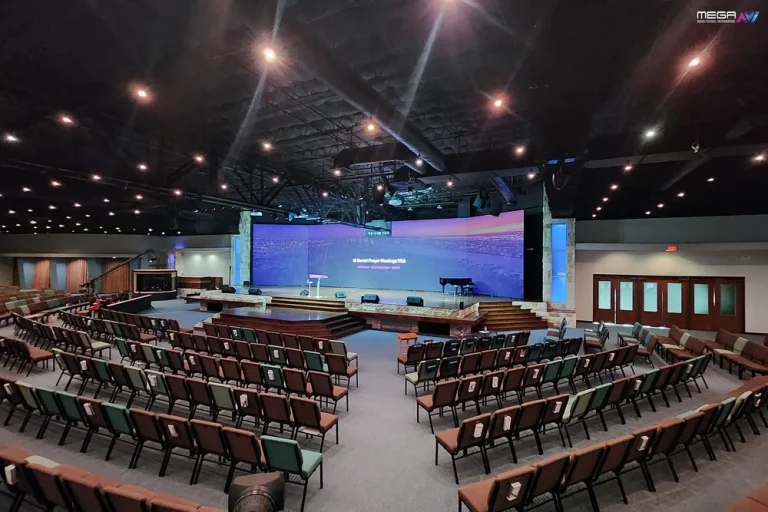
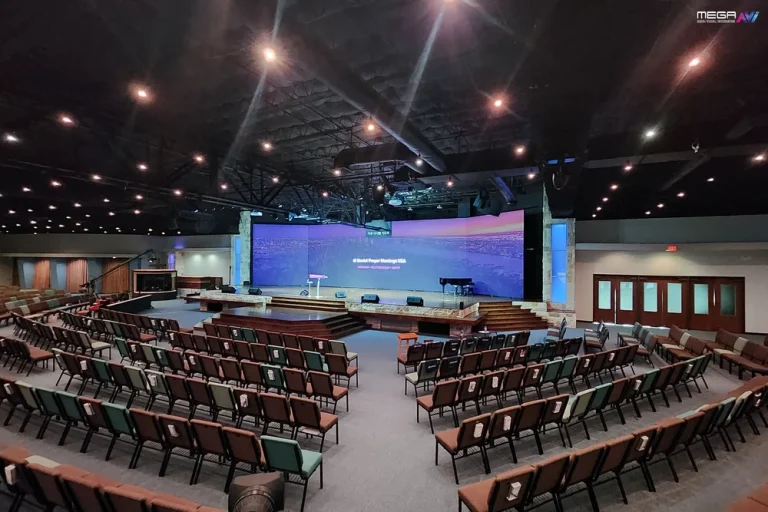
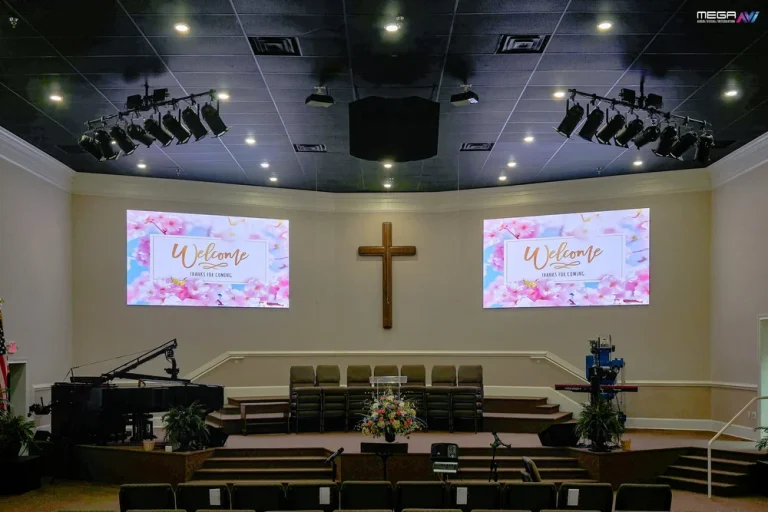
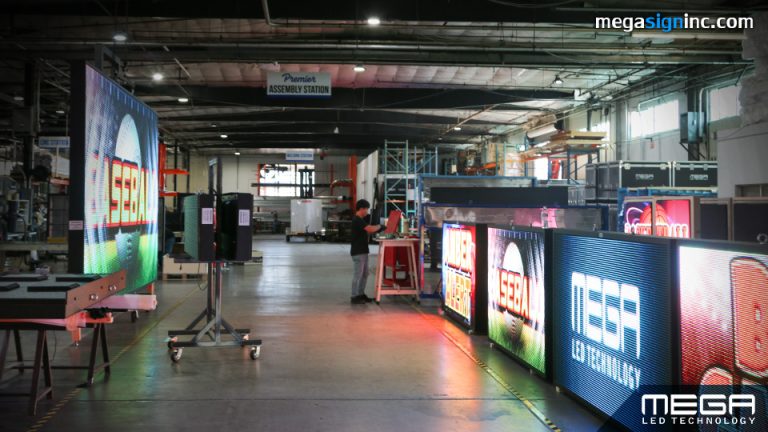
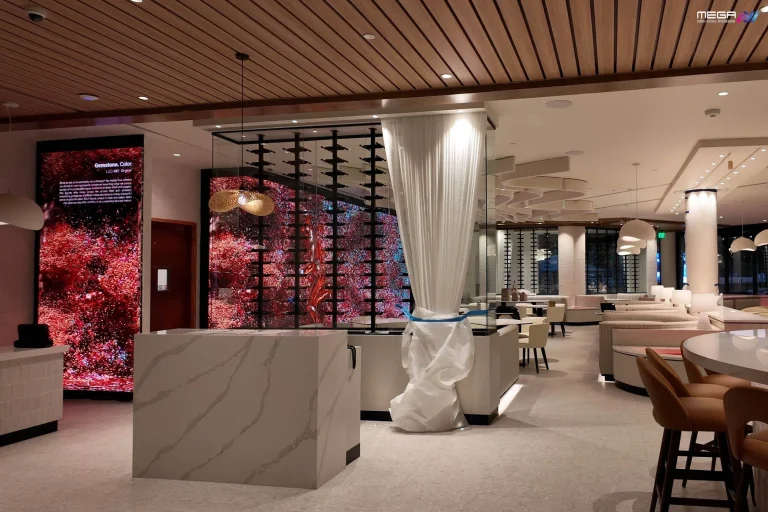
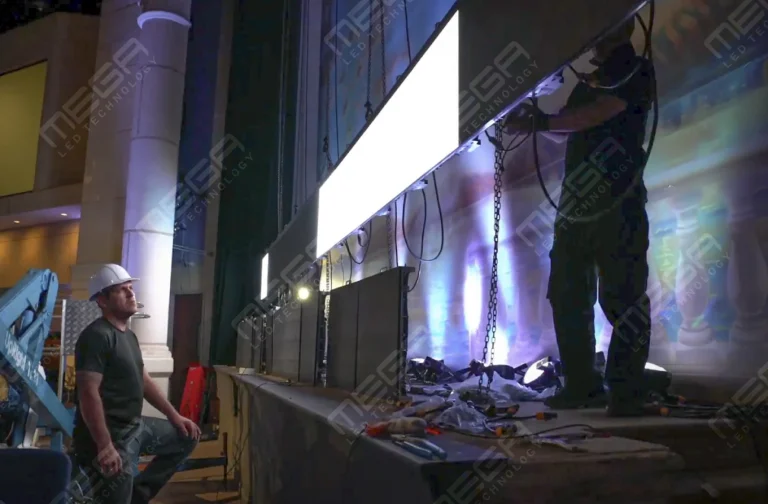
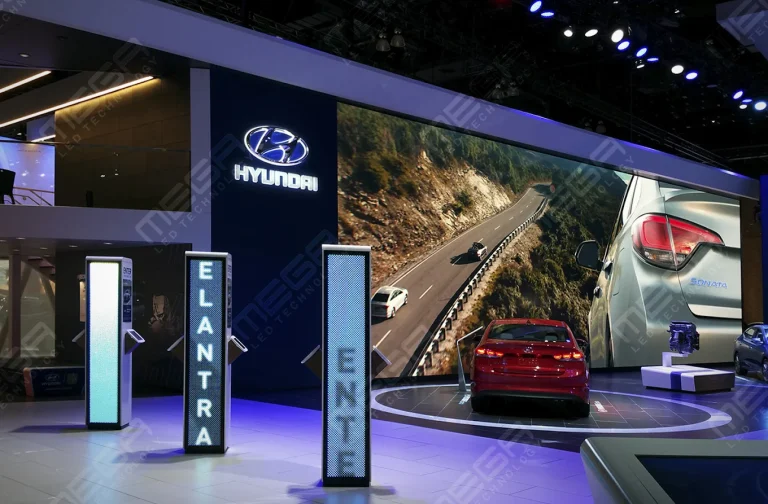
Programmable Stage LED signs, great for indoor assemblies, congregations, and presentations! Blow your competitors out of the water, or keep your congregation and audience glued to your message.

Alpha LED sign boards are great for anything from churches, to schools, to business. They tend to do great in large open spaces, where they are clearly visible.
Omega is our newest line of outdoor digital signs. Running the full gambit from cabinet, to LED sign, to logo on top, or any configuration of your choice!
Premier is a customizable Outdoor LED sign, perfect for the Entrepreneur who knows that large custom sized signs cultivated for their specific business is the way to go.
Programmable Stage LED signs, great for indoor assemblies, congregations, and presentations! Blow your competitors out of the water, or keep your congregation and audience glued to your message.
LED boards are everywhere. From highway billboards to restaurant menus and church announcements, but many first-time buyers don’t fully understand how they work or what they can do. This leads to costly mistakes: choosing the wrong specifications, paying extra for unnecessary features, or missing essential ones. Some even purchase indoor displays for outdoor use, resulting in failure and wasted money. Understanding LED board functionality helps you buy strategically. This article explains their capabilities, how they operate, how they compare to alternatives, and where they fit best
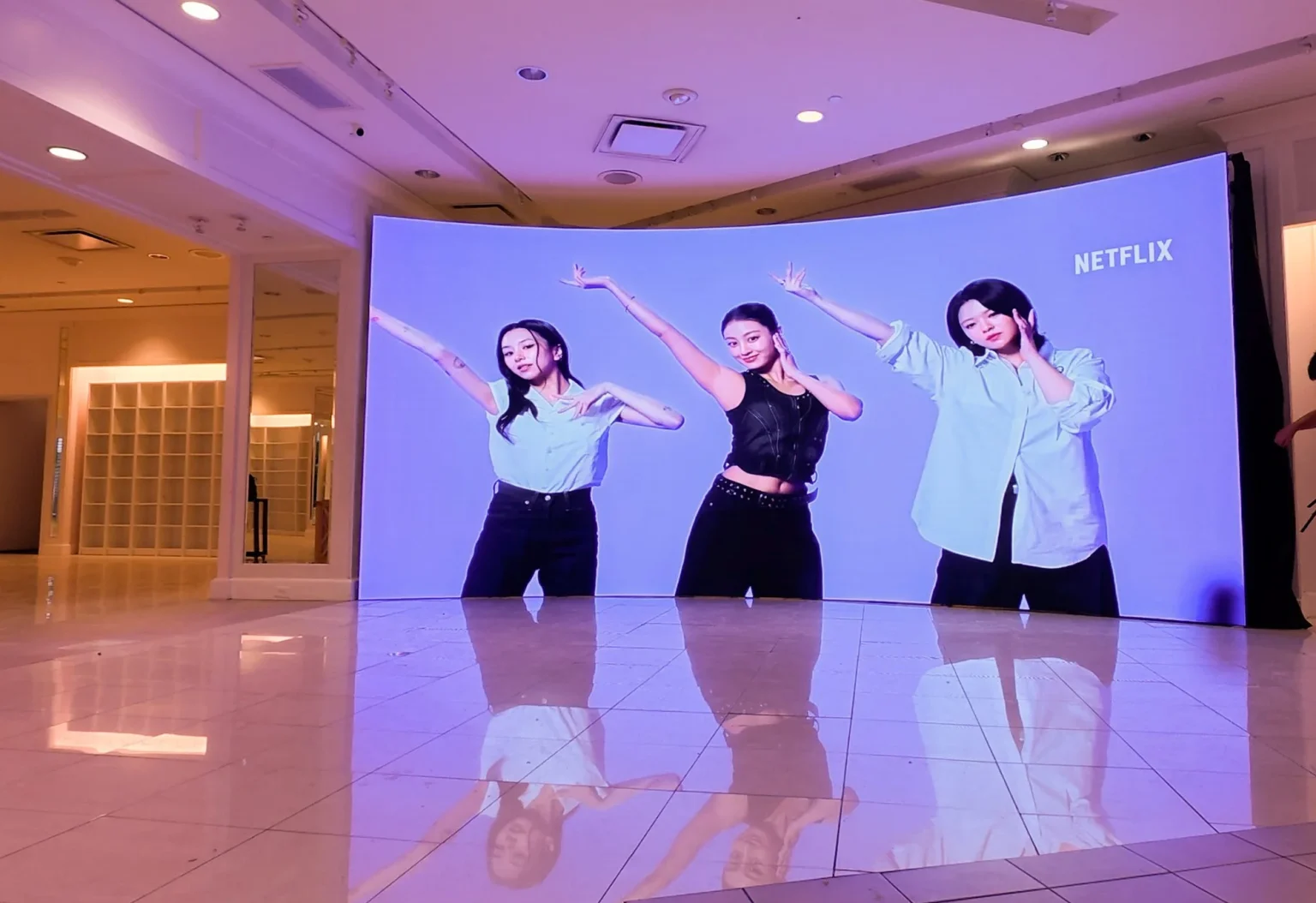
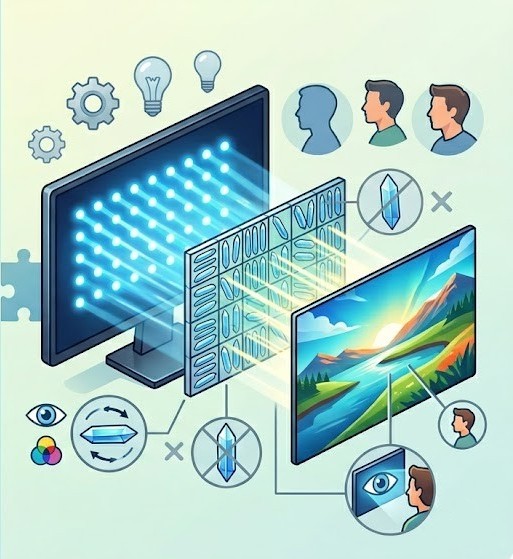
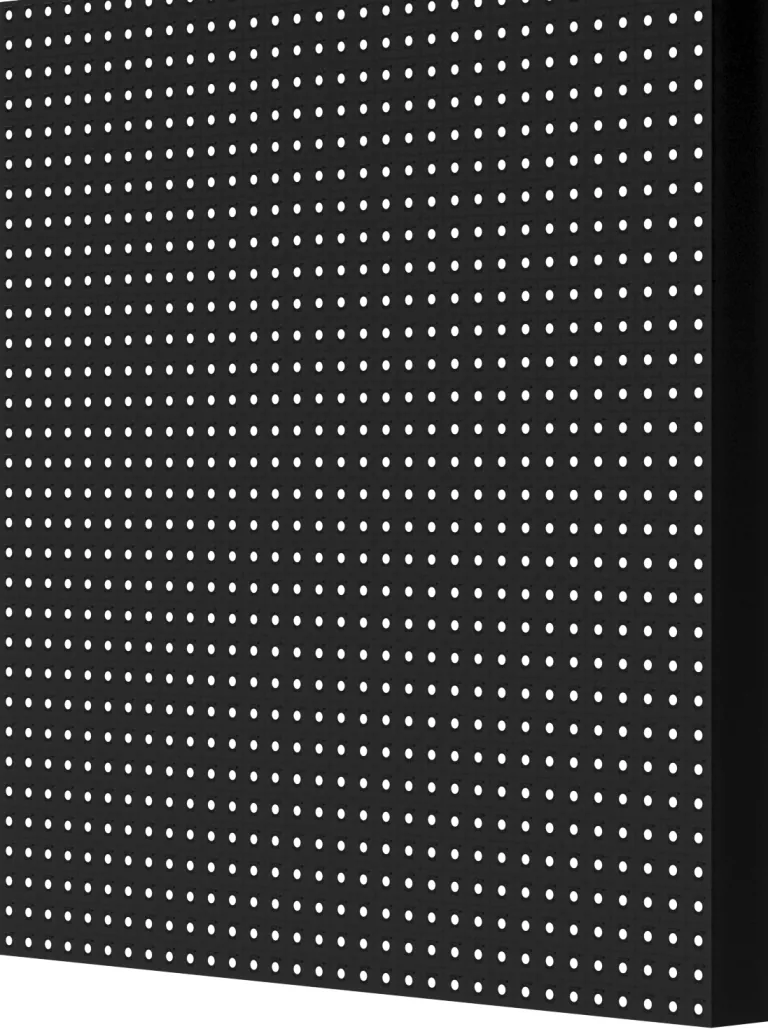
For the purpose of displaying information on an LED board, lighted pixels are utilized. As a result of the fact that every pixel is equipped with its own light-emitting diode, there is no longer a requirement for backlighting, as was the case with prior display technologies.
Light-emitting diodes (LED) displays are able to be seen in direct sunlight because they use light-emitting diodes on their pixels for video display. In contrast to LCD screens, which make use of backlighting, LED boards emit light, hence distinguishing themselves from LCD screens.
In order to communicate messages, LED boards send messages by rapidly turning on and off thousands of LEDs. When these diodes are programmed, they light up in patterns that can be used to create text, graphics, or smooth video motion. Through the use of this technology, electrical signals are converted into visuals that may be easily understood right away.
LED boards are used by stores to show deals, transit hubs to show departure times, sports venues to show scores and replays, churches to make announcements, and businesses to advertise to people driving by.
Outdoor installs live or die by brightness and durability. Learn what to look for in nits, weatherproofing, and long-life performance so your display stays readable in direct sun and harsh conditions.
LED boards are flat-panel video displays made of light-emitting diodes. Cevaton’s LED display guide explains that each tiny LED operates as a pixel or part of a pixel, allowing exact brightness and color control across the display surface.
LED board diodes are electroluminescent. Electrons combine with electron holes in semiconductor materials inside diodes to release visible light photons when electrical current runs through them. Combining red, green, and blue diodes allows full-color displays due to semiconductor material differences.
Modern LED boards are modular. Manufacturers produce LED modules with specified pixel counts and assemble them into panels and cabinets. This modular approach allows displays to scale from small message boards to enormous video walls while preserving image quality and enabling targeted repairs when individual modules need service.
LED boards serve communication needs across virtually every industry. Retail businesses use them for promotional messaging, healthcare facilities display patient information, educational institutions share announcements, and entertainment venues create immersive experiences.
| Industry | Common Applications | Key Benefits |
|---|---|---|
| Retail | Storefront signage, promotional displays | Attract foot traffic, update content instantly |
| Transportation | Departure boards, wayfinding, schedules | Real-time updates, high visibility |
| Hospitality | Menu boards, event information, branding | Dynamic content, atmosphere enhancement |
| Sports/Entertainment | Scoreboards, video walls, advertising | Large-scale visibility, audience engagement |
| Religious | Announcement boards, worship lyrics | Community communication, service enhancement |
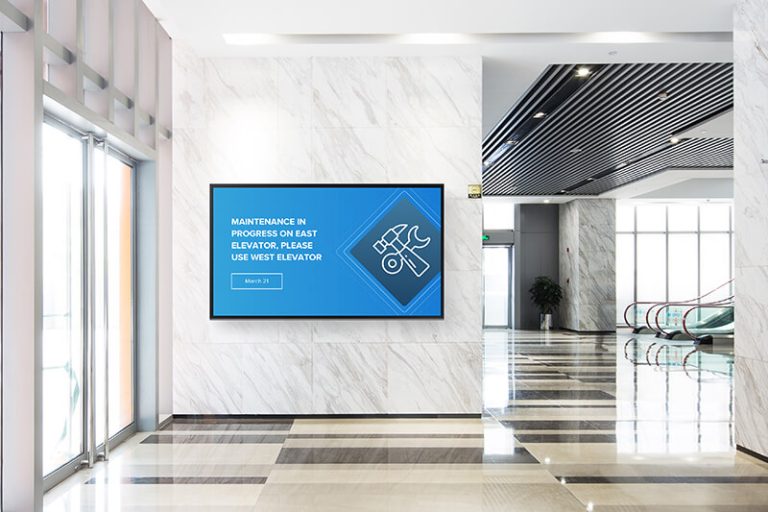
| Corporate | Lobby displays, meeting room signs | Professional image, internal communication |
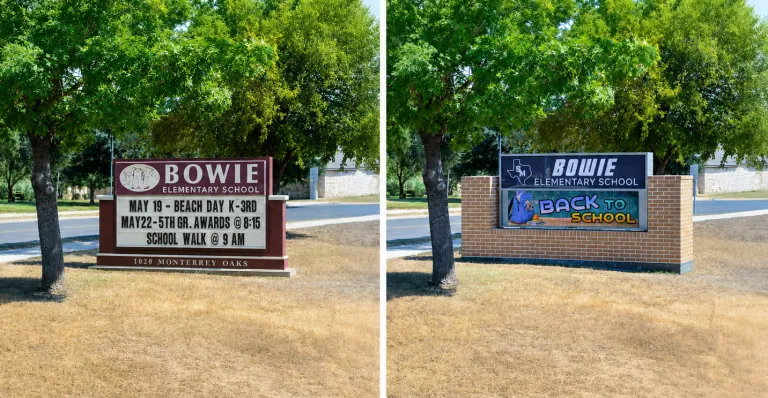
LED boards are superior to static signs since they do not require any physical replacement when you make changes to the content. One message is displayed on a printed banner all the way up until it is removed and replaced. By allowing LED boards to display a limitless number of messages, simple software changes have made them far more affordable over time.
This adaptability extends to other contexts. While the same LED technology is effective for close-range seeing with fine pixel pitch indoors, it is more effective for viewing at a longer distance with greater pixel spacing when used outside. Temperature-controlled installations and weatherproof outdoor units operate in a manner that is comparable, although they satisfy different environmental requirements.
MEGA LED Technology makes Alpha LED sign boards for churches, schools, and businesses that need reliable visual communication. Our high-quality American-made displays come with lifetime technical support and a complete guarantee.

LED screens dominate outdoor applications where brightness determines visibility. LED screens dominate outdoor applications where brightness determines visibility. Research by the U.S. Department of Energy’s Solid-State Lighting program recognizes LED technology’s superior brightness output and longevity compared to alternative display technologies, making it the preferred choice for outdoor and high-ambient-light environments. Quality LED installations are rated for up to 100,000 hours of operation, significantly reducing long-term maintenance and replacement costs compared to conventional display alternatives.
Choose an outdoor-rated full-color LED with high nits, IP weatherproofing, and pixel pitch matched to viewing distance.
Choose an outdoor-rated LED message board with strong brightness, IP weatherproofing, and reliable content control for quick updates.
Choose a fine-pitch indoor full-color LED with the tightest pixel pitch your viewing distance requires and a high refresh rate.
Choose an indoor LED board optimized for readability, right-sized pixel pitch, and easy software scheduling for frequent message changes.
Durability and outdoor performance further favor LED technology. LED boards withstand temperature extremes, humidity, rain, and continuous operation far better than LCD alternatives. LED displays typically last around 100,000 hours compared to 30,000-60,000 hours for LCD screens, reducing long-term maintenance and replacement costs.
Scalability and viewing distance considerations also favor LED boards for large installations. LED modules combine seamlessly without visible bezels or gaps, creating unified images across massive display surfaces. LED modules combine seamlessly without visible bezels or gaps, creating unified images across massive display surfaces. This synchronized pixel-level control maintains image quality at any scale, making LED technology ideal for stadium displays, building facades, and highway billboards where viewers watch from significant distances.
LED boards use a multi-stage method to transform data into light. Understanding this process helps purchasers understand what parameters matter for their applications.
A connected media player, computer, or content management system sends digital text, photos, or video to a control system. The control system maps each pixel to the display’s specifications, converting incoming digital content into precise LED activation instructions that create smooth, accurate visuals across the entire surface.
Driver circuits deliver processed data to LED modules. These circuits read data and control pixels, activating diodes at what brightness and duration. Driver circuits process incoming data and deliver precise electrical signals to each LED module, activating individual diodes at exact brightness levels and durations, a process governed by the same semiconductor principles documented by the U.S. Department of Energy in its solid-state lighting research.
When data reaches diodes, current causes electroluminescence. Each pixel has red, green, and blue LEDs with different intensities to produce millions of colors. The high refresh rate, frequently hundreds of times per second, eliminates flicker and smooths video and motion graphics.
LED boards outperform traditional signs in numerous dimensions. These benefits boost visibility, save operating expenses, and improve communication, creating corporate value.
The main benefit is energy efficiency. The U.S. Department of Energy states that LED technology uses less energy and is brighter than traditional lighting.
Flexibility in content eliminates static signage expenditures. LED boards can update content remotely and immediately, providing infinite message changes for free. This is especially useful for firms with frequent promotions.
Durability cuts costs and downtime. Trusted studies show quality LEDs can last 100,000 hours at maximum brightness.
LED boards vary dramatically in physical appearance depending on application requirements. Small retail displays measure just a few feet across with sleek framing, while stadium installations span hundreds of feet with robust structural support systems.
Modern LED panels achieve remarkably thin profiles, often less than two inches deep for indoor displays, enabling flush wall mounting that integrates seamlessly with architectural elements. LED displays offer flexible design possibilities that accommodate curved, folded, or unconventional configurations.
The construction of LED boards is characterized by modular design. Each individual module can be locked into place to create larger displays that have seamless connections that conceal the panel boundaries among themselves. This modularity makes installation easier, makes it possible to do targeted repairs, and makes it possible to expand in the future by adding modules to already existing systems.
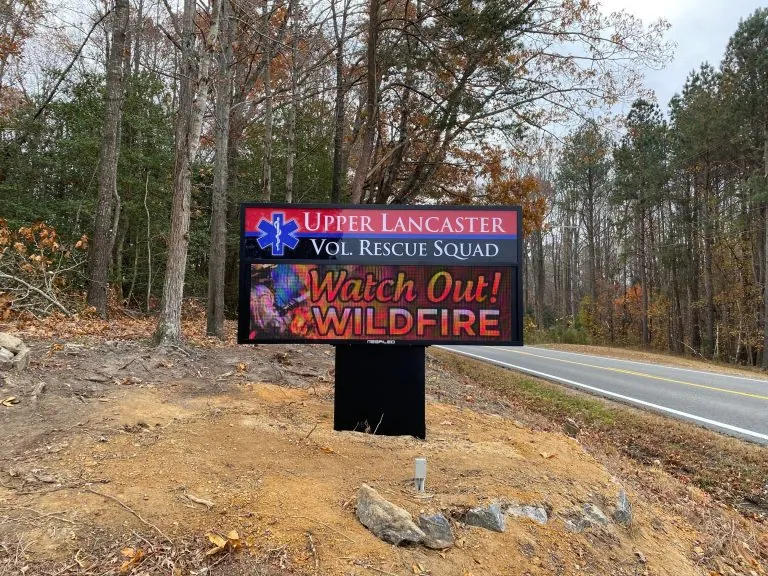
Wall mounts, pole mounts for roadside applications, hanging systems for ceilings, and freestanding structures for portable displays are some of the mounting choices that are available. These mounting solutions are designed to fit various scenarios.

LED display technology has advanced rapidly, delivering better performance at lower prices. These improvements make LED boards more accessible for a wider range of applications.
Brightness and resolution have also improved dramatically. Additionally, advances in chip design now allow signs to achieve higher light output while using less energy, improving visibility without increased power demands.
Energy efficiency gains reduce operating costs. Modern LED systems can last 50,000–100,000 hours, reducing maintenance and replacement cycles significantly. This longevity combined with improved efficiency makes LED boards increasingly cost-effective investments.
Controller technology has become smarter with remote content management, automatic brightness adjustment, and diagnostic features that identify potential issues before failures occur.
LED boards allow people to communicate in diverse environments by addressing application needs.
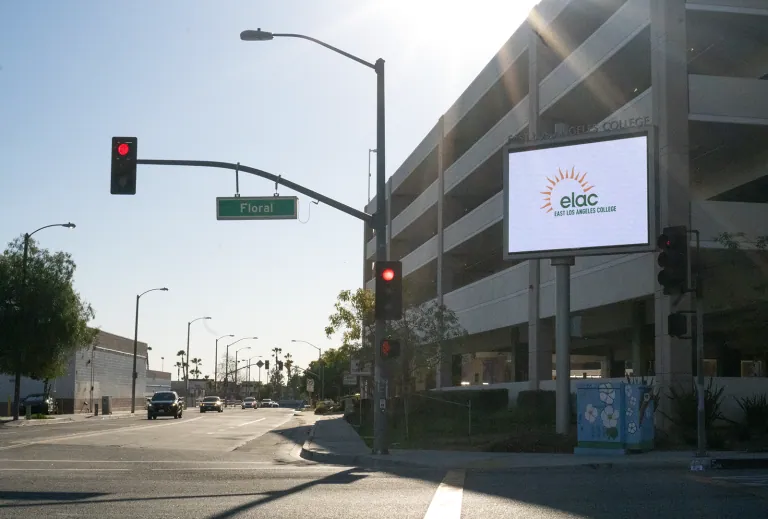
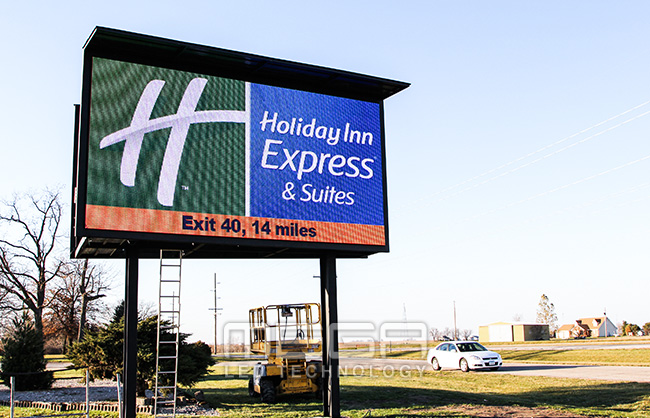
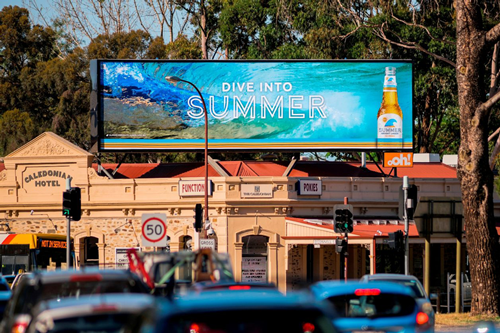
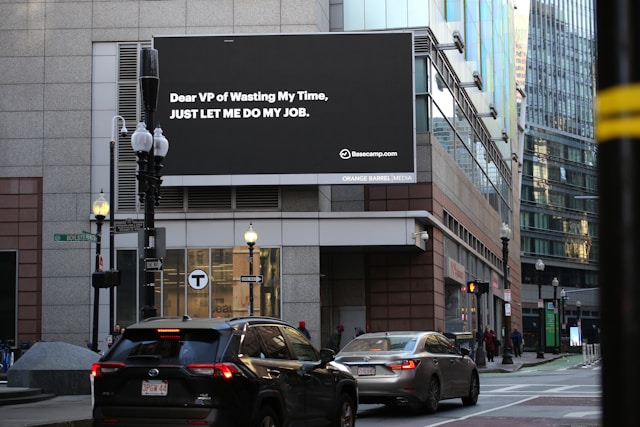
LED boards are mostly used for outdoor advertising. Digital displays attract four times more views than static signs. Such demand has led to highway and city LED billboard infrastructure expenditures.
Transportation facilities gain real-time data from LED boards. Rail stations exhibit schedules, airports show gates and flight information, and bus terminals show routes. To keep travelers informed, content must update immediately.
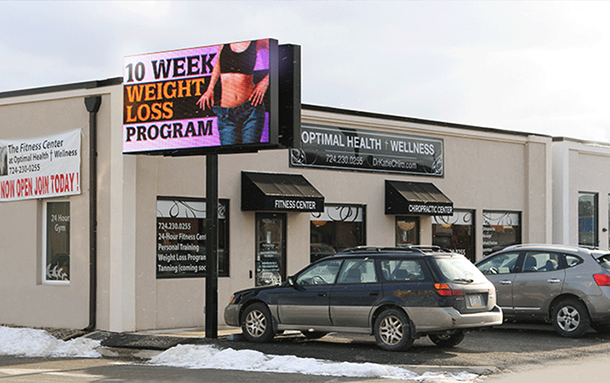
Retailers utilize LED boards to engage customers and promote products. Window displays draw people, in-store TVs showcase products, and daily drive-through menus provide fresh bargains.
Billboards and storefront signage represent primary advertising applications for LED boards. Large highway displays capture attention from moving vehicles, while street-level installations attract pedestrian traffic. The ability to rotate multiple advertisements maximizes revenue for billboard operators.
Public transport displays serve both advertising and information purposes. LED displays have become commonly used in destination signs on public transport vehicles and variable-message signs on highways.
Dynamic content advantages drive advertising effectiveness. LED boards display motion graphics, video content, and time-sensitive promotions impossible with static signage. Advertisers can schedule different messages for different times and update campaigns instantly.
LED boards use thousands of light-emitting diodes to display images and text. These diodes emit colorful light when powered. Light can create text, pictures, and videos. Each diode is a light dot, and thousands of them create the images and messages you see. Roadside billboards and restaurant menu screens have LED boards. They turn digital content into bright, easy-to-read messages.
An LED light board works by receiving digital signals from a controller, processing those signals into instructions for individual pixels, then activating specific light-emitting diodes at precise brightness levels. Each pixel contains red, green, and blue diodes that combine at varying intensities to produce any color. The controller rapidly refreshes the entire display thousands of times per second, creating stable images without visible flicker, allowing static text, scrolling messages, or full-motion video display.






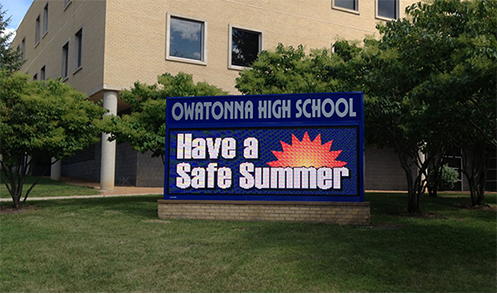








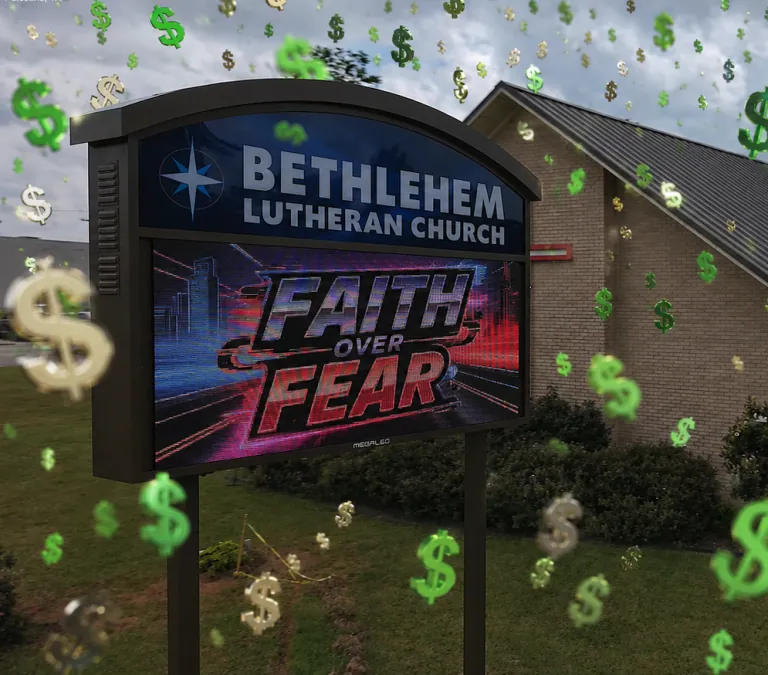




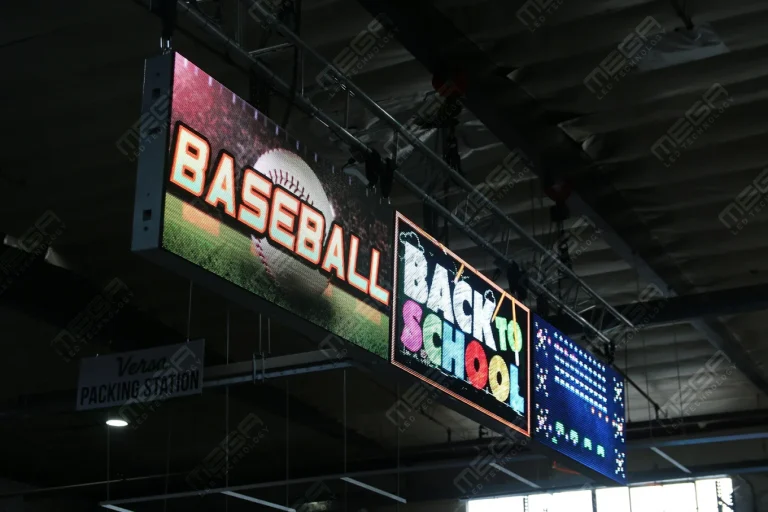




Alpha LED sign boards are great for anything from churches, to schools, to business. They tend to do great in large open spaces, where they are clearly visible.
Omega is our newest line of outdoor digital signs. Running the full gambit from cabinet, to LED sign, to logo on top, or any configuration of your choice!
Premier is a customizable Outdoor LED sign, perfect for the Entrepreneur who knows that large custom sized signs cultivated for their specific business is the way to go.
Programmable Stage LED signs, great for indoor assemblies, congregations, and presentations! Blow your competitors out of the water, or keep your congregation and audience glued to your message.