Sign Permits: What Do You Need To Know Before Installing A Sign?
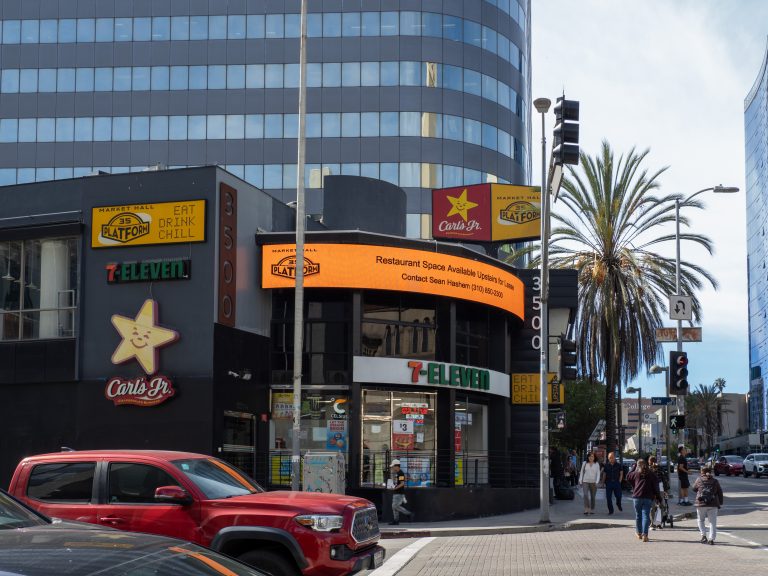

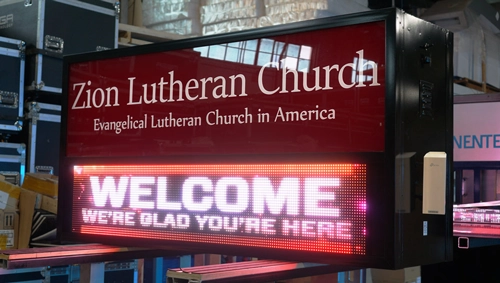
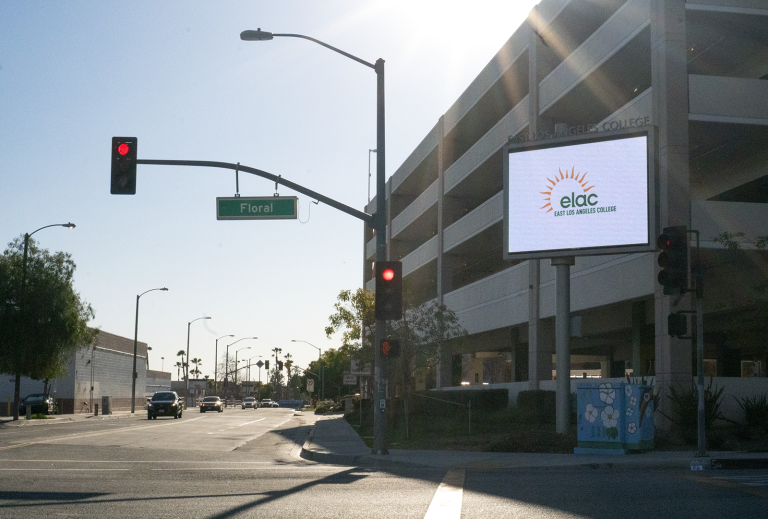
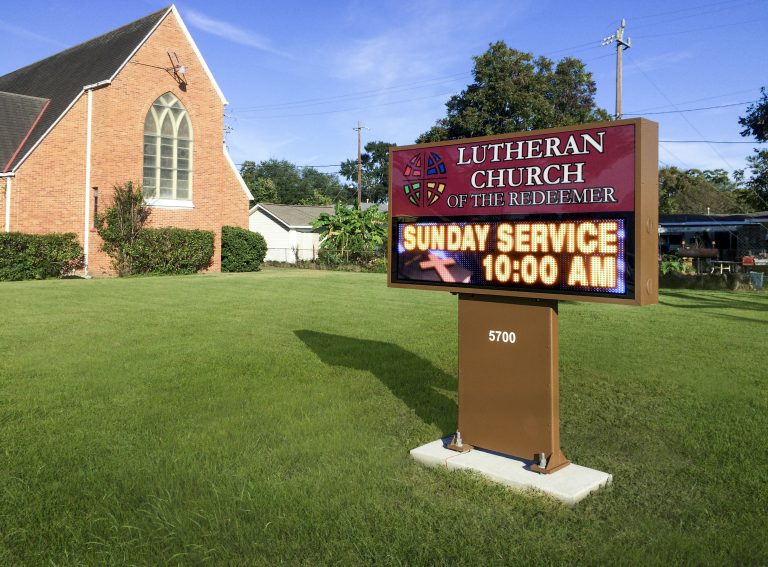
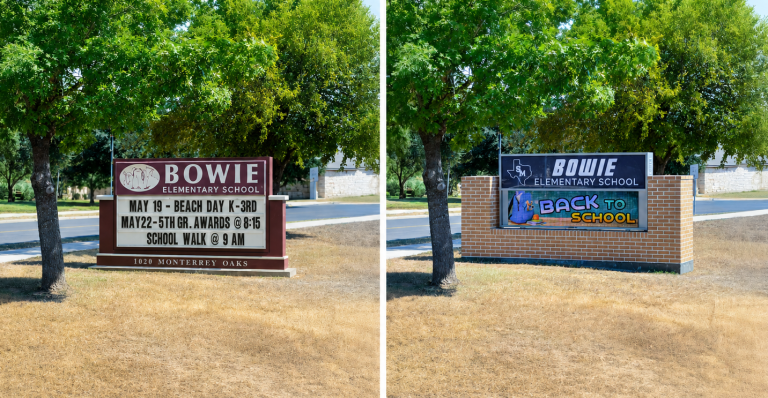
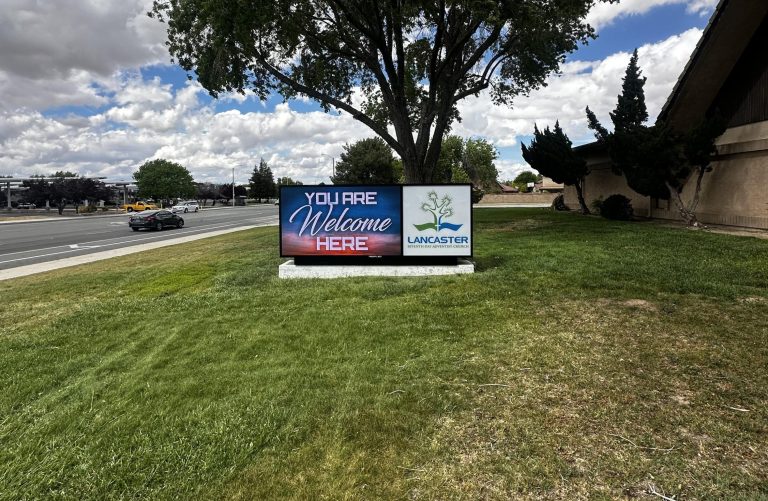
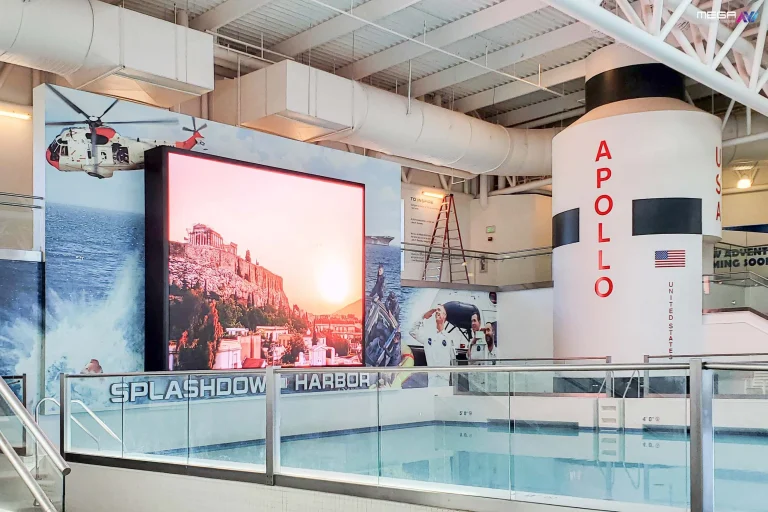
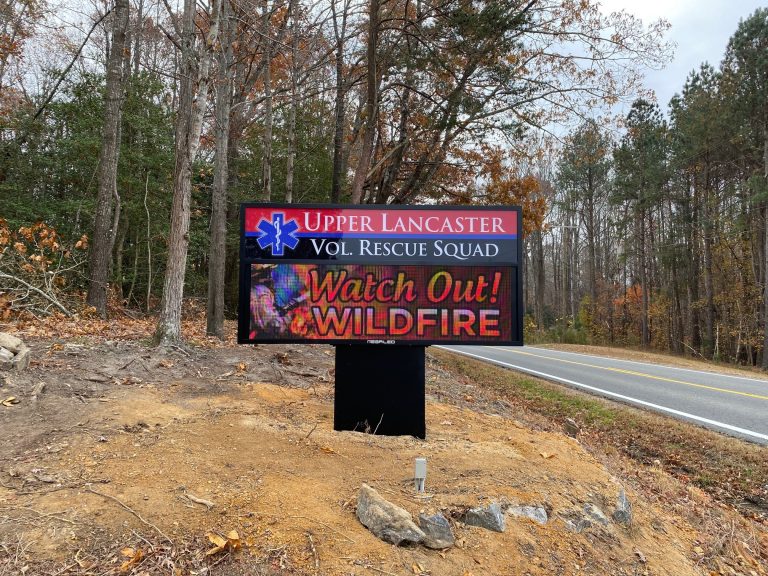
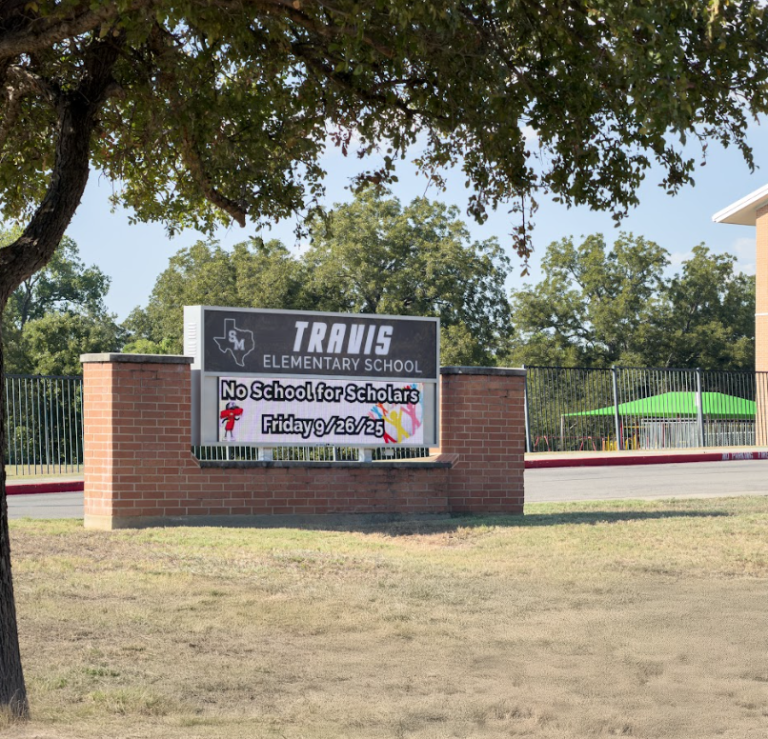
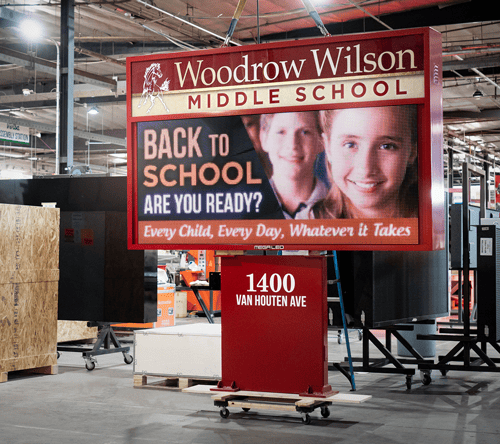
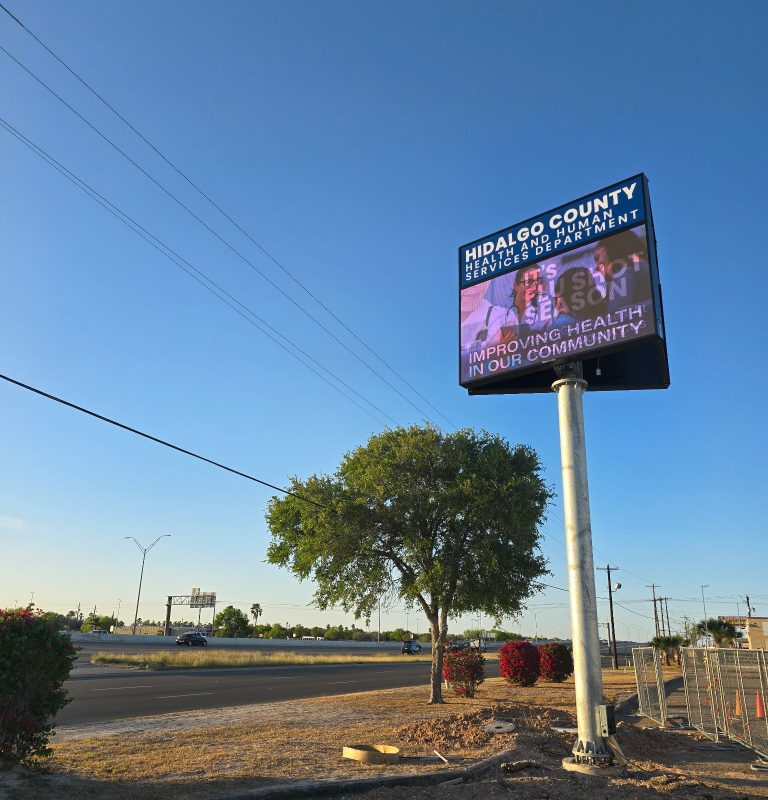
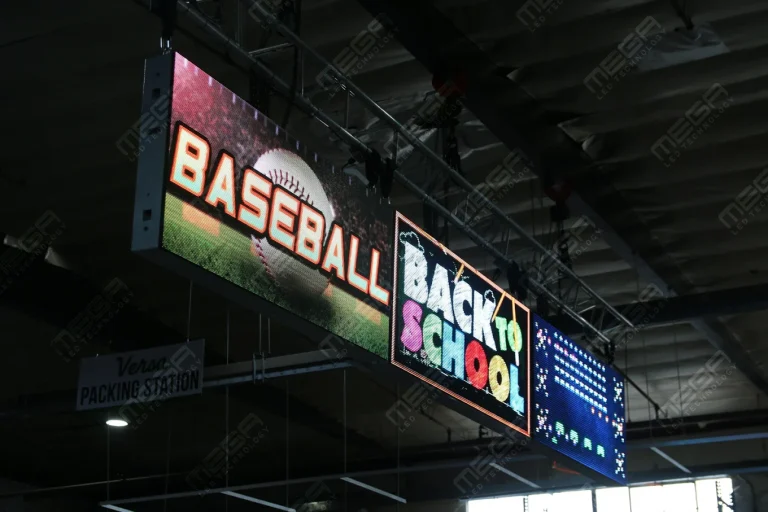
Alpha LED sign boards are great for anything from churches, to schools, to business. They tend to do great in large open spaces, where they are clearly visible.

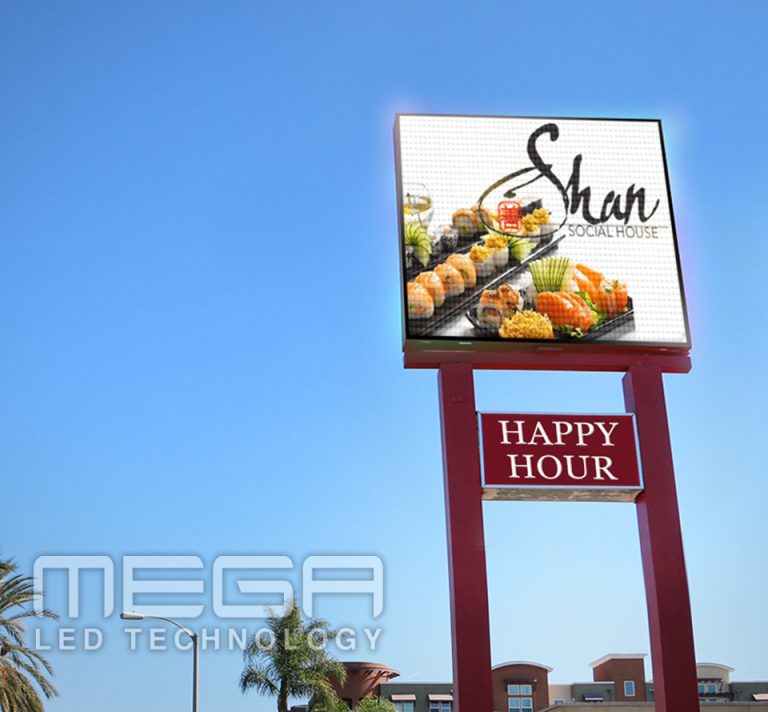
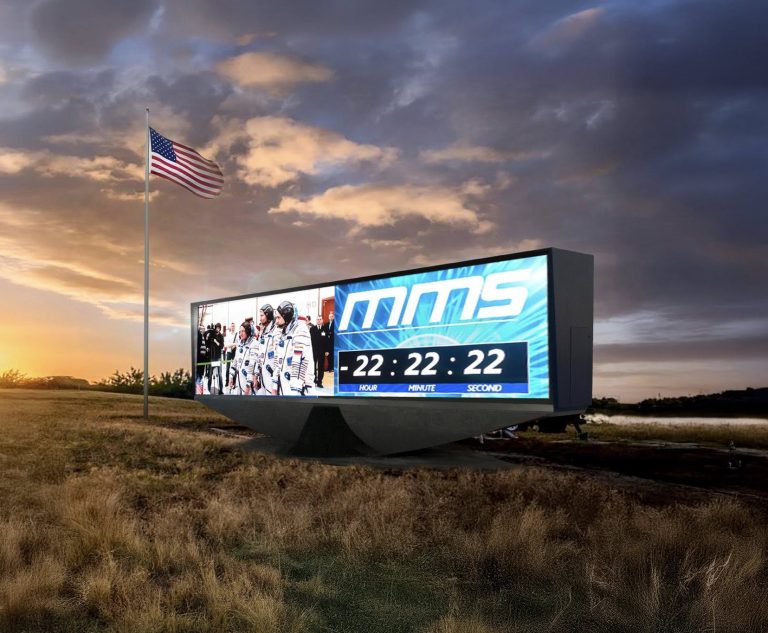
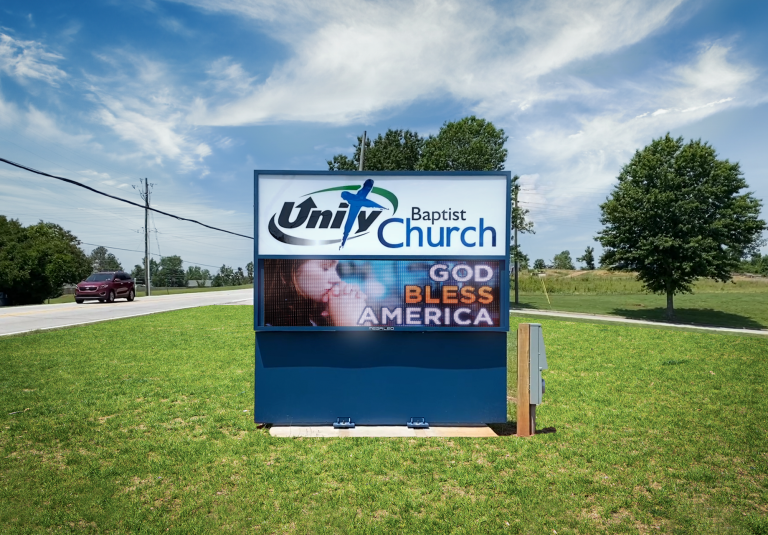
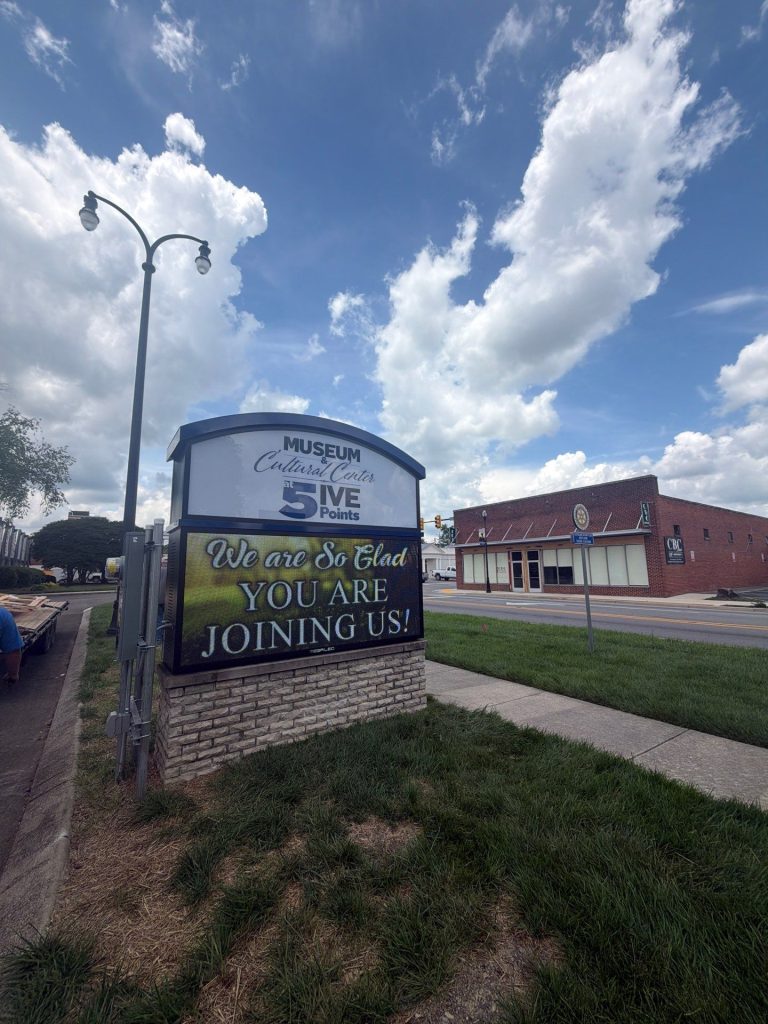
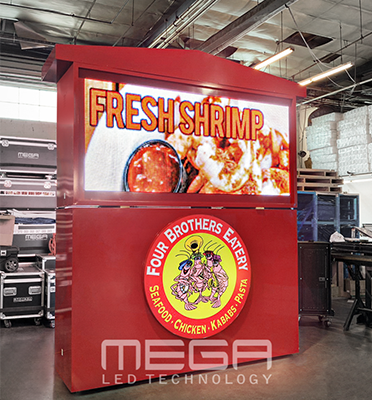
Omega is our newest line of outdoor digital signs. Running the full gambit from cabinet, to LED sign, to logo on top, or any configuration of your choice!

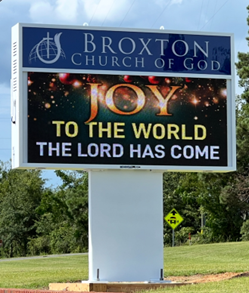
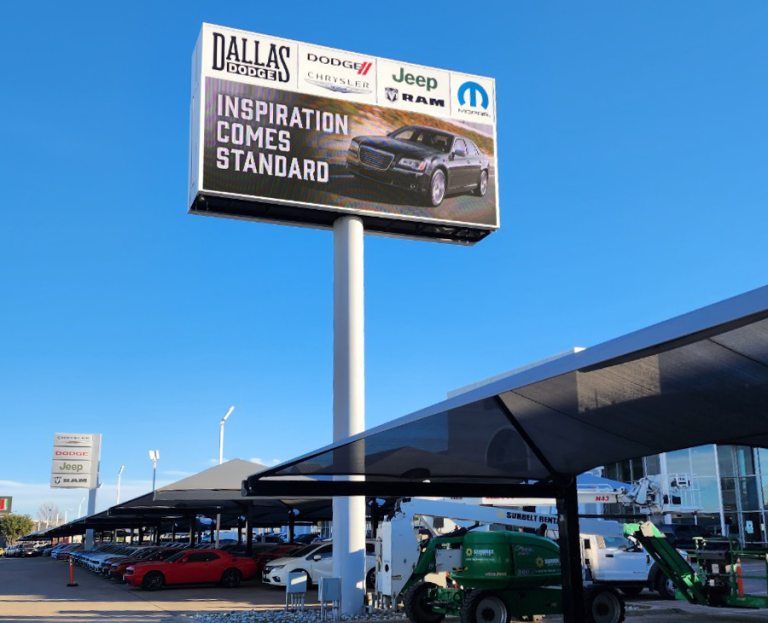
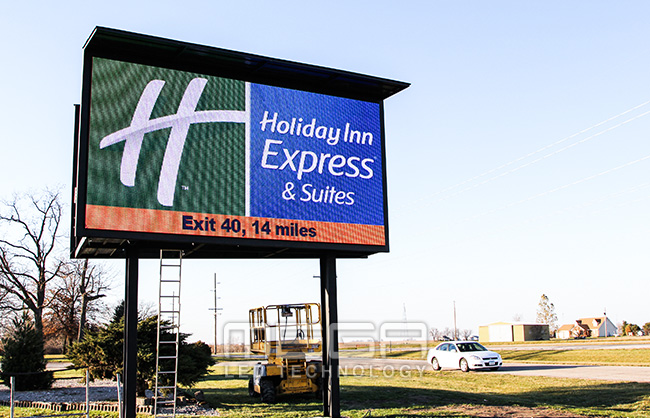
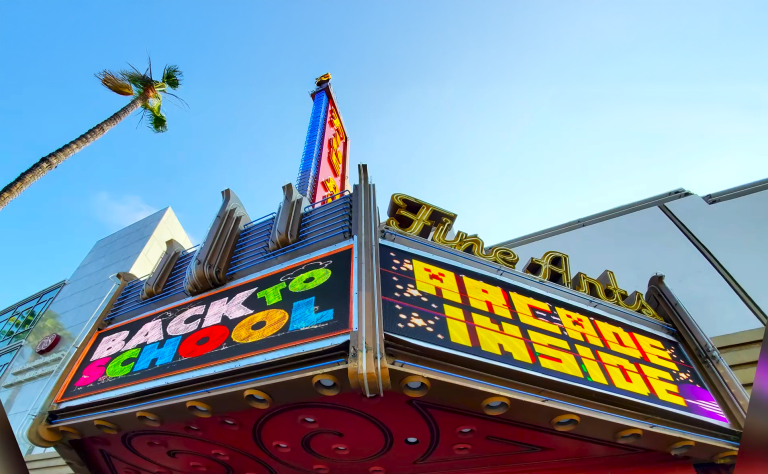
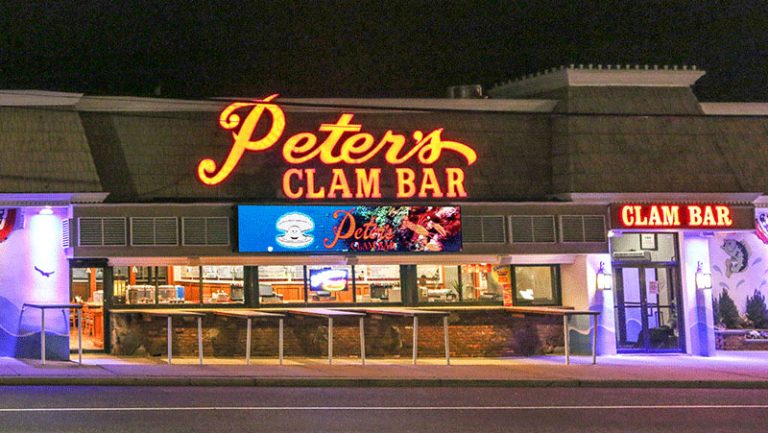
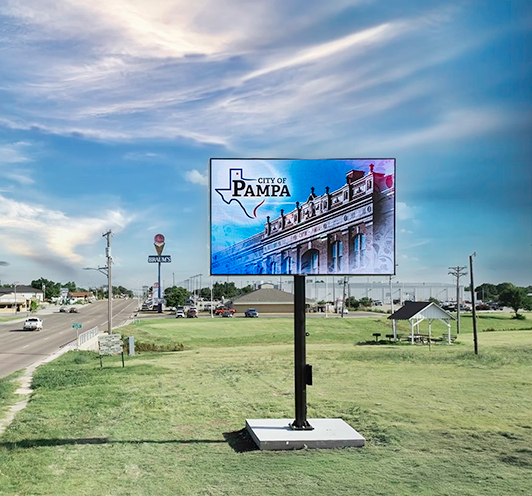
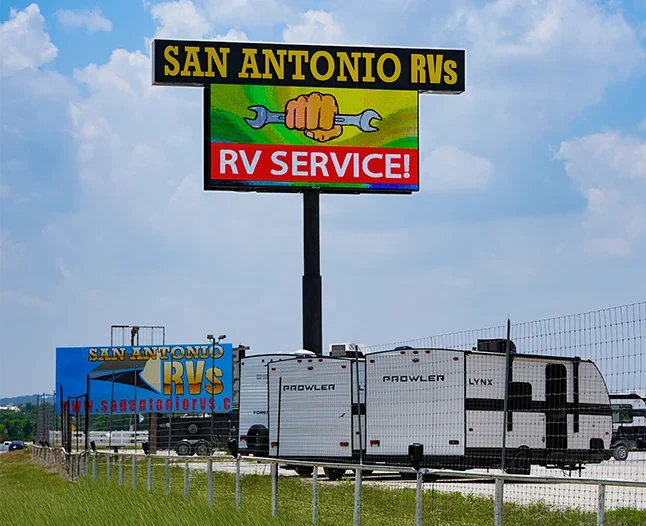
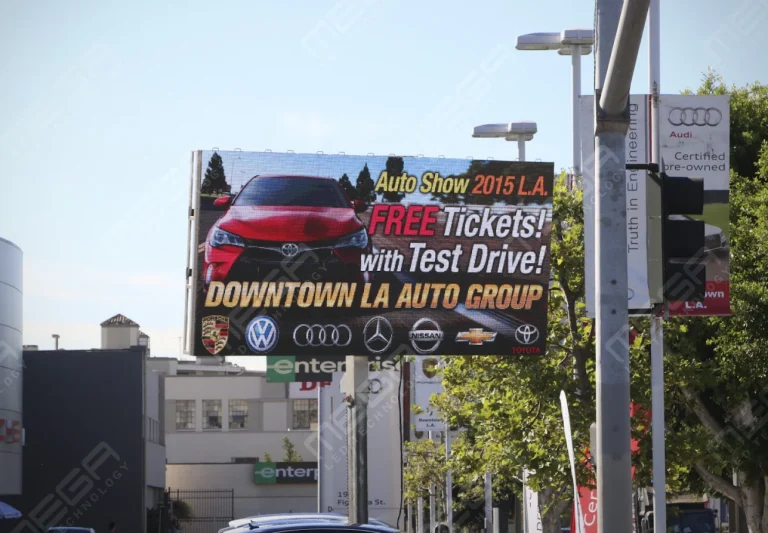
Premier is a customizable Outdoor LED sign, perfect for the Entrepreneur who knows that large custom sized signs cultivated for their specific business is the way to go.

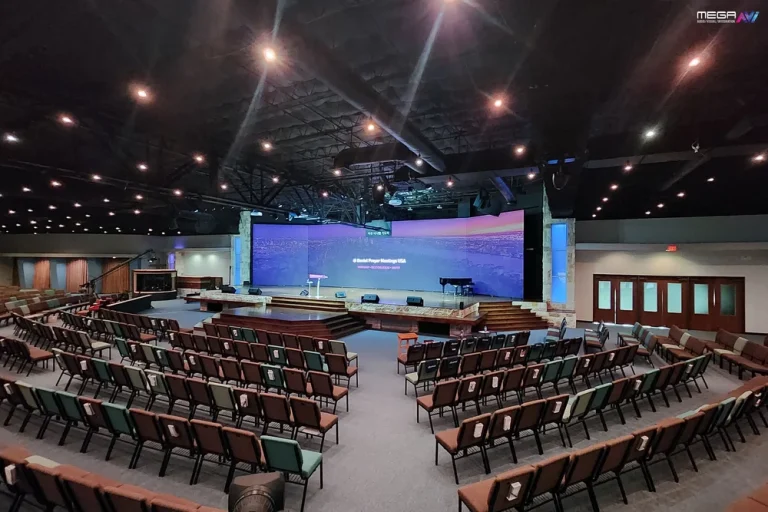
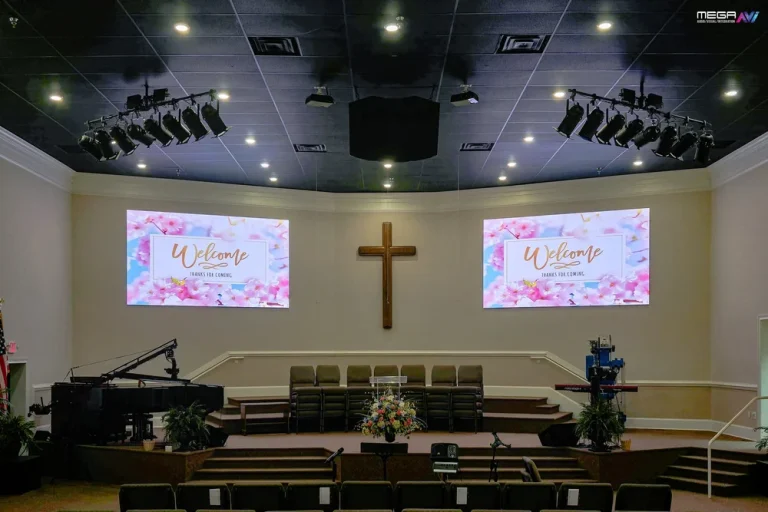
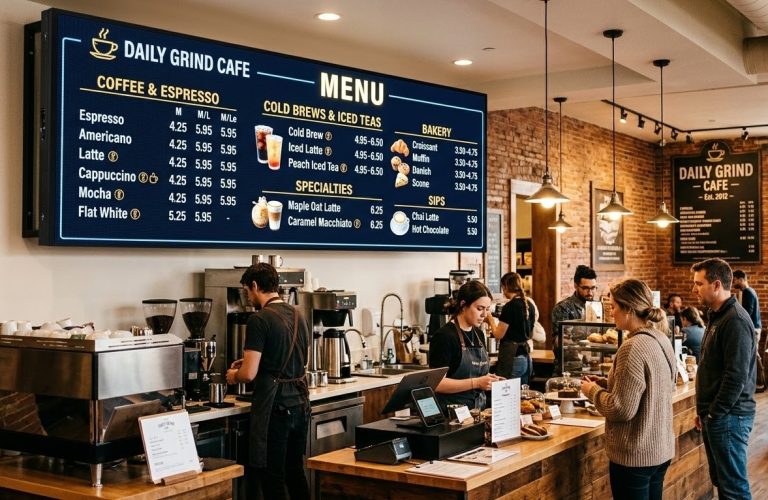
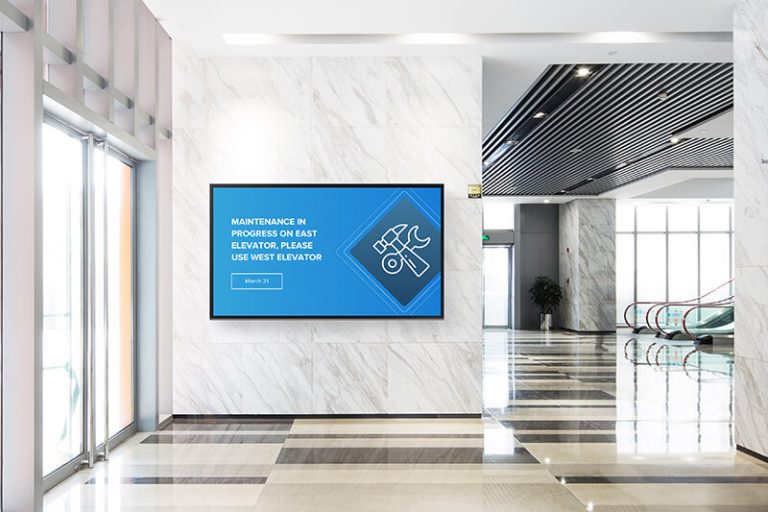
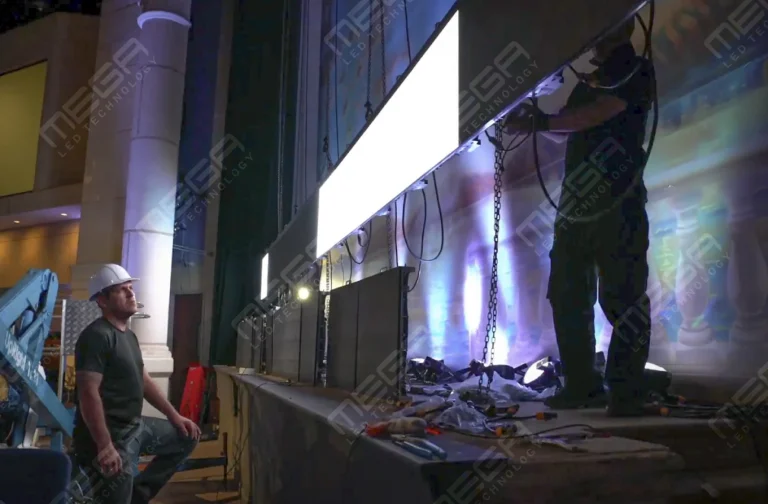
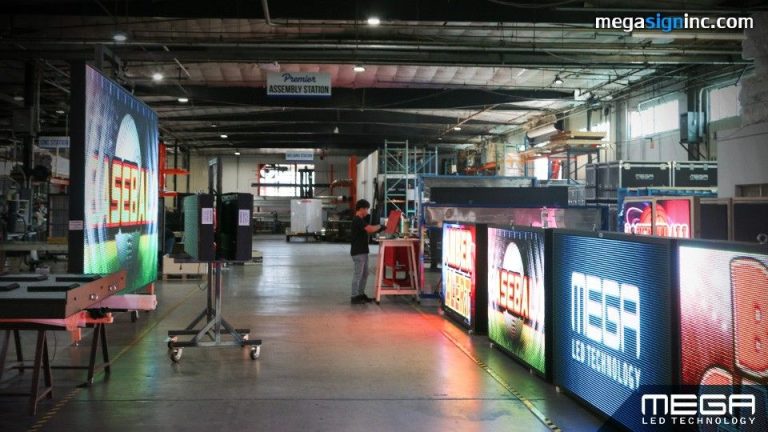
Programmable Stage LED signs, great for indoor assemblies, congregations, and presentations! Blow your competitors out of the water, or keep your congregation and audience glued to your message.

Alpha LED sign boards are great for anything from churches, to schools, to business. They tend to do great in large open spaces, where they are clearly visible.
Omega is our newest line of outdoor digital signs. Running the full gambit from cabinet, to LED sign, to logo on top, or any configuration of your choice!
Premier is a customizable Outdoor LED sign, perfect for the Entrepreneur who knows that large custom sized signs cultivated for their specific business is the way to go.
Programmable Stage LED signs, great for indoor assemblies, congregations, and presentations! Blow your competitors out of the water, or keep your congregation and audience glued to your message.
Alpha LED sign boards are great for anything from churches, to schools, to business. They tend to do great in large open spaces, where they are clearly visible.
Omega is our newest line of outdoor digital signs. Running the full gambit from cabinet, to LED sign, to logo on top, or any configuration of your choice!
Premier is a customizable Outdoor LED sign, perfect for the Entrepreneur who knows that large custom sized signs cultivated for their specific business is the way to go.
Programmable Stage LED signs, great for indoor assemblies, congregations, and presentations! Blow your competitors out of the water, or keep your congregation and audience glued to your message.
Billboards still spark debate in a digital-first world, leaving brands unsure whether they deliver real ROI or just spend budget. The answer depends on strategy: placement, creative quality, audience fit, and how you define success. Billboards excel at unavoidable, repeated exposure that builds brand awareness and recall over time, while ROI can be harder to attribute than digital channels. I am going to break down how billboards perform, what research suggests, how to measure impact, and when billboards make sense.
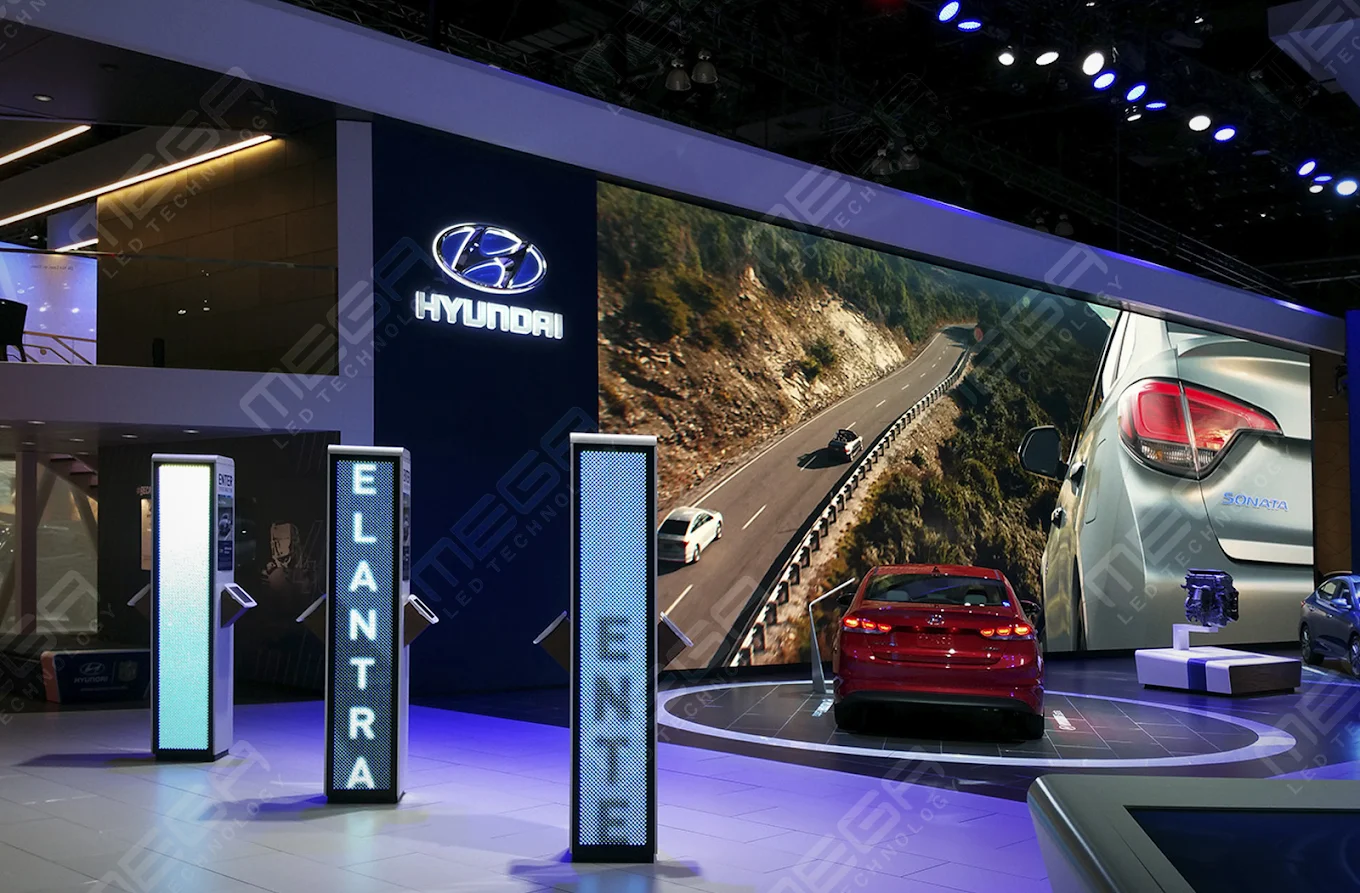
Billboard advertising effectiveness is how well outdoor displays meet marketing goals. These goals may include brand awareness, website traffic, local company visibility, or integrated campaign assistance.
The main question isn’t whether billboards function everywhere. Instead, consider whether billboards fit your aims, audience, and market. Due to their unavoidable visibility, billboards nevertheless generate value and results for brands that understand their approach.
Billboards are different from internet advertising because of their unavoidable visibility. People that pass your billboard every day on their way to work will receive your message regardless of their preferences or ad blocking technologies.
Passive exposure differs from skippable digital adverts. Social media users ignore sponsored content, use ad blockers or skip them.
This pushes billboards into the unique space of brand recall, where consumers can randomly remember your brand. In the real world, this is where billboards work best.
Billboards can be powerful, but only when placement, creative design, and goals align. Use a fit-check before you spend.
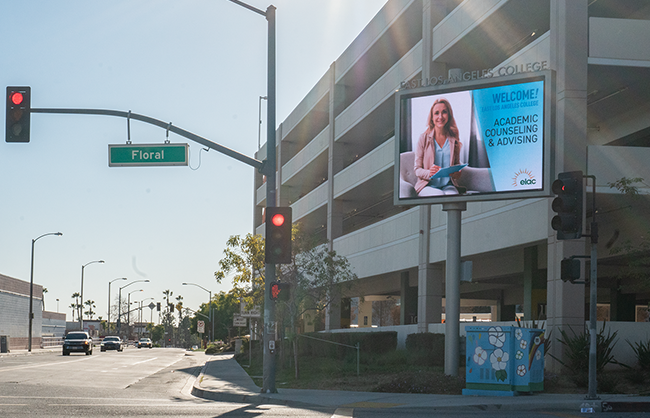
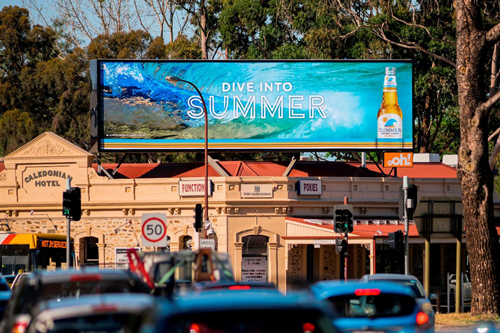
Enter digital billboards. Traditional billboards were strategically placed and sized. Moving digital billboards have enhanced that.
Due to their motion, size, and smart placement, billboards attract attention even in busy settings.
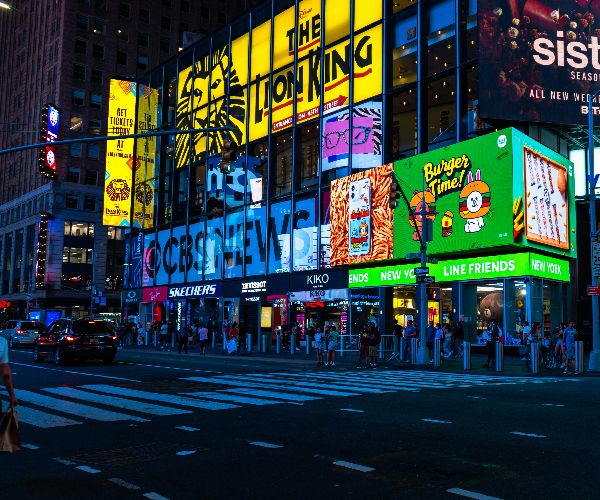
Digital billboards’ moving pieces and changing material attract attention. Our eyes naturally follow motion, thus rotating digital displays minimize background noise well. Commuters and pedestrians are especially exposed.
The average American commutes about an hour a day, often on the same routes. This ensures regular exposure and many impressions, making your billboard part of their daily routine.
Over time, daily perceptions become familiar. Someone may not notice your billboard message at first. After seeing the same creative execution dozens of times over weeks, the brand message sinks in.
Placements near traffic signals, freeway exits, and pedestrian zones get the most attention. These areas naturally slow movement or offer individuals more time to consider your message.
This regular exposure promotes brand knowledge and recall over time, not just short-term attention.
The OAAA says that outdoor advertising methods are between 38% and 86% effective at getting people to do something.
One word describes daily impressions and continual attention: repetition. Billboards use repetition because it’s the foundation of their marketing.
Repetition boosts memory through the mere exposure effect. Even unconsciously, people develop preferences for things they encounter regularly.
The effect is high with billboard advertising. Billboards don’t require thought or interaction from your viewers. Daily exposure to your brand cements it in their brains.
Consistent visibility boosts brand awareness. People are more likely to remember outdoor ad brands than new brands when they need your products.
Local businesses benefit from this placement. Strategic billboard placement makes a dental office the “default” dentist for tooth pain, even if people have never considered it.
Unknown brand reinforcement works with known messaging. Your billboard’s text and images are clear. Multiple exposures transmit subconscious cues of validity, stability, and local presence.
Consumers think prominent advertising means economic success. Big-billboard companies appear more trustworthy than smaller ones.
The exposure impact, like compound interest, builds with time, making a three-month billboard campaign worth considerably more than a week of intensive digital advertising. New impressions reinforce prior ones. This results in faster recognition, deeper comprehension of the message, and stronger brand linkages.
Familiarity bias makes people pick familiar brands. Even when the differences are minimal, most people choose familiarity.
Over time, familiarity leads to consideration and preference for brands. A corporation that constantly advertises on billboards creates recognition equity that pays off following campaigns.
At MEGA LED Technology, we help brands speed up this long-term building process through our custom digital billboards. Our PREMIER™ outdoor LED signs and ALPHA™ LED sign boards allow you to refresh creative regularly, test different messages, and maintain audience engagement throughout extended campaigns without the limitations of static formats.
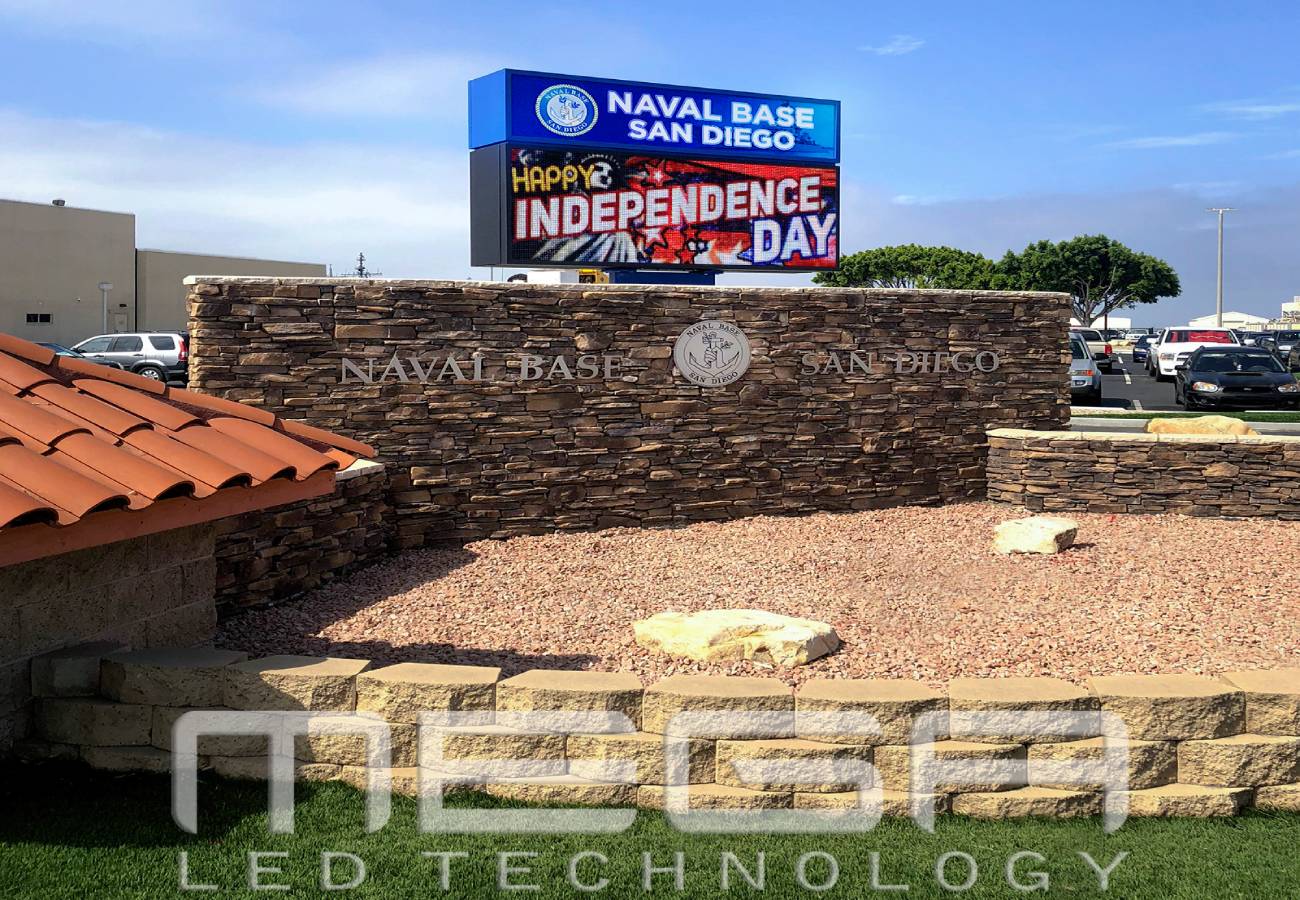
Depending on your goals, “worth it” can mean different things in terms of money and strategy. Billboards usually don’t do as well as digital channels that offer precise targeting and instant click-through for direct response campaigns that want immediate conversions.
When it comes to brand awareness, local visibility, and long-term positioning, billboards often offer better value for the money.
Cost-per-impression logic shows how well a billboard works. Even though the total costs seem high, the cost per thousand impressions is often much lower than for digital options.
The Solomon Partners CPM Comparison Report says that outdoor advertising is the cheapest major media channel, with a cost per thousand impressions (CPM) of $2 to $7. A billboard in a busy area could get between 50,000 and 100,000 views every day. That one place gets 1.4 to 2.8 million impressions over the course of a four-week campaign.
It’s very important to think about long-term and short-term value. Billboard ads usually don’t work for businesses that want to see a quick increase in sales. The medium slowly raises awareness instead of making people act right away.
But brands that think long-term know that how visible a billboard is affects how well the whole marketing ecosystem works. Outdoor advertising gets people ready for digital marketing, search advertising, and other touchpoints that come after it.
When billboard campaigns have specific CTAs that people can act on right away, they get direct returns. Billboards that use unique URLs, QR codes, or phone numbers can track website visits, calls, or inquiries that come from outdoor advertising.
Some types of businesses do better with these direct mechanisms than others. Restaurants that run limited-time deals, stores that announce grand openings, or services that meet immediate needs can better track direct response.
Indirect returns show up as more people know about the brand, more searches, more traffic to the website, and more thought given to purchases. These benefits are harder to separate and link directly to billboard ads.
OAAA-commissioned research says billboards have an average ROI of 497%, which means brands usually get $6 back for every $1 they spend on billboard ads. Adding outdoor ads to a mobile ad campaign can increase ROI by up to 316%.
Choose a static billboard in a high-frequency commuter route and run consistent creative for repetition.
Choose a digital billboard and rotate creatives by time-of-day to maintain attention and relevance.
Use a CTA-driven billboard with a single action and track conversions via the dedicated link/number.
Run billboards alongside search/social and measure lift in branded searches, traffic, and recall surveys.
Instead of just looking at direct attribution, we recommend looking at billboard ROI using a number of different metrics, such as surveys, keeping an eye on how many people are searching for brand terms, looking at how traffic flows on your website, and looking at how well your business does during and after billboard campaigns.
Brand lift and recall metrics show that billboards work well in all categories. Studies show that outdoor ads can raise brand awareness by an average of 46% and purchase intent by 38%.
Different sectors have very different industry benchmarks. Brands in the consumer goods, restaurant, retail, entertainment, and automotive industries usually do well on billboards because they reach a lot of people and their customers don’t think about making a purchase for very long.
The OAAA’s 2024 Revenue Report says that the best outdoor advertising categories are communications, government and political organizations, retail, automotive dealers and services, and local services and amusements.
| Industry Category | Effectiveness Level | Key Metrics |
|---|---|---|
| Restaurants | Very High | Strong local reach, time-of-day targeting |
| Retail & Shopping | High | Drives store visits, promotes sales |
| Automotive | High | Builds brand awareness, dealership traffic |
| Hotels & Hospitality | High | Location-based targeting |
| Healthcare & Medical | Moderately High | Community presence, trust building |
| Legal Services | Moderately High | Top-of-mind awareness |
| B2B Services | Moderate | Works best for local/regional targeting |
| Specialized Niche | Lower | Better suited for targeted digital channels |
Outdoor advertising evolves and improves. Modern billboards don’t resemble old painted signs.
Integrating technology enables more complex tasks. Digital displays allow programmatic ad buying, creative content optimization, traffic pattern targeting, and real-time content updates based on weather, traffic, and local events.
Smart billboards display essential information when motorists approach. Smartphones near outdoor displays receive additional digital adverts using mobile device targeting. Others employ computer vision to analyze traffic and adjust their creative work.
OAAA statistics shows that out-of-home (OOH) advertising earned $9.1 billion in 2024, up 4.5% from the year before. In 2024, 34% of OOH ad spending was digital, up 7.5%.
Environmental concerns and sustainability motivate the sector to find new ways to save energy and be greener. LED technology reduces billboard power demand, and some employ solar panels or other renewable energy.
Smart placement finds the optimum locations using data analytics. Advanced site selection goes beyond traffic. It also considers the audience, how they move, how long they stay, how well they see, and how many competitors there are.
Both are useful, but their strengths fit different campaign goals.
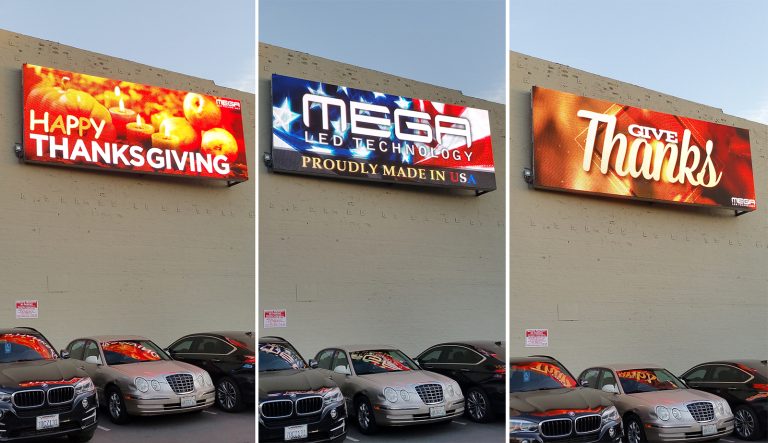
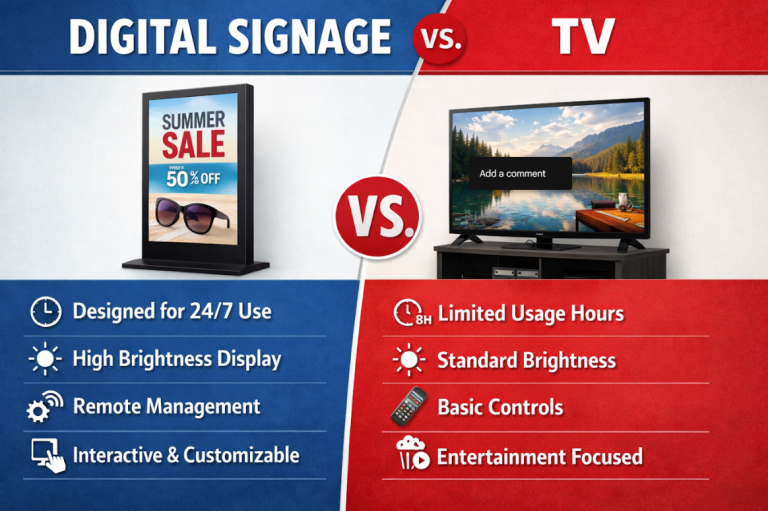
Digital billboards offer a creative flexibility that static formats can’t. With digital billboards, you can change your messages right away, try out different creative ideas, and respond to real-time conditions without having to pay for printing or wait for installation.
This flexibility is especially useful for time-sensitive promotions, advertising events, or brands that want to stay fresh creatively. With the same display, restaurants can advertise breakfast, lunch during the day, and dinner during the evening commute.
According to studies, digital billboards get four times as many views as static billboards, and motion ads are 81% better at getting people’s attention. A 2024 Harris Poll survey found that 73% of people like digital OOH ads more than TV (50%), social media (48%), and online ads (37%).
Static billboards are great at showing the same message over and over again for a long time. Static formats are a good way to build brand recognition by repeatedly exposing people to one main idea. They are also cheaper than digital formats.
We give you both choices because different situations need different answers. Our custom digital billboards are ideal for brands that want the most flexibility and visual impact. Our OMEGA™ monument signs can be set up in many ways and include both digital and static elements.
Knowing the main benefits of billboard advertising will help you get the most out of the medium, whether you choose digital or static.
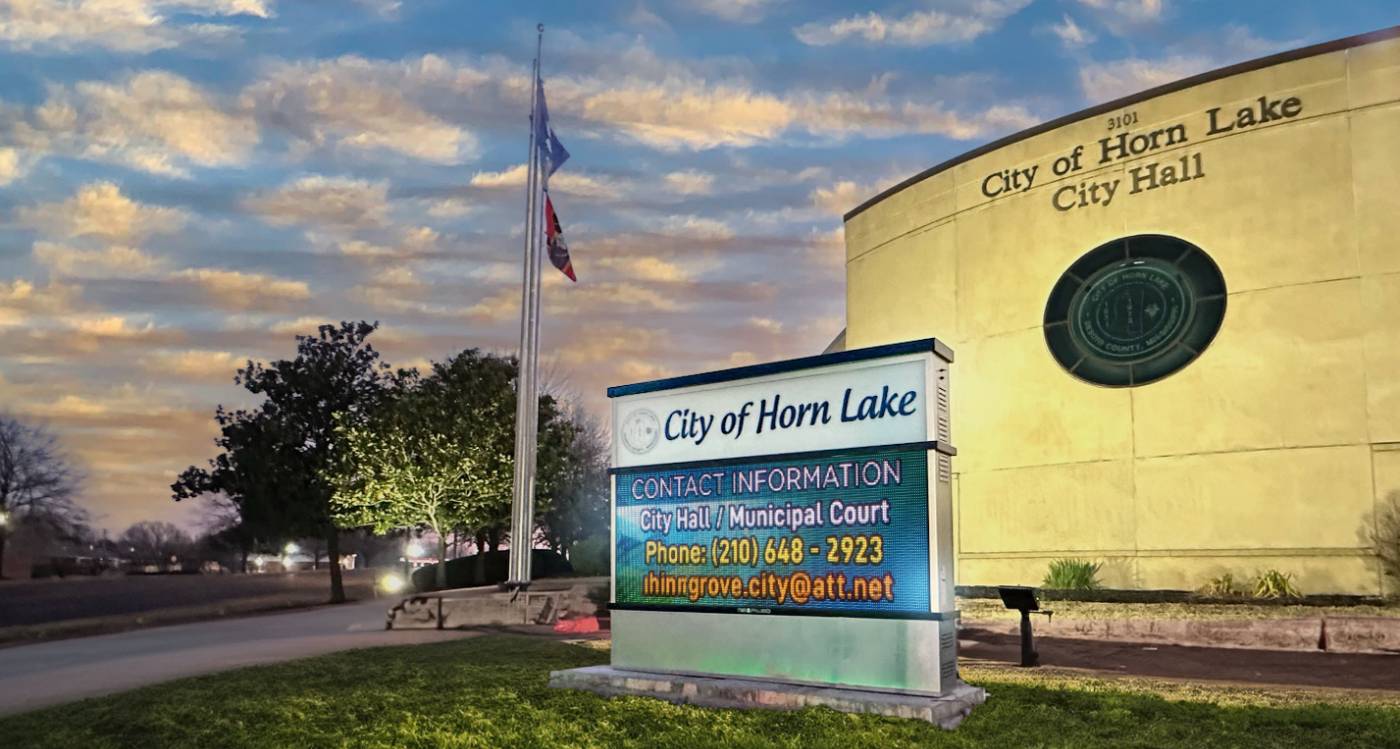
Billboards’ unavoidability, targeting, speed, and 24/7 presence are their main features. Outdoor advertising remains relevant in the digital age because of these strengths.
Billboards leave lasting effects. Your audience gets your message by moving around. This exposure guarantee is worth more than scarce digital impressions.
Geographic targeting lets you run hyper-local ads or strategically blanket the country. You decide which neighborhoods, communities, and transport corridors get your adverts. This targeting assists local and national brands with market-specific tactics.
Mass reach efficiency generates many impressions at cheap cost. A billboard in the proper area can reach thousands of people daily for the initial placement fee.
Your billboard works because it’s always there. Your billboard is always visible, unlike digital, TV, and radio commercials that only appear at particular times.
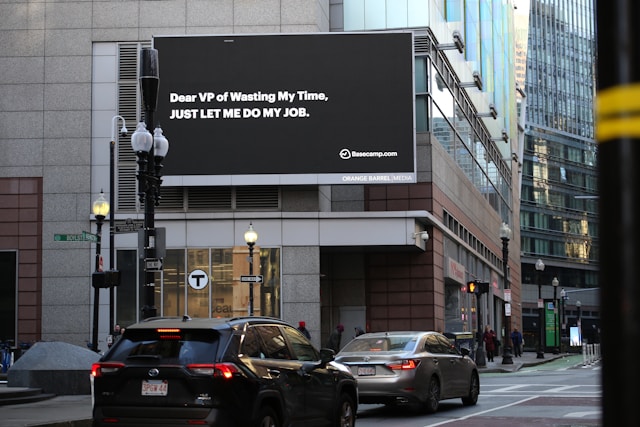
Design concepts stress simplicity, eye-catching, and rapid comprehension. Your billboards must be well-executed because most people only have a few seconds to read them.
Although industry norms recommend six to eight words per billboard, effective ones get their message across in fewer words. Your creativity should convey the primary concept with photos and concise words rather than detail.
High contrast, large writing, and bold graphics highlight the ad. Small design features are hard to view or illegible from a distance or highway speed.
Ad placement determines who sees it and how many. Because they are more visible to the right people, premium locations near major highways, city centers, or specific destinations cost extra.
Local advertisers value proximity to their businesses. Billboards that promote your business operate differently than those that increase awareness in other neighborhoods.
Clear messaging distinguishes effective outdoor advertising from bad. The message on your billboard should be clear without interpretation, explanation, or thought. If people have to interpret your billboard, they’ve lost interest.
Pricing factors include location desirability, display format, market size, and campaign duration. Costs vary dramatically across these dimensions, making “average” figures potentially misleading.
Fit Small Business says that the average cost of billboard advertising in the US is about $3,953 for a four-week campaign. But this changes a lot depending on where you are and what format you use.
In addition to placement fees, production costs add to the total budget for a campaign. You have to print and install static billboards, which usually cost between $300 and $2,000, depending on their size and complexity. Digital creative production costs less than physical printing in most cases, but the level of sophistication varies.
At MEGA LED Technology, we help brands get the most out of their budgets by providing flexible digital billboard solutions that cut out the costs of traditional production and installation. We also offer expert help with every step, from design to installation.
| Billboard Type | Small markets | Medium-sized markets | Major markets |
|---|---|---|---|
| Static Billboard | $250–$750/month | $1,000–$2,500/month | $3,000–$15,000/month |
| Digital Billboard | $500–$1,500/month | $1,500–$4,000/month | $5,000–$20,000+/month |
| Premium Locations | $1,000–$2,000/month | $3,000–$6,000/month | $15,000–$50,000+/month |
Business suitability depends on target audience characteristics, geographic service areas, and marketing objectives.
Local and national brands do outdoor advertising in different ways. Businesses in the area benefit from having a lot of coverage in their service areas. National brands use billboards for campaigns that target specific markets or to stay visible in important places.
Beyond the industry, campaign goals decide what is appropriate. Billboards are a great way for businesses to get their name out there, get noticed in their area, or reach a lot of people. Companies that only focus on precise targeting and direct response often get better results through digital channels.
Billboards usually do well for businesses that sell to consumers with short purchase cycles. Restaurants, stores, entertainment venues, car dealerships, and personal service providers all benefit from being seen by a lot of people who might need what they have to offer soon.
Research consistently shows that outdoor advertising has an effect on brand awareness and recall. Several studies from both industry groups and independent researchers give us data-driven information about how well billboards work.The OAAA’s Nielsen OOH Study says that outdoor ads have reached more than 90% of U.S. travelers in the last month. This wide reach shows that the medium can still reach many people, even though the media is becoming more fragmented.
The metrics for recall and awareness show that they are working well. Studies show that about 71% of people are aware of billboard ads, and many can remember specific billboards they’ve seen recently.
Many digital formats have lower recall rates because ads blend in with content or are completely ignored.YouGov’s generational advertising survey says that:
Billboards affect how people act in ways other than just making them aware of something, as shown by an average 38% increase in purchase intent. People who see ads are much more likely to want to buy the products or services that are being advertised. According to the OAAA and Harris Poll 2024, 76% of people who saw a digital OOH ad, did something.
Billboard advertising proves highly effective for brand visibility through consistent, unavoidable exposure in high-traffic locations. It thrives at building recognition and awareness among local or regional audiences through repeated daily impressions that accumulate over campaign duration.
According to the OAAA, billboards deliver an average ROI of 497%, meaning brands typically see a $6 return for every $1 spent. Direct ROI measurement proves challenging because billboards primarily build awareness rather than triggering immediate conversions.
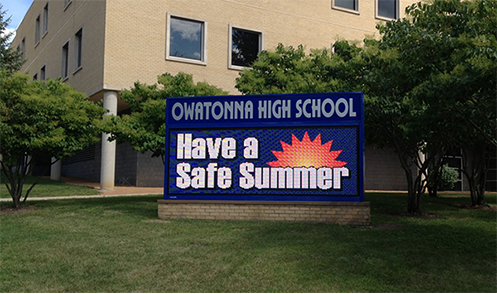



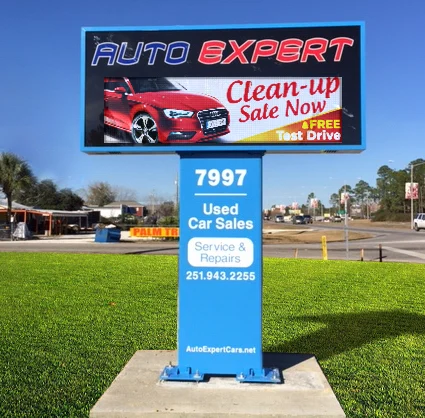



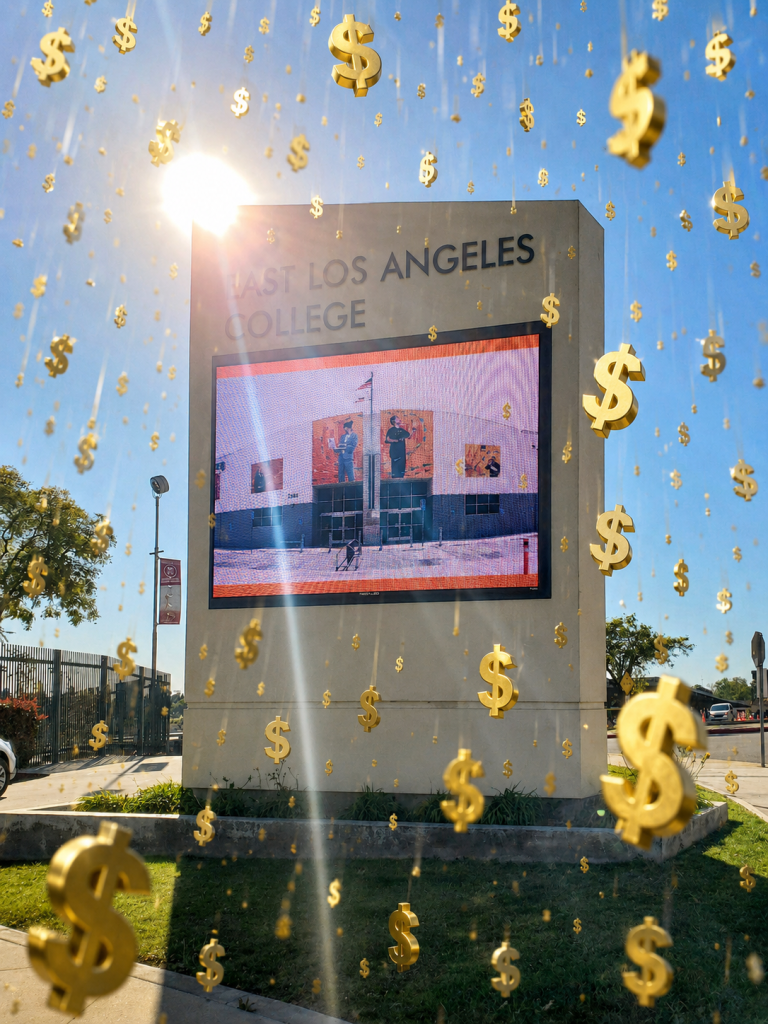

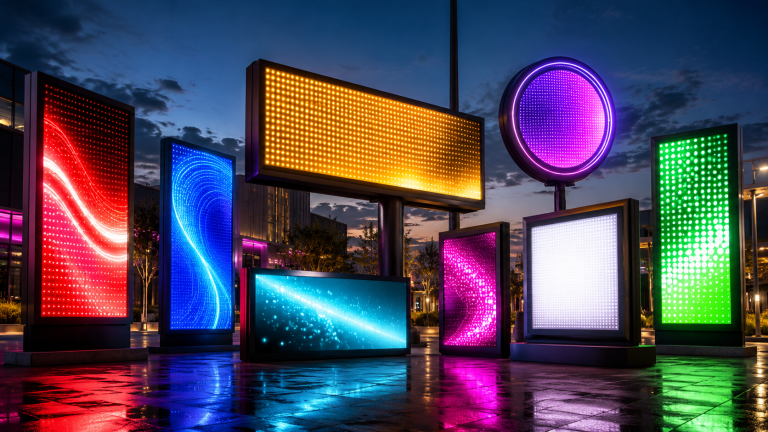

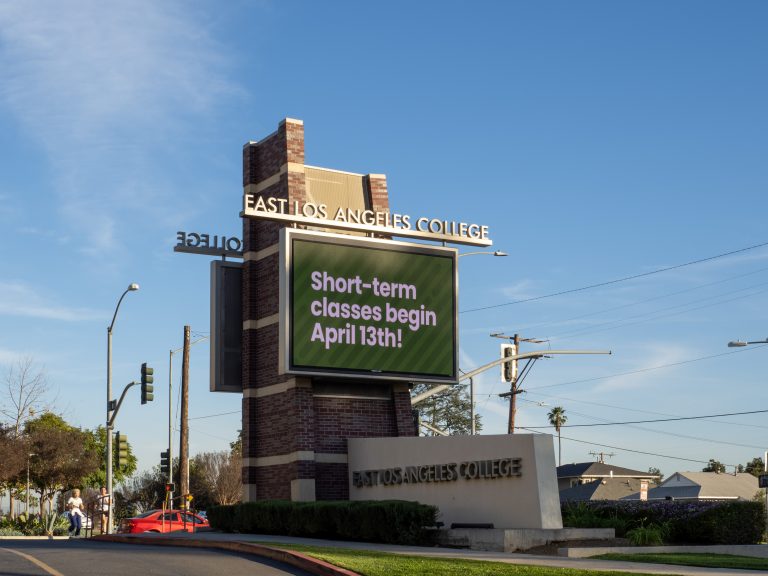

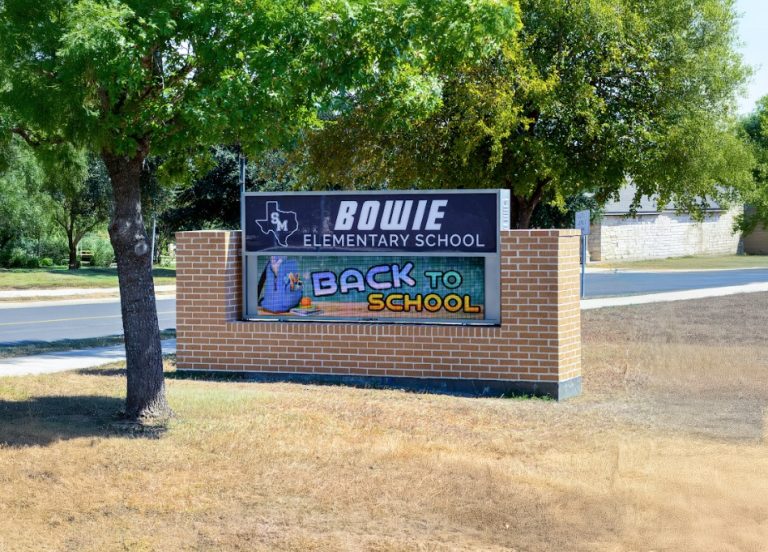





Alpha LED sign boards are great for anything from churches, to schools, to business. They tend to do great in large open spaces, where they are clearly visible.
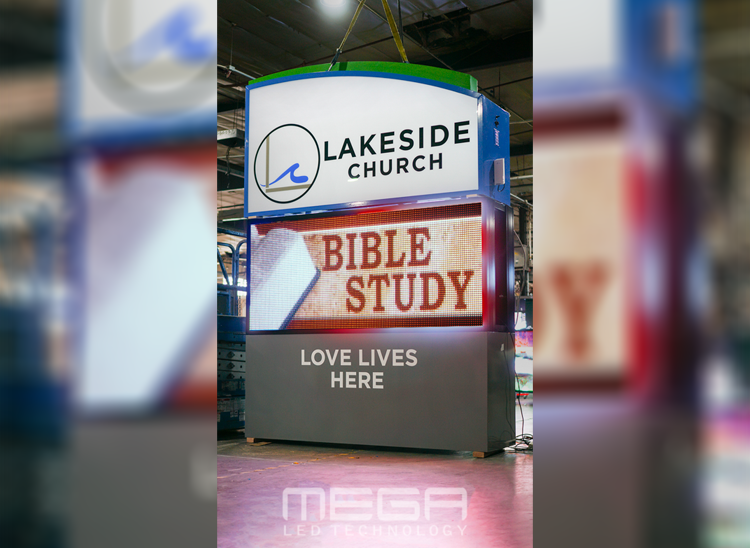
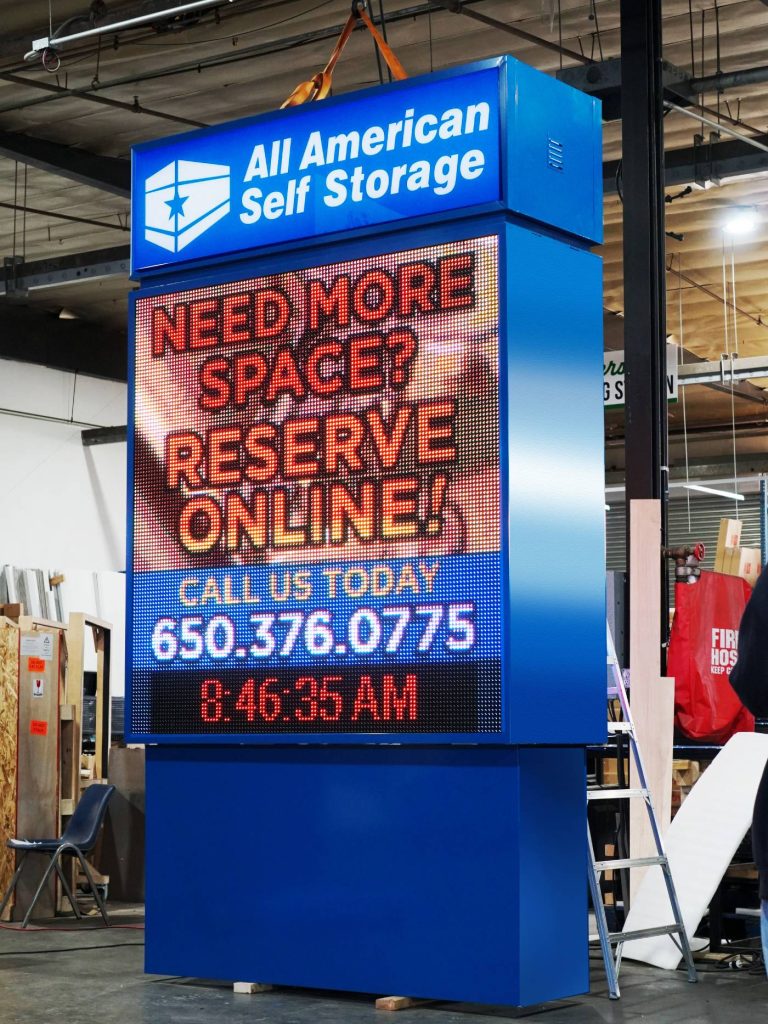
Omega is our newest line of outdoor digital signs. Running the full gambit from cabinet, to LED sign, to logo on top, or any configuration of your choice!
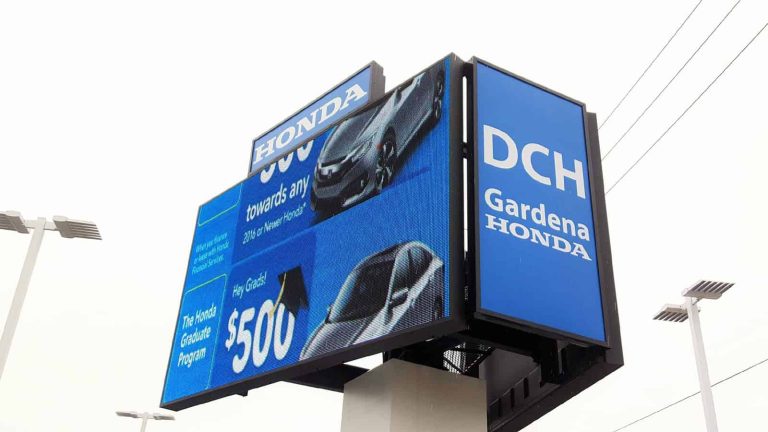
Premier is a customizable Outdoor LED sign, perfect for the Entrepreneur who knows that large custom sized signs cultivated for their specific business is the way to go.
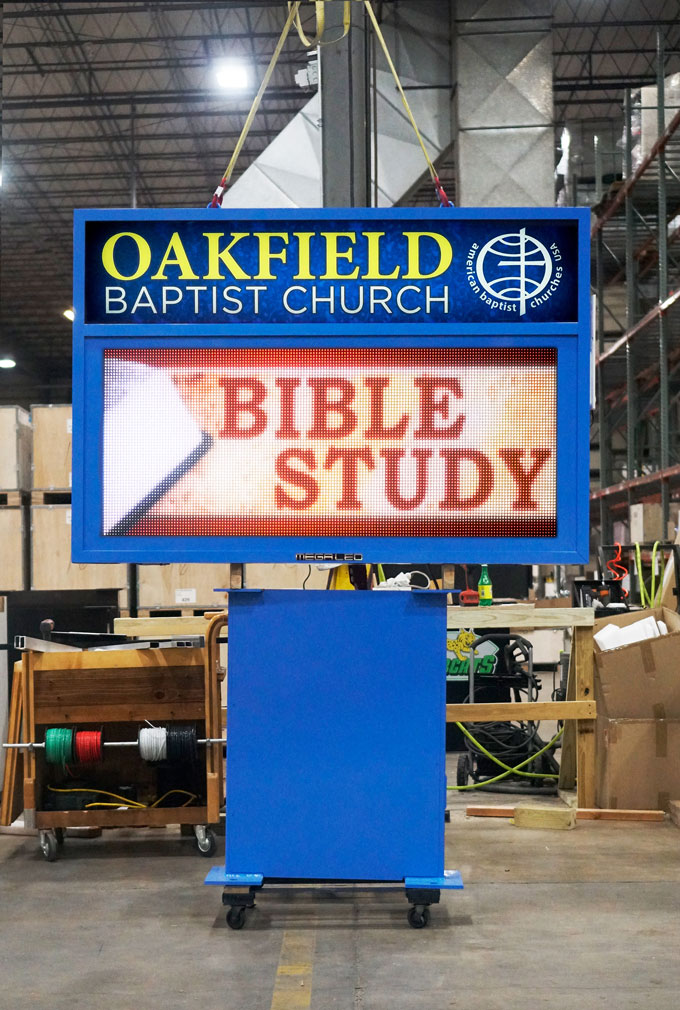
Programmable Stage LED signs, great for indoor assemblies, congregations, and presentations! Blow your competitors out of the water, or keep your congregation and audience glued to your message.