

What Is Smart Digital Signage? How Intelligent Screens Use Data, Software And Automation


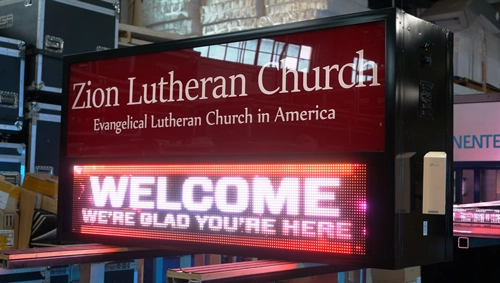
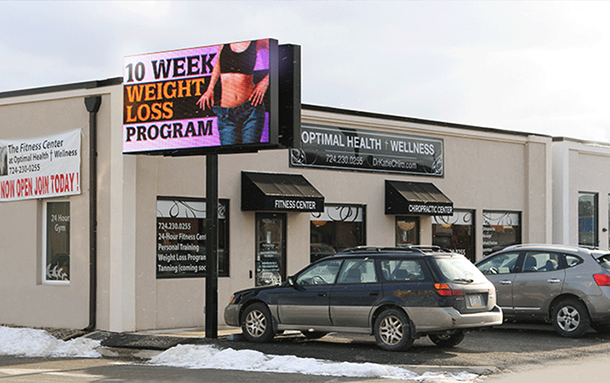
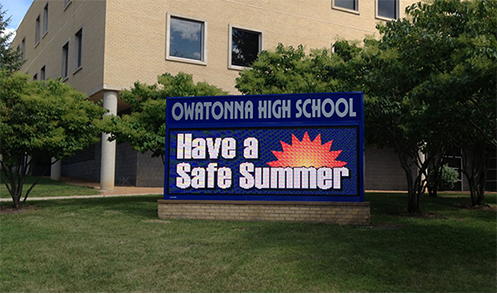
Alpha LED sign boards are great for anything from churches, to schools, to business. They tend to do great in large open spaces, where they are clearly visible.

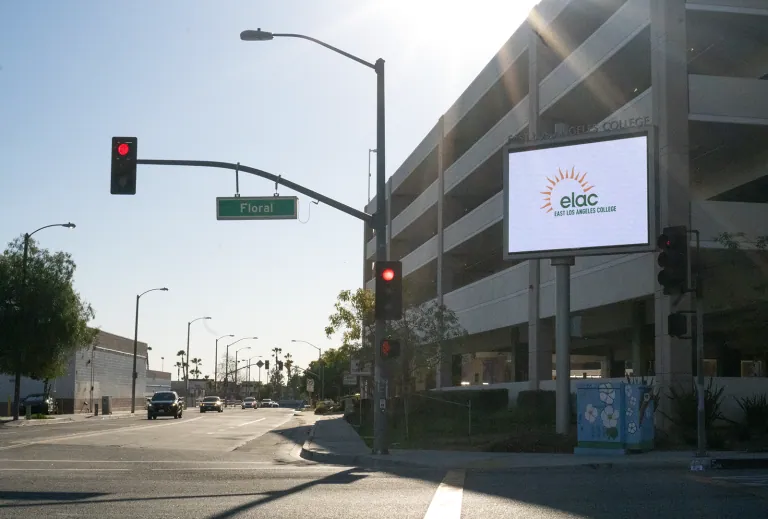
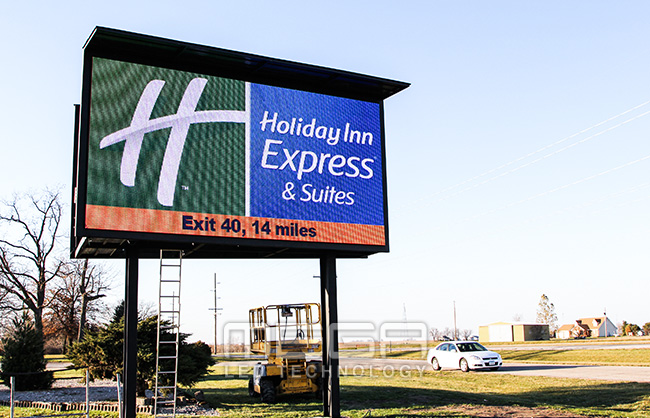
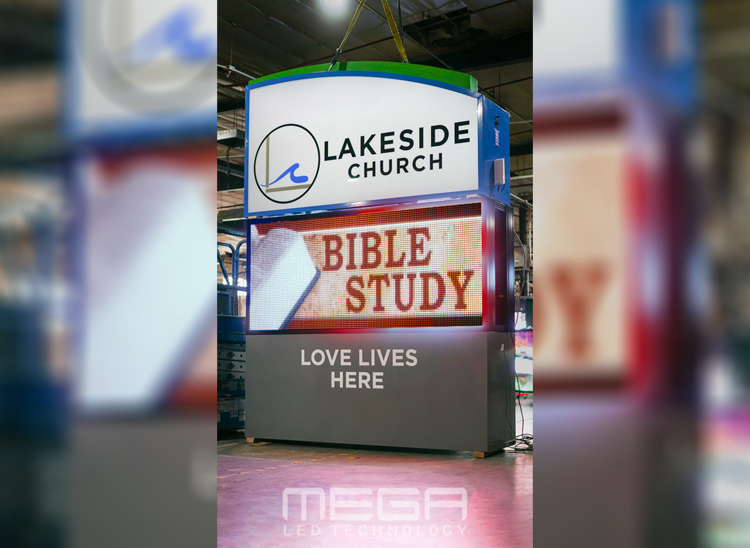
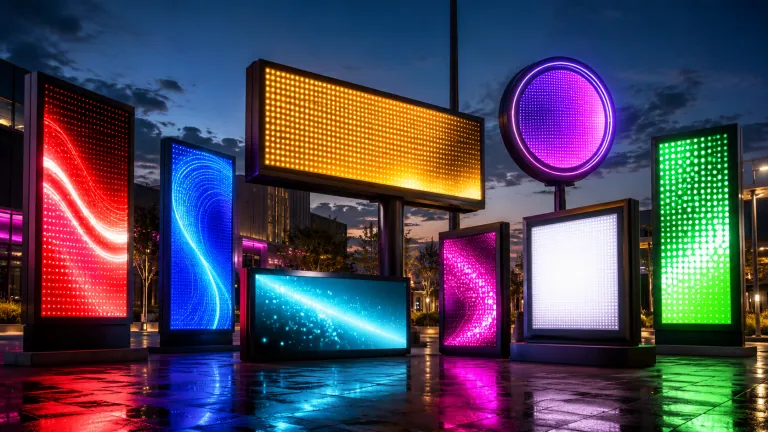
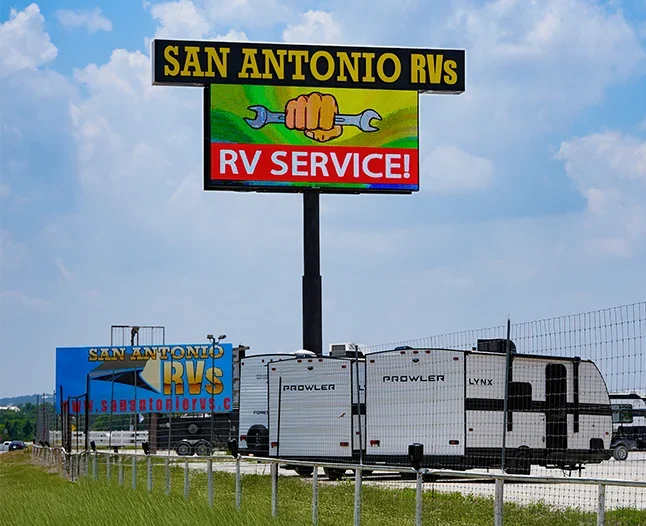
Omega is our newest line of outdoor digital signs. Running the full gambit from cabinet, to LED sign, to logo on top, or any configuration of your choice!

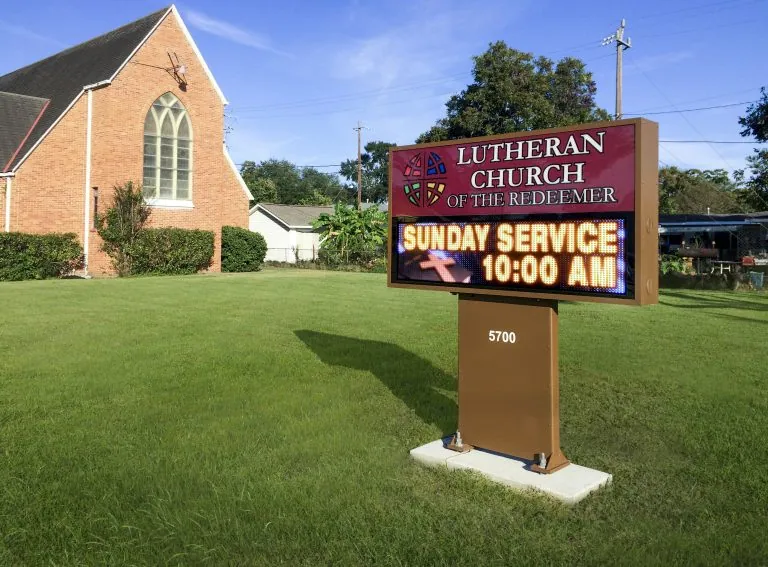
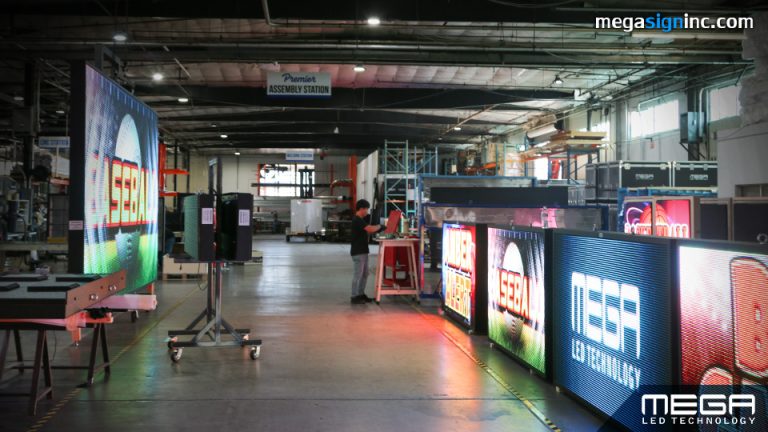
Premier is a customizable Outdoor LED sign, perfect for the Entrepreneur who knows that large custom sized signs cultivated for their specific business is the way to go.

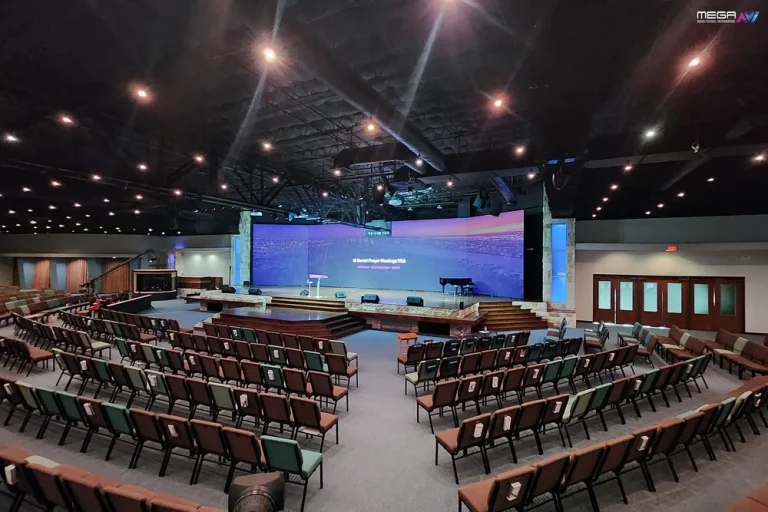
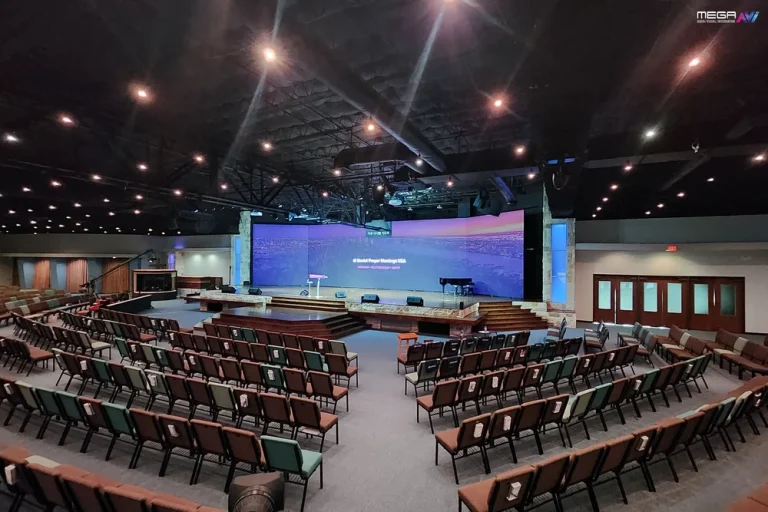
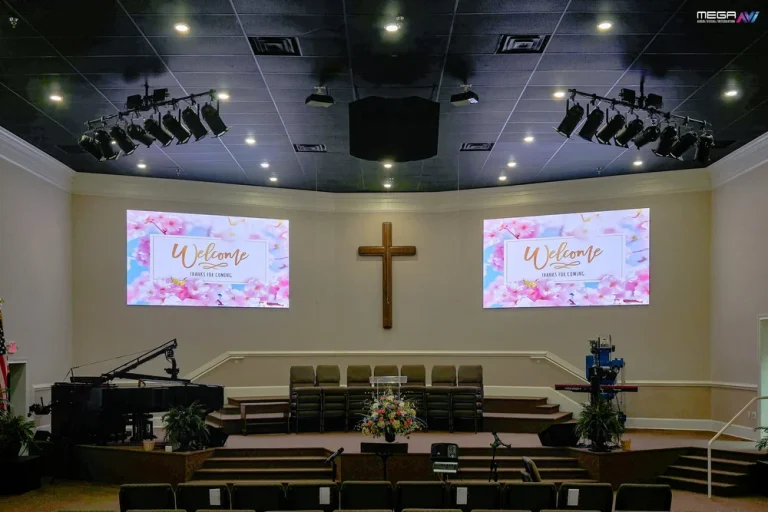
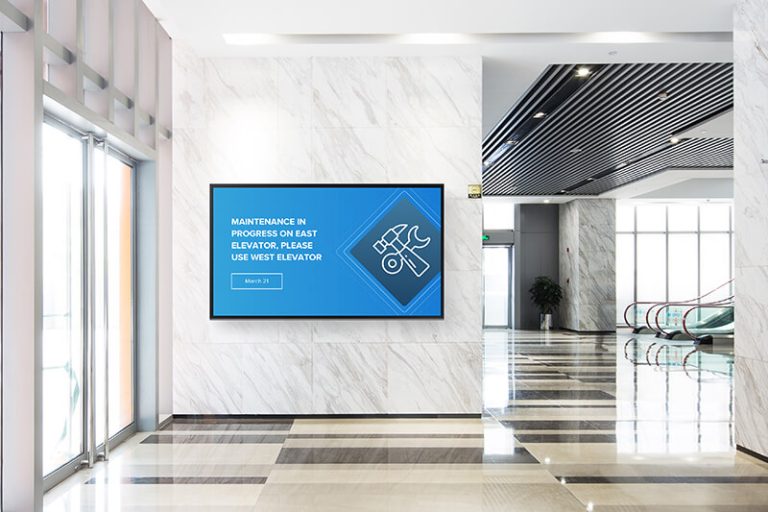
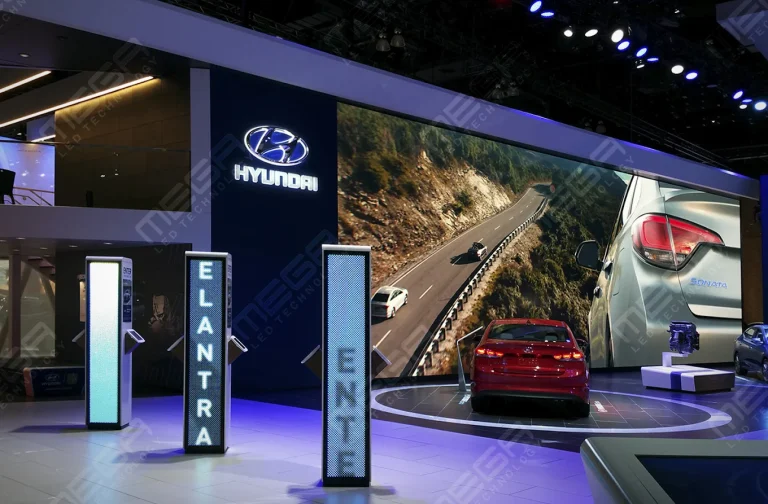
Programmable Stage LED signs, great for indoor assemblies, congregations, and presentations! Blow your competitors out of the water, or keep your congregation and audience glued to your message.

Alpha LED sign boards are great for anything from churches, to schools, to business. They tend to do great in large open spaces, where they are clearly visible.
Omega is our newest line of outdoor digital signs. Running the full gambit from cabinet, to LED sign, to logo on top, or any configuration of your choice!
Premier is a customizable Outdoor LED sign, perfect for the Entrepreneur who knows that large custom sized signs cultivated for their specific business is the way to go.
Programmable Stage LED signs, great for indoor assemblies, congregations, and presentations! Blow your competitors out of the water, or keep your congregation and audience glued to your message.
Good school signage does more than label rooms. It guides traffic, calms first-day nerves, keeps visitors from wandering, and gives the whole campus a sense of order. Bad signage, or none at all, turns hallways into guessing games. This guide covers every sign type a school or university might need, from front entrances to library shelves.

The right signage supports safety, school pride, navigation, communication, and student morale at every level, from elementary schools to universities. A well-planned system works together: exterior signs welcome, wayfinding signs direct, room signs identify, safety signs protect, and digital signs keep everyone informed.
This guide covers interior signs, digital signage, wayfinding, safety and compliance signs, room identification, outdoor entrance displays, cafeteria and library signs, athletic signage, and how to select the right mix for your campus. Schools that treat signage as a system, rather than an afterthought, consistently create environments where people feel oriented and welcome.
School signs are visual communication tools used to guide, inform, welcome, protect, and motivate students, staff, parents, and visitors throughout the campus. They range from printed signs and wall graphics to ADA door signs, digital displays, safety placards, and exterior monument signs.
Information on school signs should be simple, visible, age-appropriate, and aligned with the school’s brand identity. The best school signage reduces confusion on campus, especially on larger multi-building campuses or during the chaotic rush of morning arrival and afternoon dismissal when hundreds of people move through narrow corridors and doorways at once.

Signage affects how people feel inside a building. Clear, well-placed signs reduce stress for new students, visiting parents, and substitute teachers who have never walked the halls before.
The National Center for Education Statistics’ NCES enrollment data reports that U.S. public schools enrolled 49.5 million students in fall 2023. At that scale, even a small improvement in campus navigation affects thousands of daily decisions about where to go and how to get there.
Signage should work alongside school architecture through consistent colors, typography, icons, and placement. Plan signs for students of different ages, reading levels, language needs, and accessibility requirements. What works for a high school senior won’t work for a kindergartner.
Signage performs its job when it matches the school’s building layout and visual identity. Consistent colors, directional arrows, pictograms, and repeating sign styles make the whole campus feel organized rather than patched together over decades.
Use durable, readable materials in high-traffic areas like hallways, cafeterias, libraries, main offices, and entrances. Place signs where people naturally pause, turn, or make decisions. A sign hidden behind a trophy case or mounted above eye level serves nobody. Good school design avoids clutter by limiting sign density to key decision points where directions actually matter.
Safety and compliance signs protect students, staff, visitors, and the institution itself. This category includes emergency evacuation routes, fire exits, ADA-required room signs, visitor check-in instructions, policy signs, and school speed limit markers near campuses. Getting these wrong doesn’t just create confusion. It creates liability.
The U.S. Access Board’s ADA signage guidelines specify requirements for tactile text, braille, contrast, and placement on room identification signs in public buildings, including schools. Meeting these standards isn’t optional for public school facilities. Schools receiving federal funding face additional scrutiny during compliance reviews.
Review safety signage regularly as buildings change, traffic patterns shift, and policies update. A fire exit sign pointing toward a hallway that’s been blocked by construction isn’t just wrong. It’s dangerous. Schedule a signage walkthrough after every major renovation or building expansion.
Our team helps schools choose the right outdoor displays for entrances, campuses, and athletic facilities. Get a free consultation today.
Outdoor school signs and entrance wall signs create the first visual impression of the campus. A visitor, a prospective family, a bus driver, or someone just passing through the neighborhood forms an opinion about the school in seconds based on what they see from the road or the parking lot.
Exterior signage should communicate the school’s name, identity, professionalism, and a welcoming tone. Large wall letters and building numbers help emergency responders, delivery drivers, and new families find the right entrance quickly without circling the block or calling the front office.

Outdoor signs can display the school name, logo, mascot, address, entrance arrows, daily announcements, event schedules, and directional guidance for parking and pick-up zones. Elementary schools, high schools, private colleges, and university campuses each have different design priorities, but readability from the street is universal across all of them.
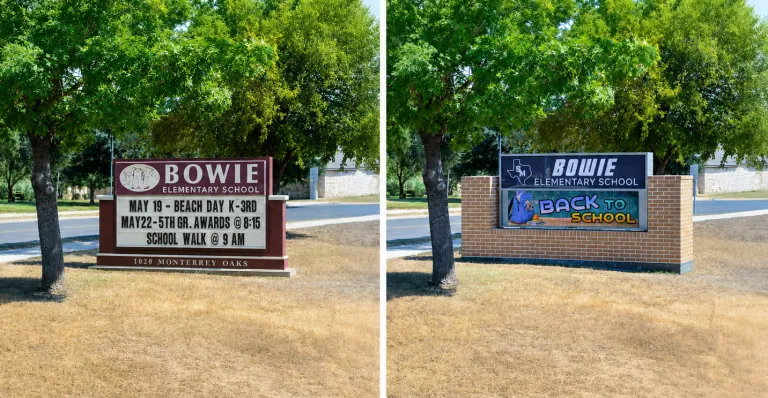
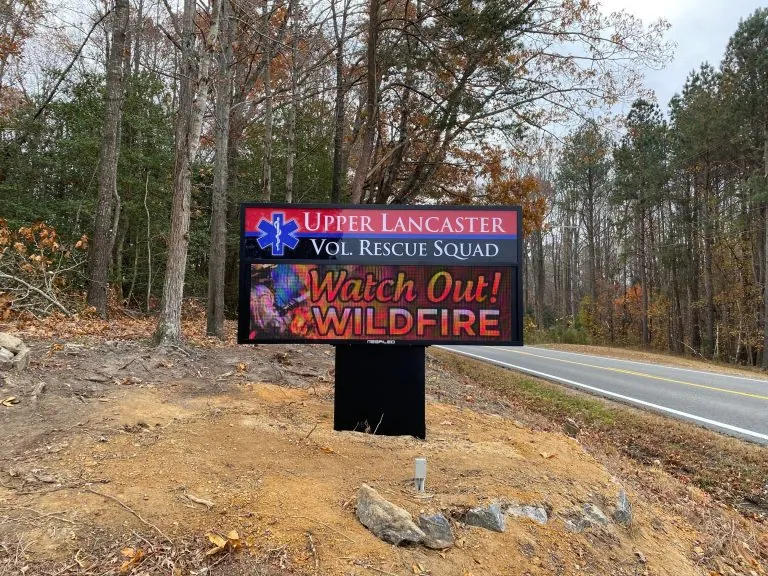
Digital outdoor signs give schools the ability to rotate messages for morning greetings, event reminders, traffic alerts, and emergency notices without printing a new banner every week. We build LED school signs that handle all of those functions from one display, customized to the school’s brand colors, dimensions, and mounting requirements.
Interior signs help people identify rooms, follow rules, move safely, and understand campus spaces. Even affordable interior signs look professional when they use durable materials, clear typography, and consistent branding that matches the school’s visual identity across every hallway and floor.
High-traffic environments demand high-quality materials. A paper sign taped to a door lasts days before it tears or fades. A properly mounted room plaque with tactile lettering lasts years and looks sharp the entire time. The main categories include room identification, restroom signs, facility labels, hallway markers, office signs, classroom identifiers, and student union directories.
From digital entrance displays to programmable campus boards, we build LED signs that help schools communicate clearly and look their best.
Room identification signs make classrooms, labs, offices, restrooms, and support spaces easier to find quickly. ADA-compliant door signs go further with readable text, tactile raised letters, braille, high-contrast coloring, and mounting at a consistent height beside the latch side of each door.
Accessibility signage is both a compliance obligation and a student support priority. Students, staff, and visiting families with visual impairments rely on tactile signs to navigate independently throughout the building. Making campuses inclusive starts with signs that serve every person who walks through the door, not just those with full sight.
Directional signs help students, visitors, staff, and families find destinations without asking for help. On large campuses, multi-building schools, and universities with sprawling layouts, wayfinding displays cut down on late arrivals, crowded hallways, and frustrated visitors wandering between buildings looking for the right entrance.
The International Sign Association’s sign maintenance training resources cover best practices for installing and maintaining the kind of durable signage systems that schools need in high-traffic environments.
Wayfinding is a system, not a single sign. It combines entrance directories, hallway arrows, floor maps, stairwell labels, and digital kiosks into a connected network that moves people through the campus smoothly.
Facility identification signs help users locate gyms, cafeterias, libraries, offices, auditoriums, labs, and student unions. Consistent naming conventions, directional arrows, icons, and color coding make these common areas recognizable from a distance, even for someone visiting the campus for the first time.
Place facility signs at entrances, intersections, and hallway decision points where people naturally stop and look around. On campuses with multiple buildings, combine facility signs with overhead maps or digital wayfinding displays at building entrances. A student who can read “Library” from the end of the corridor doesn’t need to pull out a phone for directions.
The Alpha series fits mid-range school budgets with single or double-sided configurations and pixel pitches from 6mm to 16mm.
Library signs help students find books, reading areas, study zones, genre sections, and digital resources. Good library signage encourages reading, reduces noise confusion between quiet study areas and collaborative spaces, and makes the whole library feel welcoming rather than intimidating. A well-signed library gets used more often.
Combine practical labels with inspirational reading messages. Standing genre signs, reading corner labels, digital displays with book recommendations, and shelf-end markers all work together to make the space navigable at a glance. Libraries that invest in signage see students spending less time searching and more time reading.
Cafeteria signs organize queues, display menus, communicate rules, and create a more positive dining environment. Digital menus update meals, prices, nutrition notes, and daily announcements without reprinting paper signs every week. For schools with rotating menus or allergy-sensitive populations, digital boards keep the information current and accurate.
Signage can transform the cafeteria from a noisy holding room into a branded school space. Student artwork, mascot graphics, motivational quotes on the walls, and clear queue instructions make lunch periods smoother and faster. Schools that invest in cafeteria branding tell students that every space on campus matters, not just the classrooms.
| Sign Type | Location | Purpose | Best Format |
|---|---|---|---|
| Entrance and wayfinding | Front entrance, parking lot, main hallways | Direct visitors, set first impression | Digital LED, monument sign |
| Room identification | Classroom doors, office doors, restrooms | Identify spaces, ADA compliance | Tactile plaque with braille |
| Safety and emergency | Exits, stairwells, hallways, assembly areas | Protect occupants, meet code | Illuminated exit, posted route map |
| Library and cafeteria | Shelves, genre areas, lunch lines, menu boards | Organize traffic, encourage use | Standing signs, digital menus |
| Athletics and spirit | Gyms, fields, trophy areas, locker rooms | Build pride, announce schedules | Banners, digital scoreboards |
Athletic signage promotes teams, schedules, achievements, championships, and school pride. Signs in gyms, fields, locker rooms, stadiums, hallways, and trophy areas remind students and visitors what the school stands for beyond academics. We’ve seen schools use athletic signage to unify the whole campus around a shared identity.
Athletic signs can include motivational quotes, team values, sponsor acknowledgments, wayfinding for game-day visitors, and digital event boards that rotate schedules and scores in real time. Connect athletic signage to the school’s broader brand and mascot identity so the gym feels like part of the campus, not a separate building.

Start by identifying high-traffic areas and common points of confusion. Walk the campus as if you’ve never been there before. Where do you hesitate? Where do you need to ask someone for directions? Those spots need signs first.
Choose signs based on location, purpose, audience, durability, visibility, and compliance needs. Decide whether you need static signs, digital displays, temporary banners, or a mix of all three. The right sign is one that’s easy to read quickly and useful in the exact spot where it’s mounted.
A five-step campus sign audit gives you a clear starting point.
We help schools plan sign systems from consultation through installation. If you’re shopping for school signage and want a quote, our team at MEGA LED can walk you through options for Alpha LED sign boards and programmable displays that fit school budgets and campus needs.
A programmable LED school sign at the main entrance handles daily messages, event alerts, and community branding. https://www.megasigninc.com/school-signs/
Our Premier series scales from single entrance displays to multi-sign campus networks with centralized content management. https://www.megasigninc.com/premier-outdoor-led-signs/
An Alpha LED sign board at the main entrance paired with interior room signs covers most single-building schools. https://www.megasigninc.com/alpha-led-sign-boards/
Talk to our team about a campus-wide signage plan that connects outdoor wayfinding with interior identification. https://www.megasigninc.com/contact/
Start with the areas that cause the most confusion and the signs that carry legal requirements. Outdoor entrance signs, ADA-compliant room identification, emergency exit markers, and cafeteria menu boards cover the base. From there, add wayfinding signs for hallways and intersections, library section markers, athletic displays, and digital boards for daily announcements. Schools that layer these categories in order of urgency build systems that grow with the campus. The most effective school signage feels invisible because it answers questions before anyone needs to ask.
Interior signs improve safety by directing people toward exits, marking hazards, identifying rooms, and guiding emergency evacuations. ADA-compliant signs with tactile text and braille ensure that students with visual impairments can navigate independently. Fire exit signs, stairwell markers, assembly point directions, and visitor check-in instructions all reduce confusion during high-stress moments when every second of clarity matters. Schools that update their safety signage after renovations, wing additions, or changes to traffic flow prevent dangerous mismatches between the posted routes and the actual building layout.























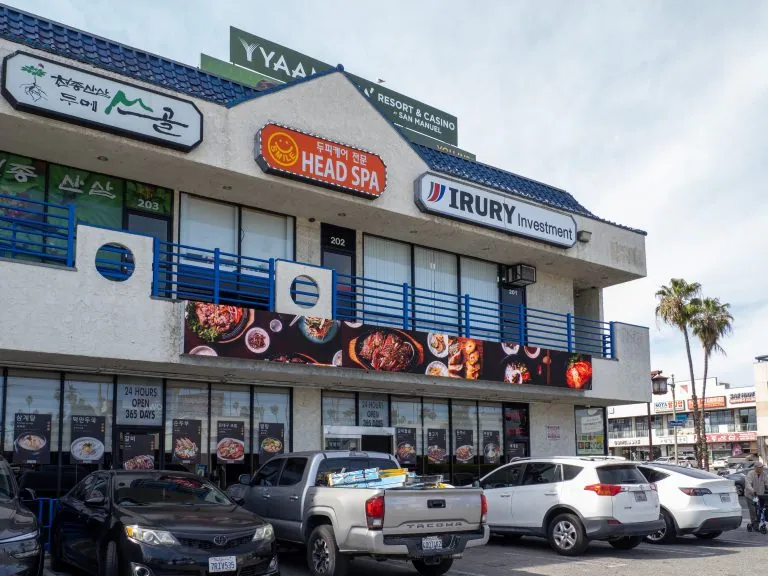





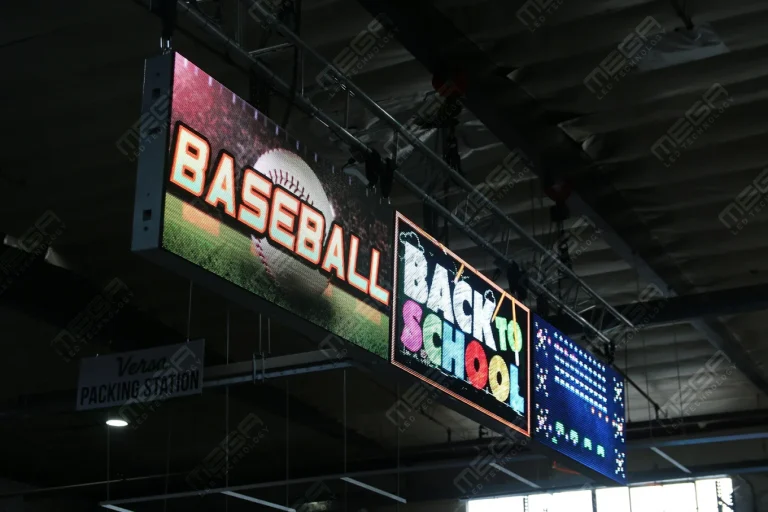





Alpha LED sign boards are great for anything from churches, to schools, to business. They tend to do great in large open spaces, where they are clearly visible.
Omega is our newest line of outdoor digital signs. Running the full gambit from cabinet, to LED sign, to logo on top, or any configuration of your choice!
Premier is a customizable Outdoor LED sign, perfect for the Entrepreneur who knows that large custom sized signs cultivated for their specific business is the way to go.
Programmable Stage LED signs, great for indoor assemblies, congregations, and presentations! Blow your competitors out of the water, or keep your congregation and audience glued to your message.