Sign Permits: What Do You Need To Know Before Installing A Sign?

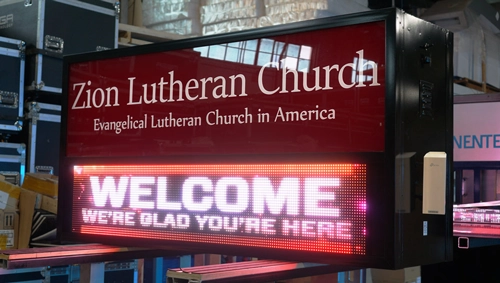
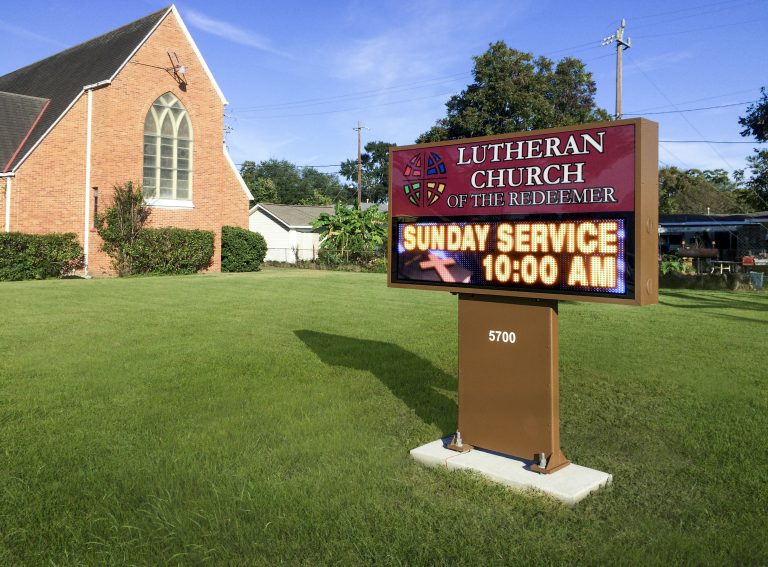
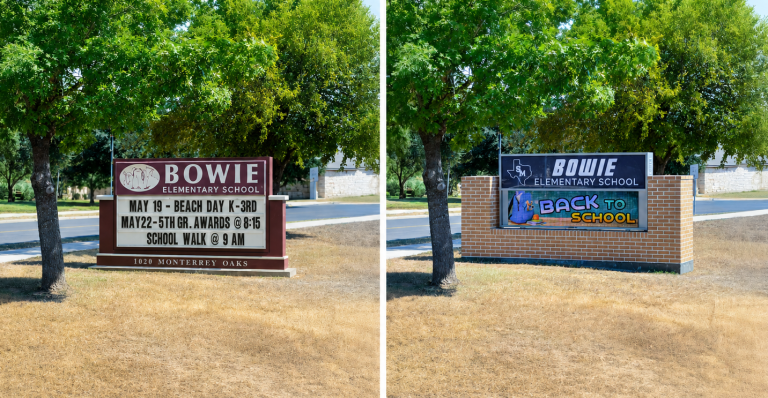
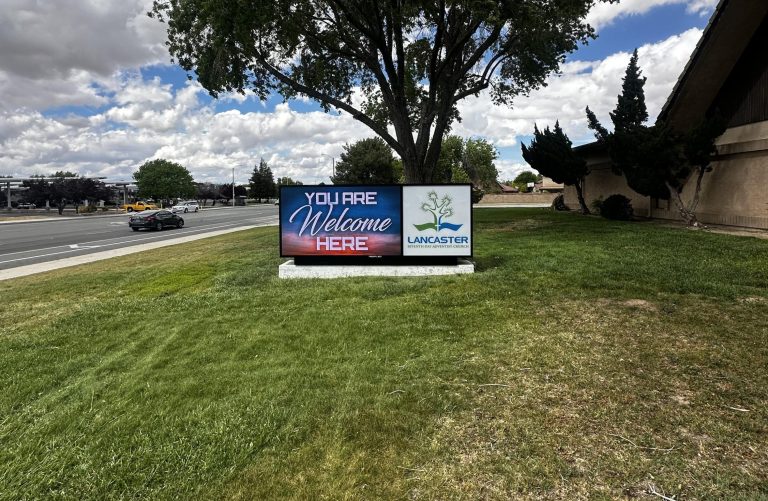
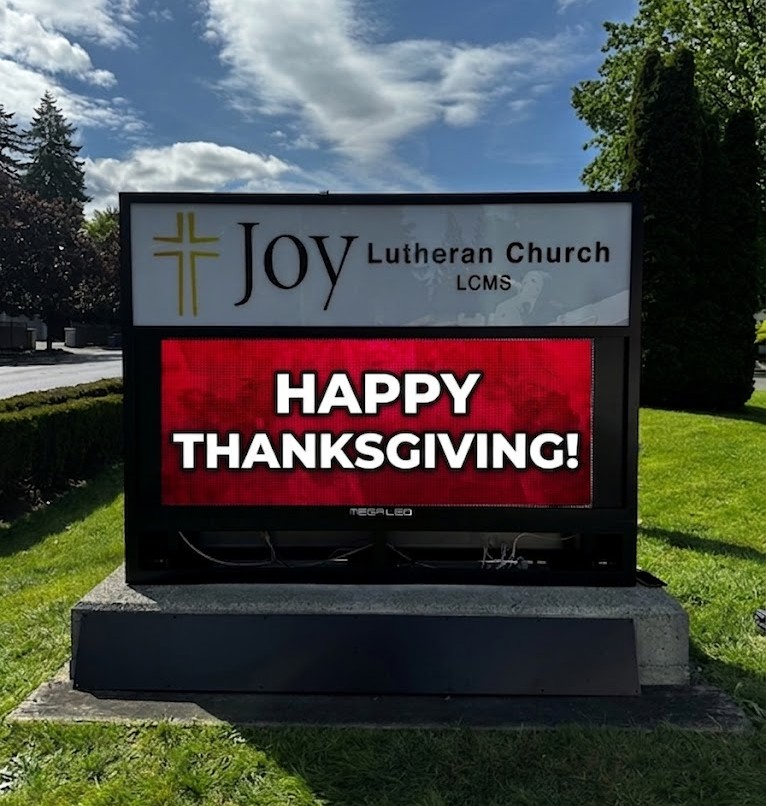
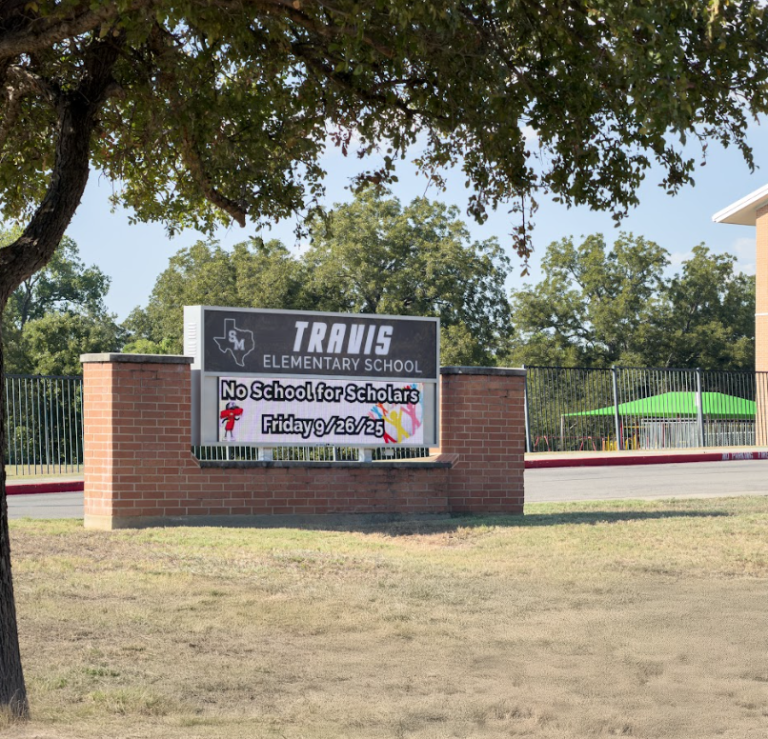
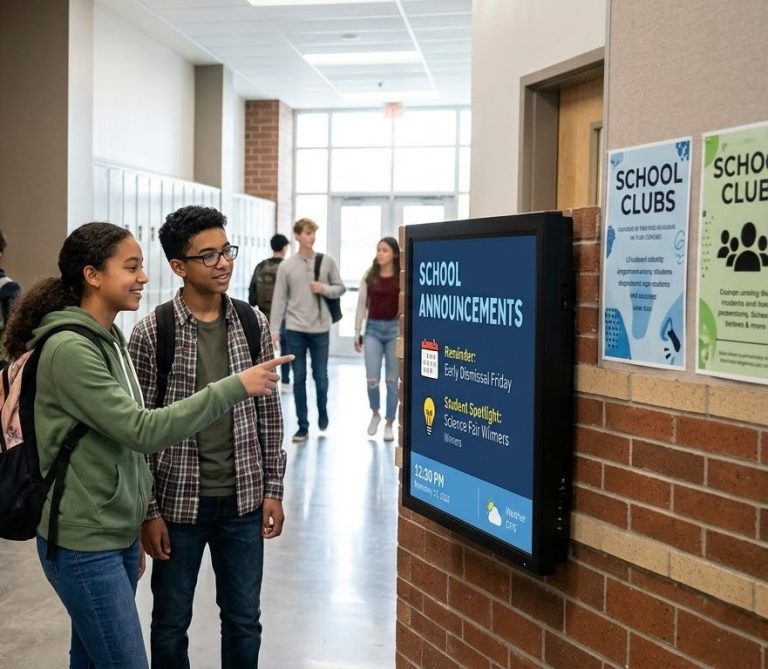
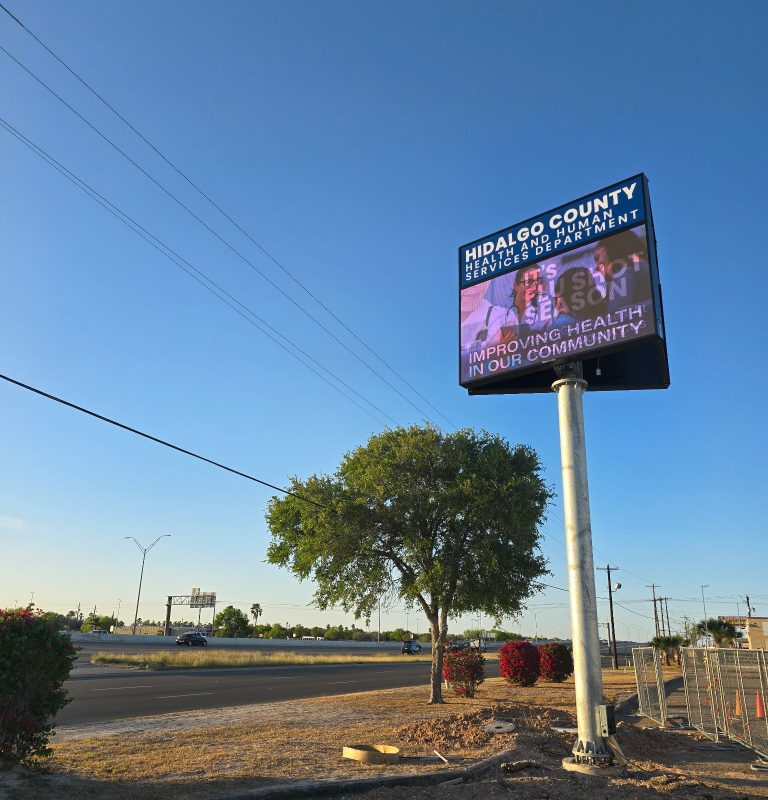
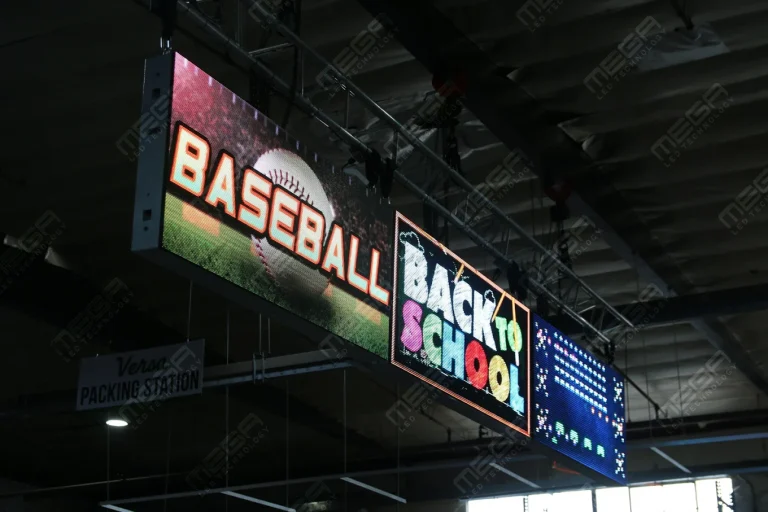
Alpha LED sign boards are great for anything from churches, to schools, to business. They tend to do great in large open spaces, where they are clearly visible.

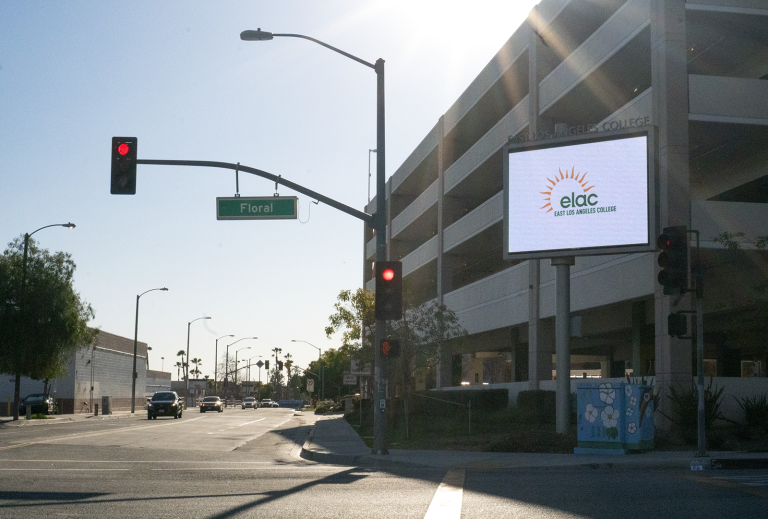
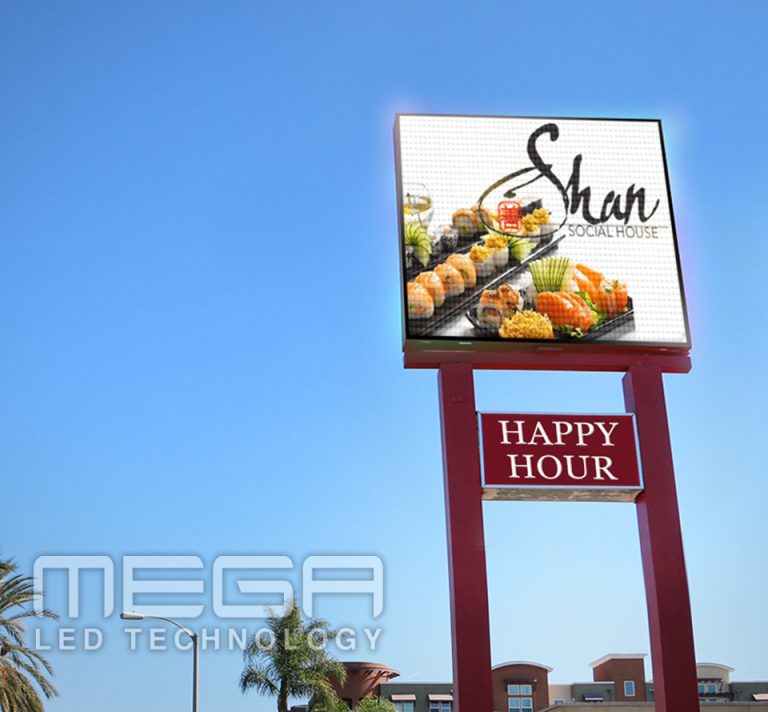
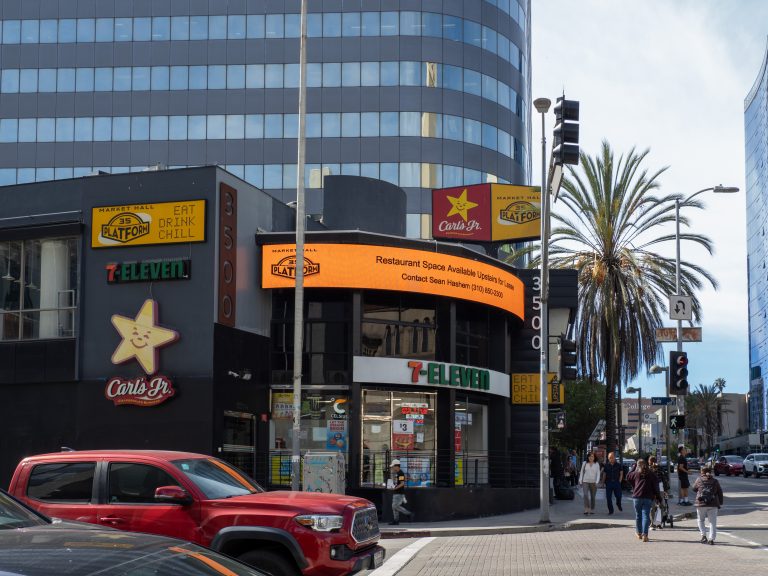
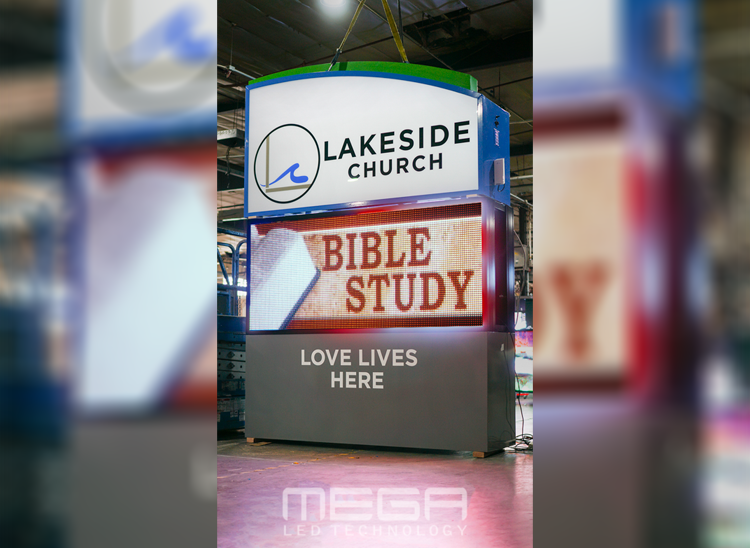
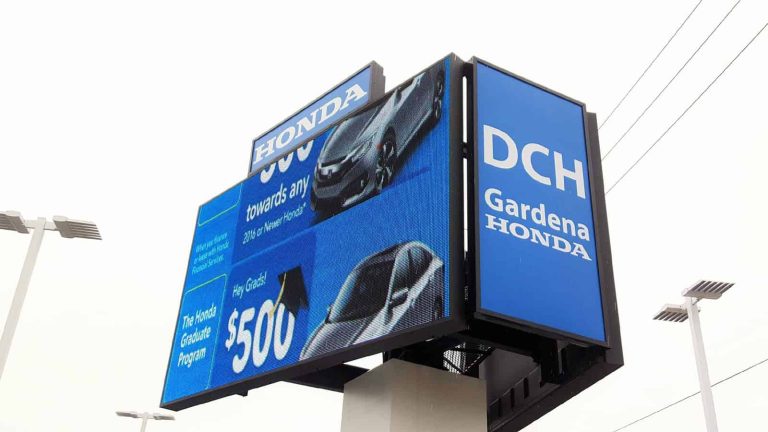
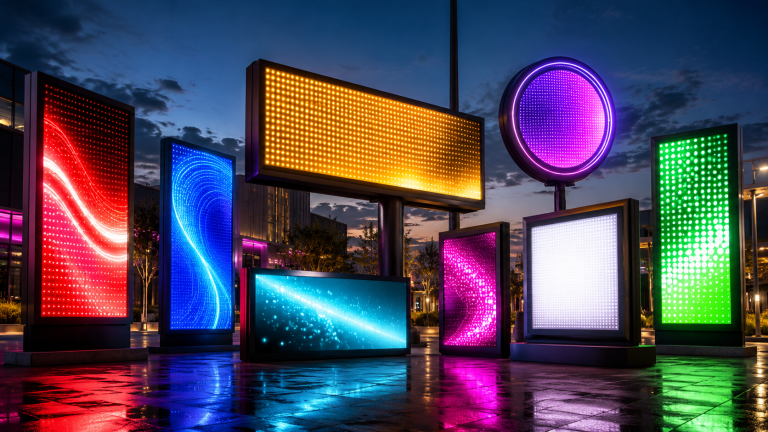
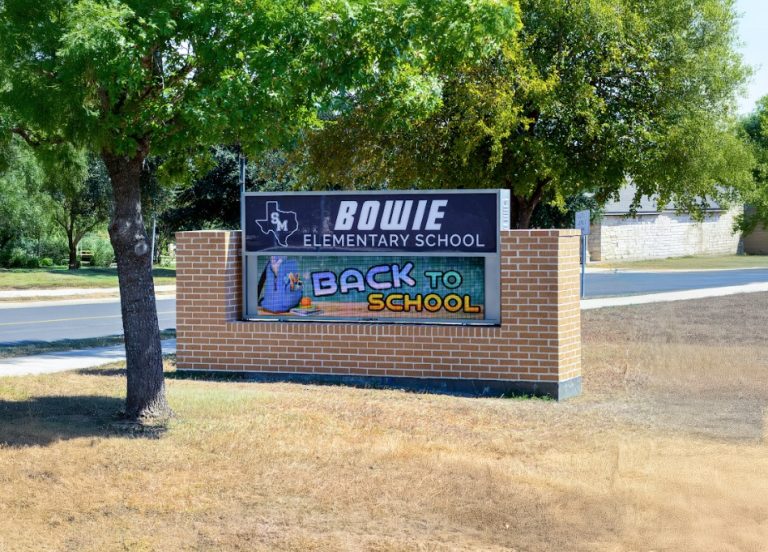
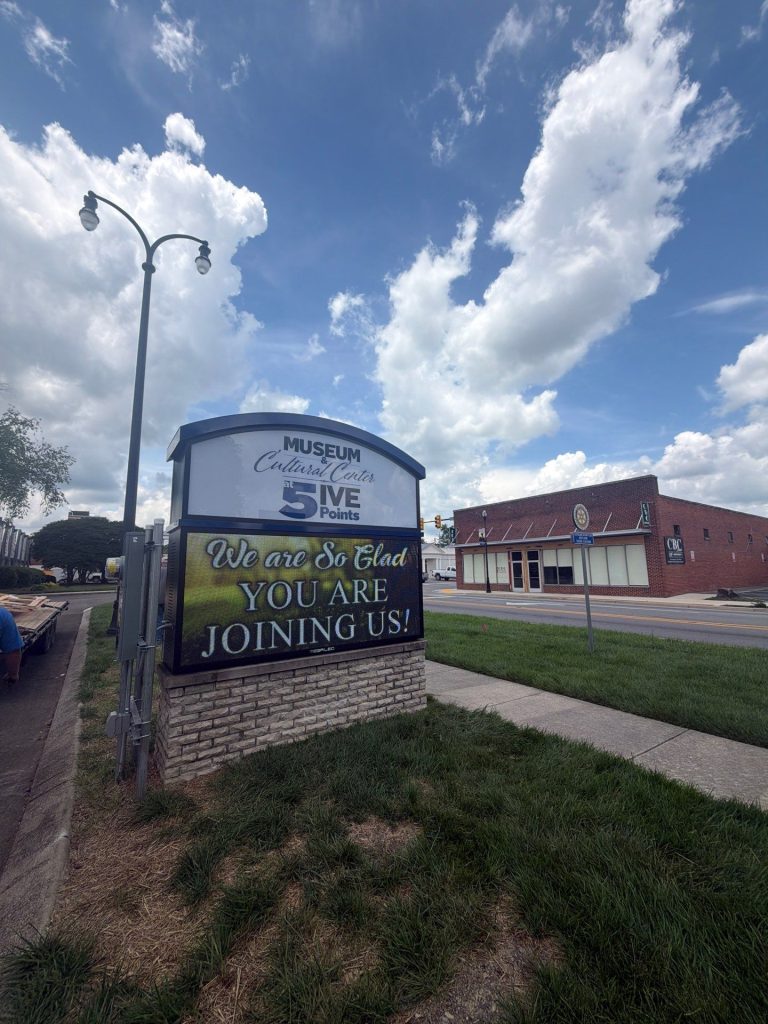
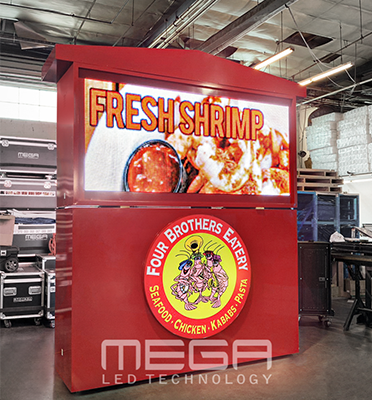
Omega is our newest line of outdoor digital signs. Running the full gambit from cabinet, to LED sign, to logo on top, or any configuration of your choice!

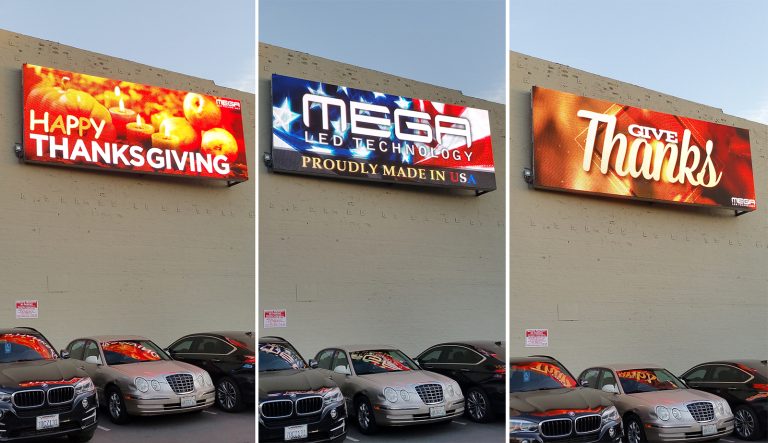
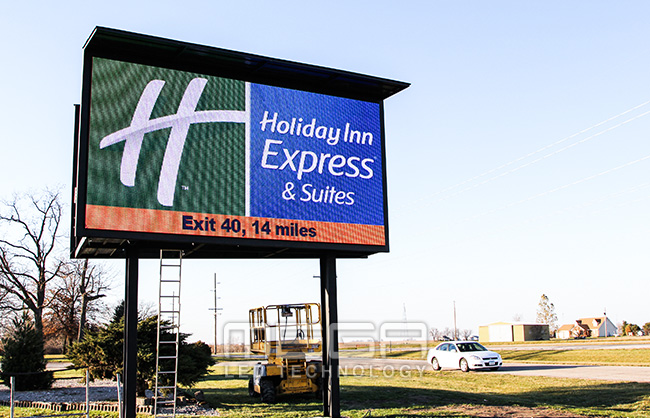
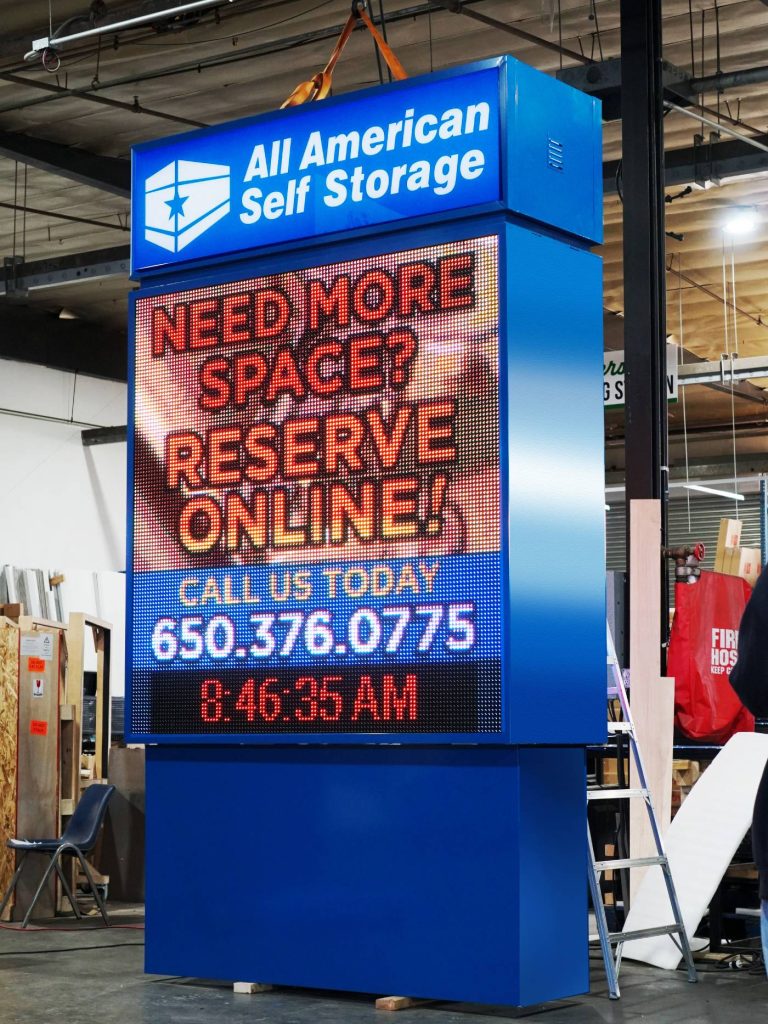
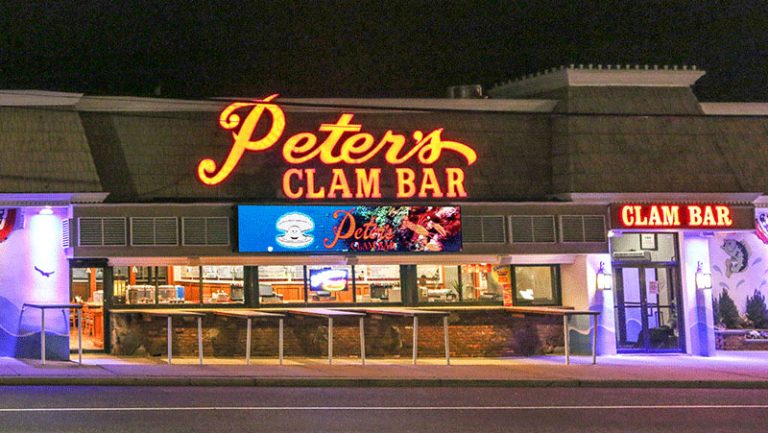
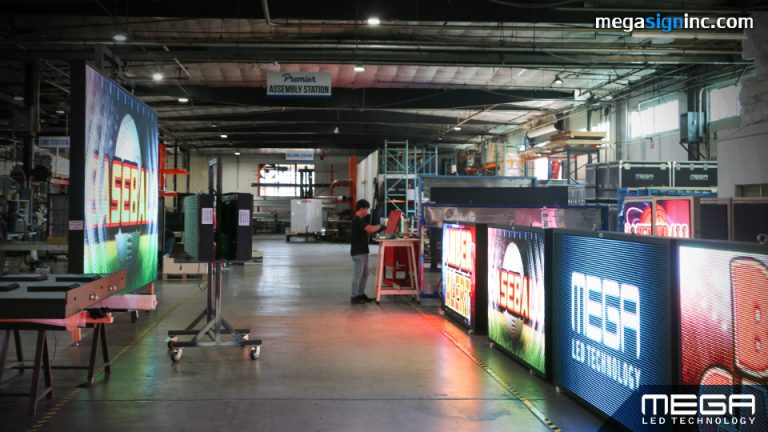
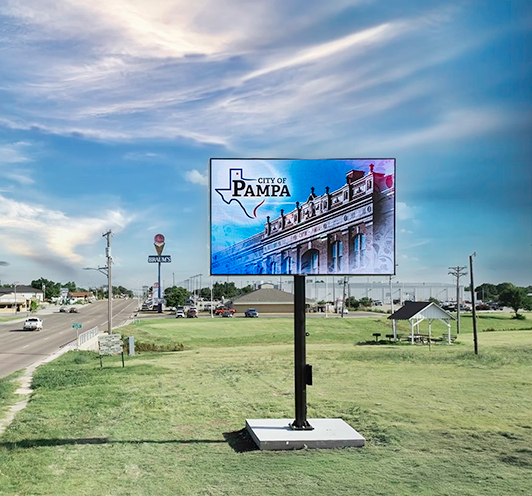
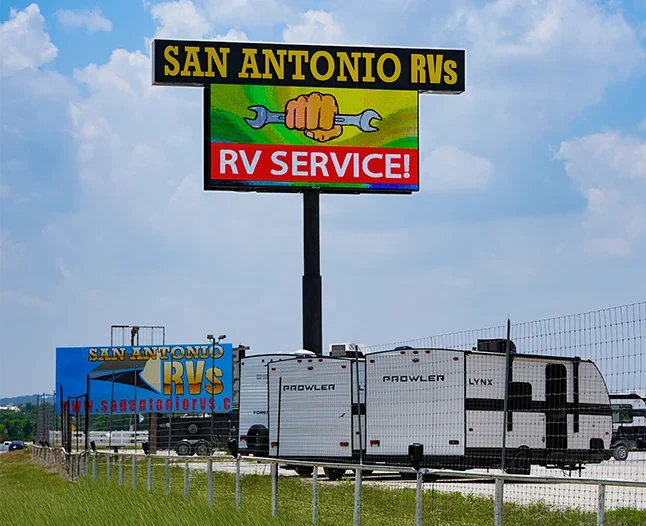
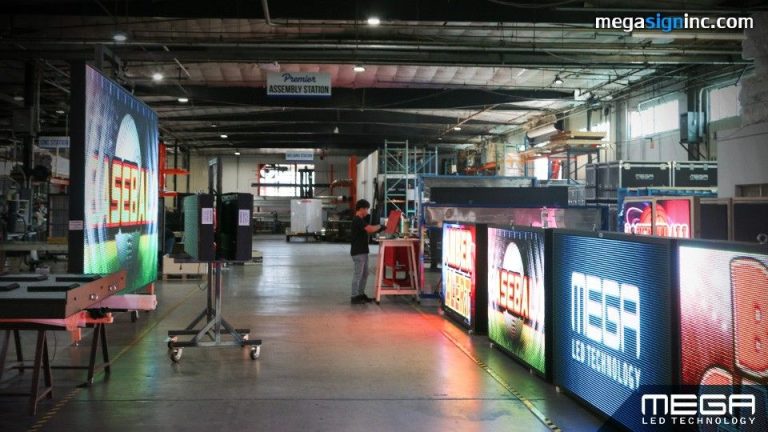
Premier is a customizable Outdoor LED sign, perfect for the Entrepreneur who knows that large custom sized signs cultivated for their specific business is the way to go.

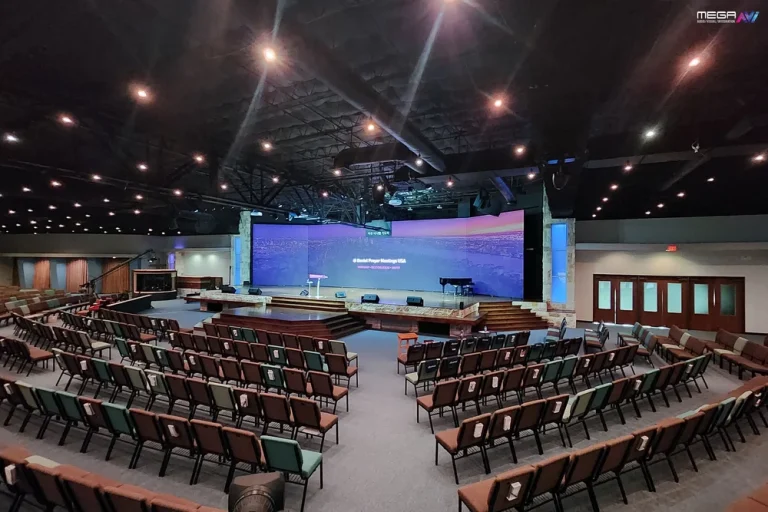
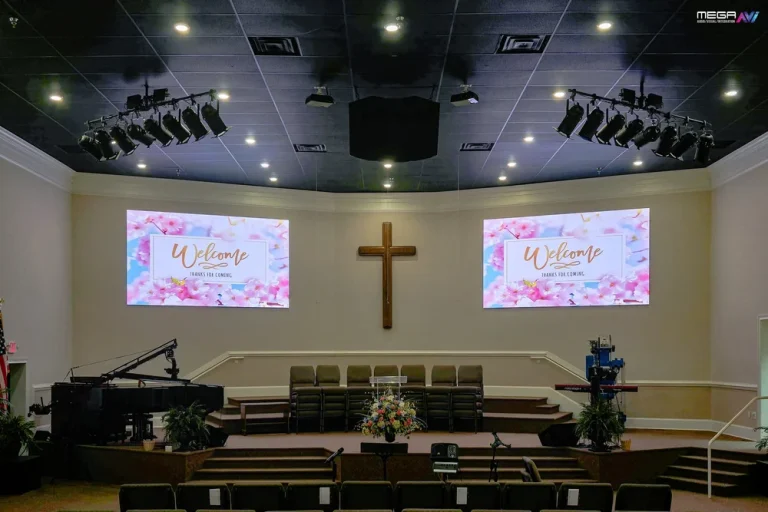
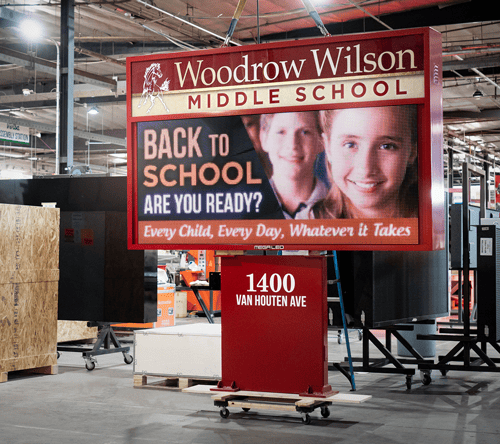
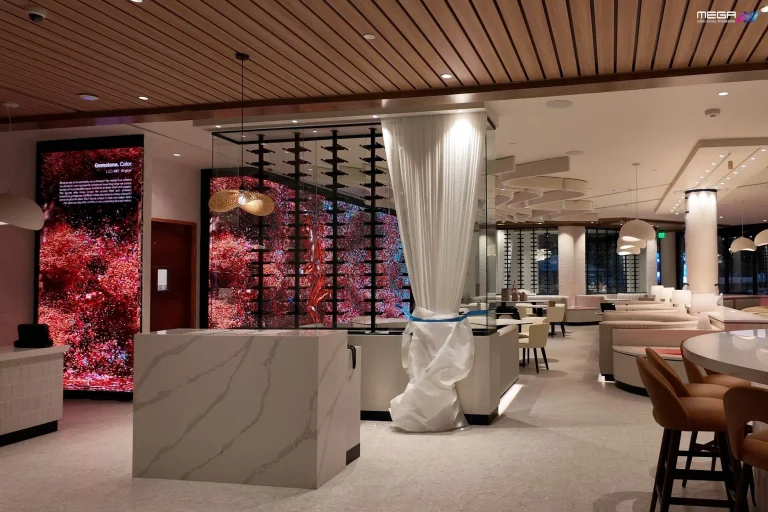
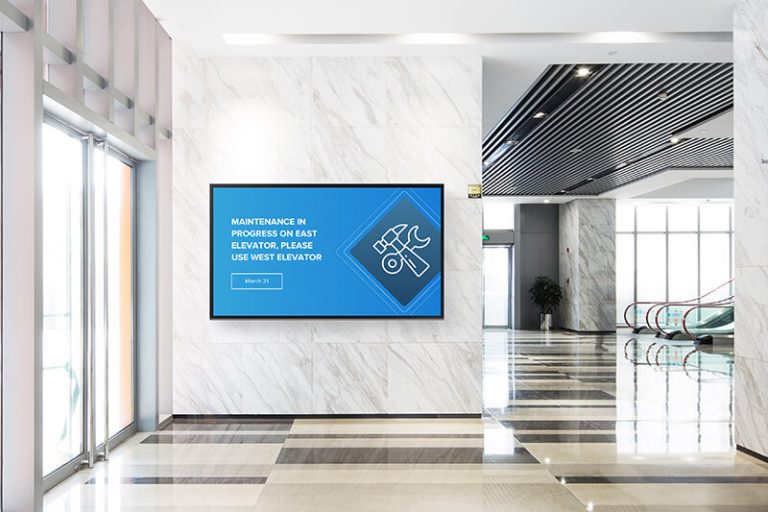
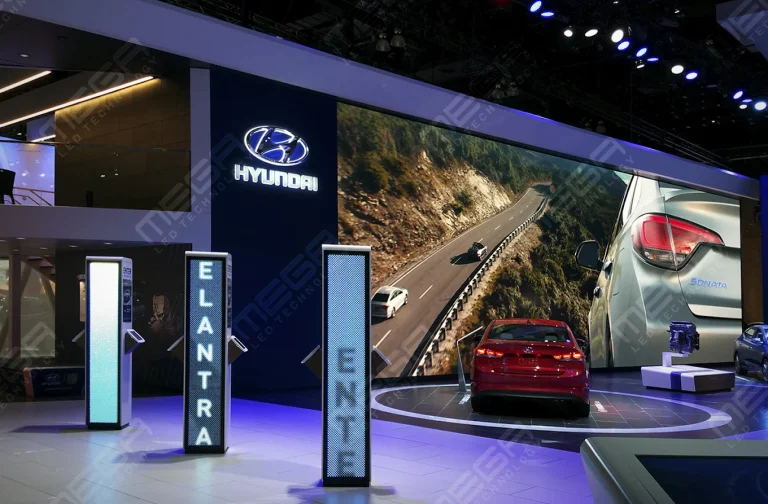
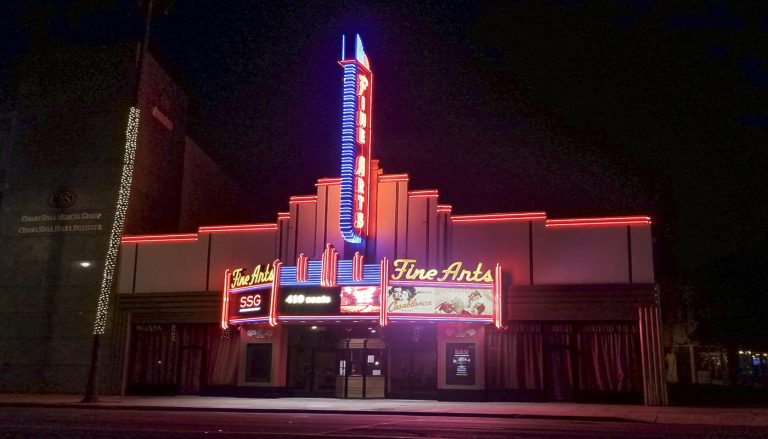
Programmable Stage LED signs, great for indoor assemblies, congregations, and presentations! Blow your competitors out of the water, or keep your congregation and audience glued to your message.

Alpha LED sign boards are great for anything from churches, to schools, to business. They tend to do great in large open spaces, where they are clearly visible.
Omega is our newest line of outdoor digital signs. Running the full gambit from cabinet, to LED sign, to logo on top, or any configuration of your choice!
Premier is a customizable Outdoor LED sign, perfect for the Entrepreneur who knows that large custom sized signs cultivated for their specific business is the way to go.
Programmable Stage LED signs, great for indoor assemblies, congregations, and presentations! Blow your competitors out of the water, or keep your congregation and audience glued to your message.
Alpha LED sign boards are great for anything from churches, to schools, to business. They tend to do great in large open spaces, where they are clearly visible.
Omega is our newest line of outdoor digital signs. Running the full gambit from cabinet, to LED sign, to logo on top, or any configuration of your choice!
Premier is a customizable Outdoor LED sign, perfect for the Entrepreneur who knows that large custom sized signs cultivated for their specific business is the way to go.
Programmable Stage LED signs, great for indoor assemblies, congregations, and presentations! Blow your competitors out of the water, or keep your congregation and audience glued to your message.
Your screens compete with the phone in every viewer’s pocket, and a static loop loses that fight daily. AI digital signage flips the matchup: displays that read context, adjust their own content, and prove what worked. Here’s what the technology does and how to adopt it sensibly.

AI digital signage is a screen that uses software and data inputs to decide what content appears on a connected display. Software watches the data around the display (time, audience patterns, sales, schedules) and automates, personalizes, and optimizes the content without a person re-publishing anything.
That marks a real shift from the first generation of digital billboards, which played one fixed loop to every passerby. An AI-driven digital signage setup responds instead to who is nearby, what is happening, and what the business needs at that moment.
Timing explains the buzz around AI digital signage in 2026 conversations: businesses now expect smarter content, better engagement, and measurable ROI from their signage networks. This guide covers personalization, analytics, automation, hardware, software, privacy, use cases, and implementation.
Relevance is the whole game. A screen promoting iced drinks during a heat wave, or surfacing service times as visitors walk in, earns attention a generic loop never will. AI in digital signage makes that matching automatic, tuned to who is nearby, what is happening, and which business goal matters right now.
Generic messaging treats every viewer identically; personalized content adapts. Retail screens rotate offers by daypart, hospitals surface wayfinding during visiting hours, restaurants switch from breakfast to lunch at 10:30, and hotels and event venues shift messaging around check-in rushes.
Done transparently, that adaptability helps people rather than unsettling them. We’ve found the wins come from context (time, weather, occupancy), not from identifying anyone.
A well-run screen behaves like your calmest salesperson. It guides attention, recommends products, and answers the timing question (what should we promote right now?) with data instead of habit.
Real money sits behind the shift. Grand View Research’s digital signage market report estimates the global market at USD 31.09 billion in 2025, growing 8.2% annually through 2033. Real-time promotion earns its keep in ways a printed poster cannot.
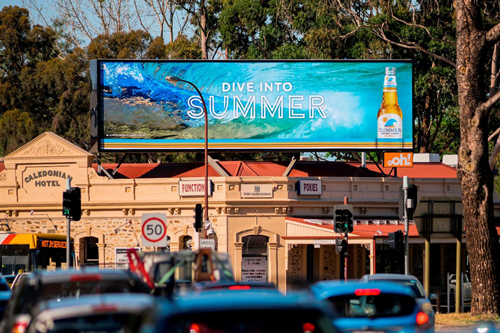
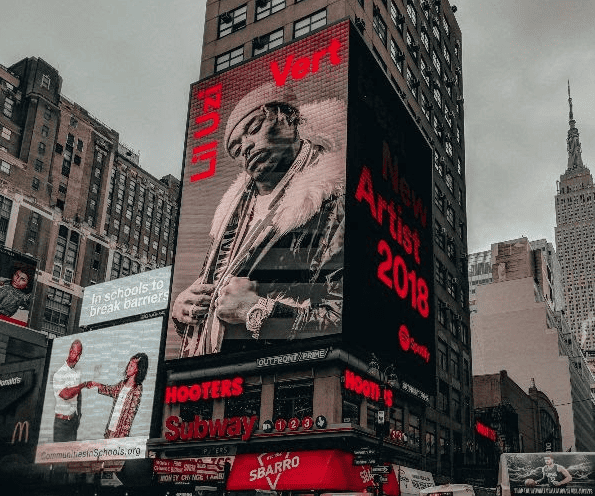
Advertising effectiveness comes from a loop: analytics show which messages hold attention, scheduling places them in the right daypart, and audience context keeps them relevant. For roadside reach, our digital billboard options apply the same targeting logic at highway scale.
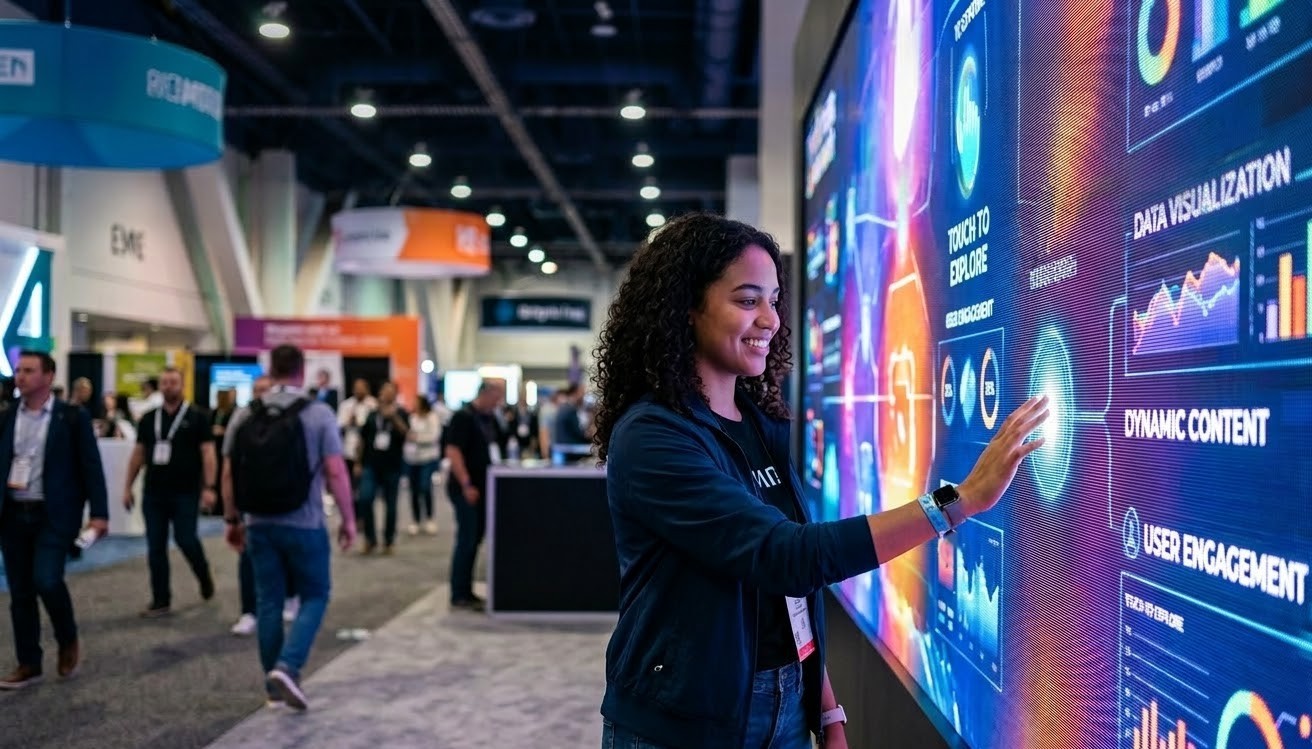
You manage what you measure, and analytics turn a screen from a guess into an instrument. Audience analytics show how people actually interact with displays: where they slow down, what they watch, and what they walk past.
Useful metrics stay simple. Dwell time shows how long a message holds someone, attention span shows whether the creative lands, peak viewing hours tell you when to run priority content, and per-message performance tells you what to retire.
When the system is configured for anonymous, aggregate measurement and does not store biometric identifiers or footage. Anonymous, aggregate measurement answers the business questions about content, placement, scheduling, and advertising while keeping individual viewers out of the data entirely.
Voice turns a display into a conversation. Instead of hunting through a directory, a visitor asks the screen where cardiology is, which vendors are at the event, or whether a product is in stock, and gets the answer out loud and on screen.
Strong use cases include wayfinding, product search, check-in support, customer service, and event navigation. Voice also opens displays to people who find touchscreens awkward or inaccessible, which makes the whole installation more useful.
Design decides whether it works. Clear prompts tell people what they can ask, noise management matters in busy lobbies, and every voice screen needs privacy safeguards plus a touch or staffed fallback.
Tell us what you want your displays to accomplish, and we’ll map the hardware that gets you there. A quick conversation now saves months of guesswork later.
Prediction moves signage from reporting to anticipating. AI-powered insights for digital signage study past performance and forecast what a screen should show next: which promotion will likely pull, which daypart is heating up, which campaign is fading.
Forecasting helps with demand, too. A quick-service restaurant that sees Friday rain coming pre-loads comfort-food creative, and a school expecting enrollment season schedules campus messaging weeks ahead.
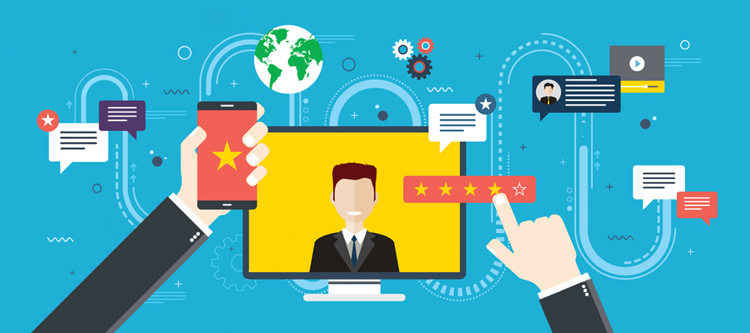
Sentiment analysis adds the how-do-they-feel layer. By reading reviews, social posts, and customer feedback, it flags whether a campaign is landing well or wearing thin, so teams adjust in days rather than quarters. Insight only pays when someone acts on it.
A screen wired into live data updates itself. Signage platforms pull from external APIs and internal systems, so content changes the moment conditions change, with nobody re-publishing anything.
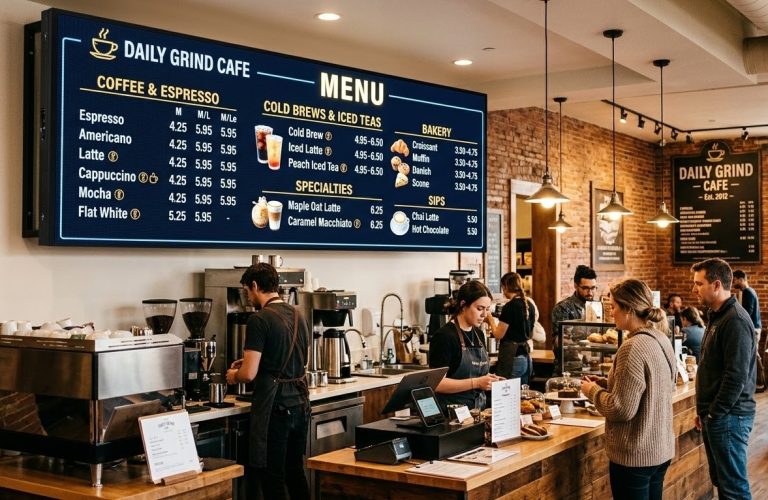
Feed options run long: weather, social media buzz, stock prices, inventory levels, POS data, CRM records, and event schedules all make useful triggers. A menu board that hides sold-out items, or a lobby wall that swaps to today’s agenda, runs on exactly this plumbing.
Timeliness is the payoff. Localized, current messaging reads as helpful, while stale messaging reads as neglect. Dynamic data integration is what keeps a sign honest hour after hour.
Delivery algorithms answer one question: of everything we could show, what earns this moment on screen? They weigh goals, context, and performance, then slot ads, announcements, promotions, and customer guidance accordingly.
That approach retires the fixed playlist. A grand-opening ad stops running once its window passes, and a time-sensitive announcement jumps the queue on its own.
The learning loop is the quiet advantage of digital signage AI. Each cycle of results teaches the system which content choices worked, so next month’s rotation starts smarter than last month’s.
Our large indoor LED video walls give data-driven content a canvas worth watching. Fine pixel pitches keep every feed sharp at close range.
Content bottlenecks kill more signage programs than hardware ever does. Generative AI loosens that knot: teams draft text, images, graphics, templates, and campaign ideas in minutes instead of days, which keeps screens fresh.
Everyday wins are unglamorous and real. Promotions, announcements, menu updates, event messaging, and branded visuals that once waited in a designer’s backlog now start from a usable AI draft. That speed is the practical case for AI for digital signage content work.
Keep a human in the loop, though. Brand colors drift, offers get invented, and compliance language matters, so treat generated output as a fast first draft that a person reviews for brand accuracy and quality before it reaches a screen.
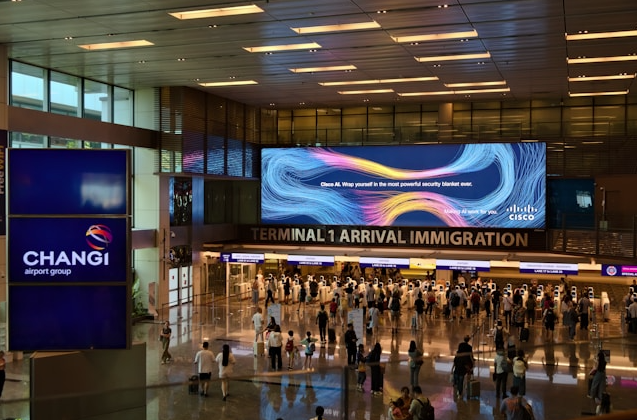
Every intelligent feature ultimately runs through a media player, the small computer feeding each display. It is the engine room of a smart signage network, setting your ceiling for performance, speed, security, and offline reliability.
Edge AI raises that ceiling. Processing data locally on the player, instead of round-tripping to the cloud, keeps triggers fast, keeps sensitive data on site, and keeps screens responsive even when the internet drops.
The display is the layer we build. Our indoor video walls give data-rich content a sharp canvas at fine 2.6mm, 2.9mm, and 6.6mm pixel pitches, and our Premier outdoor LED signs carry automated content outdoors with IP67-rated front modules and a 5-year limited warranty.
As a veteran-owned USA manufacturer, we’ve seen buyers pour budget into AI software while the bargain screen behind it faded in two summers. Matching display quality to software ambition makes the whole investment efficient.
Smarter screens waste less. One display replaces a steady stream of printed banners and posters, and the diode itself is efficient: the U.S. Department of Energy’s LED lighting guide notes that residential LEDs use at least 75% less energy than incandescent lighting.
Automation compounds the savings. Brightness scheduling dims a sign at night from the cloud dashboard, an optional auto-dimming sensor matches output to ambient light, and power scheduling shuts screens down when nobody is around to see them. Our Premier modules also draw roughly 50% less energy than an average LED sign.
Sustainability here doubles as operational efficiency: fewer reprints, lower power bills, and hardware that is not running for an empty parking lot.
Trust decides whether any of this technology is welcome. The numbers say people are wary: Pew Research Center’s data privacy report, How Americans View Data Privacy (2023), found that 81% of Americans familiar with AI expect companies to use personal information in ways people are not comfortable with.
The answer is to collect less. Anonymous analytics (counts, dwell times, aggregate patterns) deliver the business insight without storing faces or identities.
Then say so, plainly. A posted notice explaining what is measured and what is not costs nothing, reduces risk, and tells customers you thought about them before you thought about data.
Premier outdoor LED signs carry automated, scheduled, and data-fed messaging in any weather. Built in the USA and backed by a 5-year limited warranty.
Respect converts. Customers accept intelligent signage when it feels useful and honest, and they walk away from systems that feel like surveillance dressed up as service.
Standards make the difference provable. The National Institute of Standards and Technology’s AI risk framework gives businesses a voluntary structure for building trustworthiness into how AI systems are designed and used, and borrowing from it beats inventing a policy from scratch.
Where others cut corners on data handling, a visible commitment to transparency, security, and responsible AI becomes a genuine differentiator rather than a compliance chore.
Start with questions, not purchases. What outcome should the screens produce, who updates the content, what data do you already have, and how reliable is the internet at each site?
Weigh cost, complexity, and staffing realistically. Trigger-based rules (dayparting, weather, calendar feeds) deliver much of what AI-powered digital signage promises, and our MEGA Cloud software handles that scheduling from a phone, tablet, or desktop, with lifetime training included, so an office manager or volunteer runs it comfortably.
You do not need a data scientist. You do need a clear strategy, and this readiness checklist is where we’d start:
| Readiness check | What to verify | Why it matters |
|---|---|---|
| Data inputs | Which feeds (POS, inventory, calendar, weather) the screens will react to | Automation without a data source is just a slideshow |
| Media player capacity | Processor, storage, and offline behavior at every screen | Underpowered players stutter right when content gets smart |
| Network connection | Wi-Fi, LTE Modem, or hardwired CAT5 at each location | Real-time triggers fail on an unreliable link |
| Privacy posture | Anonymous metrics only, posted notice, no stored footage | One privacy misstep costs more trust than analytics earn |
| Display quality | Brightness control and pixel pitch matched to the install site | Perfect targeting is wasted on a screen nobody reads clearly |
| Support path | Who answers when a screen fails before your busiest week | Downtime erases automation gains |
Sometimes, and often less than the fear suggests. Cost scales with screen count, software tier, hardware quality, integrations, analytics depth, and content needs. On the display side, our Premier outdoor LED signs range from $3,800 to $500,000+ depending on size, pixel pitch, and configuration.
Compare against value, not sticker price. Reprinted banners, staff hours spent updating boards, and promotions that never went live all carry costs a smart network removes, so weigh upfront cost against long-term efficiency.
A focused pilot lowers the risk. Prove the concept on one location and one use case, measure for a quarter, then scale what worked.
A large indoor LED video wall with fine pixel pitch gives detailed feeds a sharp canvas. https://www.megasigninc.com/large-indoor-led-video-wall/
Talk with our specialists for a free consultation and quote. https://www.megasigninc.com/contact/
A Premier outdoor LED sign delivers sharp, scheduled content in any weather. https://www.megasigninc.com/premier-outdoor-led-signs/
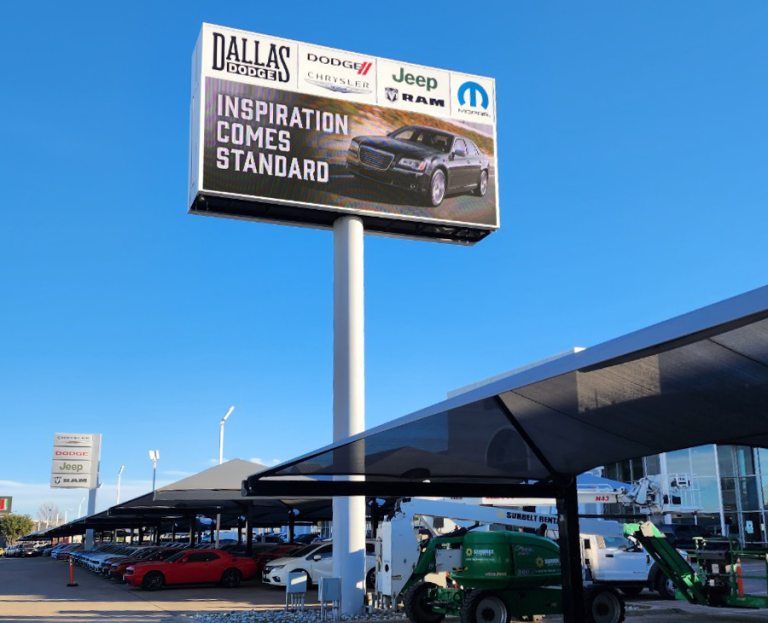
Our digital billboard configurations carry big messages across long reads. https://www.megasigninc.com/digital-billboards/
AI acts as the decision layer for your screens. It chooses what appears, when, and for whom, using data instead of guesswork. That includes scheduling content around audience patterns, adjusting promotions to match inventory or weather, measuring which messages hold attention, and generating fresh creative faster. The display hardware still determines whether anyone actually sees the result, so the two layers work as a team: the intelligence decides, and the screen delivers.
It does not have to be. Costs scale with screen count, software features, hardware, integrations, analytics, and content needs, so a single storefront pilot sits in a different budget class than a 50-site network. Many businesses start with rule-based scheduling, which comes standard with our cloud software, then add analytics or AI features once the basics earn their keep. Before deciding it is out of reach, compare the upfront cost with the long-term value: printed materials, staff hours, and missed promotions add up quietly every month.
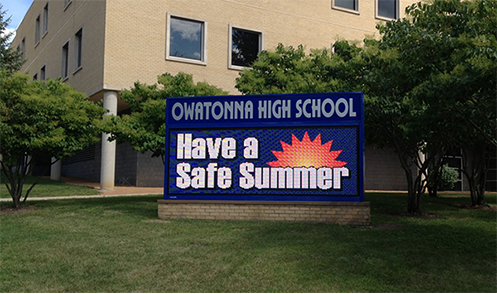


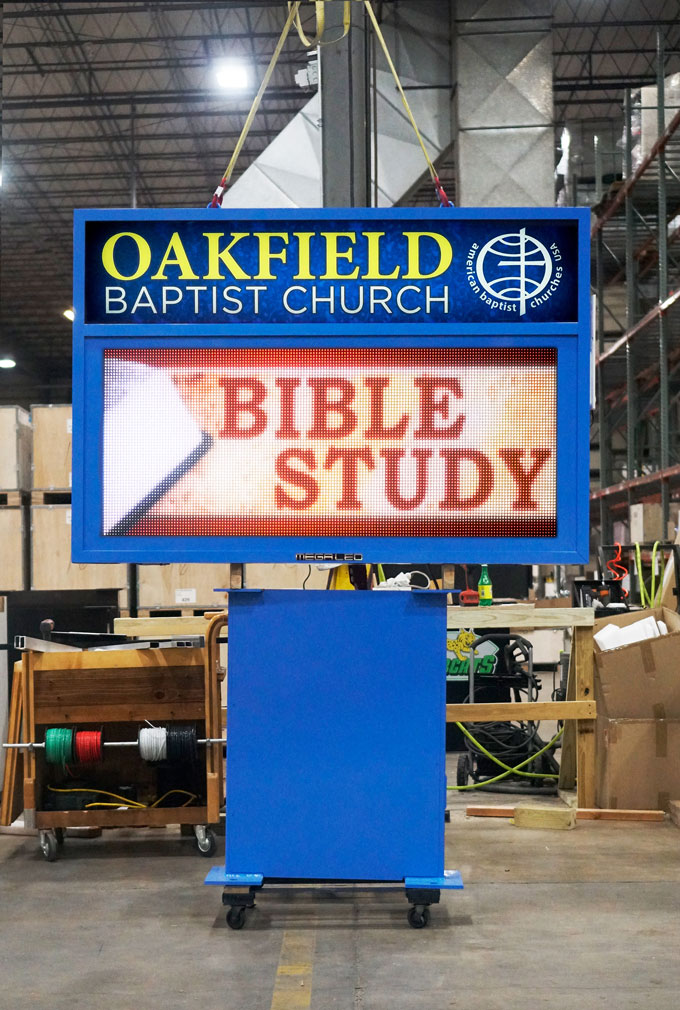


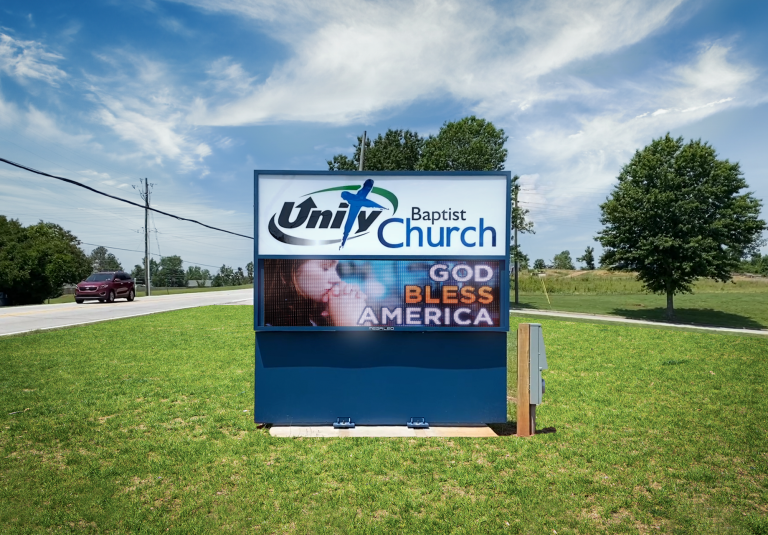





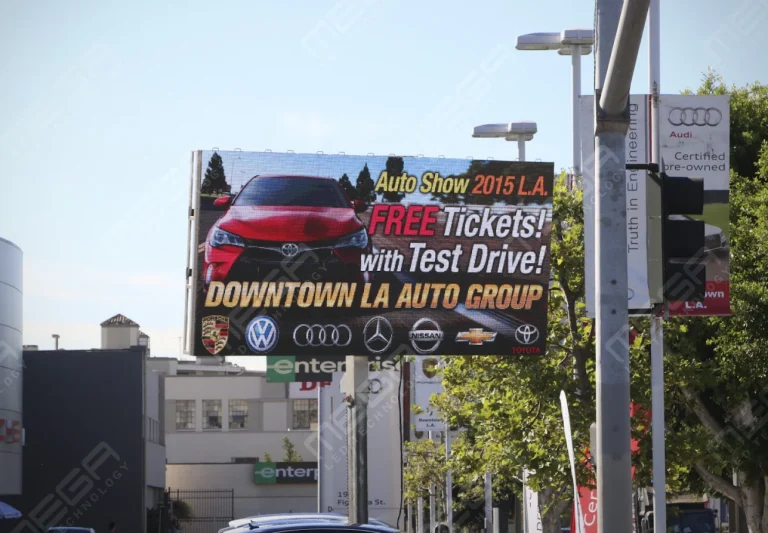


Alpha LED sign boards are great for anything from churches, to schools, to business. They tend to do great in large open spaces, where they are clearly visible.
Omega is our newest line of outdoor digital signs. Running the full gambit from cabinet, to LED sign, to logo on top, or any configuration of your choice!
Premier is a customizable Outdoor LED sign, perfect for the Entrepreneur who knows that large custom sized signs cultivated for their specific business is the way to go.
Programmable Stage LED signs, great for indoor assemblies, congregations, and presentations! Blow your competitors out of the water, or keep your congregation and audience glued to your message.