

What Is Smart Digital Signage? How Intelligent Screens Use Data, Software And Automation

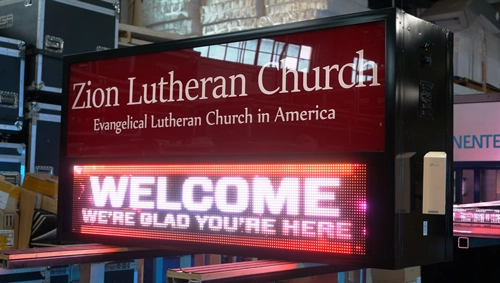
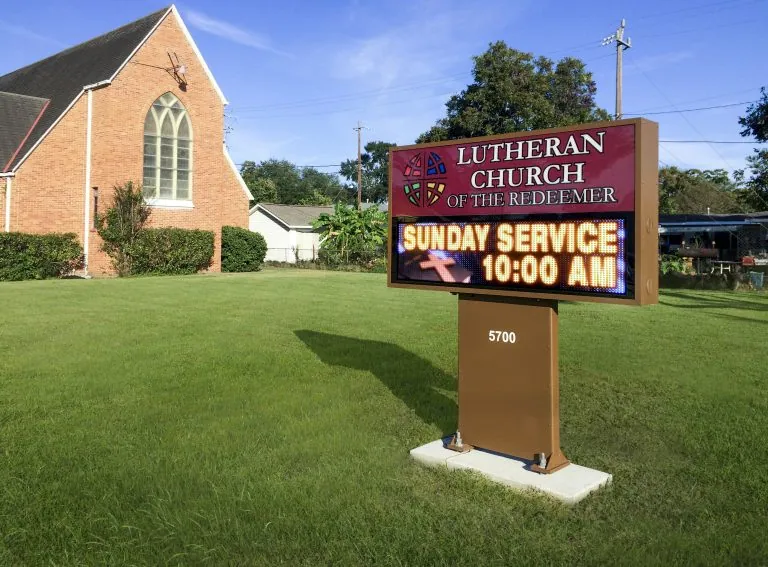
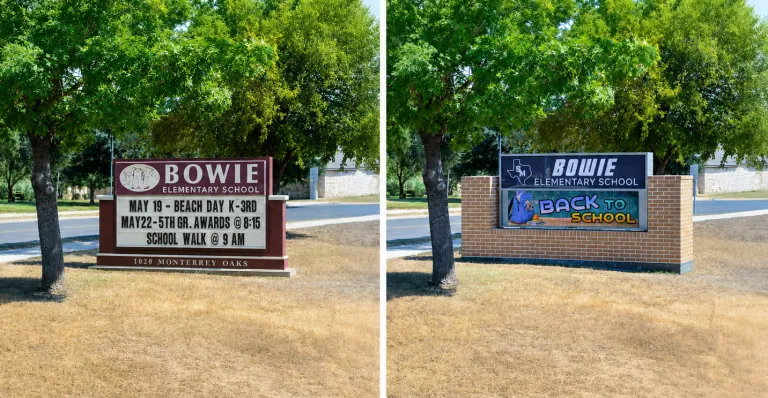
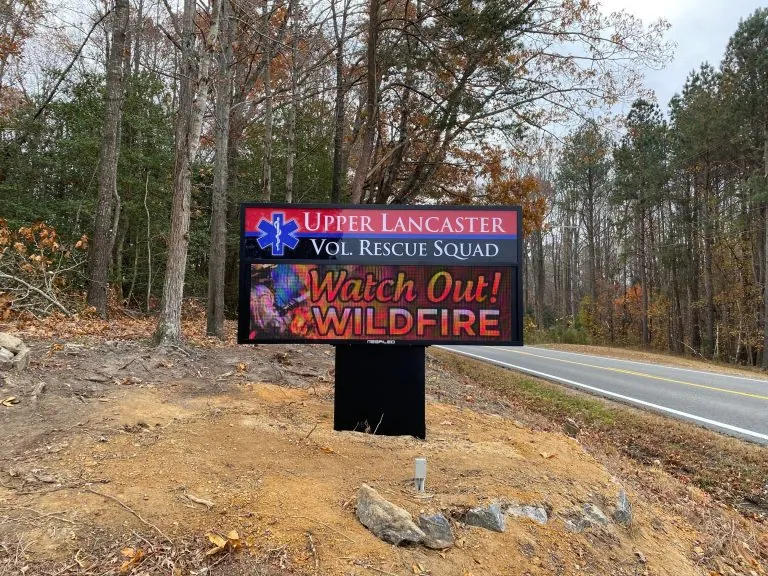
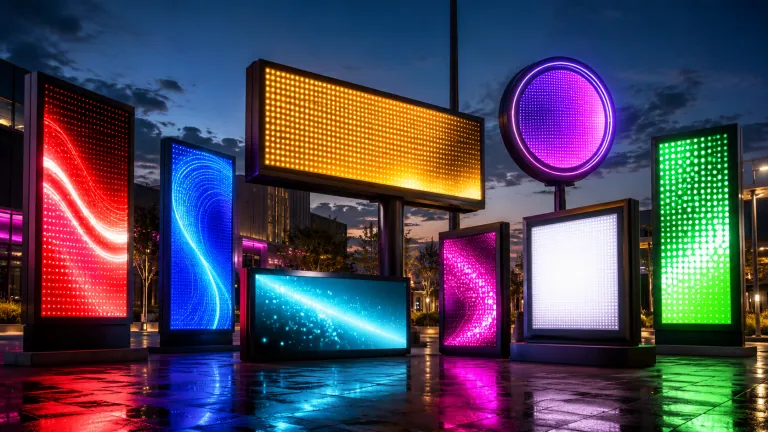
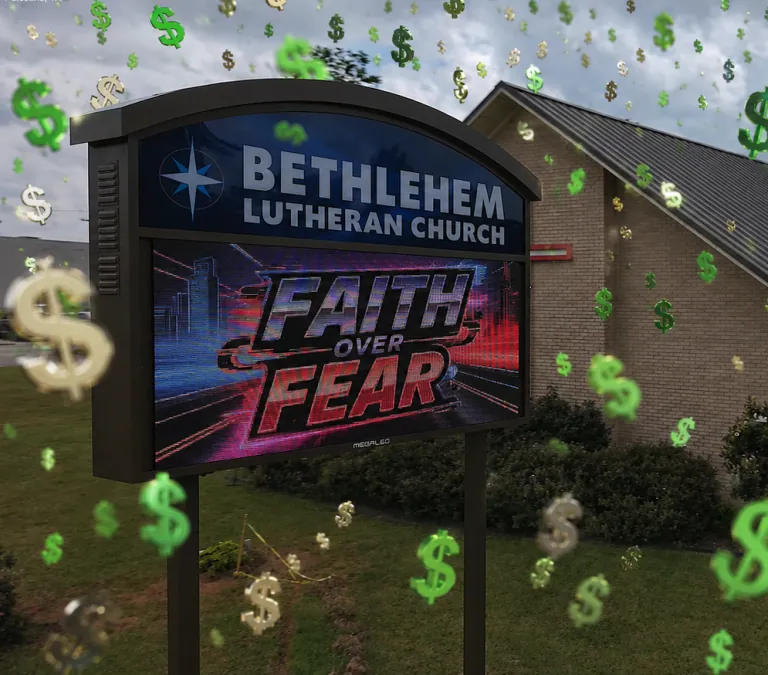
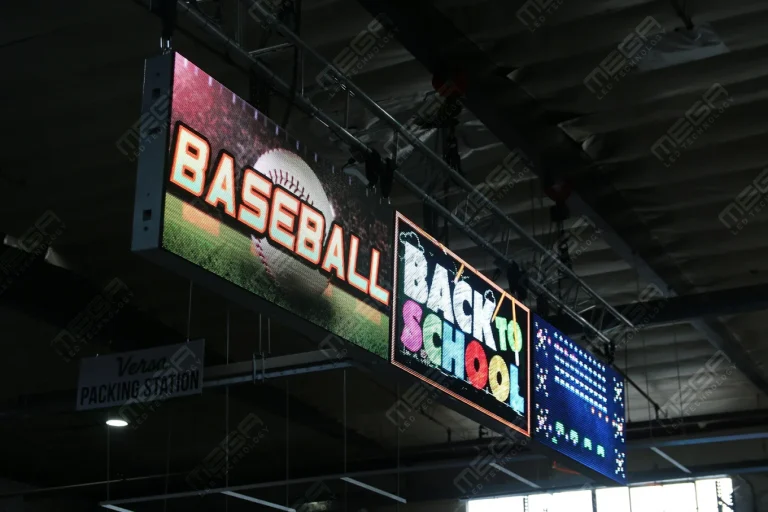
Alpha LED sign boards are great for anything from churches, to schools, to business. They tend to do great in large open spaces, where they are clearly visible.

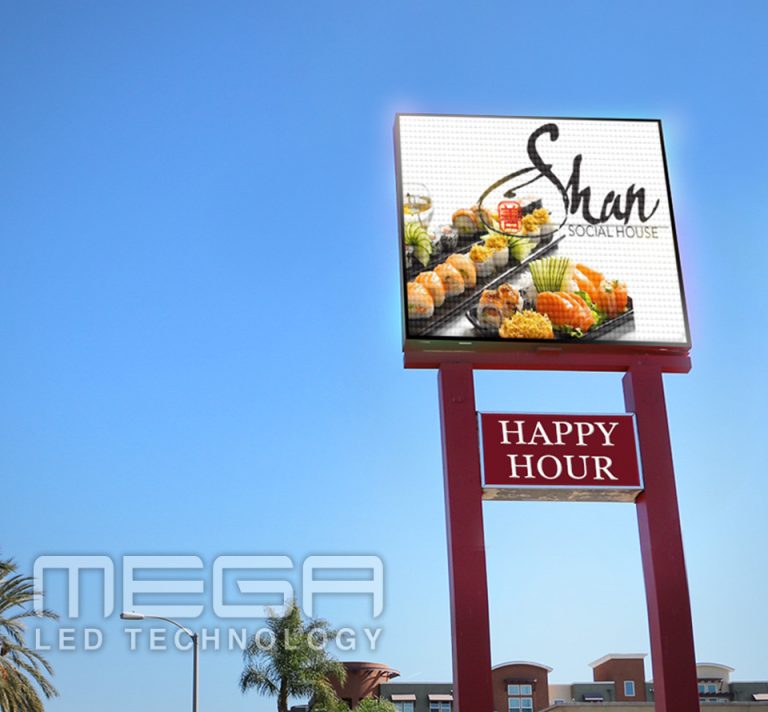
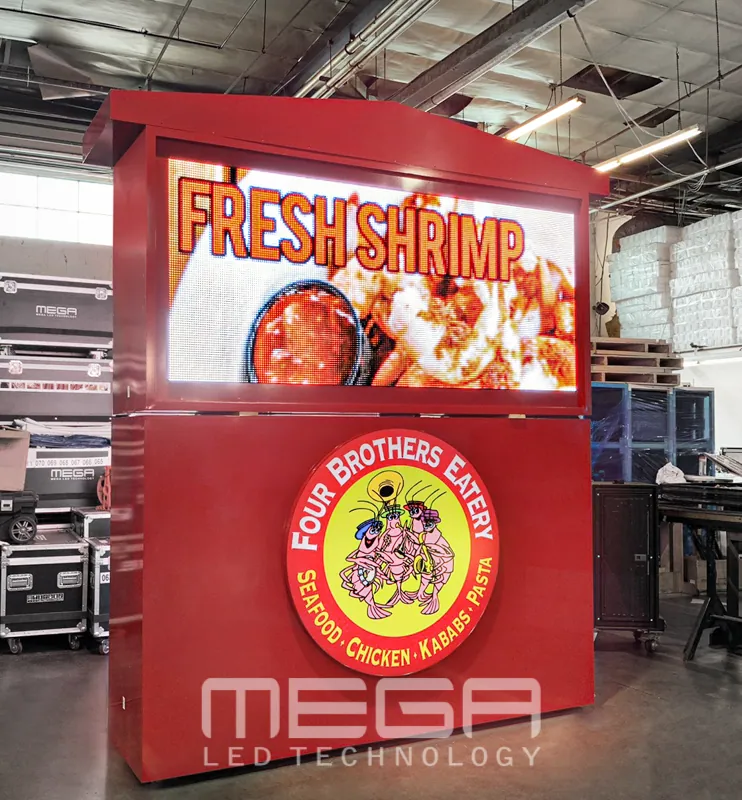
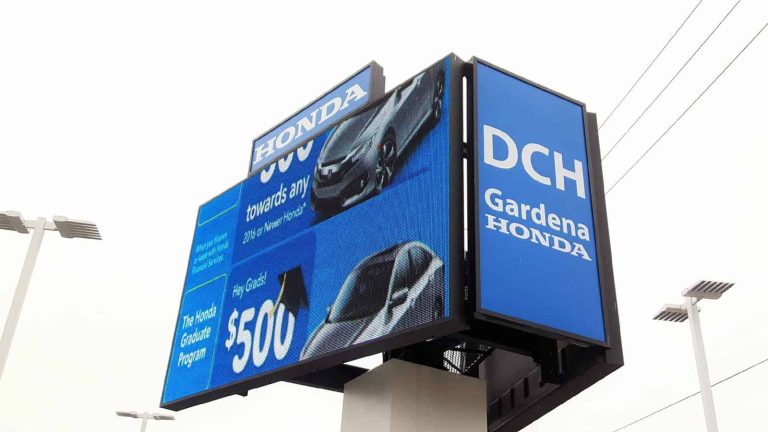
Omega is our newest line of outdoor digital signs. Running the full gambit from cabinet, to LED sign, to logo on top, or any configuration of your choice!

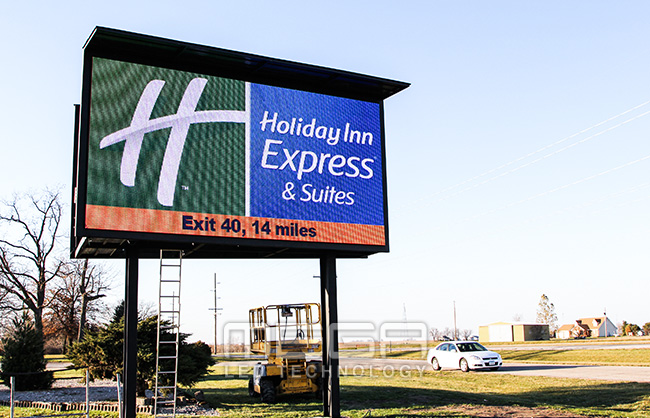
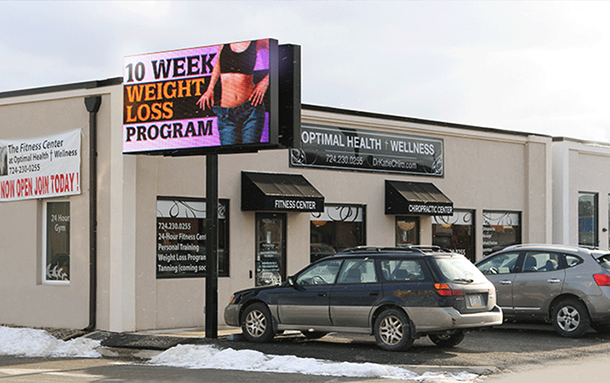
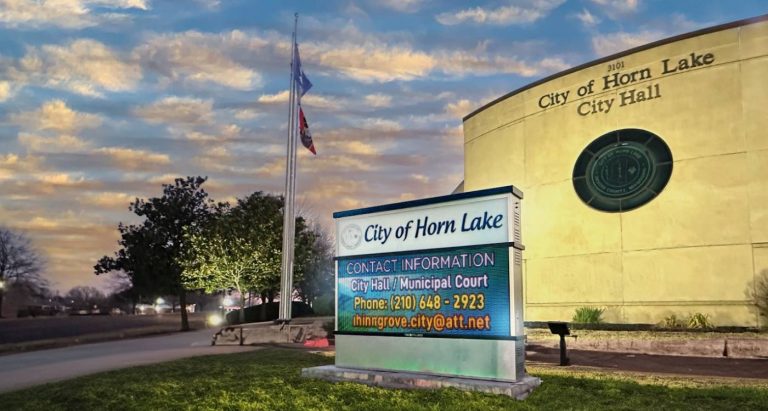
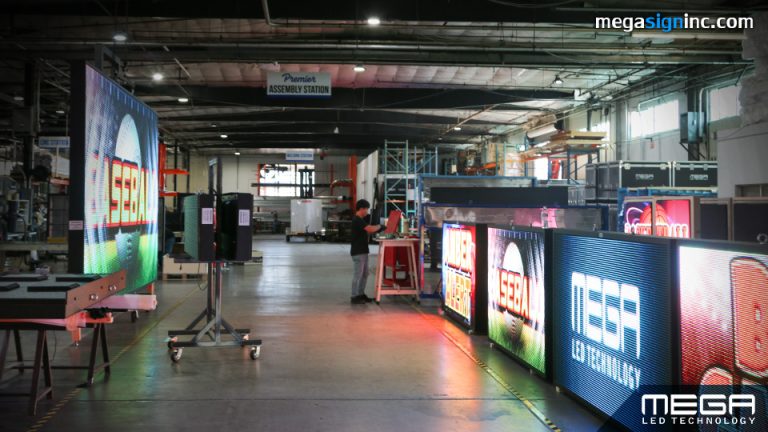
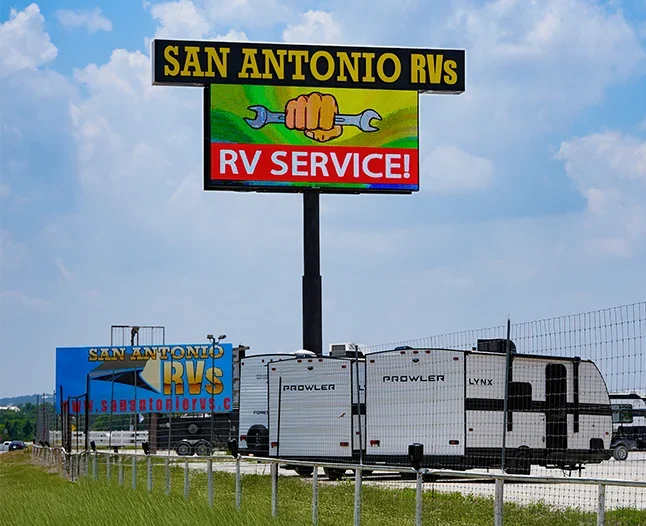
Premier is a customizable Outdoor LED sign, perfect for the Entrepreneur who knows that large custom sized signs cultivated for their specific business is the way to go.

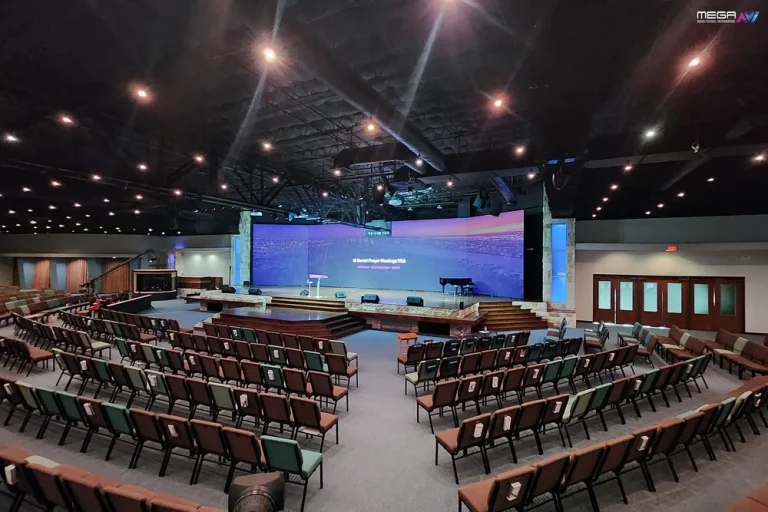
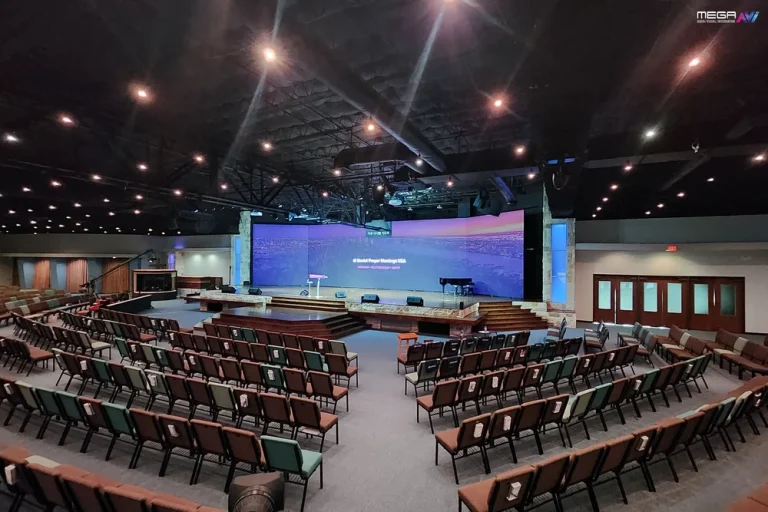
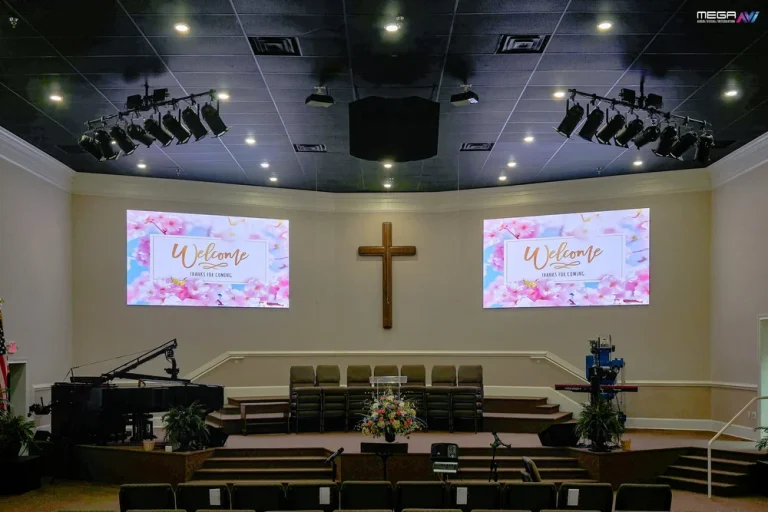
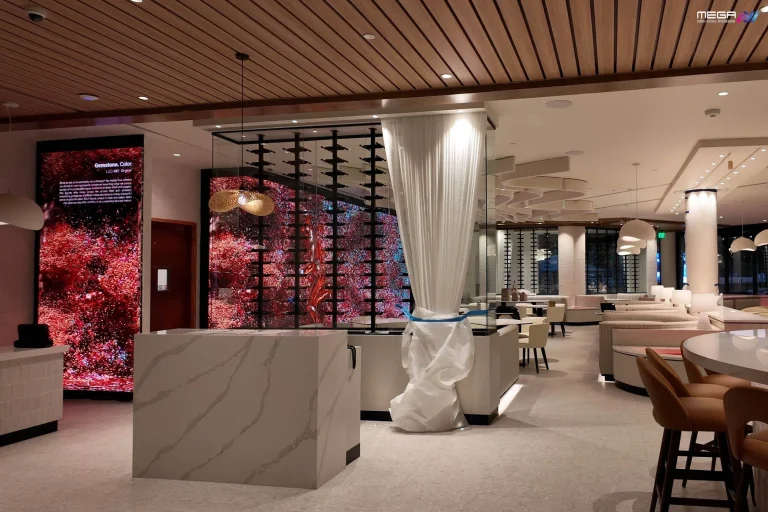
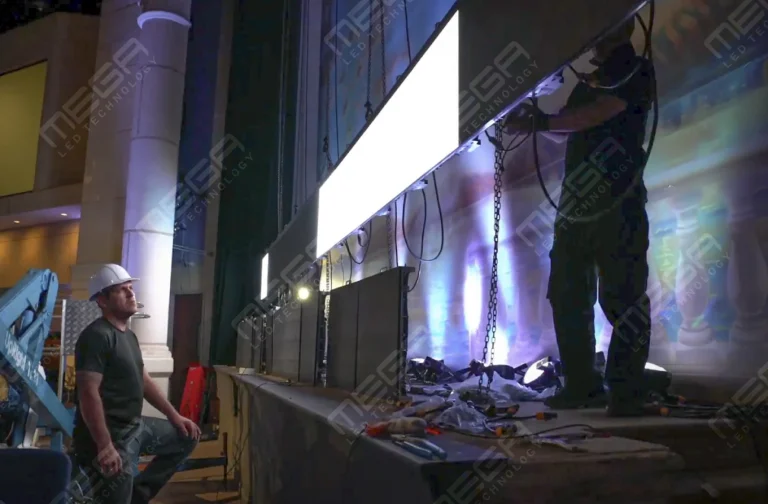
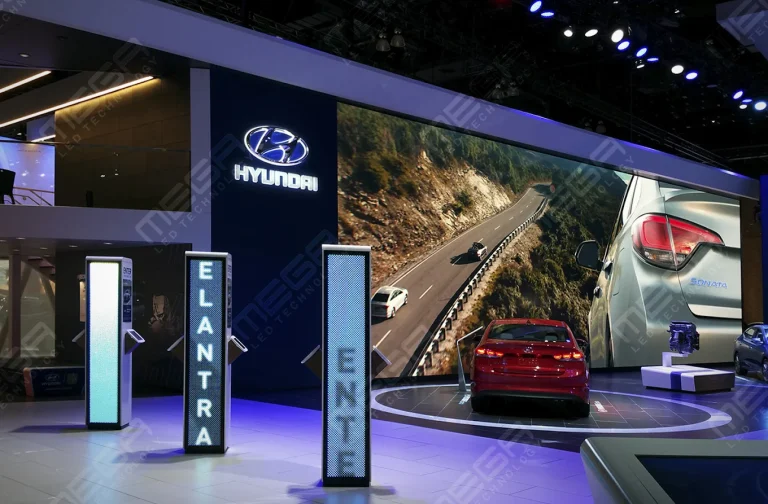
Programmable Stage LED signs, great for indoor assemblies, congregations, and presentations! Blow your competitors out of the water, or keep your congregation and audience glued to your message.

Alpha LED sign boards are great for anything from churches, to schools, to business. They tend to do great in large open spaces, where they are clearly visible.
Omega is our newest line of outdoor digital signs. Running the full gambit from cabinet, to LED sign, to logo on top, or any configuration of your choice!
Premier is a customizable Outdoor LED sign, perfect for the Entrepreneur who knows that large custom sized signs cultivated for their specific business is the way to go.
Programmable Stage LED signs, great for indoor assemblies, congregations, and presentations! Blow your competitors out of the water, or keep your congregation and audience glued to your message.
LED sign maintenance keeps your display bright, safe, and readable for years. Skip it, and you’re looking at dim panels, weather damage, and repair bills that dwarf what a basic cleaning schedule would cost. This guide walks through every maintenance area that matters, from electrical safety to moisture prevention.

Maintenance starts with knowing what to check and how often. Both indoor and outdoor LED signs need scheduled upkeep, but outdoor displays face harsher conditions and need more frequent attention.
Preventive maintenance costs less than emergency repairs or full panel replacements. Front maintenance LED signs and front maintenance advertising LED signs simplify this because technicians access modules, power supplies, and connections from the sign face instead of removing the unit from a wall or pole.
| Maintenance Task | Recommended Frequency | What To Check |
|---|---|---|
| Visual inspection | Weekly | Dead pixels, dim sections, discoloration |
| Surface cleaning | Monthly | Dust, dirt, fingerprints, grime buildup |
| Electrical connection check | Quarterly | Loose wires, discolored connectors, buzzing |
| Ventilation and fan check | Quarterly | Blocked vents, fan operation, internal temperature |
| Mounting hardware inspection | Every 6 months | Bolts, brackets, wall anchors, corrosion |
| Full professional service | Annually | Internal diagnostics, power supply test, seal integrity |
Seasonal priorities shift too. In spring, clear insect nests from vents and check seals after winter freeze cycles. Summer means monitoring fan operation and internal temps during peak heat. Fall is the time to update content for holiday promotions and verify brightness settings before shorter daylight hours. Winter calls for moisture and condensation checks, especially in climates with freeze-thaw patterns. We’ve found that mapping maintenance to the calendar, rather than relying on memory, catches problems a full season earlier than reactive schedules do.
Power the sign off and disconnect it from the electrical supply before touching anything. LED signs contain capacitors that hold a charge even after shutdown, and contact with live components can cause burns or shock.
Never open sealed enclosures unless you’ve been trained on the specific sign model. If a panel won’t power down correctly, call a professional instead of troubleshooting it yourself. Keep water, cleaning solutions, and metal tools away from exposed circuitry. Wear insulated gloves when handling any electrical connections.

Loose connections, corroded terminals, and aging power supplies cause the majority of LED sign failures we see in the field. A flickering section, a strip of dead pixels, or a sudden blackout often traces back to a wire that worked loose over months of thermal cycling and vibration.
The International Sign Association’s ISA electrical standards page notes that NEC Article 600 governs electric sign installations, covering dedicated circuits, disconnect switches, and safe wiring methods. Those same standards apply during maintenance.
Check accessible junction boxes and visible wiring runs for discoloration, melting, or rodent damage. After storms, long shutdowns, or nearby construction, always run a visual inspection before powering the sign back on.
Power supplies regulate the electricity feeding your LEDs. When they degrade, you’ll notice dim sections, random shutoffs, buzzing sounds, or overheating near the supply housing.
Keep the area around power supplies clean, dry, and ventilated. Dust buildup traps heat, and trapped moisture corrodes connections. We’ve found that signs in humid climates need power supply checks about twice as often as signs in arid regions.
Replacement should be handled by a qualified technician. Mismatched voltage or wattage ratings will damage modules downstream.
Our team handles everything from cleaning advice to full diagnostics. Get a free consultation and protect your investment today.
A dirty sign doesn’t just look neglected. Layers of dust, road grime, pollen, and bird droppings reduce brightness and make small defects harder to spot during inspections. Over time, buildup can trap heat against the panel surface, which compounds the thermal issues covered later in this guide.
Always power the sign off before cleaning. Let it cool for at least 15 minutes, because cleaning solutions streak on warm surfaces and sudden temperature changes can stress the panel face.
Work gently. Pressure washers, harsh scrubbing, and chemical solvents damage protective coatings, acrylic covers, and LED neon tubing surfaces.
Start with a soft-bristle brush to remove loose debris. Follow with a microfiber cloth dampened in a mild soap-and-water mix. Dry the surface with a clean towel right away.
For grease or stubborn grime, use isopropyl alcohol diluted to 50% or a cleaner rated safe for polycarbonate and acrylic. Never use ammonia-based products, acetone, or abrasive pads. These strip protective coatings and cloud transparent covers on LED neon tubing and sign faces.
Match the cleaning method to the stain. Bird droppings soften with warm water and patience. Road film lifts with gentle dish soap. Adhesive residue calls for a plastic scraper, not a metal blade. Never use tools that could gouge the surface or leave scratches that trap dirt on the next cycle.

Digital LED signs run on layers of software: the content management platform, the controller firmware, and the network connection that ties them together. When any layer falls behind, you get scheduling glitches, frozen frames, content that won’t load, or remote access that drops without warning.
Firmware updates fix bugs and patch security gaps. We’ve seen signs run without issues for months, then freeze after a network change because the controller firmware hadn’t been updated to handle new protocols.
Check your connectivity method (Wi-Fi, LTE modem, or CAT5) during routine maintenance. A weak or intermittent signal causes display issues that look like hardware failure.
Built with IP67-rated modules and LINE-X coated cabinets, Premier signs are engineered to reduce your long-term maintenance burden.
Stale content signals neglect. A sign still advertising a December sale in March tells every passing customer that nobody is paying attention. Outdated school announcements or expired church event messages carry the same problem.
Treat content updates as part of your maintenance routine. When you log in to change a message, you’ll notice display glitches, pixel issues, or software errors that might otherwise go undetected for weeks.
Schedule a monthly content review. Rotate promotions, update business hours, and remove expired announcements before they undermine the sign’s credibility.
Heat shortens LED life faster than any other single factor. Every temperature spike accelerates color shift, dims output, and stresses solder joints, power supplies, and controller boards.
The U.S. Department of Energy’s LED lighting overview explains that LEDs produce far less heat than older lighting technologies, but sealed outdoor enclosures in direct sun can still climb well above safe operating ranges without proper airflow.
Blocked vents are the number-one culprit we find during service calls. Dust, insect nests, and debris pack into exhaust openings over time. Check all intake and exhaust vents quarterly. Confirm that thermostat-activated fans engage when internal temperatures rise. Keep signs away from secondary heat sources like HVAC exhaust or reflected pavement heat.
The Alpha series pairs durable aluminum construction with easy-access components, making routine upkeep simple and fast.
Rain, wind, UV exposure, temperature swings, dust, and insects all wear on an outdoor sign’s panels, frames, wiring, mounts, and seals. Without regular attention, weather breaks down even well-built displays over time.
The Outdoor Advertising Association of America’s OAAA industry principles commit member companies to proper maintenance of outdoor advertising structures, including vegetation control and structural upkeep around sign sites.
Weather-resistant materials and proper installation form your first defense. IP67-rated front modules and IP65-rated rear panels block water and dust at the component level. LINE-X coated aluminum cabinets resist corrosion and UV degradation at the structural level.
Look for cracks in the lens or housing, water stains inside the display area, fogging behind the screen, corrosion on metal frames, loose hardware, and damaged gaskets or seals.
Weather damage builds slowly. A tiny seal gap lets moisture in over weeks before you see fogging or pixel failures. After heavy rain, windstorms, or hail, run a thorough inspection instead of waiting for the next scheduled check.
Photograph any damage you find. Date-stamped photos help your service provider diagnose the cause, estimate the timeline, and support warranty claims.
Moisture inside a sign enclosure corrodes circuit boards, shorts connections, and fogs the display face. If you see condensation behind the screen, that signals a seal failure or trapped humidity that needs attention now, not next quarter.
Don’t ignore early moisture signs. What starts as light fogging can become an electrical fault within weeks. Inspect seals, gaskets, and cable entry points for cracks or gaps during every quarterly check.
In coastal or high-humidity areas, we’ve found that adding desiccant packs inside the cabinet helps bridge the gap between service visits. Make sure drain holes at the bottom of the enclosure stay clear and unblocked so trapped water can escape.

A sign that moves in the wind or leans off-center isn’t just unattractive. It’s a safety risk. Loose mounts stress wiring, crack panels, and, in extreme cases, drop hardware onto people or property below.
Structural integrity affects everything about the sign’s performance. Alignment shifts change viewing angles and reduce readability from the road. Vibration loosens internal connections over time. A corroding frame compromises the weather seal, which opens the door to moisture problems covered earlier in this guide.
Tighten and inspect every bolt, screw, bracket, chain, wall anchor, and frame connection on your maintenance schedule. Wind, building vibration, and seasonal thermal expansion loosen hardware faster than owners expect.
For pole-mounted or elevated signs, bring a qualified technician with proper fall-protection equipment. The structural load on a large double-sided sign is substantial, and the consequences of a failure at height are severe. Look for corrosion at connection points, hairline cracks in welds, and any visible movement when wind gusts hit the display.
Call a professional when the problem involves internal wiring, power supply replacement, controller failure, moisture inside sealed enclosures, or structural instability. These aren’t tasks for a ladder and a YouTube video.
The International Sign Association offers professional sign maintenance training covering electrical safety, field wiring, and inspection procedures. Working with a trained provider means faster repairs with less risk of secondary damage.
Our team at MEGA LED provides lifetime support on every sign we build: remote diagnostics, replacement part shipping with a credit card deposit return, and refresher training on MEGA Cloud software whenever staff turns over. If we built your sign, you’re never guessing alone.
Warranties often require authorized service. Check your agreement before attempting internal repairs.
A clean, bright, stable sign does what you paid it to do: get read. Dim panels, flickering pixels, or a tilted display cut your message’s reach before anyone processes a word of it. Drivers pass it. Walkers ignore it. The investment stalls.
Safety is the other half. Falling hardware, exposed wiring, corroded structures, and electrical faults don’t just damage property. They expose your business to real liability.
Consistent maintenance protects both the message and the people around it. A sign that’s cleaned, inspected, and serviced on schedule communicates professionalism, keeps staff and visitors safe, and stretches the lifespan of your Premier outdoor LED or Alpha LED sign investment for years beyond what neglect allows.
Our Premier series features IP67-rated front modules and LINE-X coated cabinets built for harsh outdoor conditions. https://www.megasigninc.com/premier-outdoor-led-signs/
Alpha sign boards pair durable construction with easy-access front maintenance for quick electrical checks. https://www.megasigninc.com/alpha-led-sign-boards/
Our indoor LED video walls deliver brightness, color accuracy, and long-term reliability in lobby and event spaces. https://www.megasigninc.com/large-indoor-led-video-wall/
Talk to our team about the right indoor solution for your space and viewing distance. https://www.megasigninc.com/contact/
Build a schedule and follow it. Weekly visual checks, monthly surface cleaning, quarterly electrical and ventilation inspections, and an annual professional service visit cover the essentials for most installations. Document every check with dated photos and notes so you can track changes over time and support warranty claims when something fails. Keeping a simple log also helps your service technician diagnose recurring issues faster, because they can see the pattern instead of starting from scratch each visit.
Power supply failure, loose connections, and moisture intrusion cause most sudden sign outages. A full blackout often points to the power supply or a tripped circuit breaker. Flickering or dim patches usually trace to wiring that loosened from heat cycling and vibration over time. Fogging or clustered pixel failures suggest water passed through a compromised seal. Start with the simplest checks first: verify the breaker, then examine visible connections, then check for signs of moisture before calling a technician for professional diagnosis.

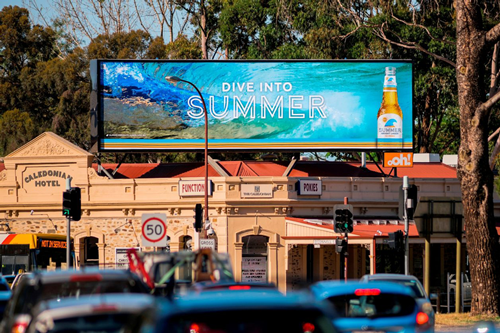


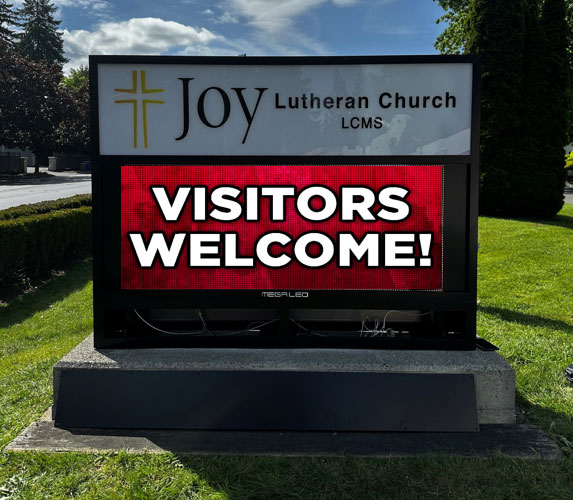




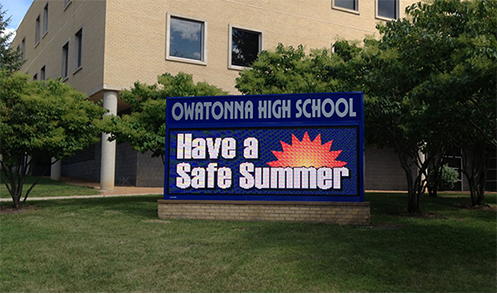






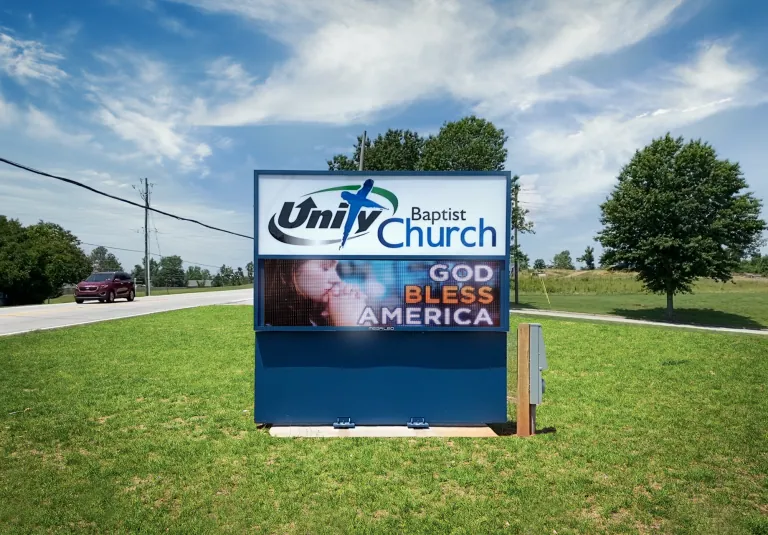








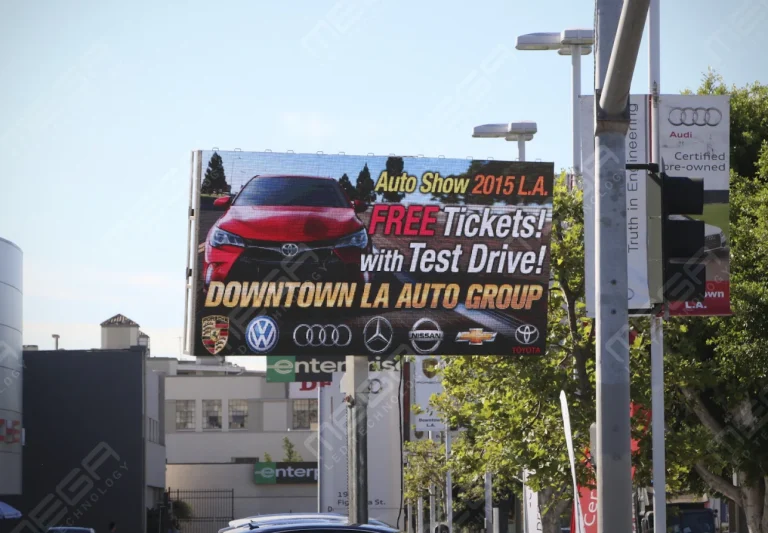


Alpha LED sign boards are great for anything from churches, to schools, to business. They tend to do great in large open spaces, where they are clearly visible.
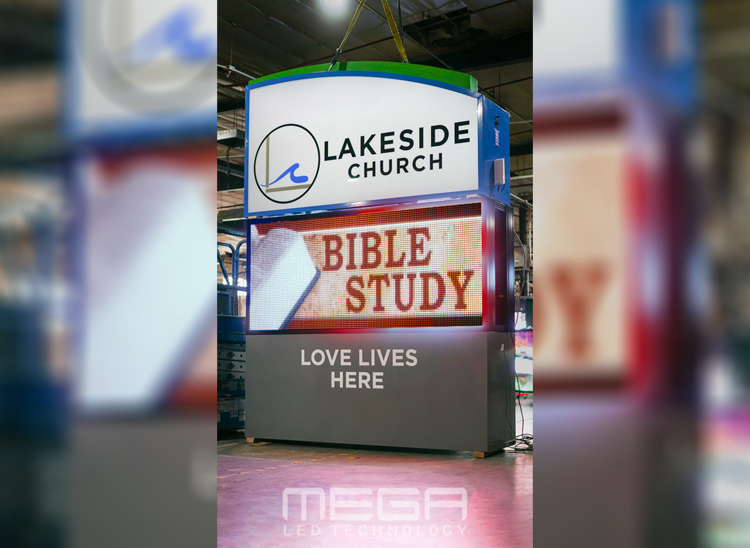
Omega is our newest line of outdoor digital signs. Running the full gambit from cabinet, to LED sign, to logo on top, or any configuration of your choice!
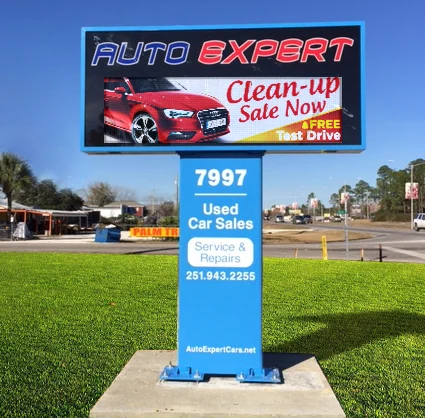
Premier is a customizable Outdoor LED sign, perfect for the Entrepreneur who knows that large custom sized signs cultivated for their specific business is the way to go.
Programmable Stage LED signs, great for indoor assemblies, congregations, and presentations! Blow your competitors out of the water, or keep your congregation and audience glued to your message.