Sign Permits: What Do You Need To Know Before Installing A Sign?
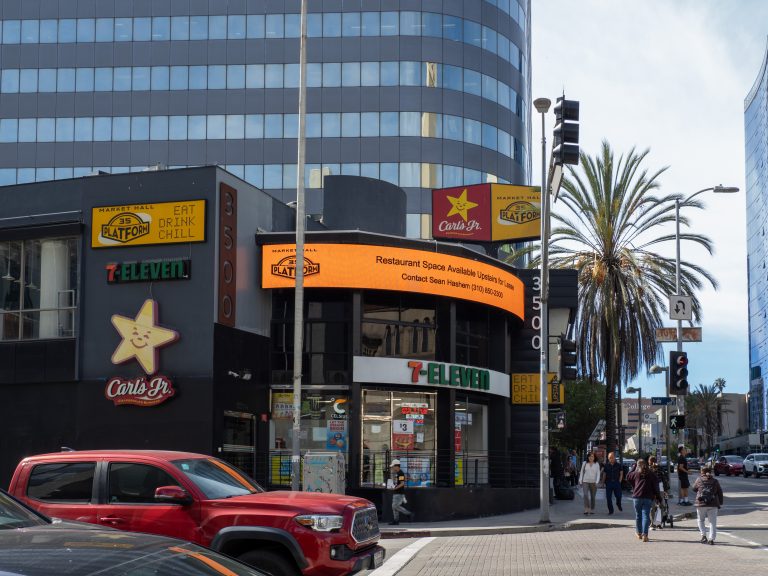

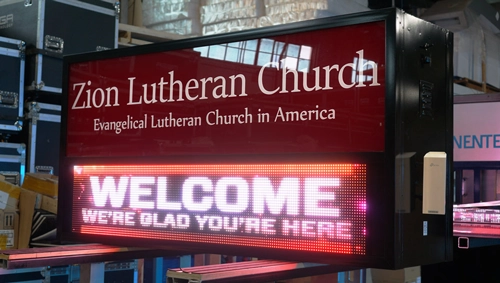
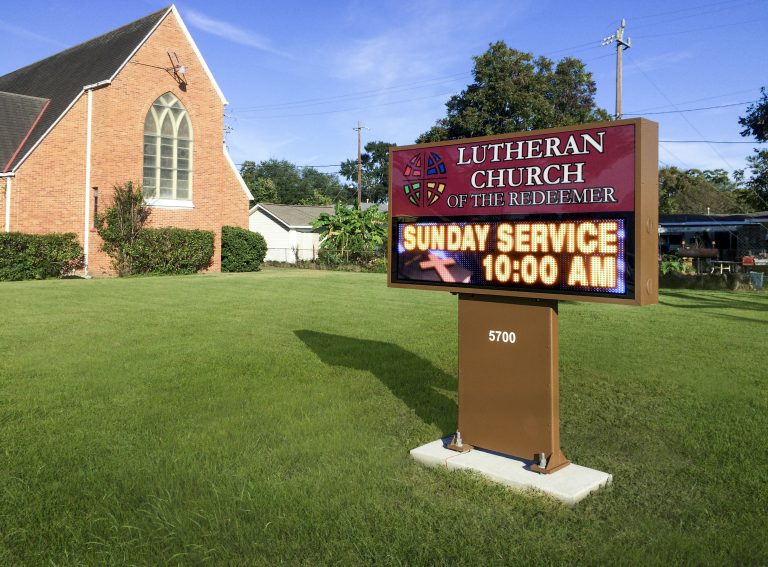
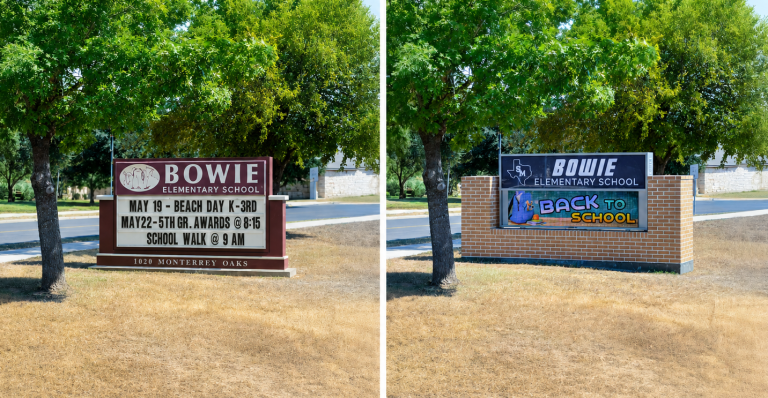
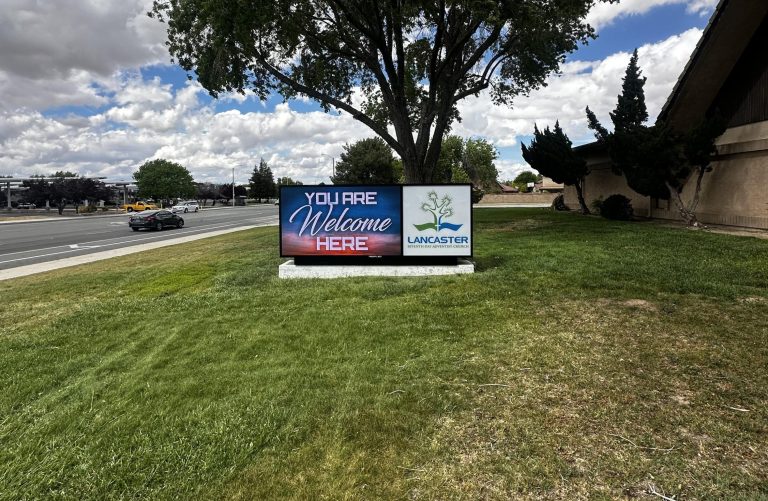
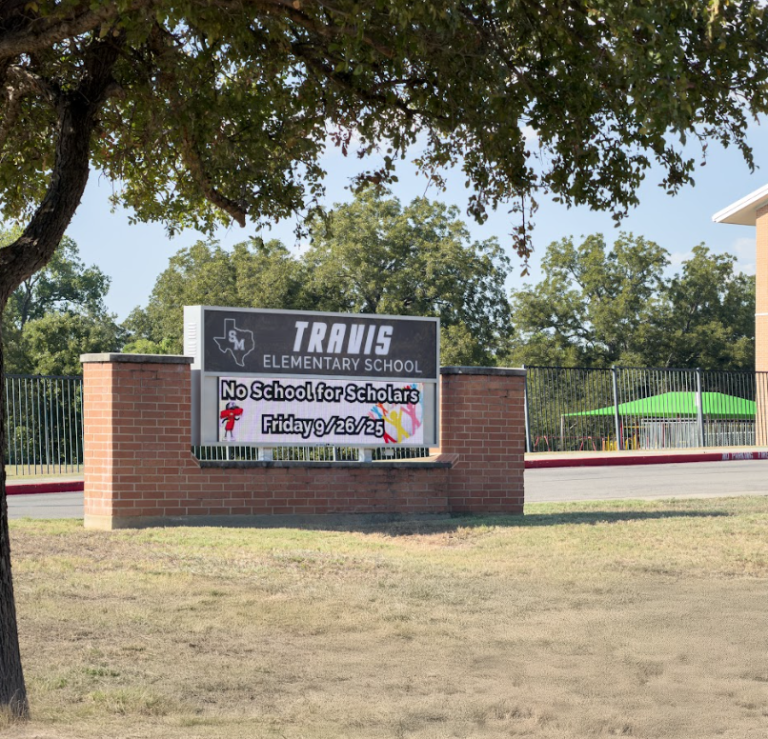
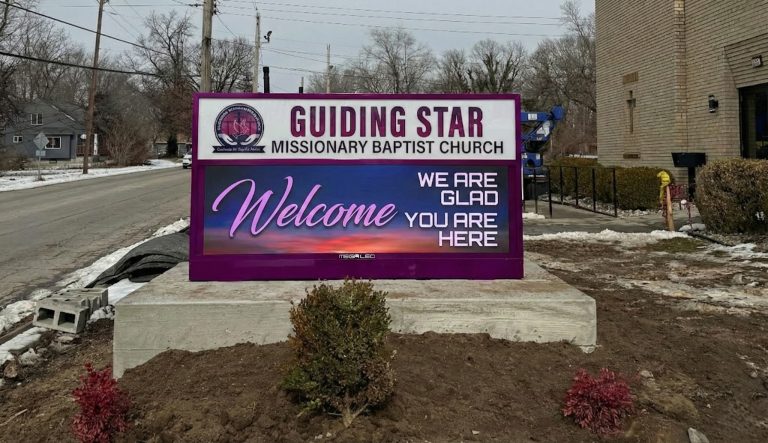
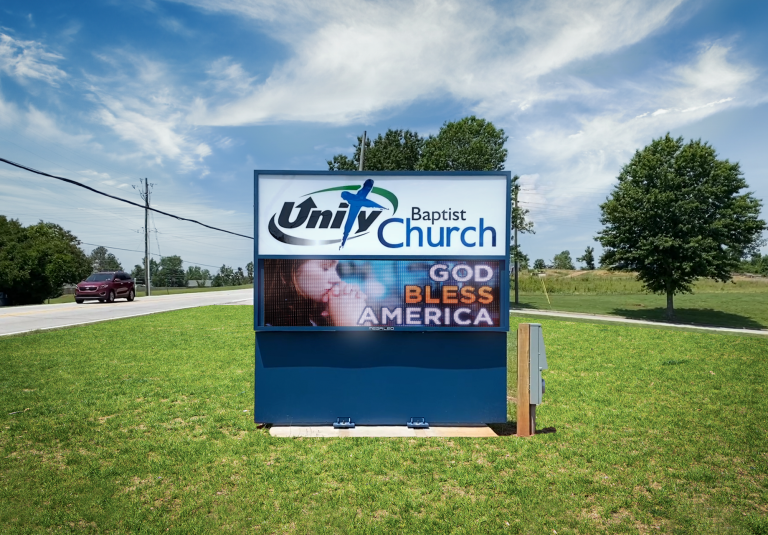
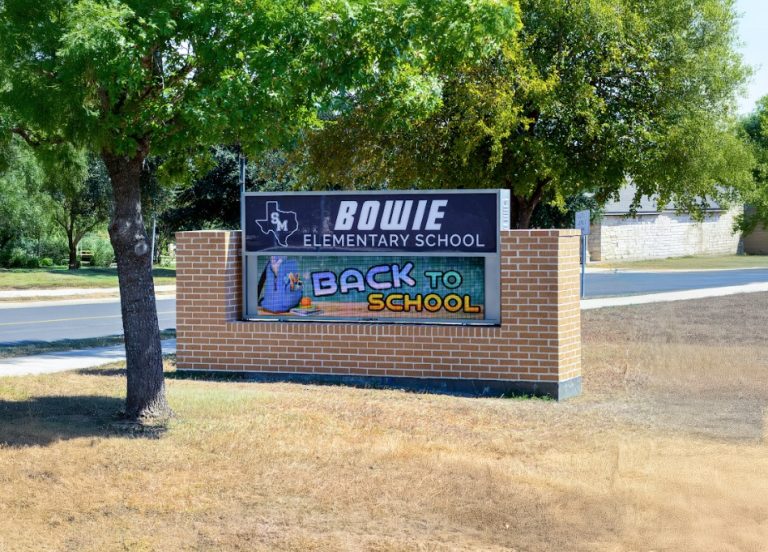
Alpha LED sign boards are great for anything from churches, to schools, to business. They tend to do great in large open spaces, where they are clearly visible.

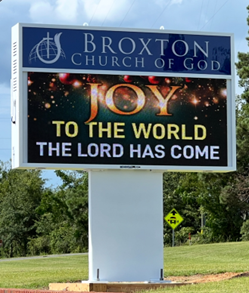
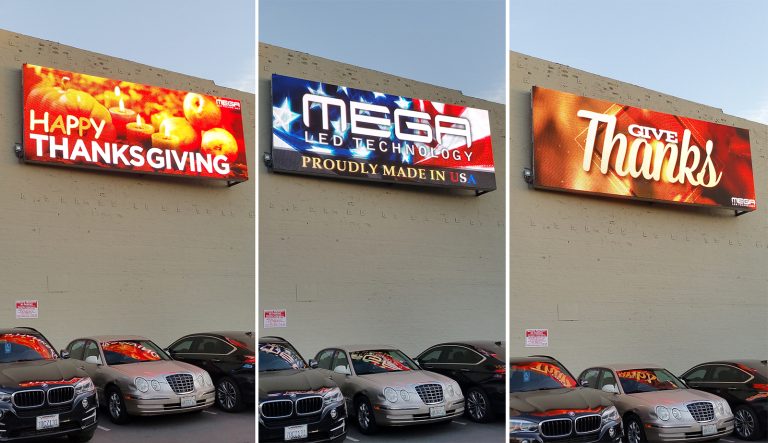
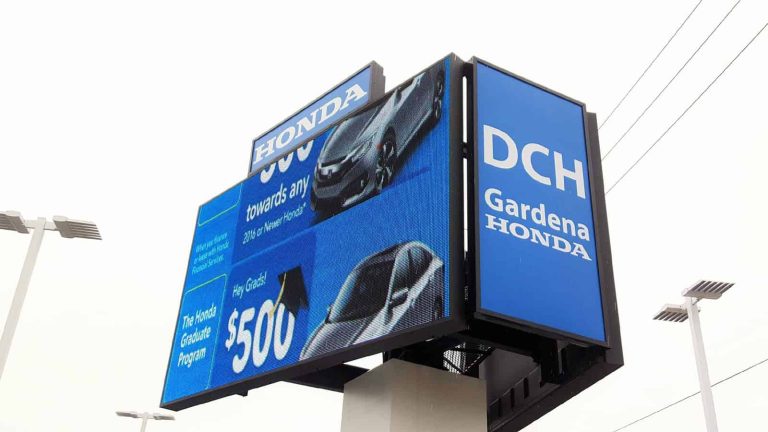
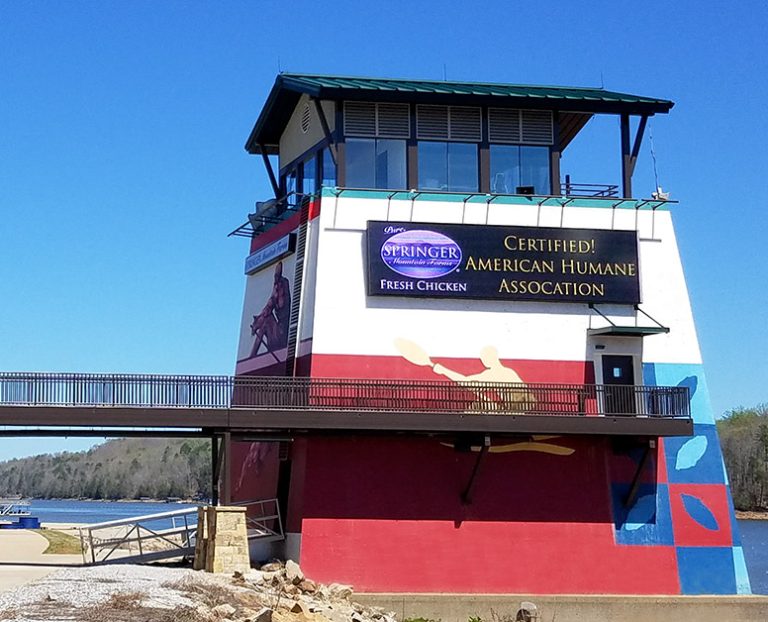
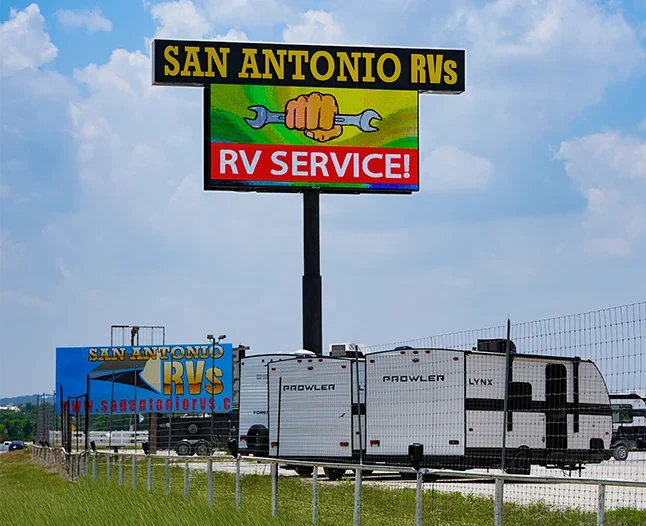
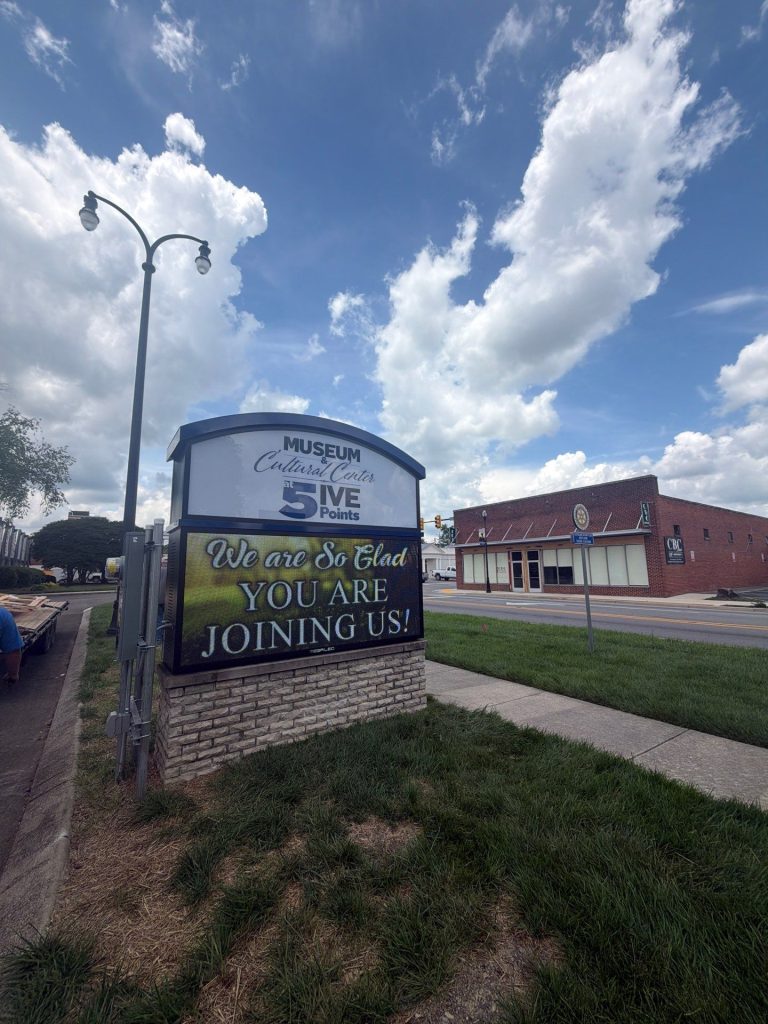
Omega is our newest line of outdoor digital signs. Running the full gambit from cabinet, to LED sign, to logo on top, or any configuration of your choice!

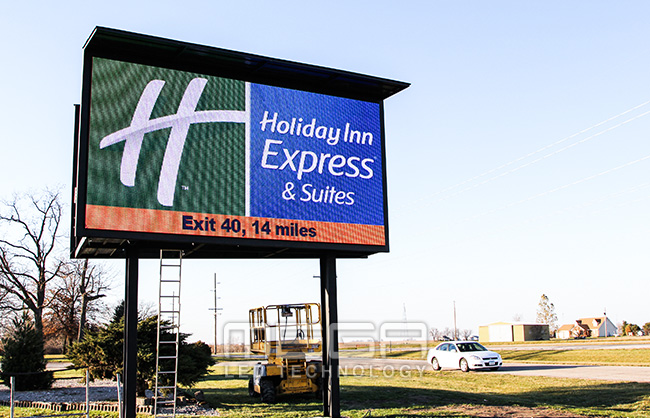
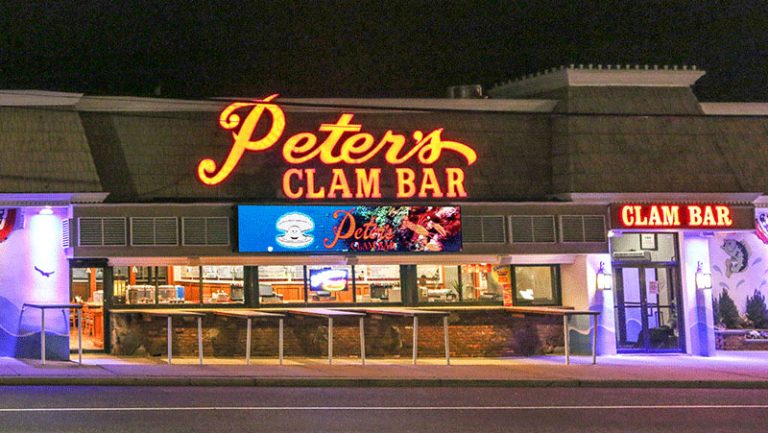
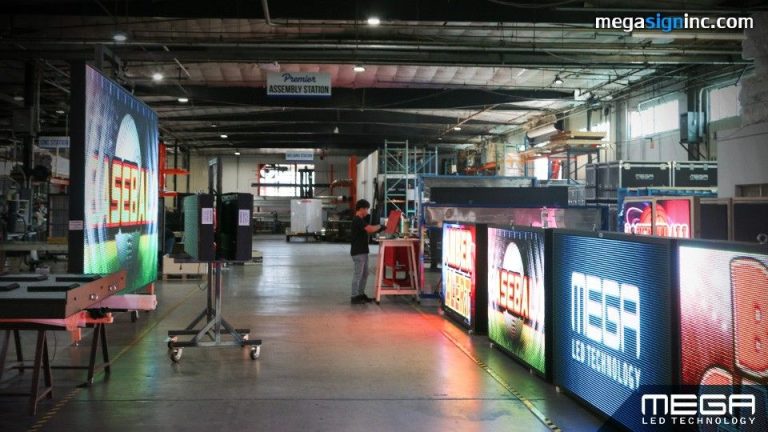
Premier is a customizable Outdoor LED sign, perfect for the Entrepreneur who knows that large custom sized signs cultivated for their specific business is the way to go.

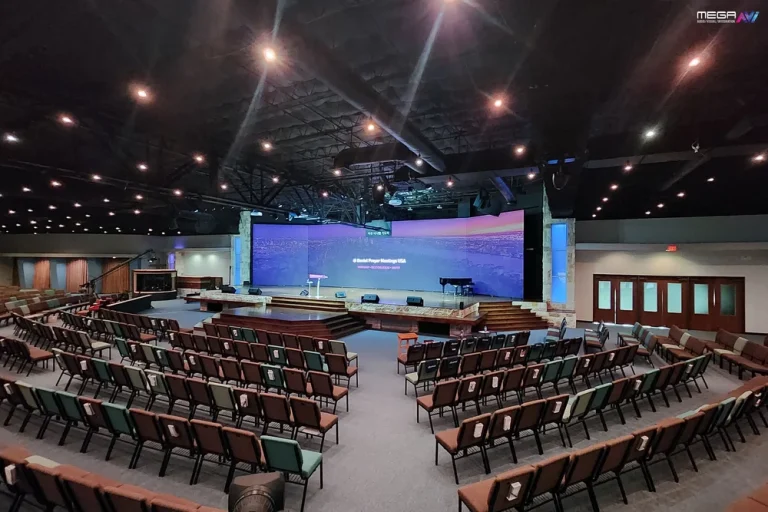
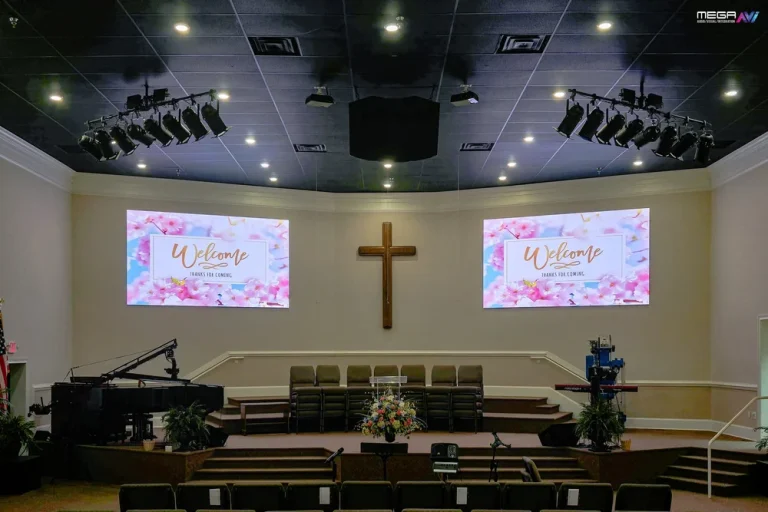
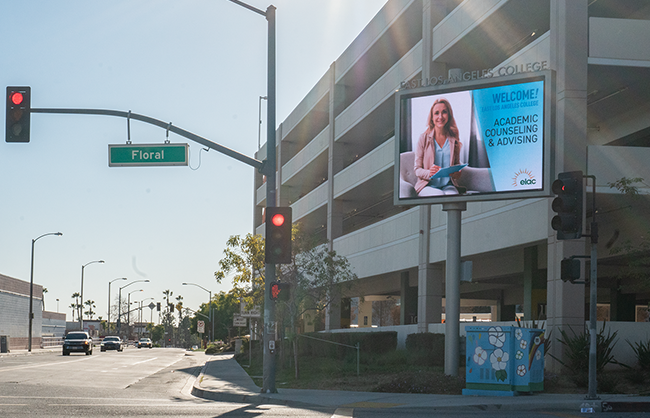
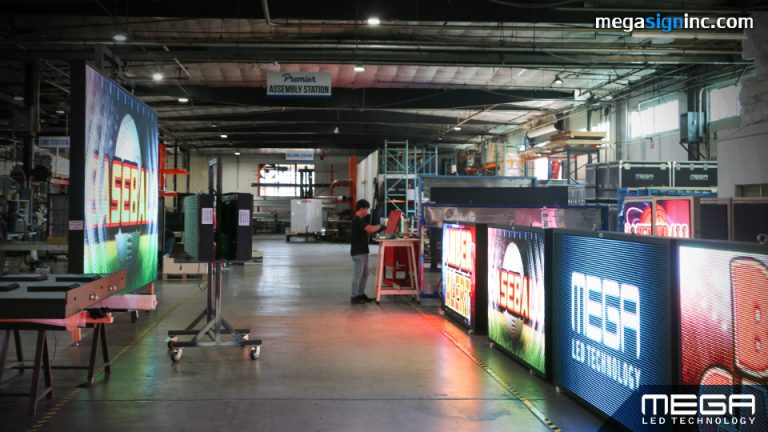
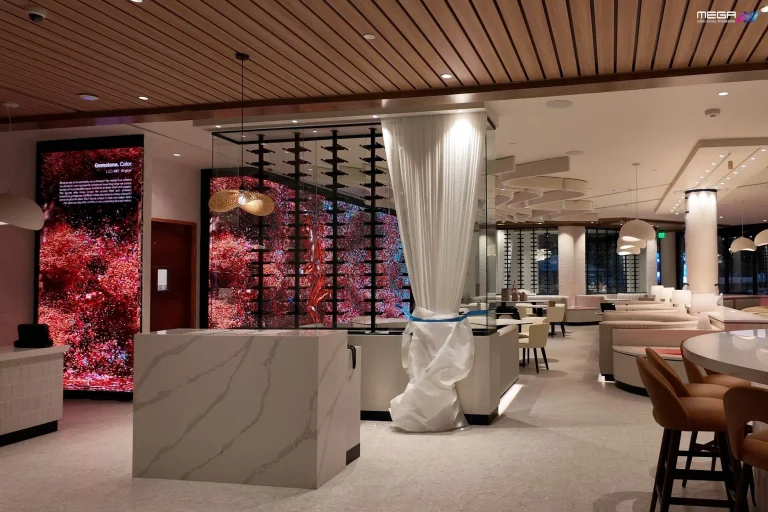
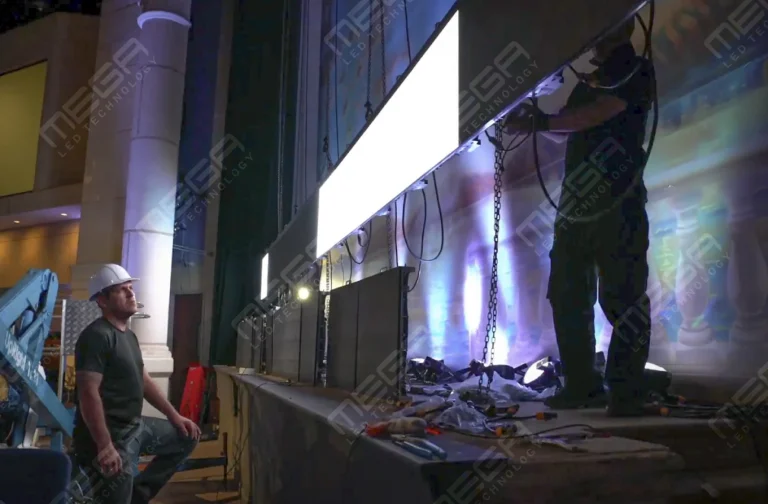
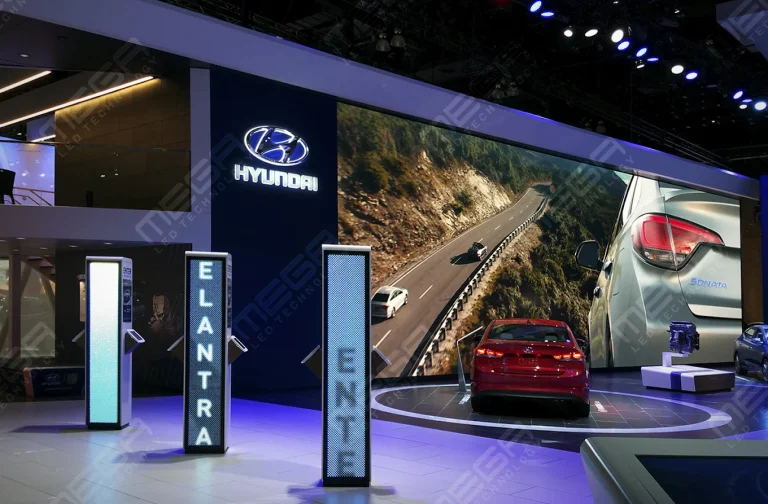
Programmable Stage LED signs, great for indoor assemblies, congregations, and presentations! Blow your competitors out of the water, or keep your congregation and audience glued to your message.

Alpha LED sign boards are great for anything from churches, to schools, to business. They tend to do great in large open spaces, where they are clearly visible.
Omega is our newest line of outdoor digital signs. Running the full gambit from cabinet, to LED sign, to logo on top, or any configuration of your choice!
Premier is a customizable Outdoor LED sign, perfect for the Entrepreneur who knows that large custom sized signs cultivated for their specific business is the way to go.
Programmable Stage LED signs, great for indoor assemblies, congregations, and presentations! Blow your competitors out of the water, or keep your congregation and audience glued to your message.
Alpha LED sign boards are great for anything from churches, to schools, to business. They tend to do great in large open spaces, where they are clearly visible.
Omega is our newest line of outdoor digital signs. Running the full gambit from cabinet, to LED sign, to logo on top, or any configuration of your choice!
Premier is a customizable Outdoor LED sign, perfect for the Entrepreneur who knows that large custom sized signs cultivated for their specific business is the way to go.
Programmable Stage LED signs, great for indoor assemblies, congregations, and presentations! Blow your competitors out of the water, or keep your congregation and audience glued to your message.
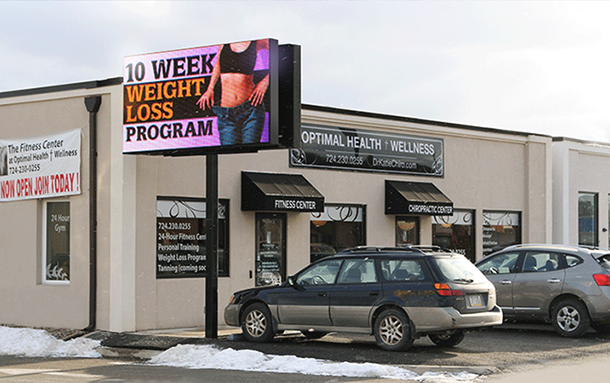
Your business is 200 feet from the road, and nobody can find it. That’s a problem signs on the building can’t solve. Pylon signs fix it by putting your name high above the landscape where drivers and pedestrians spot it from blocks away.

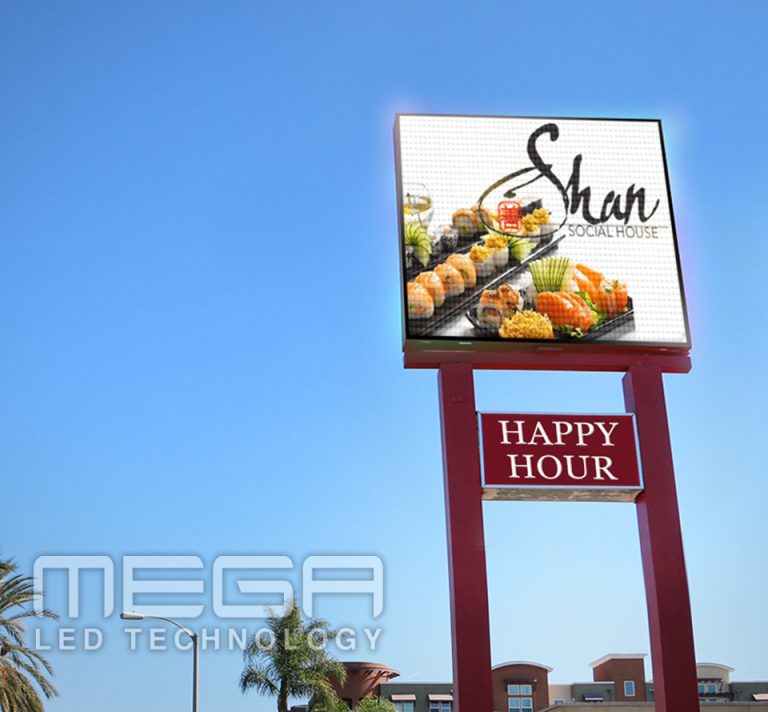
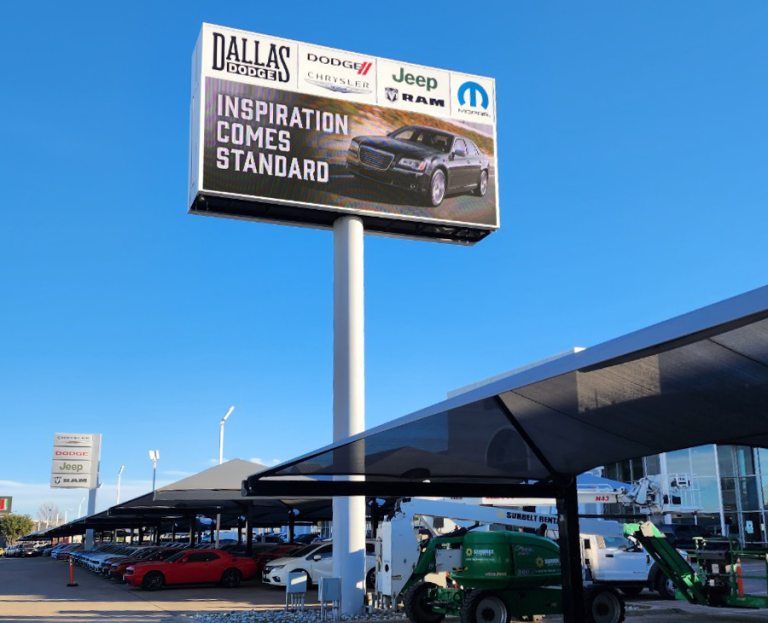
A pylon sign is a freestanding exterior sign elevated on one or more poles or columns, built to be visible from a distance. You’ll find them at shopping centers, fuel stations, hotels, business parks, and along highway corridors. Their job is simple: make your location findable from the road before a driver passes it.
The term “pylon sign” and “pylon signage” both describe the same category. The word “pylon” refers to the tall structural support that lifts the sign cabinet above ground level, clearing trees, parked cars, and other obstacles. Some people also call them pole signs, though there are subtle differences we’ll cover below.
Businesses choose pylon signs for visibility, wayfinding, branding, and traffic capture. A restaurant set back from a busy highway needs drivers to see its name before the turn. A retail plaza with six tenants needs one structure that lists them all. A hotel near a freeway exit needs to be the first thing travelers spot. Pylon signs handle all three.
Picture a tall, vertical structure rising 20 to 80 feet above the ground, with a sign cabinet or panel at the top displaying a business name, logo, or tenant list. The support is one or two metal columns, sometimes left exposed, sometimes wrapped in decorative cladding to match the building’s architecture.
The appearance changes with the use case. A single-tenant pylon might feature one large illuminated panel. A multi-tenant version stacks several branded panels vertically so each business gets a slot. A fuel station pylon includes price displays. Height, proportions, base treatment, and lighting all shape the final look.
Color and finish also play a bigger role than most people expect. A matte black pole with a white illuminated cabinet reads very differently than a stone-clad column with bronze trim. Some businesses match their pylon sign finish to the building exterior so it feels like part of the property. Others use high-contrast colors to make the sign stand out as a standalone landmark. The right approach depends on whether you want the sign to blend with the architecture or dominate the streetscape.

Every pylon sign breaks down into three groups: structural, display, and finishing components. The structural side includes steel or aluminum support poles, a concrete foundation with anchor bolts, and the internal framework that holds everything together. Engineering drawings account for wind loads, seismic forces, and local soil conditions.
Display components include the sign cabinet (where the message lives), face panels (acrylic, polycarbonate, or metal), and the lighting system. Most modern pylon signs use internal LED modules for illumination because they’re brighter, last longer, and use less energy. Electrical components like transformers, wiring, and control systems power the display and live inside weatherproof compartments.
Our team designs, engineers, and installs LED signs built for long-range visibility and real-world durability.
Finishing elements are what the public sees: cladding, paint, powder coating, trim caps, and tenant panel inserts. These details determine whether the sign looks like a basic pole with a box on top or a polished architectural feature. The internal system matters just as much as the visible face, because a sign that looks great but fails structurally is a liability, not an asset.
One component most people overlook is the access system. Technicians need to reach the sign cabinet for bulb replacements, panel swaps, and electrical repairs. Taller pylon signs often include a hinged cabinet door, removable face panels, or a winch system that lowers the cabinet to ground level. Without easy access, every maintenance visit requires a bucket truck, which adds cost and delays. A well-designed pylon sign accounts for serviceability from day one.
Pylon signs come in several formats depending on industry, site layout, branding goals, and local codes. Some emphasize tenant listings, some focus on single-brand impact, and others combine fixed branding with changeable digital content.
Pylon signs get confused with several other freestanding sign types. The differences come down to height, structure, appearance, and intended viewing distance. Understanding them helps you pick the right format, and we build several of these sign types, so we can help you compare options side by side.
These two terms overlap heavily. In casual use, “pole sign” and “pylon sign” describe the same thing: a tall freestanding sign on a vertical support. The difference, when one exists, is usually about design finish. A pole sign might be a simpler cabinet mounted directly to a bare metal pole. A pylon sign often includes decorative cladding, architectural details, or multi-tenant panel systems. Local codes sometimes define them differently, so check your municipality’s sign ordinance.
A ground sign sits lower and appears connected to the landscape. It’s a broad category that includes monument signs, low-profile markers, and entrance identifiers. A pylon sign is designed to be taller and visible from farther away. Traffic speed, setback distance, and viewing angle determine which one works. A business on a 45 mph road with a 100-foot setback needs height. A corporate campus entrance on a 25 mph street needs a ground-level marker.
No. A monument sign is lower to the ground, wider, and built on a solid base that blends with landscaping and architecture. Most stand 5 to 12 feet tall. A pylon sign starts around 20 feet and can reach 80 to 100 feet. Monument signs project permanence and prestige. Pylon signs project distance visibility and traffic capture. We build custom monument signs and LED displays that can integrate into either format depending on your goals.
| Feature | Pylon Sign | Monument Sign |
|---|---|---|
| Typical Height | 20 to 100 feet | 5 to 12 feet |
| Support Style | One or two poles/columns | Solid base (brick, stone, concrete) |
| Best Viewing Distance | Hundreds of feet to half a mile | Close range, pedestrian/slow traffic |
| Common Locations | Highways, retail plazas, fuel stations | Campuses, hotels, office parks |
| Multi-Tenant Friendly | Yes, stacked panels | Sometimes, but space is limited |
The structural frame is almost always steel or aluminum. Steel handles heavy loads and high wind ratings. Aluminum resists corrosion and weighs less, which can simplify installation. Many signs use steel for the main support and aluminum for the sign cabinet.
Face panels are typically acrylic, polycarbonate, or aluminum composite. Acrylic transmits light well for backlit signs. Polycarbonate is tougher and more impact-resistant. Composite panels offer a flat, clean surface for vinyl graphics. The base often includes concrete footings, and decorative bases can incorporate stone, brick, or stucco to match the surrounding property.
Weather plays a big role in material decisions. Coastal locations deal with salt air that accelerates corrosion, making aluminum or stainless steel hardware essential. Desert climates push UV exposure to extremes, which breaks down certain plastics and fades vinyl faster. High-wind regions need heavier gauge steel and deeper concrete footings. A sign built for Phoenix won’t hold up the same way in Miami, so material specs should always match the local environment.
Pylon signs thrive in locations where speed and distance work against smaller signage. Highway-adjacent businesses, shopping centers, fuel stations, hotel clusters near freeway exits, industrial parks, and multi-tenant retail strips all use them heavily.
They work because of height, lighting, and modular design. Height clears obstacles. Lighting keeps the sign working after dark. Modular tenant panels let property managers add or swap businesses without replacing the whole sign. The U.S. The Small Business Administration has noted that effective signage is one of the most cost-effective advertising methods available to small businesses, and pylon signs deliver that visibility to thousands of passing vehicles every day.
Multi-tenant properties get an extra advantage. When a shopping center adds a new tenant, the property manager swaps one panel instead of rebuilding the entire sign. That modular panel system keeps costs predictable and makes tenant turnover less disruptive to the property’s street presence.

Pylon sign pricing depends on height, materials, engineering, lighting, permitting, and installation complexity. A basic non-illuminated single-pole sign under 20 feet can start around $5,000 to $10,000. A standard illuminated multi-tenant pylon in the 20 to 30 foot range typically runs $20,000 to $50,000. Large, custom, or digitally equipped signs can exceed $100,000.
Don’t forget the soft costs. Permitting, structural engineering, site preparation, concrete foundations, electrical hookups, and transportation can add 30% to 40% to the base price. A sign provider who includes these in a turnkey quote saves you from surprise invoices after the install.
The International Sign Association and industry research consistently show that on-premise signage delivers one of the lowest cost-per-thousand impressions of any advertising medium. A $30,000 pylon sign running for 10 years costs roughly $8 a day, reaching thousands of drivers each time.
A large-format outdoor LED sign is your best fit. See Premier LED Signs
An Alpha sign board works great. See Alpha Series
A monument sign with LED lights is ideal. See Omega Monument Signs
Let’s talk. Contact MEGA LED
A well-built pylon sign lasts 15 to 20 years when properly designed, installed, and maintained. The steel or aluminum frame is the longest-lasting part. Powder-coated finishes can hold up for 10 to 15 years before fading. LED lighting modules typically last 100,000+ hours, which translates to roughly 10 to 15 years of nightly operation. The U.S. Department of Energy confirms that LED technology outlasts older lighting types by a wide margin, making it the standard for modern signage.
Face panels, vinyl graphics, and electrical components may need replacement sooner. Structural lifespan and cosmetic lifespan are different things. A sign can be structurally sound at 15 years but look dated because the face panels have yellowed or the graphics have faded. Regular cleaning, electrical inspections, and timely component swaps keep the sign performing and looking fresh across its full life.
A pylon sign is a tall, freestanding exterior sign elevated on one or more poles or columns. It’s designed for high visibility from roads and highways, commonly found at shopping centers, fuel stations, hotels, and business parks.
The terms overlap. Both describe tall freestanding signs. The main difference is design finish: pylon signs often include decorative cladding and multi-tenant panel systems, while pole signs tend to be simpler single-cabinet structures on a bare pole. Local codes may define them differently.




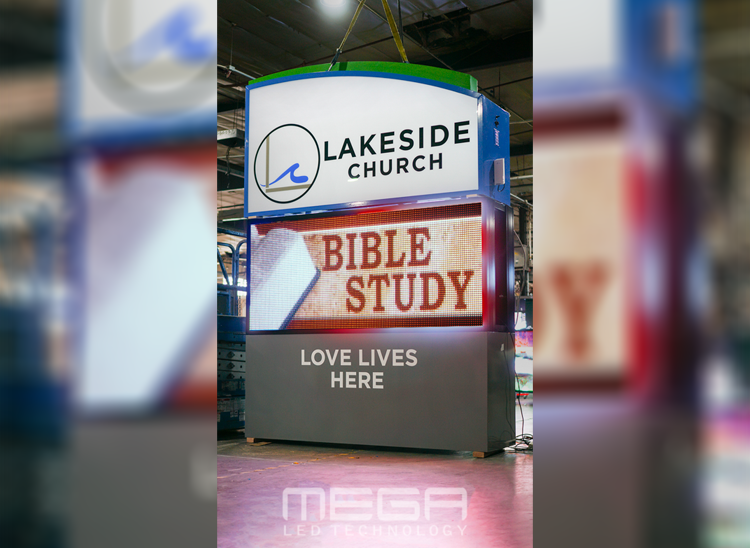

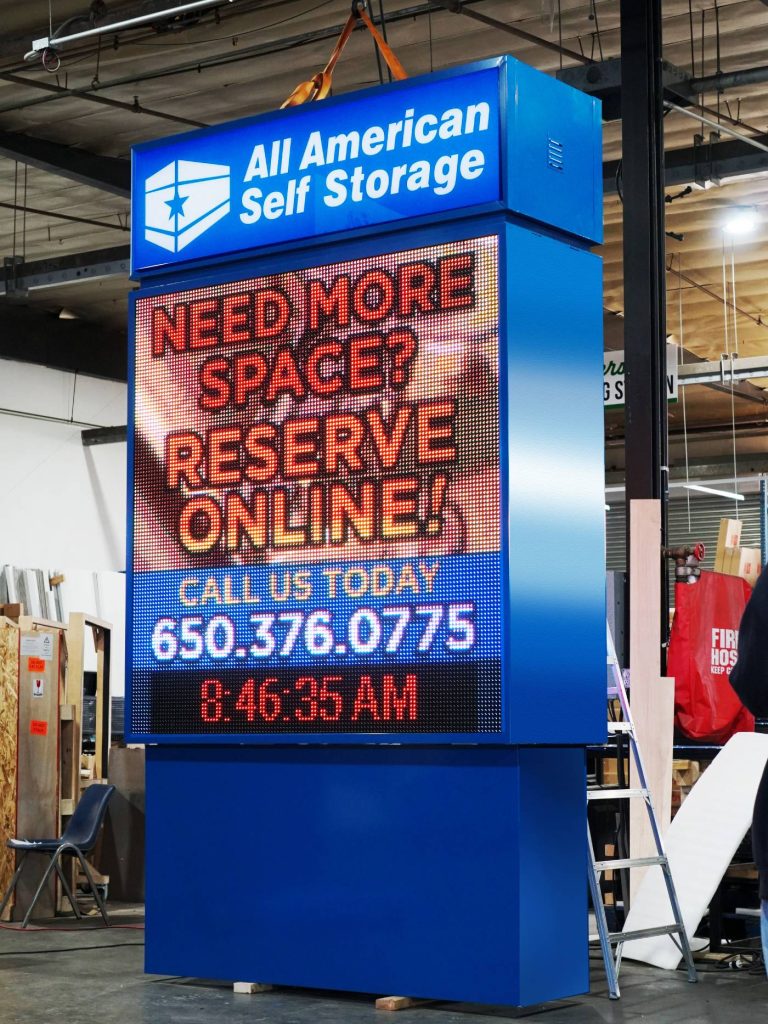
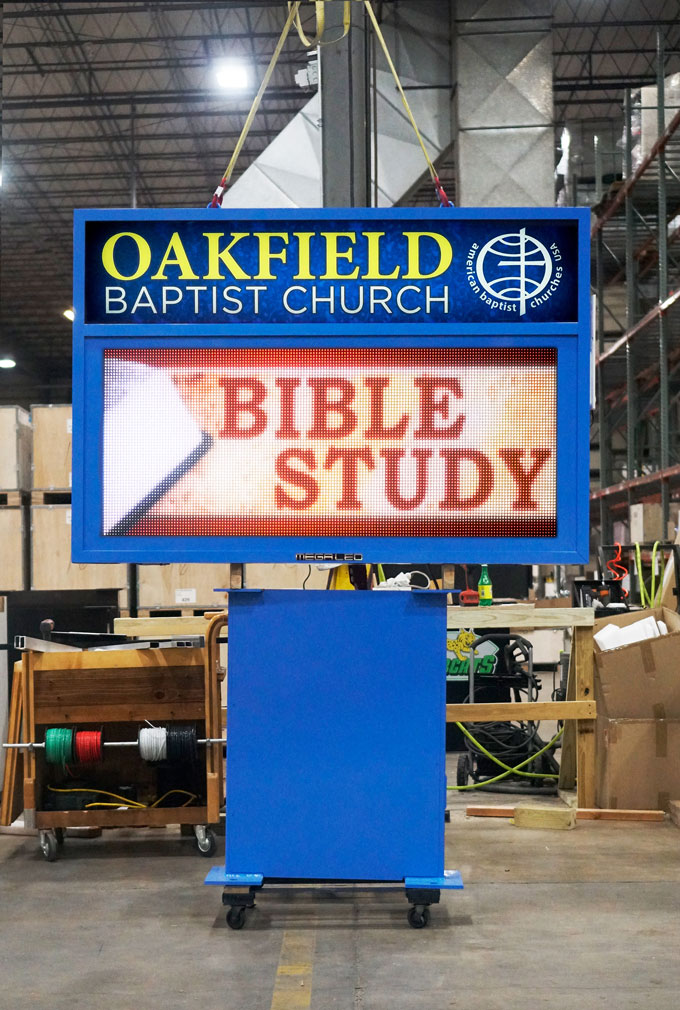



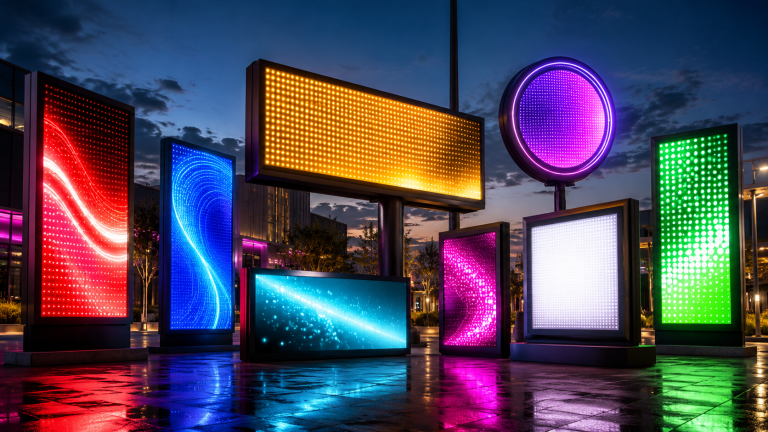

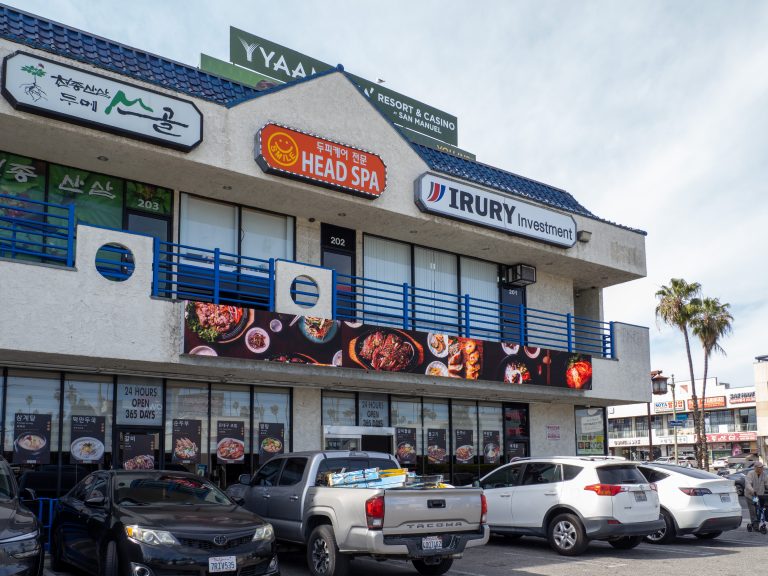

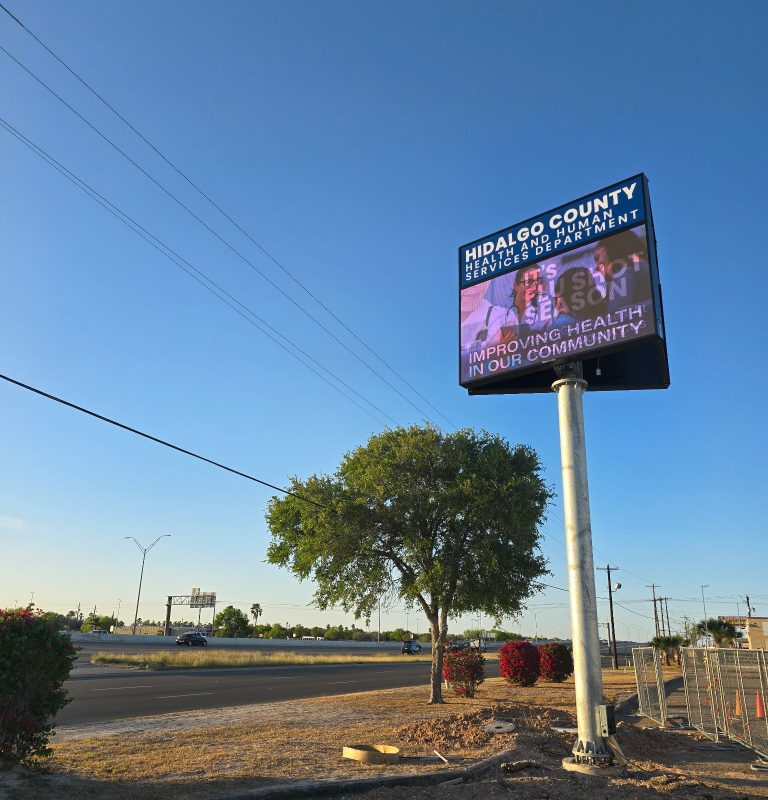

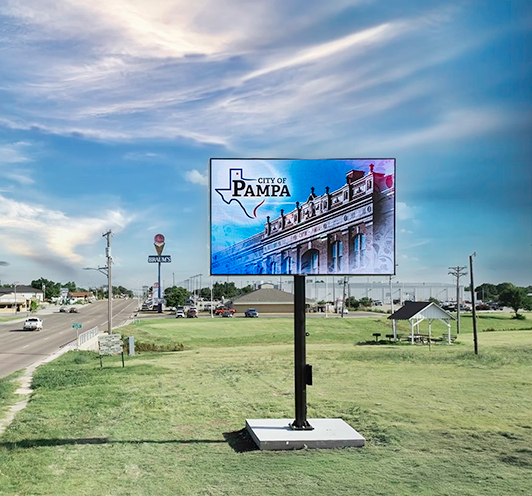


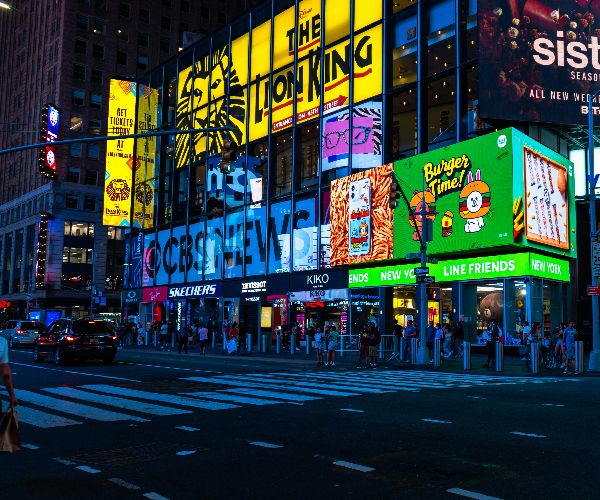
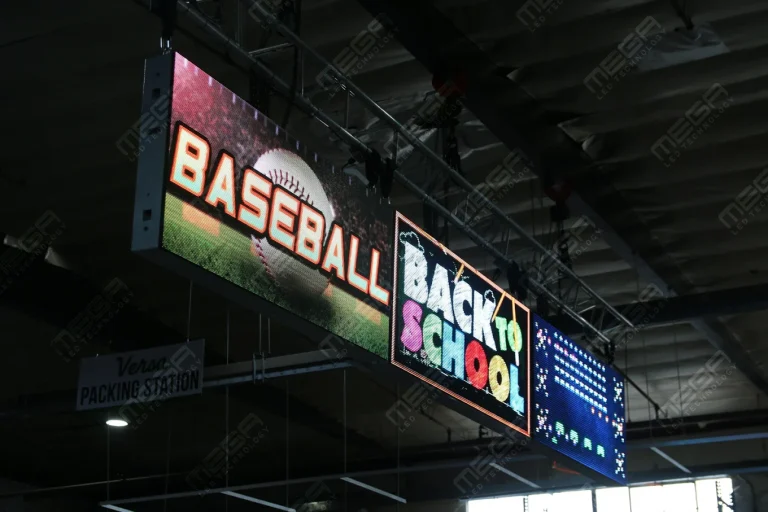





Alpha LED sign boards are great for anything from churches, to schools, to business. They tend to do great in large open spaces, where they are clearly visible.
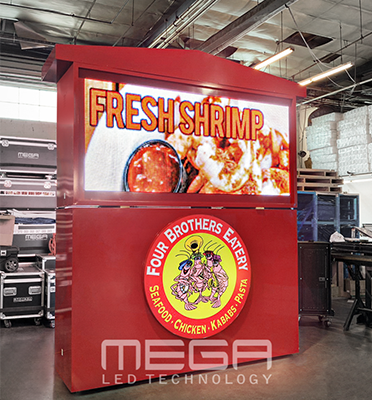
Omega is our newest line of outdoor digital signs. Running the full gambit from cabinet, to LED sign, to logo on top, or any configuration of your choice!
Premier is a customizable Outdoor LED sign, perfect for the Entrepreneur who knows that large custom sized signs cultivated for their specific business is the way to go.
Programmable Stage LED signs, great for indoor assemblies, congregations, and presentations! Blow your competitors out of the water, or keep your congregation and audience glued to your message.